Witness testimony ended Tuesday in the trial of a former Uvalde, Texas, school police officer accused of failing in his duty to stop a gunman in the critical first minutes of the 2022 Robb Elementary School attack, setting up the case to go to the jury.
Defense lawyers for Adrian Gonzales rested their case after calling just two witnesses, including a police tactics expert to bolster their claim that Gonzales did the best he could after driving onto campus amid a chaotic scene.
Click to Gallery
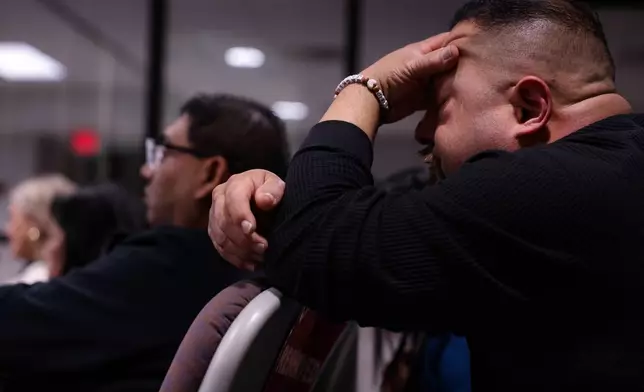
Javier Cazares listens to testimony during the 10th day of the trial of former Uvalde school district police officer Adrian Gonzales at the Nueces County Courthouse in Corpus Christi, Texas, Tuesday, Jan. 20, 2026. Cazares is the father of Robb Elementary shooting victim Jackie Cazares, one of the 19 children killed by an 18-year-old gunman. (Sam Owens/The San Antonio Express-News via AP, Pool)
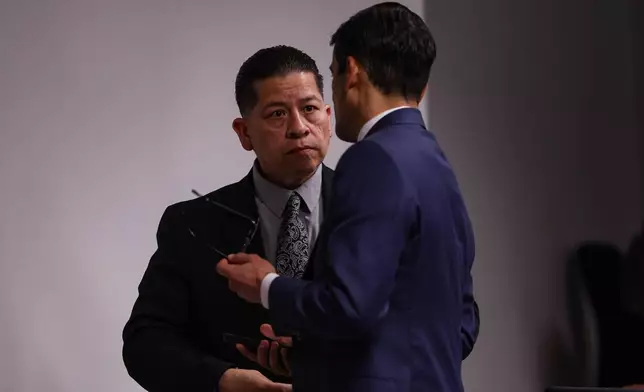
Former Uvalde school district police officer Adrian Gonzales, left, talks to his defense attorney Nico LaHood during a break on the 10th day of his trial at Nueces County Courthouse in Corpus Christi, Texas, Tuesday, Jan. 20, 2026. (Sam Owens/The San Antonio Express-News via AP, Pool)
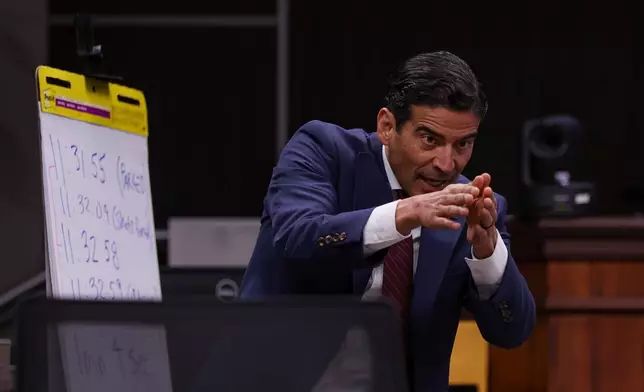
Defense attorney Nico LaHood cross-examines the prosecution's witness Nick Hill, a Texas Ranger lieutenant with the Texas Department of Public Safety, during the 10th day of the trial for former Uvalde school district police officer Adrian Gonzales at Nueces County Courthouse in Corpus Christi, Texas, Tuesday, Jan. 20, 2026. (Sam Owens/The San Antonio Express-News via AP, Pool)
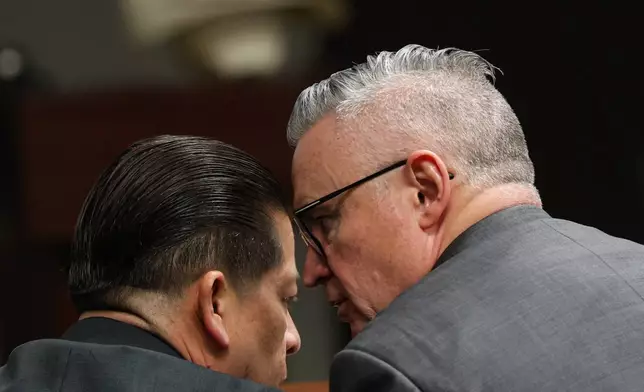
Former Uvalde school district police officer Adrian Gonzales talks with defense attorney Gary Hillier during the seventh day of Gonzales' trial at the Nueces County Courthouse in Corpus Christi, Texas, Wednesday, Jan. 14, 2026. (Sam Owens/The San Antonio Express-News via AP, Pool)
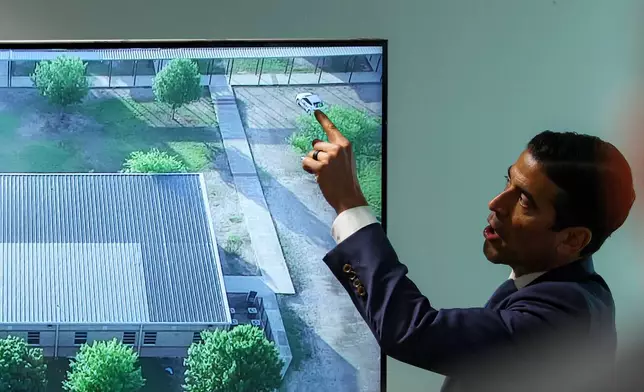
Defense attorney Nico LaHood points to a map of the exterior of Robb Elementary School to show where his client, Adrian Gonzales, parked while cross-examining witness Joe Vasquez, a Zavala County Sheriff's Office deputy, during Gonzales's trial at the Nueces County Courthouse, Tuesday, Jan. 13, 2026, in Corpus Christi, Texas. (Sam Owens/The San Antonio Express-News via AP, Pool)
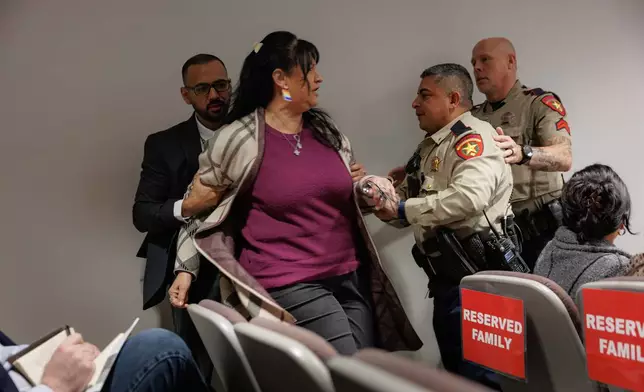
Police officers escort Velma Lisa Duran of the courtroom as she yells at witness Joe Vasquez, a Zavala County Sheriff's Office deputy, during a trial for former Uvalde school district police officer Adrian Gonzales at the Nueces County Courthouse in Corpus Christi, Texas, on Tuesday, Jan. 13, 2026. Duran's sister Irma Garcia was one of two teachers who were killed in the Robb Elementary mass shooting. (Sam Owens/The San Antonio Express-News via AP, Pool)
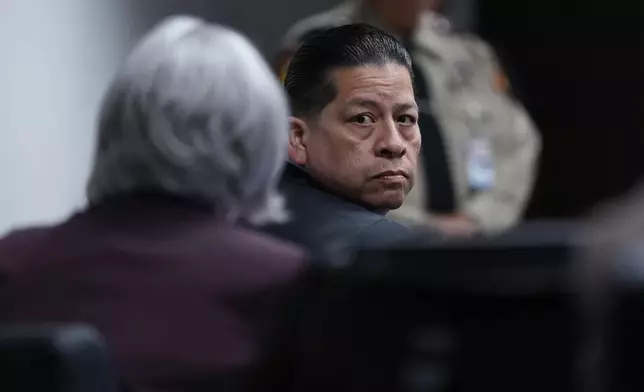
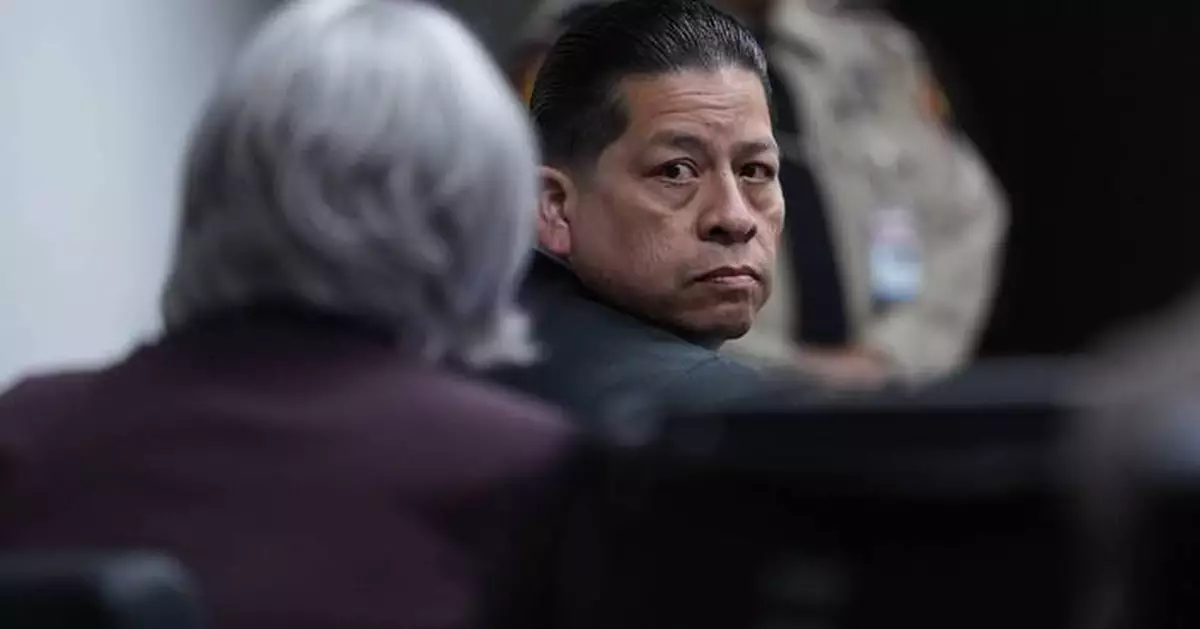
Former Uvalde school district police officer Adrian Gonzales looks back while seated in the courtroom at the Nueces County Courthouse in Corpus Christi, Texas, Tuesday, Jan. 6, 2026. (AP Photo/Eric Gay, Pool)
Gonzales has pleaded not guilty to 29 counts of child abandonment or endangerment. He faces up to two years in prison if convicted.
Gonzales did not take the stand in his own defense. Closing arguments are scheduled Wednesday before the jury begins deliberations.
Prosecutors rested their case after nine day of testimony from 36 witnesses in a trial that began Jan. 5. Gonzales’ only two witnesses included a woman who worked across the street from the school who told jurors she saw the shooter ducking between cars and trying to stay out of view — testimony that could reinforce Gonzales’ claims that he never saw the gunman.
Jurors have heard at times gripping and emotional testimony from teachers who recounted the terrifying moments when the 18-year-old gunman entered the school and killed 19 students and two teachers. Prosecutors have presented graphic photos from inside the classrooms and brought to the witness stand officers who described the chaos of the response.
At one point early in the trial, the sister of one of the teachers killed that day was removed from the courtroom after an angry outburst after one of the officers testified.
The prosecution's case has tugged at the raw emotion and shock of the carnage of May 24, 2022, as they attempt to show what could have been avoided had Gonzales intercepted the gunman in the early seconds of the attack.
Prosecutors allege the 52-year-old Gonzales, a 10-year police veteran who had led an active shooter response training course two months before the shooting, abandoned his training and did not try to stop gunman Salvador Ramos before he entered the school.
“Every second counts in an active shooter situation." special prosecutor Bill Turner said Tuesday, drilling down on 3 minutes between when Gonzales first arrived and when he went into the building. "Every second, more victims can die if a police officer is standing and waiting.”
Gonzales, however, has insisted he didn't freeze in the chaotic early moments and never saw the gunman. His lawyers insist three officers on the other side of the school saw the gunman still outside and didn't fire a shot. Body camera footage shows Gonzales being among the first group of officers to enter a shadowy and smokey hallway trying to reach the killer in a classroom.
The trial in Corpus Christi, Texas, is a rare case of a police officer charged with failing to stop a criminal act to protect lives.
The trial has included some graphic and violent evidence.
In addition to the classroom photos, jurors have heard recordings of the jarring gunshots and listened to a medical examiner describe the fatal wounds to the children. They also heard brief, yet anguished testimony from several parents of children were killed or wounded that day.
Teacher Arnulfo Reyes described seeing a “black shadow with a gun” enter the room before he was shot and all 11 of his students were killed. Other teachers described young students, some as young as second grade, grabbing safety scissors to attack the gunman if he came into their room.
Prosecutors stumbled at times while presenting their case, including inconsistent testimony from witnesses and mistakenly showing a photo from inside the classroom that showed “LOL” written in blood.
A teacher who was one of the early witnesses was dismissed because prosecutors had not disclosed before trial that she recalled seeing the gunman dressed in black approaching the school.
Defense lawyers asked for a mistrial on the second day but were denied. After the state rested, they asked the judge to determine the state had not proved it case. That also was denied.
Gonzales was one of 376 federal, state and local officers swarmed to the school as the attack unfolded. It would take more than an hour for a tactical team to breach a classroom and kill the gunman.
Only Gonzales and former Uvalde schools police chief Pete Arredondo have been criminally charged for the delayed response.
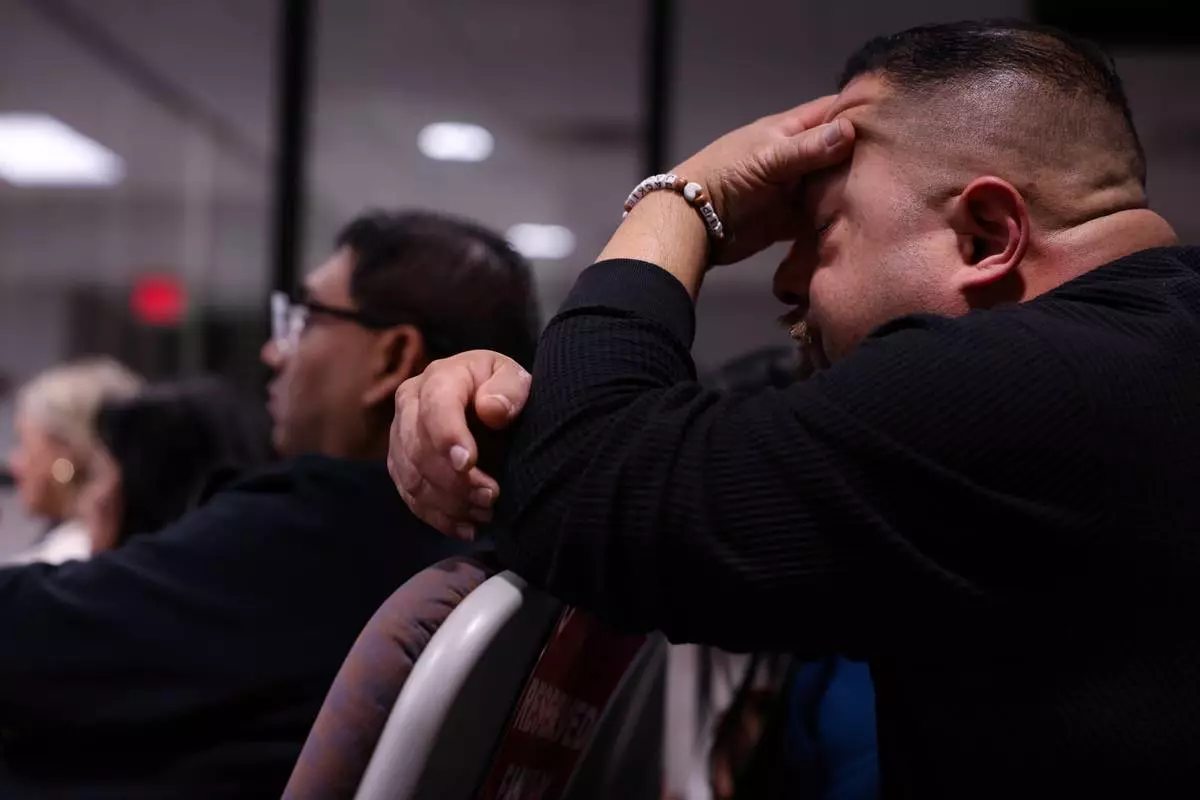
Javier Cazares listens to testimony during the 10th day of the trial of former Uvalde school district police officer Adrian Gonzales at the Nueces County Courthouse in Corpus Christi, Texas, Tuesday, Jan. 20, 2026. Cazares is the father of Robb Elementary shooting victim Jackie Cazares, one of the 19 children killed by an 18-year-old gunman. (Sam Owens/The San Antonio Express-News via AP, Pool)
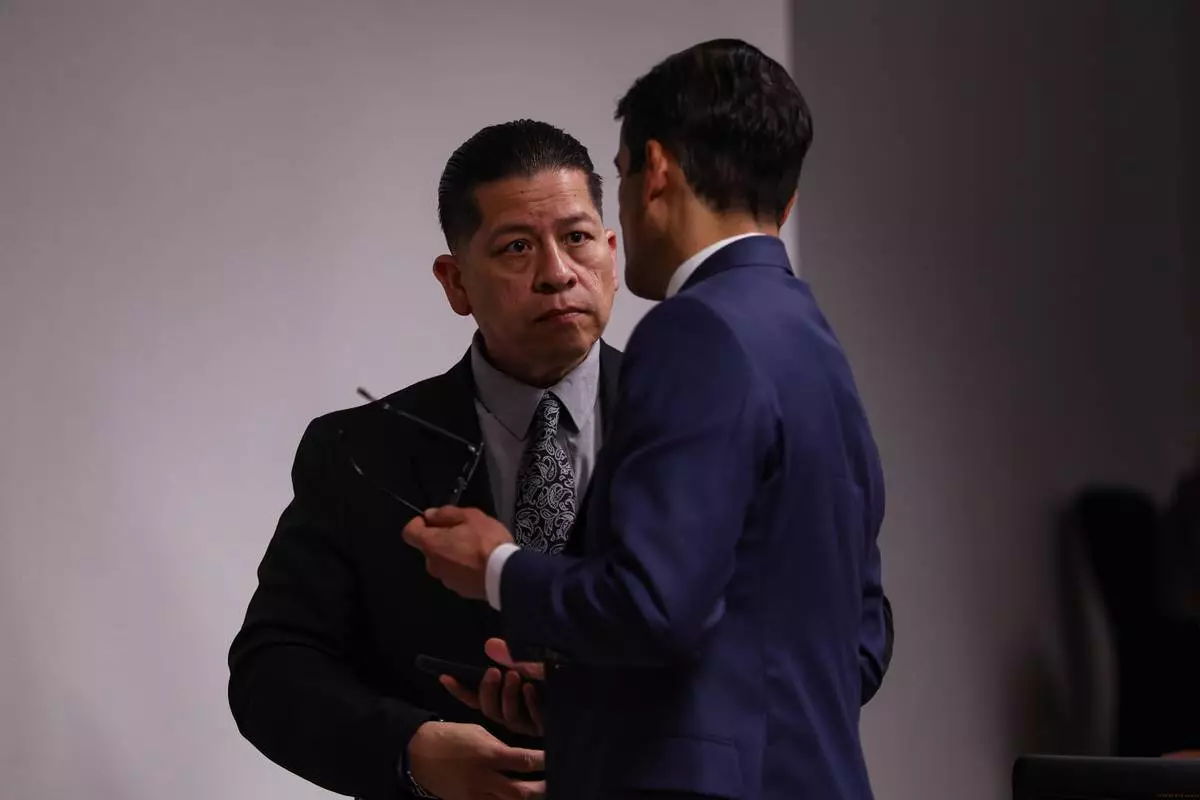
Former Uvalde school district police officer Adrian Gonzales, left, talks to his defense attorney Nico LaHood during a break on the 10th day of his trial at Nueces County Courthouse in Corpus Christi, Texas, Tuesday, Jan. 20, 2026. (Sam Owens/The San Antonio Express-News via AP, Pool)
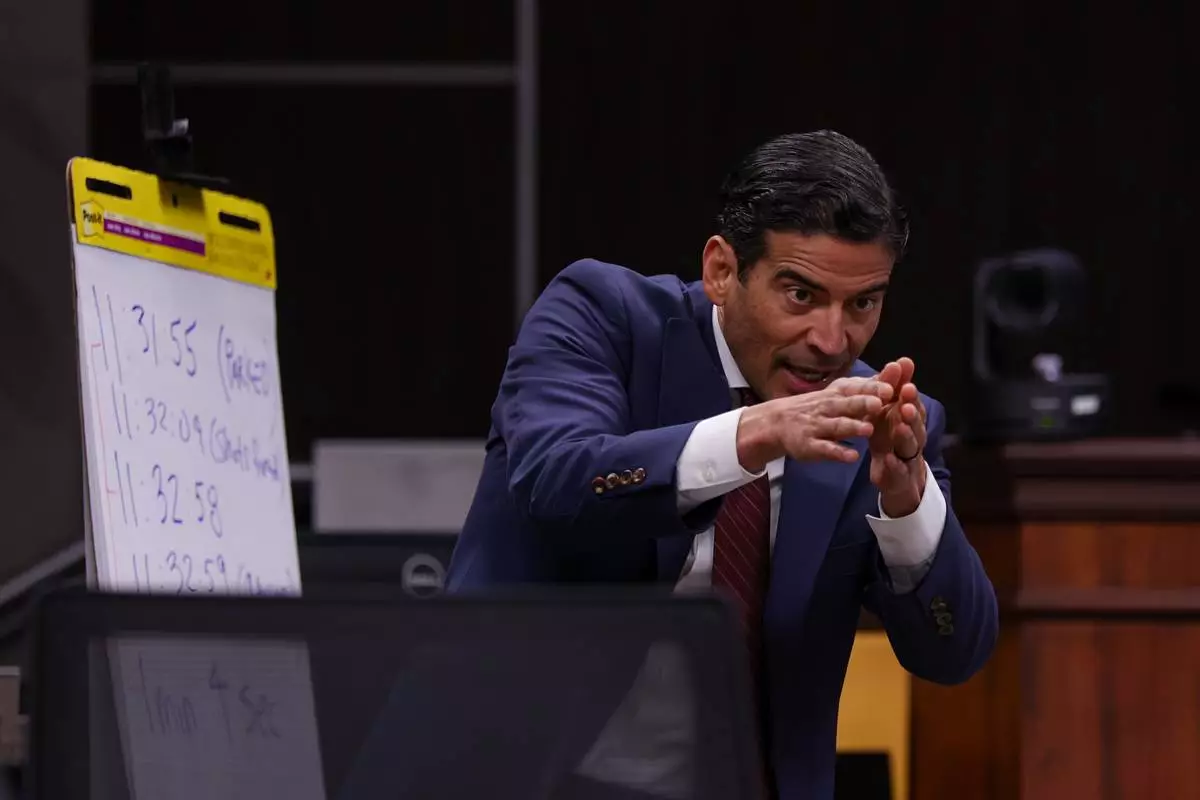
Defense attorney Nico LaHood cross-examines the prosecution's witness Nick Hill, a Texas Ranger lieutenant with the Texas Department of Public Safety, during the 10th day of the trial for former Uvalde school district police officer Adrian Gonzales at Nueces County Courthouse in Corpus Christi, Texas, Tuesday, Jan. 20, 2026. (Sam Owens/The San Antonio Express-News via AP, Pool)
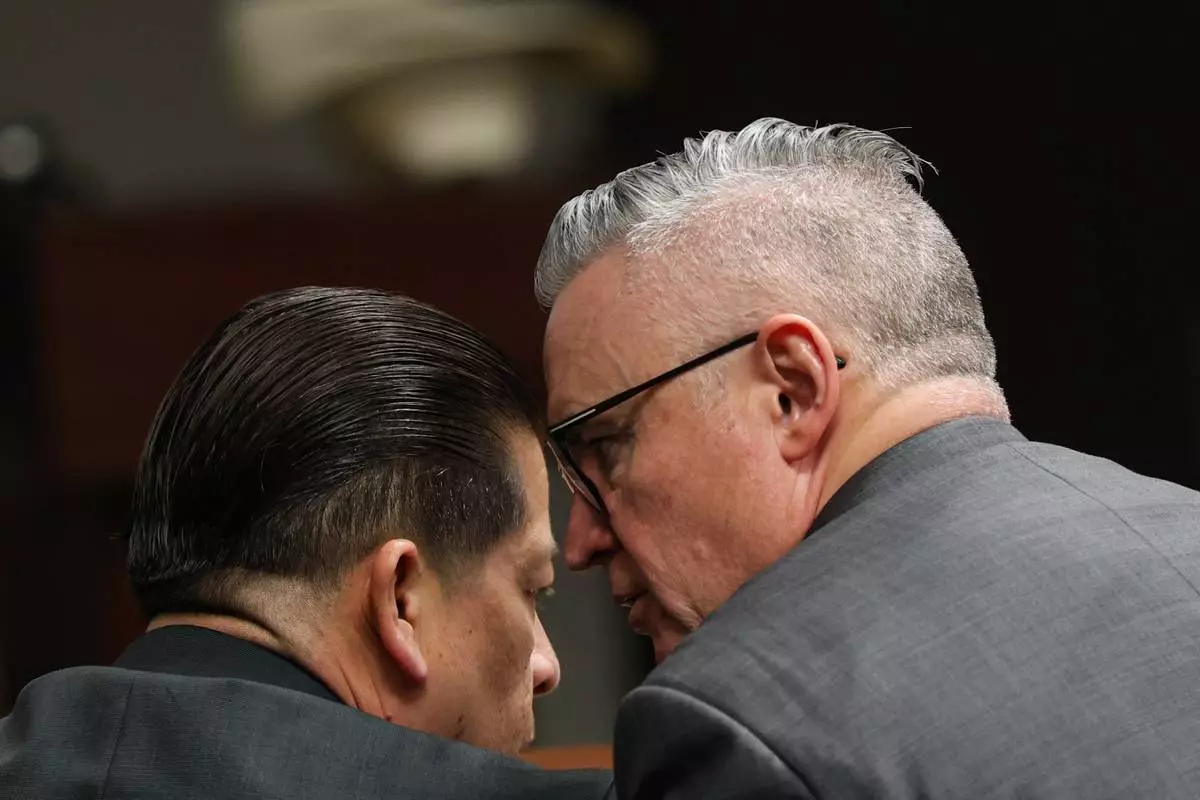
Former Uvalde school district police officer Adrian Gonzales talks with defense attorney Gary Hillier during the seventh day of Gonzales' trial at the Nueces County Courthouse in Corpus Christi, Texas, Wednesday, Jan. 14, 2026. (Sam Owens/The San Antonio Express-News via AP, Pool)
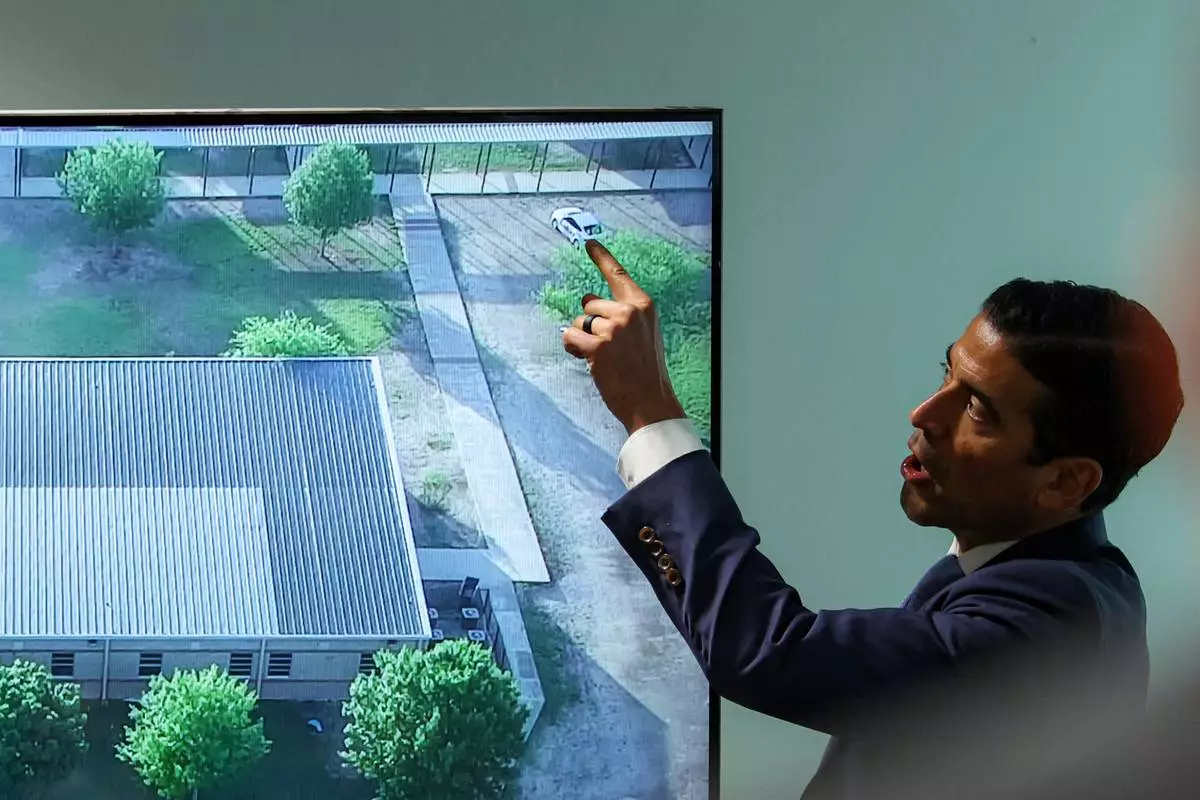
Defense attorney Nico LaHood points to a map of the exterior of Robb Elementary School to show where his client, Adrian Gonzales, parked while cross-examining witness Joe Vasquez, a Zavala County Sheriff's Office deputy, during Gonzales's trial at the Nueces County Courthouse, Tuesday, Jan. 13, 2026, in Corpus Christi, Texas. (Sam Owens/The San Antonio Express-News via AP, Pool)
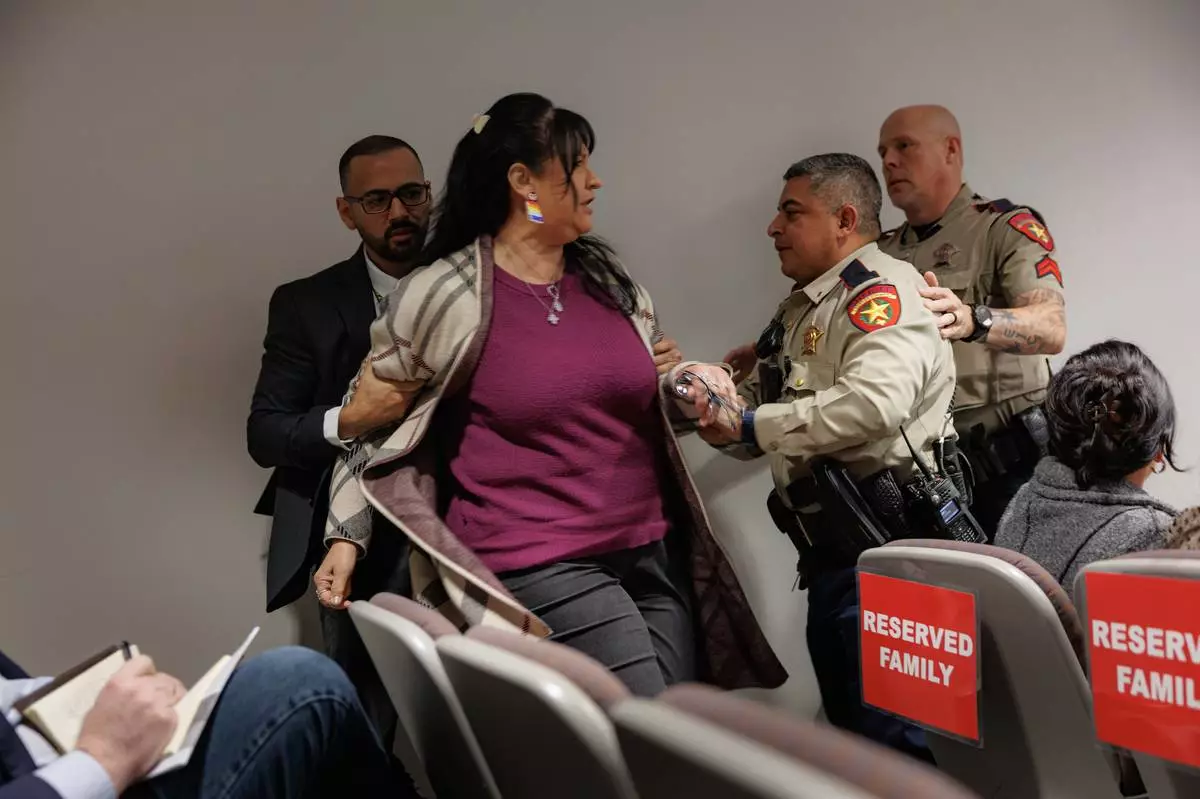
Police officers escort Velma Lisa Duran of the courtroom as she yells at witness Joe Vasquez, a Zavala County Sheriff's Office deputy, during a trial for former Uvalde school district police officer Adrian Gonzales at the Nueces County Courthouse in Corpus Christi, Texas, on Tuesday, Jan. 13, 2026. Duran's sister Irma Garcia was one of two teachers who were killed in the Robb Elementary mass shooting. (Sam Owens/The San Antonio Express-News via AP, Pool)
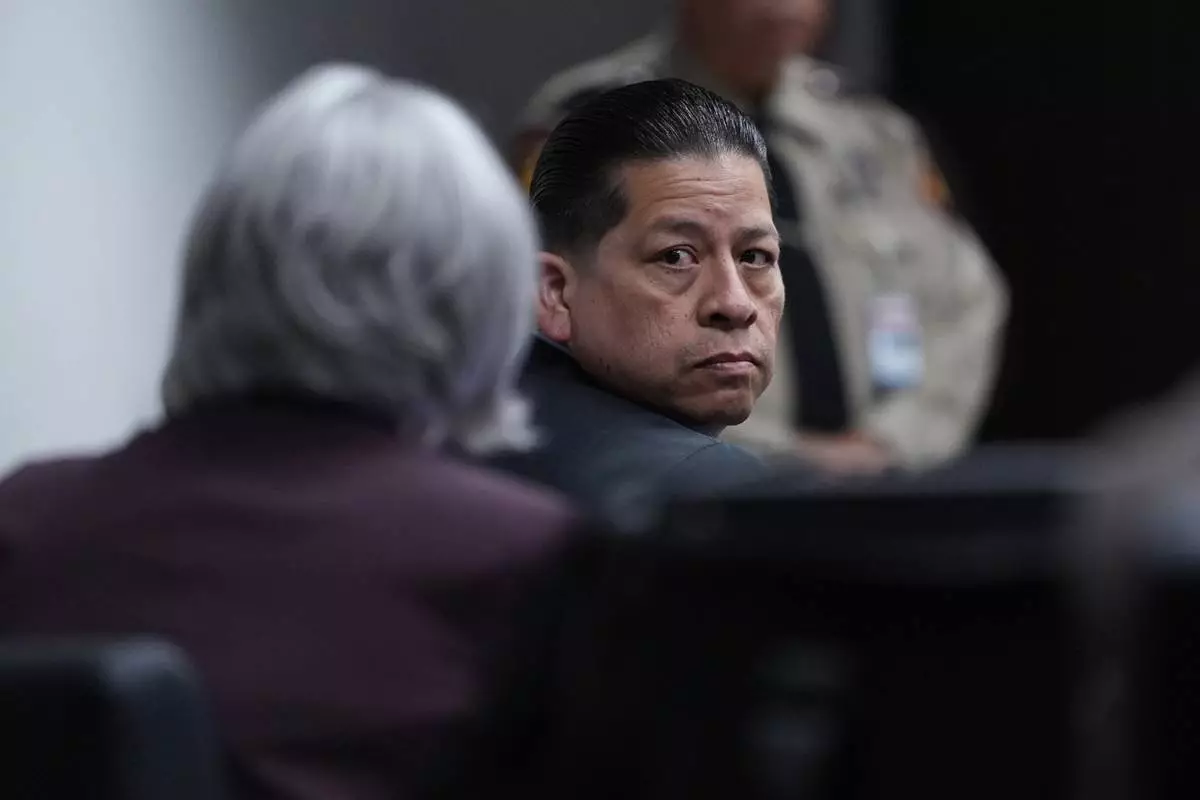
Former Uvalde school district police officer Adrian Gonzales looks back while seated in the courtroom at the Nueces County Courthouse in Corpus Christi, Texas, Tuesday, Jan. 6, 2026. (AP Photo/Eric Gay, Pool)