China's small and medium-sized enterprises (SMEs) continued to post steady and positive growth in 2025, with value-added output of industrial SMEs above the designated size rising 6.9 percent year on year, according to the Ministry of Industry and Information Technology.
The update was released at a State Council Information Office press conference on industrial and information technology development held on Wednesday, where Zhang Yunming, the ministry's vice minister, outlined the high-quality development progresses of SMEs in 2025.
"In 2025, the value-added output of industrial SMEs above the designated size rose by 6.9 percent year on year, while the SME export index reached 52.4 percent in December, continued the steady expansion for 21 consecutive months," he said.
Over the past year, China has cumulatively nurtured 17,600 specialized and innovative “little giant” enterprises, more than 140,000 specialized and innovative SMEs, and more than 600,000 technology- and innovation-oriented SMEs. These “little giant” enterprises have an average research and development investment intensity of 7 percent, with a total of 460,000 invention patents, averaging 26.6 per enterprise, highlighting strong innovation capacity.
"Authorities will formulate a dedicated plan to promote SME development during the 15th Five-Year Plan period. We will fully implement regulations aimed at ensuring timely payments to SMEs, intensify efforts to clear overdue payments while resolutely curbing new arrears, and better protect the legitimate rights and interests of SMEs. Revisions to SME classification standards will also be accelerated to improve the precision and effectiveness of policy support," Zhang said.
Further measures will focus on building mechanisms to support the growth of specialized and innovative SMEs to produce novel and unique products, establishing the first group of national SME public service demonstration platforms and bases, and rolling out a three-year action plan for tiered cultivation of high-quality enterprises. China will also explore the creation of specialized and innovative empowerment centers for SMEs, improve the tiered development system for SME-focused industrial clusters, and promote coordinated and integrated development among large, medium and small enterprises, he added.
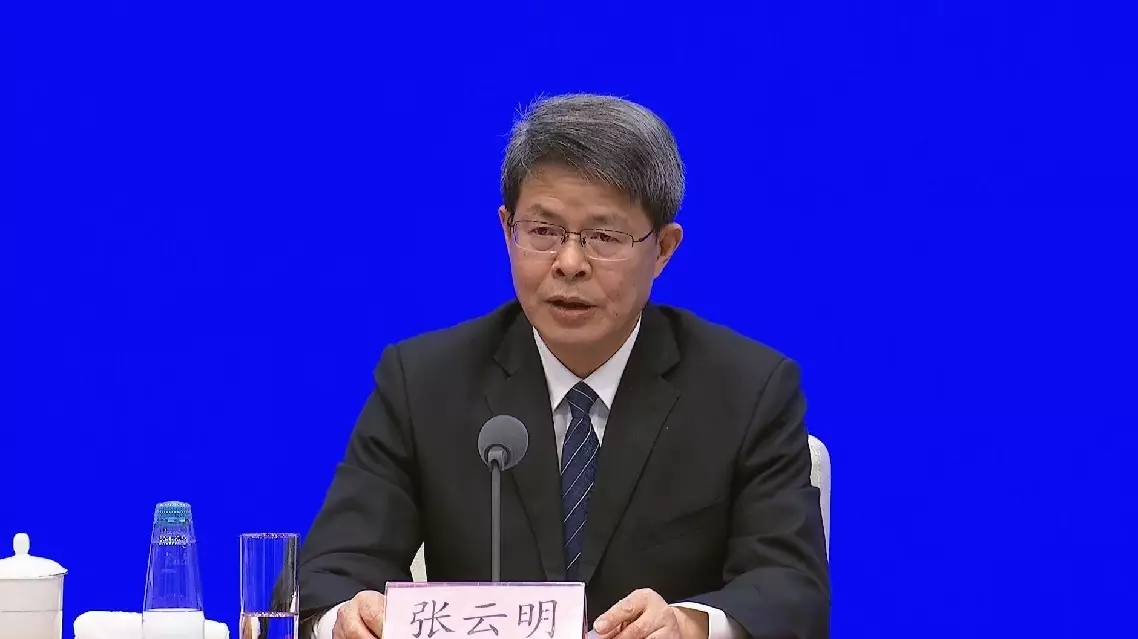
China's major SMEs register positive annual growth in 2025
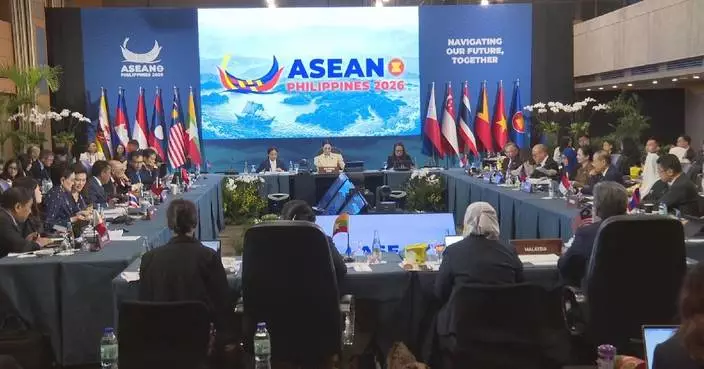
The ongoing China-ASEAN Expo serves as a bridge for China and the Association of Southeast Asian Nations (ASEAN) to boost trade flows, helping both sides reap shared development dividends.
Scheduled to run from Sept 17 to 21 in Nanning City of south China's Guangxi Zhuang Autonomous Region, the event draws more than 3,400 exhibitors from over 70 countries and regions.
This year, Timor-Leste is participating for the first time as a full ASEAN member and a co-host of the expo, with participants noting results have exceeded expectations, bolstered by China's vast market.
"I brought 60 packages of 250-gram coffee, which would be sold out in one day. Now I'm thinking that China market is open for everybody and it's very huge," said an exhibitor from Timor-Leste.
Participants also hailed the construction of China's Pinglu Canal, which officially opened to traffic on Wednesday.
The 134.2-km-long canal runs from Hengzhou, a county-level city in Guangxi, to the Beibu Gulf, the closest maritime outlet for much of southwest China.
The canal becomes a cost-competitive river-sea intermodal shortcut connecting ASEAN producers with the vast consumer market in southwest China, said the participants.
"In the past, shipments into the southwest China usually went by sea to Guangzhou and then overlands. Too many handover made it hard to keep products fresh. Losses were high and transit time was unreliable. Now that the canal is open, we can enter [the] Guangxi [Zhuang Autonomous Region] directly from the Beibu Gulf and move on to Yunnan, Guizhou and Sichuan restaurants, faster onto the supermarket shelves and tables in the southeast [part of China]," said an exhibitor from Vietnam.
With the formal signing of the China-ASEAN Free Trade Area (FTA) 3.0 Upgrade Protocol in Oct 2025, bilateral cooperation has expanded beyond economic and trade areas to emerging fields such as the digital economy and the green economy.
"I am looking for an investor to develop agriculture and integrated tourism with us in Malaysia," said an exhibitor from Malaysia.
Economic ties between China and ASEAN have continued to deepen. Bilateral trade topped 1 trillion U.S. dollars for the first time in 2025, totaling 1.05 trillion dollars, up 7.4 percent year on year. In the first seven months of 2026, trade between the two sides reached 744.41 billion dollars, an increase of 24.7 percent year on year and accounting for 21.8 percent of China's total foreign trade.
China has remained ASEAN's largest trading partner for 17 consecutive years, while ASEAN has been China's largest trading partner for six successive years.
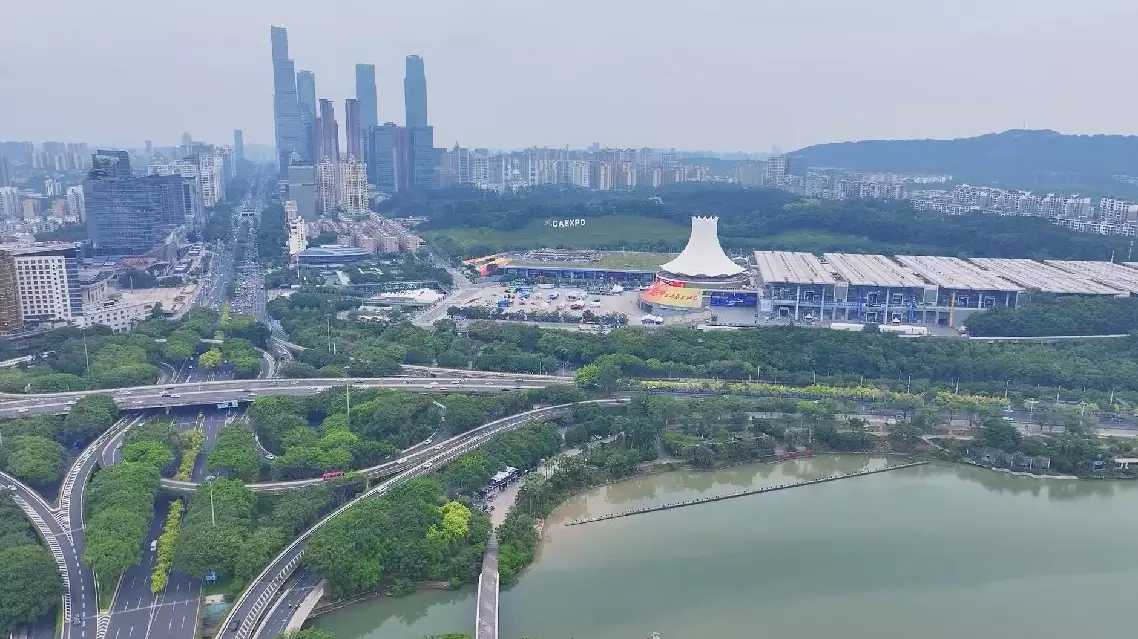
China-ASEAN Expo boosts bilateral cooperation, delivers shared dividends