One year after a winter storm forced postponements across U.S. sports, another major weather system is prompting a reshuffling of games this week and threatened to wreak havoc on the weekend schedule.
A storm that meteorologists say could rival the damage of a major hurricane is expected to bring snow, ice and frigid temperatures from New Mexico to New England starting Friday.
Click to Gallery
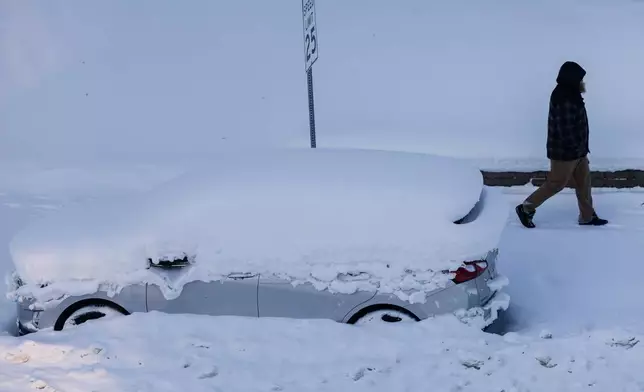
A person walks by a vehicle that was plowed in by snow in Grand Rapids, Mich. on Friday, Jan. 23, 2026. (Joel Bissell/Kalamazoo Gazette via AP)
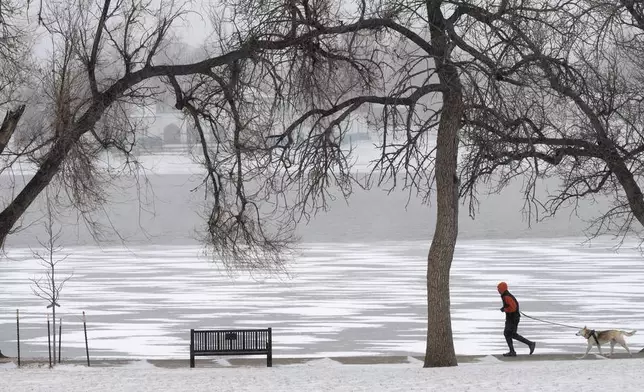
A runner and his dog circle a frozen Prospect Lake in Colorado Springs, Colo., Friday, Jan. 23, 2026, as snow and extremely cold weather hits the Pikes Peak Region. (Christian Murdock/The Gazette via AP)
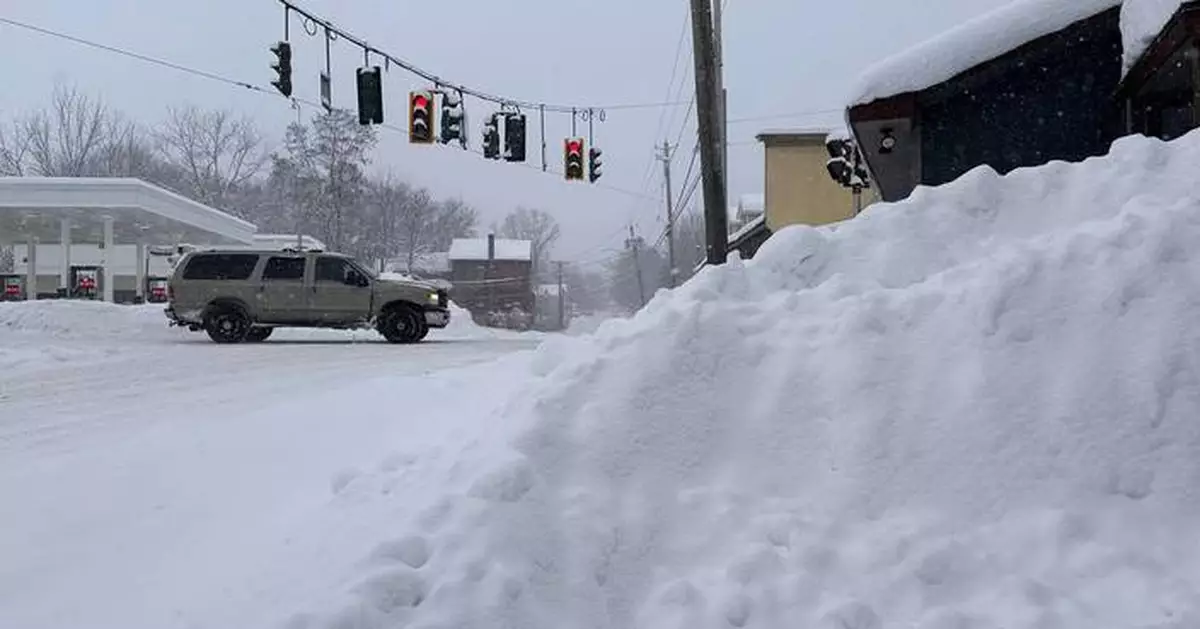
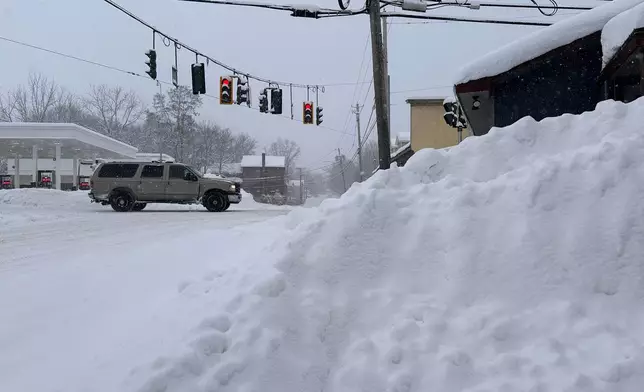
A driver navigates fresh snowfall in Lowville, New York, on Friday, Jan. 23, 2026. (AP Photo/Cara Anna)
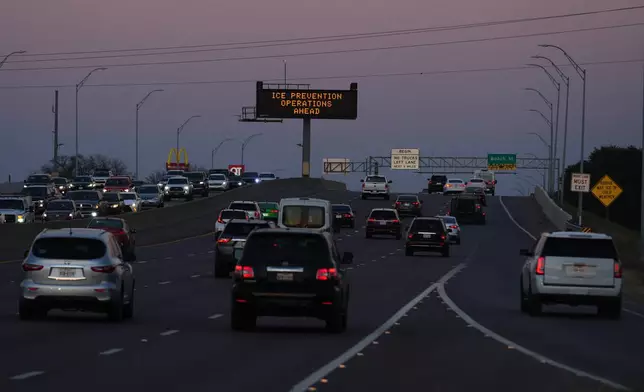
A sign visible from the eastbound lanes of Highway 121 warns of road preparations ahead of inclement weather expected in the region Wednesday, Jan. 21, 2026, in Fort Worth, Texas. (AP Photo/Julio Cortez)
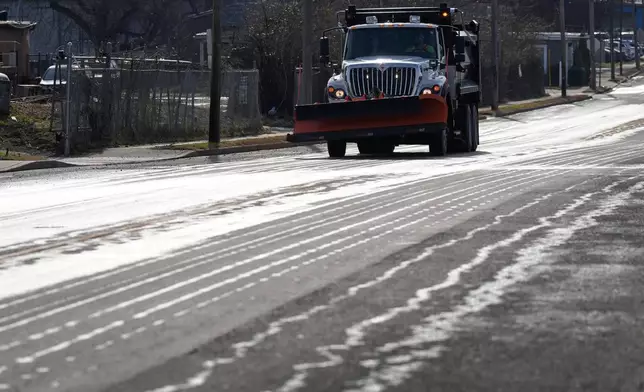
A Nashville Department of Transportation truck applies salt brine to a roadway Thursday, Jan. 22, 2026, in Nashville, Tenn. ahead of a winter storm expected to hit the state over the weekend. (AP Photo/George Walker IV)
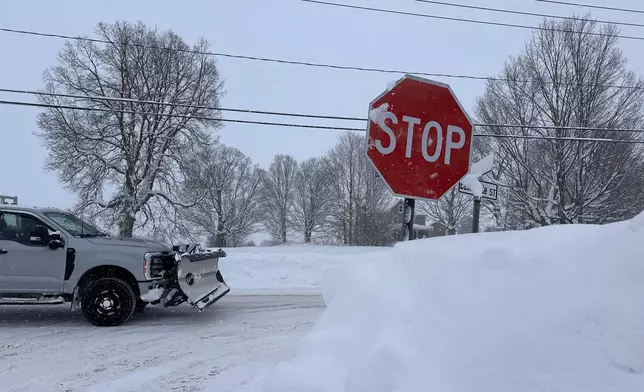
Traffic passes piled-up snow in Lowville, N.Y., Tuesday, Jan. 20, 2026. (AP Photo/Cara Anna)
Major League Baseball’s Texas Rangers canceled their annual Fan Fest event scheduled for Saturday due to the weather forecast for frozen precipitation in North Texas and “in the interest of safety for players, fans, and employees.”
The number of states where college games were being adjusted showed the large path of the approaching storm.
The Sun Belt Conference preemptively shook up its women’s basketball schedule, moving around the start times on several games from Thursday through Saturday. The American Athletic Conference also adjusted its weekend men’s and women’s basketball schedules, moving some games up to Friday.
North Carolina Central postponed two men’s and two women’s basketball games scheduled to be played from Thursday through Monday in Durham, North Carolina.
Appalachian State moved up its men’s basketball home game with Louisiana-Lafayette to Thursday morning and Marshall made its home game against Louisiana-Monroe a noon Thursday tipoff. Tennessee’s swim meet at Georgia and the USC Upstate women’s basketball game at Longwood were pushed to Friday from Saturday due to the forecast.
Among other women’s basketball games moved up several hours Saturday included No. 20 Princeton at Brown and North Florida at Eastern Kentucky, along with men’s games involving Towson at North Carolina A&T and Texas State at James Madison.
Rice adjusted tipoff times for its men’s and women’s basketball home games this weekend. The Rice men's home game against Tulsa originally scheduled for Sunday at 3 p.m. has been changed to Saturday at 3:30 p.m. Also, the Rice women's game against Tulane originally scheduled for Saturday at 2 p.m. has been moved up an hour to 1 p.m.
AP sports: https://apnews.com/sports
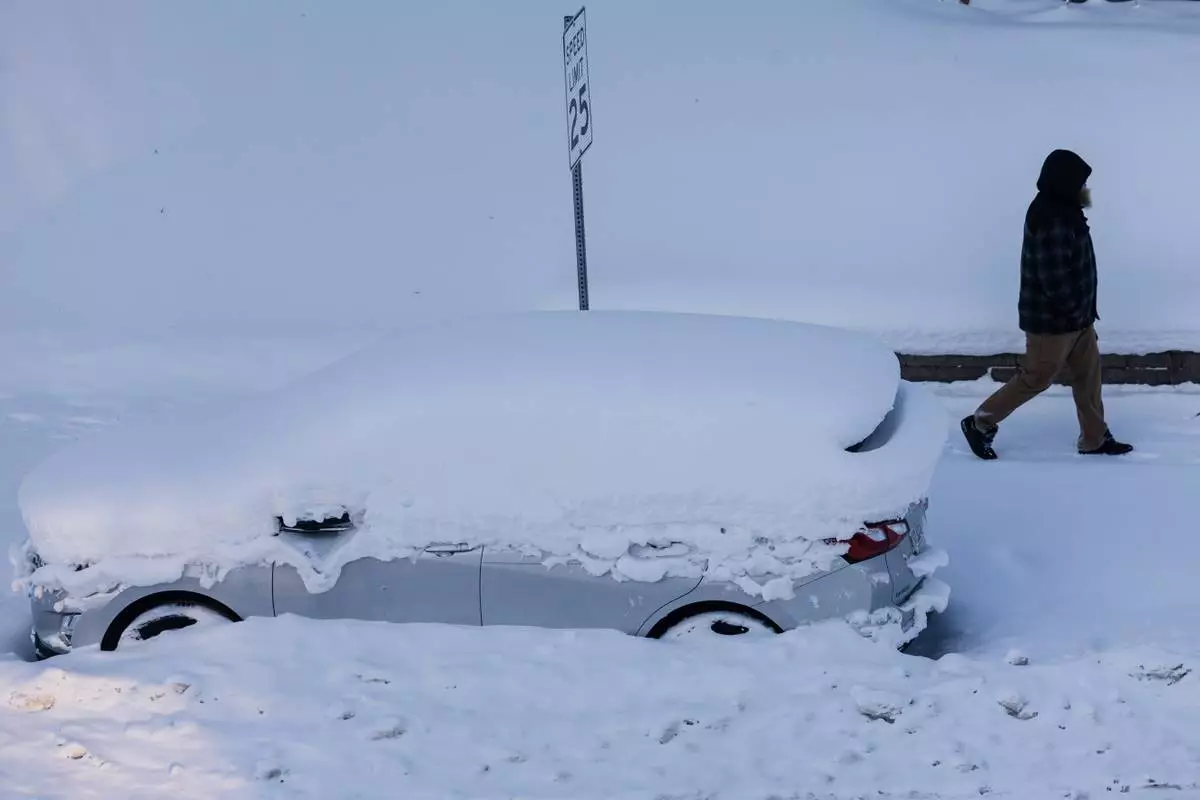
A person walks by a vehicle that was plowed in by snow in Grand Rapids, Mich. on Friday, Jan. 23, 2026. (Joel Bissell/Kalamazoo Gazette via AP)
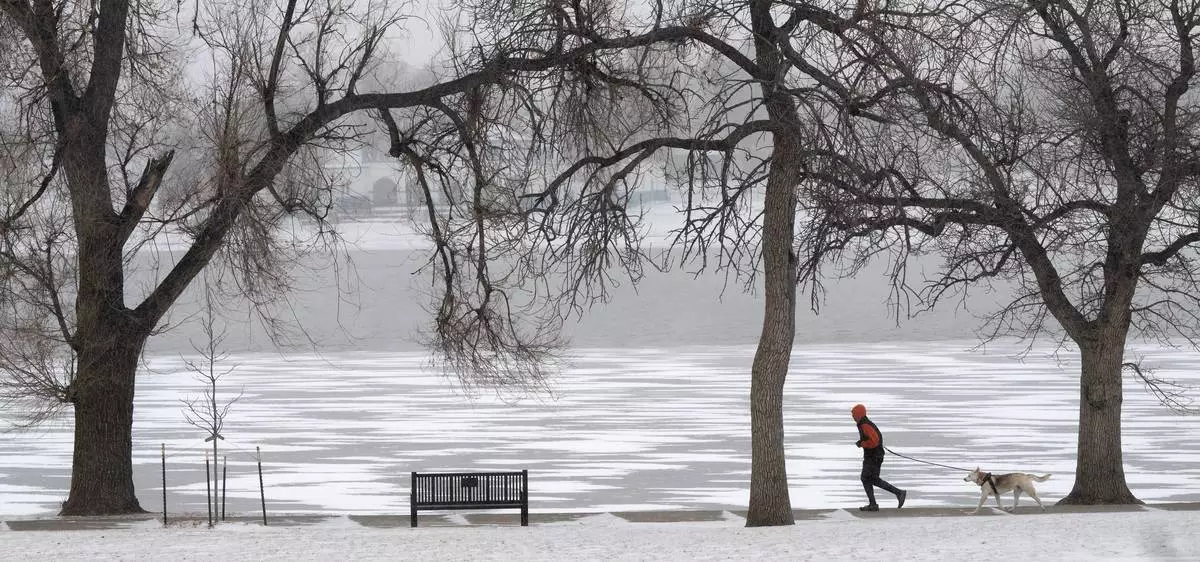
A runner and his dog circle a frozen Prospect Lake in Colorado Springs, Colo., Friday, Jan. 23, 2026, as snow and extremely cold weather hits the Pikes Peak Region. (Christian Murdock/The Gazette via AP)
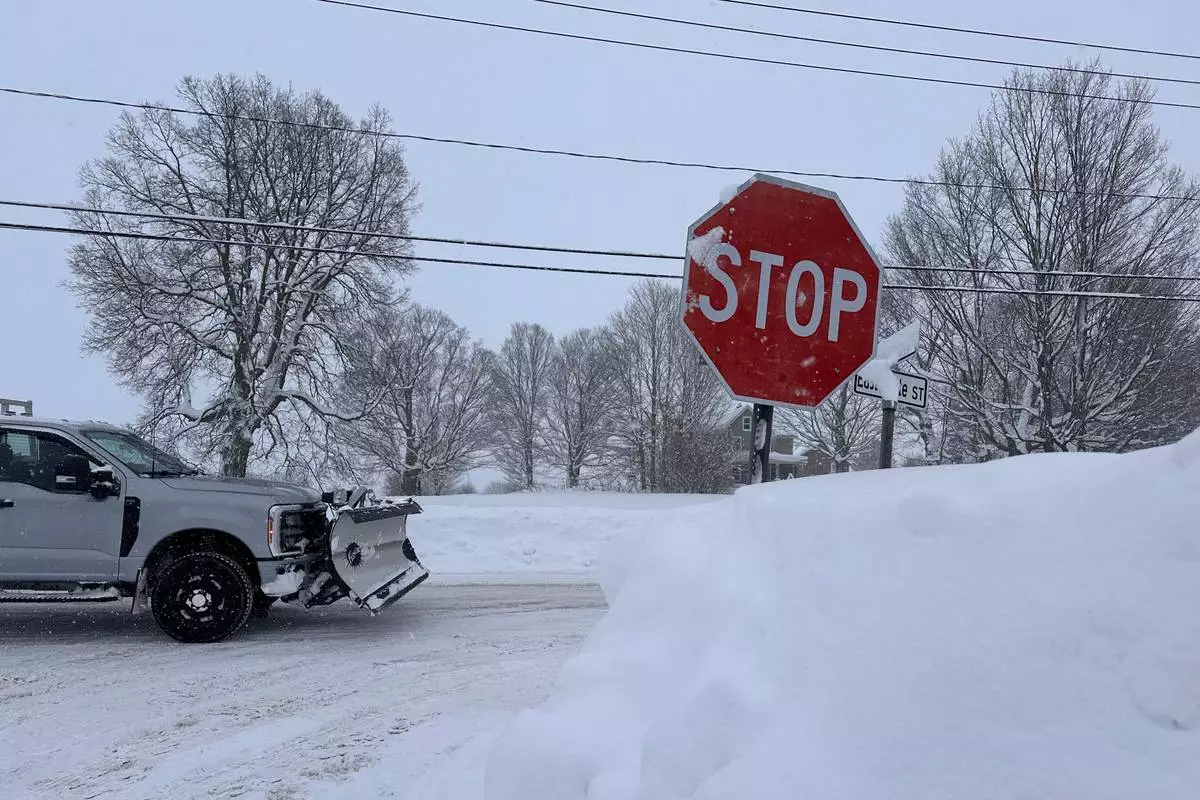
A driver navigates fresh snowfall in Lowville, New York, on Friday, Jan. 23, 2026. (AP Photo/Cara Anna)
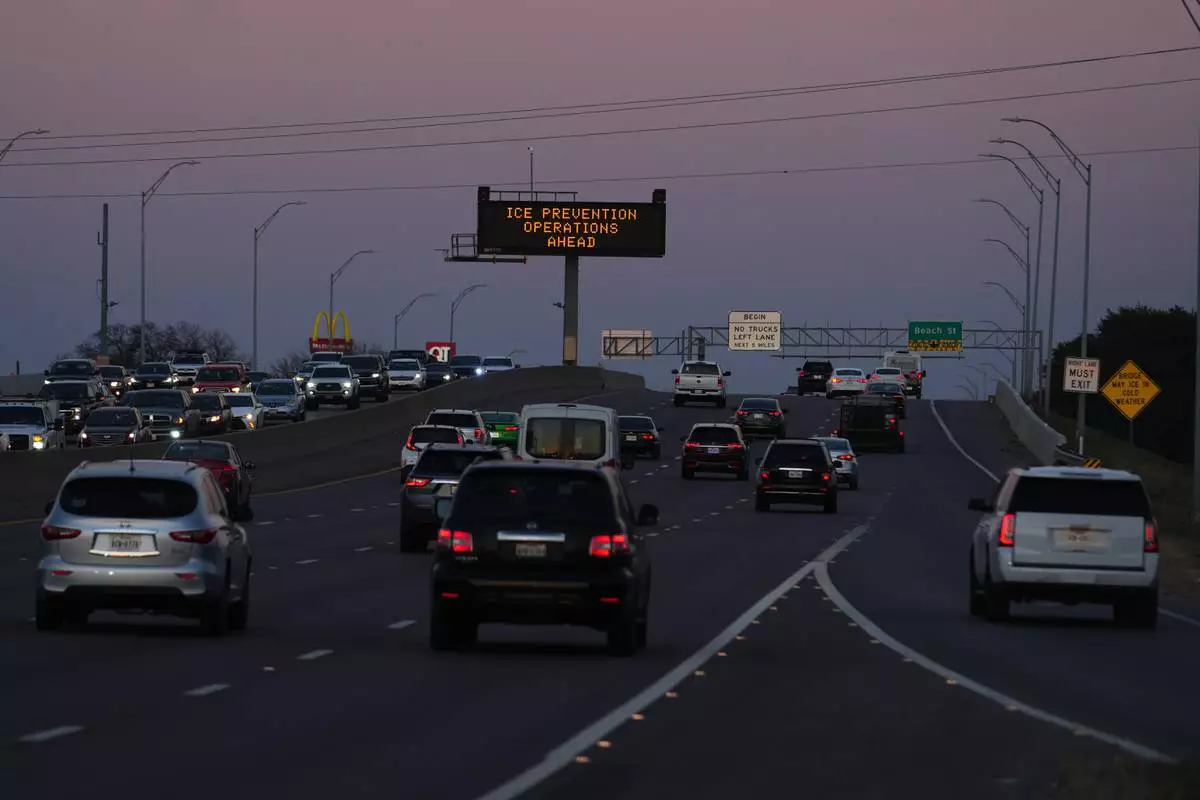
A sign visible from the eastbound lanes of Highway 121 warns of road preparations ahead of inclement weather expected in the region Wednesday, Jan. 21, 2026, in Fort Worth, Texas. (AP Photo/Julio Cortez)
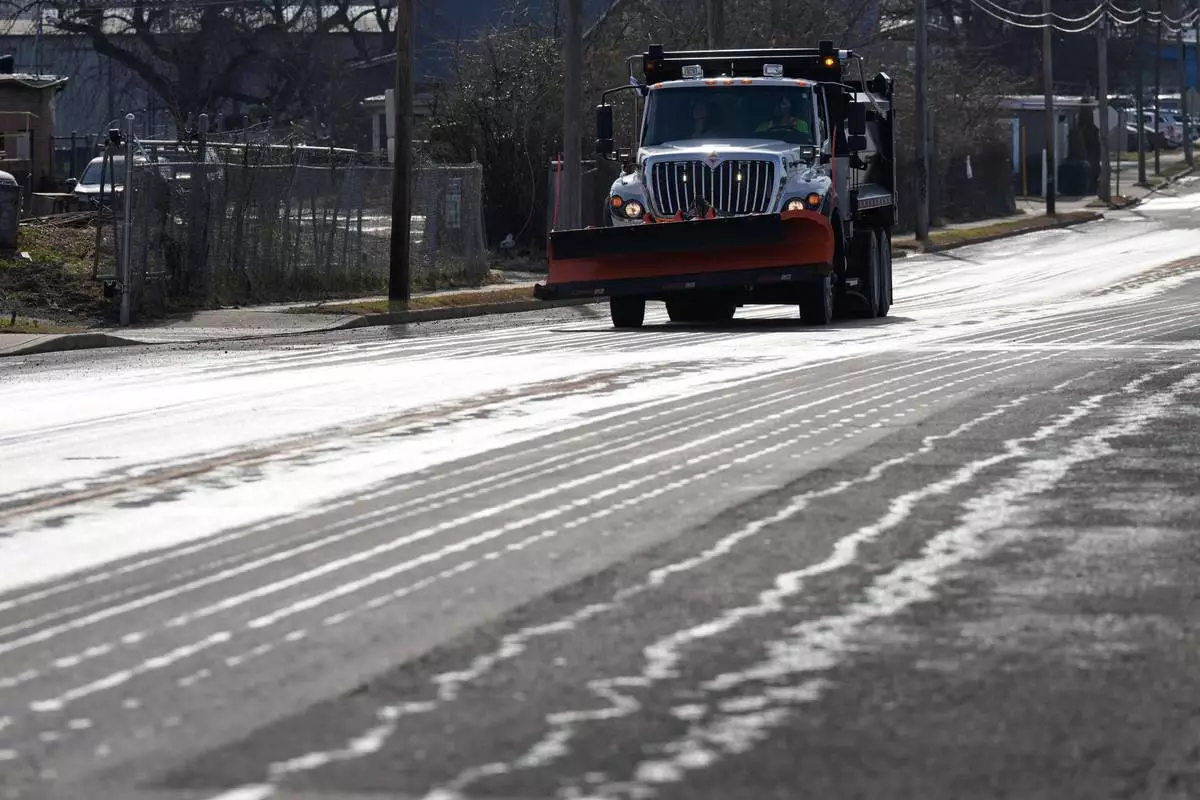
A Nashville Department of Transportation truck applies salt brine to a roadway Thursday, Jan. 22, 2026, in Nashville, Tenn. ahead of a winter storm expected to hit the state over the weekend. (AP Photo/George Walker IV)
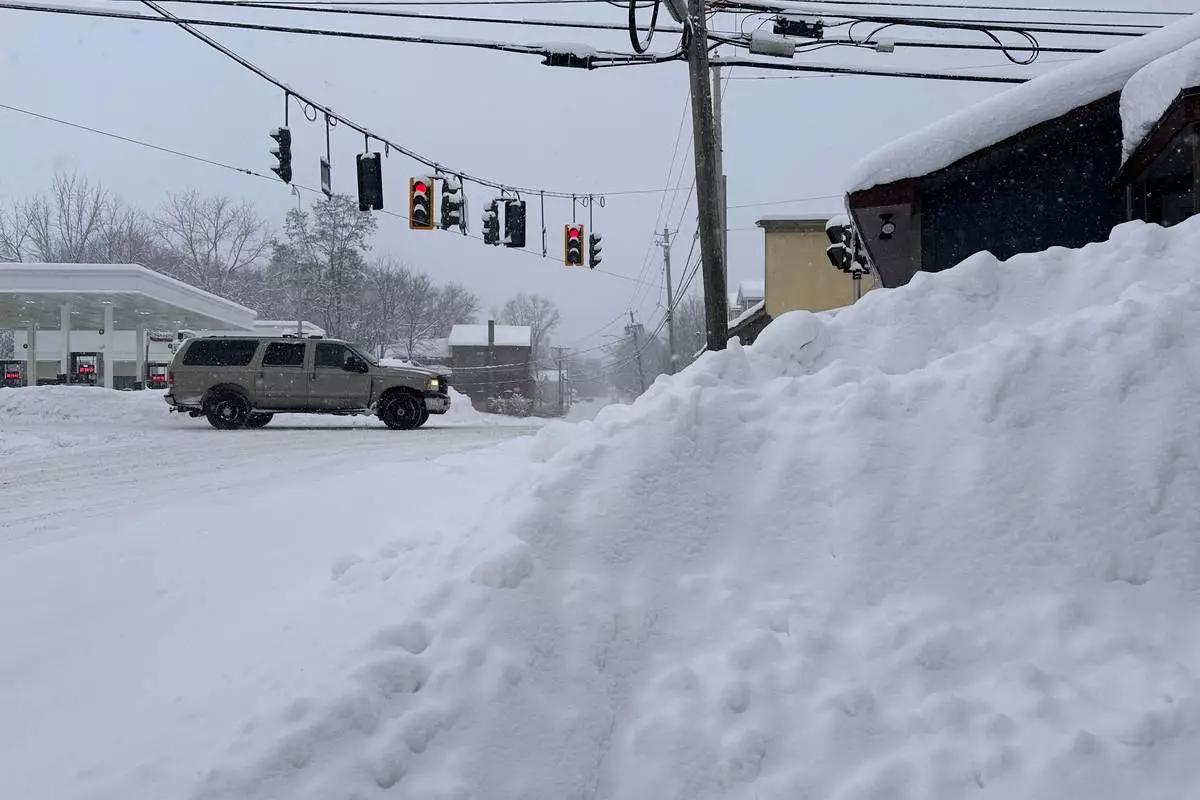
Traffic passes piled-up snow in Lowville, N.Y., Tuesday, Jan. 20, 2026. (AP Photo/Cara Anna)
DUBAI, United Arab Emirates (AP) — Iran attacked commercial ships on Wednesday and targeted Dubai International Airport, escalating a campaign of bottling up the oil-rich Persian Gulf as global energy concerns mounted and American and Israeli airstrikes pounded the Islamic Republic.
Iran's response to the surprise Israeli and U.S. bombardment 12 days ago has upended trade routes, choked supplies of fuel and fertilizer coming out of the Gulf and threatened air traffic through one of the world's most-traveled regions. Both sides have dug in, hoping to outlast the other.
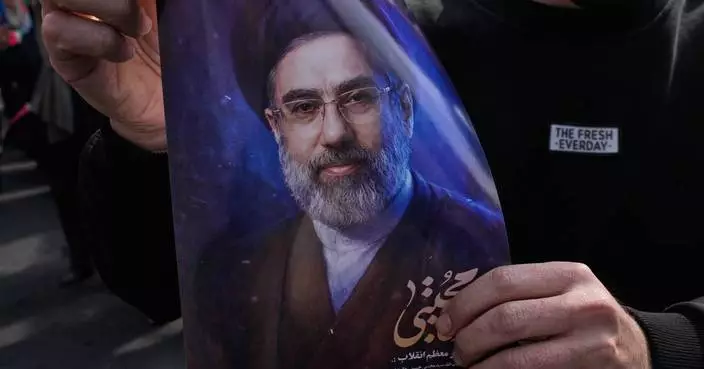
An Israeli intelligence assessment found that Iran's new supreme leader, Ayatollah Mojtaba Khamenei, was wounded at the start of the war — on the day when his father and predecessor, Ayatollah Ali Khamenei, was killed in an Israeli airstrike.
An Israeli intelligence official and a reservist with knowledge of the assessment spoke on condition of anonymity because they were not authorized to discuss the matter with the media. They gave no details on the nature of the injuries.
The 56-year-old, whose wife was also killed in the Israeli strike, has not been seen since becoming supreme leader on Monday. Yousef Pezeshkian, the son of Iranian President Masoud Pezeshkian, wrote on social media that he had heard Mojtaba was wounded but that friends said “he is healthy and there is no problem.”
The fallout across the Middle East has widened as Israel strikes what it says are targets connected to Iran-backed Hezbollah militants in Lebanon. The U.N. refugee agency said at least 759,000 people have been internally displaced in Lebanon, while more than 92,000 others have crossed into neighboring Syria.
In a separate development, Iran’s sports minister said it cannot take part in the upcoming soccer World Cup in North America in June because of the “wicked acts” of the United States. Ahmad Donyamali told Iranian state TV that “it’s not possible for us to take part in the World Cup” after the U.S. launched two wars against Iran in less than a year. He said Iranian players would not be safe in the United States.
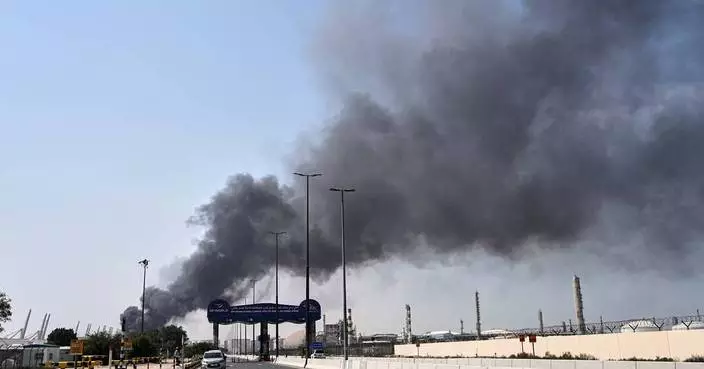
Two Iranian drones hit near the Dubai airport, home to the long-haul carrier Emirates and the world’s busiest for international travel. Four people were wounded but flights continued, the Dubai Media Office said.
A projectile hit a Thai cargo ship off the coast of Oman in the Strait of Hormuz, setting it ablaze. Authorities are searching for three missing crew members from the Mayuree Naree after 20 were rescued by the Omani navy, according to Thailand’s Marine Department.
At least 12 incidents have been confirmed involving vessels in and around the Strait of Hormuz, through which a fifth of all traded oil passes, since the war began, according to two global trackers. The International Maritime Organization says at least seven mariners have been killed.
Iran has effectively stopped cargo traffic through the narrow strait. It has also targeted oil fields and refineries in Gulf Arab nations, aiming at generating enough global economic pain to pressure the United States and Israel to end their strikes.
The United States has pledged to keep the strait open and has carried out intense airstrikes targeting Iran's navy and the port city of Bandar Abbas.
The U.S. military said Tuesday it had destroyed 16 Iranian minelayers near the strait, though U.S. President Donald Trump said in social media posts that there were no reports yet of Iran mining the passage.
Some tankers, believed linked to Iran, are continuing to get through the strait, making so-called “dark” transits -- meaning they aren’t turning on trackers that show where they are. Vessels carrying sanctioned Iranian crude often turn off their trackers.
The commodity-tracking firm Kpler said Iran has restarted crude exports through its Jask oil terminal on the Gulf of Oman. A tanker loaded roughly 2 million barrels at Jask on March 7, it said.
Oil prices remained well below Monday’s peaks but the price of Brent crude, the international standard, was still up some 20% Wednesday from when the war began. Consumers around the world are already feeling the pain at the pump.
The International Energy Agency agreed Wednesday to release the largest volume of emergency oil reserves in its history, in a bid to counter the war’s impact on energy markets.
The Paris-based organization said it will make 400 million barrels of oil available from its member countries’ emergency reserves, more than twice the amount they released four years ago in response to Russia’s invasion of Ukraine.
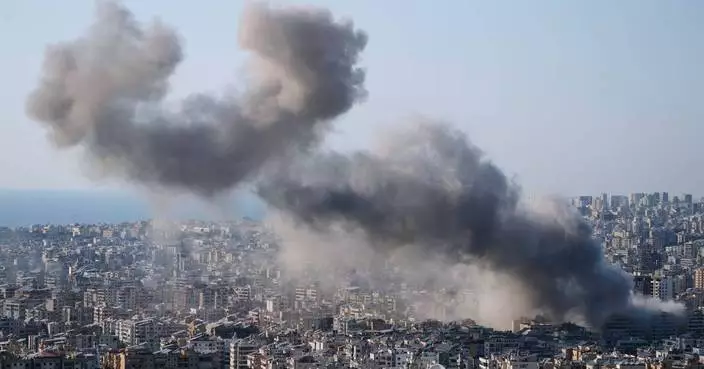
Israeli strikes set a building ablaze in central Beirut, engulfing the top two floors. Lebanon’s Health Ministry said four people were wounded.
Other Israeli strikes on southern and eastern Lebanon killed 14 people, and a Red Cross worker also died Wednesday of wounds sustained Monday, when his team was hit by an Israeli strike while they were rescuing people from an earlier attack.
Lebanon's Health Ministry said Wednesday that 570 people have been killed in the country since the latest fighting began.
Iranian authorities say more than 1,300 people have been killed there, and Israel has reported 12 people dead. The U.S. has lost seven soldiers while another eight have suffered severe injuries.
Iran’s joint military command said it would start targeting banks and financial institutions in the Middle East. That would put at risk particularly Dubai, in the United Arab Emirates, which is home to many international financial institutions, as well as Saudi Arabia and the island kingdom of Bahrain.
The threat came after a Tehran location of Bank Sepah, a state-owned financial institution sanctioned by the U.S. over funding its armed forces, came under attack Wednesday, killing staffers there, according to the state-run IRNA news agency.
This story has been corrected to fix an earlier misspelling of Mojtaba Khamenei’s first name.
Mednick reported from Tel Aviv, Israel and Rising from Bangkok. Associated Press writers Samy Magdy in Cairo, Sally Abou AIJoud in Beirut, Giovanna Dell’Orto in Miami, Jamey Keaten in Geneva, Cara Anna in Lowville, New York, Kirsten Grieshaber in Berlin and Samuel Petrequin in Paris contributed to this story.

A man holds a picture of late Defense Minister Aziz Nasirzadeh beside his coffin as mourners attend the funeral procession for senior Iranian military officials and civilians killed during the U.S.-Israel campaign in Tehran, Iran, Wednesday, March 11, 2026. (AP Photo/Vahid Salemi)
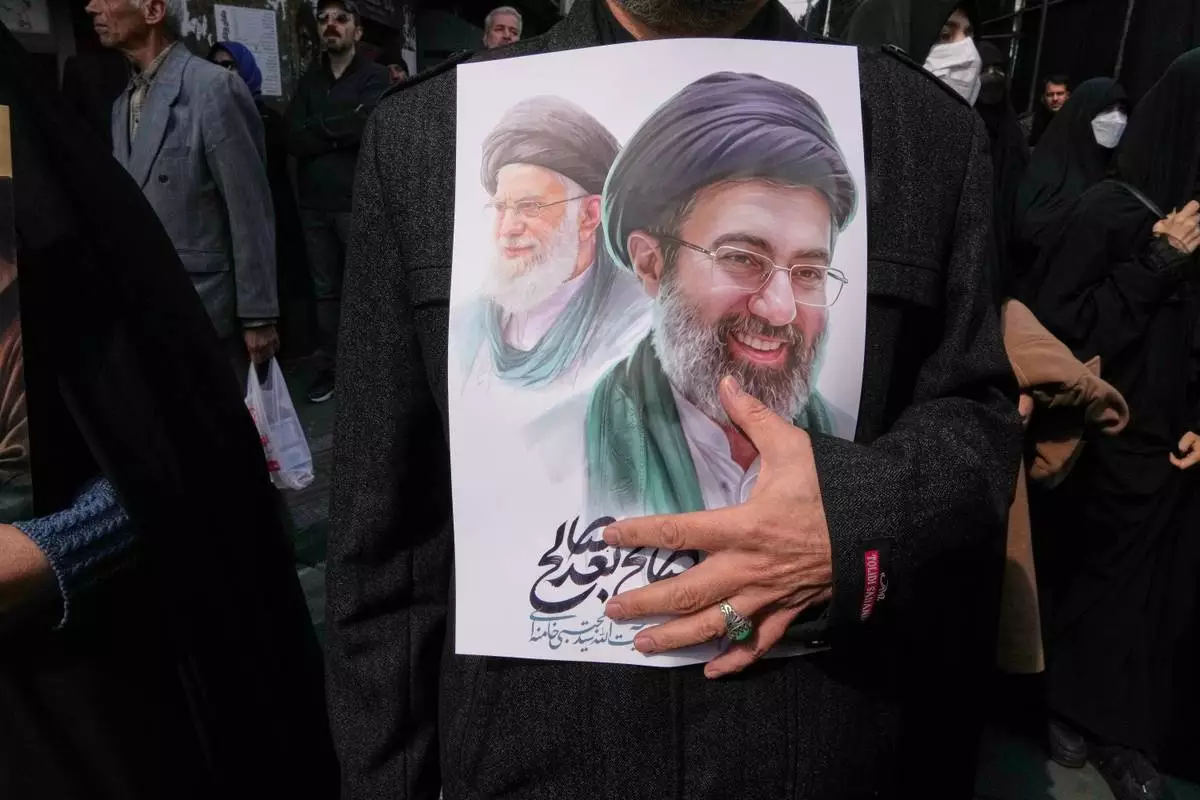
A mourner holds a poster depicting Ayatollah Mojtaba Khamenei, right, the successor to his late father Ayatollah Ali Khamenei, left, as supreme leader, during the funeral procession for senior Iranian military officials and civilians killed during the U.S.-Israel campaign in Tehran, Iran, Wednesday, March 11, 2026. (AP Photo/Vahid Salemi)
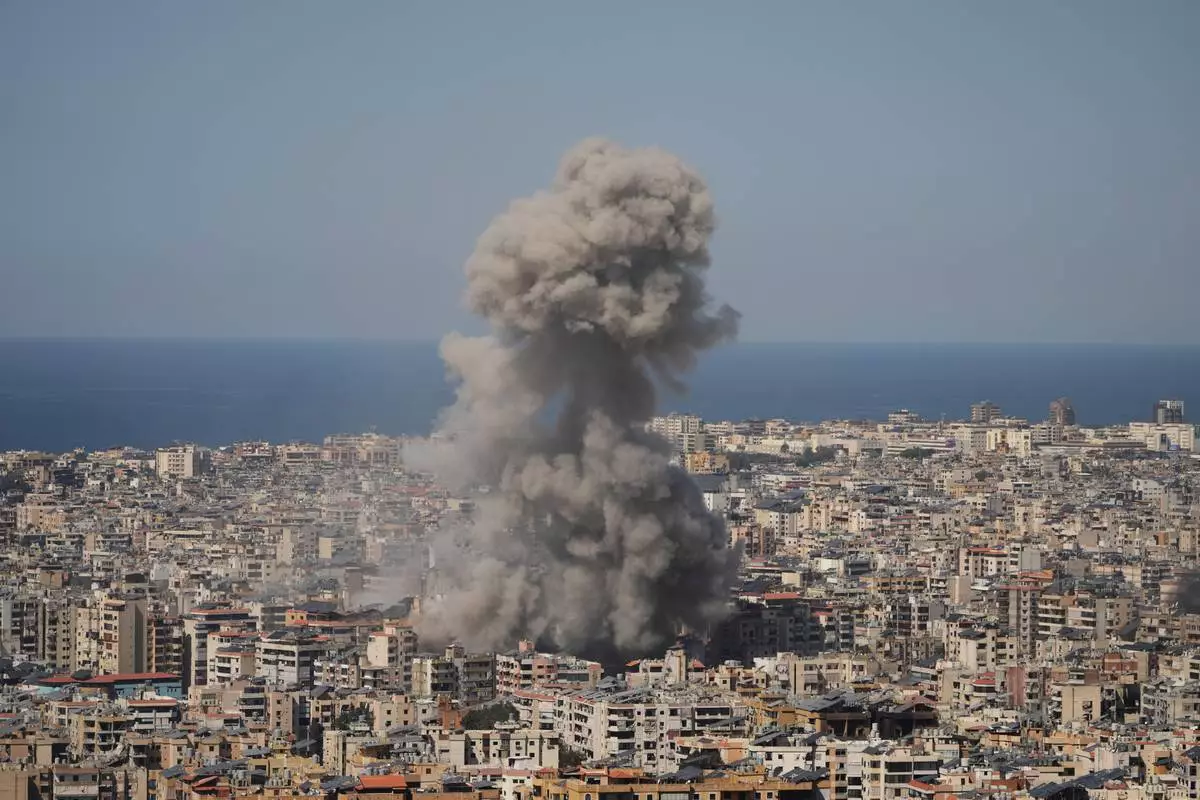
Smoke rises from a building following an Israeli airstrike in Dahiyeh, Beirut's southern suburb, Wednesday, March 11, 2026. (AP Photo/Hassan Ammar)
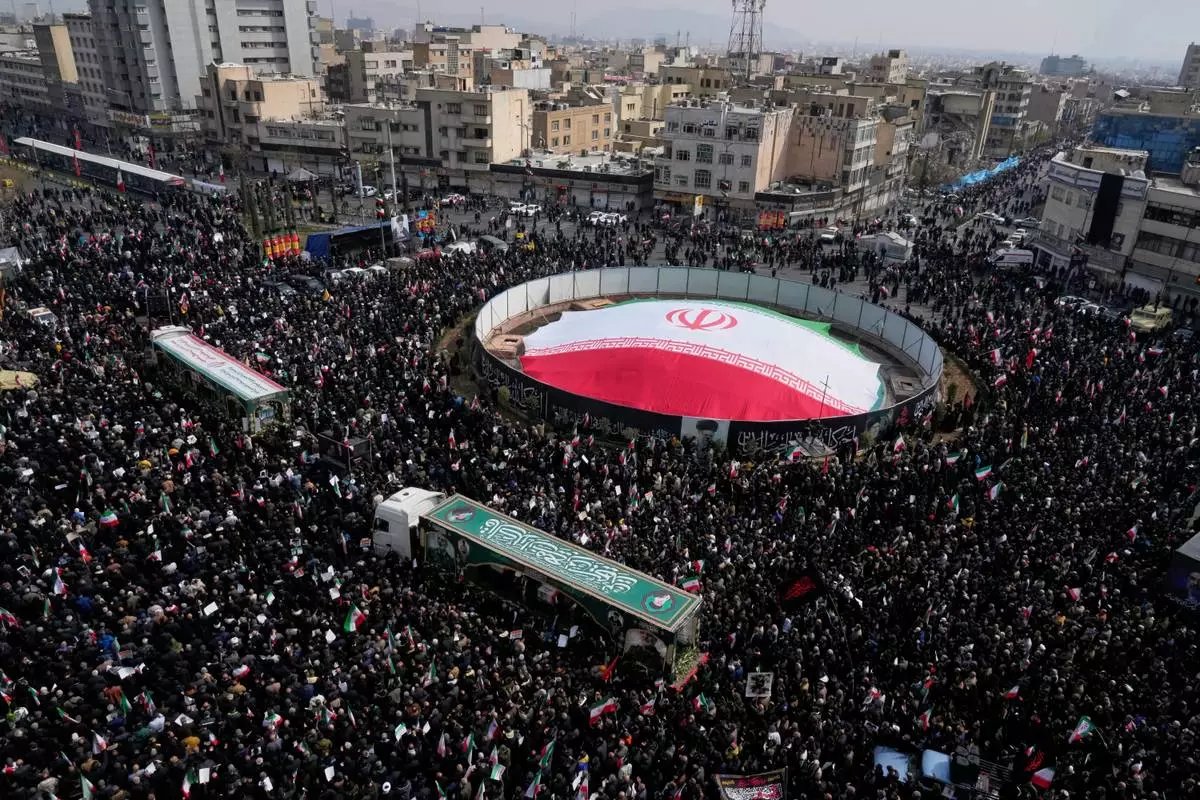
Mourners attend the funeral procession for senior Iranian military officials and some civilians killed during the U.S.-Israel campaign, in Tehran, Iran, Wednesday, March 11, 2026. (AP Photo/Vahid Salemi)

FILE - A plume of smoke rises after a strike in Tehran, Iran, Monday, March 2, 2026. (AP Photo/Mohsen Ganji, File)

Rescue workers gather at the site where Israeli airstrikes hit apartments in Beirut, Lebanon, Wednesday, March 11, 2026. (AP Photo/Hussein Malla)
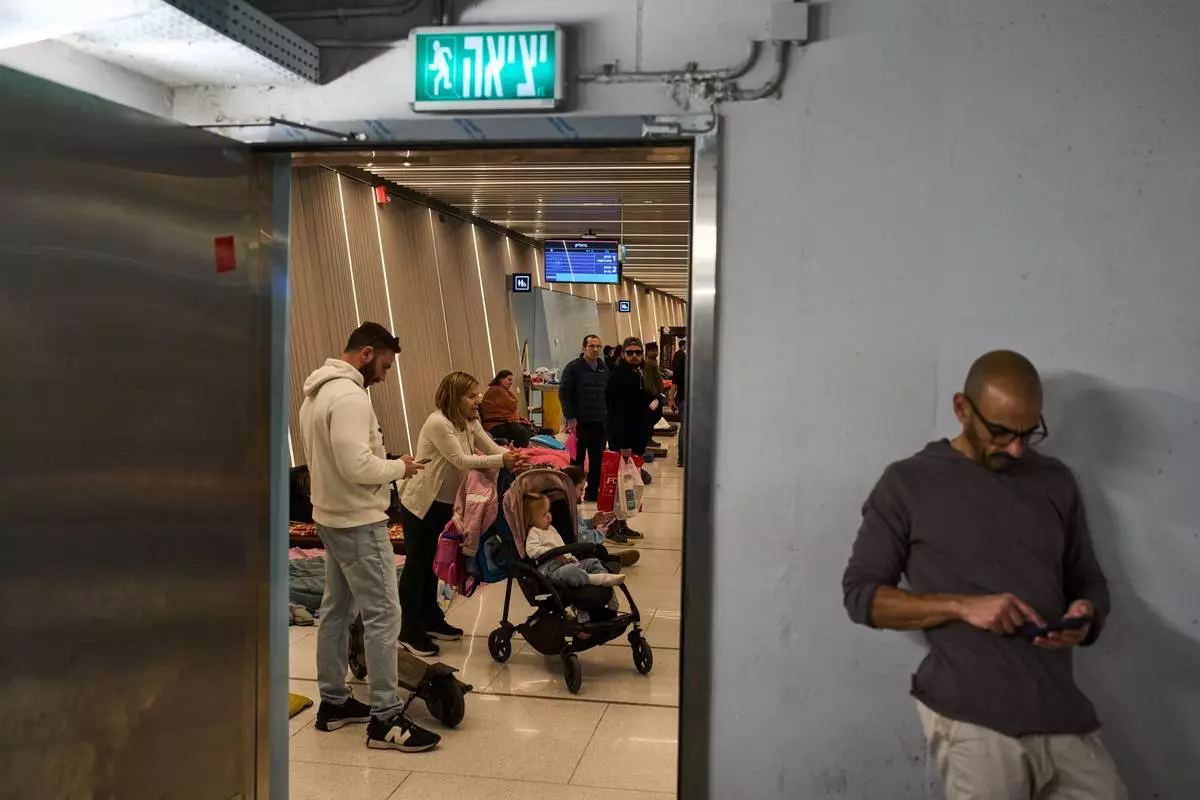
People take shelter in an underground metro station as air raid sirens warn of incoming Iranian missile strike, in Ramat Gan, Israel, Tuesday, March 10, 2026. (AP Photo/Oded Balilty)
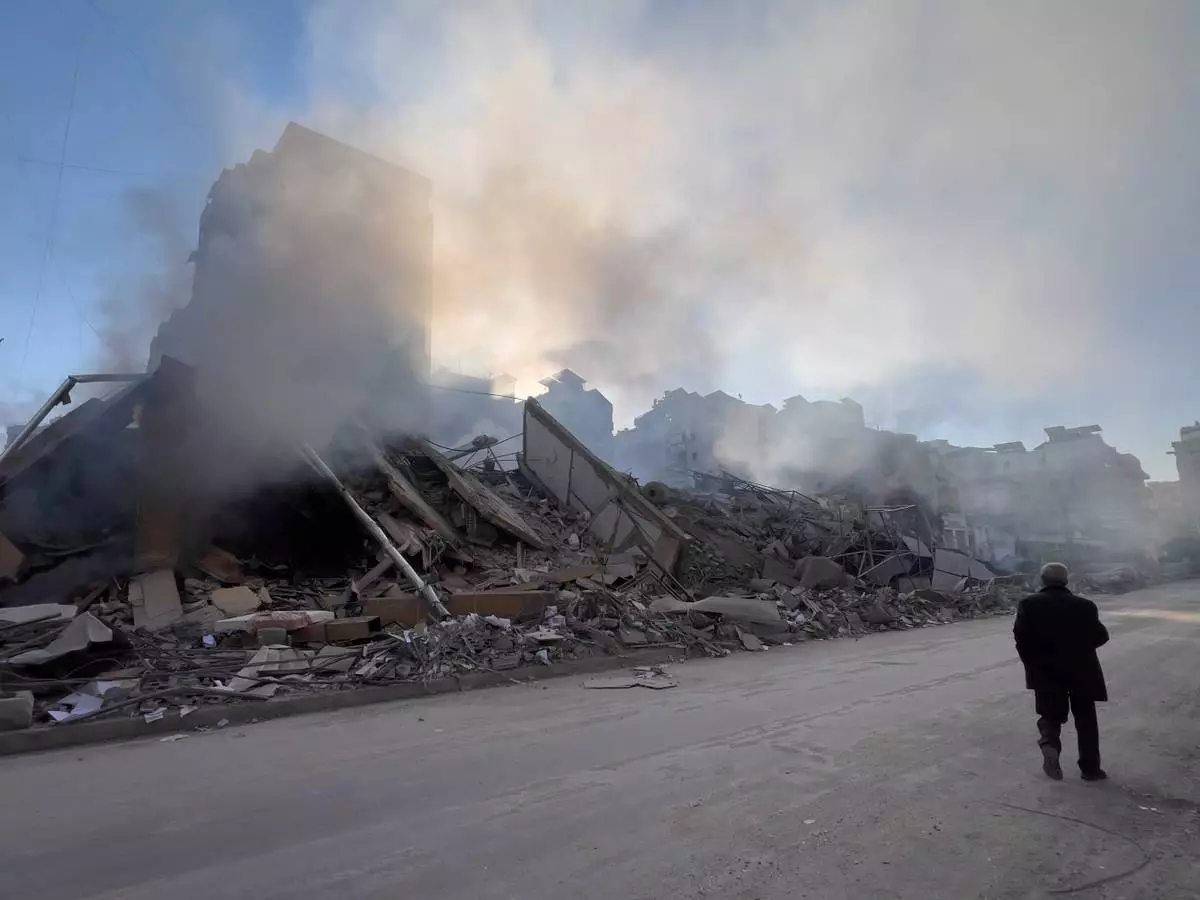
A man passes in front of a destroyed building that housed a branch of Al-Qard Al-Hassan, a non-bank financial institution run by Hezbollah, which was hit by an Israeli airstrike in Dahiyeh, Beirut's southern suburbs, Lebanon, Tuesday, March 10, 2026. (AP Photo/Hussein Malla)
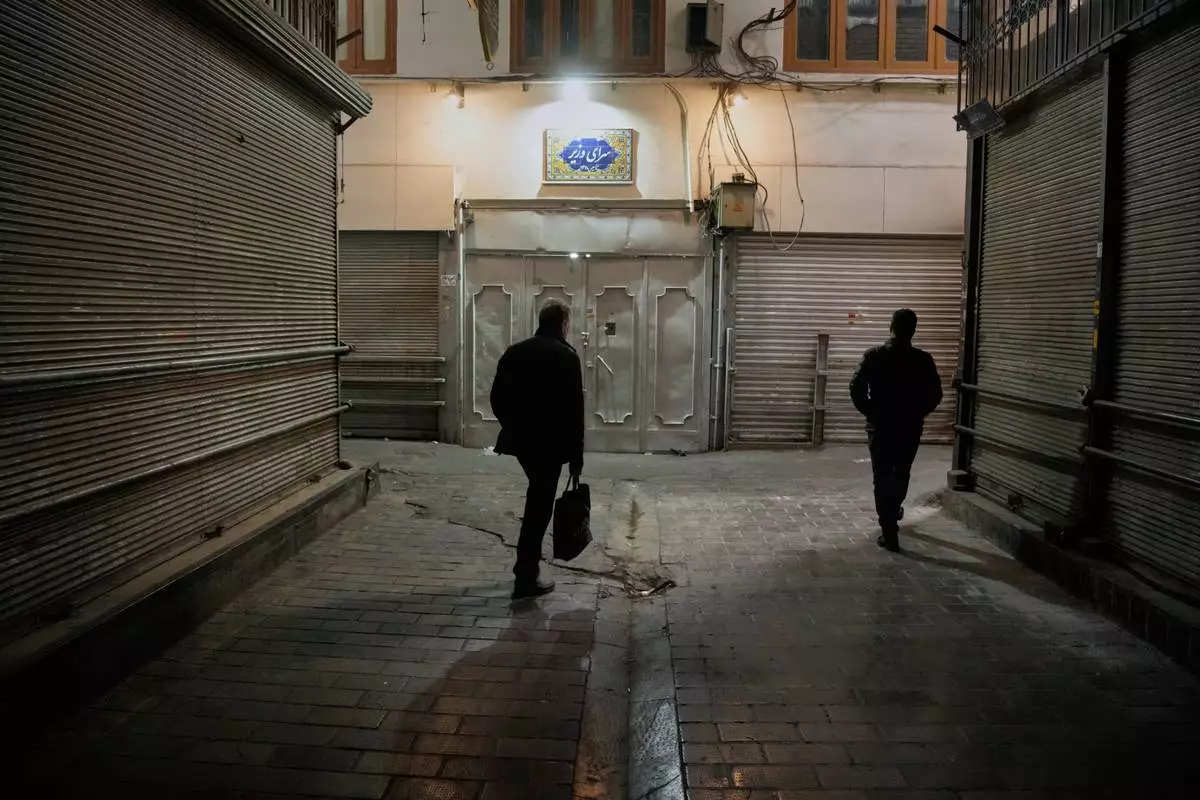
People walk past closed shops at the nearly empty traditional main bazaar in Tehran, Iran, Tuesday, March 10, 2026. (AP Photo/Vahid Salemi)
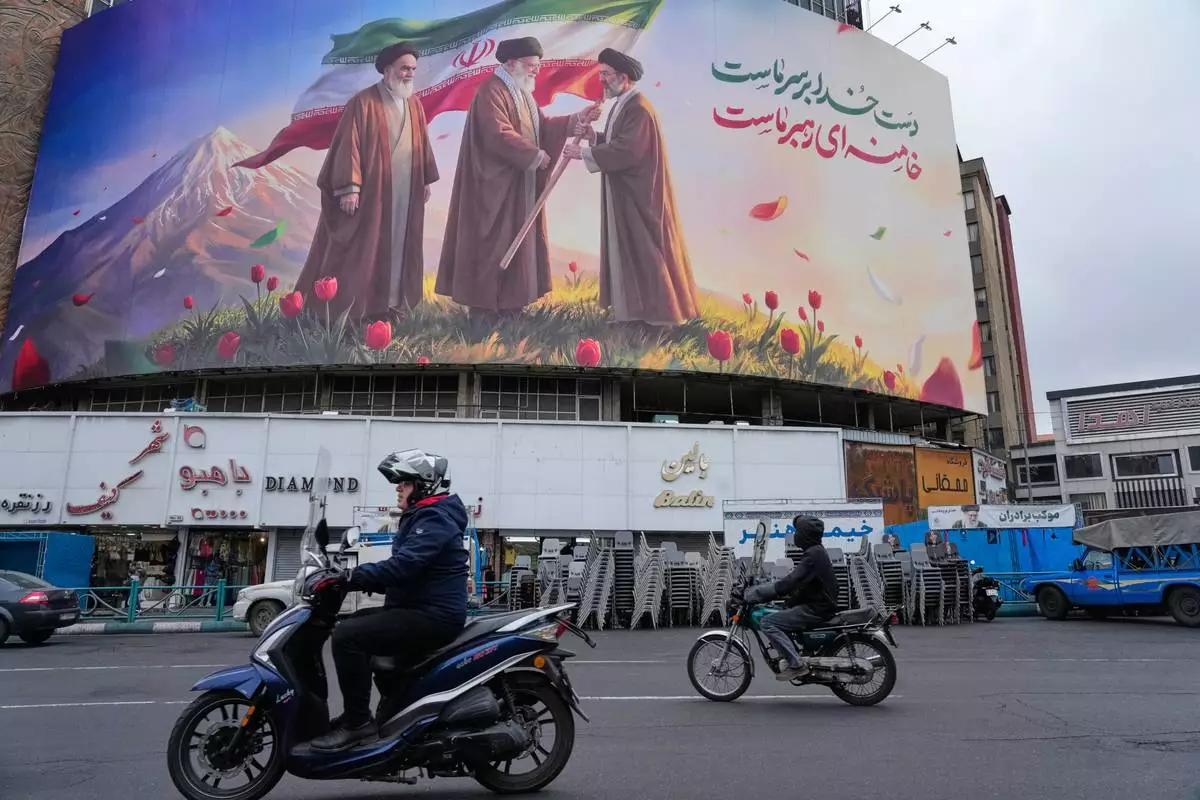
Motorbikes drive past a billboard depicting Iran’s late Supreme Leader Ayatollah Ali Khamenei, center, handing the country’s flag to his son and successor Ayatollah Mojtaba Khamenei, right, as the late revolutionary founder Ayatollah Ruhollah Khomeini stands at left, in a square in downtown Tehran, Iran, Tuesday, March 10, 2026. (AP Photo/Vahid Salemi)

Smoke rises from an Israeli airstrike in Dahiyeh, Beirut's southern suburbs, Lebanon, Tuesday, March 10, 2026. (AP Photo/Bilal Hussein)