Israel's participation in the US-led Board of Peace for Gaza masks deep-seated dissatisfaction over ceding control of the enclave's future, analysts say.
U.S. President Donald Trump last week announced the creation of the Board of Peace as the Gaza peace deal reached in October entere its second phase, which focuses on full demilitarization and reconstruction.
Trump is expected to hold a formal signing ceremony for the Gaza Board of Peace during the World Economic Forum gathering in Davos.
US media reports say the Trump administration began sending out invitations to countries over the weekend.
Israel, Qatar and Azerbaijan have accepted Trump's invitation to join the board. The office of Israeli Prime Minister Benjamin Netanyahu says the initiative aims to end the conflict in Gaza, but could be expanded to tackle conflicts elsewhere.
Before its participation, Israel had pushed back against the Board of Peace, citing a lack of prior consultation.
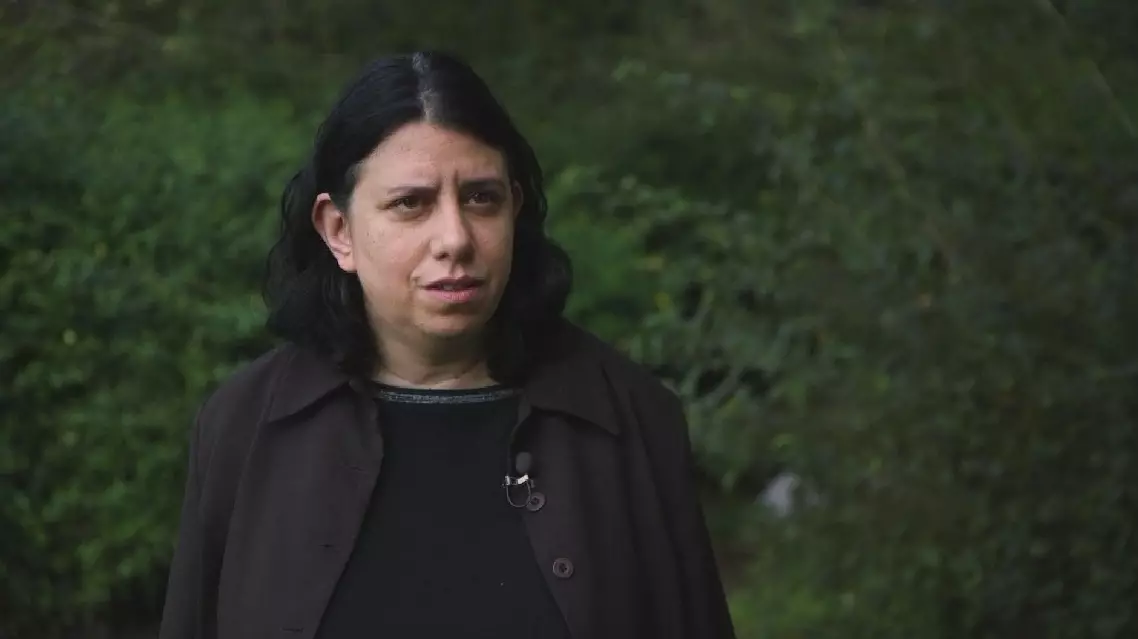
Dr. Gallia Lindenstrauss, a senior research fellow at the Institute for National Security Studies (INSS), an independent think tank affiliated with Tel Aviv University in Israel, said Gaza remains a central security concern for Israel, making it difficult for the country to accept outside involvement.
"The trauma of October 7th is still very much living in the Israeli mind and in this respect it's hard for Israel to accept the fact that someone else is going to control what is happening in Gaza, that someone else will decide what is happening in Gaza. And in this respect Israel has a very hard time to accept foreign actors being involved. In general I would say historically Israel had a problem with the internalization of the Israeli-Palestinian conflict," said Lindenstrauss.
"I think Israel has a hard time in accepting the Board of Peace, but it can't say no completely. It can only touch upon nuances - where the Board of Peace will be involved, where Israel will remain autonomous in decision making. It has to be remembered also that Israel has the control on ground and at the end of the day, if you want things to move in Gaza, you also have to have Israel's acceptance," she said.
Meanwhile, Dr. Hay Eytan Cohen Yanarocak, a Türkiye expert at the Moshe Dayan Center at Tel-Aviv University, pointed to Israel's concerns over regional actors involved in the plan.
"Due to the close relationship between Türkiye and Qatar and their Muslim Brotherhood-oriented policy, we can definitely say that the Qatari inclusion in this venture is very problematic for the State of Israel," he said.
Israel dissatisfied with US-led Board of Peace: analysts