HOUSTON (AP) — Winter weather brings various hazards that people have to contend with to keep warm and safe.
These dangers can include carbon monoxide poisoning, hypothermia and frozen pipes that can burst and make homes unlivable.
Public safety officials and experts say there are multiple ways people can prepare themselves to avoid these winter weather hazards and keep themselves safe.
The hazards are on the radar this week because millions of people in the United States are set to be hit with heavy snow, sleet and freezing rain from a “significant winter storm” this weekend that will impact the Midwest, the East Coast as well as much of the southern U.S., including Texas, Georgia and the Carolinas, according to the National Weather Service.
Officials say that during a winter storm, people should stay indoors. But home heating systems running for hours can increase the risk of carbon monoxide poisoning as the deadly fumes can be produced by furnaces, stoves and heaters, according to the U.S. Centers for Disease Control and Prevention.
Carbon monoxide can also be created when people use portable generators or run cars in their garages to stay warm or charge their phones.
Dr. Alex Harding, assistant professor of emergency medicine at the Baylor College of Medicine in Houston, said that because carbon monoxide is odorless and colorless, people won’t necessarily be aware of it.
“The symptoms of carbon monoxide poisoning can be really insidious. They can sneak up on patients and can range from just developing a headache or maybe a little bit of nausea to all the way to losing consciousness and seizures,” he said.
The cold weather hitting the U.S. this weekend has the ability to be dangerous or deadly because of unsafe exposure to elements.
The cold temperatures could sneak up on people in parts of the country, including Texas, that have largely experienced a mild winter so far.
“Really cold temperatures and winds can make temperatures feel a lot colder, and the result of that could be cold air that could eventually lead to frostbite at a much faster rate or hypothermia at a much faster rate than normal,” said Jon Palmer, a meteorologist with the National Weather Service in Gray, Maine.
Prolonged exposure to frigid temperatures can put people at risk to hypothermia, a condition that happens when one’s body loses heat faster than it can produce it.
“Hypothermia is definitely one of the bigger concerns, especially if we do have any kind of certainty in like power grids or electricity failing,” Harding said.
The danger of hypothermia is greater for someone who is outside, exposed to wind gusts and isn’t wearing appropriate clothing or has clothing that gets wet.
“If they have a safe place that’s warm, where they can hunker down, where they have water and food and all those kind of necessities … then that’s going to limit their exposure to those risks,” Harding said.
But vulnerable populations like people with disabilities or homeless individuals can have problems finding a warm and safe place to stay.
Frozen pipes in a home during severe winter weather is a particular problem in parts of the South because such equipment is often located outside structures. But other parts of the country also have to deal with this problem.
Jose Parra, a master plumber with Abacus Plumbing, Air Conditioning & Electrical in Houston, advises people to insulate any pipes that are exposed to the outside, turn off and drain sprinkler systems and let faucets inside a home drip during freezing temperatures so water can run through the pipes and protect them.
“A lot of what we’re fixing, I would say 80% to 90%, could have been prevented with just a little bit of work ahead of time,” Parra said.
Experts acknowledge that cold weather can be hard for electric vehicles. But they say with some planning and a little adjustment, owners should be able to travel pretty much as normal.
Inside EV batteries, lithium ions flow through a liquid electrolyte, producing electricity. But they travel more slowly through the electrolyte when it gets cold and don’t release as much energy. That cuts into the range and can deplete a battery faster.
In the short run, automakers are likely to come up with better ways to protect battery life and warm them for charging, Neil Dasgupta, associate professor of mechanical and materials science engineering at the University of Michigan, told The Associated Press. And there are new battery chemistries in development that are more resilient in cold weather.
Associated Press writer Tom Krisher contributed to this report.
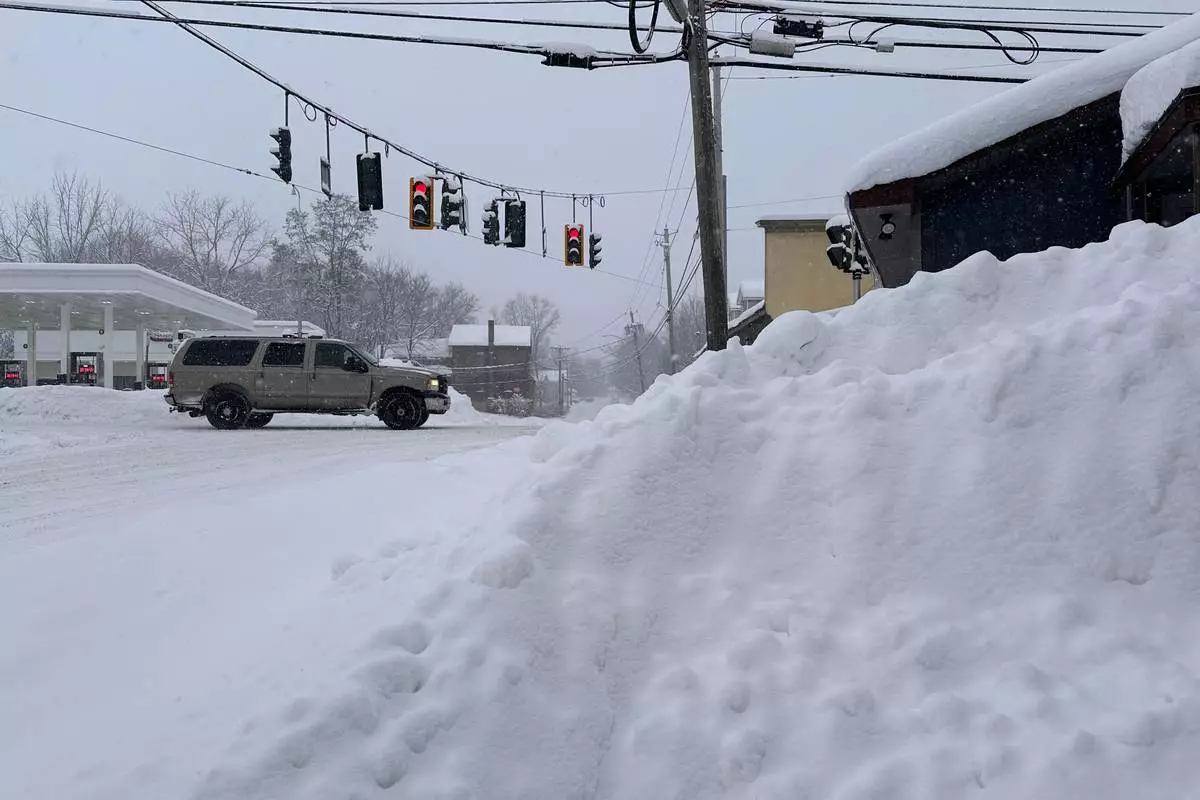
Traffic passes piled-up snow in Lowville, N.Y., Tuesday, Jan. 20, 2026. (AP Photo/Cara Anna)
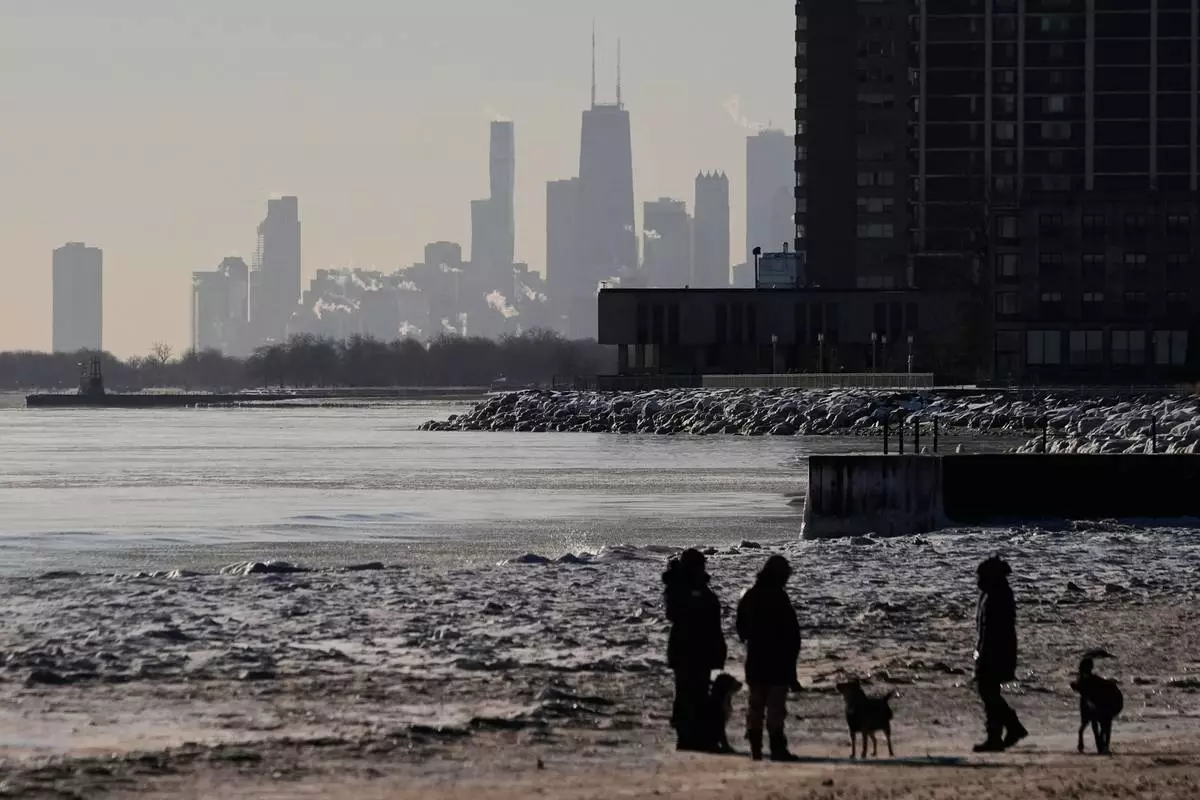
People walk their dogs on an ice covered beach at the Lake Michigan shore, Tuesday, Jan. 20, 2026, in Chicago. (AP Photo/Kiichiro Sato)
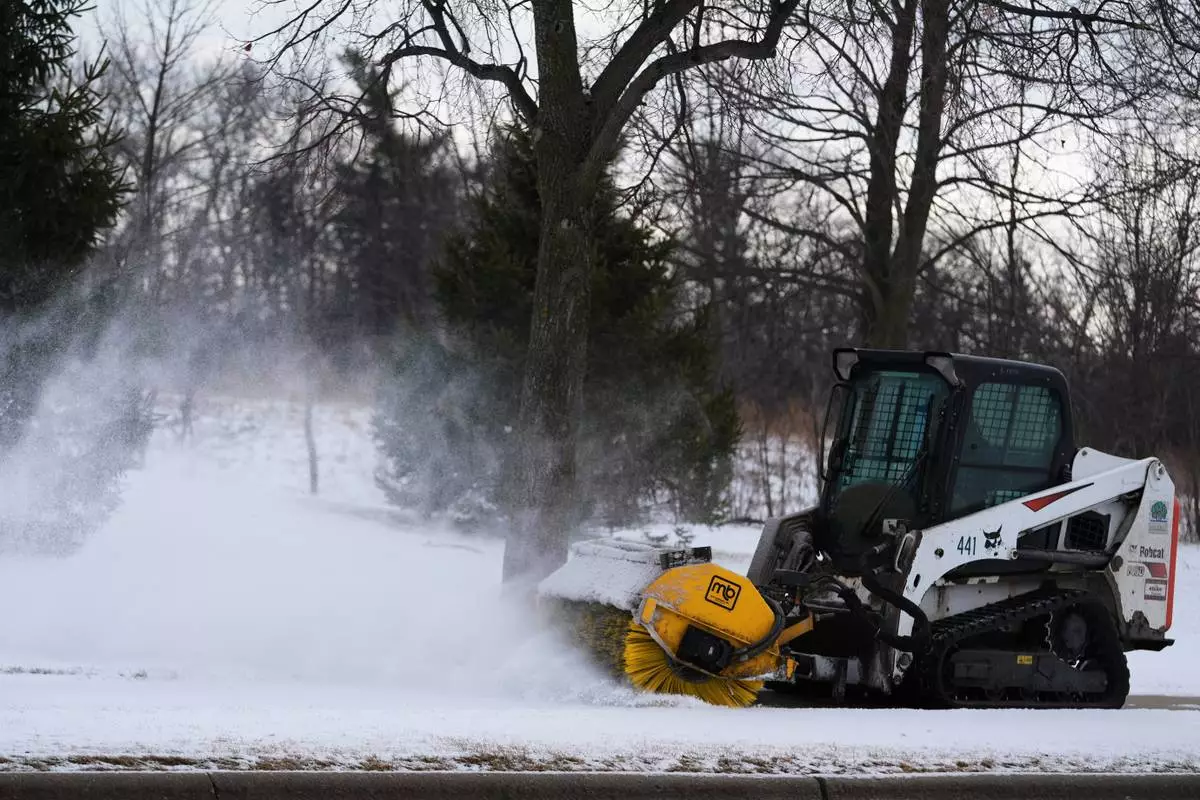
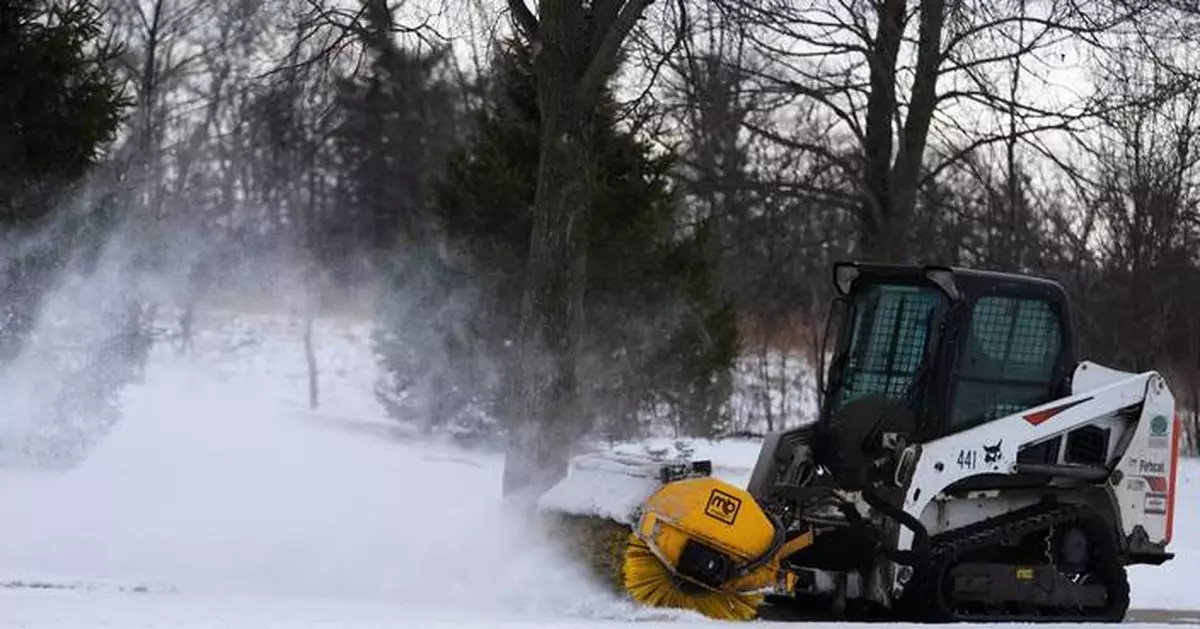
A plow clears snow from a snow-covered sidewalk during a cold day in Lake Forest, Ill., Wednesday, Jan. 21, 2026. (AP Photo/Nam Y. Huh)