The Iranian people were still left without access to the global internet on Wednesday although most of the domestic internet been available.
The Iranian government has stepped up its efforts to gradually provide internet services to the offices of some institutions and companies involved in international business, but personal mobile phones and home networks of the Iranian people, as well as Internet services in foreign media offices, have not been restored yet.
Iran's state television IRIB reported on Wednesday that 3,117 people had been killed in recent protests, citing the country's Forensic Medical Organization.
Protests have erupted across the country since late December over the sharp depreciation of the rial and surging inflation. Authorities have acknowledged the demonstrations and said they are prepared to address economic grievances, while warning against violence, vandalism, and unrest.
Initially held peacefully, the protests gradually became violent, leading to casualties and damage to public property, mosques, government buildings, and banks, especially on Jan 8 and 9, for which Iranian authorities have blamed the United States and Israel.
The unrest has now subsided currently, and the country's military and intelligence agencies are working to arrest terrorist groups.
In terms of the internet blackout, The Iranian media said in a comment that the prolonged outage would lead to a complete paralysis of Iran's digital economy.
Citing data provided by an online goods sales company, the comment said that the company's sales have dropped by 80 percent to 90 percent.
Such pressure affects many companies, and a vicious cycle is likely to gradually emerge in the coming months, the comment warned.
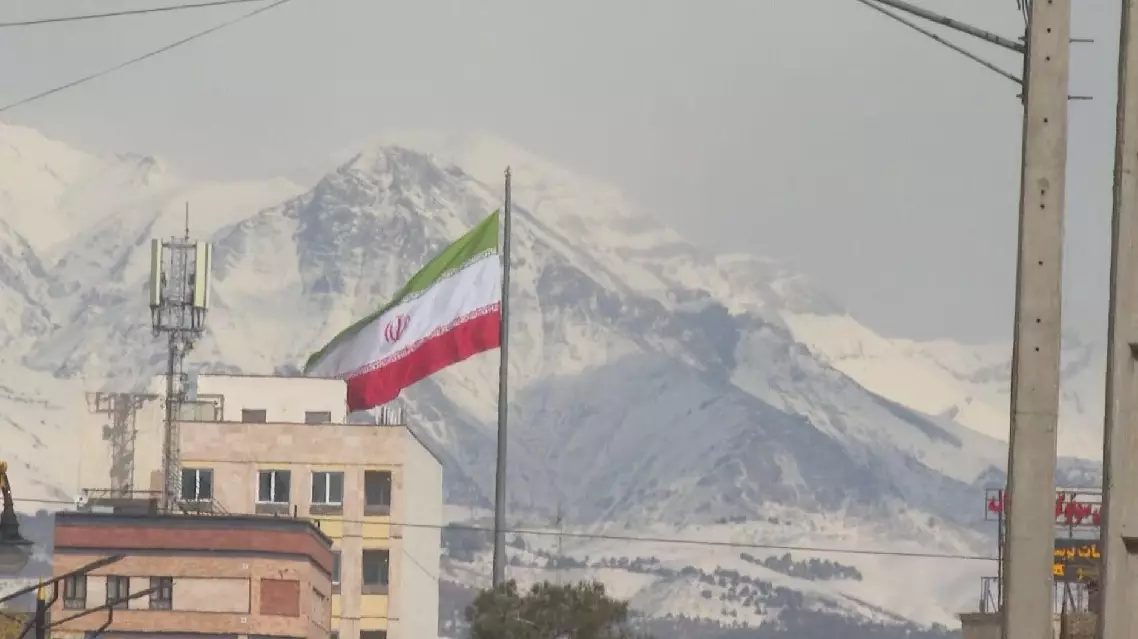
Home internet services yet restored in Iran

Li Li, a deputy to the National People's Congress (NPC) from southwest China's Guizhou Province, has made it her mission to preserve and promote the rich cultural heritage of the Buyi people, particularly their traditional clothing.
Born and raised in a village of Qinglong County, Qianxinan Buyei and Miao Autonomous Prefecture, Li began learning the intricate handicrafts of the Buyi people from her mother at a young age.
After spending over a decade working away from home, she felt a strong calling to return and safeguard her cultural roots. In 2015, she returned to her roots to start a business with the vision to revitalize Buyi clothing.
"Starting my own business was really tough in the beginning. If you want to make a Western-style suit, you could just buy some fabric and copy an existing design. But ethnic clothing is different. It requires constant innovation, and that takes a huge amount of time. Traditional fabrics tend to fade, and I spent months just trying to figure out how to fix the color. This problem had kept me up for a long time. But eventually, I tackled the challenges one by one," Li said.
Her persistence has paid off. This year, Li's team tapped into the cultural symbolism of the Year of the Horse, creating a range of horse-themed products that have quickly gained popularity.
"This year is the Year of the Horse, so we created a lot of horse-themed items. They are very popular and orders have been pouring in. Every year, we design our cultural products and clothing based on what the market wants. We started with a 300-square-meter workshop, and now we have our own intangible cultural heritage center. Over the years, we've trained more than a thousand embroiderers," she said.
As a grassroots NPC deputy, Li prioritizes listening to the voices of ordinary people. During work sessions with embroiderers, she takes time to listen to their concerns and offers flexible schedules for those with special needs.
The preservation of ethnic clothing and culture has always been at the heart of her work.
"During this year's 'two sessions', I will continue to focus on the preservation of ethnic clothing and culture. I want to encourage more young people to get involved in cultural inheritance. For example, I've been going to schools to teach students because I hope that intangible cultural heritage can take root in children's hearts from an early age. I want them to grow up knowing how remarkable our ethnic culture is and to develop a strong sense of cultural pride," Li said.
The "two sessions" refer to the annual meetings of the National People's Congress, China's top legislature, and the National Committee of the Chinese People's Political Conference, China's top political advisory body,which usually convene in early March.
NPC deputy from Guizhou revitalizes Buyi culture through inheritance and innovation