Residents of Flint, a city of the U.S. state of Michigan, are still suffering from contaminated water 11 years after the deadly crisis that affected about 100,000 people.
"The Flint water crisis started when the emergency manager, that was state- appointed, authorized the city to start using the Flint River water as their primary water source, while they were building a new pipeline. And it was really unfortunate, because the chemistry of the water was very caustic and became 19 times more corrosive to lead. So it started plucking lead out of our pipes into our drinking water, which basically poisoned our water," said Mona Munroe-Younis, a Flint resident and the coordinator of the local Environmental Transformation Movement.
New evidences keep turning up even till today, Mona said.
"More recently, it has come out that because there's been a series of chemical spills upstream from here on the Flint River between 2022 and 2024 from Lockhart Chemical, that there was actually chemical effluent leaching into our water upstream from the water intake at the water treatment plant. The state knew about it," she said.
Data from the Michigan Department of Health and Human Services showed that the Legionella bacteria leaching into the tap water of local residents between 2014 and 2015 killed 12 people.
After the water crisis erupted, authorities concealed water quality issues and delayed intervention, ultimately leading to a systemic public health crisis whose impact continues to cast a shadow over the local community to this day.
Dr Joyce Ellis-McNeal, president of Flint Community Schools Board of Education, lost her loved ones in the crisis.
"I lost my insurance, my grandson, and had a psychological breakdown. My son was dying. And I didn't have time to look after myself, and here we are, 10, 11 years... I took a deep breath, and I promised my son that I would do some type of justice. And my son, when he was dying, he kept saying, 'It's in the water, it's in the water', but I could not believe it. It was hard to believe," she said.
Residents who drank tap water experienced varying degrees of hair loss, skin rashes and allergic reactions. Many of them are still grappling with long-term health issues.
"So, it triggered an autoimmune disorder in my body. You can see the spots all over me. I've been dealing with this for about 11 years. There's no cure. It's really destroyed my quality of life in a lot of ways, honestly. So, a lot of people have skin issues. People had their hair breaking out. Some of that's resolved, but I think for many people like me, it's just been ongoing," Mona said.
Nayyirsh Shariff is the director of the Flint Rising, a coalition of community organizations working to ensure that directly impacted people in the crisis are building community power.
She said the water crisis remains to be an unhealed scar for many people in the city.
"Everybody's water was looking all types of crazy. My water was looking like chicken broth and smelling like a sewer, really smelling horrible. We had a water affordability crisis where the cost of water was one of the highest in the United States people were paying per month. We had a water quality crisis, and that was the lead and the other contaminants that were in our drinking water," she said.
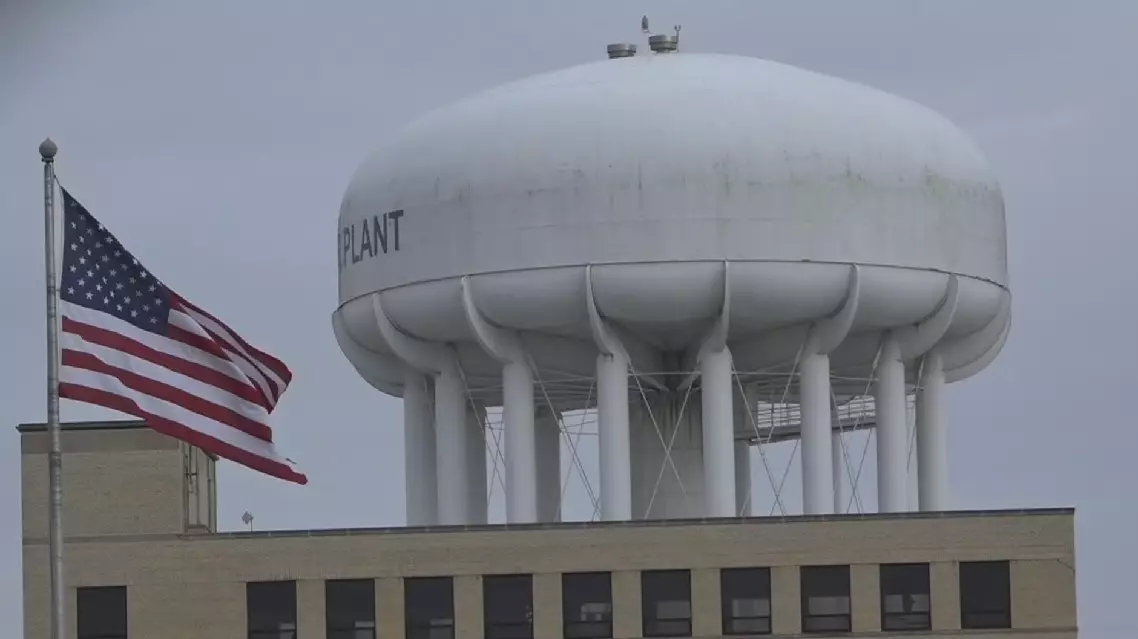
Residents of Flint, Michigan still suffering from contaminated water 11 years after crisis