NEW YORK (AP) — The U.S. stock market drifted through mixed trading Friday, as a zigzag week punctuated by loud threats and pullbacks finished with a quiet and tentative close.
The S&P 500 was basically flat and edged up by less than 0.1% but still notched a second straight week with a modest loss. The Dow Jones Industrial Average dipped 285 points, or 0.6%, and the Nasdaq composite rose 0.3%.
Click to Gallery
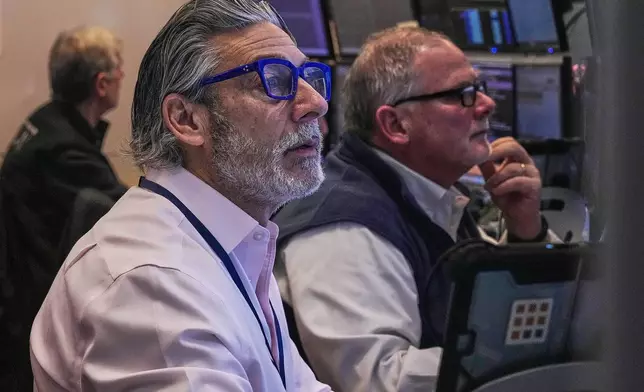
Traders John Romolo, left, and Michael Conlon work on the floor of the New York Stock Exchange, Thursday, Jan. 22, 2026. (AP Photo/Richard Drew)
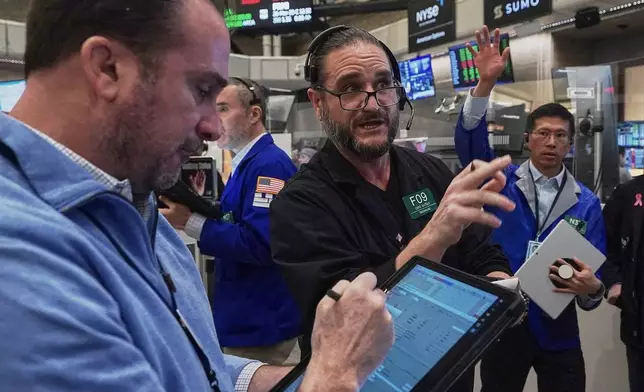
Chris Dattolo, center, works with fellow options traders on the floor of the New York Stock Exchange, Thursday, Jan. 22, 2026. (AP Photo/Richard Drew)
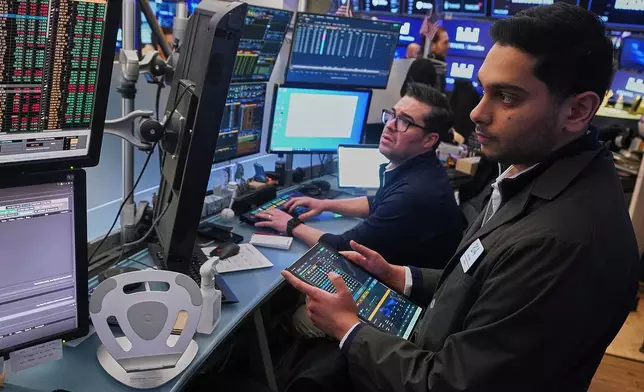
Traders Joseph Lawler, left, and Niall Pawa work on the floor of the New York Stock Exchange, Thursday, Jan. 22, 2026. (AP Photo/Richard Drew)
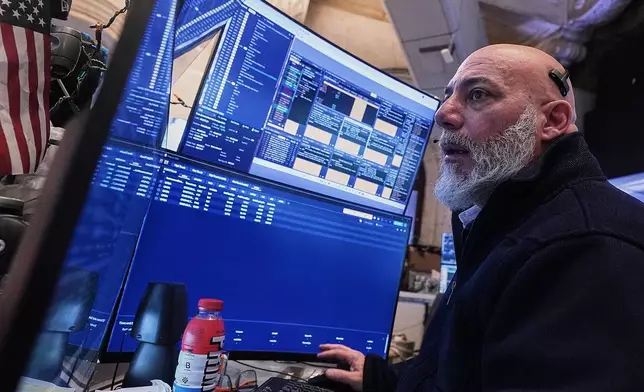
Trader Vincent Napolitano works on the floor of the New York Stock Exchange, Thursday, Jan. 22, 2026. (AP Photo/Richard Drew)
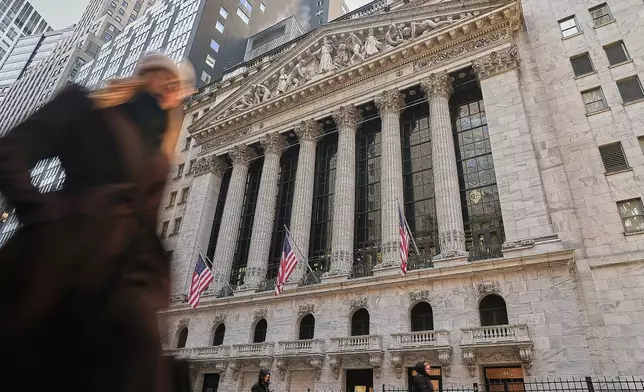
Morning commuters pass the New York Stock Exchange, Tuesday, Jan. 20, 2026. (AP Photo/Richard Drew)
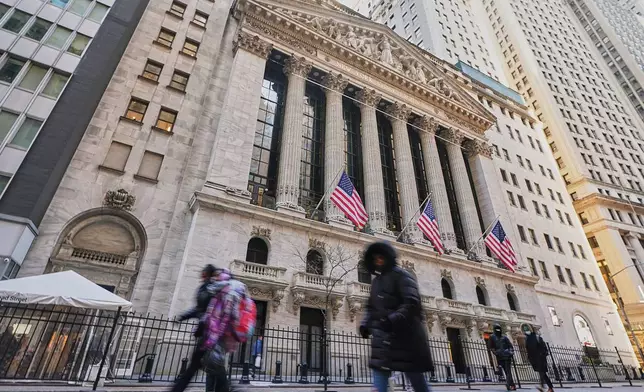
Morning commuters pass the New York Stock Exchange, Tuesday, Jan. 20, 2026. (AP Photo/Richard Drew)
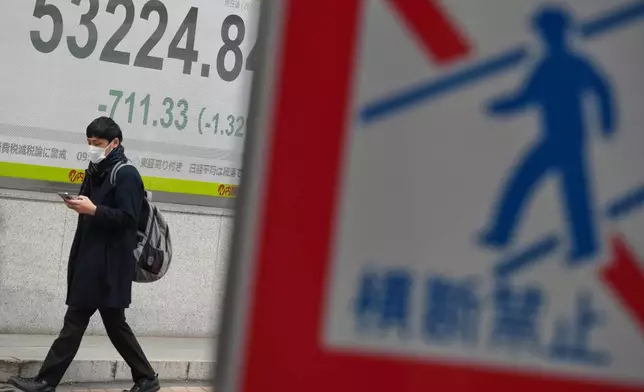
A person walks in front of an electronic stock board showing Japan's Nikkei index at a securities firm Monday, Jan. 19, 2026, in Tokyo. (AP Photo/Eugene Hoshiko)
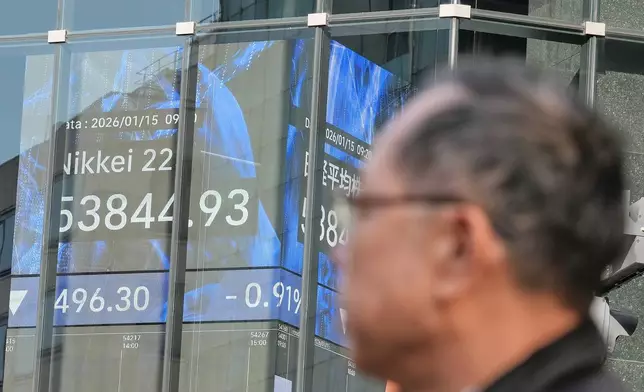
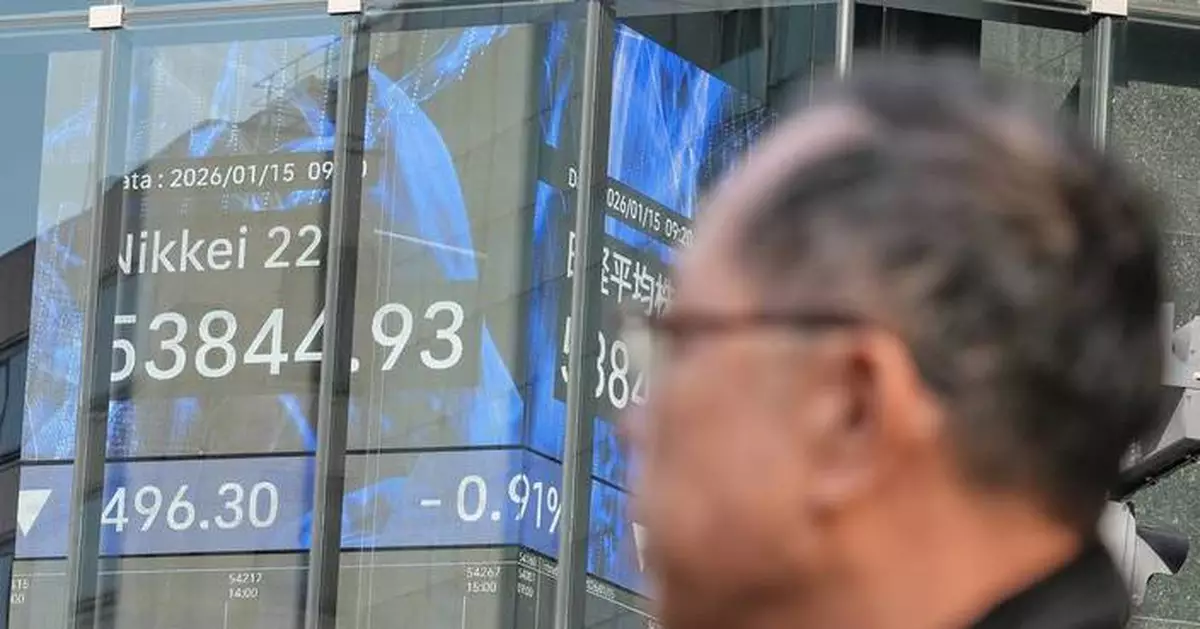
A person walks in front of an electronic stock board showing Japan's Nikkei index at a securities firm Thursday, Jan. 15, 2026, in Tokyo. (AP Photo/Eugene Hoshiko)
The majority of stocks on Wall Street fell, and Intel weighed on the market after tumbling 17%. The chip company reported better results for the end of 2025 than analysts expected. But investors focused instead on its forecast for the first three months of this year, which fell short of Wall Street’s expectations.
Chief Financial Officer David Zinsner said shortages of supplies are affecting the entire industry, and Intel expects available supply to hit a bottom early this year before improving in the spring and beyond. CEO Lip-Bu Tan highlighted the company’s opportunities created by the artificial-intelligence era.
Moves in the U.S. bond market were relatively modest following sharp swings early in the week, but other markets still showed potential signs of nervousness.
The U.S. dollar’s value fell against the Japanese yen, Swiss franc and other currencies. It had slid sharply early in the week after President Donald Trump threatened 10% tariffs on European countries for opposing his push to own Greenland.
That drop, paired with declines for prices for U.S. Treasury bonds, had suggested global investors may be backing out of U.S. markets. But some relief came on Wednesday after Trump announced “the framework of a future deal with respect to Greenland” and called off the tariffs, though few details are available about it.
Gold’s price, meanwhile, rose to another record Friday and neared $5,000 per ounce in a signal that investors are still looking for something safer to own. It’s already up nearly 15% for the year so far.
On Wall Street, Capital One Financial sank 7.6% after reporting a weaker profit for the end of 2025 than analysts expected. It also said it was buying Brex, which helps businesses issue corporate credit cards, for $5.15 billion in cash and stock.
On the winning side of the market was CSX, which climbed 2.4% even though the railroad reported a weaker profit than analysts expected. Some analysts highlighted the company’s forecast for how much more operating profit it expects to retain from each $1 of revenue during 2026.
Clorox gained 1.1% after saying it was buying the maker of Purell, GOJO Industries, for $2.25 billion in cash.
All told, the S&P 500 rose 2.26 points to 6,915.61. The Dow Jones Industrial Average fell 285.30 to 49,098.71, and the Nasdaq composite rose 65.22 to 23,501.24.
In the bond market, Treasury yields inched lower as prices for U.S. government bonds rose.
A survey of U.S. consumers said expectations for inflation in the upcoming year improved to 4%. That’s the lowest such reading in a year, according to the University of Michigan’s survey, even it remains well above the 2% inflation that the Federal Reserve targets.
That kind of improvement could help avoid a worst-case scenario the Fed has been desperate to avoid, one where expectations for high inflation trigger a vicious cycle of behavior that only worsens inflation.
Overall sentiment among U.S. consumers was also a touch stronger than economists expected. That could help keep them spending and the main engine of the U.S. economy humming. A separate preliminary report from S&P Global suggested growth is continuing for U.S. business activity.
The yield of the 10-year Treasury fell to 4.23% from 4.26% late Thursday.
The Fed’s next chance to move the short-term interest rate it controls will come on Wednesday, but the widespread expectation is that it will hold steady.
In stock markets abroad, indexes were mixed in Europe after rising across much of Asia.
Japan’s Nikkei 225 added 0.3% after the Bank of Japan kept its key interest rate unchanged, as many investors expected. The central bank has been slowly pulling its policy rate higher from below zero and had raised it to 0.75% in December.
Global markets have calmed after struggling with a quick surge for long-term government bond yields in Japan early in the week. The move higher came on worries that Japan’s Prime Minister Sanae Takaichi might make moves that would add heavily to the government’s already big debt.
AP Business Writers Matt Ott and Elaine Kurtenbach contributed.

Traders John Romolo, left, and Michael Conlon work on the floor of the New York Stock Exchange, Thursday, Jan. 22, 2026. (AP Photo/Richard Drew)
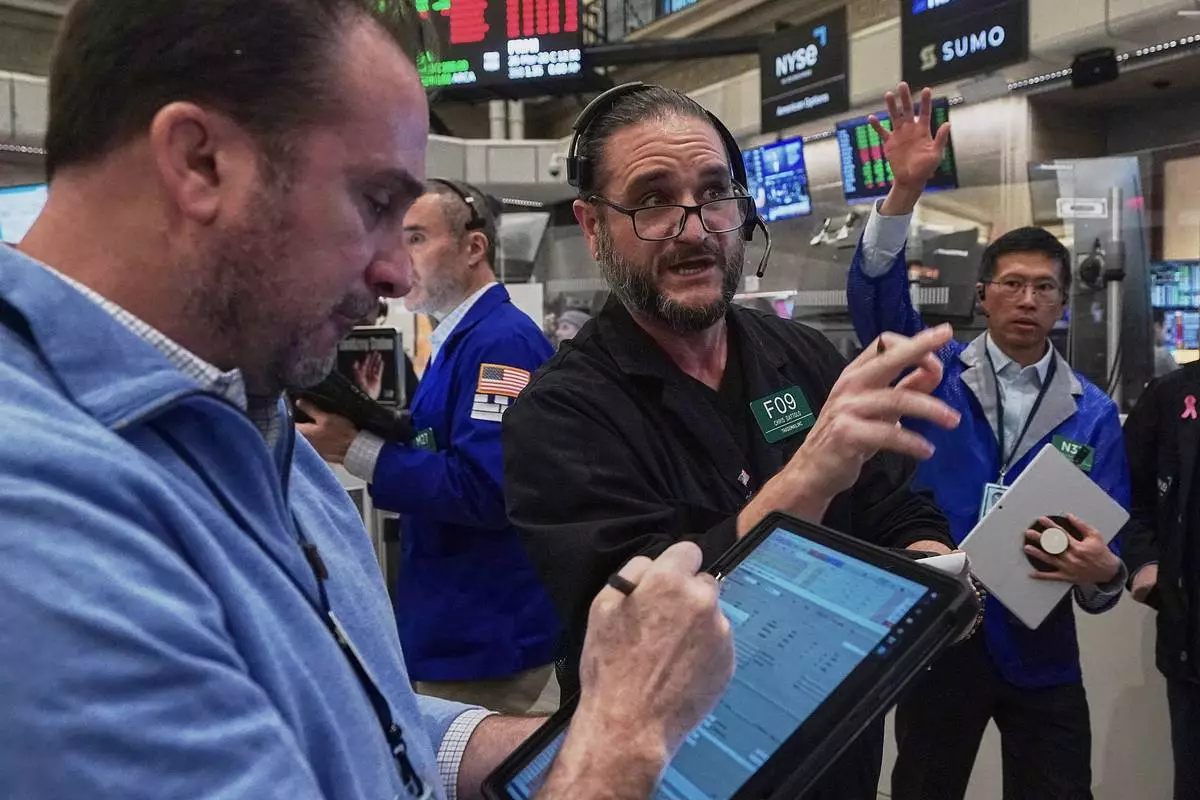
Chris Dattolo, center, works with fellow options traders on the floor of the New York Stock Exchange, Thursday, Jan. 22, 2026. (AP Photo/Richard Drew)
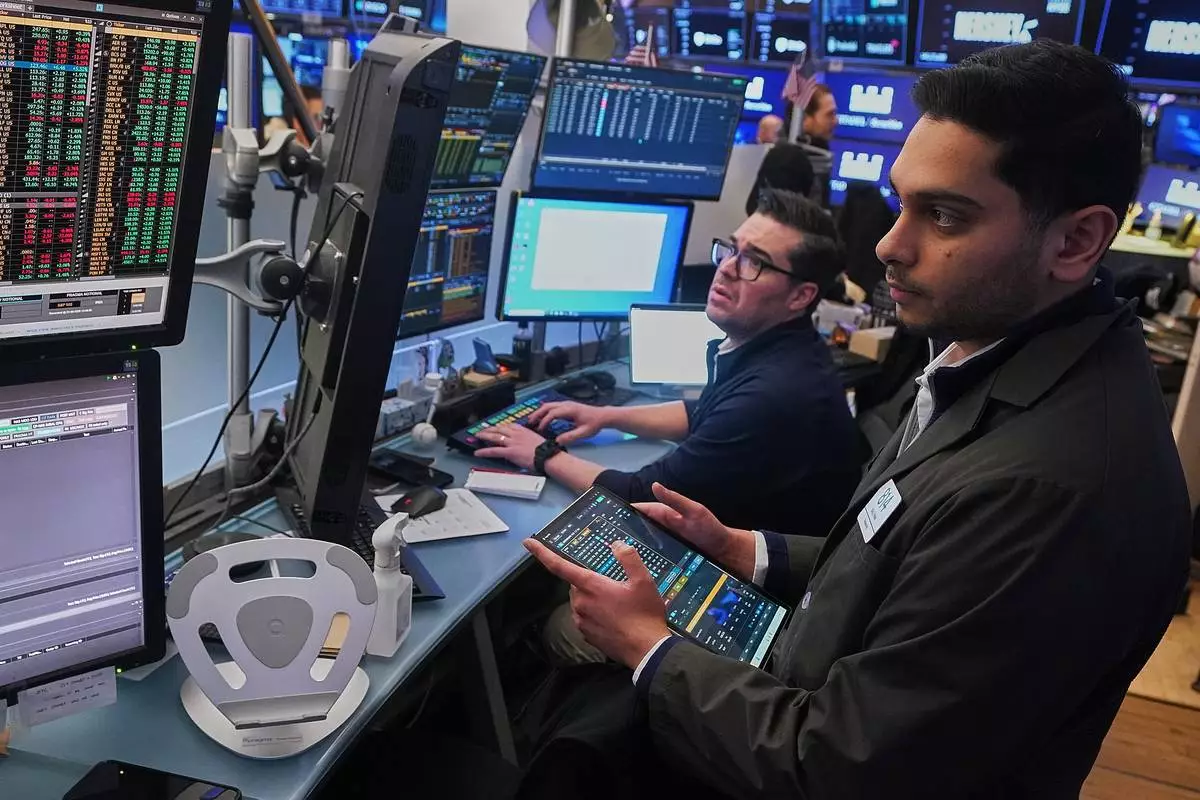
Traders Joseph Lawler, left, and Niall Pawa work on the floor of the New York Stock Exchange, Thursday, Jan. 22, 2026. (AP Photo/Richard Drew)
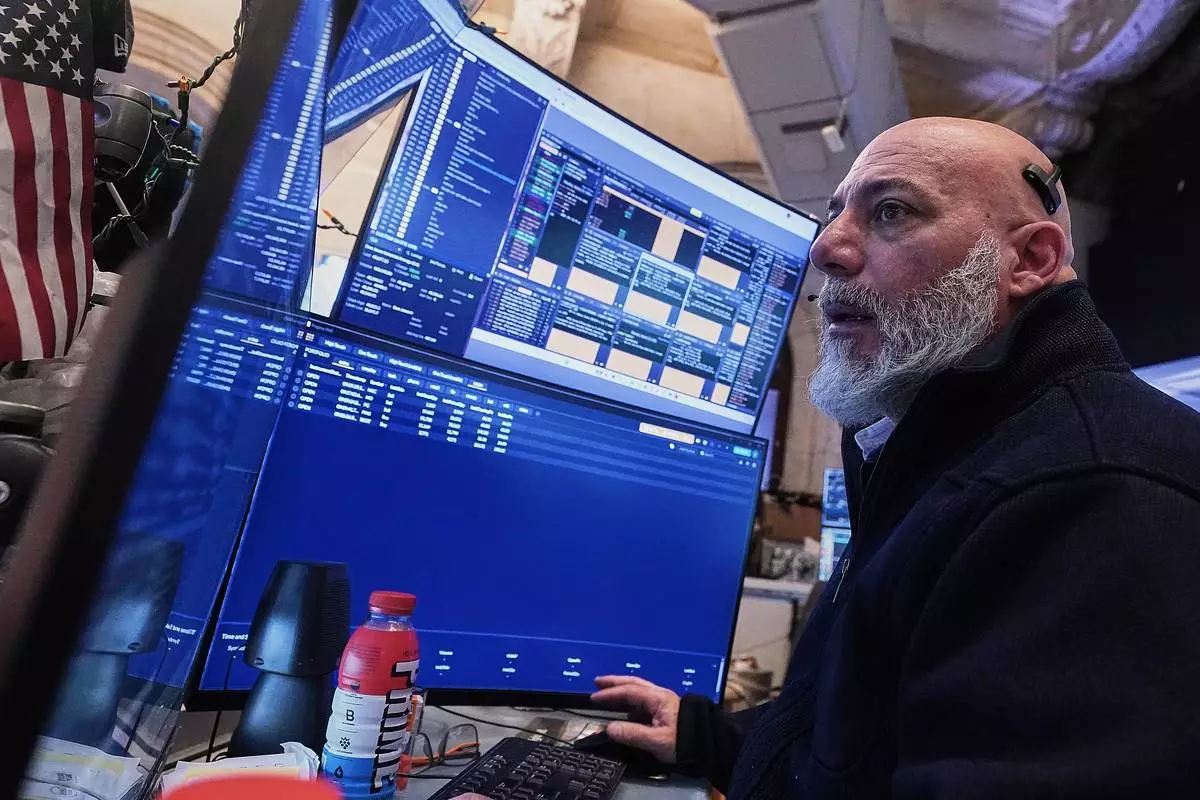
Trader Vincent Napolitano works on the floor of the New York Stock Exchange, Thursday, Jan. 22, 2026. (AP Photo/Richard Drew)
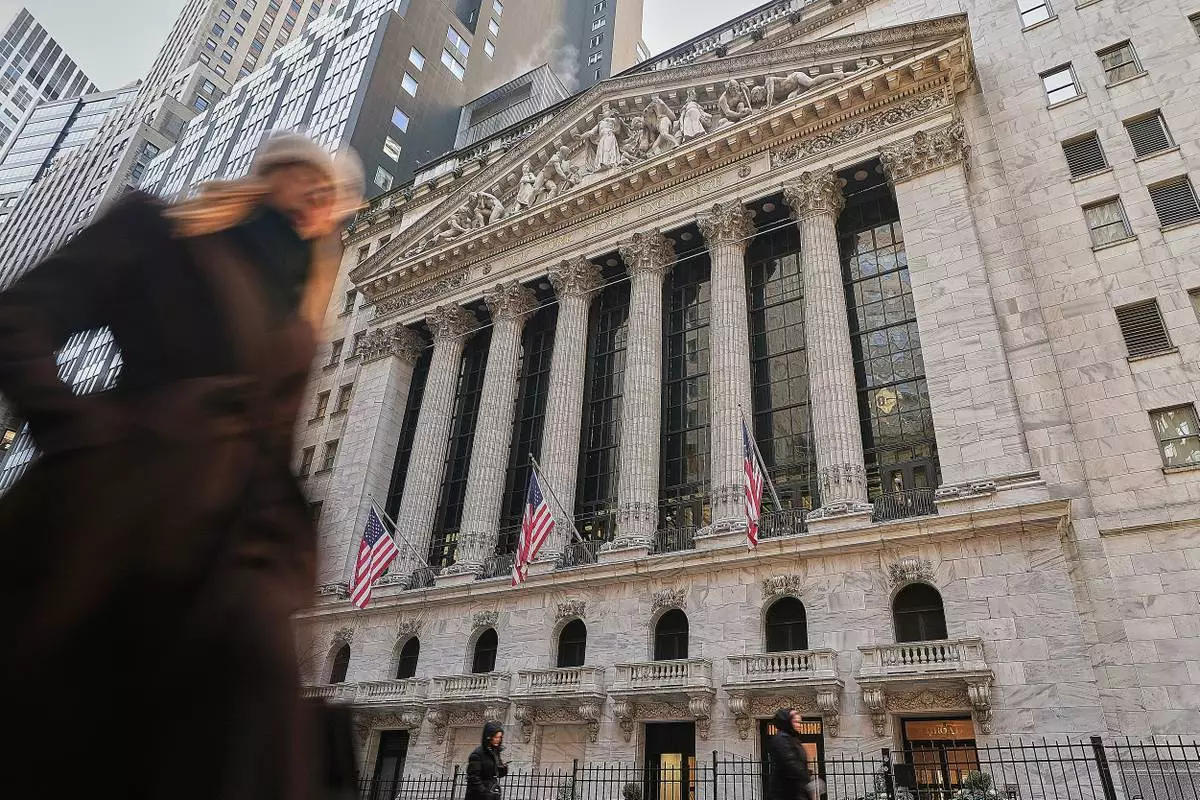
Morning commuters pass the New York Stock Exchange, Tuesday, Jan. 20, 2026. (AP Photo/Richard Drew)
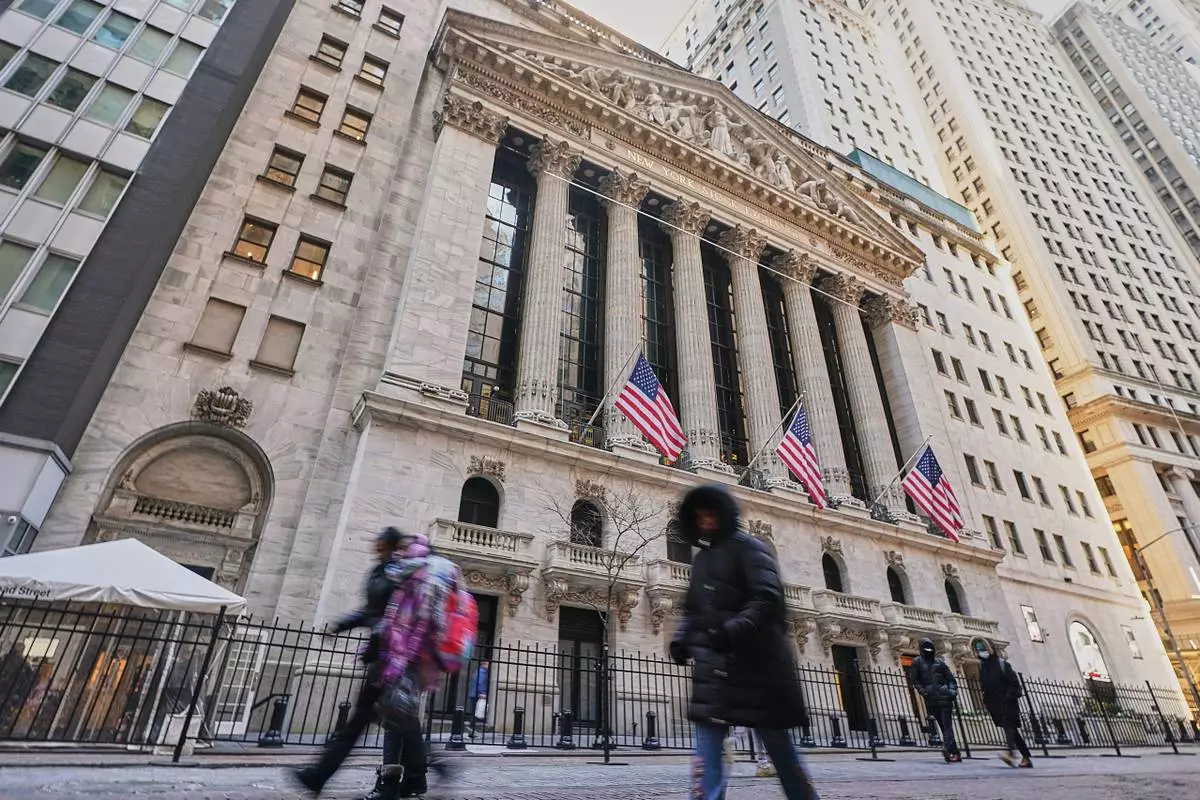
Morning commuters pass the New York Stock Exchange, Tuesday, Jan. 20, 2026. (AP Photo/Richard Drew)
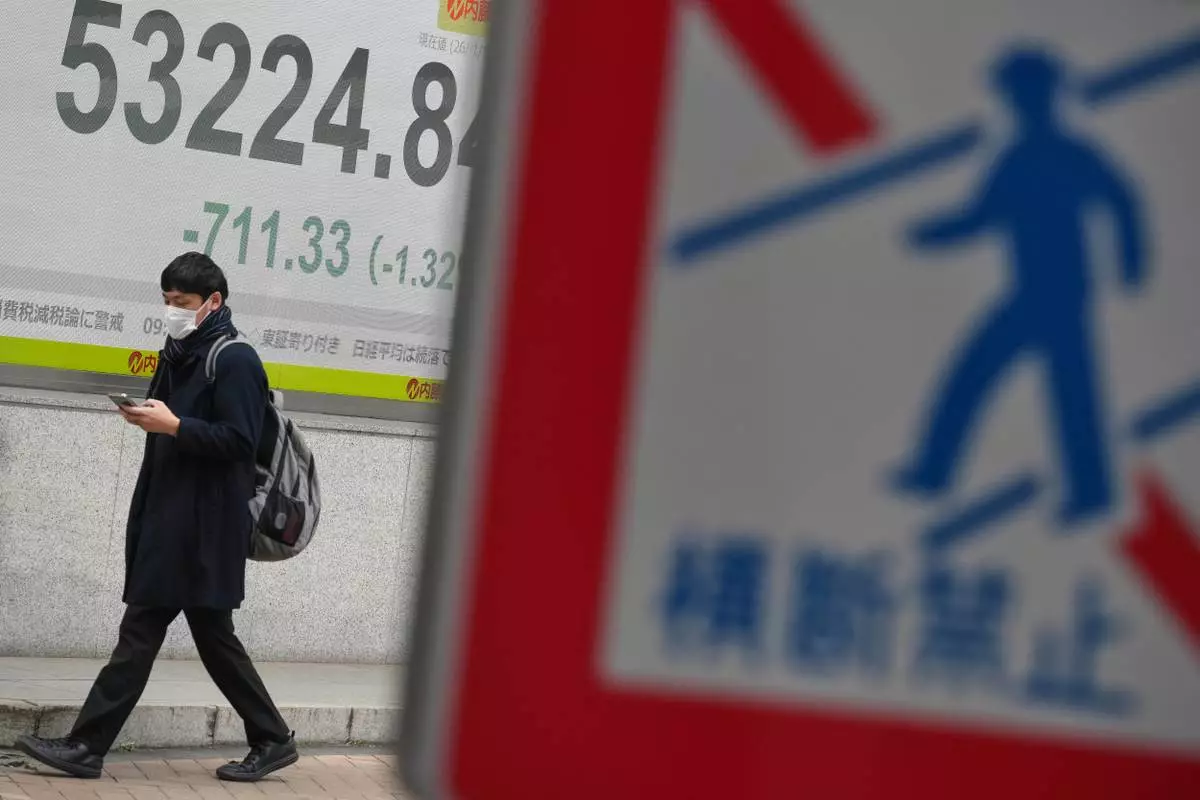
A person walks in front of an electronic stock board showing Japan's Nikkei index at a securities firm Monday, Jan. 19, 2026, in Tokyo. (AP Photo/Eugene Hoshiko)
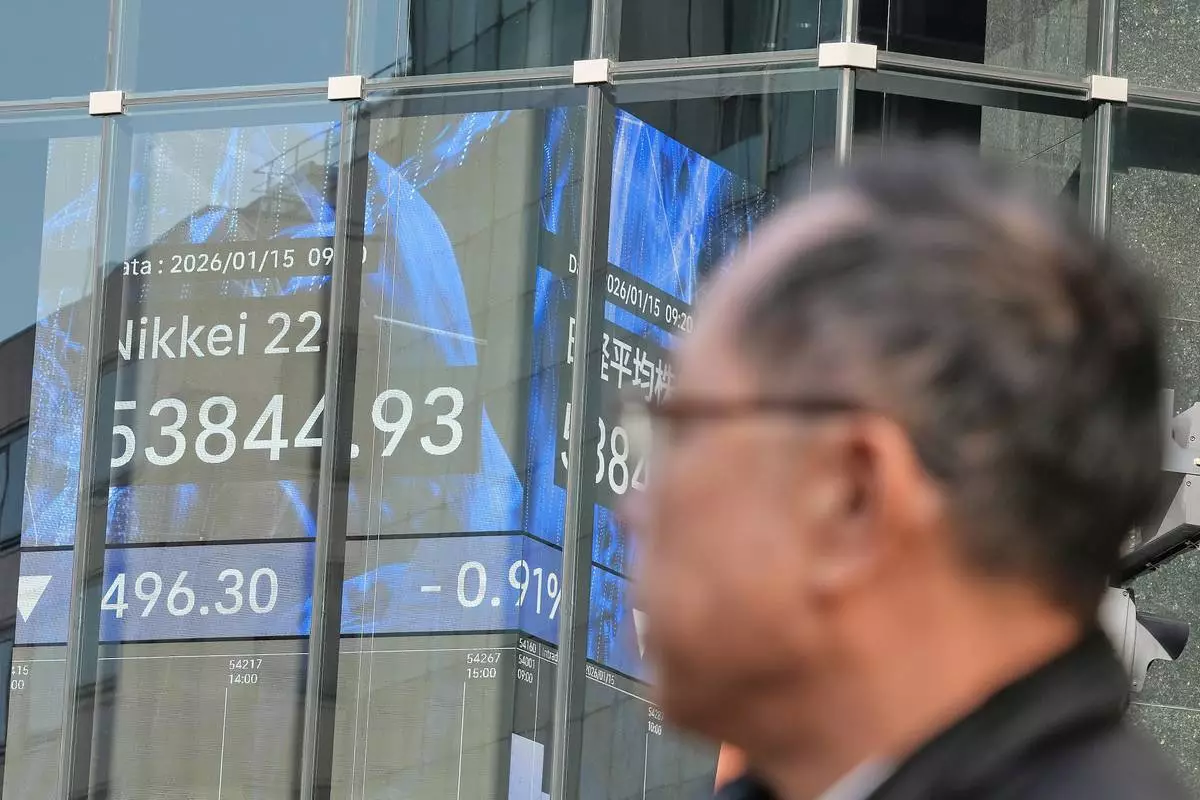
A person walks in front of an electronic stock board showing Japan's Nikkei index at a securities firm Thursday, Jan. 15, 2026, in Tokyo. (AP Photo/Eugene Hoshiko)