Chinese experts have warned that the United States' aggressive push to acquire Greenland, a self-governing territory of Denmark, has inflicted irreversible damage on U.S.-Europe ties, potentially hollowing out the North Atlantic Treaty Organization (NATO) and accelerating Europe's pursuit of independent defense capabilities.
Since NATO was founded in 1949, the position of Supreme Allied Commander Europe has consistently been held by a U.S. military officer. NATO's defense system remains heavily reliant on the United States in terms of air power, intelligence, command structures, and strategic planning.
"The crisis in Greenland has caused irreversible damage to Europe-U.S. relations. Therefore, I believe that in the future, NATO may become increasingly hollowed out, weakened, or even rendered ineffective. Europe might pursue its own defense integration under the NATO framework, even if NATO exists in name only. Alternatively, Europe could abandon NATO, forging its own path and establishing an independent defense system," said Feng Zhongping, director of the Institute of European Studies at the Chinese Academy of Social Sciences.
Echoing the sentiment, Cui Hongjian, director of Center for the European Union and Regional Development Studies at Beijing Foreign Studies University, highlighted Europe's awakening to U.S. underlying motives.
"Only after Europe itself became the victim, did it finally realize that the so-called ally it had long relied upon and trusted had never shed its inherent imperialist and hegemonic nature. In the eyes of American hegemonic thinking, whoever stands in the way, even Europe itself, will face the barrel of the gun and the edge of the sword, provided the United States can secure maximum benefit at minimal cost," said Cui.
Faced with U.S. threats over Greenland and the noticeable changes in transatlantic relations, Europe has become aware of the drawbacks of its security dependence on the United States, with calls for strategic autonomy growing louder.
Many argue that the European Union (EU) must establish an independent defense and security system, firmly grasping the core technologies and energy lifelines that drive economic development, to truly break free from its predicament of being constrained by others.
"For Europe, if it fails to establish security and defense autonomy, it will remain constrained by the United States in the future, whether on Greenland or other issues concerning its interests. From the U.S. perspective, security remains Europe's weak point, and thus the U.S. will relentlessly exploit Europe's vulnerability to push around its allies and bully Europe," Cui said.
Located in northeastern North America, Greenland, the world's largest island, is a self-governing territory within the Kingdom of Denmark, while Copenhagen retains authority over defense and foreign policy. The United States maintains a military base on the island.
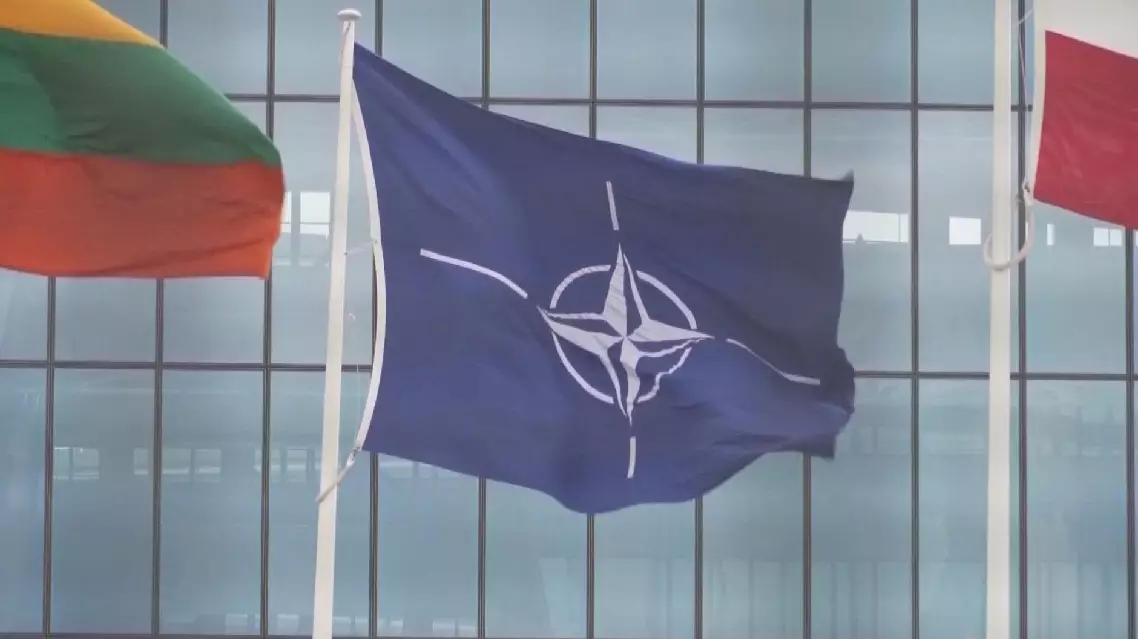
US coercion in Greenland risks irreversible damage to US-Europe ties: Chinese experts
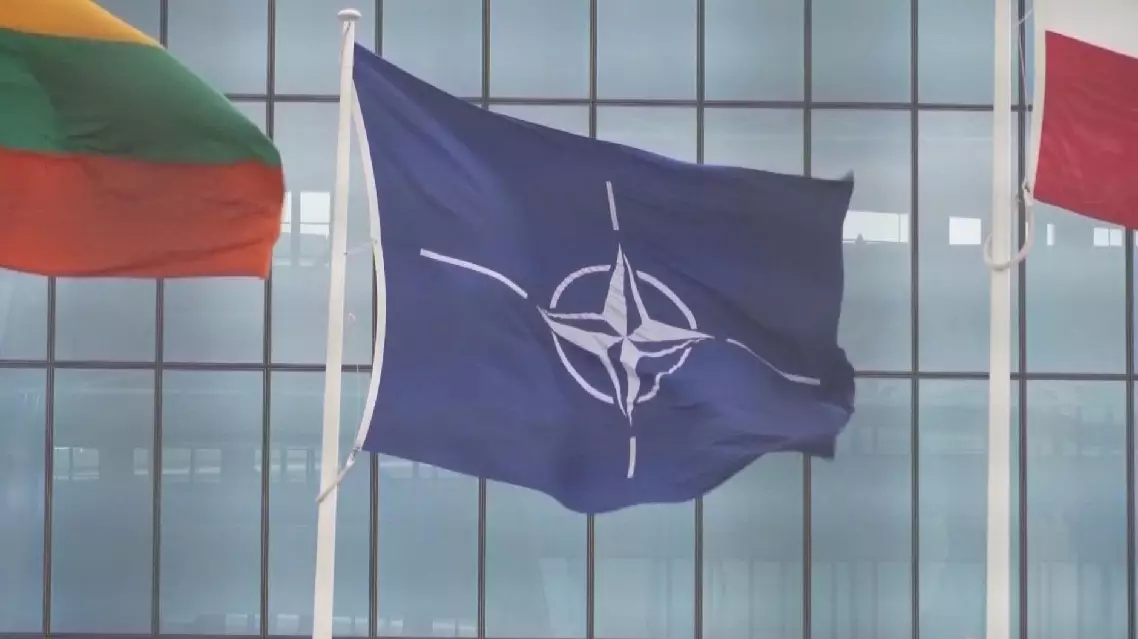
US coercion in Greenland risks irreversible damage to US-Europe ties: Chinese experts