China is accelerating patent approvals to boost the Hainan Free Trade Port (FTP)'s global competitiveness, said the China National Intellectual Property Administration (CNIPA) on Friday.
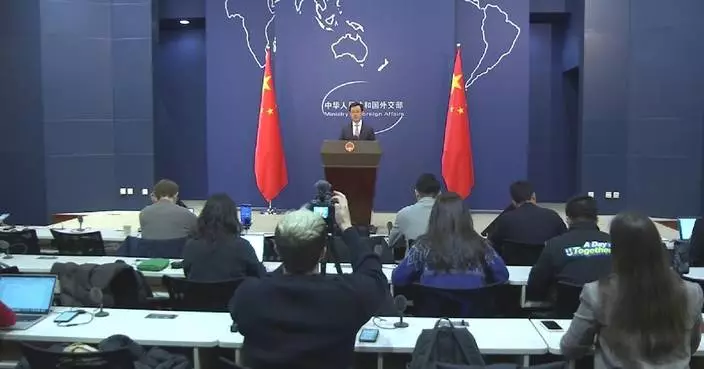
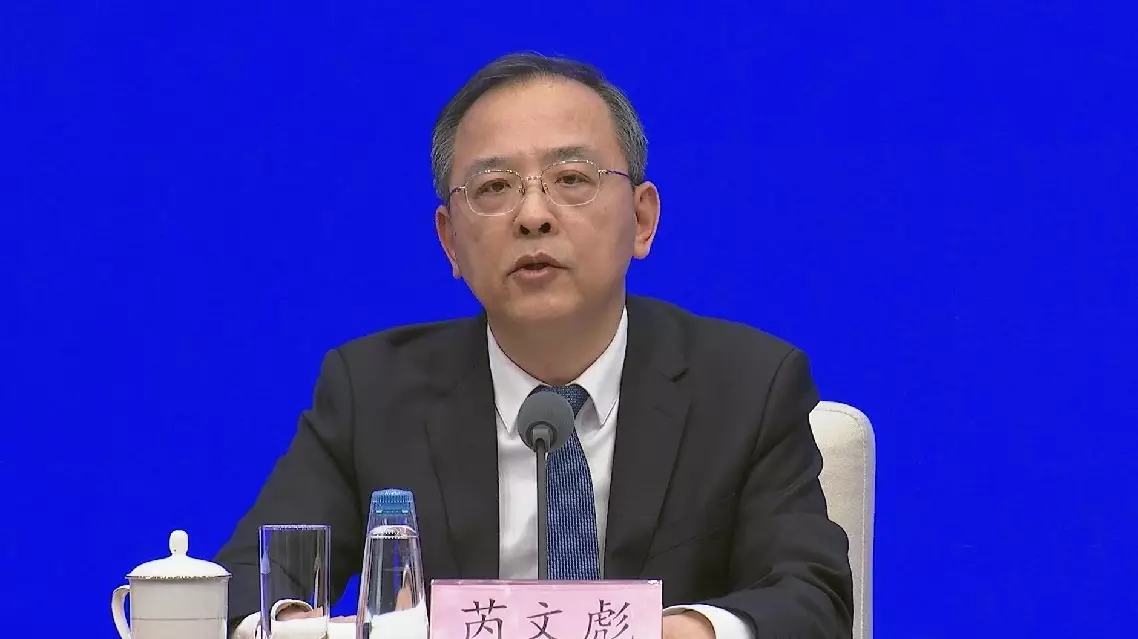
Intellectual property protection has become a key measure of the port's business environment, with CNIPA reporting a sharp rise in invention patent authorizations in Hainan. CNIPA deputy head Rui Wenbiao told a Beijing press conference the move aims to strengthen the region's international edge.
"We have established national-level intellectual property protection centers in Haikou and Sanya, and set up a green channel covering key sectors such as the seed industry, deep-sea technology, and biomedicine for rapid pre-examination, rapid confirmation of rights, and rapid rights protection. The average speed of invention patent authorization has been accelerated by more than 80 percent," said Rui.
Rui highlighted that eight national-level intellectual property public service institutions were established in the Hainan FTP, serving innovation entities a total of 15,000 times last year, and an inventory of existing patents from 31 universities and research institutions across the province was completed.
"Next, we will further focus on enhancing the international competitiveness of the Hainan FTZ, actively align with international trade and economic rules, and support Hainan to pioneer in areas such as cross-border e-commerce intellectual property governance and cross-border intellectual property transfer," he said.
The Hainan FTP is by far the largest free trade port globally by geographical area. China on Dec 18 last year launched island-wide special customs operations in the Hainan FTP, allowing freer entry of overseas goods, expanded zero-tariff coverage and more business-friendly measures.
China accelerates patent approvals to boost Hainan Free Trade Port
Li Li, a deputy to the National People's Congress (NPC) from southwest China's Guizhou Province, has made it her mission to preserve and promote the rich cultural heritage of the Buyi people, particularly their traditional clothing.
Born and raised in a village of Qinglong County, Qianxinan Buyei and Miao Autonomous Prefecture, Li began learning the intricate handicrafts of the Buyi people from her mother at a young age.
After spending over a decade working away from home, she felt a strong calling to return and safeguard her cultural roots. In 2015, she returned to her roots to start a business with the vision to revitalize Buyi clothing.
"Starting my own business was really tough in the beginning. If you want to make a Western-style suit, you could just buy some fabric and copy an existing design. But ethnic clothing is different. It requires constant innovation, and that takes a huge amount of time. Traditional fabrics tend to fade, and I spent months just trying to figure out how to fix the color. This problem had kept me up for a long time. But eventually, I tackled the challenges one by one," Li said.
Her persistence has paid off. This year, Li's team tapped into the cultural symbolism of the Year of the Horse, creating a range of horse-themed products that have quickly gained popularity.
"This year is the Year of the Horse, so we created a lot of horse-themed items. They are very popular and orders have been pouring in. Every year, we design our cultural products and clothing based on what the market wants. We started with a 300-square-meter workshop, and now we have our own intangible cultural heritage center. Over the years, we've trained more than a thousand embroiderers," she said.
As a grassroots NPC deputy, Li prioritizes listening to the voices of ordinary people. During work sessions with embroiderers, she takes time to listen to their concerns and offers flexible schedules for those with special needs.
The preservation of ethnic clothing and culture has always been at the heart of her work.
"During this year's 'two sessions', I will continue to focus on the preservation of ethnic clothing and culture. I want to encourage more young people to get involved in cultural inheritance. For example, I've been going to schools to teach students because I hope that intangible cultural heritage can take root in children's hearts from an early age. I want them to grow up knowing how remarkable our ethnic culture is and to develop a strong sense of cultural pride," Li said.
The "two sessions" refer to the annual meetings of the National People's Congress, China's top legislature, and the National Committee of the Chinese People's Political Conference, China's top political advisory body,which usually convene in early March.
NPC deputy from Guizhou revitalizes Buyi culture through inheritance and innovation