The Trump administration on Friday expanded its sanctions targeting Iran's oil trade and maritime networks, issuing a new Iran-related general license and updating its Specially Designated Nationals (SDN) list with entities and oil tankers tied to Iran's petroleum sector.
The Iran-related General License T, issued by the U.S. Department of the Treasury's Office of Foreign Assets Control (OFAC), authorizes "limited safety and environmental transactions and the offloading of cargo involving certain persons or vessels blocked on January 23, 2026."
Meanwhile, OFAC updated its SDN list, adding multiple shipping companies and nine oil tankers in alleged links with Iran. The move is expected to effectively block their U.S. property and prohibit U.S. citizens from engaging in transactions with them.
"OFAC is targeting nine shadow fleet vessels and their respective owners or management firms that have collectively transported hundreds of millions of dollars' worth of Iranian oil and petroleum products to foreign markets," the Treasury Department said Friday in a press release.
"As previously outlined, Treasury will continue to track the tens of millions of dollars that the regime has stolen and is desperately attempting to wire to banks outside of Iran," said Treasury Secretary Scott Bessent on X.
The move came after a series of U.S. sanctions and other measures adopted earlier this month, seen as part of a broader U.S. effort to cut off funding streams supporting Tehran amid ongoing tensions.
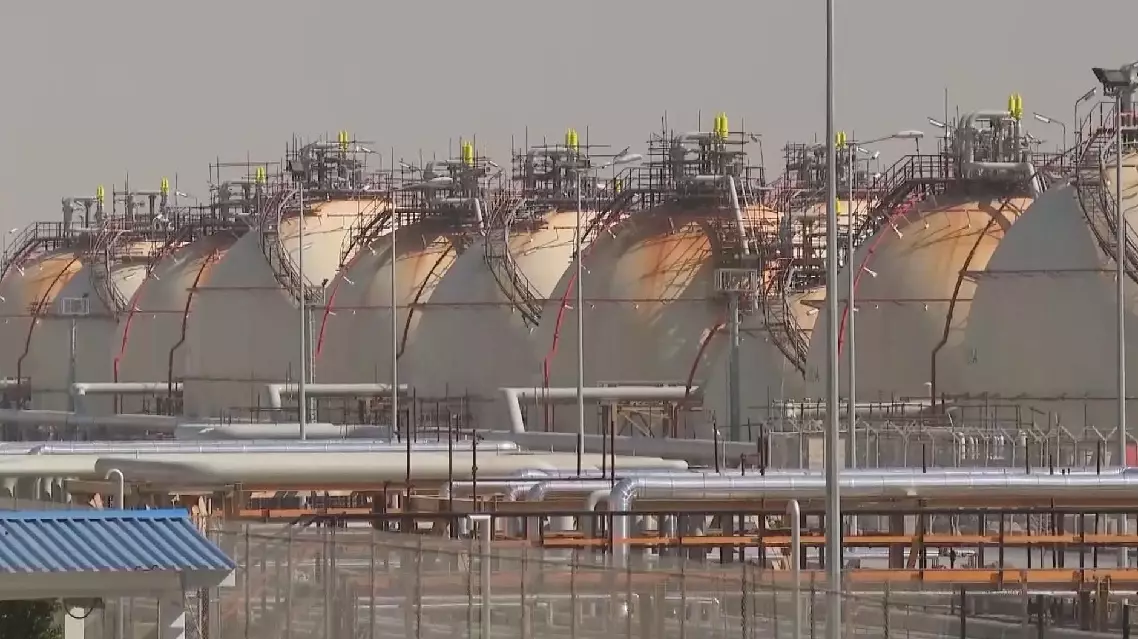
U.S. expands sanctions targeting Iran's oil trade, maritime networks
Chinese rescue teams retrieved 17 Filipino crew members from a shipwreck in the South China Sea, authorities said on Friday.
Fifteen of those rescued were in stable condition, while two were found dead. Four others remained missing as of Friday evening.
At 00:46 on Friday, the Sansha maritime search and rescue branch received a report from the Hainan provincial maritime search and rescue center, which said a Singapore-registered cargo ship "DEVON BAY", en route from the Philippines to south China's Guangdong Province, had lost contact in waters about 55 nautical miles northwest of China's Huangyan Dao, with 21 Filipino crew members on board.
According to the provincial center, the last contact with the ship was at 21:26 on Thursday, when the ship crew reported that the hull had tilted severely and water was flooding in. Contact was lost after that, while the ship's emergency wireless position indicator later sent out an alarm signal.
Upon receiving the report, the Sansha maritime search and rescue branch immediately launched a multi-agency international rescue operation.
The Chinese People's Liberation Army Southern Theater Command sent military aircraft to conduct search operations over the waters where the accident occurred. Two nearby China Coast Guard (CCG) vessels also joined the rescue mission, along with teams from the Nanhai Rescue Bureau of the Ministry of Transport.
Multiple international commercial vessels, including ships registered in Liberia, Panama and Japan, also joined the search operation.
At 04:28 on Friday, CCG vessels found and rescued four crew members from a lifeboat. Severe sea conditions, with high winds and rough waves, posed significant challenges to the rescue operation. The search and rescue effort is still ongoing, authorities said.
The 15 Filipino sailors in stable condition have received medical treatment and are under proper care aboard a Chinese vessel, according to the CCG.
"I really feel very safe in China Coast Guard [vessel], taking me from water to the accommodation. I really feel safe. And at nighttime, I seen (saw) a Coast Guard [vessel] that was moving around the area, and that is why at that time, I am (was) telling myself that 'No, I will not die at this time, I will survive,'" said one of the rescued sailors.
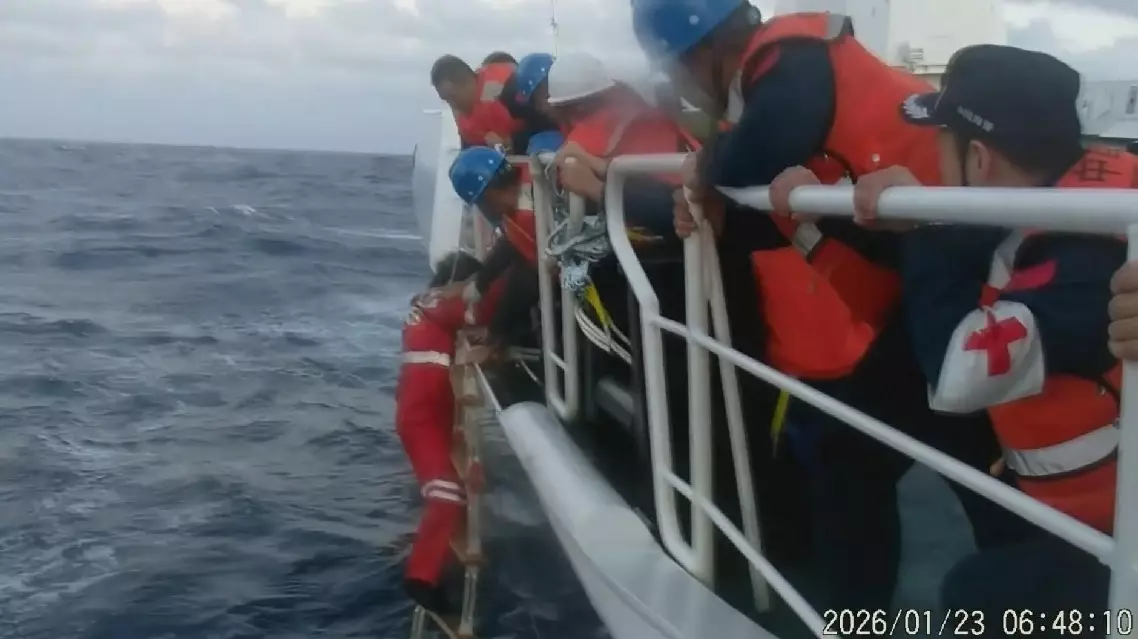
China rescues 17 Filipino sailors in South China Sea shipwreck, 4 still missing