
Skip to Content Facebook Feature Image

Mr. Christopher Hui: Deepening Co-operation between Hong Kong and Shanghai in the Gold Sector Carries Profound Significance

HK

Mr. Christopher Hui: Deepening Co-operation between Hong Kong and Shanghai in the Gold Sector Carries Profound Significance
HK

HK

Mr. Christopher Hui: Deepening Co-operation between Hong Kong and Shanghai in the Gold Sector Carries Profound Significance

2026-01-26 10:52 Last Updated At:15:01

Remarks by SFST at agreement signing ceremony with Shanghai Gold Exchange

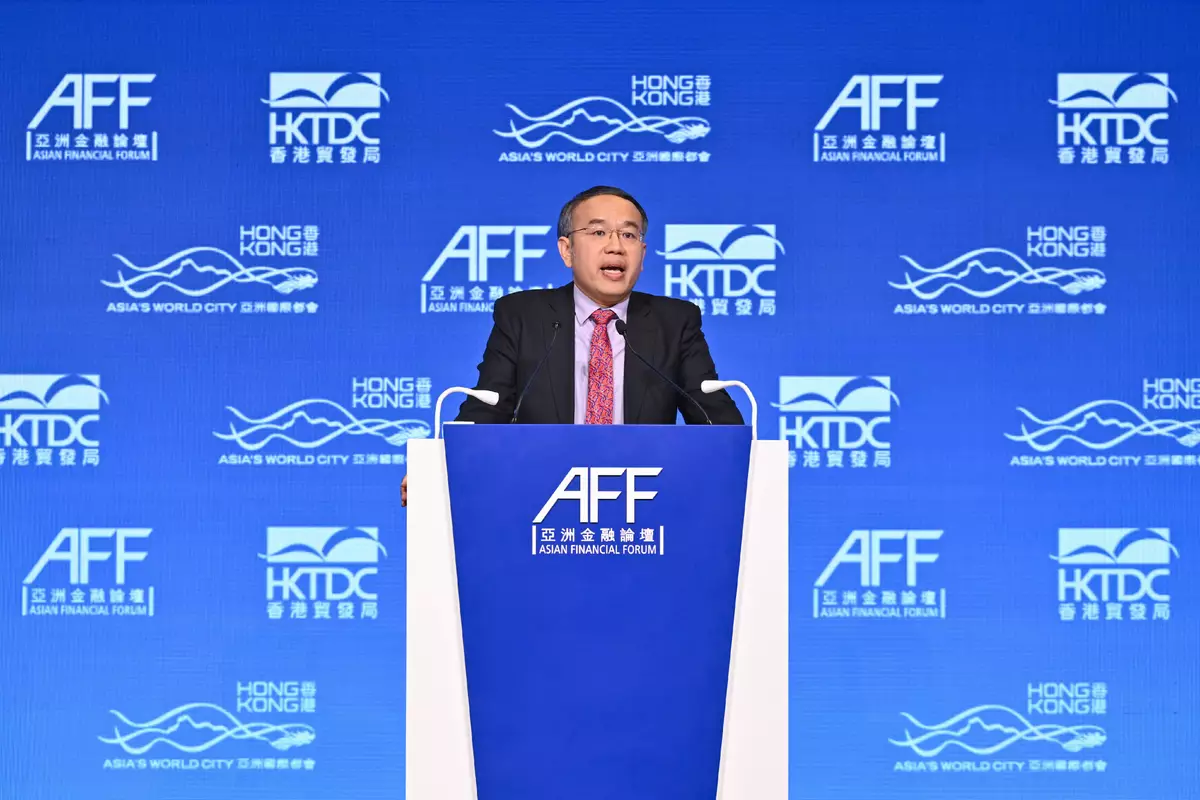
Following is the speech by the Secretary for Financial Services and the Treasury, Mr Christopher Hui, at the agreement signing ceremony with the Shanghai Gold Exchange at the Asian Financial Forum today (January 26):

Deputy Governor Zou (Deputy Governor of the People's Bank of China, Mr Zou Lan), Vice Mayor Wu Wei (Member of the Standing Committee of the Communist Party of China (CPC) Shanghai Municipal Committee and Executive Vice Mayor of the Shanghai Municipal People's Government, Mr Wu Wei), Director Zhou (Executive Deputy Director of the Office of the Financial Commission of the CPC Shanghai Municipal Committee, Mr Zhou Xiaoquan), Chairman Yu (Chairman of the Shanghai Gold Exchange, Mr Yu Wenjian), distinguished guests, ladies and gentlemen,

It is a great privilege to address you today at the Asian Financial Forum. As we convene in Hong Kong, the world's leading international financial centre, we just now witnessed a defining milestone in the development of our gold market as highlighted by the previous two keynote speeches, with my bureau and the Shanghai Gold Exchange signing a landmark co-operation agreement.

Gold has long been regarded as a cornerstone of the global financial system. Its unique physical attributes, inherent scarcity, and proven safe-haven function make it irreplaceable in areas such as national reserves, asset allocation and diversification. In recent years, amid heightened geopolitical uncertainty, inflationary pressures, and ongoing restructuring of the international monetary system, the strategic importance of gold has become even more pronounced. Against this backdrop, deepening co-operation between Hong Kong and Shanghai in the gold sector carries profound significance.

The agreement just now signed is far more than a formal document. It represents a resolute commitment to advancing the synergistic development of Hong Kong and Shanghai as premier international financial and gold markets. It reflects our joint determination to deepen the integration and complementary strengths of Hong Kong and Shanghai, so that together we can expand our share and influence in the global gold market, and better support Renminbi (RMB) internationalisation. Guided by the principles of mutual learning, win-win co-operation, interconnectivity, mutual recognition and shared development, we will leverage the distinctive advantages of both markets to enhance transaction and delivery efficiency, and elevate our voice in international gold pricing and governance.

Two elements of this agreement stand out as particularly significant and forward-looking. First, we are establishing a high-level, collaborative governance structure for Hong Kong's new gold central clearing system. The Hong Kong Precious Metals Central Clearing Company Limited - wholly owned by the Government - will have its Board chaired by myself, while a representative from the Shanghai Gold Exchange will serve as Deputy Chairman. In that capacity, representative of the Shanghai Gold Exchange will actively participate in the Board, contributing to the preparation of the gold central clearing system, the formulation of rules, the admission of participating institutions, and the provision of expert advice on system design, risk management and other areas.

Second, we are opening exciting new avenues for physical infrastructure synergy and market interconnectivity. Our two sides will explore leveraging the Shanghai Gold Exchange's well-established physical warehousing management regime to provide secure gold management services for participants in both the Hong Kong and international markets. Building on this foundation, we aim to drive greater connectivity between on-exchange and off-exchange gold trading activities. Through the central clearing system and key participants in the emerging Hong Kong gold trading ecosystem, we will explore practical measures to deliver greater business convenience and technical alignment, enabling investors from both sides to participate more seamlessly and cost effectively in each of our own markets. These initiatives will create a truly integrated, efficient and open ecosystem that serves participants across both markets.

This co-operation agreement sits within a broader, holistic vision for Hong Kong's gold market ecosystem - one that we are developing with determination and strategic coherence, where every measure is purposefully designed to build trust among global participants and promote innovation in products, infrastructure, and practices.

We are actively supporting the Airport Authority Hong Kong and financial institutions to establish advanced gold storage facilities - building trust through secure and scalable custody solutions, while promoting innovation in logistics and physical flows. The target is to exceed 2 000 tonnes of storage capacity within three years, making Hong Kong a trusted global vault. The Airport Authority has already launched a project to expand warehousing to a thousand-tonne scale, catering to local storage, delivery and also transit requirements.

We have also strengthened regional linkages through a Memorandum of Understanding signed between my bureau and our Shenzhen counterpart - building trust via clear policy guidance, and promoting innovation in GBA (Guangdong-Hong Kong-Macao Greater Bay Area) supply chain integration - which provides solid support for Hong Kong gold traders to co-operate with qualified Shenzhen refining enterprises in processing trade, unlocking new value in the supply chain.

On trading and clearing, Hong Kong's government-led central clearing system for gold is on track to begin trial operations this year - building trust through enhanced transparency, robust risk mitigation, and a reliable settlement mechanism in line with global best practices, while promoting innovation in efficient market operation.

For the preferential tax regimes offered to funds and single family offices, the Government will propose including precious metals as qualifying investments. The target is to introduce the legislative proposal in the first half of this year.

We are also expanding the range of investment options - building trust with reliable, accessible vehicles backed by physical assets, and promoting innovation at the intersection of traditional and digital finance. This week, a new gold fund will list in Hong Kong. Its key features include leveraging Hong Kong's well-established gold infrastructure for physical gold trading and storage, with the option of physical gold redemption at bank. Also, the issuer plans to explore an unlisted share class for potential distribution through licensed digital asset exchanges.

Furthermore, at a gold-themed session later today at this forum, market participants will release an outlook on the development of Hong Kong's sustainable gold governance framework and standards, with a view to fostering sustainable sourcing, environmental protection, and long-term responsibility standards.

Distinguished guests, ladies and gentlemen, the signing of an agreement with the Shanghai Gold Exchange marks the dawn of a new chapter - one in which Hong Kong and Shanghai join forces to shape the future of global gold markets. Let us embrace this historic opportunity to build stronger bridges, ignite innovation and create enduring value for investors and economies alike. Thank you.
Remarks by SFST at agreement signing ceremony with Shanghai Gold Exchange Source: HKSAR Government Press Releases
Remarks by SFST at agreement signing ceremony with Shanghai Gold Exchange Source: HKSAR Government Press Releases
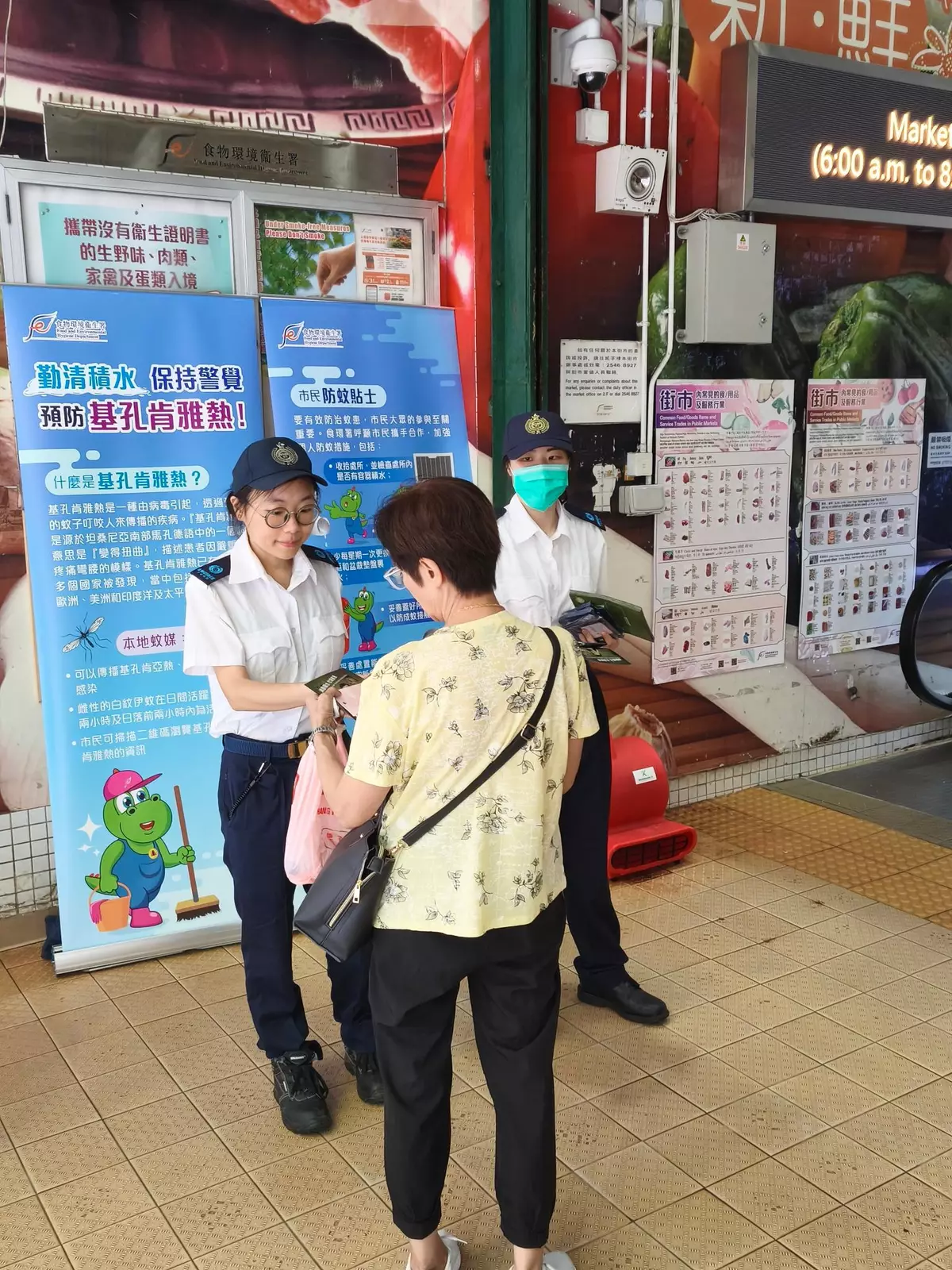
FEHD releases fourth batch of gravidtrap indexes for Aedes albopictus in May

The Food and Environmental Hygiene Department (FEHD) today (May 21) released the fourth batch of gravidtrap indexes and density indexes for Aedes albopictus in May, covering 12 survey areas, as follows:

District

Survey Area

May 2026

First Phase Gravidtrap Index

First Phase Density Index

Eastern

Shau Kei Wan and Sai Wan Ho

9.1%

1.4

Islands

Tung Chung

2.0%

1.0

Kowloon City

Hung Hom and To Kwa Wan

6.7%

1.5

Tai Po

Tai Po East

2.2%

2.0

Tai Po West

15.5%

1.0

Tuen Mun

Tuen Mun South

9.1%

1.4

District

Survey Area

May 2026

Area Gravidtrap Index

Area Density Index

Central and Western

Kennedy Town and Shek Tong Tsui

16.8%

1.3

Eastern

Chai Wan

15.4%

1.0

North Point and Quarry Bay

18.9%

1.4

Southern

Aberdeen and Ap Lei Chau

20.8%

1.7

Sha Tin

Sha Tin Town Centre and Fo Tan

18.3%

1.4

Tsuen Wan

Tsuen Wan Town

6.9%

2.3

The fourth batch of gravidtrap indexes for Aedes albopictus in May includes First Phase Gravidtrap Indexes covering six survey areas and Area Gravidtrap Indexes covering six survey areas. Among which, six survey areas recorded gravidtrap indexes above 10 per cent, while Aberdeen and Ap Lei Chau in Southern District recorded a gravidtrap index above 20 per cent. Meanwhile, the gravidtrap indexes of six survey areas, namely Kennedy Town and Shek Tong Tsui in Central and Western District; North Point and Quarry Bay in Eastern District; Shau Kei Wan and Sai Wan Ho in Eastern District; Aberdeen and Ap Lei Chau in Southern District; Tai Po East in Tai Po District; and Tuen Mun South in Tuen Mun District, have recorded a decrease as compared to the indexes recorded in the last survey period, reflecting the progress of relevant mosquito control work.

With reference to the data from the past few years, the gravidtrap indexes start to rise from April or May every year. The actual timing and extent of the rise are affected by factors like weather conditions and rainfall. The average temperature and rainfall recorded in April this year were higher than those in the same period last year, creating favourable conditions for mosquito growth and breeding. As a result, the rise in gravidtrap indexes occurred earlier this year. With the increase in rainfall in May, the gravidtrap indexes are expected to rise further.

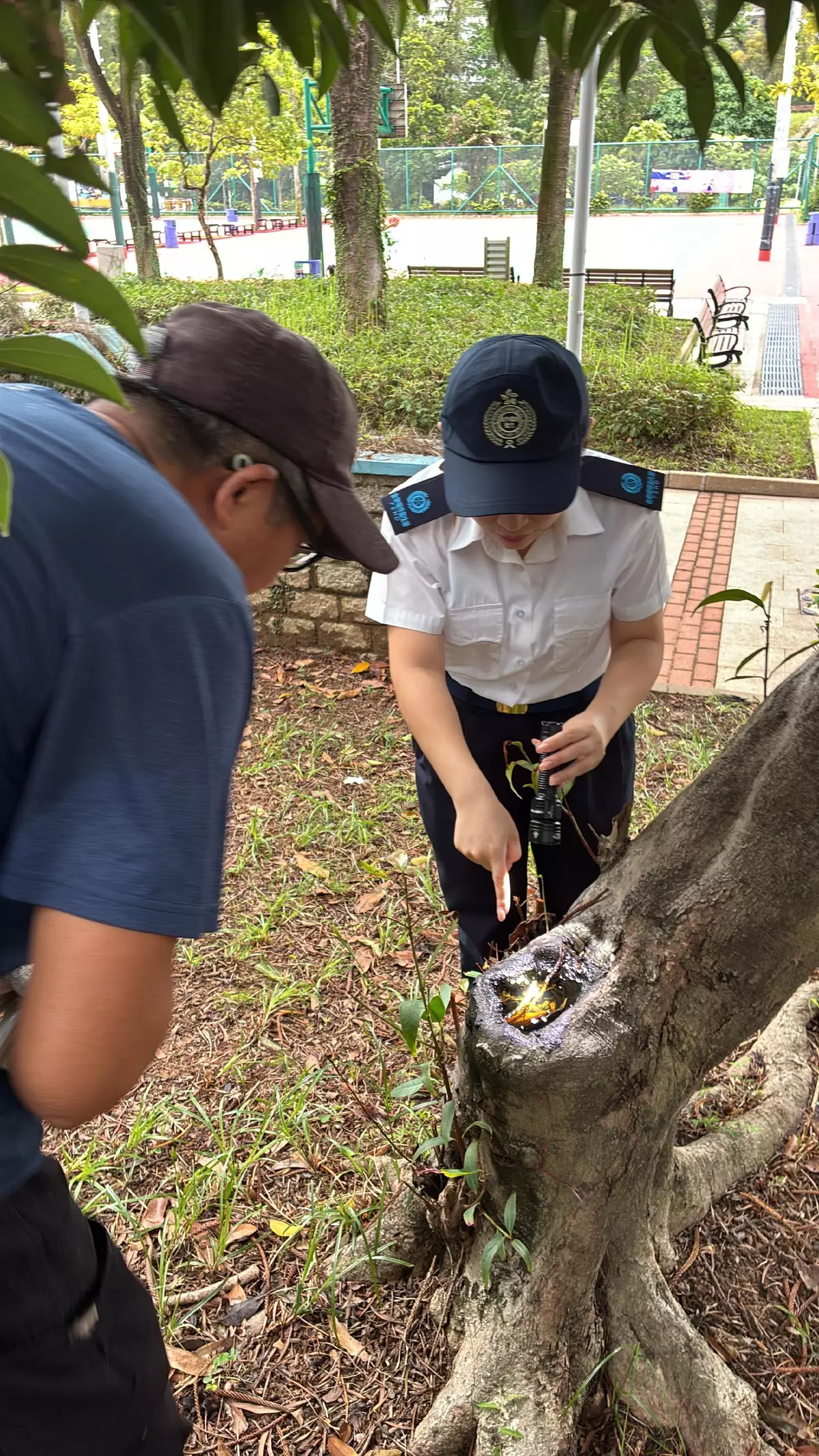
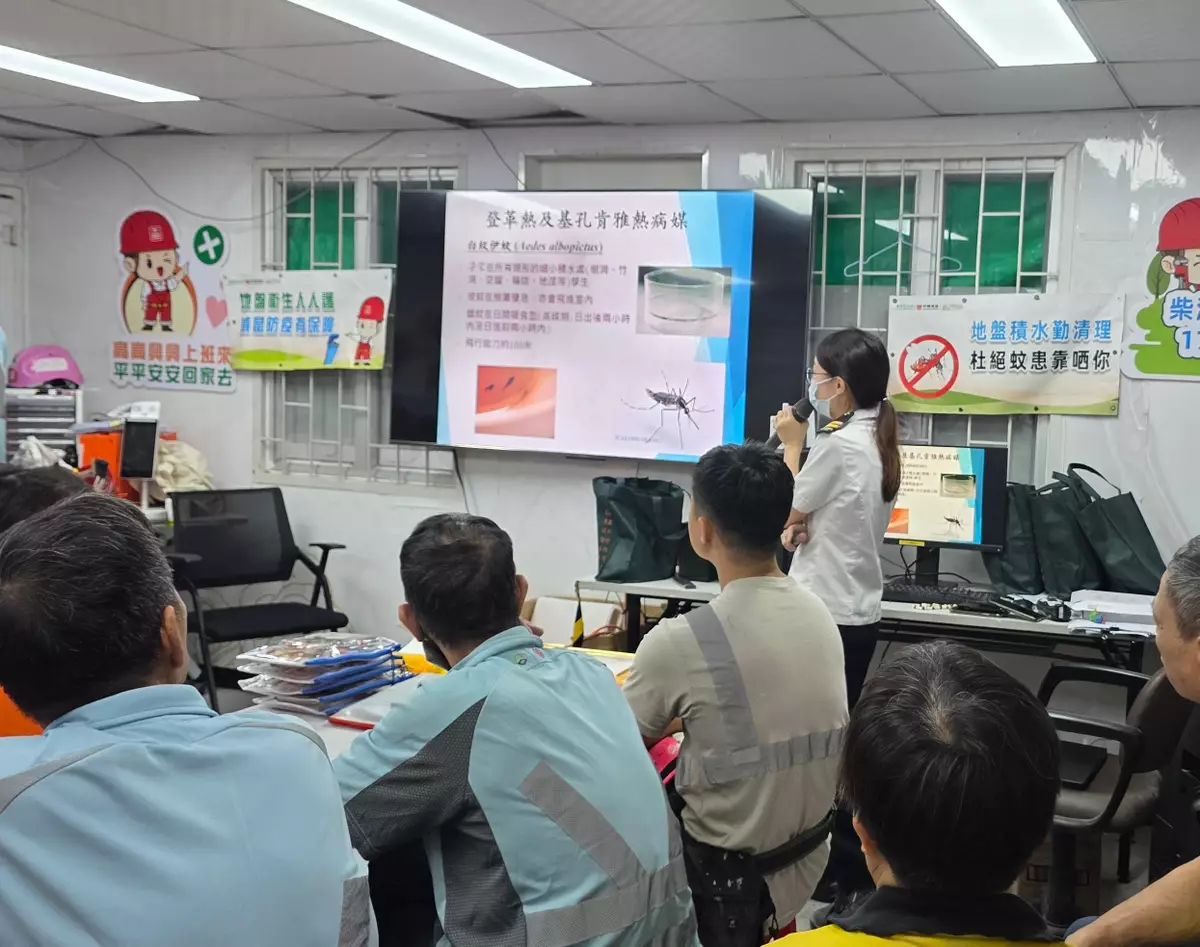
For survey areas which recorded indexes exceeding 10 per cent, in accordance with the mechanism implemented by the FEHD in response to the chikungunya fever (CF) situation (i.e. strengthening mosquito control work in areas with a gravidtrap index between 10 per cent and 20 per cent, instead of 20 per cent or above under the original mechanism), the FEHD is collaborating with relevant departments and stakeholders to identify locations with high mosquito infestations and carry out intensive and targeted mosquito control measures. The FEHD has initiated two prosecutions against the relevant construction site contractors following the discovery of mosquito breeding at construction sites in Tai Po District and Southern District. Moreover, following the discovery of stagnant water or stagnant water containers in a park, a construction site, a private housing estate, a clinic and a private premises in Tai Po District, Central and Western District, as well as Southern District, the FEHD has issued five statutory notices to the responsible persons-in-charge, requiring the clearance of such items within a specified timeframe. The FEHD, the relevant departments and stakeholders are following up on the mosquito control work, and will also organise exhibitions, distribute leaflets and posters, and notify residential estates that have subscribed to the gravidtrap Rapid Alert System, advising property management agents and residents to stay vigilant and work together in taking mosquito prevention and elimination measures. In addition, the FEHD will strengthen the monitoring of the gravidtrap index in the areas to review the effectiveness of the mosquito control work.

Public participation is crucial to the effective control of mosquito problems. The FEHD appeals to members of the public to continue to work together in strengthening personal mosquito control measures, including:

  • tidy up their premises and check for any accumulation of water inside the premises;
  • remove all unnecessary water collections and eliminate the sources;
  • check household items (those placed in outdoor and open areas in particular), such as refuse containers, vases, air conditioner drip trays, and laundry racks to prevent stagnant water;
  • change water in flower vases and scrub their inner surfaces thoroughly, and remove water in saucers under potted plants at least once a week;
  • properly cover all containers that hold water to prevent mosquitoes from accessing the water;
  • properly dispose of articles that can contain water, such as disposable meal boxes and empty cans; and
  • scrub drains and surface sewers with alkaline detergent at least once a week to remove any mosquito eggs.
  • Starting in August 2025, following the completion of the surveillance of individual survey areas, and once the latest gravidtrap index and the density index are available, the FEHD has been disseminating relevant information through press releases, its website and social media. It aims to allow members of the public to quickly grasp the mosquito infestation situation and strengthen mosquito control efforts, thereby reducing the risk of CF transmission.

    Following recommendations from the World Health Organization and taking into account the local situation in Hong Kong, the FEHD sets up gravidtraps in districts where mosquito-borne diseases have been recorded in the past, as well as in densely populated places such as housing estates, hospitals and schools to monitor the breeding and distribution of Aedes albopictus mosquitoes, which can transmit CF and dengue fever. At present, the FEHD has set up gravidtraps in 62 survey areas of the community, with a surveillance period of two weeks. During the surveillance period, the FEHD will collect the gravidtraps once a week. After the first week of surveillance, the FEHD will immediately examine the glue boards inside the retrieved gravidtraps for the presence of adult Aedine mosquitoes to compile the Gravidtrap Index (First Phase) and Density Index (First Phase). At the end of the second week of surveillance, the FEHD will instantly check the glue boards for the presence of adult Aedine mosquitoes. Data from the two weeks of surveillance will be combined to obtain the Area Gravidtrap Index and the Area Density Index. The gravidtrap and density indexes for Aedes albopictus in different survey areas, as well as information on mosquito prevention and control measures, are available on the department's webpage (www.fehd.gov.hk/english/pestcontrol/dengue_fever/Dengue_Fever_Gravidtrap_Index_Update.html#).

    FEHD releases fourth batch of gravidtrap indexes for Aedes albopictus in May  Source: HKSAR Government Press Releases
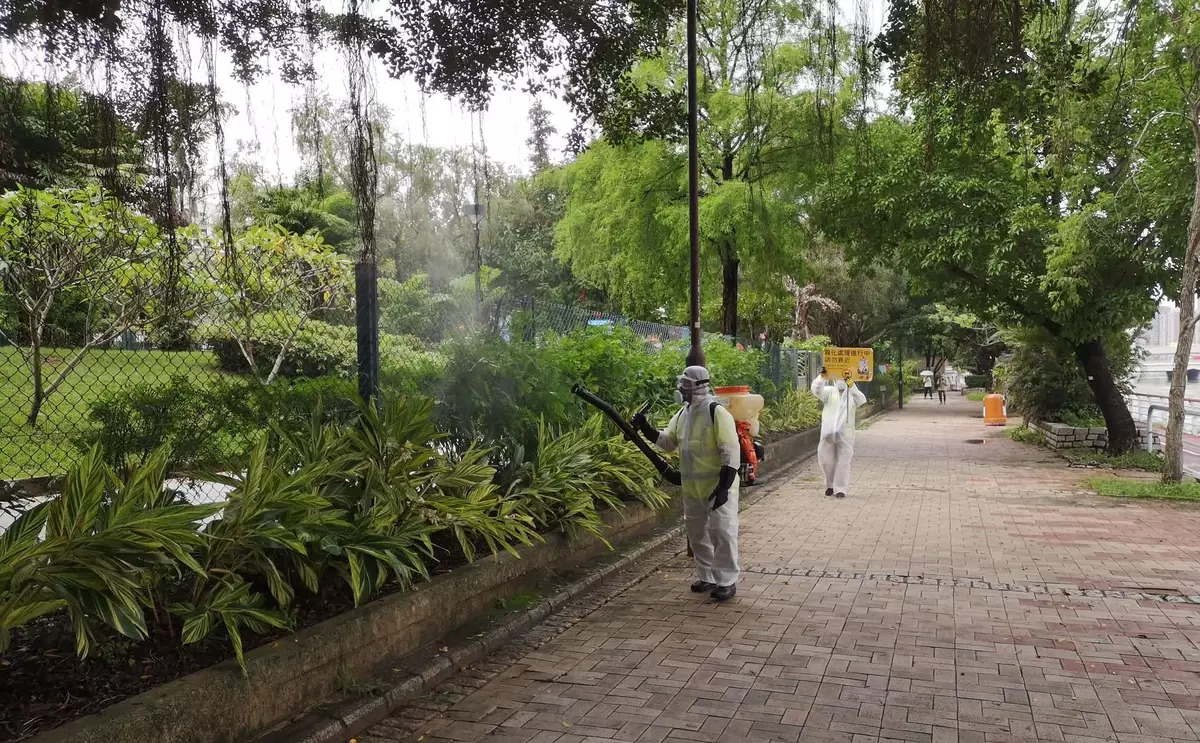
    FEHD releases fourth batch of gravidtrap indexes for Aedes albopictus in May Source: HKSAR Government Press Releases
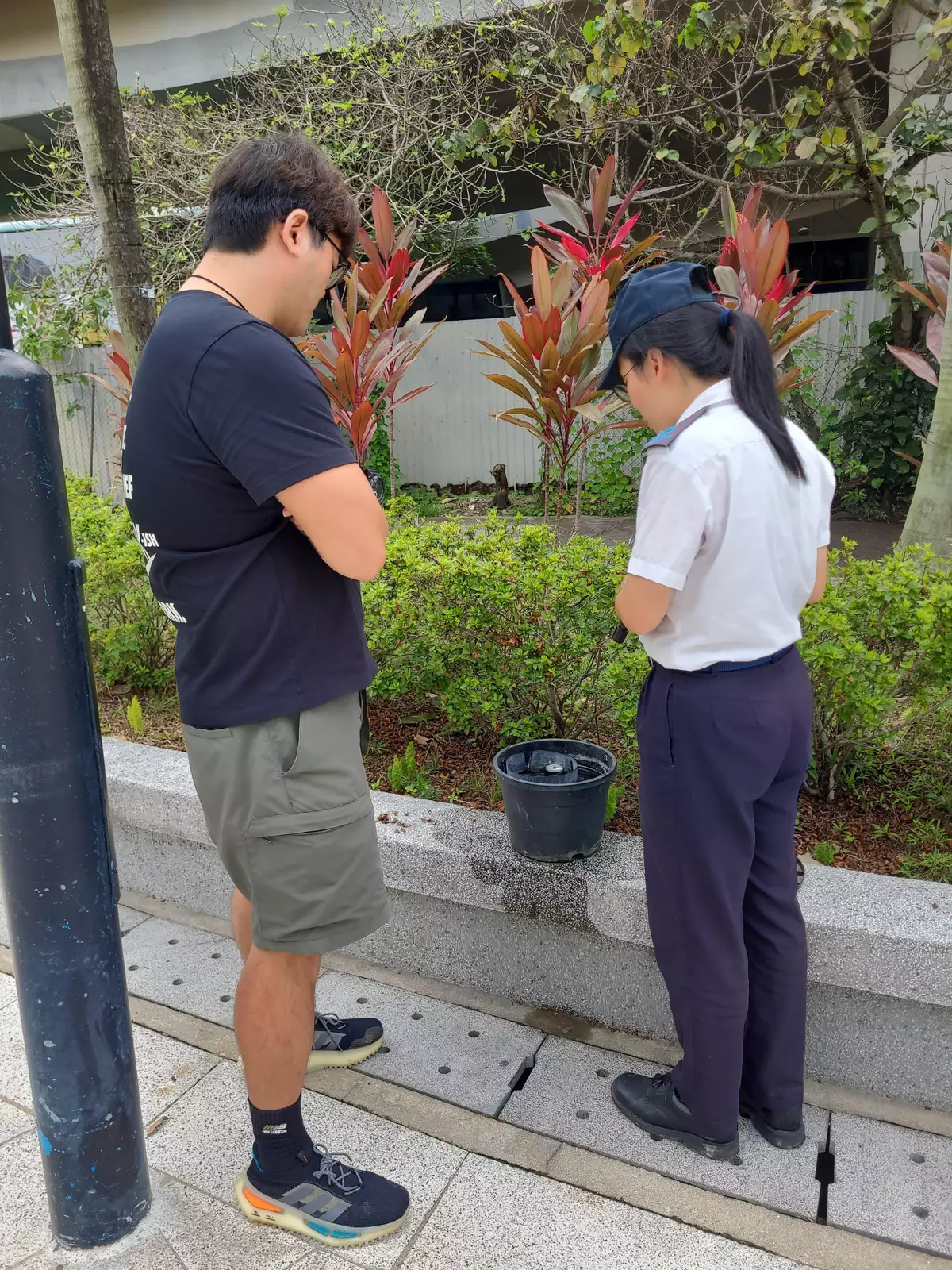
    FEHD releases fourth batch of gravidtrap indexes for Aedes albopictus in May  Source: HKSAR Government Press Releases
    FEHD releases fourth batch of gravidtrap indexes for Aedes albopictus in May Source: HKSAR Government Press Releases
    FEHD releases fourth batch of gravidtrap indexes for Aedes albopictus in May  Source: HKSAR Government Press Releases

    FEHD releases fourth batch of gravidtrap indexes for Aedes albopictus in May Source: HKSAR Government Press Releases
    FEHD releases fourth batch of gravidtrap indexes for Aedes albopictus in May  Source: HKSAR Government Press Releases

    FEHD releases fourth batch of gravidtrap indexes for Aedes albopictus in May Source: HKSAR Government Press Releases
    FEHD releases fourth batch of gravidtrap indexes for Aedes albopictus in May  Source: HKSAR Government Press Releases
    FEHD releases fourth batch of gravidtrap indexes for Aedes albopictus in May Source: HKSAR Government Press Releases

    Recommended Articles