DH reiterates importance of Hong Kong Childhood Immunisation Programme
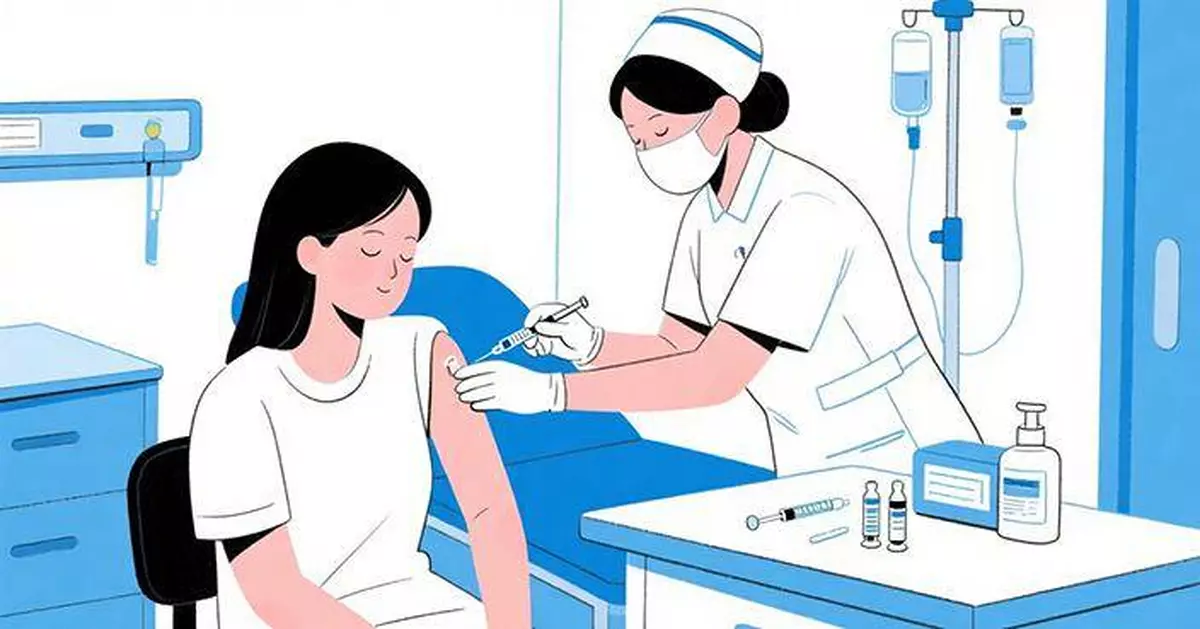
In response to media enquiries about whether adjustments to the vaccines covered by the Hong Kong Childhood Immunisation Programme (HKCIP) are needed, the Centre for Health Protection (CHP) of the Department of Health (DH) today (January 26) emphasised that all public health policies and medical advice must be based on scientific evidence. The CHP categorically rejected any suggestion to delay or discontinue the hepatitis B vaccination for newborns, as this would pose irreversible and significant public health risks to the community. Furthermore, the CHP reaffirms that vaccines under the HKCIP are one of the most effective tools for safeguarding public health and preventing and controlling infectious diseases, with their safety and effectiveness fully supported by ample scientific evidence from long-term practice. The CHP reminds parents to ensure their children receive timely vaccinations under the HKCIP to effectively protect them from contracting serious vaccine-preventable diseases.
"The Government has comprehensively and long promoted childhood immunisation. Vaccines that contribute to safeguarding children's health and overall public health have been incorporated into the HKCIP and other government vaccination programmes, such as the Seasonal Influenza Vaccination Programmes. Thanks to the trust and support of parents, schools and the healthcare professionals in the HKCIP over the years, immunisation coverage has remained extremely high, successfully keeping the incidence of related childhood infectious diseases in Hong Kong at extremely low levels. With the help of vaccines, smallpox was eradicated globally in 1980, and poliomyelitis was eliminated in Hong Kong in 2000. Measles and rubella were successful eliminated in Hong Kong in 2016 and 2021 respectively," the Controller of the CHP, Dr Edwin Tsui, said.
"The Scientific Committee on Vaccine Preventable Diseases (SCVPD) under the CHP regularly reviews vaccines for various preventable diseases by assessing the epidemiology in Hong Kong, the latest recommendations on immunisation from the World Health Organization (WHO), scientific developments and applications of new vaccines, updates on vaccine components, cost-effectiveness studies and the experiences of other health authorities. The SCVPD then makes recommendations to the DH from a public health perspective. The HKCIP is tailored to local epidemiological conditions and has been proven safe and effective. Its achievements in safeguarding public health are evident. Members of the public should not blindly follow practices in certain overseas regions and develop unnecessary concerns about the HKCIP's long-standing effectiveness," he added.
HKCIP
--------
Based on the SCVPD's recommendations, infants from birth to students of Primary Six should receive multiple vaccines and booster doses under the HKCIP to prevent 12 infectious diseases, namely tuberculosis, poliomyelitis, hepatitis B, diphtheria, pertussis, tetanus, pneumococcal infection, chickenpox, measles, mumps, rubella (also known as "German Measles") and human papillomavirus infection.
Children must complete all doses according to the schedule recommended by the HKCIP to ensure adequate immune protection. Unvaccinated children lack immunity against relevant infectious diseases and are susceptible to infections such as measles and pertussis. Young children infected with these diseases may develop severe complications. Furthermore, unvaccinated children may become a conduit for transmitting infectious diseases, indirectly affecting the herd immunity of the community.
"Measles is an example of a disease that is experiencing a global resurgence due to declining childhood vaccination rates. Over the past three years, measles outbreaks have spread to multiple regions worldwide. Recently, some overseas countries have reported large numbers of measles cases. North America (including the United States and Canada) and Southeast Asia (including Indonesia, Cambodia and the Philippines) have experienced persistent outbreaks due to low vaccination coverage rates. Furthermore, Japan and Australia recorded an increase in measles cases last year. Most of the cases overseas involved individuals who had never received the measles vaccine or whose vaccination history was unknown, underscoring the importance of maintaining high overall vaccination rates and herd immunity," Dr Tsui said.
Hepatitis B
--------------
According to the WHO recommendations, receiving the hepatitis B vaccine at birth and completing the three-dose series on schedule are crucial measures for preventing infection and reducing the public health burden of hepatitis B.
Hepatitis B is transmitted through contact with the blood or body fluids of an infected person. The major transmission routes include mother-to-child transmission (MTCT), through contact with blood and sexual contact. In chronic hepatitis B (CHB) endemic places, including Hong Kong, most people with CHB are infected through MTCT. The younger the age of acquiring the infection, the higher the risk of developing CHB. If a newborn is infected, there is up to a 90 per cent chance of developing CHB. CHB is the primary cause of liver cancer, cirrhosis and liver failure among the population in Hong Kong.
"Since 1988, the universal childhood hepatitis B immunisation programme has been implemented in Hong Kong. The current vaccination coverage rate among preschool children has reached 99 per cent. According to the Population Health Survey 2020-22, prevalence of hepatitis B among those under 35 years old has dropped below 1 per cent, reflecting Hong Kong's successful progress towards realising the goal of a 'hepatitis B-free generation'. The provision of hepatitis B vaccination to newborns has been instrumental in this achievement," Dr Tsui said.
The Government has attached great importance to the public health threat posed by viral hepatitis, and announced the Hong Kong Viral Hepatitis Action Plan 2025-2030 (Action Plan) at the end of last year. Through the implementation of a series of strategies and initiatives to prevent and control viral hepatitis, the Action Plan aims to further alleviate the public health burden posed by viral hepatitis. Preventing new infections is one of the four strategic axes of the Action Plan. Under this strategic axis, sustaining the existing effective MTCT prevention measures and maintaining their high coverage rates, including neonatal hepatitis B vaccination, are crucial for eliminating new hepatitis B infections.
The DH will continue to work with the SCVPD to monitor the situation of various vaccine-preventable diseases and scientific developments of new vaccines. Experts will be consulted as required to review and update the HKCIP in a timely manner.
Source: AI-found images