China's Ministry of Commerce on Monday announced a series of targeted initiatives to drive high-quality development of foreign trade throughout 2026, aiming to further stabilize the trade sector and ensure a sound start for the country's 15th Five-Year Plan period (2026-2030) for national socioeconomic development.
In response to a media inquiry on key measures for the year ahead, the Ministry of Commerce said that it will introduce a combined policy toolkit to help foreign trade firms reduce costs and improve efficiency. Central and local governments will coordinate to roll-out new policies and innovate support mechanisms in a timely manner.
To help enterprises access a wider range of global markets, the ministry said it will encourage participation in overseas exhibitions and organize a series of trade promotion activities. By providing businesses with up-to-date information and country-specific trade guides, authorities aim to connect domestic exporters with new international opportunities.
Transitioning to innovation, the ministry highlighted its commitment to accelerating transformation through technology.
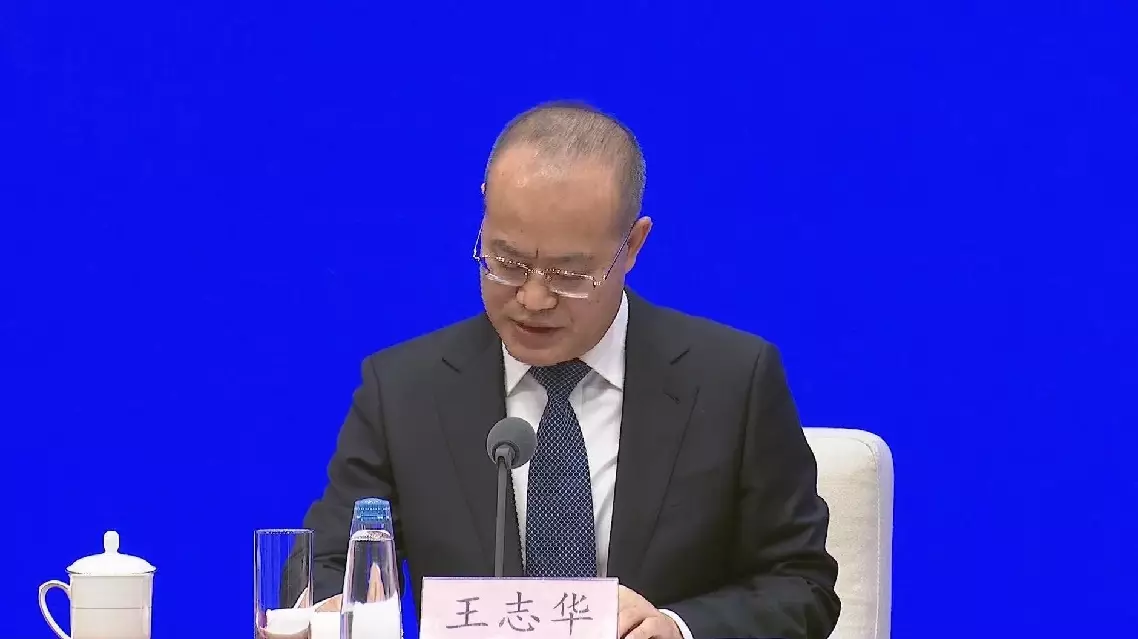
"We will accelerate innovation-driven growth, guiding comprehensive cross-border e-commerce pilot zones to vigorously develop industrial clusters empowered by cross-border e-commerce, and supporting overseas warehouse enterprises in conducting intelligent upgrades. We will promote the empowerment of foreign trade development through artificial intelligence and enhance the level of digitalization of the entire trade chain," said Wang Zhihua, director of the Department of Foreign Trade at the Ministry of Commerce.
As part of the push toward more balanced trade, China will actively boost import growth alongside exports.
"We will strengthen the 'Export to China' brand, select annual partners for targeted engagement, and host a range of import promotion activities. Platforms such as the China International Import Expo will be leveraged to provide more valuable exhibition opportunities. National import promotion and innovation pilot zones, together with import-export chambers, will facilitate regional and industrial matchmaking to make it easier for quality products and services from around the world to enter China," Wang explained.
In terms of services, the ministry will further refine the negative list management system for cross-border service trade and advance orderly opening of the service market to foreign investment. There will be a particular focus on expanding exports of competitive producer services, and encouraging professional service providers in design, consulting, finance, accounting, and law to enhance their international capabilities. In addition, new measures will be introduced to stimulate inbound consumption.
Digital trade will also be a major focus in 2026.
"We will promote innovative development of digital trade. The construction of national digital trade demonstration zones will be launched. Standards related to digital trade will be formulated, with an emphasis on aligning domestic and international norms. We will drive the digital transformation of service outsourcing, nurture and strengthen digital trade entities, and continue to well host the Global Digital Trade Expo to provide a key platform for international cooperation and shared development among global exhibitors and buyers," said the senior official.
China unveils key measures for high-quality foreign trade growth in 2026