BEIRUT (AP) — A conglomerate based in the United Arab Emirates said Monday it will take legal action against Lebanese authorities over a dispute regarding its investments in the crisis-hit country, saying it has suffered $1.7 billion in investment losses.
The Dubai-based Al Habtoor Group’s businesses in Lebanon were hit hard by the country’s historic economic meltdown that broke out in late 2019. The country also suffered from the 14-month Israel-Hezbollah war for which the World Bank estimates the costs of reconstruction and recovery at $11 billion.
Click to Gallery
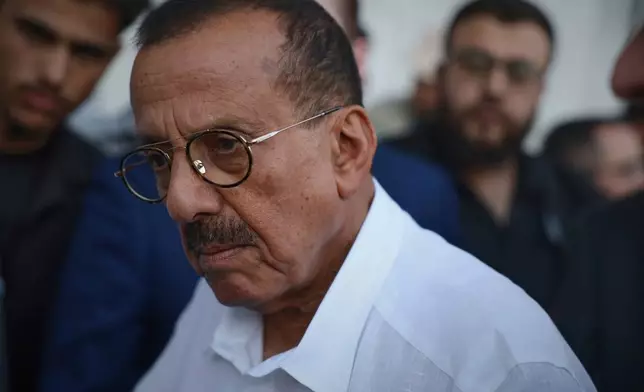
FILE - Emirati business magnate Khalaf al-Habtoor, chairman of the Al Habtoor Group, visits the Umayyad Mosque as part of a delegation trip to explore investment opportunities in Syria, in the Old City of Damascus on Tuesday, Sept. 9, 2025. (AP Photo/Omar Albam, File)
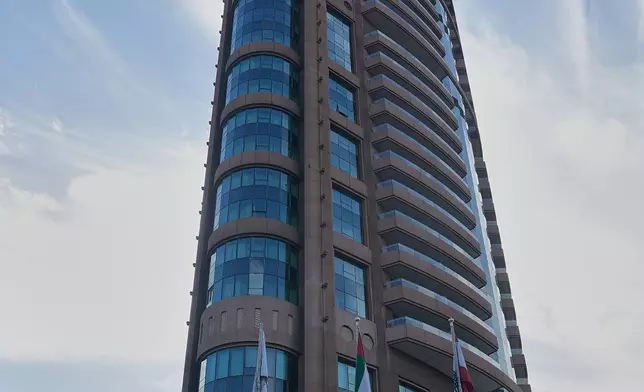
A general view of the Habtoor hotel, in Beirut, Lebanon, Monday, Jan. 26, 2026. (AP Photo/Hassan Ammar)
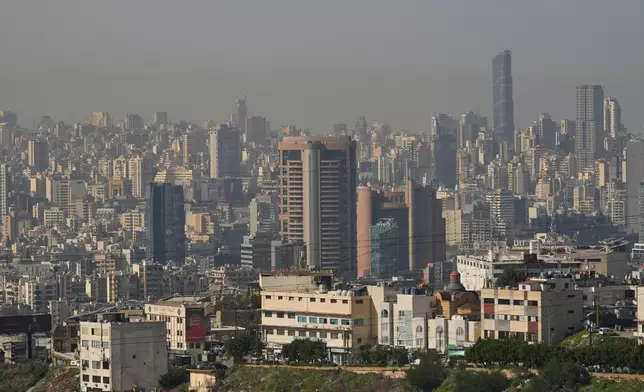
The Habtoor Hotel, center, is seen along Beirut's skyline, Lebanon, Monday, Jan. 26, 2026. (AP Photo/Hassan Ammar)
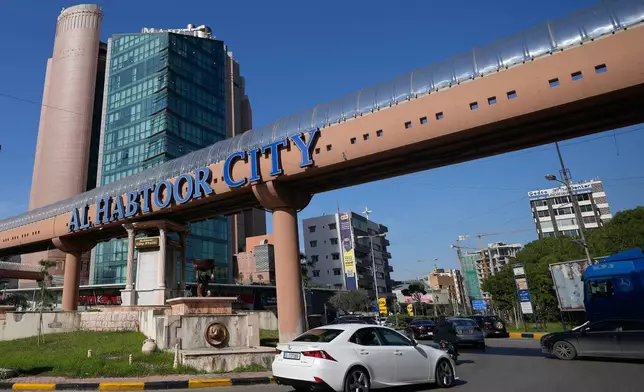
Cars pass next to Habtoor hotel, left, in Beirut, Lebanon, Monday, Jan. 26, 2026. (AP Photo/Hassan Ammar)
Lebanon’s economic meltdown, rooted in decades of corruption and mismanagement by the country’s ruling class, deprived people and businesses in the country of accessing their money stuck in the banking sector.
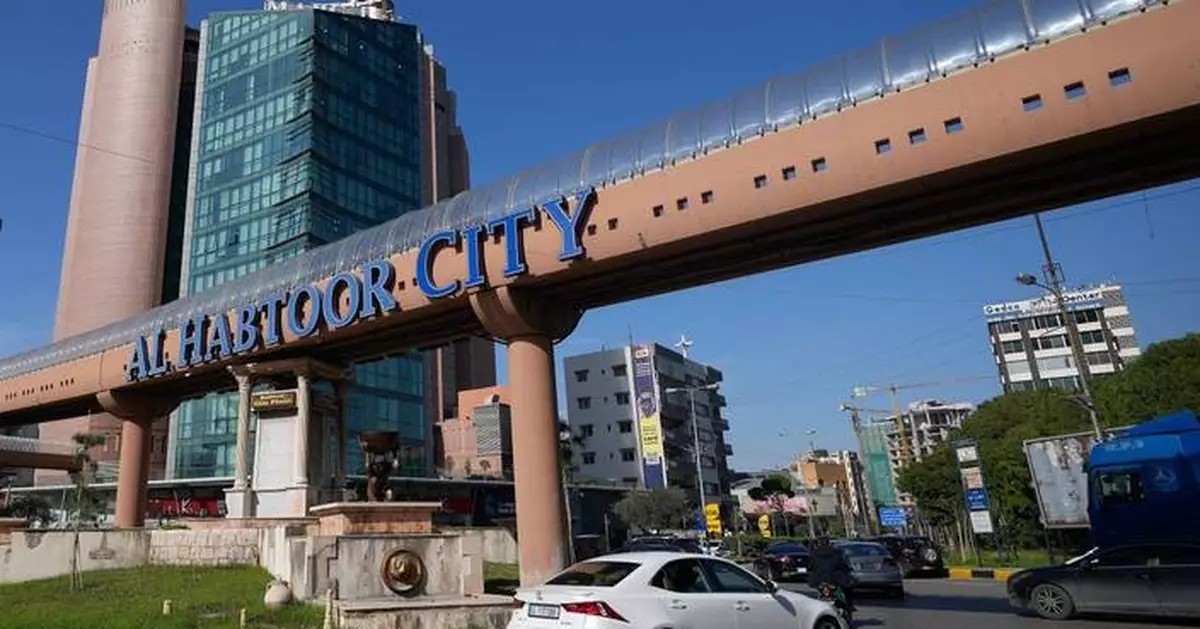
Al Habtoor Group runs among other things a hotel in a Beirut suburb as well as Habtoor Land, a giant theme park east of the Lebanese capital. Last year, Al Habtoor Group said it reversed plans to dismantle the Metropolitan Palace Hotel in Beirut.
Al Habtoor Group said that in recent years, its investments “have suffered severe and sustained harm” as a direct result of measures and restrictions imposed by Lebanese authorities and the central bank of Lebanon that prevented the Group from “freely accessing and transferring lawfully deposited funds held in Lebanese banks.”
It said that the situation was compounded by the prolonged political, economic, financial and social crises facing Lebanon and the country’s failure to ensure a stable and secure environment for operations and investments. It said damages and losses to the Group’s assets and properties in Lebanon exceed $1.7 billion.
Al Habtoor Group said it remains open to “lawful and constructive solutions” that restore its rights in full and respect the commitments of all parties. It said that the group has exhausted all reasonable and good-faith efforts to resolve this dispute amicably, and now “has no other alternative but to advance this matter further and proceed to take all legal measures necessary to protect and enforce its rights under applicable international agreements and legal frameworks.”
The statement did not clearly state where the legal action will be taken.
Officials at the prime minister's office were not imemdiately available for comment.
The move comes as Lebanon has been improving its relations with oil-rich Arab countries in the gulf after years of tensions over the wide influence in the country of the militant Hezbollah group.
Hezbollah was severely weakened by the latest war with Israel that ended with a U.S.-brokered ceasefire in November 2024.
A new president and prime minister took office in Lebanon last year and both have vowed to fight corruption.
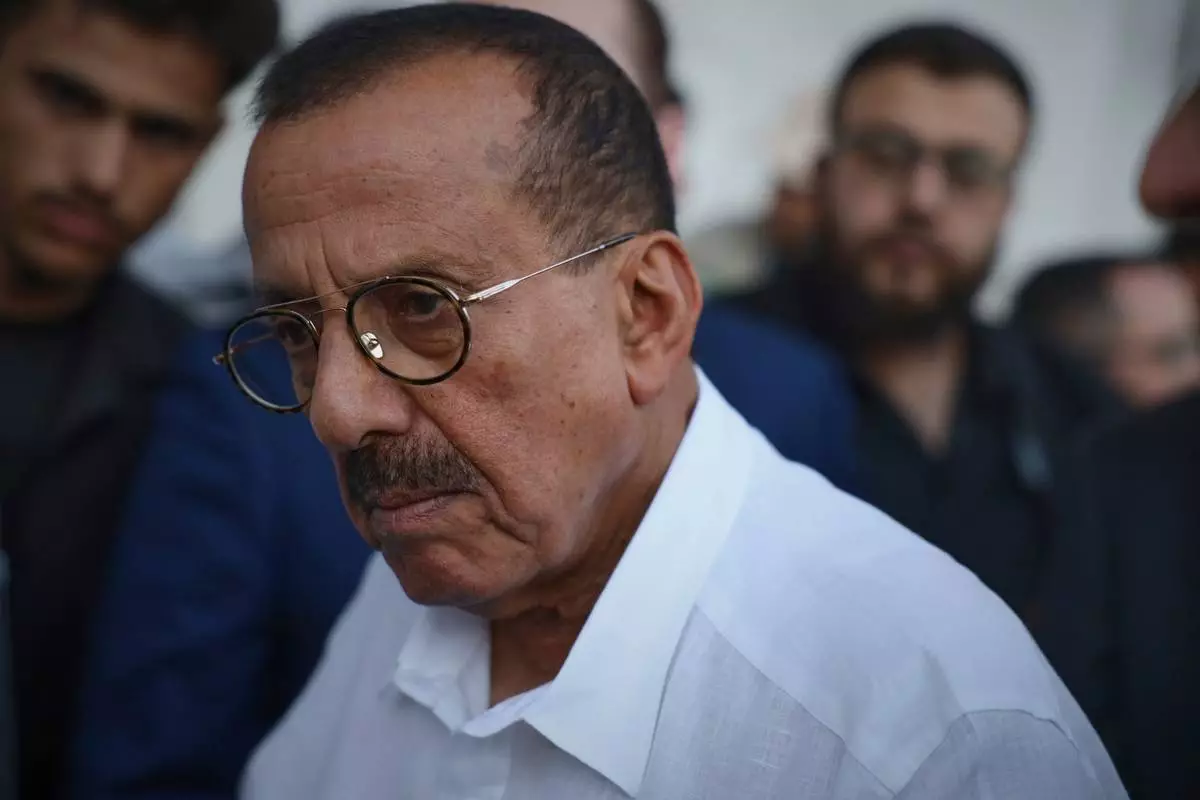
FILE - Emirati business magnate Khalaf al-Habtoor, chairman of the Al Habtoor Group, visits the Umayyad Mosque as part of a delegation trip to explore investment opportunities in Syria, in the Old City of Damascus on Tuesday, Sept. 9, 2025. (AP Photo/Omar Albam, File)
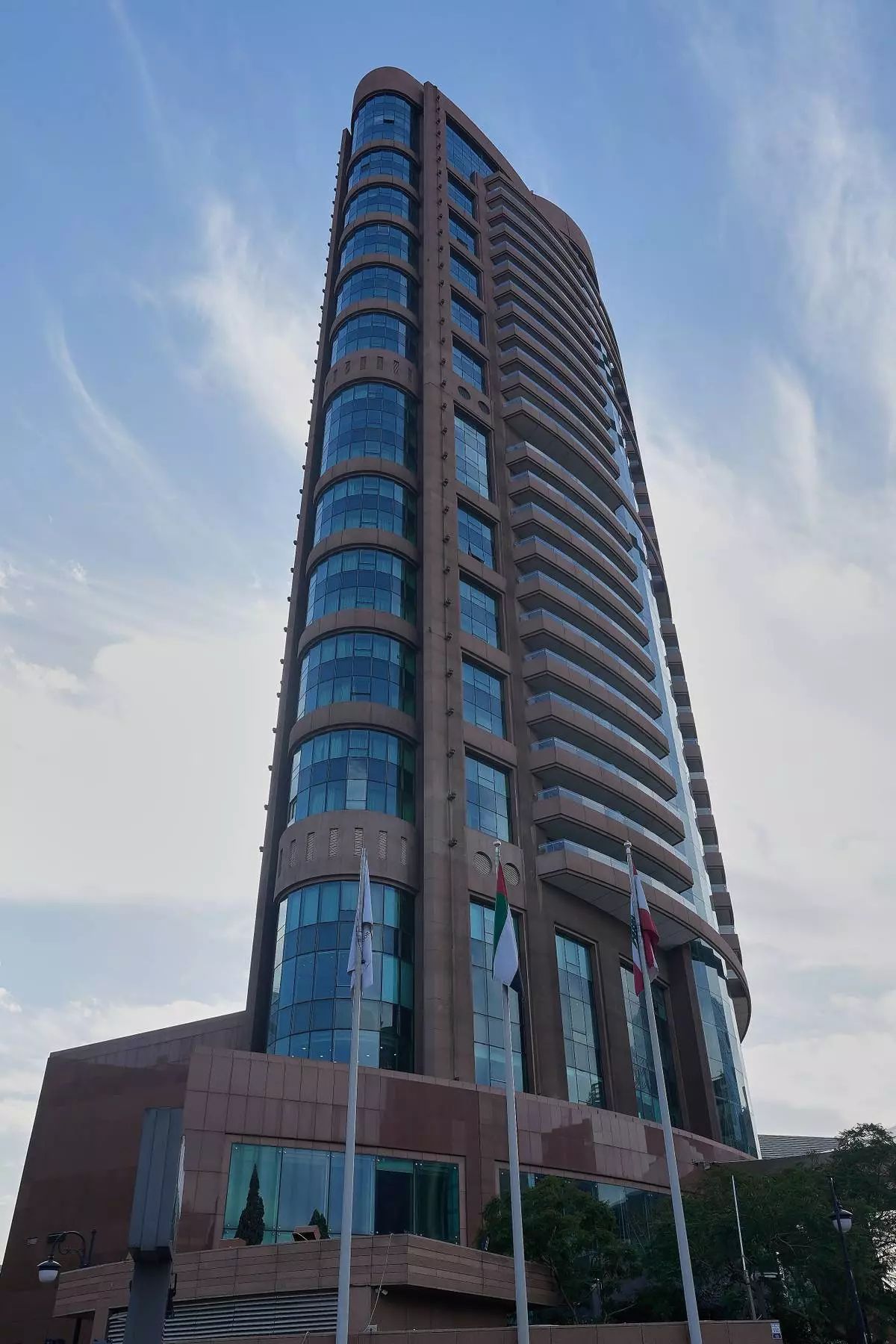
A general view of the Habtoor hotel, in Beirut, Lebanon, Monday, Jan. 26, 2026. (AP Photo/Hassan Ammar)
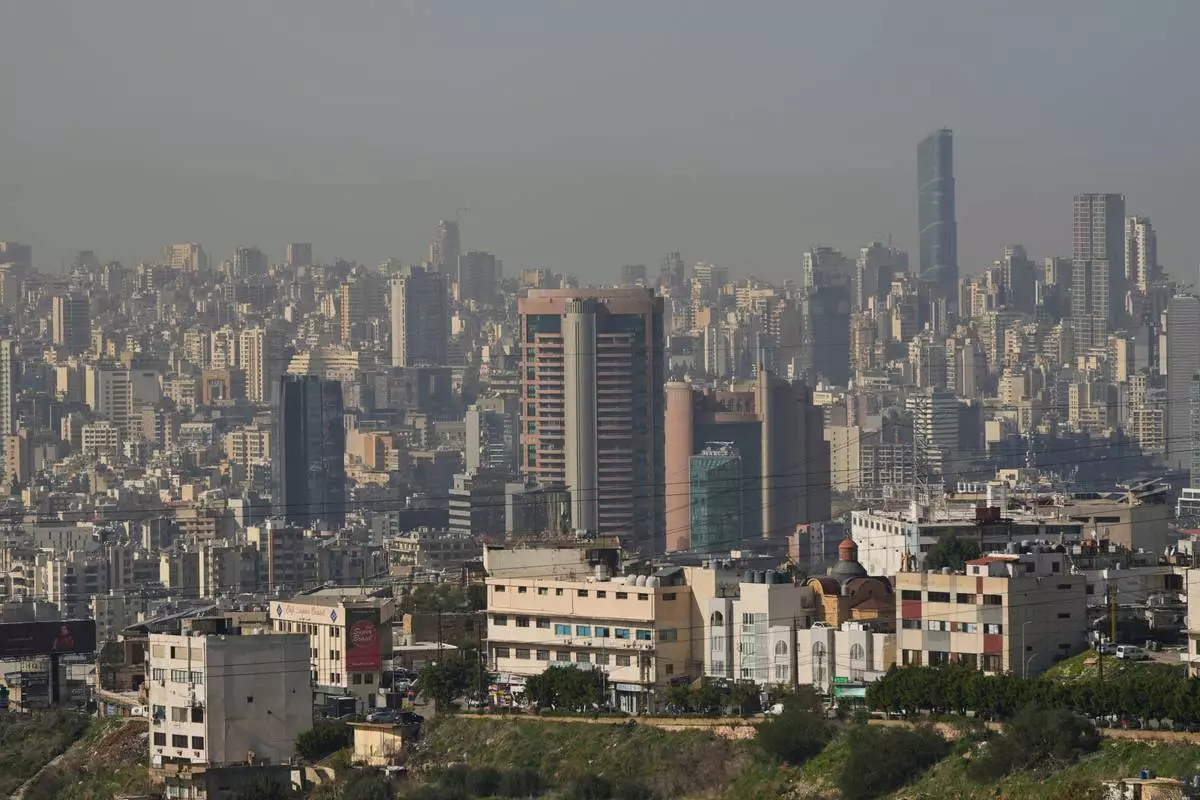
The Habtoor Hotel, center, is seen along Beirut's skyline, Lebanon, Monday, Jan. 26, 2026. (AP Photo/Hassan Ammar)
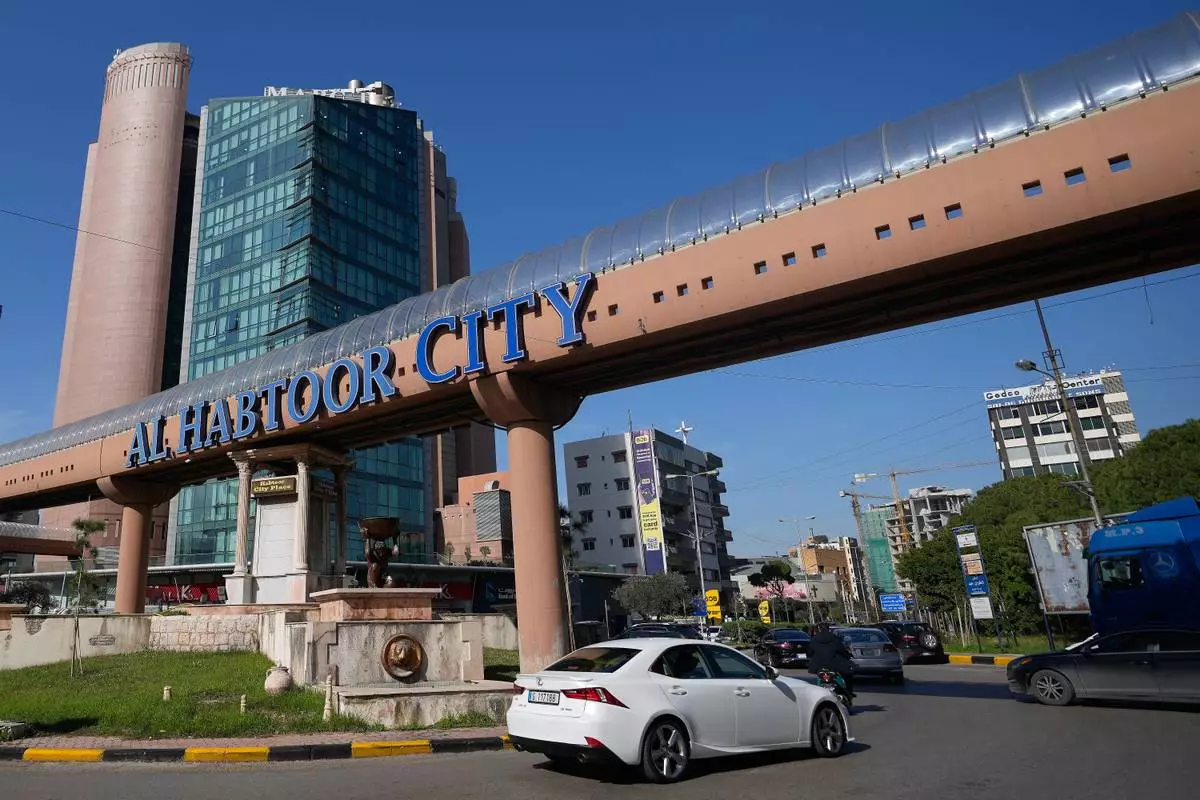
Cars pass next to Habtoor hotel, left, in Beirut, Lebanon, Monday, Jan. 26, 2026. (AP Photo/Hassan Ammar)