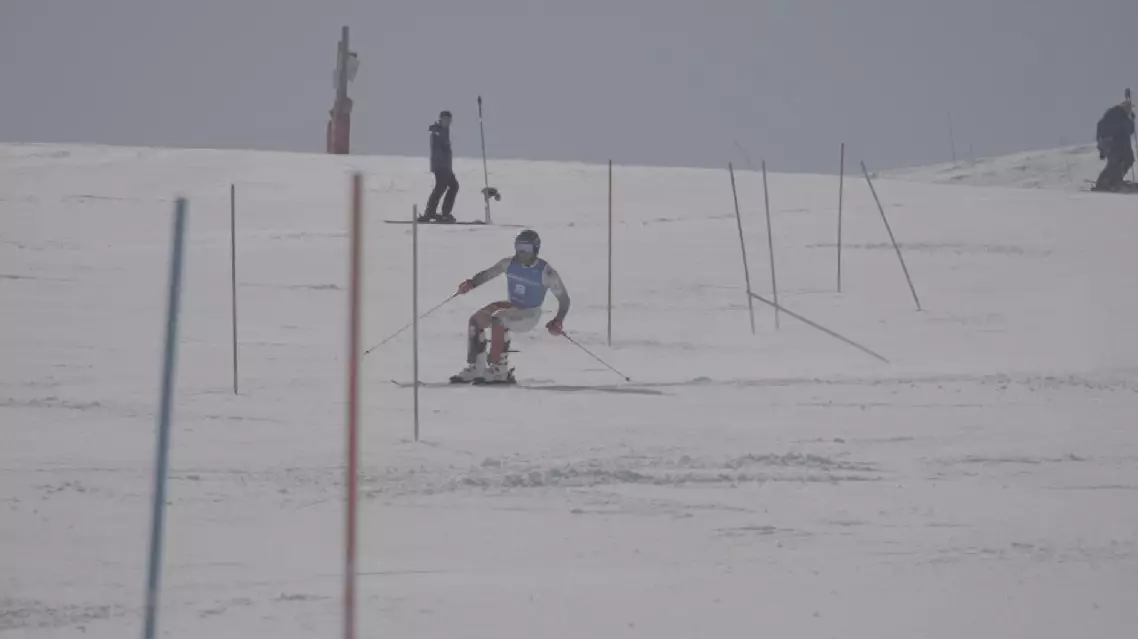
Spain, a country not typically known for winter sports in Europe, is actively and systematically ramping up its preparations as the 2026 Milan-Cortina Winter Olympics approaches.
The southern European nation will send about 20 athletes to compete in disciplines such as alpine skiing, snowboarding, and figure skating.
The country is developing a comprehensive talent pipeline through a tiered training system that integrates "club-region-national teams," facilitating a progression from early youth engagement to professional training and competitive selection.
A prime example of the training framework is 15-year-old skier Alejandro, who shared his experience at the Sierra Nevada ski resort in Granada, Spain.
"My parents brought me here when I was about two years old, and then I began training with a private coach on weekends. My parents recognized my passion for the sport, and at four, they enrolled me in a club. I've been competing ever since. My goal is to participate in the World Cup with the national team one day," Alejandro said.
While strengthening its youth training system, Spain is closely observing global trends in winter sports, especially China's remarkable progress during the Beijing Winter Olympics.
By focusing on strategic planning, leveraging technological support, and developing a robust training system, Spain and other non-traditional winter sports nations are adopting effective models of talent development.
"China has achieved remarkable accomplishments in sports over the past few years. It has aligned investment and intelligence in the planning of international events and made breakthroughs during the Olympics. Additionally, China has worked hard to create a program that allows any athlete to reach that level," said Olmo Hernan, the general director of the Royal Spanish Winter Sports Federation (RFEDI).
The 2026 Olympic Winter Games will open on February 6 at Milan's San Siro Olympic Stadium, with around 2,900 athletes expected to take part. It will be Italy's first Winter Olympics in 20 years since Turin 2006, and 70 years after Cortina d'Ampezzo hosted the 1956 edition.
Spain prepares athletes for Milan-Cortina Winter Olympics
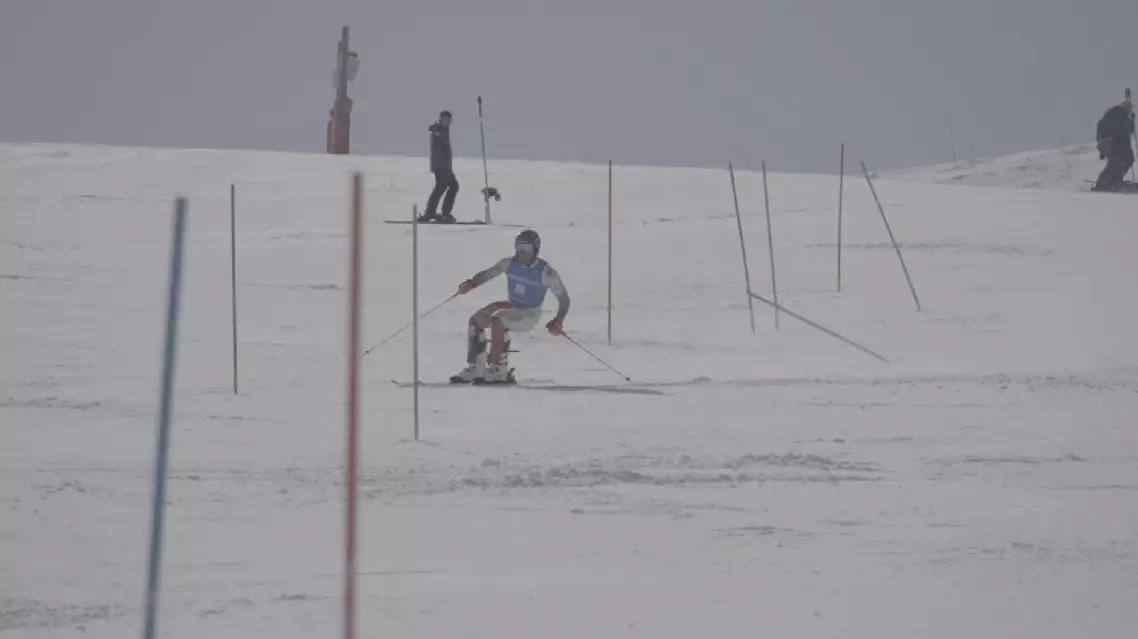
Spain prepares athletes for Milan-Cortina Winter Olympics
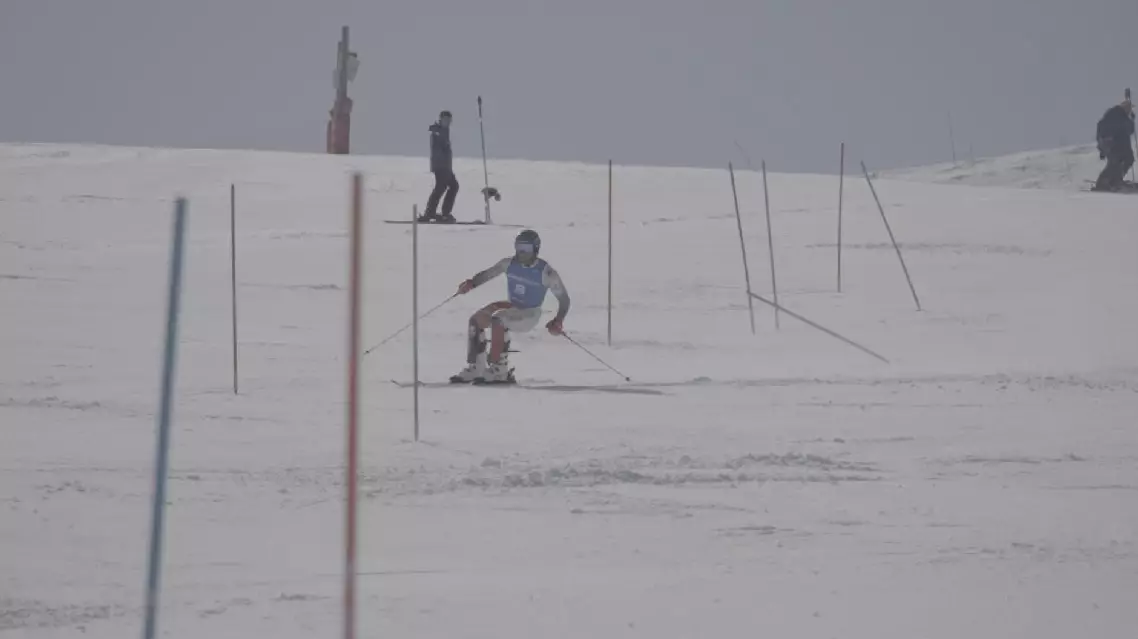
Spain prepares athletes for Milan-Cortina Winter Olympics
Colombians are heading to the polls on Sunday to elect their next president. The country's constitution prevents the current President, Gustavo Petro, from running for a second term.
Yet, many see this election as a referendum on the policies of Gustavo Petro, Colombia's first leftist president.
There are 14 candidates on Sunday's ballot, but the polls show it will likely be a tight three-way race.
The frontrunner is Ivan Cepeda, a 63-year-old three-term senator, representing President Gustavo Petro's party, the Historic Pact coalition. Cepeda has vowed to defend and deepen Petro's progressive reforms and social justice policies to reduce inequality. He also promises to continue the government's controversial "Total Peace" strategy to negotiate the disarmament of remaining guerrilla groups and criminal gangs.
"True prosperity comes from equality, from access to rights, and from transforming the peripheral and excluded territories of the rural world," Cepeda said at a campaign rally.
Running as a political outsider and independent is Abelardo de la Espriella, a 47-year-old lawyer, nicknamed "The Tiger." He has presented himself as the "authority and order" candidate who will reduce state spending by up to 40 percent in the next four years.
"(First,) we must fight insecurity. Colombia is suffering today from a pandemic of insecurity. Crime is out of control: extortion, cattle theft, smuggling, drug trafficking," he said to his supporters at an election event.
According to polls, the third candidate with strong support is Paloma Valencia. The 48-year-old senator represents the Democratic Center party led by popular former President Alvaro Uribe Velez. Her candidacy is backed by politicians and economists who are concerned with growing levels of public debt. They want to see a return to more conservative fiscal policies.
"I don't want to be a president who governs alone, locked away in glass offices. I want to be a president who stands with citizens, who embraces them, who reaches out to them, who has a team, and who governs to transform Colombia," the candidate said at the campaign event
According to polls earlier in the year, many voters are expressing concerns about unemployment, rising living costs, corruption, and, above all, public security.
The election comes after a turbulent year that the International Committee of the Red Cross has called "the worst humanitarian consequences of armed conflict over the past decade."
"(We arrive at this election in a tense atmosphere - tense) because of the economic situation, because of the security situation, and because of the narratives that have been built around the country's main problems. On top of that, emotions, ideas and social media have all helped raise (the tone,)" said Eduardo Velosa, associate professor from International Studies Javeriana University.
If no candidate receives 50 percent of the vote, a runoff election will be held between the top two finishers on June 21st.
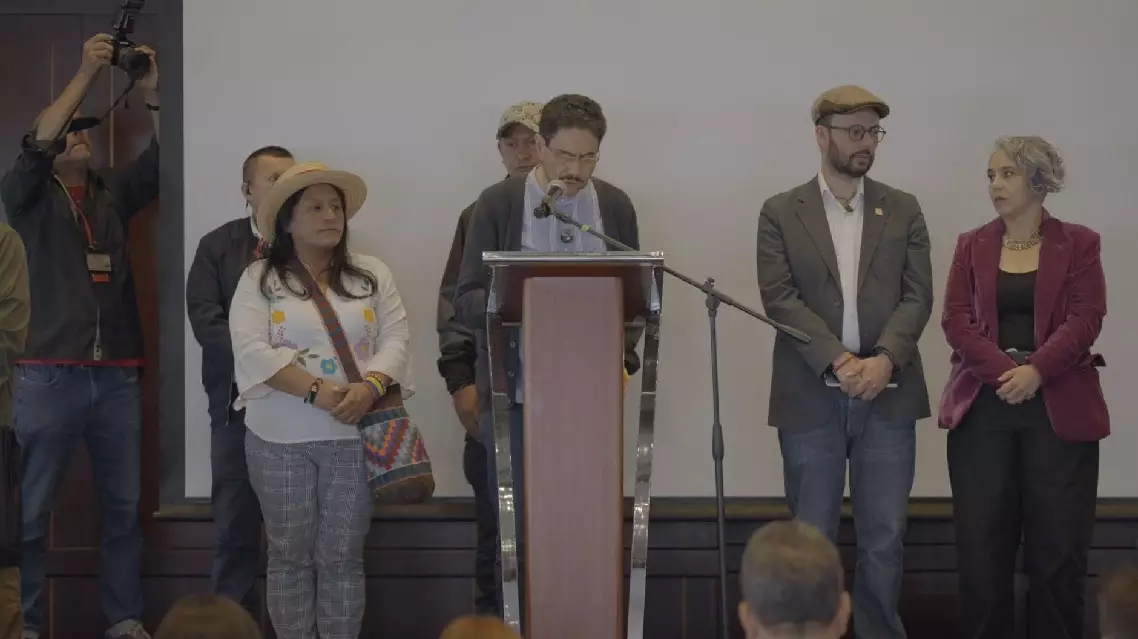
Colombians prepare to choose their next president