SAN ANTONIO--(BUSINESS WIRE)--Jan 28, 2026--
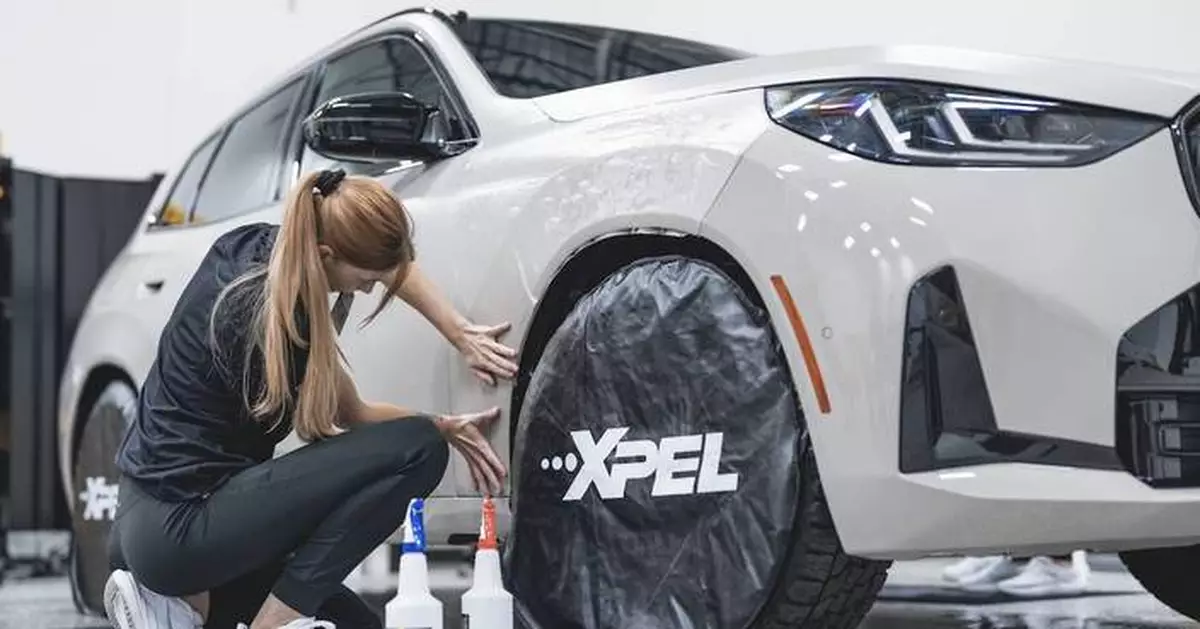
XPEL, Inc. (Nasdaq: XPEL), a global leader in protective films and coatings, today provided highlights from a new, national survey of U.S. automotive dealership professionals which reveals that adding paint protection film (PPF) to a new vehicle’s exterior surfaces can significantly increase its resale value — an especially compelling benefit given current market conditions.
This press release features multimedia. View the full release here: https://www.businesswire.com/news/home/20260128099979/en/
The study found that 96% of respondents believe applying PPF to all of a new vehicle’s painted surfaces helps retain more of its value over the initial ownership period, with 70% citing value-retention gains of up to 15%. More than 90% of respondents also say that PPF applied to a new vehicle should give owners greater confidence in the resale value of their vehicle when it’s time to trade in or sell.
These findings come against a backdrop of historically high new-car costs and shifting consumer behavior. In 2025, the average price of a new car in the U.S. was over $50,000 for the first time ever. At the same time, many owners are holding onto their vehicles longer; the average age of cars on the road is now 12.6 years. Meanwhile, used-car pricing remains elevated. The average used-vehicle price is nearly $30,000 – narrowing the traditional cost advantage of buying used.
Given those trends, PPF isn’t just cosmetic — it’s an investment in long-term value.
Dealership decision-makers overwhelmingly agree that PPF contributes to stronger resale pricing and customer satisfaction:
“Auto dealers agree, quality PPF protects more than just a new vehicle’s paint,” said Tony Rimas, VP of Revenue of XPEL, a global leader in protective films and coatings. “In today’s market, where the average cost of a new car is nearly $50,000, PPF also helps owners protect their investment – whether that be via full-vehicle PPF coverage or front-end only coverage.”
XPEL offers a wide range of self-healing PPF options, including ULTIMATE PLUS™, STEALTH™ which provides a satin look, and XPEL COLOR PPF which allows owners to change the color of their vehicle without a costly repaint. All XPEL paint protection films are backed by an industry-leading 10-year warranty and can be installed by XPEL authorized dealers nationwide or in select automotive dealerships.
About the Survey
The Car Dealers Survey Report (June 2025) was conducted online by Atomik Research among 300 essential business decision makers at light-duty automobile dealerships selling mass-market automotive brands throughout the United States. The margin of error is +/- 3 percentage points with a confidence level of 95%. Fieldwork took place between June 3 and June 12, 2025.
About XPEL
XPEL is a leading provider of protective films and coatings, including automotive paint protection film, surface protection film, automotive and architectural window films, and ceramic coatings. With a global footprint, a network of trained installers and proprietary DAP software, XPEL is dedicated to exceeding customer expectations by providing high-quality products, leading customer service, expert technical support and world-class training. XPEL, Inc. is publicly traded on Nasdaq under the symbol “XPEL”.

A national automotive dealership study reveals that adding paint protection film (PPF) to a new vehicle’s exterior surfaces can significantly increase its resale value, with gains of up to 15%. XPEL’s PPF is backed by an industry-leading 10-year warranty and can be installed by XPEL authorized dealers nationwide or in select automotive dealerships.
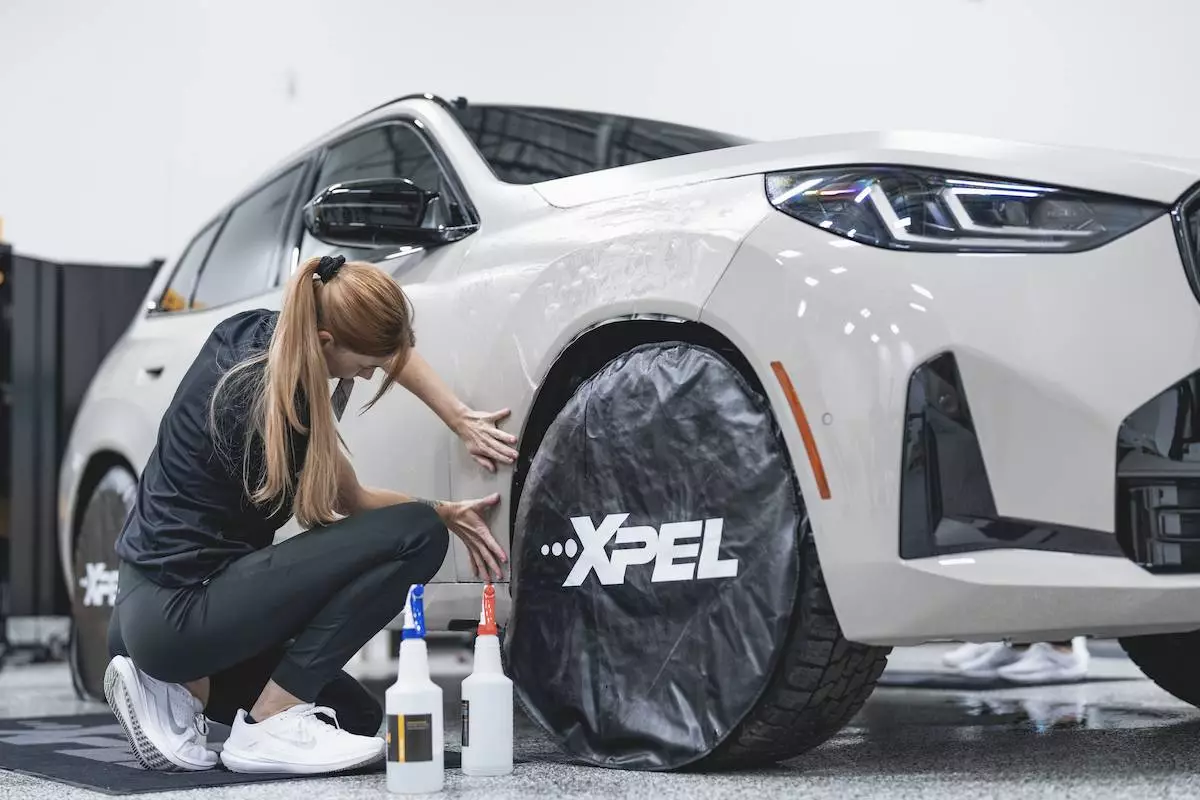
A national automotive dealership study reveals that adding paint protection film (PPF) to a new vehicle’s exterior surfaces can significantly increase its resale value, with gains of up to 15%. XPEL’s PPF is backed by an industry-leading 10-year warranty and can be installed by XPEL authorized dealers nationwide or in select automotive dealerships.
DENVER (AP) — Dylan Coghlan scored his first playoff goal to get Vegas rolling, Carter Hart made 36 saves and the Golden Knights opened the Western Conference Final by holding off the Colorado Avalanche 4-2 on Wednesday night.
Trailing 3-0 in the third period, Colorado made it 3-2 with 2:21 remaining on a power-play goal from Gabriel Landeskog. Nic Dowd sealed it for Vegas with an empty-net goal.
Pavel Dorofeyev and Brett Howden also scored for the Golden Knights, who took advantage of several defensive miscommunications by the Avalanche as they juggled their blue-line pairings with Cale Makar sidelined by an upper-body injury.
Coghlan scored his first NHL goal since Dec. 17, 2021. The 28-year-old defenseman spent most of the season in the American Hockey League. He's played the last five postseason games with the recent injury to Jeremy Lauzon.
“When you say Dylan Coghlan to me, I think of no fear,” Vegas coach John Tortorella said. “I think he's one of our best defensemen since he's been with us and in the lineup. ... He's a bit unflappable."
It was a smothering performance most of the game by the Golden Knights as they kept the pressure on goaltender Scott Wedgewood, while controlling the Avalanche's speed through the neutral zone. Vegas also had 23 blocked shots.
“We didn't play a flawless game by any means,” Tortorella said. “We have work to do.”
Valeri Nichushkin had a goal at 5:53 of the third to make it 3-1.
Hart was stellar most of the evening, making one sprawling save after another. He got some help from his post, too, when Logan O’Connor's liner clanged off it in the first period.
“We know they've got a lot of skill on their team, and we respect that,” Hart said. “But you can’t respect them too much, and I thought we did a good job of defending and limiting their time and space.”
Mitch Marner added an assist for Vegas to give him 19 points (seven goals, 12 assists) in this postseason. It was Dorofeyev’s NHL-leading 10th goal of this postseason. The Golden Knights didn’t have injured captain Mark Stone.
“We’re trying to play our game, not worrying too much about countering off another team," Tortorella explained. "They feel very comfortable in it.”
Game 2 is Friday night in Denver.
The Avalanche dropped their first game at home after winning five straight through the first two rounds. Wedgewood made 24 saves.
“It was kind of a nothing game, and then they got a few goals,” Avalanche forward Nathan MacKinnon said. "Really good team, obviously, but I thought we did a lot of damage to ourselves. Just guys kind of everywhere. Execution, like I said, needs to be better. Obviously, we’re capable of being a lot better than that.”
Colorado tried some different combinations without Makar. It led to some confusion, with Coghlan sneaking into the middle of the ice and lining a shot through the pads of Wedgewood to break a scoreless game in the second period.
“There's definitely a trickle-down effect to that," Avalanche coach Jared Bednar said of not having Makar. “But he's not playing. We have find a way.”
Coghlan has bounced around over his career, spending his first two seasons with Vegas before stints with Carolina and Winnipeg. He returned to the Golden Knights last July in part, he said, because of the bonds he'd formed.
“This is probably the best I've felt in my whole career,” said Coghlan, who played in three regular-season games for Vegas this season. “Whoever it is I'm playing with I'm very comfortable out there with them. They make it pretty easy on me. We have some pretty world-class players.”
The Golden Knights and Avalanche are meeting in a best-of-seven series for the second time. In 2021, Colorado won the opening two games of their second-round series before Vegas captured four straight.
“ Definitely things we can get better at,” Landeskog said. “But we knew it was (going to) be a long series.”
AP NHL: https://apnews.com/hub/stanley-cup and https://apnews.com/hub/nhl
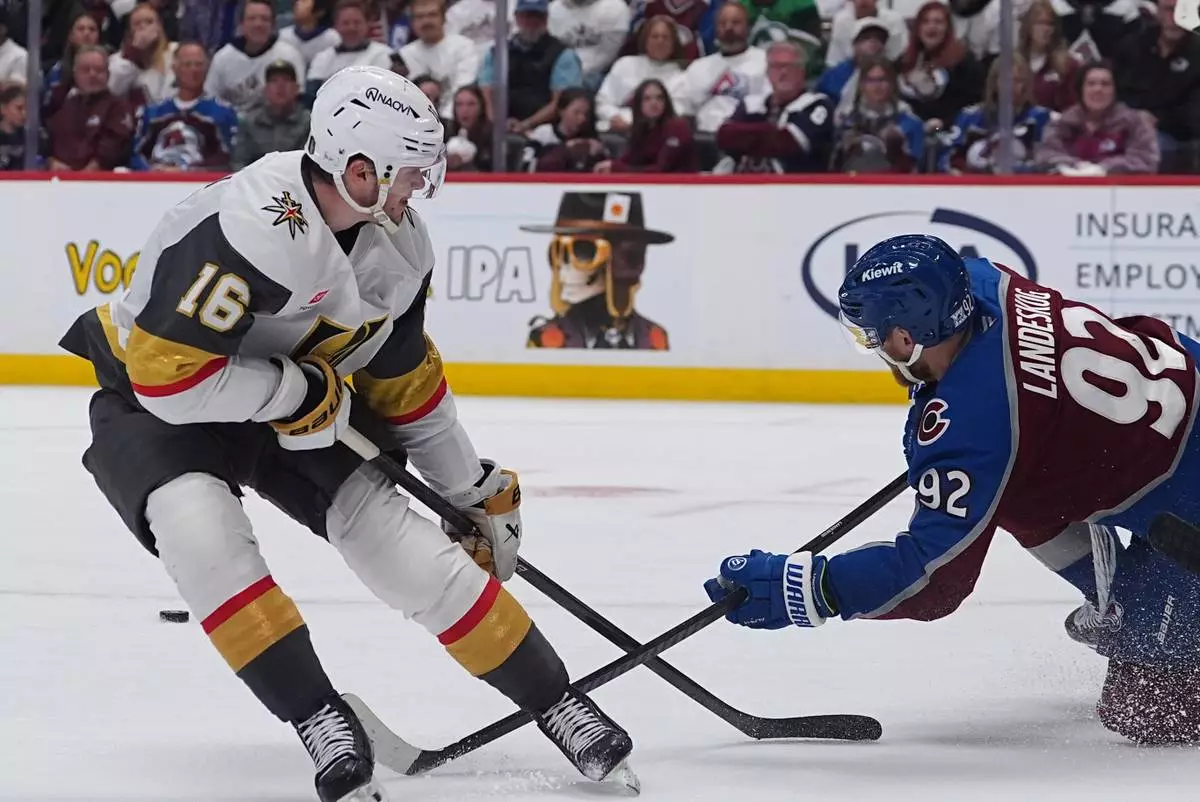
Colorado Avalanche left wing Gabriel Landeskog, right, blocks the shot by Vegas Golden Knights right wing Pavel Dorofeyev during the second period in Game 1 of the Western Conference finals NHL hockey Stanley Cup playoff series Wednesday, May 20, 2026, in Denver. (AP Photo/David Zalubowski)
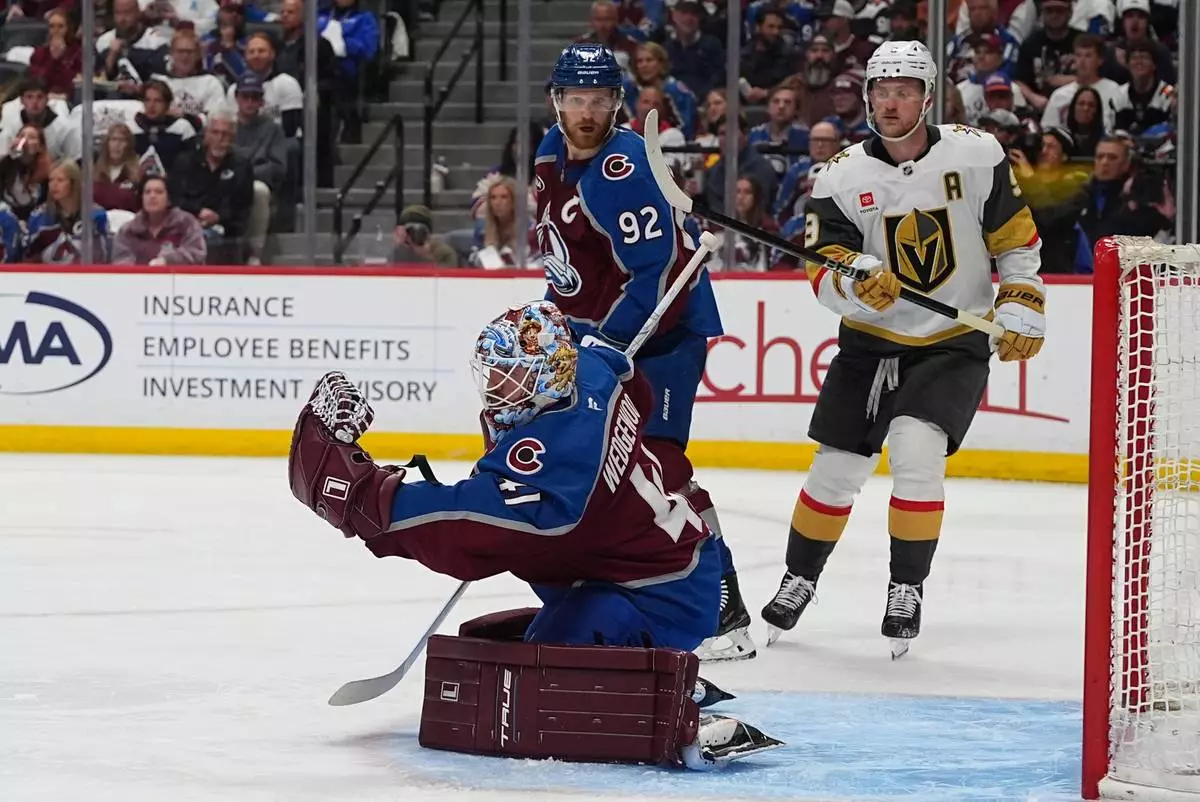
Colorado Avalanche goaltender Scott Wedgewood, front, makes a glove save as left wing Gabriel Landeskog, back left, and Vegas Golden Knights center Jack Eichel looks on during the second period in Game 1 of the Western Conference finals NHL hockey Stanley Cup playoff series Wednesday, May 20, 2026, in Denver. (AP Photo/David Zalubowski)
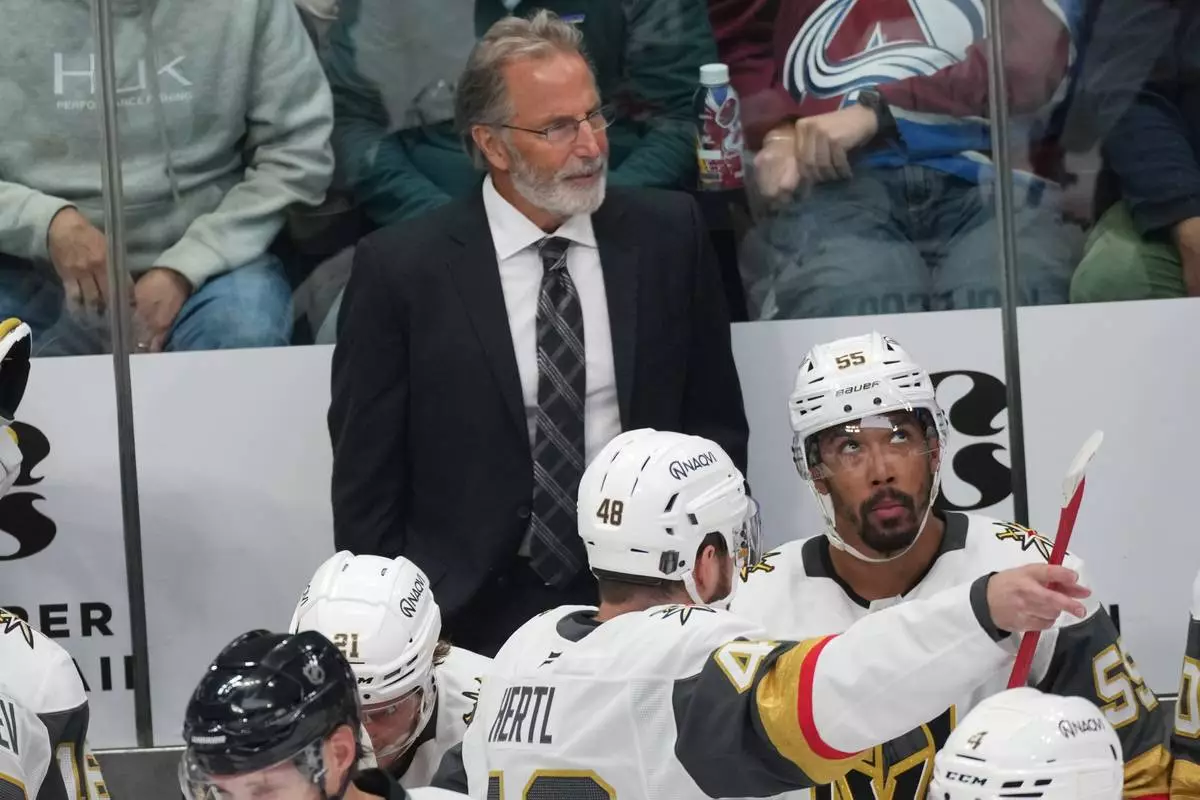
Vegas Golden Knights head coach John Tortorella looks on during the first period in Game 1 of the Western Conference finals NHL hockey Stanley Cup playoff series against the Colorado Avalanche Wednesday, May 20, 2026, in Denver. (AP Photo/David Zalubowski)
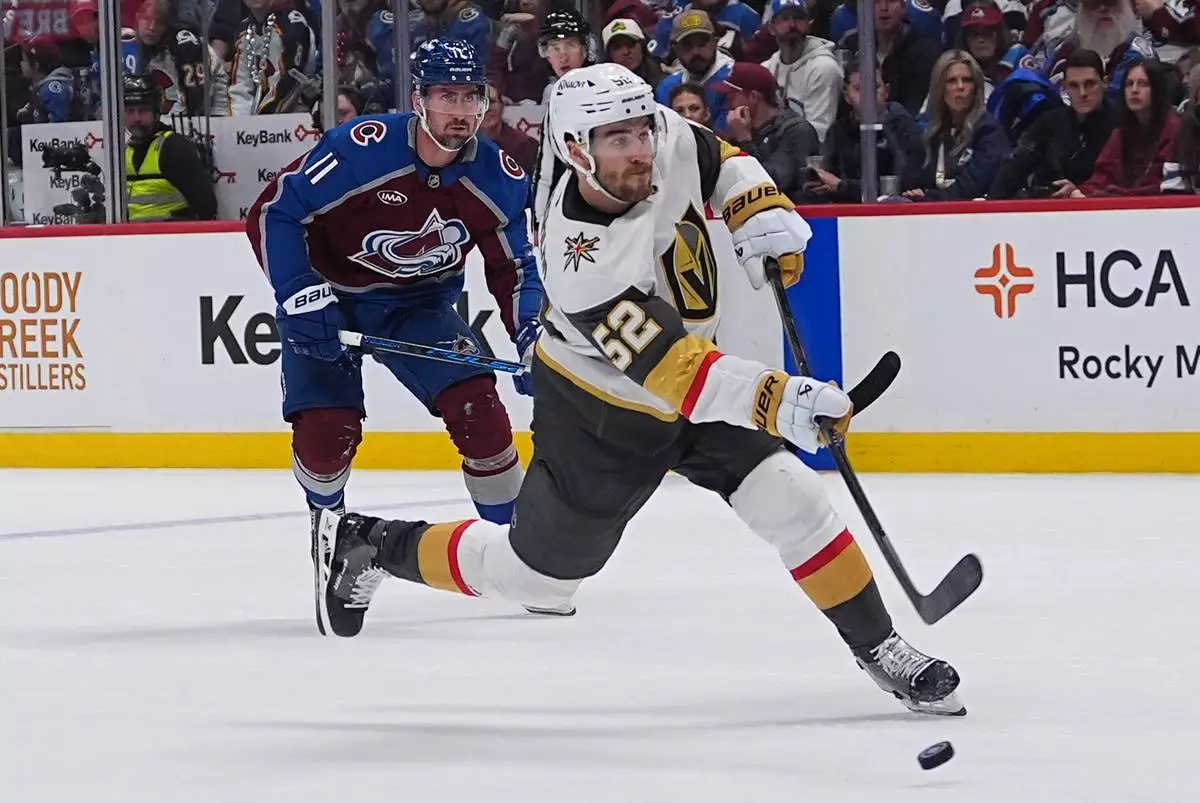
Vegas Golden Knights defenseman Dylan Coghlan, front, shoots the puck for a goal after driving past Colorado Avalanche center Brock Nelson during the second period in Game 1 of the Western Conference finals NHL hockey Stanley Cup playoff series Wednesday, May 20, 2026, in Denver. (AP Photo/David Zalubowski)

Vegas Golden Knights defenseman Dylan Coghlan, front left, is congratulated after scoring a goal by defenseman Shea Theodore, back left, and center Tomas Hertl during the second period in Game 1 of the Western Conference finals NHL hockey Stanley Cup playoff series against the Colorado Avalanche Wednesday, May 20, 2026, in Denver. (AP Photo/David Zalubowski)