CHP urges public to promptly receive seasonal influenza vaccination as another severe paediatric influenza infection case reported
The Centre for Health Protection (CHP) of the Department of Health (DH) today (January 29) recorded a severe paediatric influenza infection case, the fourth case this month. The CHP reiterated its reminder to parents to arrange for their children to receive a free seasonal influenza vaccination (SIV) promptly. The SIV remains one of the most effective methods of preventing influenza and its complications and can reduce the risk of serious complications or death from infection.
The case involves a 15-year-old girl with good past health. On January 27, she developed a fever, cough, sore throat, myalgia and malaise. She sought medical attention at a Family Medicine Clinic the following day (January 28) and was referred to the Accident and Emergency Department of Tseung Kwan O Hospital. She was hospitalised and experienced hypotension after admission. Her condition was serious at that time. Her respiratory specimen tested positive for influenza A (H3) virus upon laboratory testing. She remains hospitalised, but her condition hasstabilised and her blood pressure has returned to normal.
A preliminary investigation revealed that the girl had received the 2025/26 SIV. She has five household contacts. Three of them developed mild respiratory symptoms earlier but did not require hospitalisation. The girl had no travel history during the incubation period and there has been no recent influenza outbreak at her school.
So far this year, four severe paediatric influenza cases have been recorded, involving children aged between 6 months and 15 years old. Two of the affected children had not received an SIV, including one case who received the 2025/26 SIV only three days before the onset of illness. As the patient was not protected by the vaccine, the case is not counted as being vaccinated. During the summer influenza season ending in early January, 25 severe paediatric influenza cases were recorded, including three fatal cases and involving children aged between 6 months to 17 years old. Among them, 20 cases (80 per cent) had not received an SIV (including one case who received the 2025/26 SIV only four days before the onset of illness).
"With cold weather persisting throughout the first quarter of this year and the possibility of changes in circulating virus strains, it cannot be ruled out that influenza activity may rise again. Therefore, I once again urge all individuals aged 6 months or older, except those with known contraindications, to act promptly if they have not yet received an SIV. This includes those who contracted influenza during the summer influenza season in order to guard against other circulating virus strains that may emerge during the upcoming winter influenza season. Furthermore, although there are some antigenic differences between the currently circulating influenza A (H3) virus strain and the virus strain contained in the vaccine, scientific research indicates that this season's influenza vaccines can still offer protection against the variant strain of subclade K, as well as the influenza A (H1) and influenza B strains included in the vaccine," the Controller of the CHP, Dr Edwin Tsui, said.
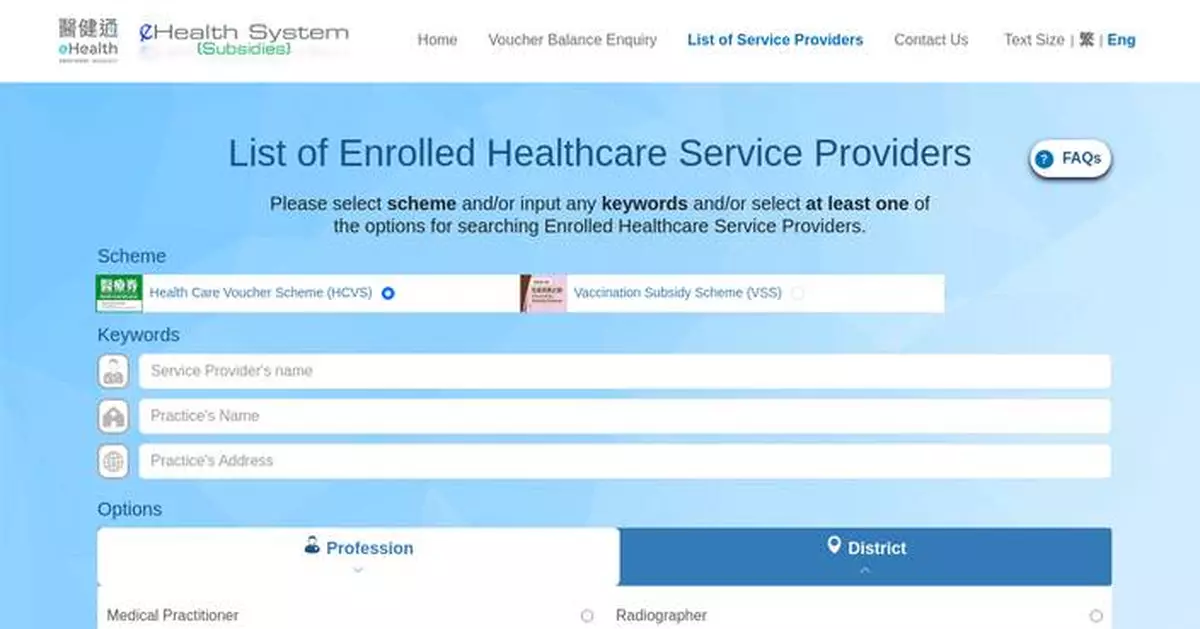
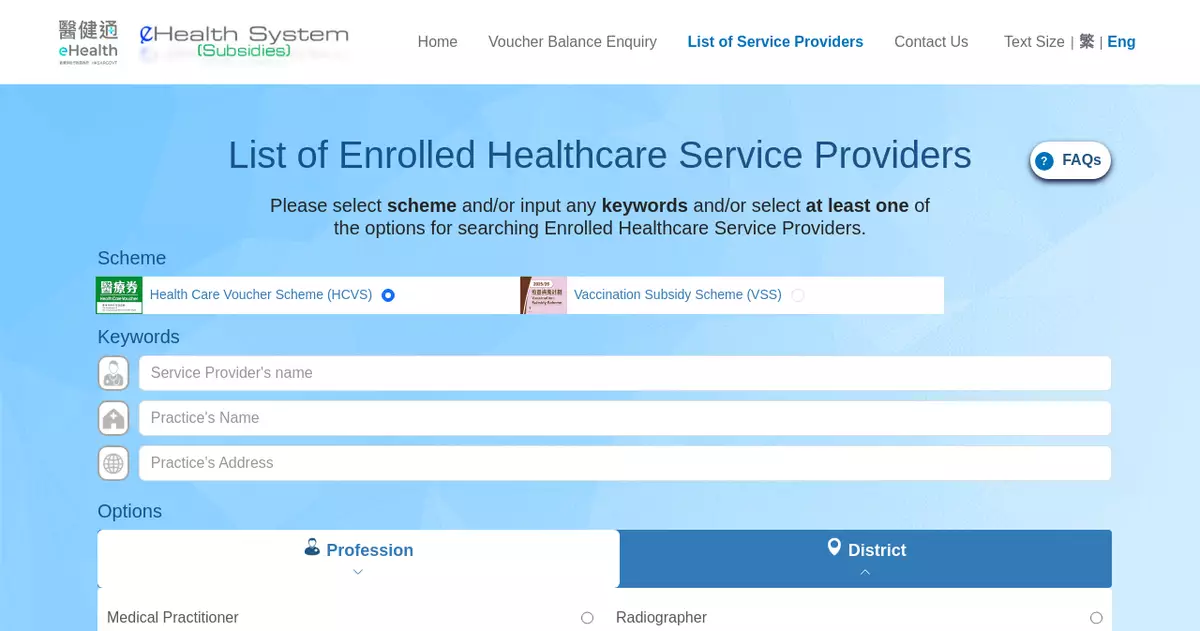
"Recently, outbreaks of influenza continue to occur in schools. For children who did not join the SIV School Outreach Programme, parents should promptly bring their children toprivate doctorsenrolled in the Vaccination Subsidy Scheme to receive an SIV. In addition, the SIV coverage rate for children aged 6 months to under 2 years is only about 23 per cent. Although this represents an approximate 4 percentage point increase compared to the same period last year, it is still much lower than that of other age groups. Through the Primary Healthcare Commission, the CHP has urged family doctors to assist in encouraging parents to allow their children to receive an SIV," Dr Tsui added.
He also reminded members of the public that, especially for children, the elderly and those with underlying illnesses, they should seek medical advice promptly for early treatment if they present with fever and respiratory symptoms. As children with influenza can deteriorate rapidly, parents must pay close attention to their children's condition. They should go to an Accident and Emergency Department immediately if the child's condition deteriorates, for example, if they develop symptoms such as shortness of breath, wheezing, blue lips, chest pain, confusion, a persistent fever or convulsions.
Separately, high-risk individuals should wear surgical masks when staying in crowded places. People with respiratory symptoms, even if mild, should wear a surgical mask and seek medical advice promptly. They should also consider whether to attend work or school.
Members of the public may refer to the CHP'sCOVID-19 & Flu Express,Seasonal Influenza Webpage,COVID-19 Vaccination Programme Webpage, andVaccination Schemes Webpage, for the latest information.
Source: AI-found images