Announcement on Road Traffic (Safety Equipment) (Amendment) Regulation 2025
The Transport and Logistics Bureau (TLB) announced today (January 30) that it noted public discussions on the scope of application of the Road Traffic (Safety Equipment) (Amendment) Regulation 2025. Having consulted the Department of Justice, it is considered that there are technical deficiencies in those legal provisions which state the requirement on passengers to wear seat belts on franchised and non-franchised buses. Those provisions do not fully reflect the legislative intent, which is to extend the statutory requirement for the wearing of seat belts to all vehicle seats, thereby providing better protection for passengers.
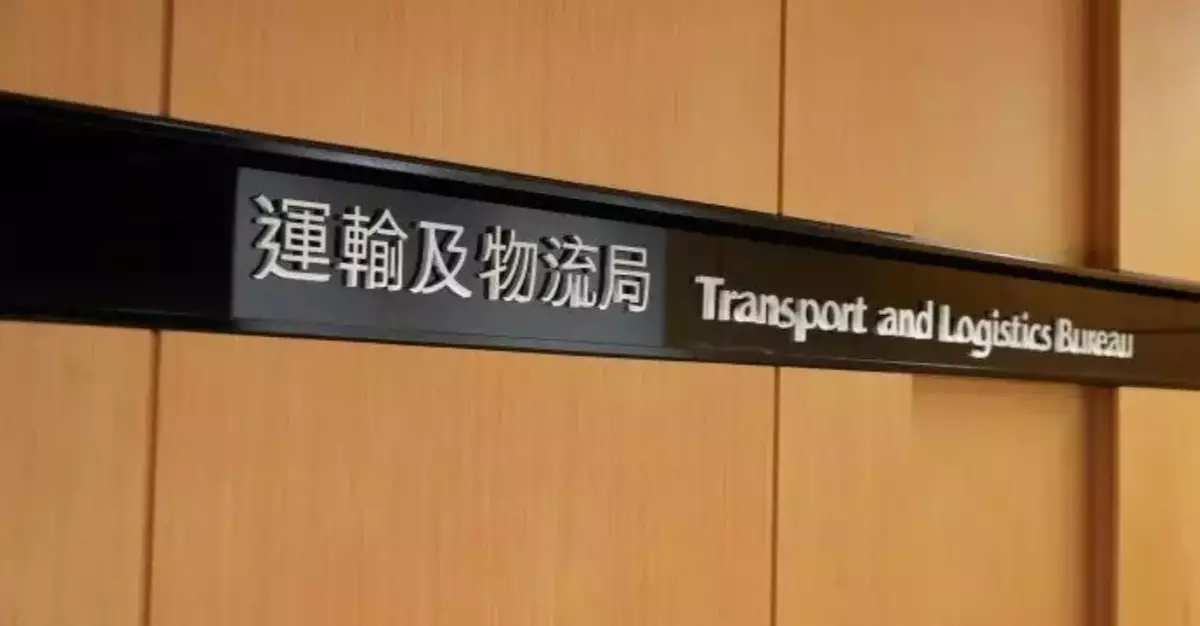
The Transport and Logistics Bureau (TLB), Photo source: reference image
The TLB will promptly repeal the relevant provisions (i.e., Section 8D and related provisions (if applicable)) of the Road Traffic (Safety Equipment) Regulations (Chapter 374F)by way of publishing in the Gazette as subsidiary legislation. Upon repealing, there will be no statutory requirement for passengers to wear seat belts on franchised or non-franchised buses; for the period leading up to the repeal of relevant provisions, the Government will not enforce the provision. The statutory requirement for the wearing of seat belts on other types of vehicles (including private cars, taxis, goods vehicles, light buses, special purpose vehicles, student service vehicles) will remain in effect.
As the next step, we will gather opinions from various stakeholders, and consider how best to ensure road safety while addressing the concerns raised during the implementation of new requirements. We will further consult the Legislative Council after optimising the arrangements, and reintroducing them at an appropriate time. Meanwhile, we will continue to enhance publicity and education efforts to encourage the voluntary habit of wearing seat belts.
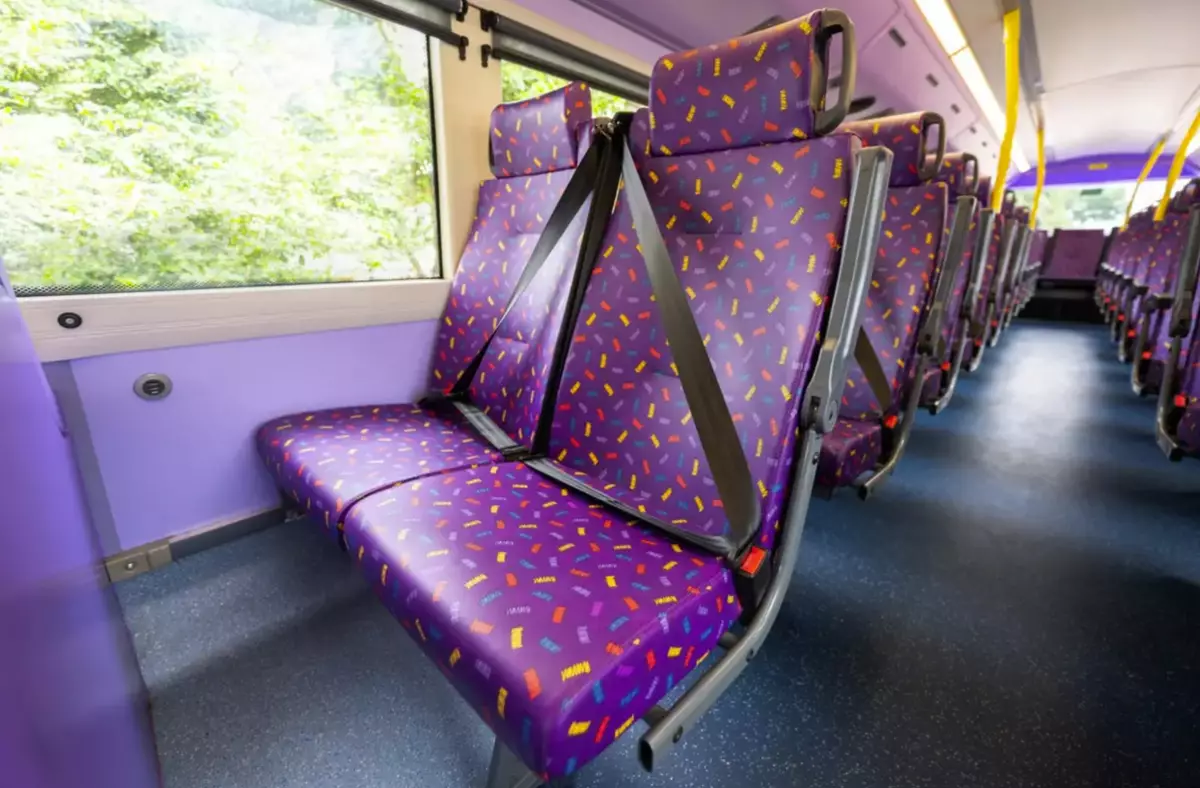
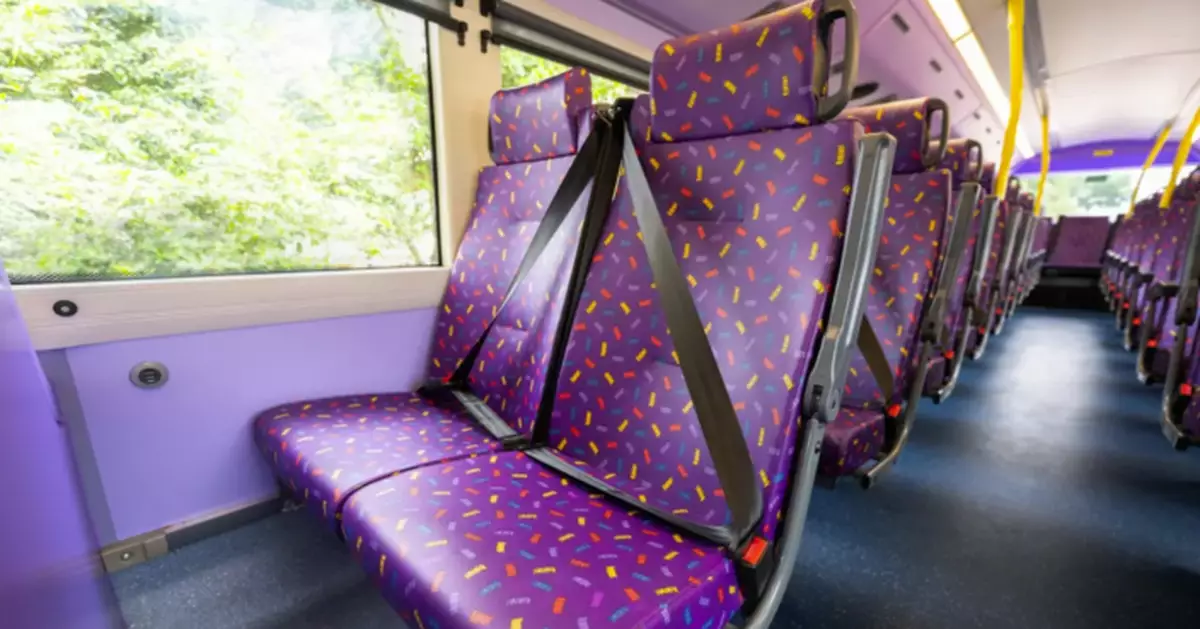
The seat belts on buses, Photo source: reference image
Hong Kong Customs detects drug trafficking case involving incoming passenger at airport
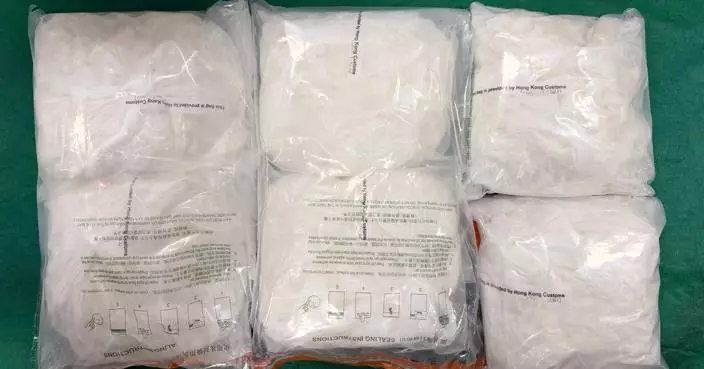
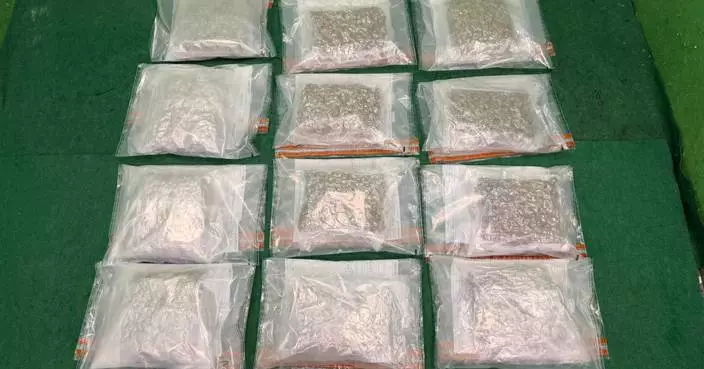
Hong Kong Customs yesterday (May 9) detected a drug trafficking case involving passenger at Hong Kong International Airport and seized about 2.25 kilograms of suspected heroin, four tablets of suspected Viagra and 26 sticks of duty-not-paid cigarette, with a total estimated market value of about $1.4 million. A man was arrested.
A 61-year-old male passenger arrived in Hong Kong from Kuala Lumpur, Malaysia yesterday. During customs clearance, Customs officers found a total of about 2.25 kg of suspected heroin in his check-in suitcase, and four tablets of suspected Viagra and 26 sticks of duty-not-paid cigarette in his carry-on backpack. The man was subsequently arrested.
The arrested person has been charged with one count of trafficking in a dangerous drug, one count of possession of Part 1 poison, one count of possession of dutiable goods and one count of failing to declare to a member of the Customs and Excise Service the possession of dutiable goods. The case will bebrought up at the West Kowloon Magistrates' Courts tomorrow (May 11).
Customs will continue to step up enforcement against drug trafficking activities through intelligence analysis. The department also reminds members of the public to stay alert and not participate in drug trafficking activities for monetary return. They must not accept hiring or delegation from another party to carry controlled items into and out of Hong Kong. They are also reminded not to carry unknown items for other people.
Customs will continue to apply a risk assessment approach and focus on selecting passengers from high-risk regions for clearance to combat transnational drug trafficking activities.
Under the Dangerous Drugs Ordinance, trafficking in a dangerous drug is a serious offence. The maximum penalty upon conviction is a fine of $5 million and life imprisonment.
Under the Pharmacy and Poisons Ordinance, any person who possesses any poison included in Part 1 of the Poisons List other than in accordance with provisions commits an offence. The maximum penalty upon conviction is a fine of $100,000 and imprisonment for two years.
Under the Dutiable Commodities Ordinance, any person who imports, possesses, sells or buys dutiable commodities without a valid licence commits an offence. The maximum penalty upon conviction is a fine of $1 million and imprisonment for two years.
Members of the public may report any suspected drug trafficking activities to Customs' 24-hour hotline 182 8080 or its dedicated crime-reporting email account (crimereport@customs.gov.hk) or online form (eform.cefs.gov.hk/form/ced002).
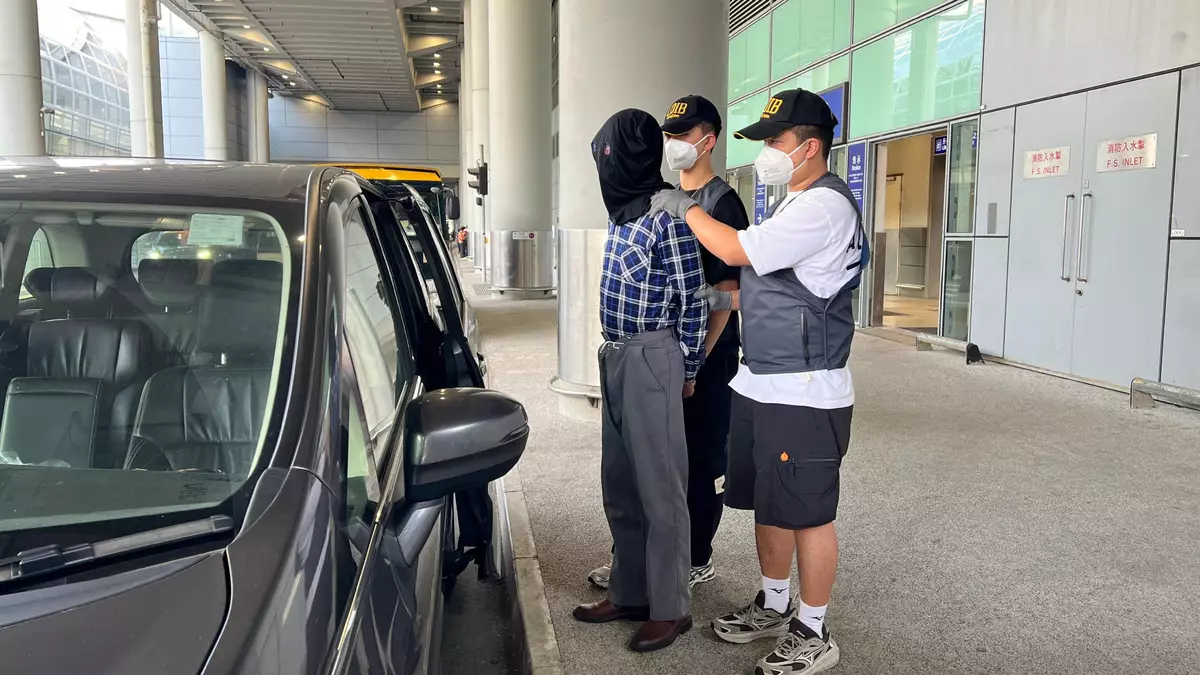
Hong Kong Customs detects drug trafficking case involving incoming passenger at airport Source: HKSAR Government Press Releases
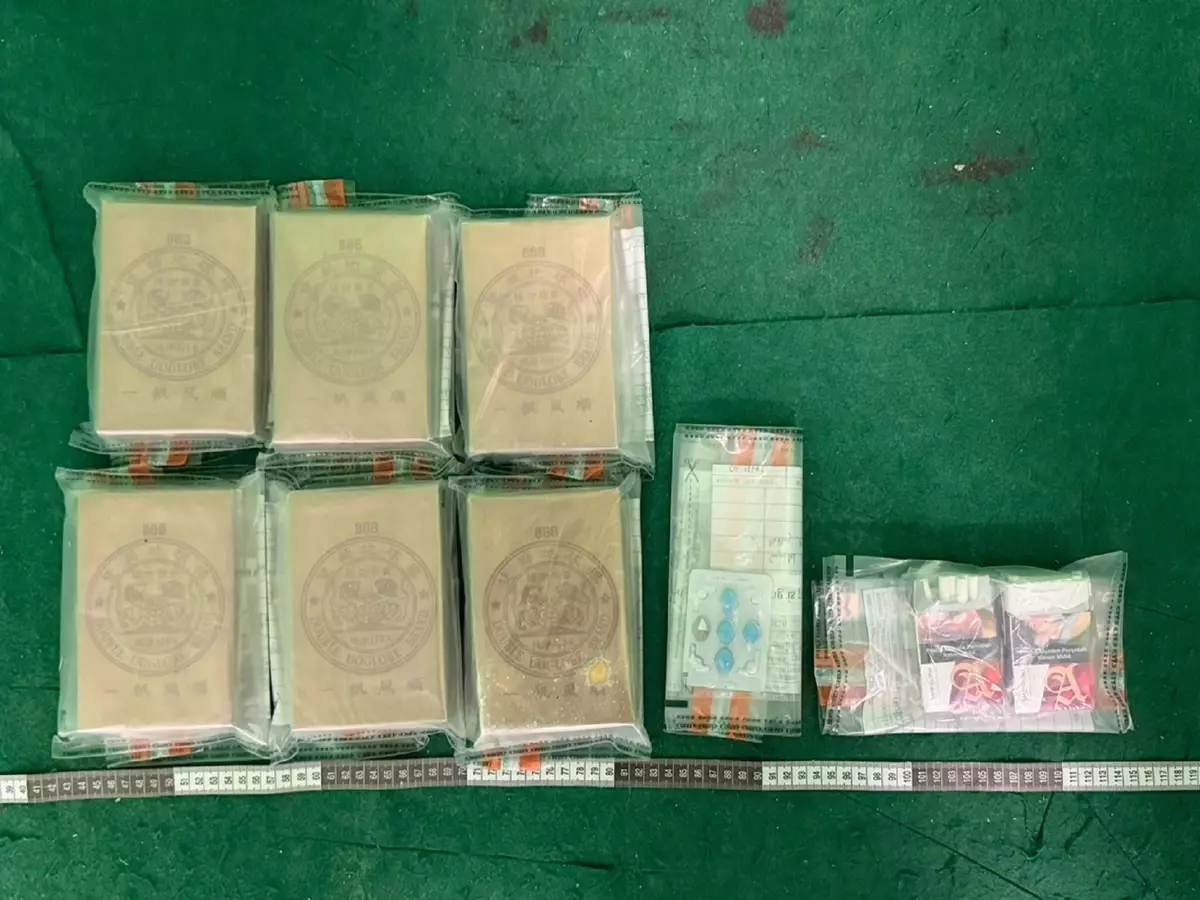
Hong Kong Customs detects drug trafficking case involving incoming passenger at airport Source: HKSAR Government Press Releases