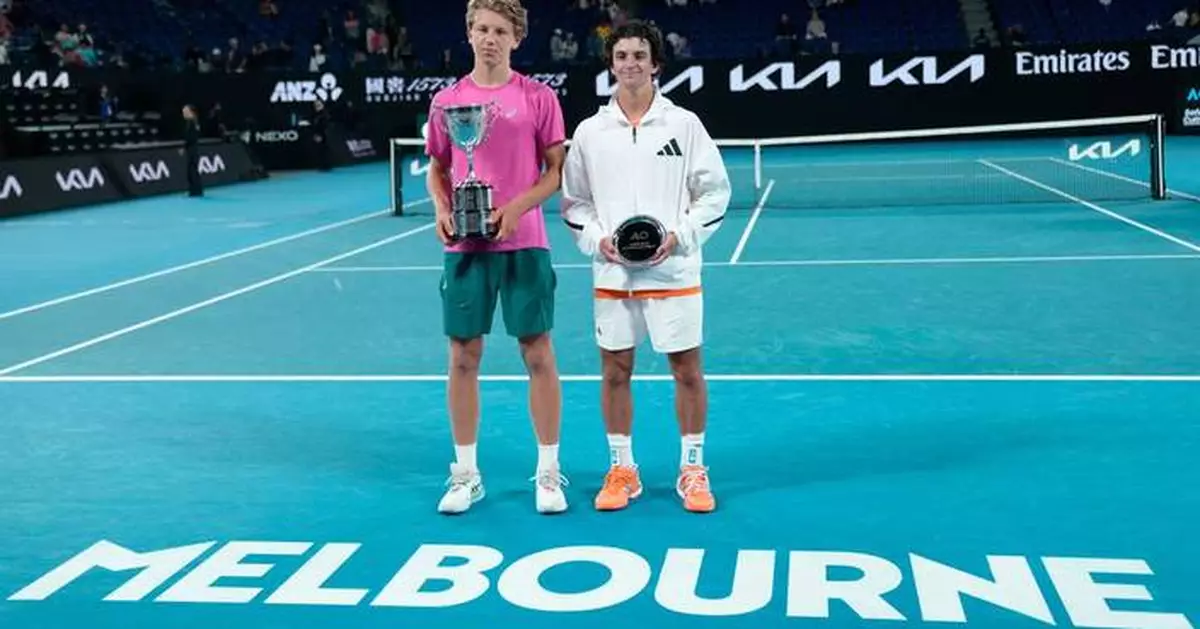
MELBOURNE, Australia (AP) — Slovenian Ziga Sesko lifted his game after a shaky first set to beat favored American Keaton Hanse 4-6, 6-3, 6-4 on Sunday in the junior boys final at the Australian Open.
Sesko had little time to savor his victory, other than to lift the trophy over his head at the after-match presentation. He was due to board a flight home hours after the final to join the Slovenian team for a Davis Cup tie against Turkey, starting Friday.
Click to Gallery
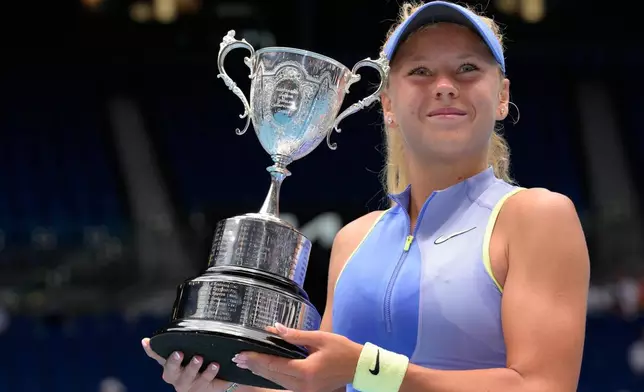
Ksenia Efremova of France holds her trophy after defeating Ekaterina Tupitsyna of Russia in the girl's singles final at the Australian Open tennis championship in Melbourne, Australia, Sunday, Feb. 1, 2026. (AP Photo/Dar Yasin)
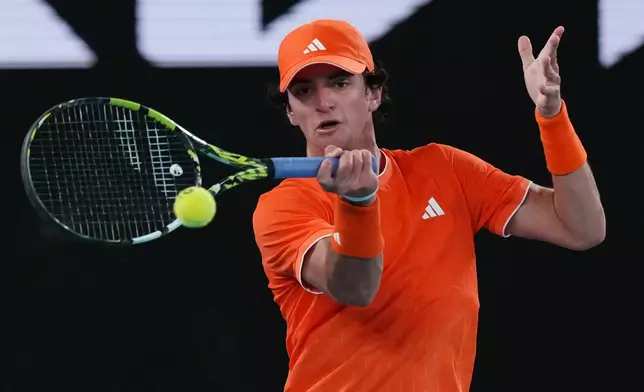
Keaton Hance of the U.S. plays a forehand return to Ziga Sesko of Slovenia during the boy's singles final at the Australian Open tennis championship in Melbourne, Australia, Sunday, Feb. 1, 2026. (AP Photo/Dar Yasin)
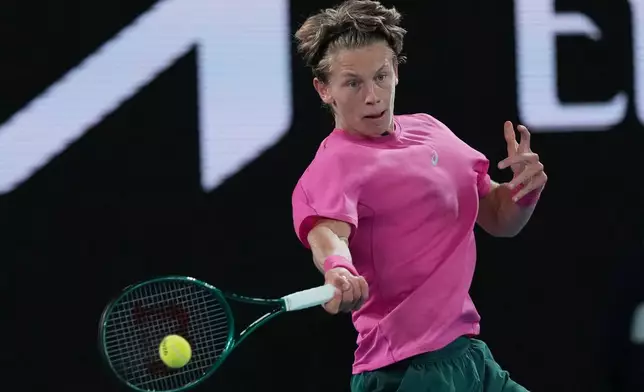
Ziga Sesko of Slovenia plays a forehand return to Keaton Hance of the U.S. during the boy's singles final at the Australian Open tennis championship in Melbourne, Australia, Sunday, Feb. 1, 2026. (AP Photo/Dar Yasin)
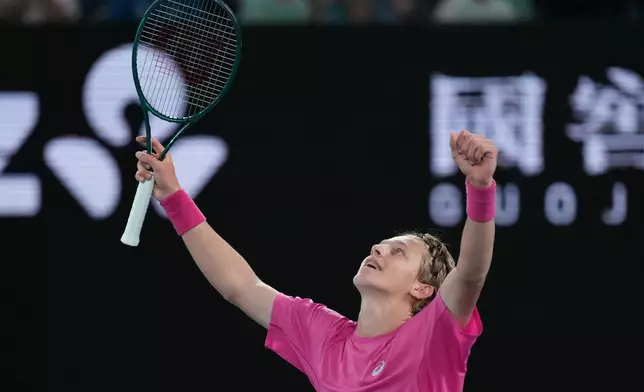
Ziga Sesko of Slovenia celebrates after defeating Keaton Hance of the U.S. in the boy's singles final at the Australian Open tennis championship in Melbourne, Australia, Sunday, Feb. 1, 2026. (AP Photo/Dar Yasin)
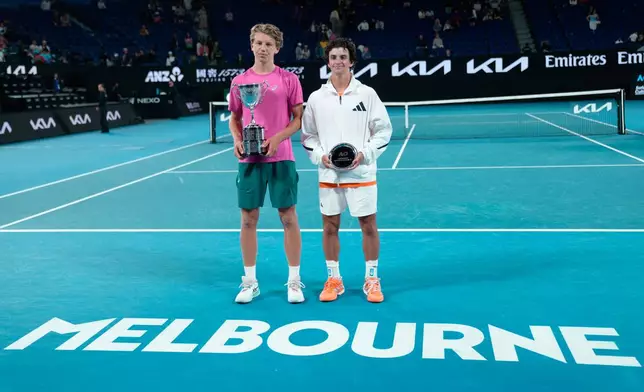
Ziga Sesko, left, of Slovenia poses with his trophy after defeating Keaton Hance, right, of the U.S. in the boy's singles final at the Australian Open tennis championship in Melbourne, Australia, Sunday, Feb. 1, 2026. (AP Photo/Dar Yasin)
The seventh-seeded 17-year-old started a slight underdog against fourth-seeded Hanse, from Torrance, California.
Hanse looked the stronger and more steady player in the first set, breaking for a 3-2 lead in the fifth game and comfortably holding to take the set in 38 minutes.
Sesko lifted strongly in the second set, gaining more purchase on serve and beginning to crush his forehand while also mixing in a difficult backhand slice. He broke Hanse in the sixth game and took the set in 37 minutes.
The Slovenian dominated the final set, breaking Hanse in the third game. While he was broken in the sixth game for 3-3, he broke back immediately to lead 4-3. Sesko had two championship points on Hanse's serve in the ninth game and conceded only one point in his last service game to take the final on his third match point.
Hanse and Sesko are close friends on tour and have warmed up together all week. Both were playing for the first time on the Rod Laver Arena, the roof of which was closed against the possibility of rain.
“I'd like to congratulate Ziga on an amazing tournament and really well-deserved win,” Hanse said. “I hope I can get revenge on him somewhere in the future.”
Sesko is the third Slovenian to reach a Grand Slam junior singles final and the first since Katarina Srebotnik won the Wimbledon and US Open titles in 1998.
“Keaton is an amazing man, an amazing tennis player,” Sesko said. “I hope we will play many more times and I hope you don't get the revenge.”
Ksenia Efremova of France beat Ekaterina Tupitsyna of Russia 6-3, 7-5 in the junior girls final, which was the first meeting of the pair.
She’s a very, very good player,” said Efremova, who is the first French girl to reach a Junior Grand Slam final since Elsa Jacquemot won the Roland Garros girls’ title in 2020.
“You maybe don’t hear a lot from her but I know that she’s practicing a lot in Russia and she’s competing there. She doesn’t really travel much," Efremova said ahead of the final. “It’s going to be a very great and interesting match between us because she’s an aggressive player."
Tupitsyna showed that aggression in hitting 21 winners agaisnt 45 unforced errors in the final. But Efremova was steadier, put 72% of first serves in play and won 58% of first serve points.
AP tennis: https://apnews.com/hub/tennis
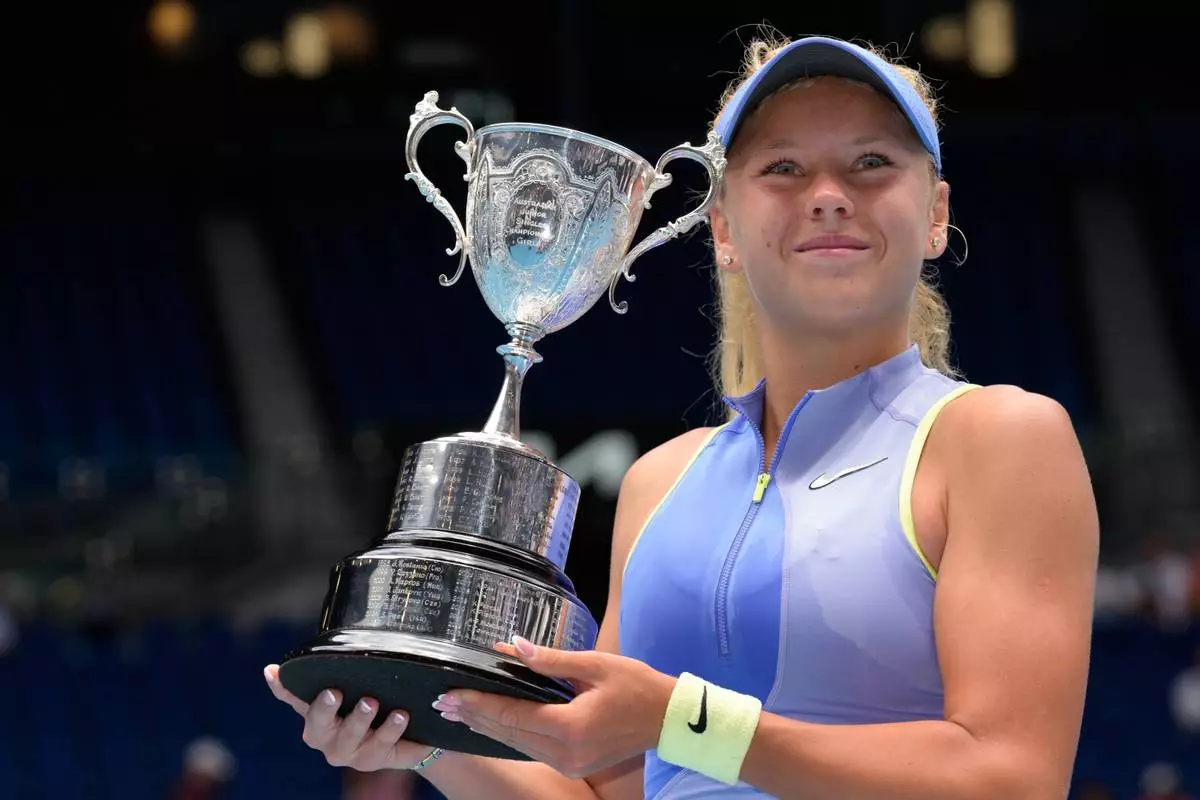
Ksenia Efremova of France holds her trophy after defeating Ekaterina Tupitsyna of Russia in the girl's singles final at the Australian Open tennis championship in Melbourne, Australia, Sunday, Feb. 1, 2026. (AP Photo/Dar Yasin)
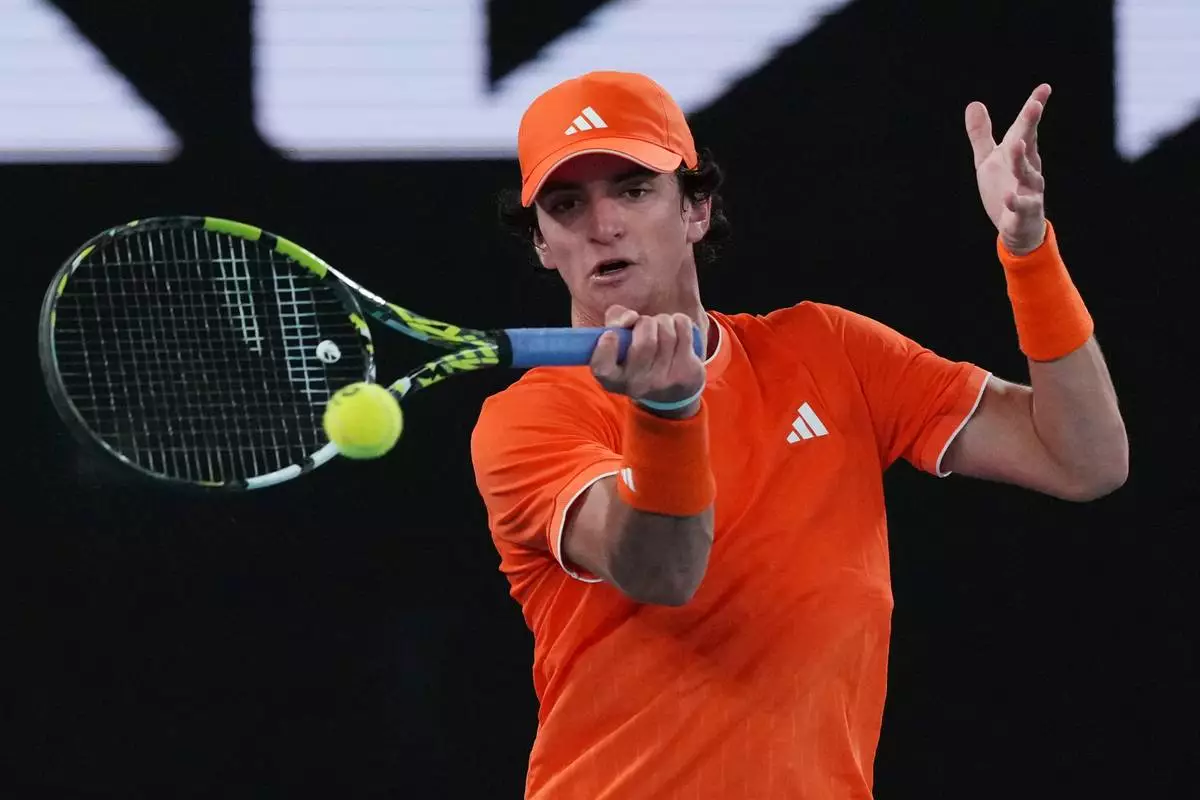
Keaton Hance of the U.S. plays a forehand return to Ziga Sesko of Slovenia during the boy's singles final at the Australian Open tennis championship in Melbourne, Australia, Sunday, Feb. 1, 2026. (AP Photo/Dar Yasin)
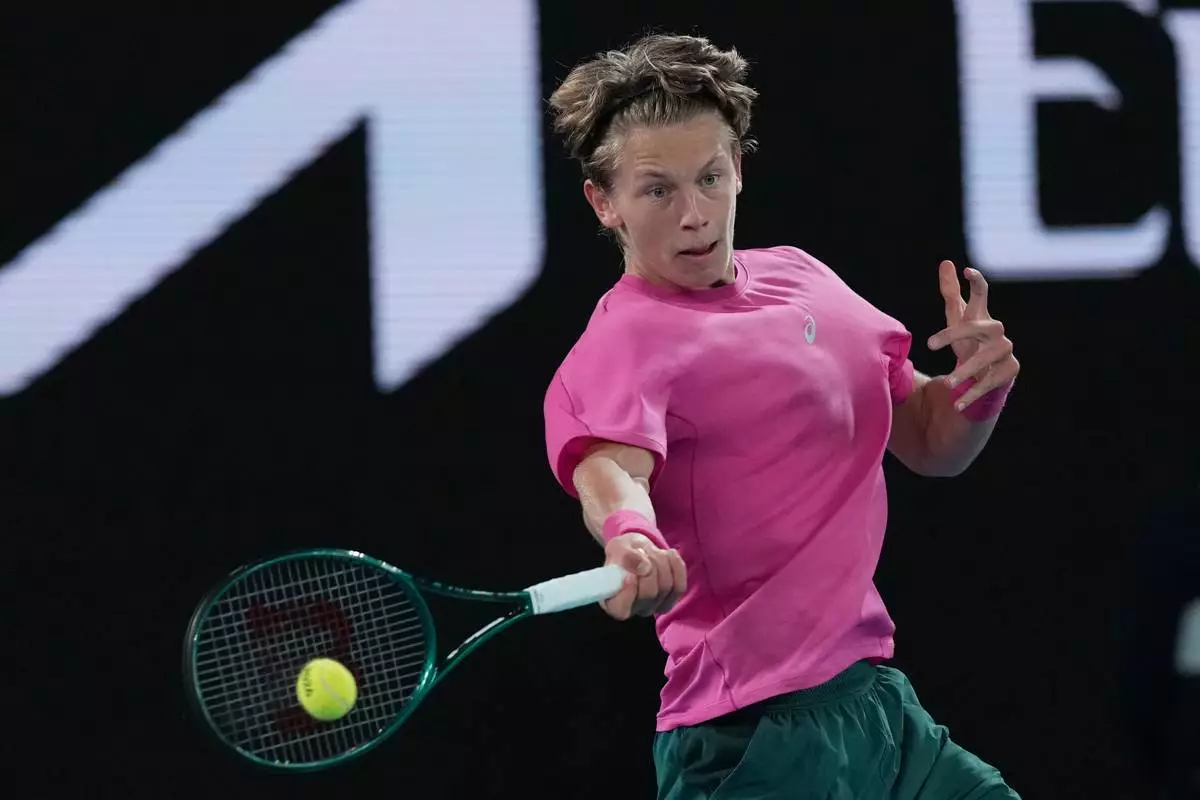
Ziga Sesko of Slovenia plays a forehand return to Keaton Hance of the U.S. during the boy's singles final at the Australian Open tennis championship in Melbourne, Australia, Sunday, Feb. 1, 2026. (AP Photo/Dar Yasin)
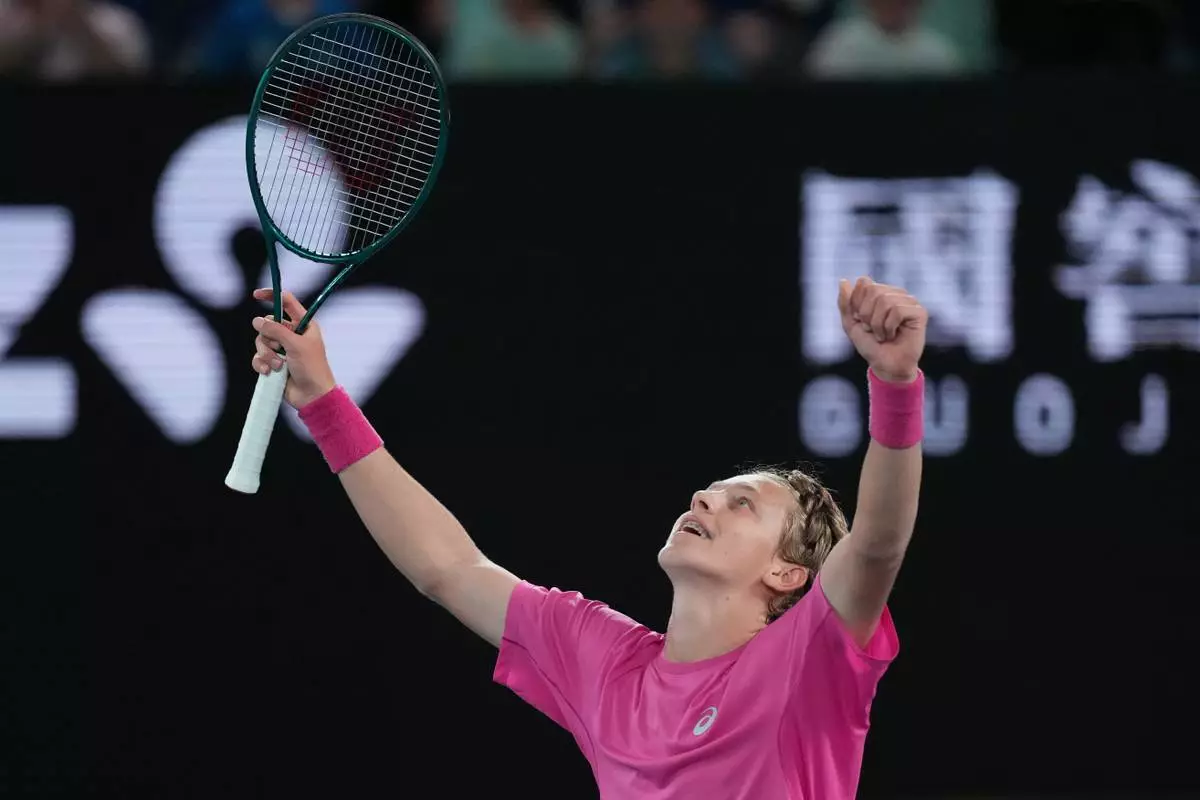
Ziga Sesko of Slovenia celebrates after defeating Keaton Hance of the U.S. in the boy's singles final at the Australian Open tennis championship in Melbourne, Australia, Sunday, Feb. 1, 2026. (AP Photo/Dar Yasin)
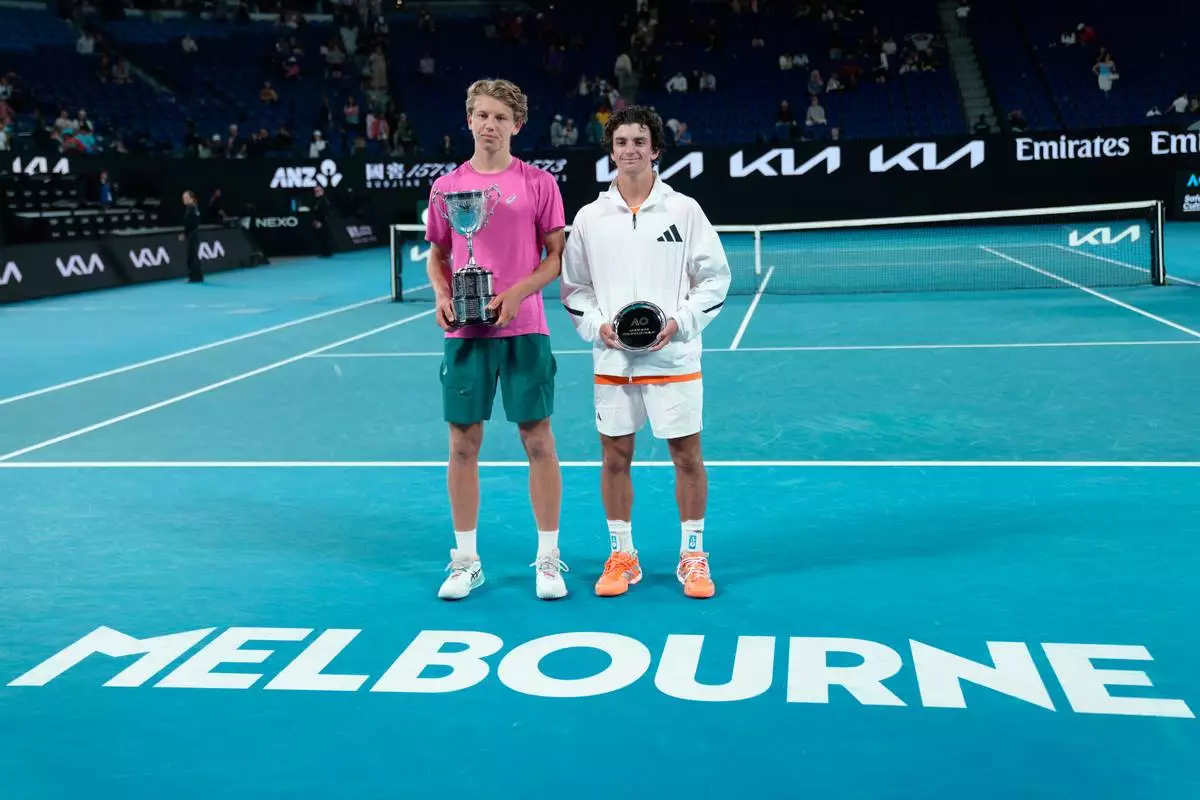
Ziga Sesko, left, of Slovenia poses with his trophy after defeating Keaton Hance, right, of the U.S. in the boy's singles final at the Australian Open tennis championship in Melbourne, Australia, Sunday, Feb. 1, 2026. (AP Photo/Dar Yasin)