Hospital Authority appeals to community service organisations and public not to abuse services of Accident and Emergency Departments and Family Medicine Clinics for medical fee waiver applications
The following is issued on behalf of the Hospital Authority:
In response to a media report citing a community service organisation that a citizen who did not have a follow-up appointment at public hospitals was unable to apply for medical fee waivers, the Hospital Authority (HA) spokesperson today (February 1) indicated that the HA has been proactively assisting eligible citizens in obtaining medical fee waivers before accessing public healthcare services. The HA is now accepting applications for medical fee waivers from patients with scheduled appointments within two months. Citizens with scheduled appointments beyond two months or without any appointments do not need to apply prematurely at this stage.
The spokesperson emphasised, "The HA has repeatedly explained these arrangements to the media and relevant organisations in recent times. The HA deeply regrets that these messages have not been fully understood. We call on all sectors to work together in supporting vulnerable groups in our community.
In fact, the case cited in the news report demonstrates that when citizens have financial difficulties and require public healthcare services, they can obtain approval for medical fee waivers on the same day even for next-day clinic appointments. The application process is neither complicated nor difficult."
The spokesperson reiterated that citizens with financial difficulties who do not have scheduled public healthcare services do not need to rush to apply for medical fee waivers, and should not make unnecessary appointments solely for the purpose of obtaining medical fee waivers. Citizens should only apply when they have genuine medical needs and have secured appointments with public healthcare services.
The HA urges the public to use public resources wisely. People should not make appointments at Family Medicine Clinics or visit Accident and Emergency Departments solely for applying medical fee waivers. These valuable medical resources should be reserved for citizens with genuine medical needs.

The Hospital Authority (HA), Photo source: reference image
Hong Kong Heritage Museum showcases Haven Collection's Ming furniture and modern artistic chairs
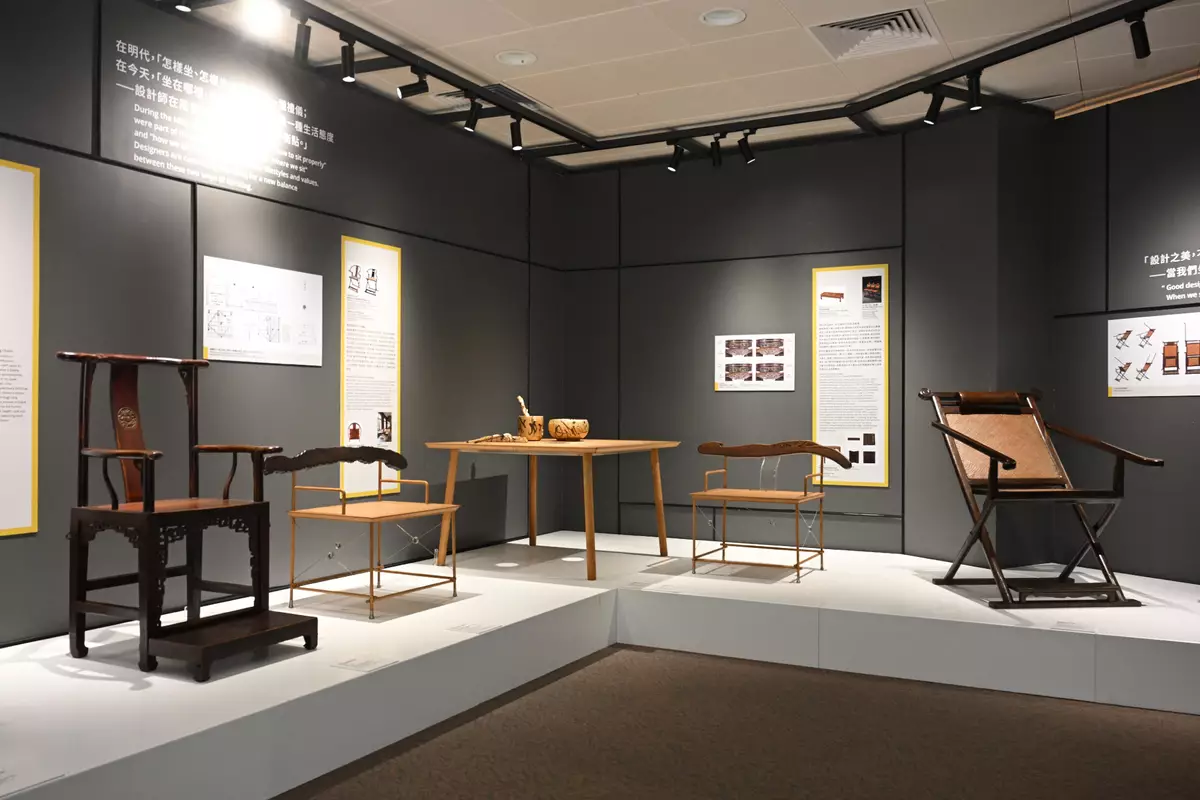
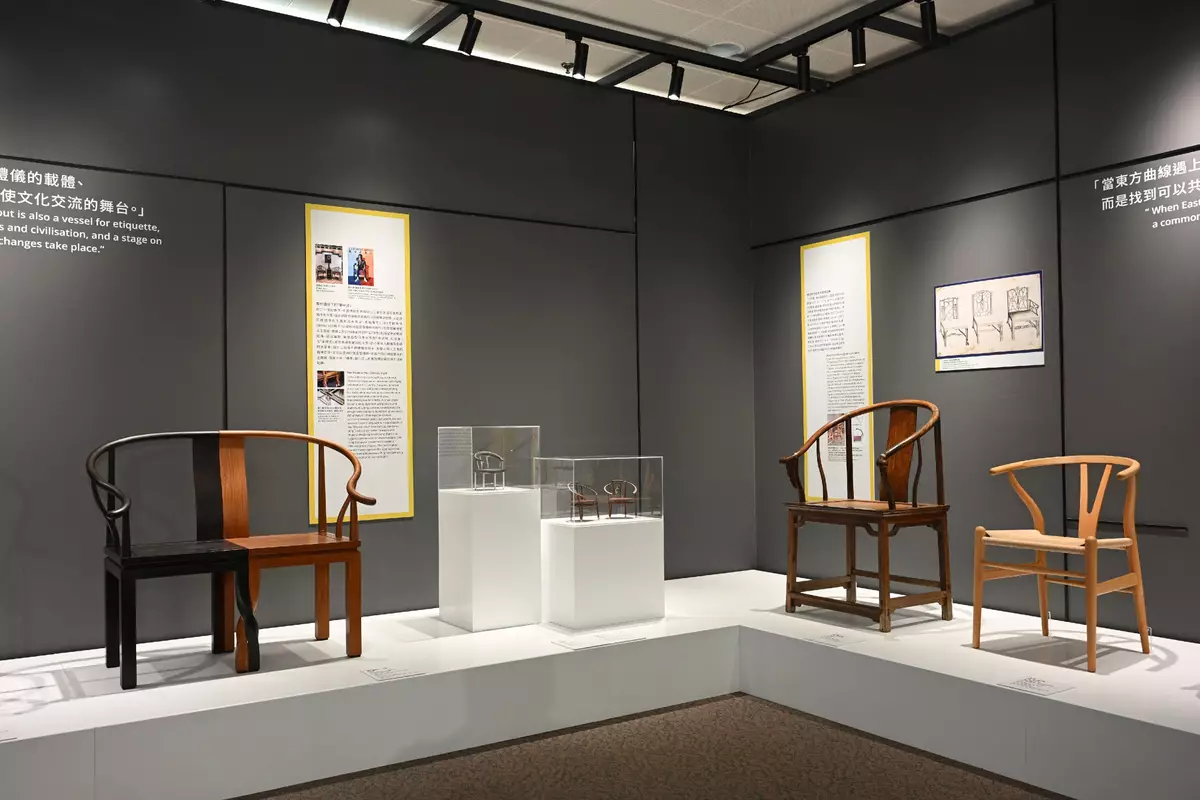
The Hong Kong Heritage Museum (HKHM) is staging the "WoW! Hong Kong Design Series II - East-West Design Reflections: Haven Collection's Ming Furniture and a Century of Chair Play" exhibition starting from tomorrow (May 24) to April 12 next year. Guest-curated by renowned local designer and artist Mr Freeman Lau, the exhibition showcases a series of Ming furniture treasures from local collector and owner of the Haven Collection, Dr Lau Chu-pak, paired with artistic chairs from the HKHM's collection as well as iconic works of modern furniture design. It explores the profound influence of Ming furniture as a cultural symbol of China and its ongoing dialogue and transformation within contemporary design.
Addressing the opening ceremony held today (May 23), the Deputy Director of Leisure and Cultural Services (Culture), Miss Eve Tam, said that Ming furniture embodies the profound wisdom of traditional Chinese design. Crafted from exquisite materials, with clean silhouettes and elegant forms, it fully exemplifies the spirit of Chinese craftsmanship. Through a unique perspective that juxtaposes past and present and pairs East and West, this exhibition illustrates how contemporary designers draw inspiration from Chinese cultural heritage, using upcycled materials and new technologies to reinterpret traditional craftsmanship in the modern era.
Other officiating guests included Legislative Council Member and Museum Expert Adviser for the Leisure and Cultural Services Department (LCSD), Professor Lau Chi-pang; Dr Lau; Mr Lau; and the Museum Director of the HKHM, Mr Brian Lam.
The exhibits generate in-depth conversations between the past and the present. The craftsmanship on display ranges from traditional mortise-and-tenon joinery to cutting-edge 3D-printing techniques, with materials ranging from precious Chinese rosewood to eco-friendly upcycled resources. Highlights include a horseshoe armchair crafted from precious Chinese rosewood (huanghuali), distinguished by its clean and elegant silhouette - a form that embodies the ancient Chinese principle of "round heaven and square earth". Another highlight is a grand-scale alcove bed made of Chinese southern elm. It features an enclosed chamber space, inviting visitors to closely observe the refined daily life of women from ancient noble families.
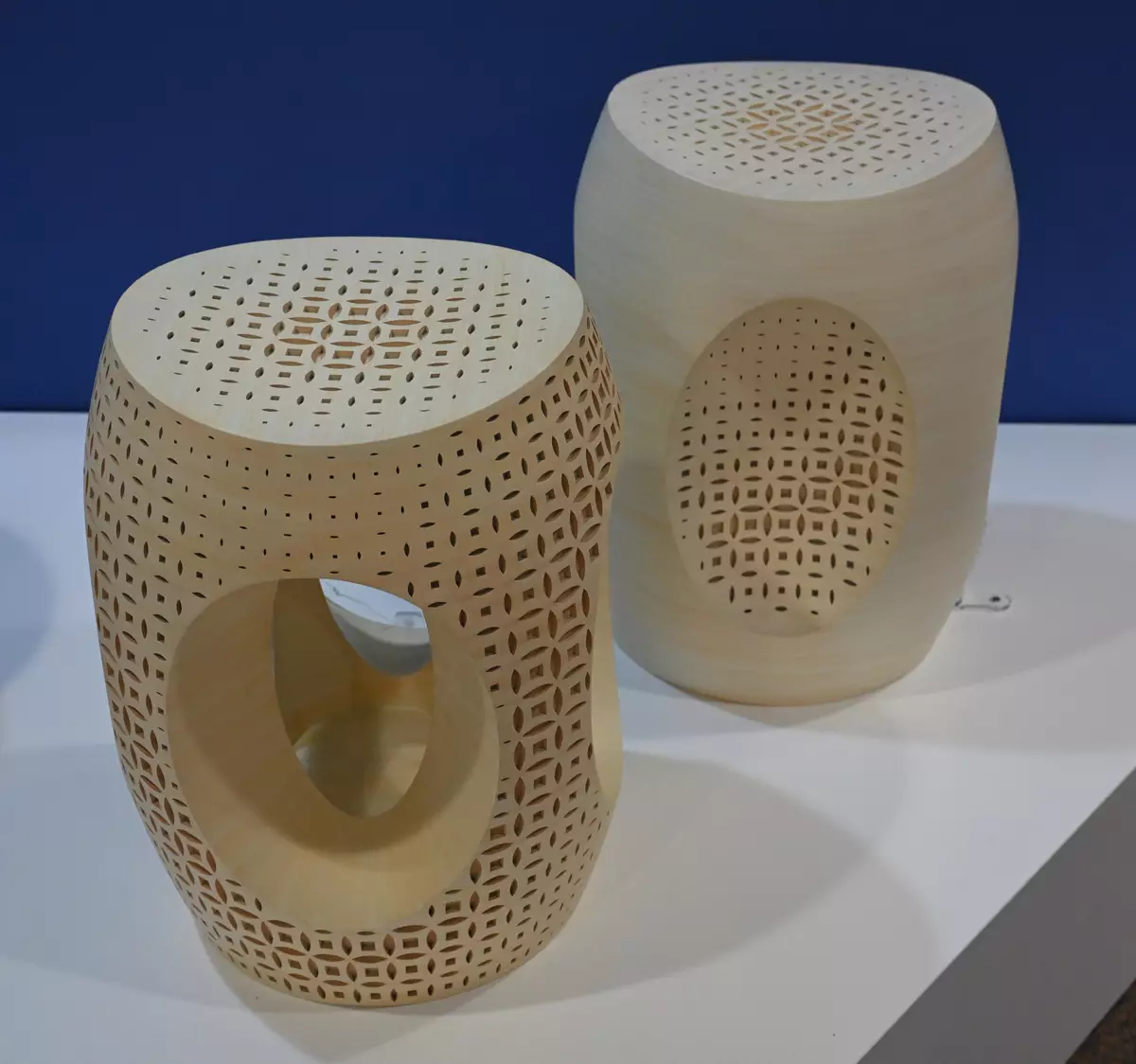
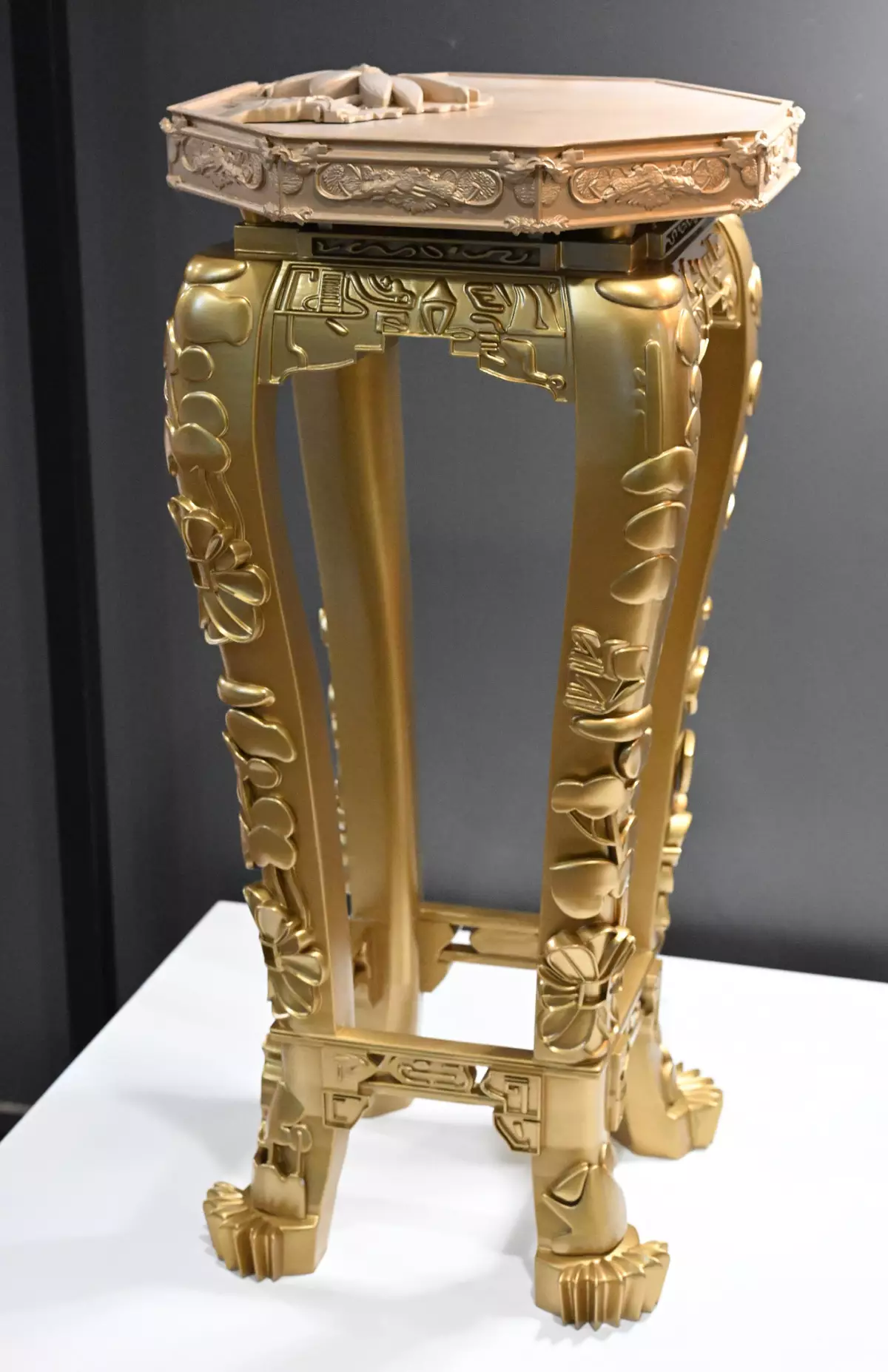
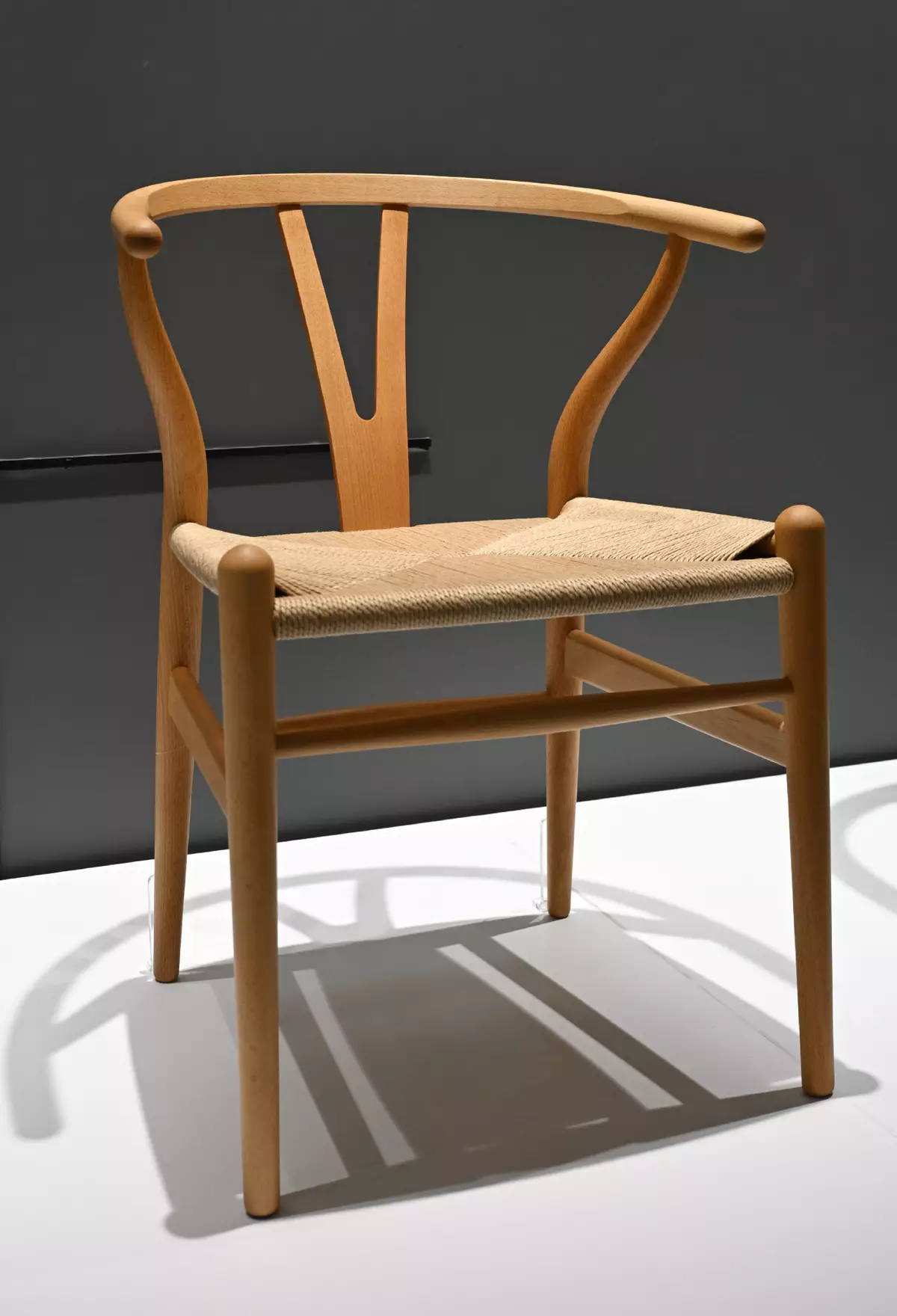
In parallel with the traditional furniture, the exhibition also features guest curator Mr Lau's curated selection of modern furniture, including the iconic "CH24 Wishbone Chair" by renowned Danish modern designer Hans J Wegner, alongside creative works by local designers and artists. Among them is "Golden Blossom", a 3D-printed flower table by artist Victor Wong that features carvings of exquisite floral motifs, symbolising wealth and harmony. The "Yuan Chair", designed by Koren Sin and Kirin Leung, takes the Chinese drum stool's simple form and reinterprets it with a twist of modern parametric style. These design works reveal contemporary interpretations of traditional Chinese furniture by designers from Hong Kong and abroad.
The exhibition will be held at Function Place, 1/F of the HKHM. Admission is free. It is also one of the activities in the Chinese Culture Promotion Series by the LCSD. A series of talks will be held during the exhibition, inviting audiences to explore the craftsmanship and design of Ming furniture and to examine how Chinese culture is deeply rooted in everyday life and has shaped the evolving aesthetics of everyday objects over the past century. For details of the exhibition and activities, please visit hk.heritage.museum/en/exhibitions/wow2_furniture.html.
Hong Kong Heritage Museum showcases Haven Collection's Ming furniture and modern artistic chairs Source: HKSAR Government Press Releases
Hong Kong Heritage Museum showcases Haven Collection's Ming furniture and modern artistic chairs Source: HKSAR Government Press Releases
Hong Kong Heritage Museum showcases Haven Collection's Ming furniture and modern artistic chairs Source: HKSAR Government Press Releases
Hong Kong Heritage Museum showcases Haven Collection's Ming furniture and modern artistic chairs Source: HKSAR Government Press Releases
Hong Kong Heritage Museum showcases Haven Collection's Ming furniture and modern artistic chairs Source: HKSAR Government Press Releases
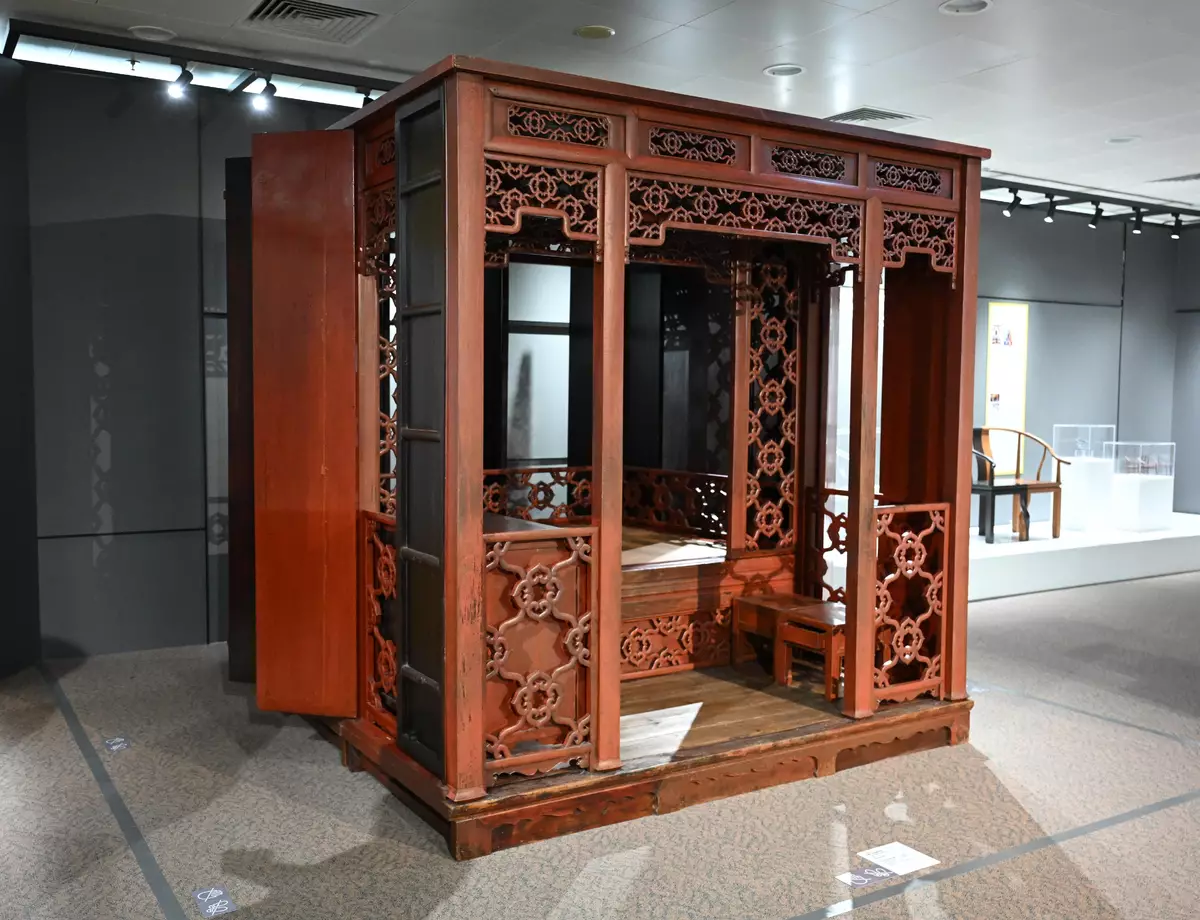
Hong Kong Heritage Museum showcases Haven Collection's Ming furniture and modern artistic chairs Source: HKSAR Government Press Releases
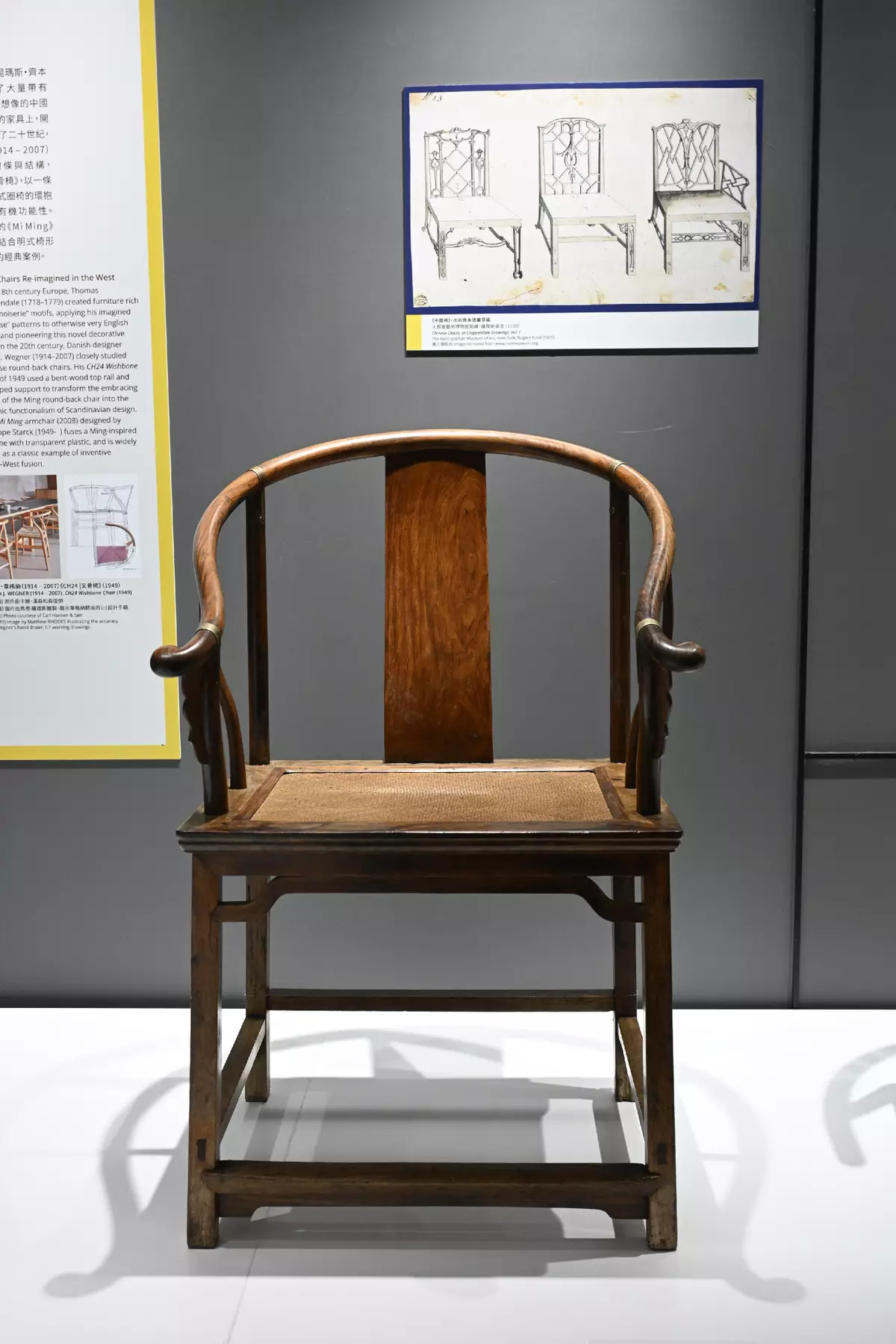
Hong Kong Heritage Museum showcases Haven Collection's Ming furniture and modern artistic chairs Source: HKSAR Government Press Releases
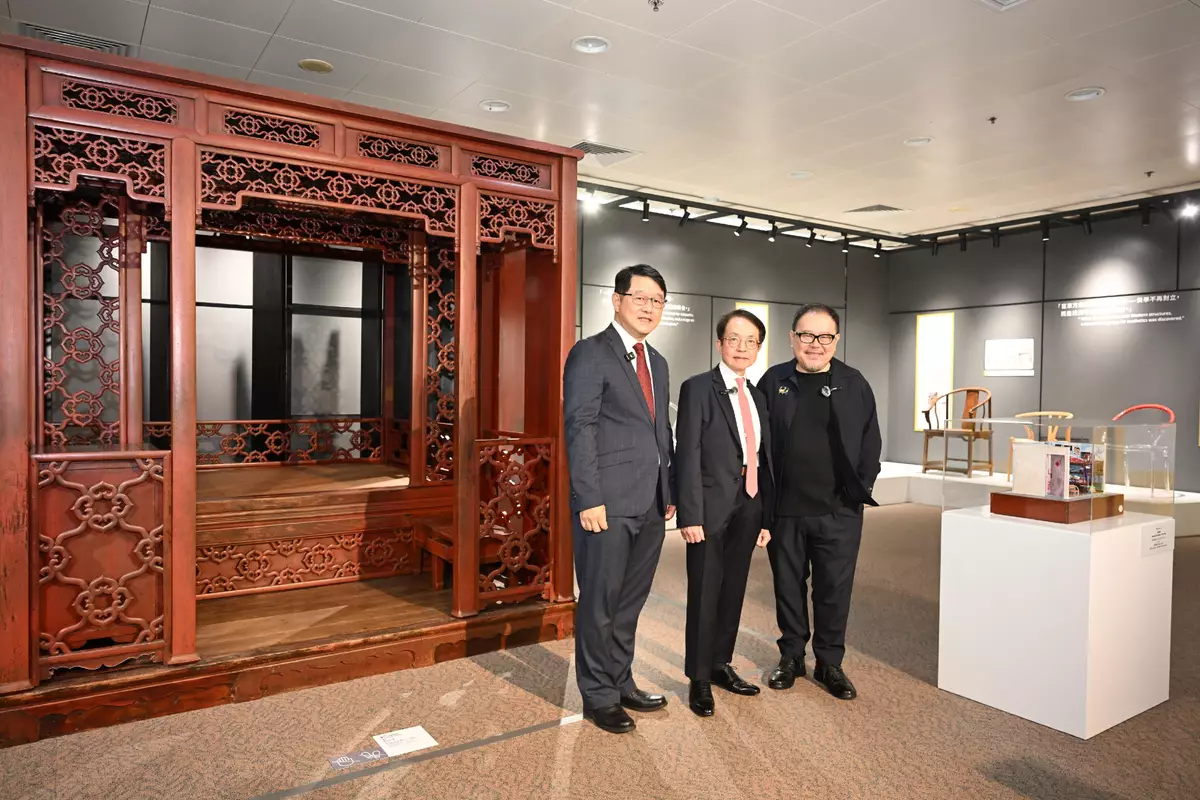
Hong Kong Heritage Museum showcases Haven Collection's Ming furniture and modern artistic chairs Source: HKSAR Government Press Releases
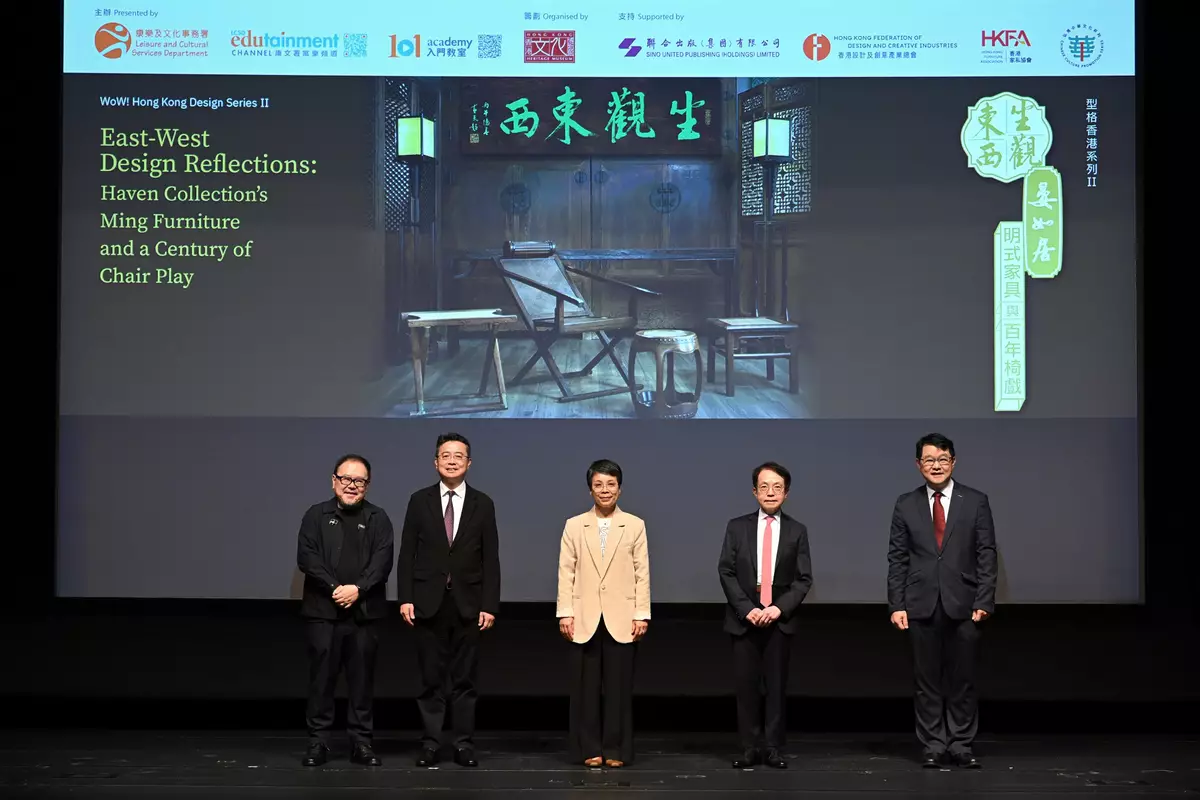
Hong Kong Heritage Museum showcases Haven Collection's Ming furniture and modern artistic chairs Source: HKSAR Government Press Releases