OSLO, Norway--(BUSINESS WIRE)--Feb 2, 2026--
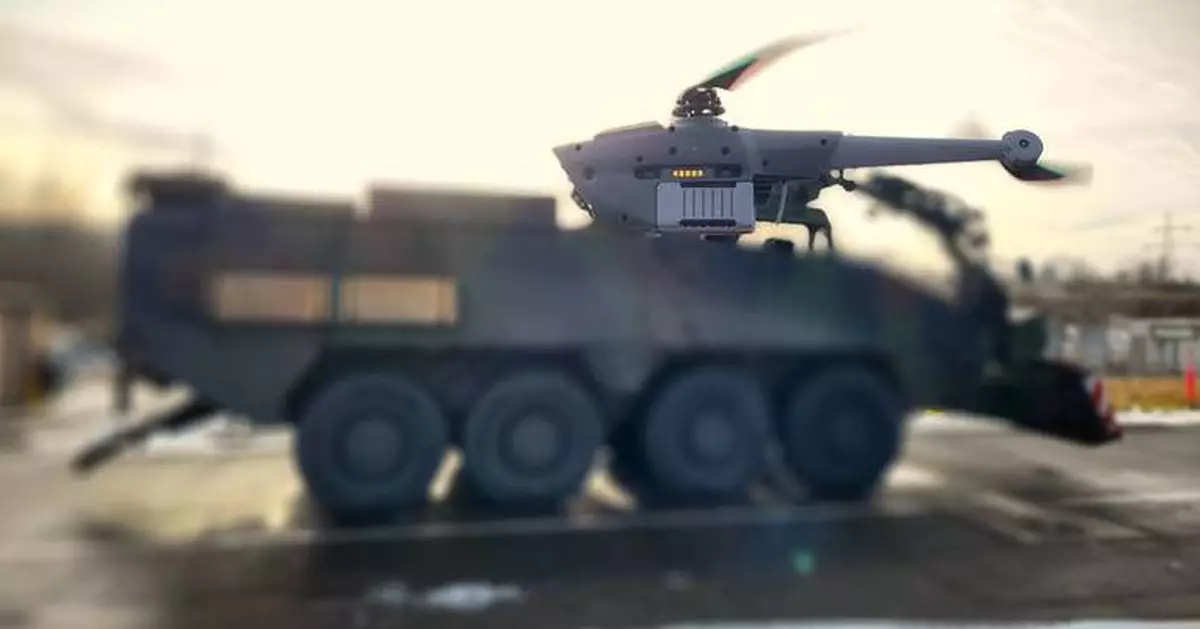
Teledyne FLIR Defense, part of Teledyne Technologies Incorporated (NYSE:TDY), announced that it has received a $17.5 million contract from armasuisse, the Swiss Federal Office of Defence Procurement, to deliver a large number of Black Hornet® 4 Personal Reconnaissance Systems, one of the world’s most advanced and widely deployed nano-drones. Black Hornet 4 was selected as an airborne dismountable Intelligence, Surveillance, and Reconnaissance (ISR) capability sensor for armasuisse’s Piranha 8x8 Armored engineering vehicle program.
This press release features multimedia. View the full release here: https://www.businesswire.com/news/home/20260201061637/en/
As part of the effort, Black Hornet’s existing software has been modified to be integrated with the Piranha’s digital infrastructure. Under the setup, the drone’s live video stream will be shared on vehicle displays and provide target data, coordinates, and other situational awareness to vehicle commanders and crew. The Black Hornet 4 will be integrated through harmonized military standards with the vehicles’ Integrated Combat Solution (ICS), provided by Kongsberg Defence & Aerospace.
Drone operators will be able to connect the Black Hornet control tablet to the vehicle ICS for either dismounted or mobile operations. After launching the UAV by hand out of the vehicle, operators can fly the Black Hornet on intelligence gathering missions while all data is simultaneously shared with the crew. Among its features, the Black Hornet can both receive waypoints from the ICS for further reconnaissance as well as generate target points that can be fed to the vehicle’s Remote Weapon Station. The solution is fully detachable during operations, so operators can dismount from the vehicle and reattach while the drone is flying.
“This first fielded-vehicle integration for the Black Hornet 4 highlights its unique tactical capabilities as a force multiplier,” said Dr. JihFen Lei, president of Teledyne FLIR Defense and senior vice president of Teledyne Technologies. “By providing the same immediate situational data to all vehicle systems and crew, we can help reduce cognitive burden and boost warfighting effectiveness.
“The armasuisse program shows the market potential for UAS integration on armored vehicles globally and the promise of ‘drone-in-a-box’ systems FLIR Defense has developed specifically for vehicles, including our Black Recon™ and SkyCarrier™ solutions,” Lei added.
Black Hornet 4 represents the next generation of lightweight nano-drones, able to provide enhanced day/night covert situational awareness to small fighting units. Its 12-megapixel daytime camera and high-resolution thermal imager deliver crisp video and still images to the operator. At just 70 grams Black Hornet 4 can survive GPS-denied and contested environments, fly for more than 30 minutes, over three kilometers, and function in 25-knot winds and rain. Flight performance is augmented by advanced obstacle avoidance capabilities and other features.
The vehicle-integrated Black Hornet 4’s were delivered in 2025. The remaining systems will be delivered during 2026.
Teledyne FLIR has delivered more than 35,000 Black Hornet drones to military and security forces in over 45 countries. The award-winning Black Hornet is designed and built by Teledyne FLIR Defense in Norway.
About Teledyne FLIR Defense
Teledyne FLIR Defense has been providing advanced, mission-critical technology and systems for more than 45 years. Our products are on the frontlines of the world’s most pressing military, security and public safety challenges. As a global leader in thermal imaging, we design and build sophisticated surveillance sensors for air, land and maritime use. We develop the most rugged, trusted unmanned air and ground platforms, as well as intelligent sensing devices used to detect chemicals, biological agents, radiation and explosives. At Teledyne FLIR Defense we bring together this expertise to deliver solutions that enable critical decisions and keep our world safe – from any threat, anywhere. To learn more, visit us online or follow @flir and @flir_defense.
About Teledyne Technologies
Teledyne Technologies is a leading provider of sophisticated digital imaging products and software, instrumentation, aerospace and defense electronics, and engineered systems. Teledyne's operations are primarily located in the United States, the United Kingdom, Canada, and Western and Northern Europe. For more information, visit Teledyne's website at www.teledyne.com.
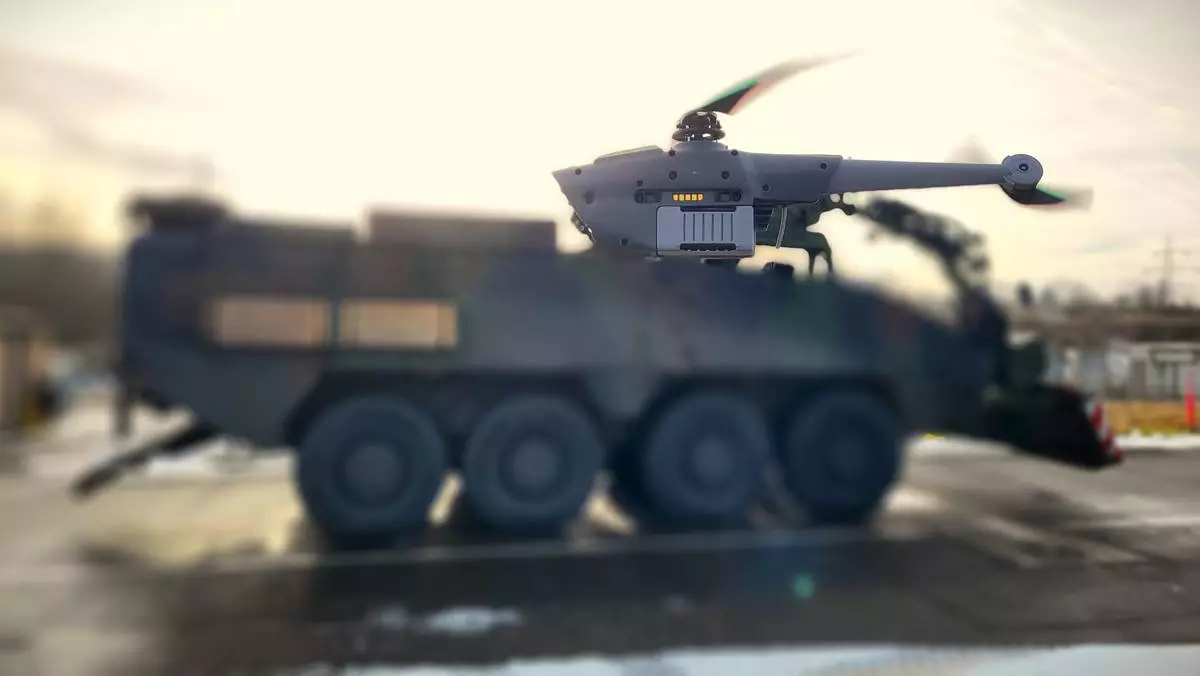
Teledyne FLIR Defense has won a $17.5 million contract from armasuisse, the Swiss Federal Office of Defence Procurement, to deliver a large number of Black Hornet® 4 Personal Reconnaissance Systems, one of the world’s most advanced and widely deployed nano-drones. Black Hornet 4 was selected as an airborne capability sensor for armasuisse’s Piranha 8x8 Armored engineering vehicle program. Black Hornet’s existing software is being modified to integrate with the Piranha’s digital infrastructure. Under the setup, the drone’s live video stream will be shared on vehicle displays and provide target data, coordinates, and other situational awareness to vehicle commanders and crew.
DUBAI, United Arab Emirates (AP) — Iran stopped communicating with mediators about extending a ceasefire in the war with the U.S. and Israel, two semiofficial Iranian news agencies reported Tuesday, as tensions flared in Israel's separate but related fight against the Iranian-backed militia Hezbollah in Lebanon.
The halt in communication was likely meant to increase pressure on U.S. President Donald Trump over negotiations on the Iran war ceasefire and loosening the Islamic Republic's chokehold on the Strait of Hormuz and the oil, gas and other commodities that normally pass through it. Trump then could potentially push Israeli Prime Minister Benjamin Netanyahu to halt or slow the advance of his forces, which have moved deeper into Lebanon than at any time in over a quarter of a century.
U.S. Secretary of State Marco Rubio did not address the reported cutoff in communications as he testified at a congressional hearing in Washington. Instead, he sounded an optimistic note about the nuclear dimension of the negotiations, while cautioning that there's no guarantee of reaching "a deal that’s acceptable.”
The reports by the Fars and Tasnim news agencies, both believed to be close to Iran’s paramilitary Revolutionary Guard, come as the conflicts in Iran and Lebanon have increasingly become conjoined. Iran insists that any potential truce in the war there must also quell the fighting in Lebanon, where Hezbollah remains one of Iran's chief allies in its self-described “axis of resistance” against Israel.
A regional official involved in the mediation, speaking on condition of anonymity to discuss the talks, told The Associated Press that Iran had not communicated at all on Tuesday after saying that a ceasefire needed to be enforced in Lebanon for negotiations to continue.
Israel and the U.S. maintain the fighting in Lebanon is separate from the Iran war talks.
Meanwhile, year-on-year inflation in Iran reached a level in May unseen since World War II, underlining the economic pain average Iranians are facing. While the U.S. is eager to ease the Islamic Republic's grip on the strait — through which a fifth of all traded oil and natural gas passed in peacetime — Iran faces economic challenges as its oil-backed economy remains under a U.S. naval blockade.
Economic pressure touched off nationwide protests in Iran in 2017 into 2018, when rising food prices sparked demonstrations that killed over 20 people and saw hundreds arrested. The next year, an increase in government-subsidized gasoline prices caused protests that saw over 300 people reportedly killed.
Then came the protests over the collapsing value of Iran's currency, the rial, at the start of this year. They were the most intense demonstrations to shake the Islamic Republic since its 1979 revolution and the chaotic years that followed. Iran's theocracy met January's protests with a crackdown on demonstrators in January that killed over 7,000 people, according to activists' estimates.
Now, even as hard-liners hold gun-handling workshops and organize marriages under the shadow of a ballistic missile to bolster spirits, experts note there could be new demonstrations if people find themselves priced out of feeding their families.
“I have no doubt that if Trump leaves (Iran without a formal peace deal) ... most probably, we will see something like January by the end of summer because of the economic and social situations," analyst Mohsen Jalilvand said in a video published by Iran's Fararu news website.
Iran's Central Bank said the consumer price index, which measures a basket of goods and services, reached 77.2% in May compared with the year before. The rate is 8.5% higher than in April, the bank added. Inflation in daily and general needs — like medicine, taxi fares, tobacco and communication fees — rose 113.8% from the year before.
A private economic think tank in Iran, the Bamdad Institute of Economic Studies, described the current figures as “an unprecedented rate since World War II.” Iran’s Central Bank did not acknowledge the significance of the figures.
The previous record came in 1942. During the war, the British and Soviets invaded Iran and took over its railway, disrupting food supplies. The lack of food, worsened by a poor harvest, sparked hyperinflation and a famine. Hunger and a typhus outbreak killed many.
Airstrikes this year have greatly damaged Iran's businesses and its oil industry, Meanwhile, the U.S. blockade has been targeting Iranian crude oil shipments trying to reach the international market, a key source of hard revenue. Tax revenues have been depressed by businesses struggling even after the fighting paused.
The rial, which traded at 32,000 to $1 in 2015, now trades at over 1.7 million to $1.
“We will definitely have higher prices," Iranian President Masoud Pezeshkian warned in May. "We are fighting, and we must accept this hardship.”
Tehran-based economist Saeed Leilaz, speaking to the AP, warned that annual inflation in Iran could reach 80%.
"Iran’s society cannot tolerate above 25%” annual inflation, he said.
Karimi reported from Tehran, Iran. Magdy reported from Cairo. Associated Press writer Jennifer Peltz contributed from New York.
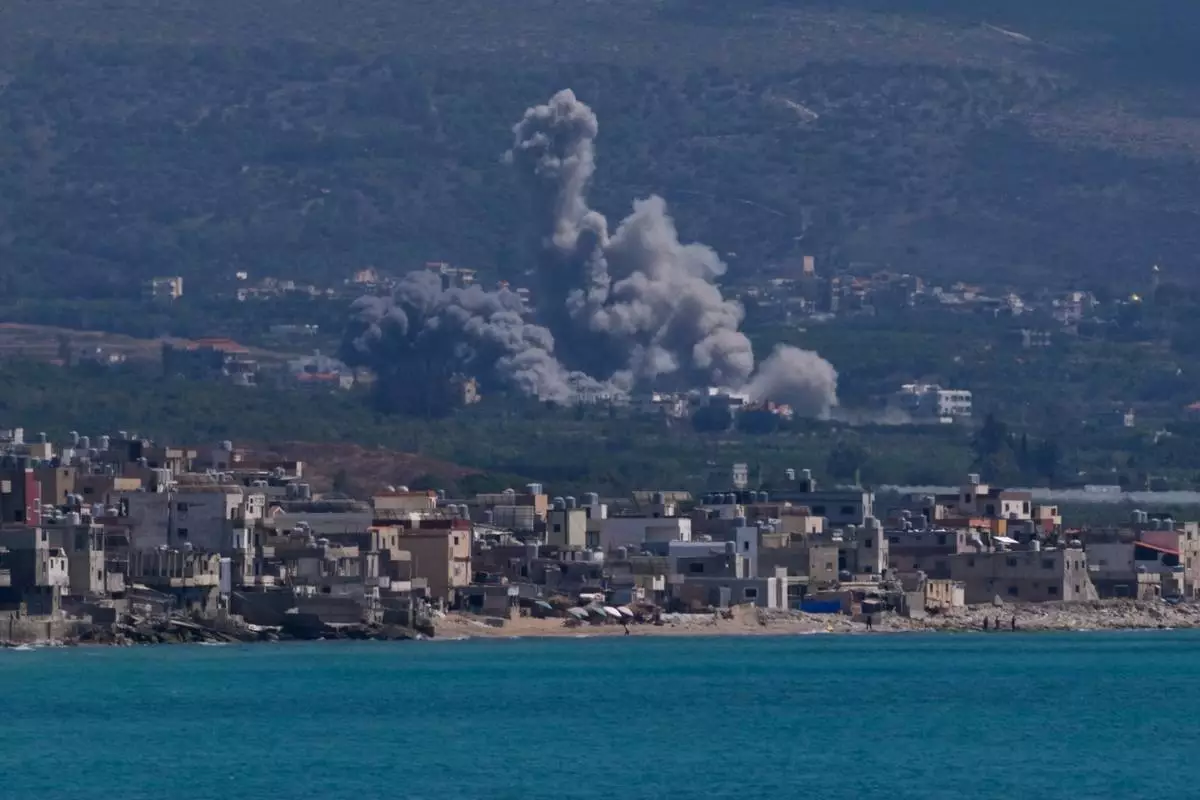
Smoke rises from an Israeli airstrike that hit Qlaileh village, as it seen from the southern port city of Tyre, Lebanon, Tuesday, June 2, 2026. (AP Photo/Mohammed Zaatari)
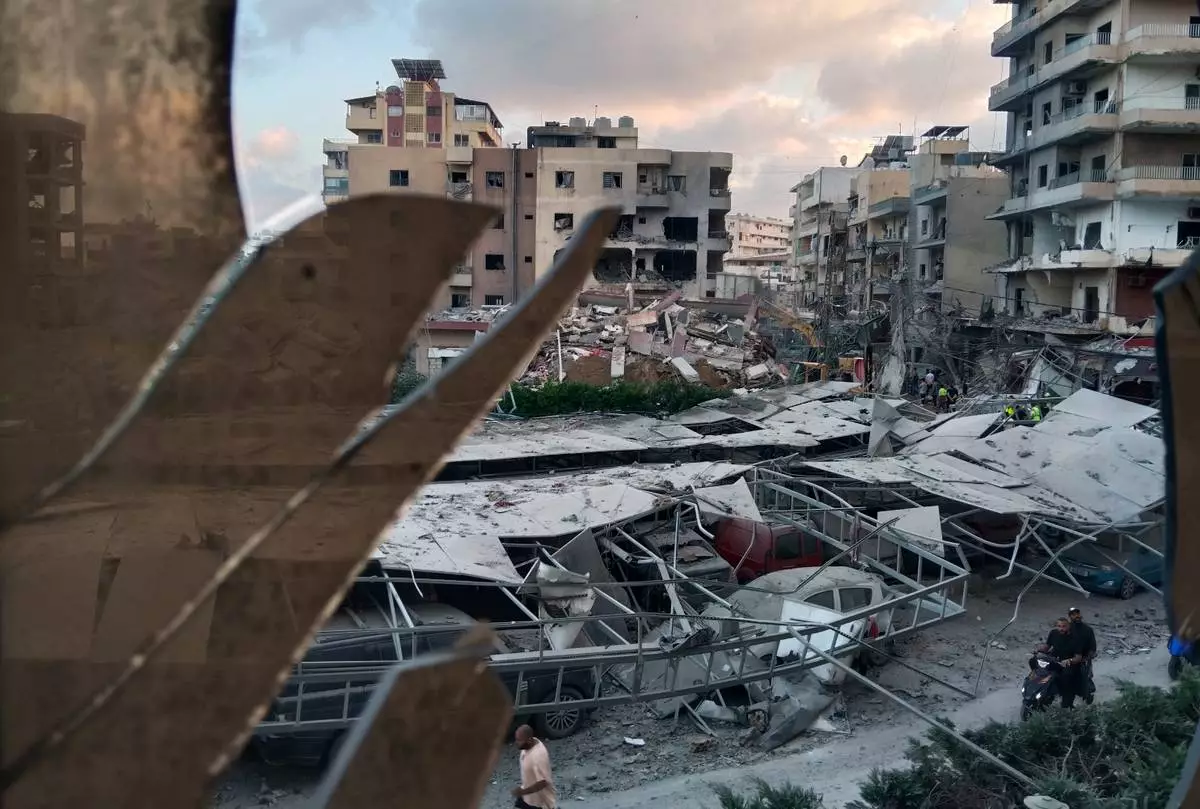
A destroyed building that was hit in an Israeli airstrike is seen through a shattered window of the Jabal Amel Hospital, in the southern port city of Tyre, Lebanon, Monday, June 1, 2026. (AP Photo)
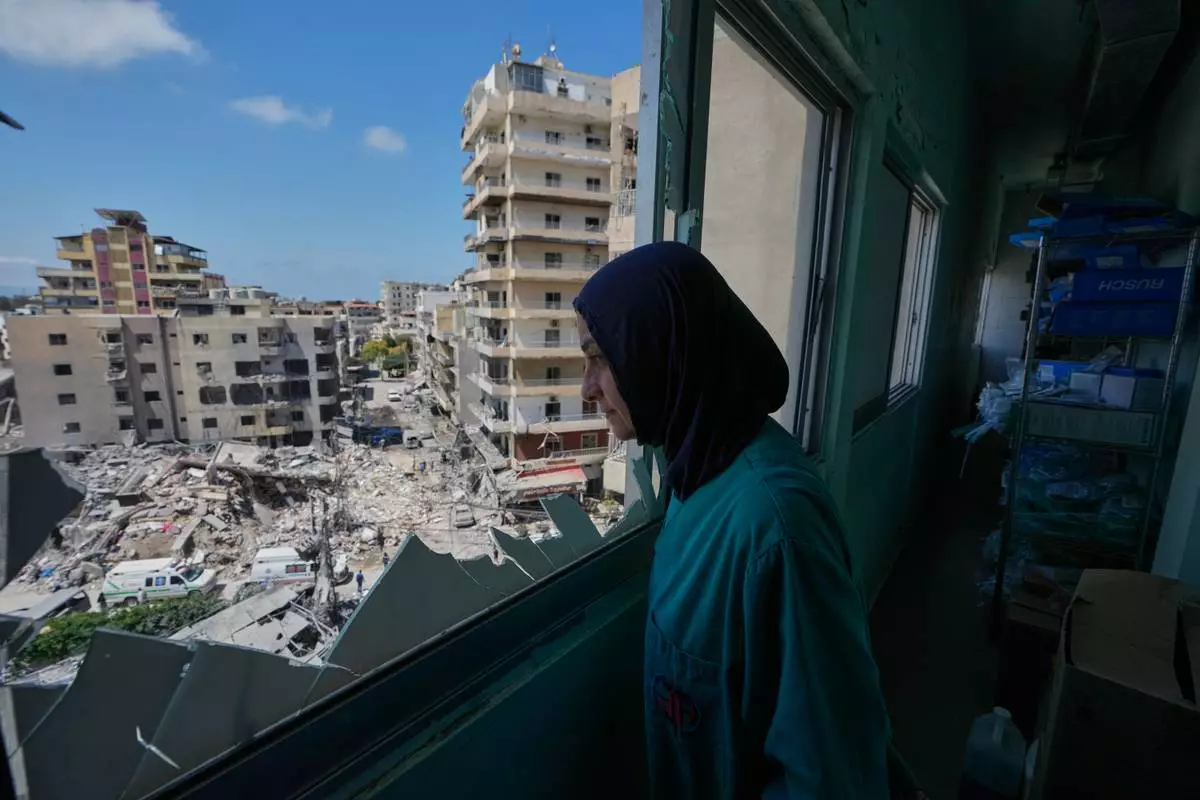
A nurse looks through a shattered window of the Jabal Amel Hospital into a destroyed building that was hit Monday in an Israeli airstrike, in the southern port city of Tyre, Lebanon, Tuesday, June 2, 2026. (AP Photo/Mohammed Zaatari)
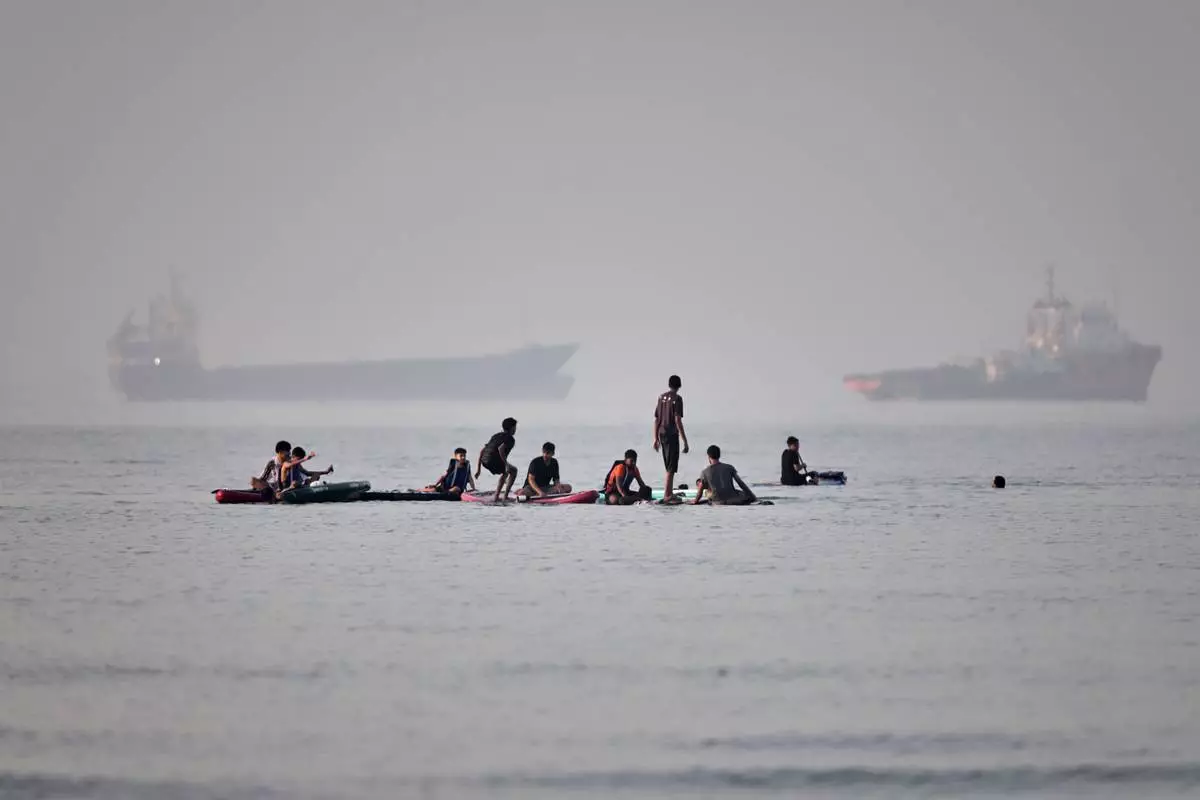
People gather on paddleboards in shallow water as cargo and service vessels are anchored in the Strait of Hormuz off Bandar Abbas, Iran, Monday, June 1, 2026. (Amirhosein Khorgooi/ISNA via AP)
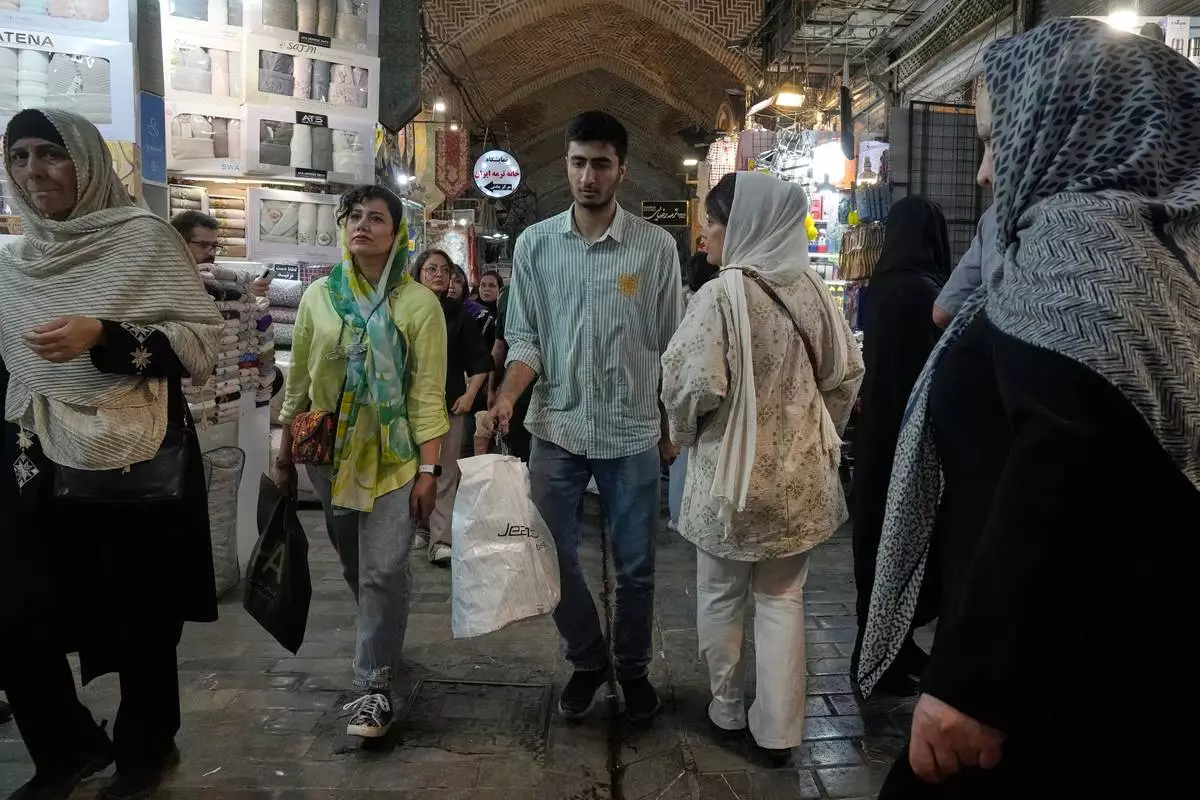
People walk at Tehran's historic Grand Bazaar, Iran, Monday, June 1, 2026. (AP Photo/Vahid Salemi)
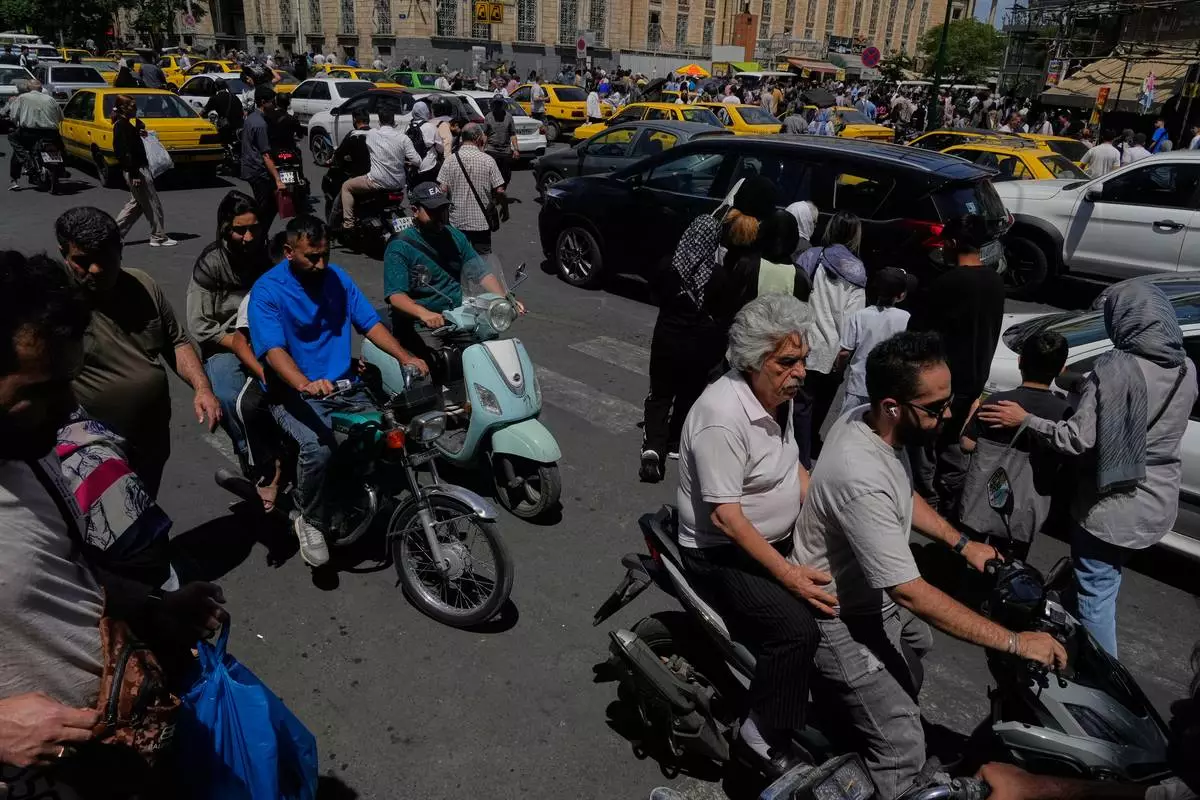
Pedestrians and vehicles cross an intersection around Tehran's historic Grand Bazaar, Iran, Monday, June 1, 2026. (AP Photo/Vahid Salemi)
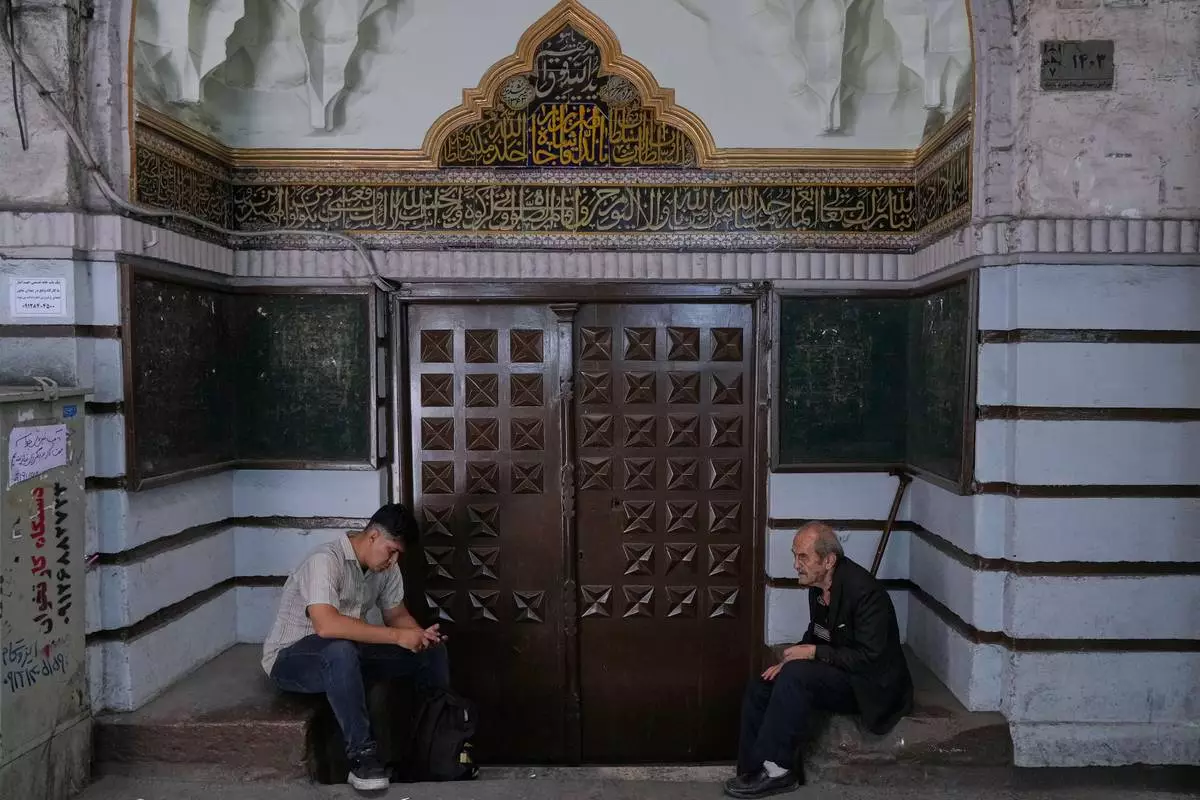
Men sit at the gate of a mosque at Tehran's historic Grand Bazaar, Iran, Monday, June 1, 2026. (AP Photo/Vahid Salemi)
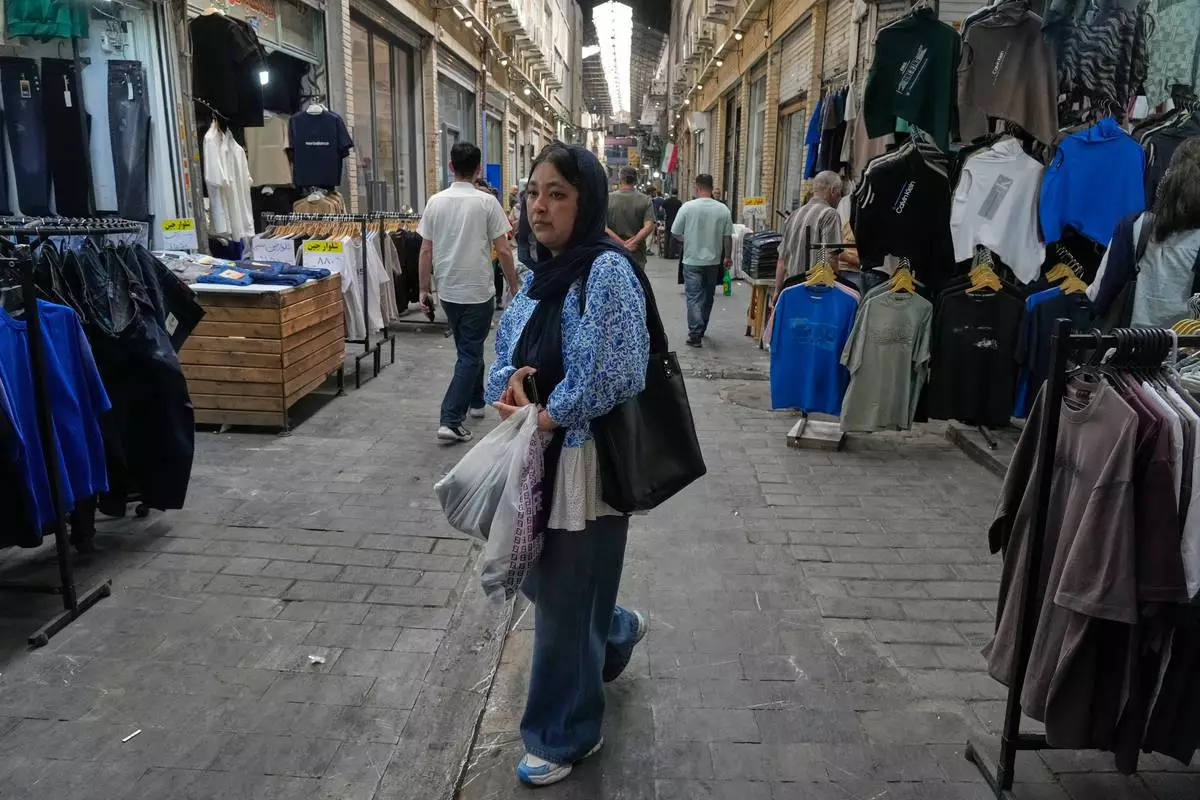
A woman walks at Tehran's historic Grand Bazaar, Iran, Monday, June 1, 2026. (AP Photo/Vahid Salemi)

People carry packages at Tehran's historic Grand Bazaar, Iran, Monday, June 1, 2026. (AP Photo/Vahid Salemi)