CHP investigates two epidemiologically linked food poisoning clusters
The Centre for Health Protection (CHP) of the Department of Health is today (February 2) investigating two epidemiologically linked food poisoning clusters affecting a total of four persons. The CHP reminded the public to maintain personal, food and environmental hygiene to prevent foodborne diseases.
The Centre for Health Protection (CHP), Photo source: reference image
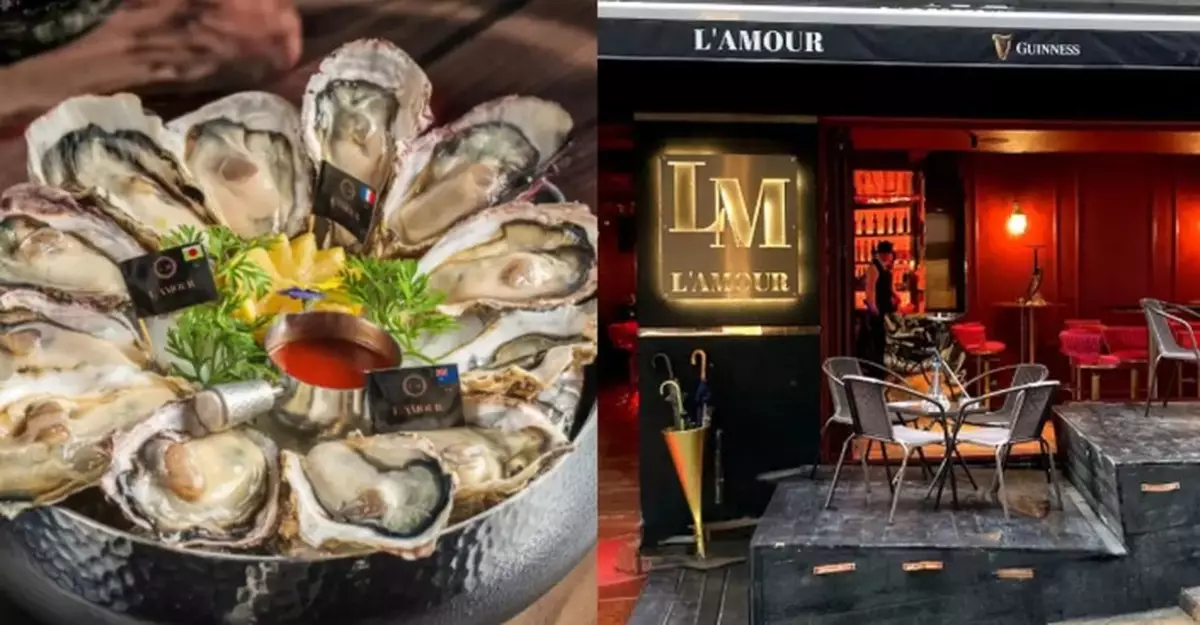
The clusters involve one male and three females aged between 30 and 59. They developed diarrhoea, abdominal pain, vomiting and fever about 25 to 38 hours after having dinner at L'Amour located at Shop A & B, G/F, Grand Progress Building, Nos. 58-62 D'Aguilar Street, Nos. 15-16 Lan Kwai Fong, Central, on January 27.
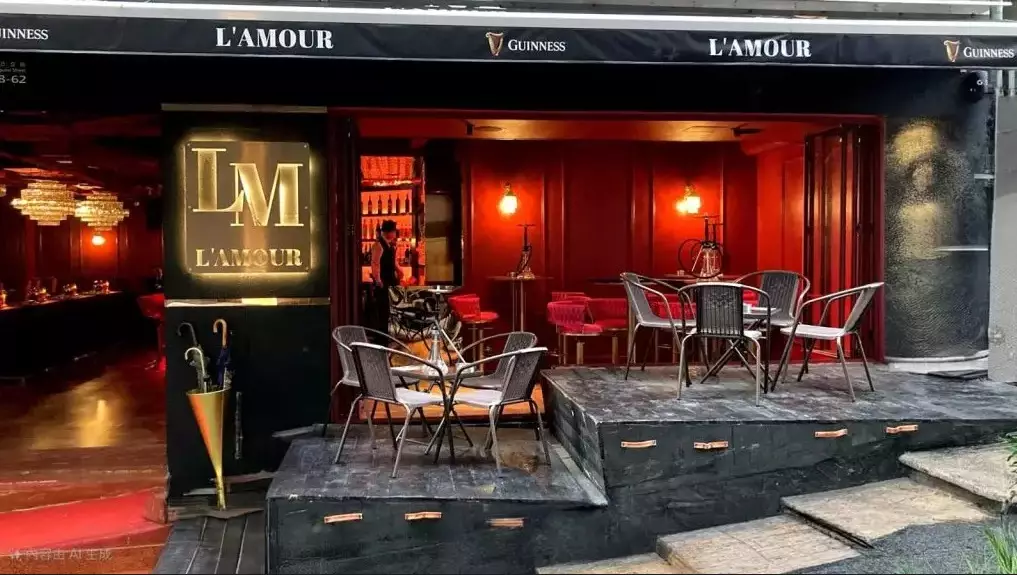
L'Amour in Central, Photo source: online image
One of the affected persons sought medical advice but did not require hospitalisation.All of the affected individuals are currently in stable condition.
A preliminary investigation revealed that raw oysters and salad were the food items that the affected individuals had in common at the aforementioned restaurant. Officers of the CHP and the Food and Environmental Hygiene Department (including personnel of the Centre for Food Safety (CFS) and the Environmental Hygiene Branch) conducted a joint investigation and examined the handling processes and food hygiene at the restaurant. The CFS's field investigation revealed that affected persons may have contracted food poisoning from consuming raw food. The CFS immediately instructed the premises concerned to suspend serving the incriminated food items and to carry out cleaning and disinfection of the premises. The officers have also provided health education related to food safety and environmental hygiene to the staff of the premises.
The investigation of the CHP and the CFS is ongoing.
To prevent foodborne diseases, members of the public are reminded to maintain personal, food and environmental hygiene at all times. When dining out, one should:
- Avoid eating raw seafood;
- Be a discerning consumer in choosing cold dishes, including sashimi, sushi and raw oysters at a buffet;
- Choose pasteurised eggs, egg products or dried egg powder for dishes that often use undercooked eggs;
- Patronise only reliable and licensed restaurants;
- Ensure food is thoroughly cooked before eating during a hotpot or barbecue meal;
- Handle raw and cooked foods carefully and separate them completely during the cooking process;
- Use two sets of chopsticks and utensils to handle raw and cooked foods;
- Avoid patronising illegal food hawkers;
- Susceptible populations, including those with weakened immunity, the elderly, pregnant women and young children, are at a higher risk of foodborne diseases, so they should not consume raw or undercooked foods;
- Refrain from trying to use salt, vinegar, wine or wasabi to kill bacteria as they are not effective; and
- Always wash hands before eating and after going to the toilet.
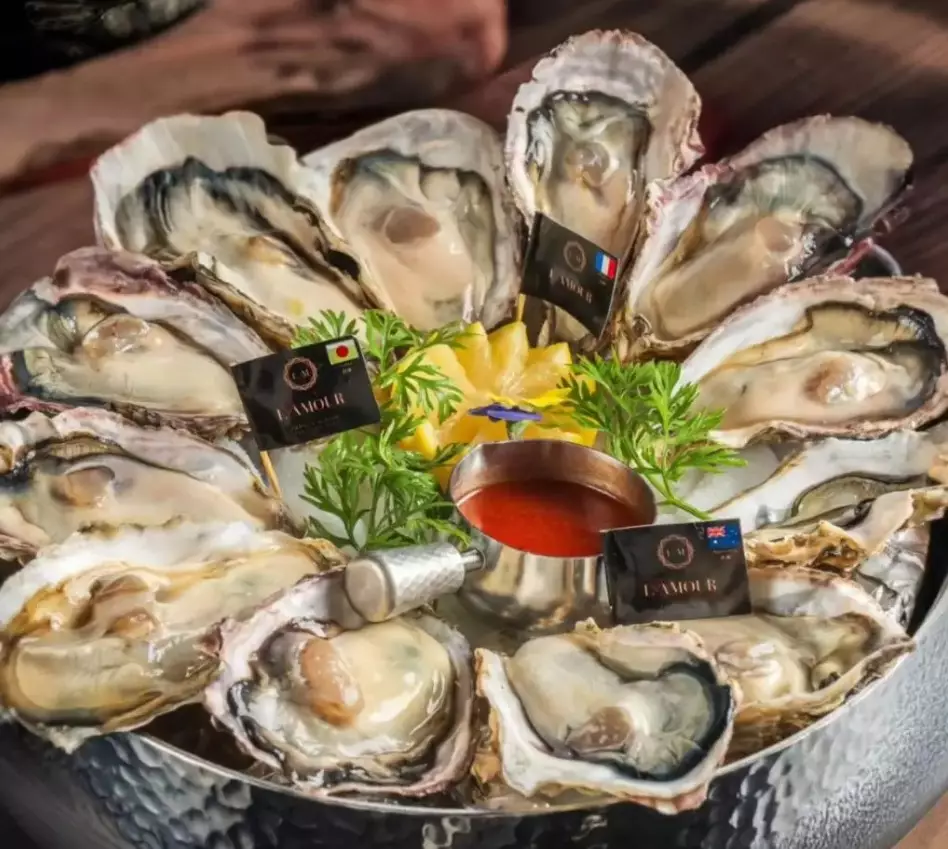
The raw oysters, Photo source: online image
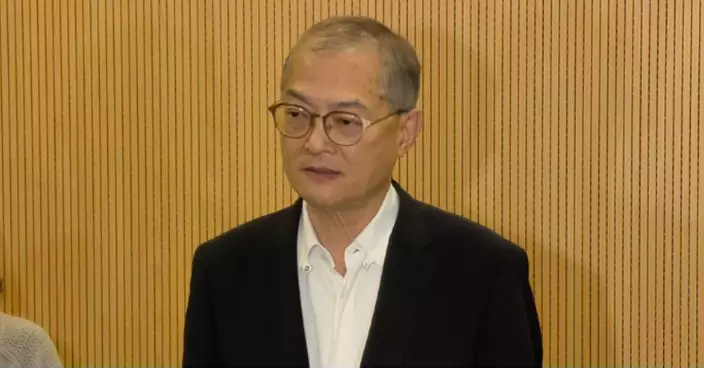
Remarks by SLW at media session (with photos/video)
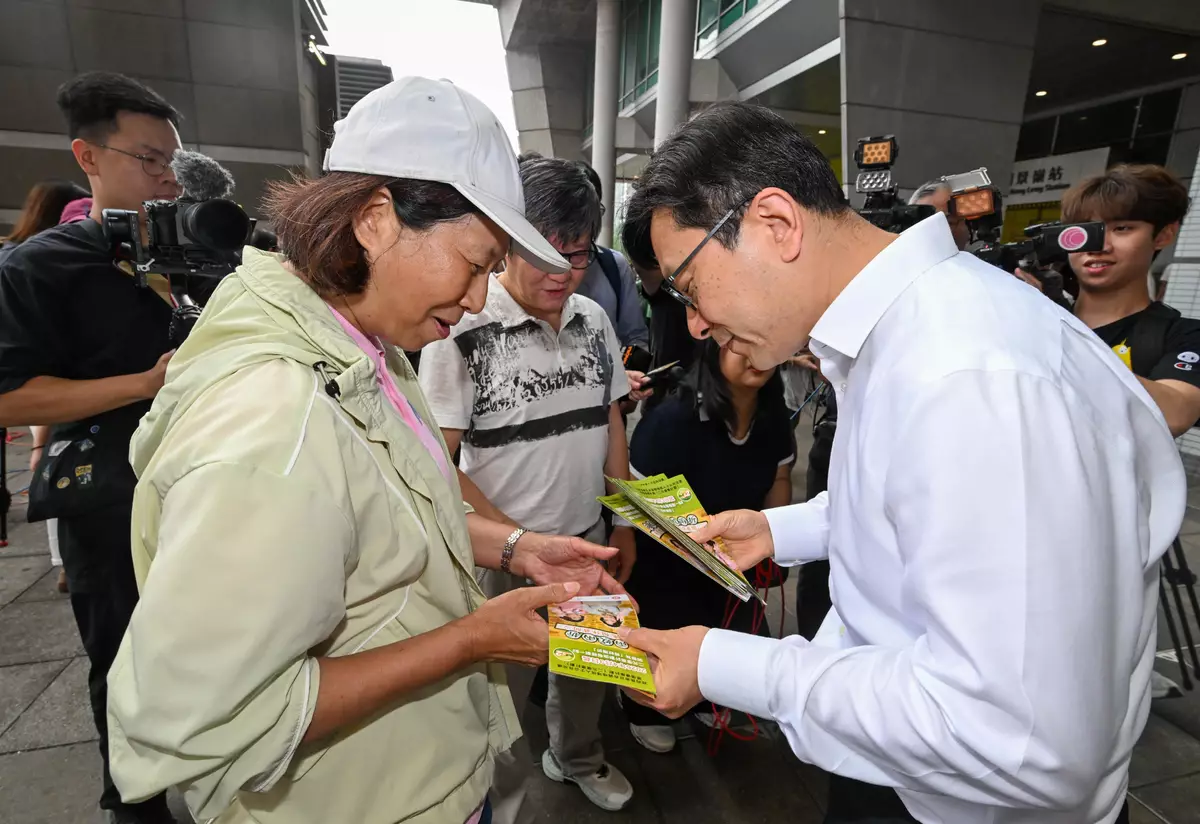
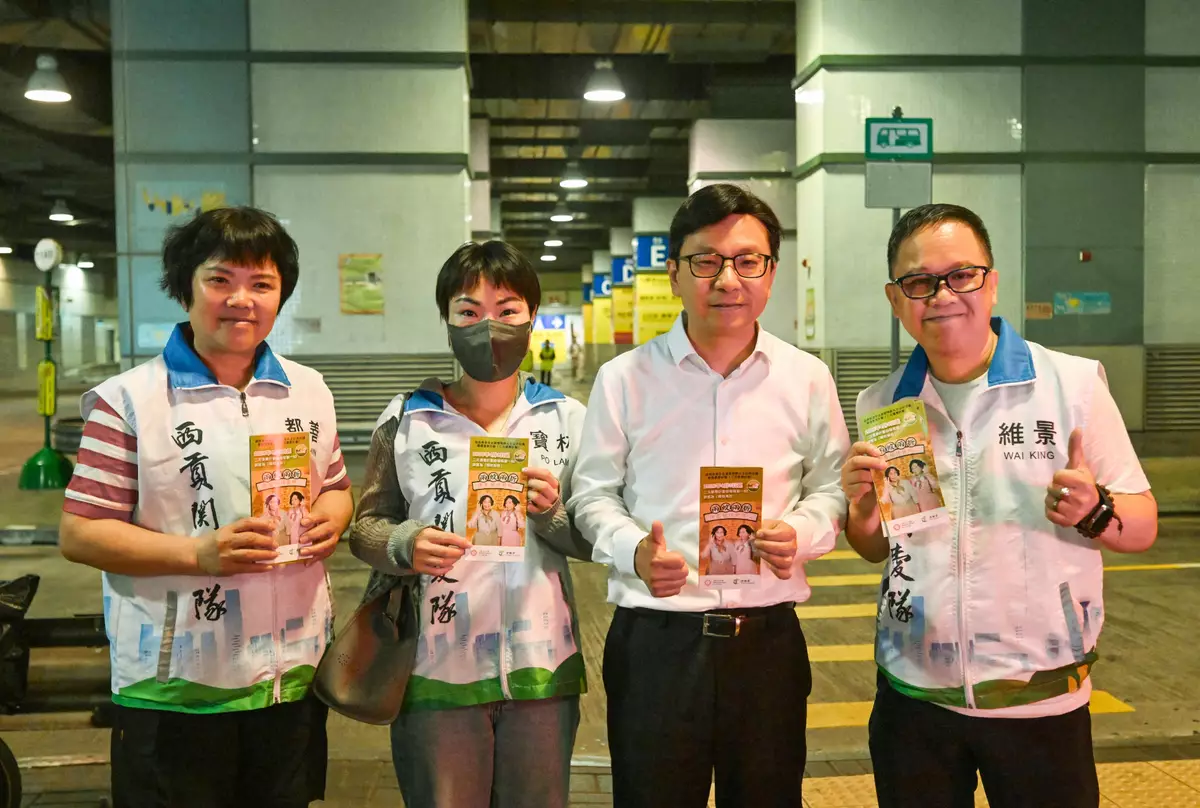
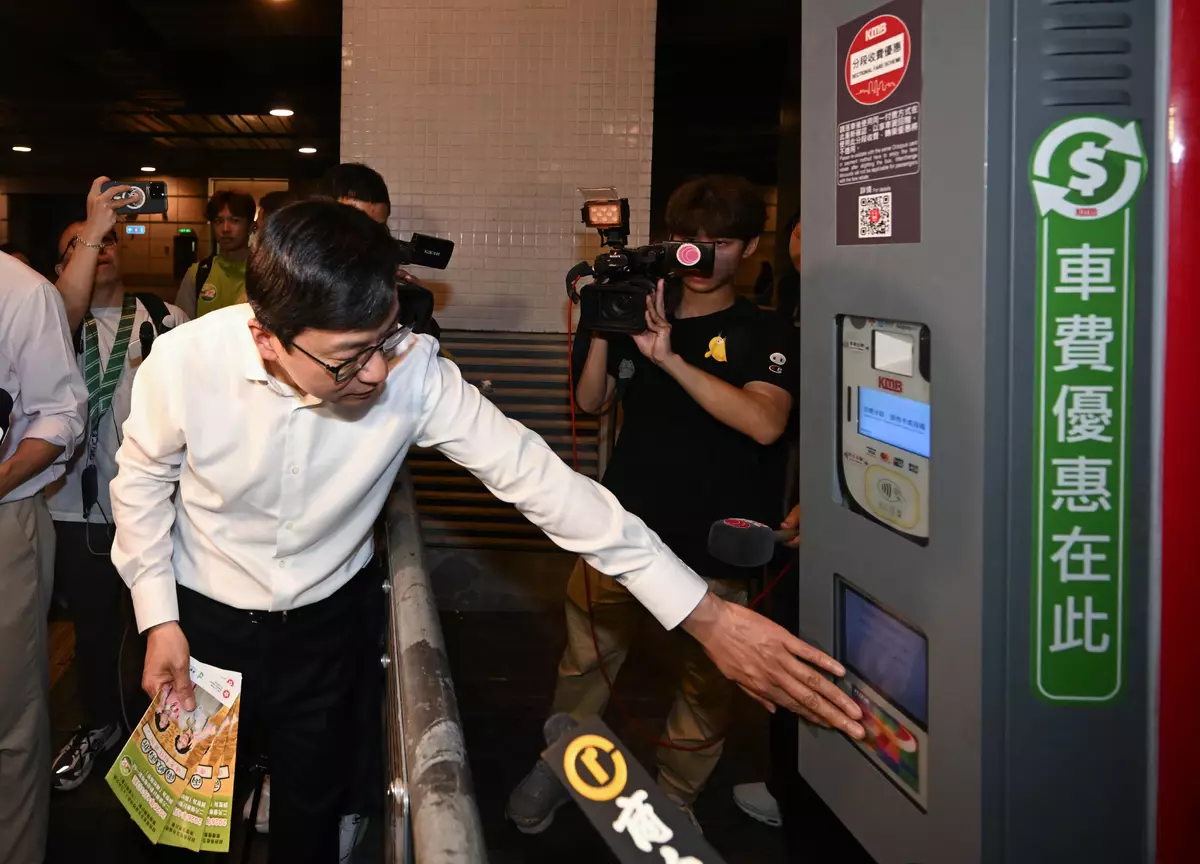
The Secretary for Labour and Welfare, Mr Chris Sun, met the media today (April 3), after observing the implementation of the "$2 flat rate or 80 per cent discount" on the first day at Tiu Keng Leng Station Public Transport Interchange. Following are Mr Sun's remarks at the media session:
Reporter: How do you evaluate the first-day roll-out of the scheme, and how do you address the fact that some elderly are not comprehensively understanding the whole implementation?
Secretary for Labour and Welfare: Today, 3rd of April, is the date when the "$2 flat rate or 80 per cent discount" is officially launched. For minibuses and for buses, the launch time was midnight today. For the MTR, it started from its first train which departed the terminal at 5.30am this morning.
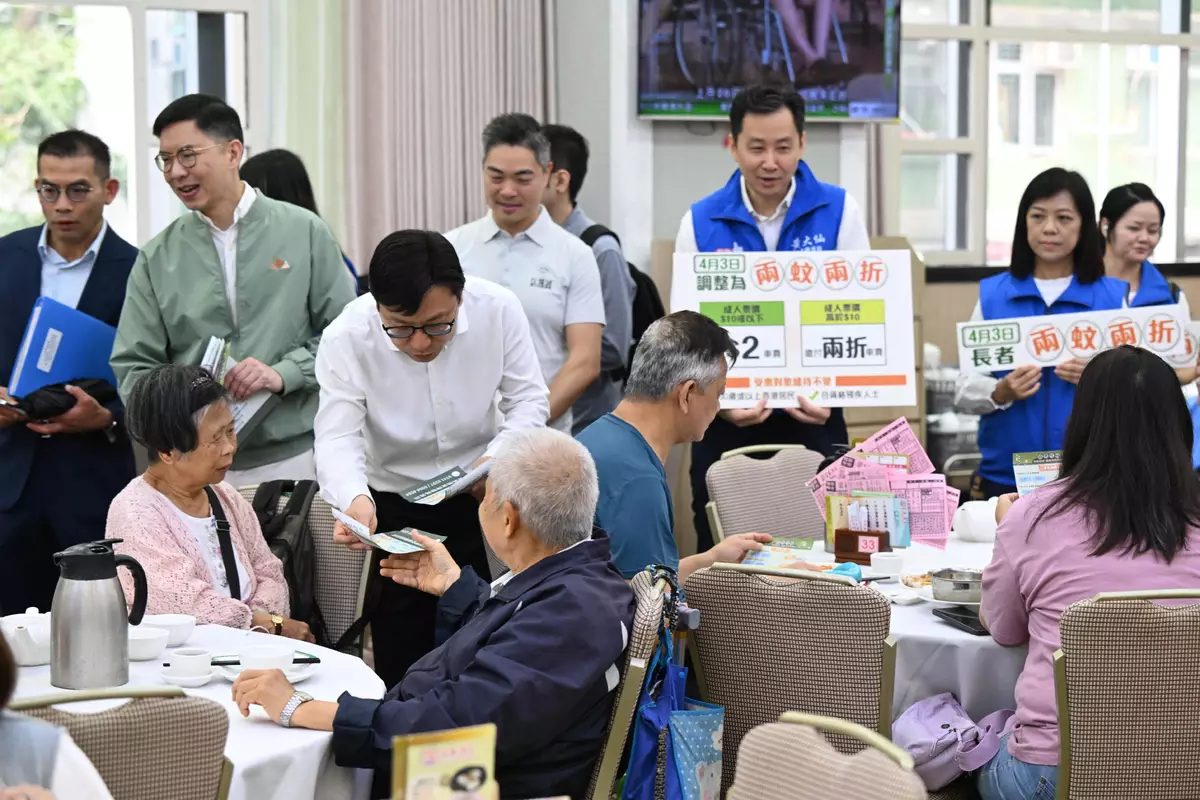
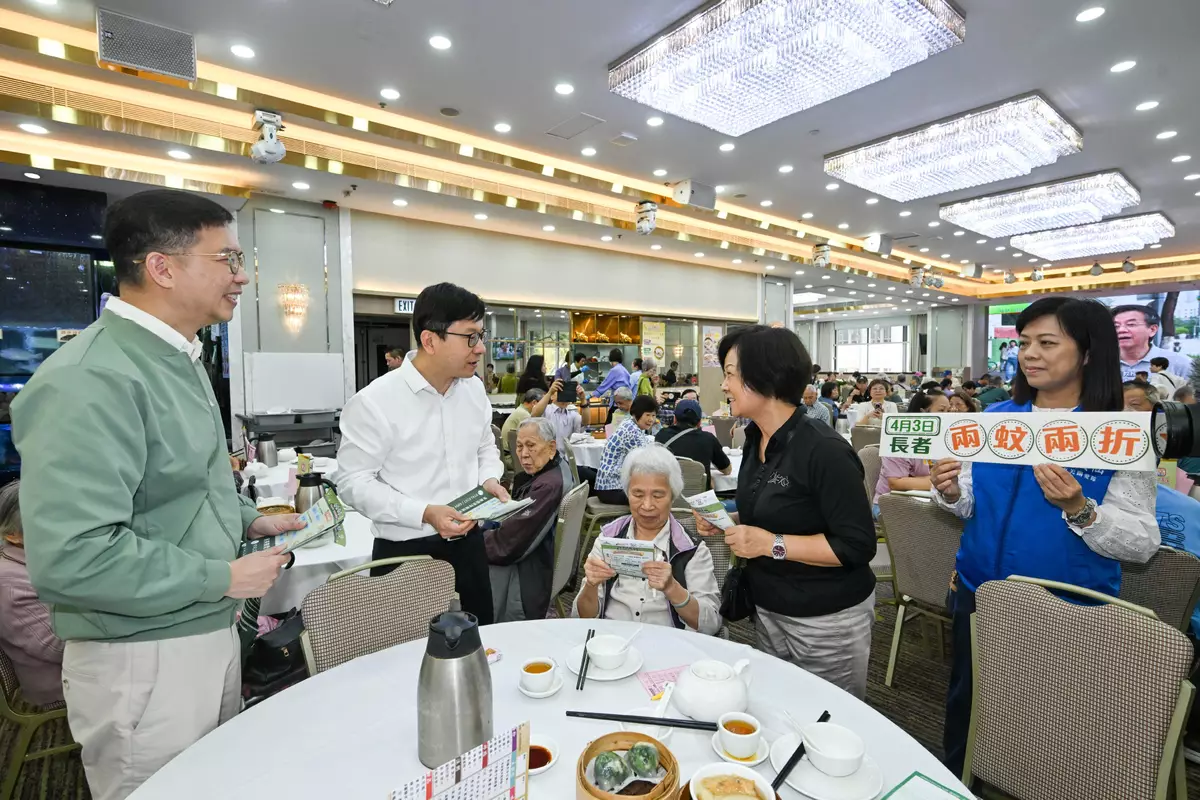
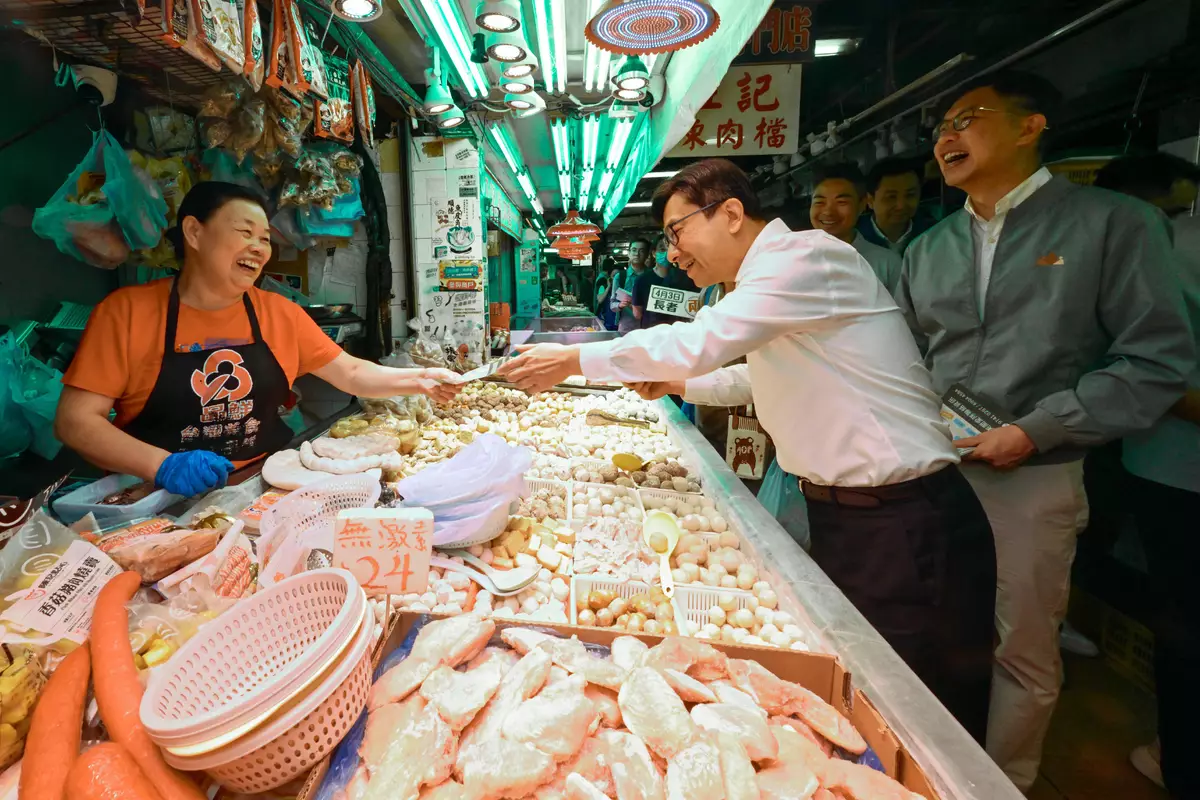
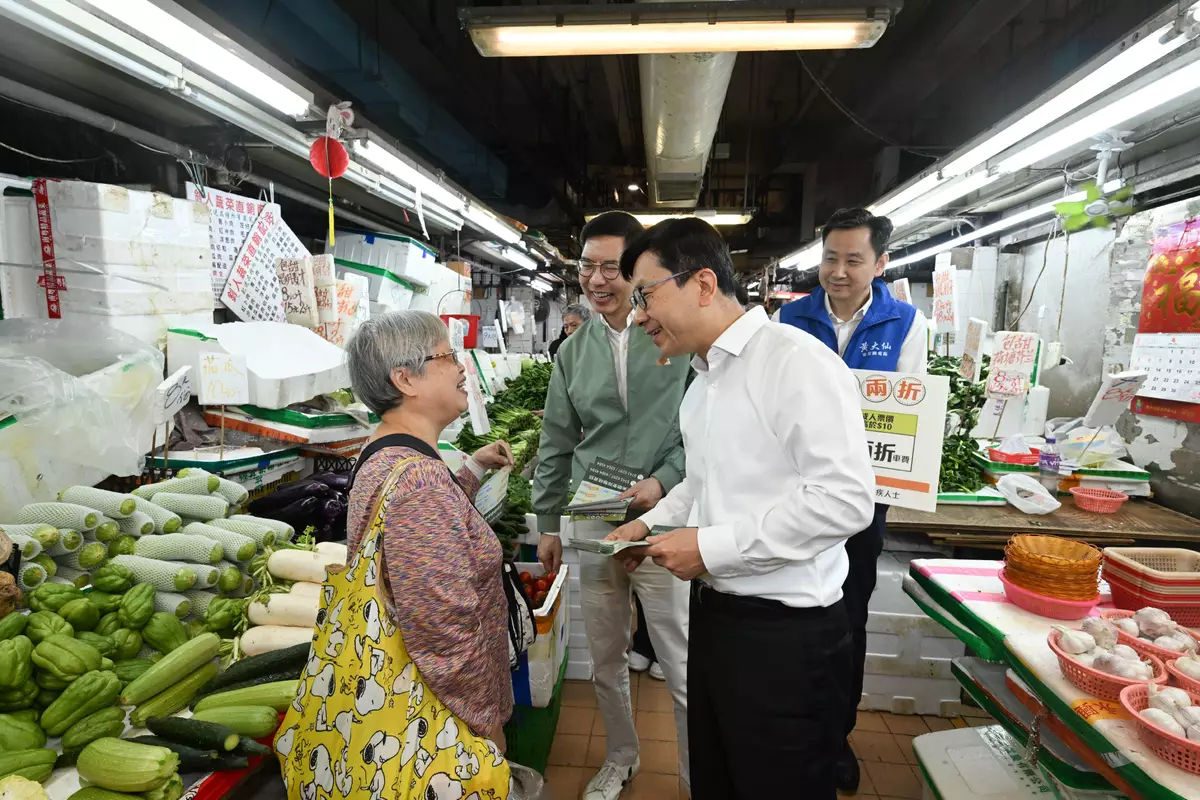
So far, based on our territory-wide promotion, and also my own personal contact with the elderly through my visit to Wong Tai Sin including a public market and a restaurant, most of them are familiar with the operation of the "$2 flat rate or 80 per cent discount". They know the operation is very straightforward, for any fare that is at $10 or below, they still just need to pay $2. For fare that is over $10, the elderly just bare 20 per cent of the cost, and the rest of the fare will be borne by the Government. I gave them an example, for a bus fare that charges an adult for $15, the elderly people with JoyYou card would only have to pay $3, i.e. 20 per cent of the fare.
So, apart from today, we are also going to step up our promotion through television, radio and posters which have been posted all around Hong Kong. Also, as you can see, in 75 spots in Hong Kong, we are stationing the ambassadors for a total of three weeks. They are in the spots to help answer questions about the "$2 flat rate or 80 per cent discount". Apart from that, we have had the support of district councillors, Care Team members, and also staff of our welfare NGOs (non-governmental organisations). They are using their own ways to explain the operation of the "$2 flat rate or 80 per cent discount". We are pretty confident that the scheme is now being launched smoothly, and for those who will be using the new arrangement, they know about the operation.
Thank you very much.
(Please also refer to the Chinese portion of the remarks.)
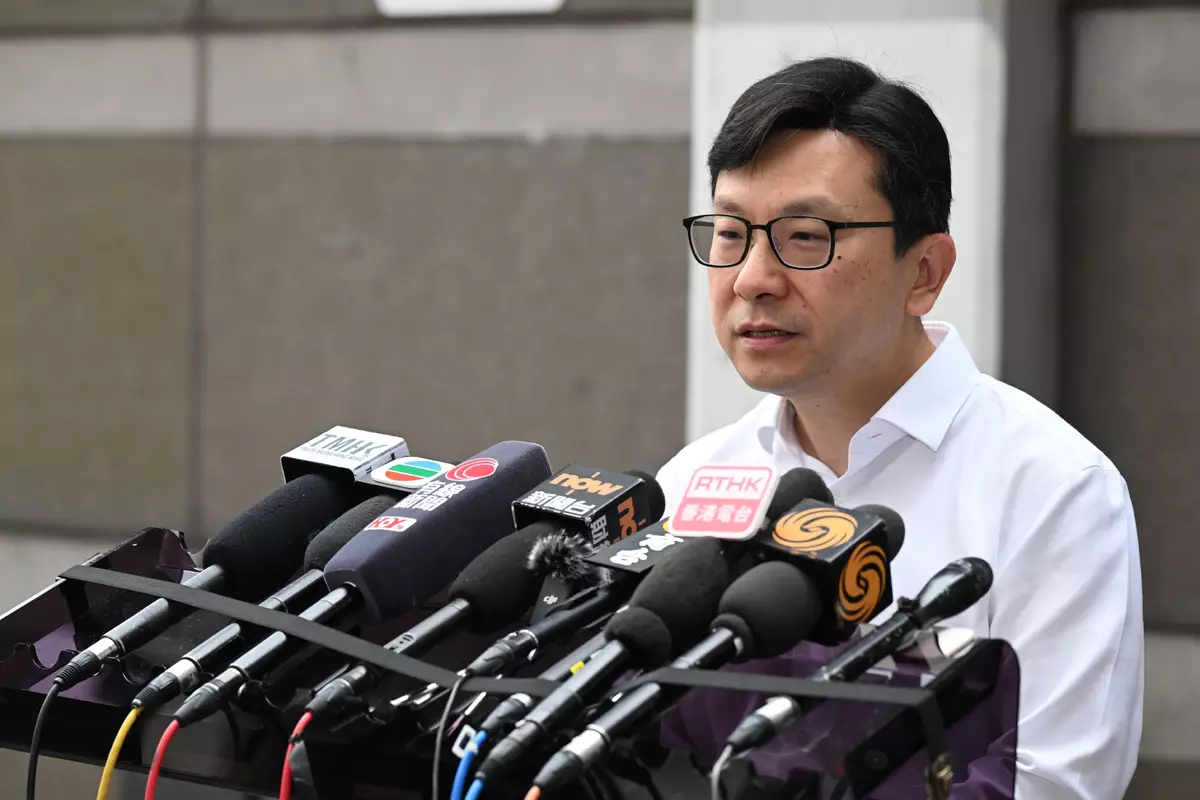
Remarks by SLW at media session (with photos/video) Source: HKSAR Government Press Releases
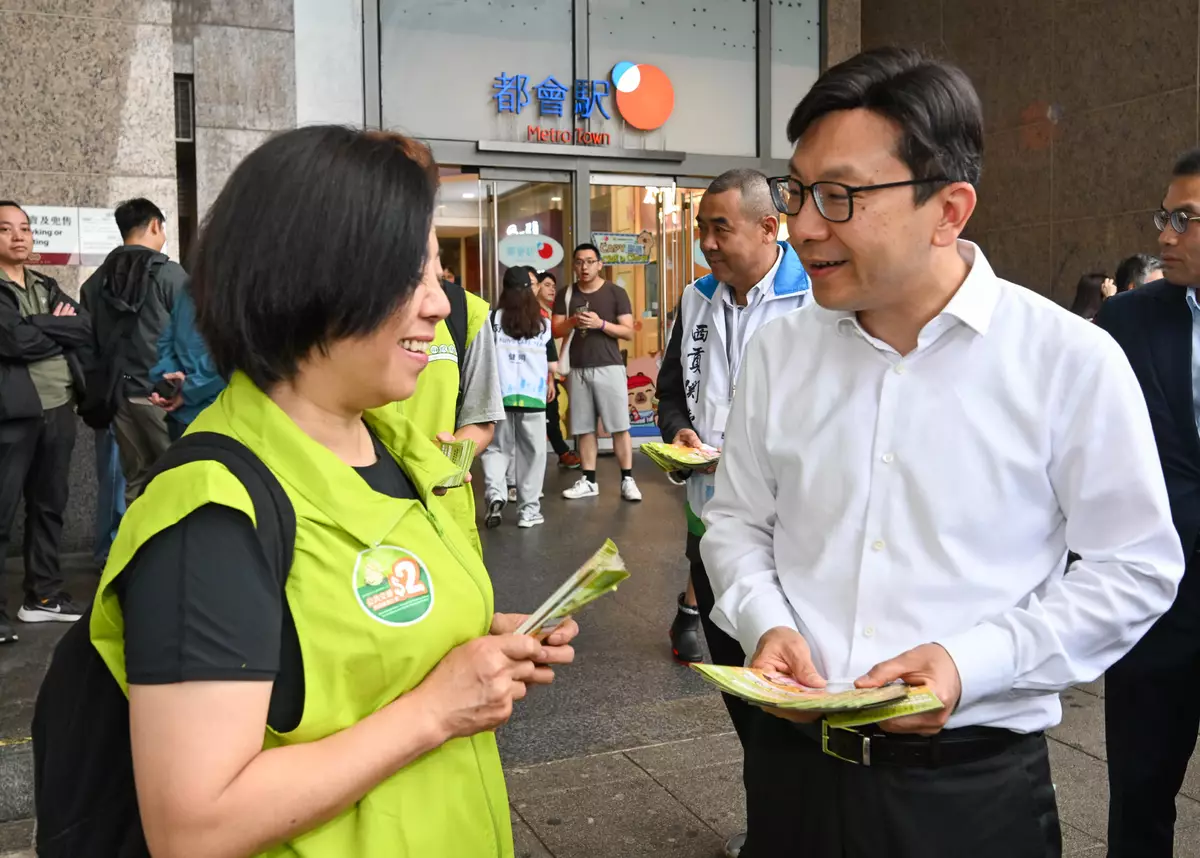
Remarks by SLW at media session (with photos/video) Source: HKSAR Government Press Releases
Remarks by SLW at media session (with photos/video) Source: HKSAR Government Press Releases
Remarks by SLW at media session (with photos/video) Source: HKSAR Government Press Releases
Remarks by SLW at media session (with photos/video) Source: HKSAR Government Press Releases

Remarks by SLW at media session (with photos/video) Source: HKSAR Government Press Releases
Remarks by SLW at media session (with photos/video) Source: HKSAR Government Press Releases
Remarks by SLW at media session (with photos/video) Source: HKSAR Government Press Releases
Remarks by SLW at media session (with photos/video) Source: HKSAR Government Press Releases
Remarks by SLW at media session (with photos/video) Source: HKSAR Government Press Releases