CHP investigates two epidemiologically linked food poisoning clusters
The Centre for Health Protection (CHP) of the Department of Health is today (February 3) investigating two epidemiologically linked food poisoning clusters affecting a total of six persons. The CHP reminded the public to maintain personal, food and environmental hygiene to prevent foodborne diseases.
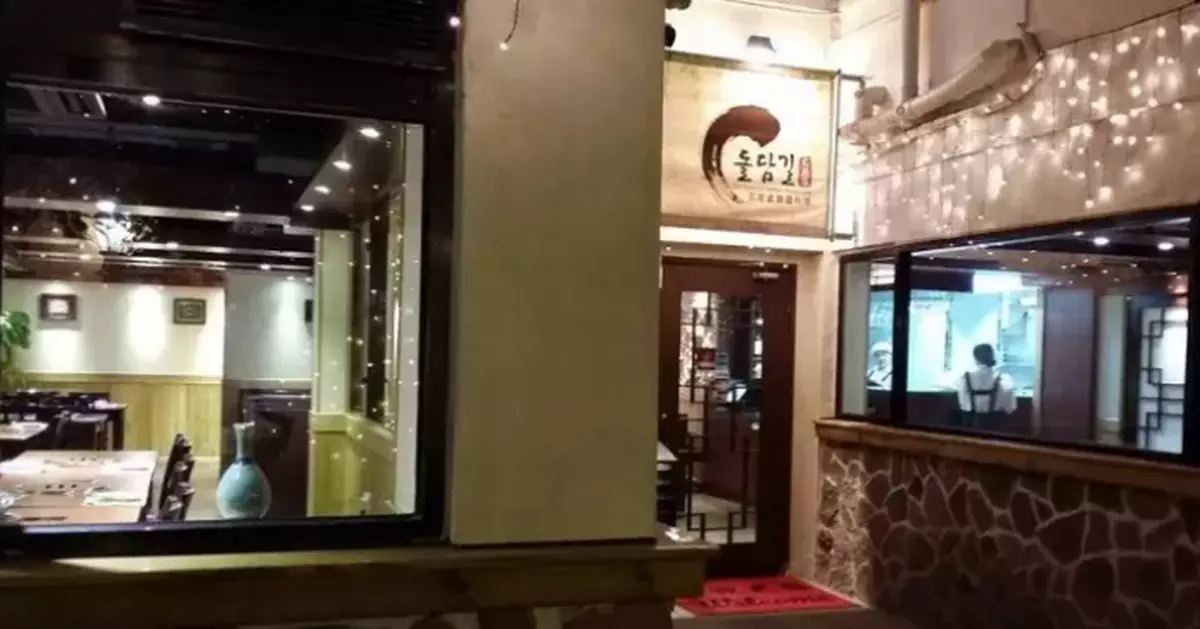
The clusters involve two males and four females aged between 21 and 26. They developed diarrhoea, abdominal pain, vomiting, nausea and fever about 20 to 35 hours after having dinner at Dol Dam Gil Korean Restaurant located at Shop 20, 22, G/F, Wing Lee Building, 27-33 Kimberley Road, Tsim Sha Tsui, on January 28 and 29 respectively.
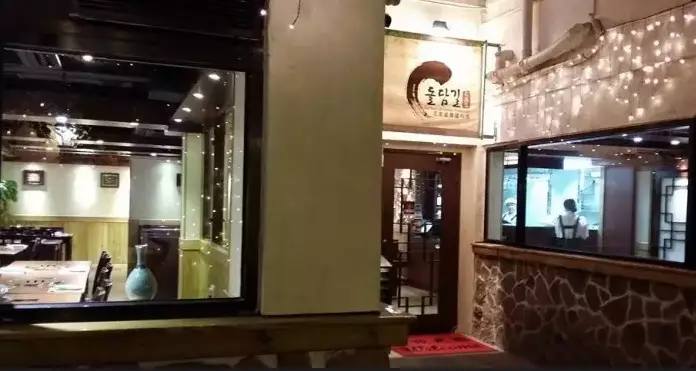
The Dol Dam Gil Korean Restaurant, Photo source: FB image
Five of the affected persons sought medical advice but did not require hospitalisation.All of the affected individuals are currently in stable condition.
A preliminary investigation revealed that pre-shucked oysters and soy sauce marinated crab were the food items that the affected individuals had in common at the aforementioned restaurant. Officers of the CHP and the Food and Environmental Hygiene Department (including personnel of the Centre for Food Safety (CFS) and the Environmental Hygiene Branch) conducted a joint investigation and examined the handling processes and food hygiene at the restaurant. Environmental samples were also collected for testing. The CFS's field investigation revealed that the affected persons may have contracted food poisoning from consuming raw food. The CFS immediately instructed the premises concerned to suspend serving the incriminated food items and to carry out cleaning and disinfection of the premises. The officers have also provided health education related to food safety and environmental hygiene to the staff of the premises.
The investigation of the CHP and the CFS is ongoing.
To prevent foodborne diseases, members of the public are reminded to maintain personal, food and environmental hygiene at all times. When dining out, one should:
- Avoid eating raw seafood;
- Be a discerning consumer in choosing cold dishes, including sashimi, sushi and raw oysters at a buffet;
- Choose pasteurised eggs, egg products or dried egg powder for dishes that often use undercooked eggs;
- Patronise only reliable and licensed restaurants;
- Ensure food is thoroughly cooked before eating during a hotpot or barbecue meal;
- Handle raw and cooked foods carefully and separate them completely during the cooking process;
- Use two sets of chopsticks and utensils to handle raw and cooked foods;
- Avoid patronising illegal food hawkers;
- Drink boiled water;
- Susceptible populations, including those with weakened immunity, the elderly, pregnant women and young children, are at a higher risk of foodborne diseases, so they should not consume raw or undercooked foods;
- Refrain from trying to use salt, vinegar, wine or wasabi to kill bacteria as they are not effective; and
- Always wash hands before eating and after going to the toilet.
The Centre for Food Safety (CFS) & the Food and Environmental Hygiene Department, Photo source: reference image