The European Union (EU) reached an agreement on the details of a 90-bln-euro loan package to support Ukraine, according to a statement released by the European Commission on Wednesday.
The Commission said that representatives of EU member states to the EU held a closed-door meeting in Brussels on the same day, during which they discussed a financial assistance plan previously proposed by the Commission.
The plan prepares to provide Ukraine with 90 billion euros in loans over the 2026–2027 period.
After discussion, the representatives reached consensus on the key details of the loan package.
While the full terms of the plan have not yet been made public, the Commission stated that 60 billion euros of the funds will be allocated to Ukraine's defense needs, while the remaining 30 billion euros will support the country's overall state budget.
After months of negotiations, the EU has so far failed to reach an agreement on using frozen Russian assets in the bloc to finance assistance to Ukraine.
At an EU summit held in December last year, EU leaders agreed to provide aid to Ukraine through joint EU borrowing. The European Commission formally put forward the loan proposal on January 14.
The plan still requires approval from the European Parliament. The Commission said it hopes that the Parliament will give tis approval as soon as possible, allowing the EU to begin borrowing on financial markets and to provide the first batch of loan to Ukraine in early April.
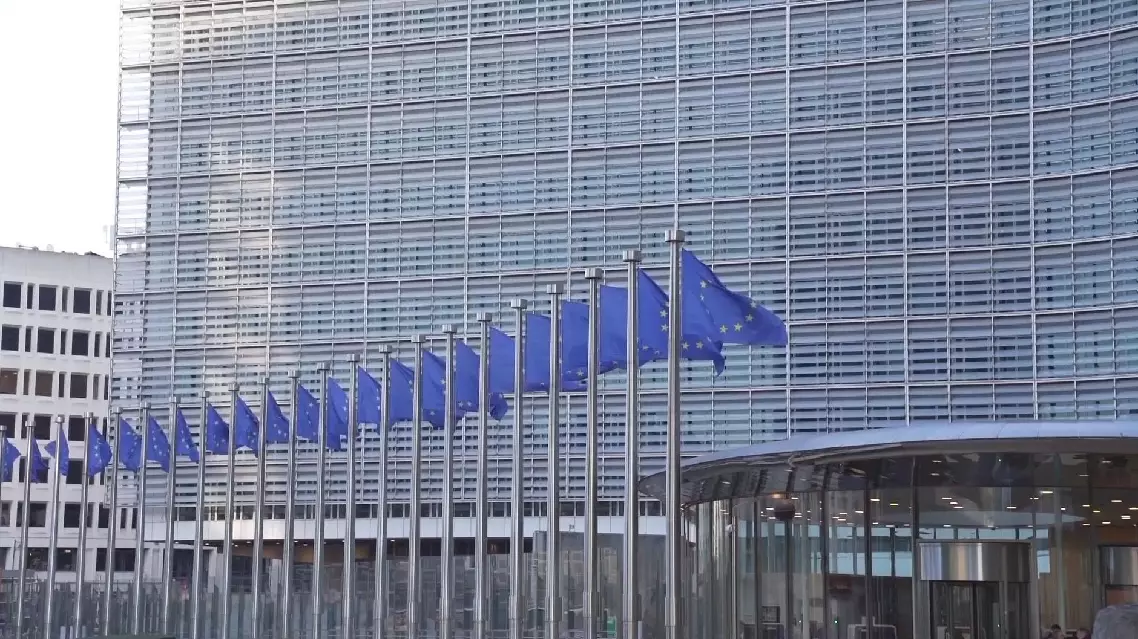
EU agrees details of 90-bln-euro loan package for Ukraine
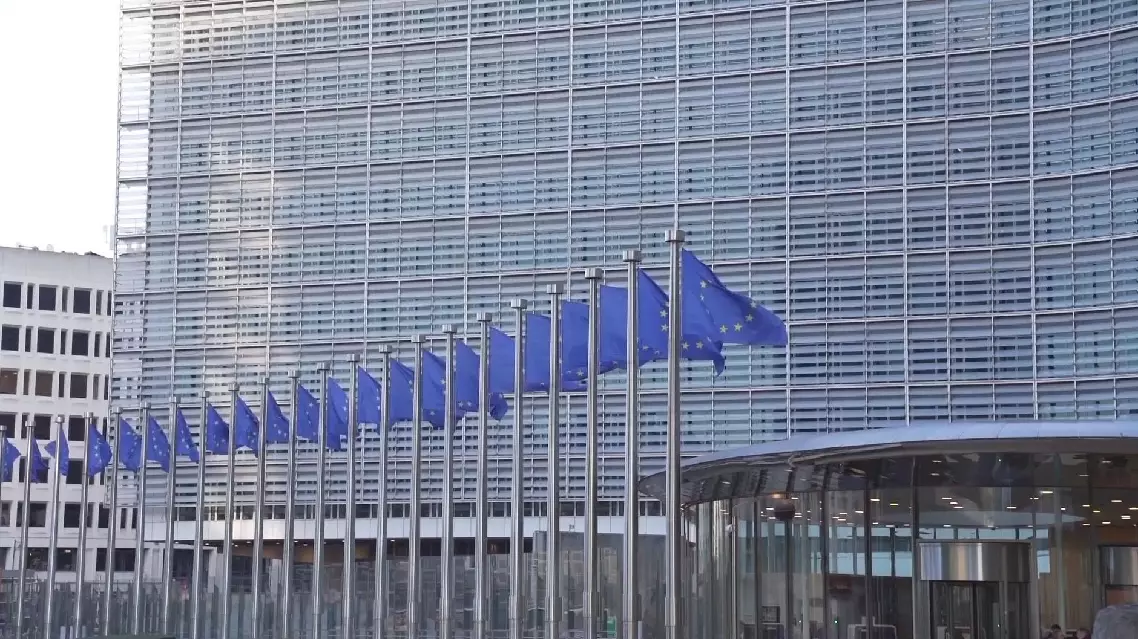
EU agrees details of 90-bln-euro loan package for Ukraine
Polish citizens are feeling the squeeze of surging energy costs, as the conflict in the Middle East continues to roil the international energy market,
In Poland, rising fuel prices are gradually making their way into everyday life and the real economy. Many residents said higher energy costs are taking a heavy toll.
"I do think about this issue more and try to reduce my fuel consumption. Overall, everything happening right now is unsettling," said Pawel, a Warsaw resident.
"I really feel it. Prices have gone up a lot. We're trying to cope and can manage for now. Taxi fares haven't increased yet, but it's definitely getting harder," said Wiktor, another resident.
"Of course it has affected us. Because fuel prices have gone up, everything else is more expensive and costs more now," said Anita, another local resident.
Meanwhile, those working in the transport and service sectors said rising oil prices are directly impacting their businesses.
"The courier industry, like most taxi drivers, is soon going to face closure and be forced out of business. I used to drive international long-distance buses, and honestly, some people in that sector are also thinking about quitting," said Michal, another Warsaw resident.
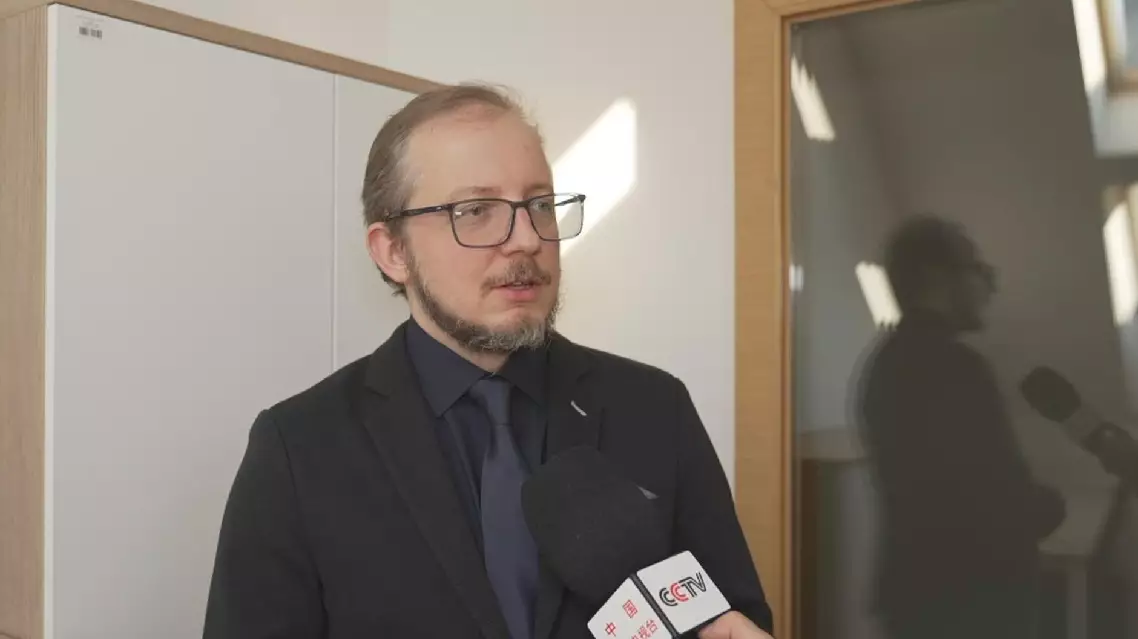
Lukasz Goczek, a professor from the Department of Macroeconomics and Theory of Foreign Trade at the University of Warsaw, said the continued shipping disruptions in the Strait of Hormuz, a vital global energy corridor, could leave global energy prices elevated for a long time, heavily impacting the world economy.
"Iran has this huge leverage. It's got the whole world in a chokehold because 20 percent of oil that's transported in the world goes through the Strait. It obviously means that the price of energy is going to increase. We see it at the petrol stations," said Goczek.
Goczek also noted that U.S. and Israeli military actions against Iran have dealt a serious blow to the international order.
"I think that's pretty much, by now, the international law. If it's not that, it's definitely very, very illegal. There wasn't any reason for war. It just straightforwardly began without any warning. So it was much of a surprise. We need the international order to have peace, to prosper, to have trade," said Goczek.
Rising energy costs squeeze Polish households, businesses