SAN FRANCISCO (AP) — The Golden State Warriors found their dependable big man by acquiring Kristaps Porzingis from Atlanta and granted forward Jonathan Kuminga his wish to be traded while also dealing guard Buddy Hield to the Hawks, according to a person with knowledge of the swap.
The person spoke to The Associated Press on condition of anonymity Wednesday night because the trade had not yet been approved by the league.
Kuminga sat out Tuesday night's 113-94 loss to the Philadelphia 76ers because of a bone bruise in his left knee, his fifth straight missed game.
The Hawks had listed Porzingis — who has recently missed time with an Achilles tendon injury — as questionable for Thursday's game against Utah because of an illness. Atlanta also acquired center Jock Landale from the Jazz, a person with knowledge of the trade told the AP.
In mid-January, Warriors coach Steve Kerr spoke with Kuminga about being out of the rotation for more than a month and the expectation that he would be traded. However, general manager Mike Dunleavy said on Jan. 20 after Jimmy Butler's season-ending knee injury that there wasn't an immediate indication other teams were interested in Kuminga.
“As far as the demand, I’m aware of that,” Dunleavy said, referencing Kuminga's trade request. “I think when you, in terms of demands, when you make a demand, there needs to be a demand on the market. So we’ll see where that unfolds.”
Kerr discounted any issues between him and Kuminga as the reason the high-flying forward requested a trade after not being used in 17 of 18 games — though he has been listed as injured for nine games this season.
A 23-year-old from the Democratic Republic of the Congo and Golden State's seventh overall pick in the 2021 draft, Kuminga appeared in 20 games this season with 13 starts, averaging 12.1 points, 5.9 rebounds and 2.5 assists.
On Sept. 30, he agreed to a two-year contract that could be worth up to $46.5 million if the team were to exercise its option for 2026-27. Kuminga had a $7.9 million qualifying offer in hand since June 29 but was also weighing other options and he missed the team's media day.
Kuminga missed much of last season with a right ankle injury. He averaged 15.3 points, 4.6 rebounds and 2.2 assists in 24.3 minutes over 47 games with 10 starts. He also scored 15.3 points per game over eight playoff games while shooting 48.4% from the floor and making 40% of his 3-point attempts. That included a career-best 30-point performance in Game 3 of the Western Conference semifinals against the Minnesota Timberwolves last May.
The 7-foot-2 Porzingis is averaging 17.1 points, 5.1 rebounds and 2.7 assists. The Warriors will be the sixth team in 10 seasons for the 30-year-old Latvian nicknamed “The Unicorn” for his combination of length and outside shooting touch.
AP Sports Writer Charles Odum in Atlanta contributed to this report.
AP NBA: https://apnews.com/NBA
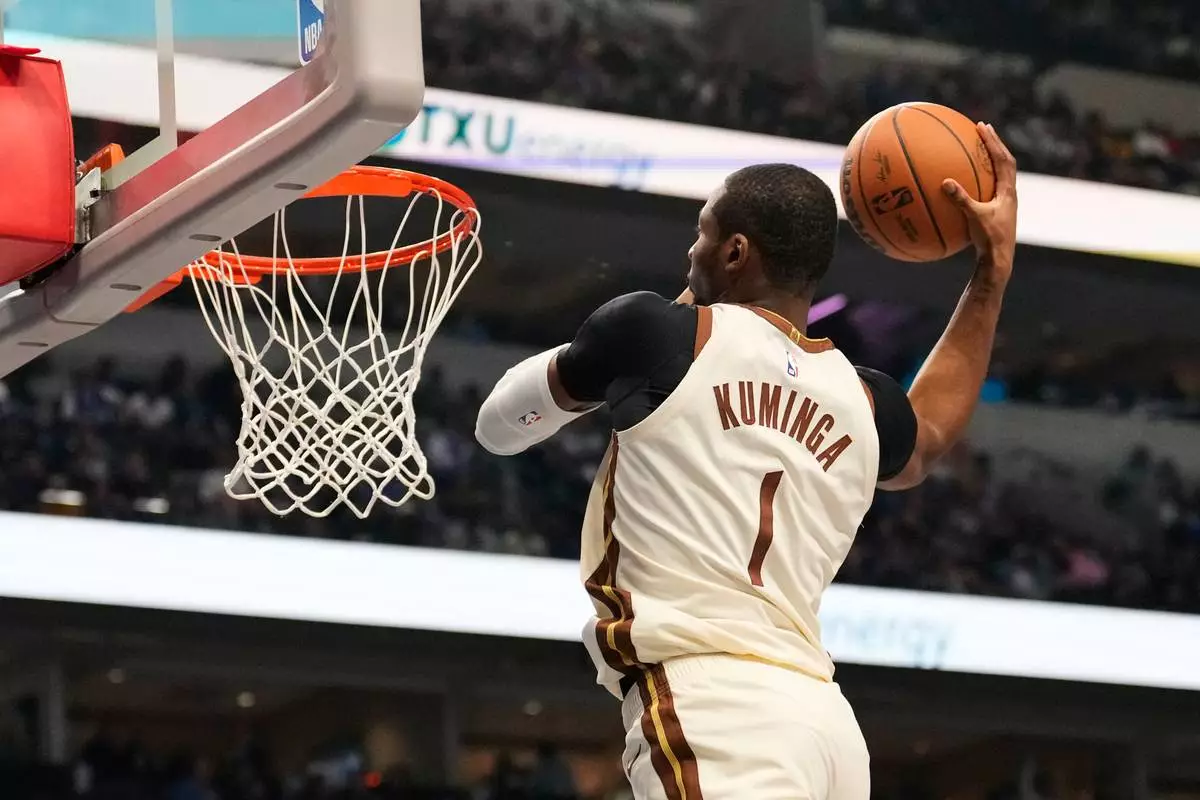
Golden State Warriors forward Jonathan Kuminga (1) winds up to dunk in the first half of an NBA basketball game against the Dallas Mavericks in Dallas, Thursday, Jan. 22, 2026. (AP Photo/Tony Gutierrez)
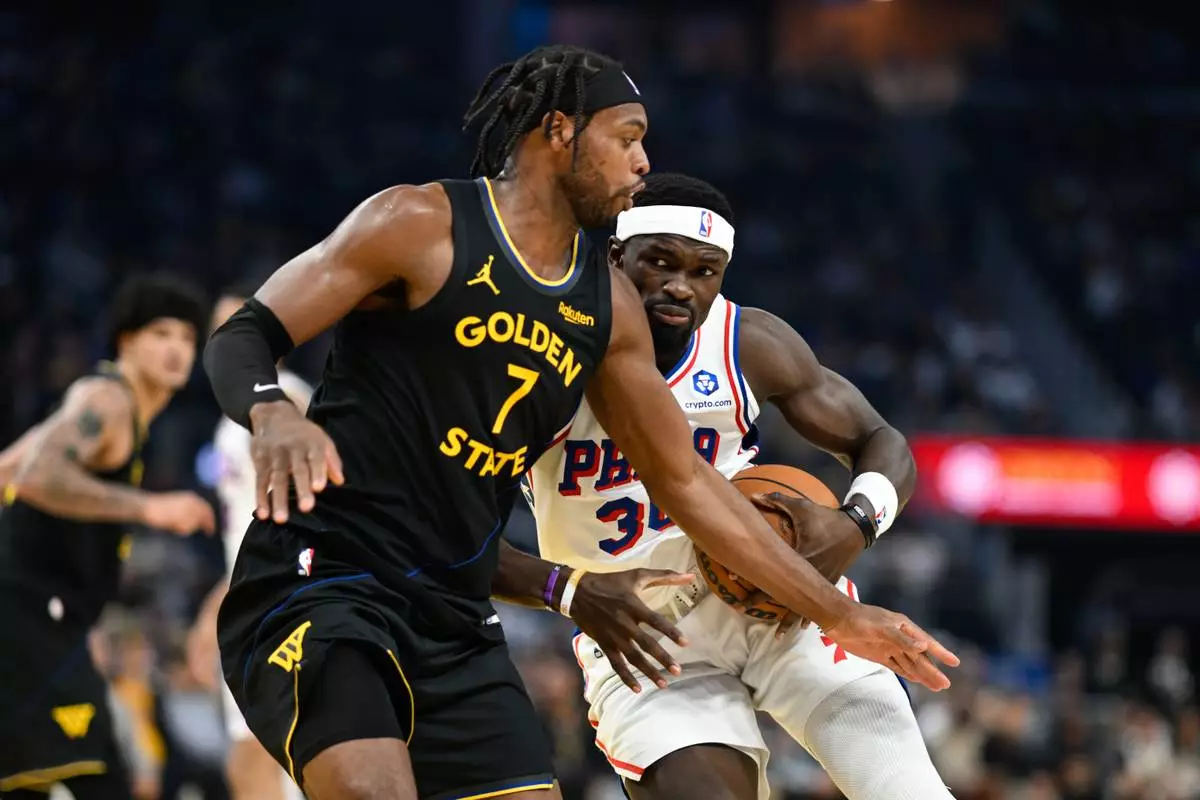
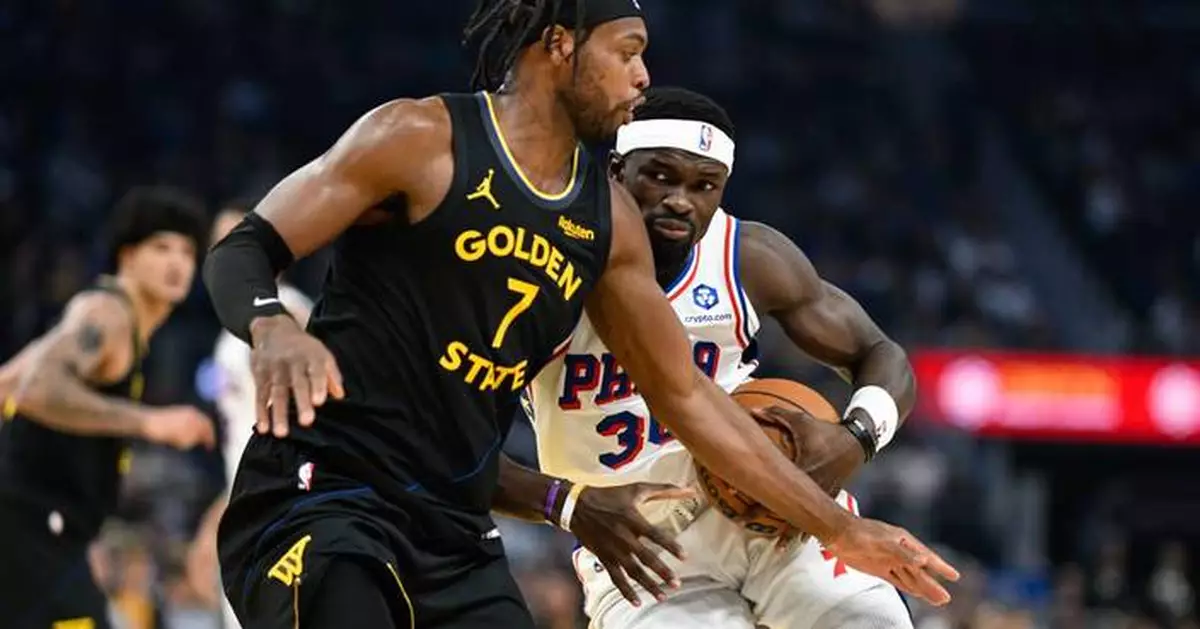
Philadelphia 76ers center Adem Bona (30) drives to the basket against Golden State Warriors guard Buddy Hield (7) during the first half of an NBA basketball game, Tuesday, Feb. 3, 2026, in San Francisco. (AP Photo/Eakin Howard)
NASHVILLE, Tenn. (AP) — A new Tennessee law has eased up on two longstanding financial hurdles for people with felony sentences who want their voting rights back, including a unique requirement among states that they must have fully paid their child support costs.
The Republican-supermajority Legislature approved the Democratic-sponsored change, which now lets people prove they have complied for the last year with child support orders, such as payment plans. The legislation also unties the payment of all court costs from voting rights restoration.
Advocates for years have sought various changes to Tennessee’s voting rights restoration system at the statehouse and in court. They say loosening these two rules marks the biggest rollback of restrictions to voting rights restoration in decades.
“This is huge and this is history,” said Keeda Haynes, senior attorney for the advocacy group Free Hearts led by formerly incarcerated women like her.
Most Republicans voted for it and Democrats supported it unanimously. The law took effect immediately upon Republican Gov. Bill Lee's signature last week.
“I think people are at a point where they want to just remove the barriers out of the way and allow people to be fully functional members of society,” said Democratic House Minority Leader Karen Camper, a bill sponsor.
In 2023 and early 2024, the state shelved a paperwork process that didn’t require going to court and decided gun rights were required to restore the right to vote. Election officials said a court ruling made the changes necessary, though voting rights advocates said officials misinterpreted the order.
Last year, lawmakers untangled voting and gun rights. But voting rights advocates opposed some of the bill's other provisions, such as keeping the process in the courts, where costs can rack up if someone isn't ruled indigent.
Easing up on the financial requirements uncommonly split legislative Republicans. For instance, Senate Speaker Randy McNally voted against it, while House Speaker Cameron Sexton supported it, noting that people aren't getting forgiveness on making their payments.
“They need to continue paying that, and as long as they do, then there’s a possibility (to restore their voting rights)," Sexton said. "I really think that’s harder for people to argue against than maybe what something else was.”
Republican Rep. Johnny Garrett, who voted no, said in committee his vote would hinge on whether “there still can be an (child support) arrearage owed beyond that 12 months.”
For some, backed-up child support payments could reach hundreds or thousands of dollars, and court costs could be hundreds or thousands more, said Gicola Lane, Campaign Legal Center's Restore Your Vote community partnership senior manager.
Advocates credited their narrowed focus, omitting goals such as automatic restoration of rights, no longer tying restitution payments to voting rights, or offering a path for certain people to restore their right who are permanently disenfranchised, including those convicted of voter fraud or most murder charges.
The bill passed the Senate last year and the House this year.
Lawmakers gave the child support requirement final passage in 2006 within an overhaul bill that also created a voting rights restoration process outside of court. Critics said the child support rule penalized impoverished parents.
Democrats were then narrowly hanging onto legislative leadership in both chambers. Republicans held a slim Senate majority but GOP defectors voted for a Democratic speaker.
Last year marked the dismissal of a nearly five-year-old federal lawsuit over Tennessee’s voting-rights restoration system. Free Hearts and the Campaign Legal Center represented plaintiffs in the long-delayed case, which saw some election policy changes along the way.
Roughly 184,000 people have completed supervision for felonies and their offenses don't preclude them from restoring their voting rights, according to a plaintiffs expert’s 2023 estimate in the lawsuit. About one in 10 were estimated to have outstanding child support payments, and more than six in 10 owed court courts, restitution or both, the expert said.
Both Republican and Democratic-led states have eased the voting rights restoration process in recent years. Some states have added complexities.
In Florida, after voters approved a constitutional amendment in 2018 restoring the right to vote for people with felony convictions, the Republican-controlled Legislature watered that down by requiring payment of fines, fees and court costs.
Voting rights are automatically restored upon release in nearly half of states. In 15 others, it occurs after parole, probation or a similar period and sometimes requires paying outstanding court costs, according to the National Conference of State Legislatures. In Maine and Vermont, people with felonies keep their voting rights in prison, the NCSL says.
Ten other states including Tennessee require additional government action. Virginia ’s governor must intervene to restore voting rights of people convicted of felonies. In some states, including Tennessee, certain conviction types render someone ineligible.
However, Virginia lawmakers this year have passed a proposed state constitutional amendment to ask voters whether they want automatic voting rights restoration after someone is released from prison. Kentucky lawmakers have proposed a similar change for voters' consideration that would automatically restore voting rights after certain completed sentences, including probation.
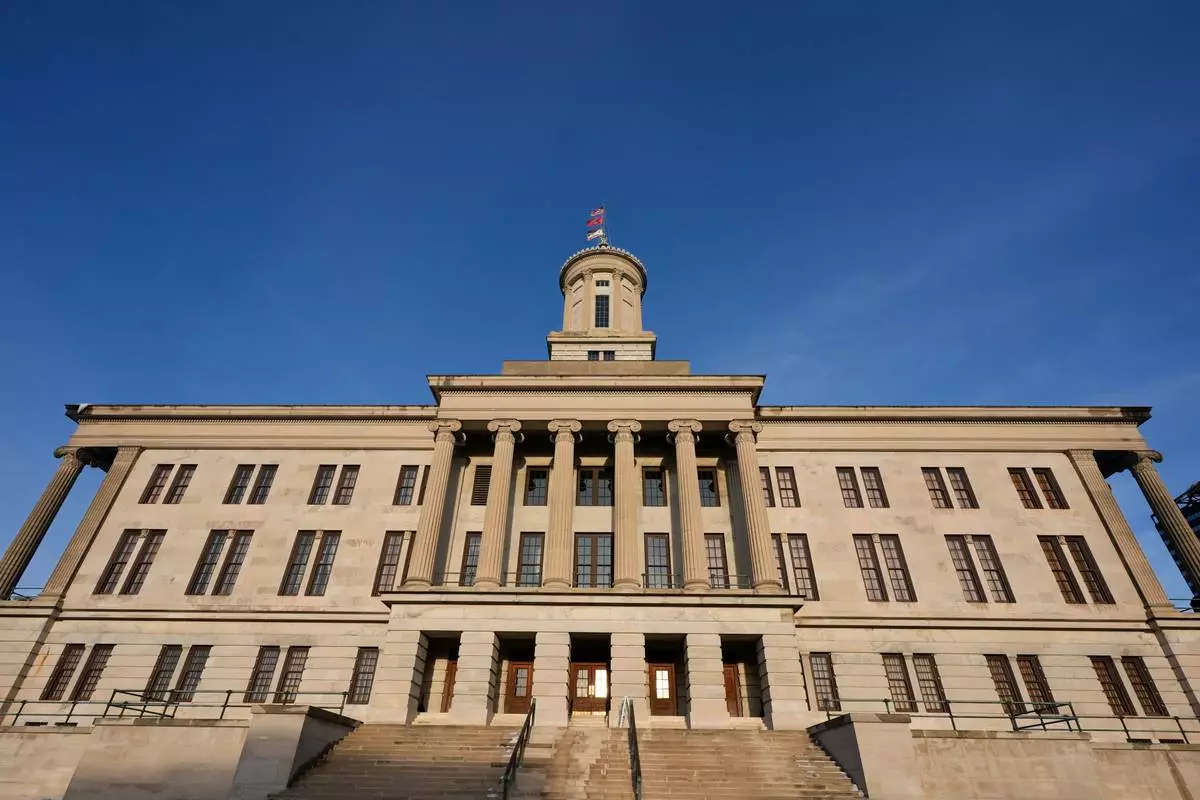
FILE - The Tennessee Capitol is seen, Jan. 22, 2024, in Nashville, Tenn. (AP Photo/George Walker IV, File)