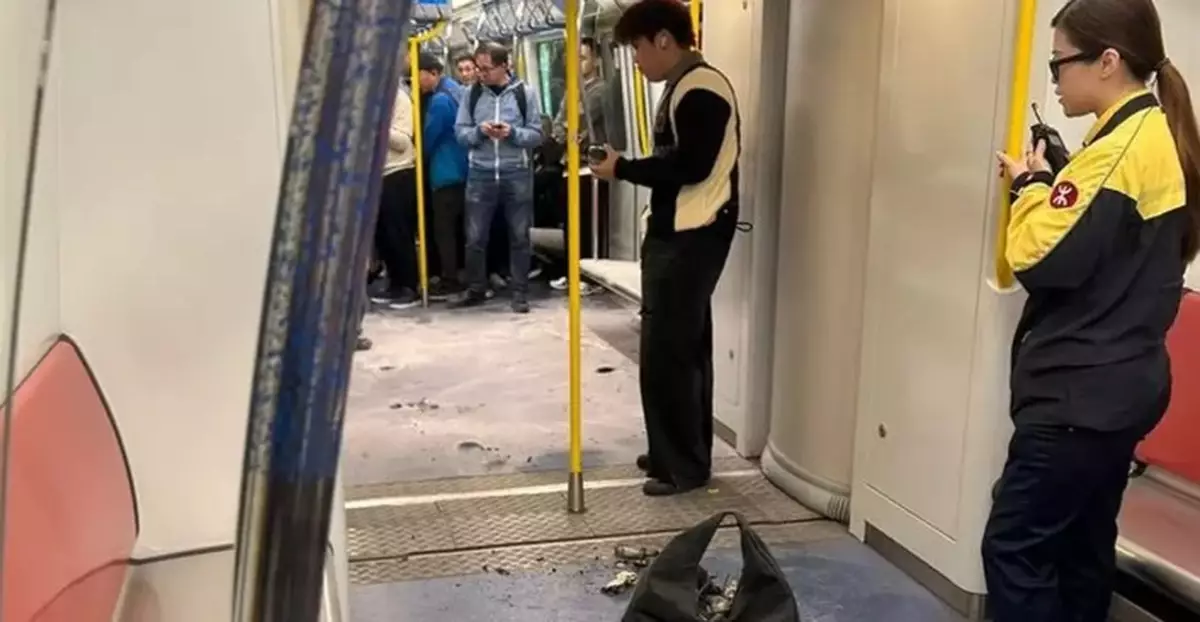
At approximately 8:35 am this morning, a passenger's portable charger caught fire in a MTR carriage at Tsuen Wan West Station, making about 400 passengers disperse to the platform.
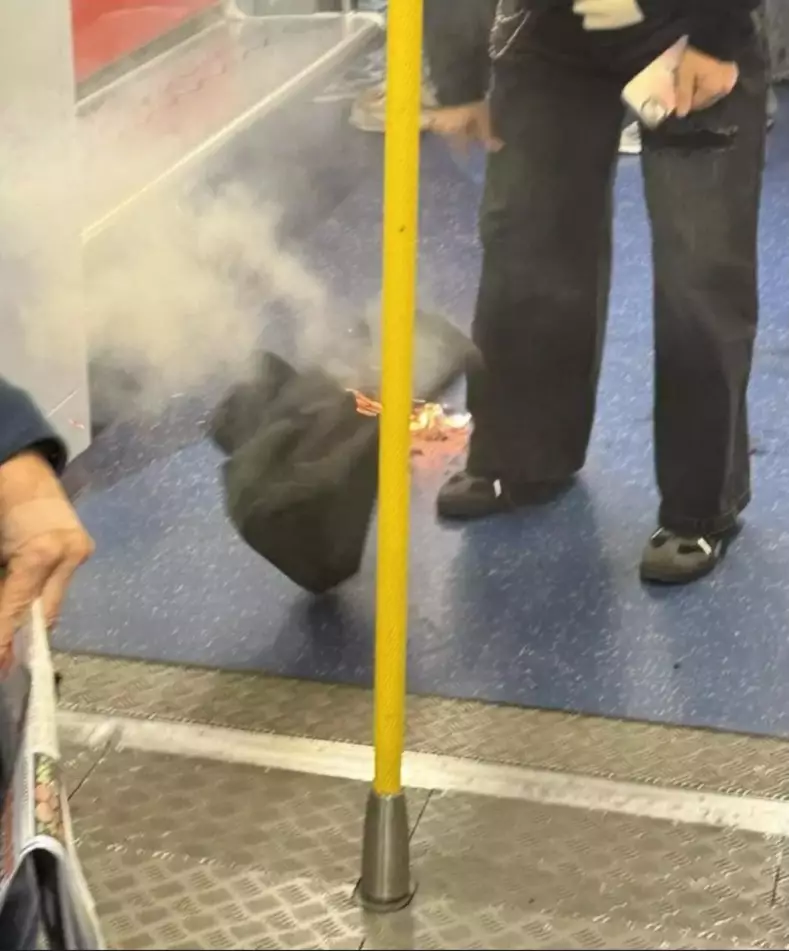
A passenger's portable charger caught fire in a MTR carriage at Tsuen Wan West Station. Photo source: rednote
A passenger shared the on-site experience on the social media platform "rednote", stating that a portable charger exploded and started smoking when the MTR was en route to Tsuen Wan West station. He described the experience as "terrifying for everyone in the carriage... and we cannot get off the MTR immediately." Allegedly, some passengers in the carriage extinguished the fire with fire extinguishers before the firefighters arrived on the scene. After the passengers got off the MTR safely, the firefighters arrived in time.
Click to Gallery
A passenger's portable charger caught fire in a MTR carriage at Tsuen Wan West Station. Photo source: rednote
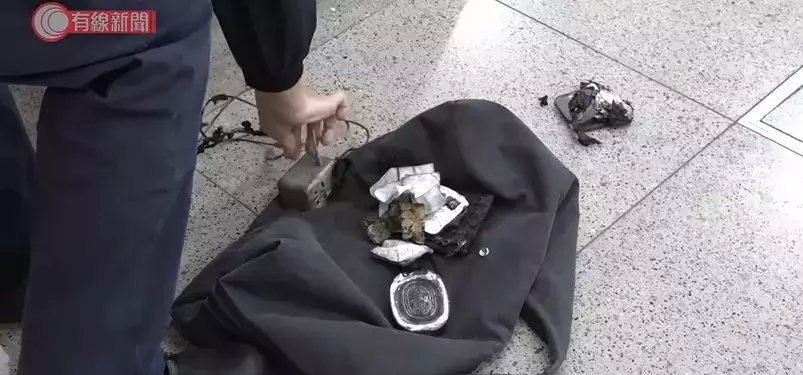
After the fire was totally extinguished, firefighters took the charger to the platform for inspection. Photo souce: i-CABLE News
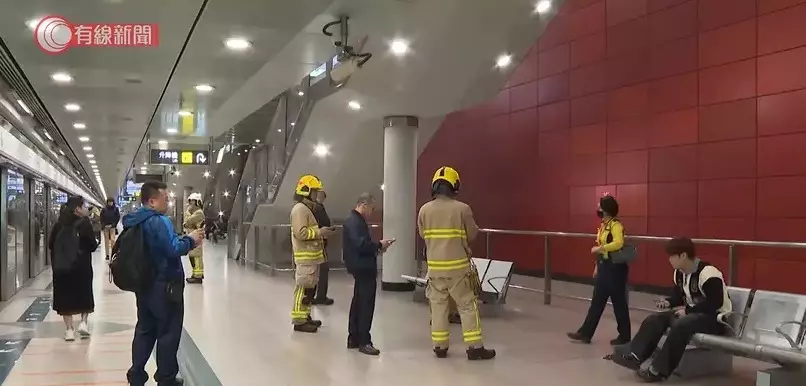
Photo source: i-CABLE News
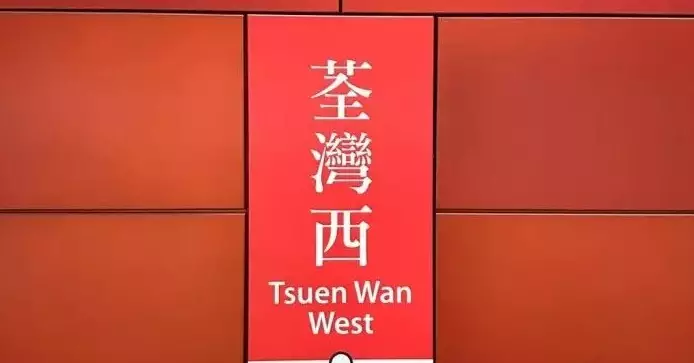
The Tsuen Wan West Station, Photo source: rednote
After the fire was totally extinguished, firefighters took the charger to the platform for inspection. Photo souce: i-CABLE News
Photo source: i-CABLE News
After the fire was totally extinguished, firefighters took the charger to the platform for inspection. According to their preliminary investigation, the reason for the explosion was that the charger became overheated.
The Tsuen Wan West Station, Photo source: rednote
GUWAHATI, India (AP) — A suspected gas explosion collapsed part of a tunnel under construction at a hydropower project in India’s northeastern Himalayan state of Sikkim, leaving at least 12 people dead and 13 missing, officials said Tuesday.
Rescue teams with oxygen gear raced to find survivors Tuesday as toxic levels of gas were detected at the disaster site in Samardung village near the Chinese border.
The blast had ripped through the tunnel Monday while 21 laborers were inside working on the 500-megawatt Teesta hydroelectric project, officials said. Two of them managed to escape. Six power utility officials later entered the tunnel to help in the rescue, but became trapped themselves, officials said.
The explosion was believed triggered by a buildup of methane, said State Chief Minister Prem Singh Tamang, who visited the site Tuesday. Survivors told authorities they heard a loud explosion before debris came crashing through the tunnel, civil official Anupama Tamling said.
Officials had recovered 12 bodies on Tuesday while rescuers from the National Disaster Response Force, or NDRF, raced to reach the 13 people believed to be still trapped.
“We found toxic gases such as methane, carbon monoxide and hydrogen sulfide inside the tunnel,” NDRF official Nitin Kumar said at the scene.
The conditions late Tuesday were so dangerous that, although equipped with oxygen gear, the rescuers could enter the disaster site only for shifts of about 15 minutes at a time, officials said.
Construction accidents are not uncommon in India, where rapid infrastructure growth often collides with fragile geology, construction lapses, extreme weather and safety standards.
In the Himalayan region, fragile mountains, seismic activity and unpredictable underground conditions make tunnel projects especially risky. An explosion inside a coal mine in neighboring Meghalaya state in February killed at least 18 workers. In 2023, a tunnel section in northern Uttarakhand state collapsed, trapping 41 workers for 17 days before they were rescued.
Experts say the Teesta River basin, where the hydropower project is being built, lies in a seismically active region marked by young, fragile rock formations riddled with fractures and underground pockets that can trap ancient gases.
Dr. Devesh Walia, a geology professor at North-Eastern Hill University in Meghalaya, said the area contains relatively young rock formations, some associated with coal-bearing strata.
“It is quite possible that methane along with other gases accumulated underground and may have triggered an explosion,” he said.
Rescue workers carry the body of a victim into an ambulance outside the entrance to an under-construction tunnel at a hydropower project in Samardung village, about 40 kilometers (25 miles) from Gangtok, India, Tuesday, July 21, 2026. (AP Photo)
In this image provided by the Information and Public Relations Department, Government of Sikkim, National Disaster Response Force personnel prepare for a rescue operation at the site of an under-construction tunnel at a hydropower project in Samardung village, about 40 kilometers (25 miles) from Gangtok, India, late Monday, July 20, 2026. (Government of Sikkim via AP)
In this image provided by the Information and Public Relations Department, Government of Sikkim, an ambulance moves through an under-construction tunnel at a hydropower project in Samardung village, about 40 kms. (25 miles) from Gangtok, India, late Monday, July 20, 2026. (Government of Sikkim via AP)
Members of the rescue team carry oxygen cylinders outside the entrance to an under-construction tunnel at a hydropower project in Samardung village, about 40 kilometers (25 miles) from Gangtok, India, Tuesday, July 21, 2026. (AP Photo)