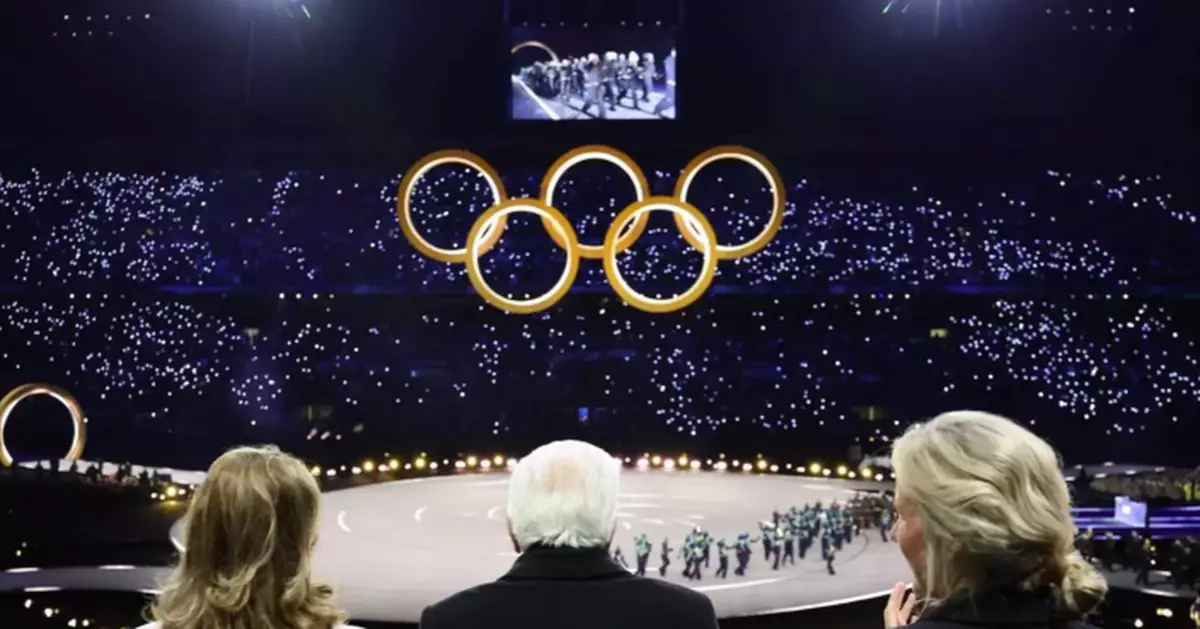
MILAN (AP) — Featuring tributes to da Vinci and Dante, Puccini and Pausini, Armani and Fellini, pasta and vino, and other iconic tastes of Italian culture — plus Mariah Carey hitting all the high notes in “Nel Blu Dipinto Di Blu” aka “Volare” — an unprecedented four-site, dual-cauldron opening ceremony got the Milan Cortina Olympics officially started Friday.
Allowing athletes to participate in the Parade of Nations at the mountain locales for the most spread-out Winter Games in history created what perhaps was an unintended consequence: Zero competitors from any of the first five countries announced actually showed up at the main hub, Milan’s San Siro soccer stadium.
Click to Gallery

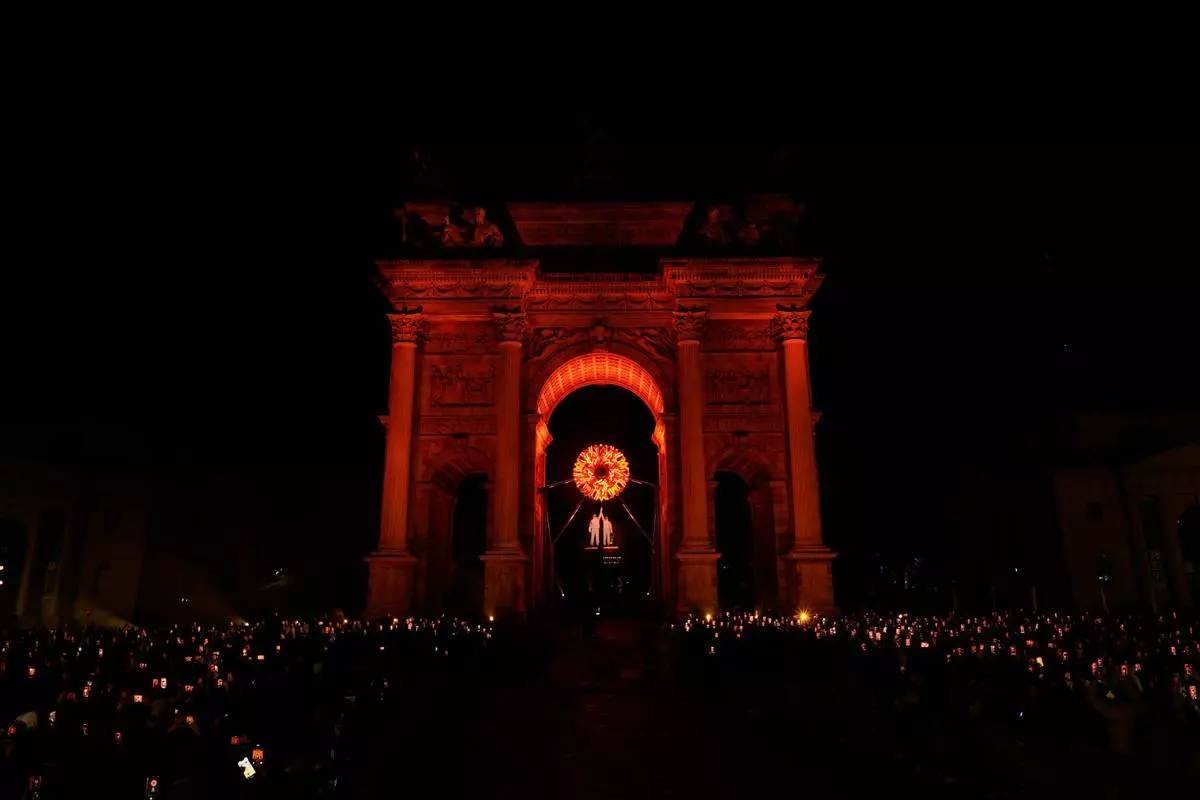
Italian former skier Deborah Compagnoni and Italian former skier Alberto Tomba light the cauldron at the Arco della Pace during the Olympic opening ceremony at the 2026 Winter Olympics, in Milan, Italy, Friday, Feb. 6, 2026. (AP Photo/Loaner12)

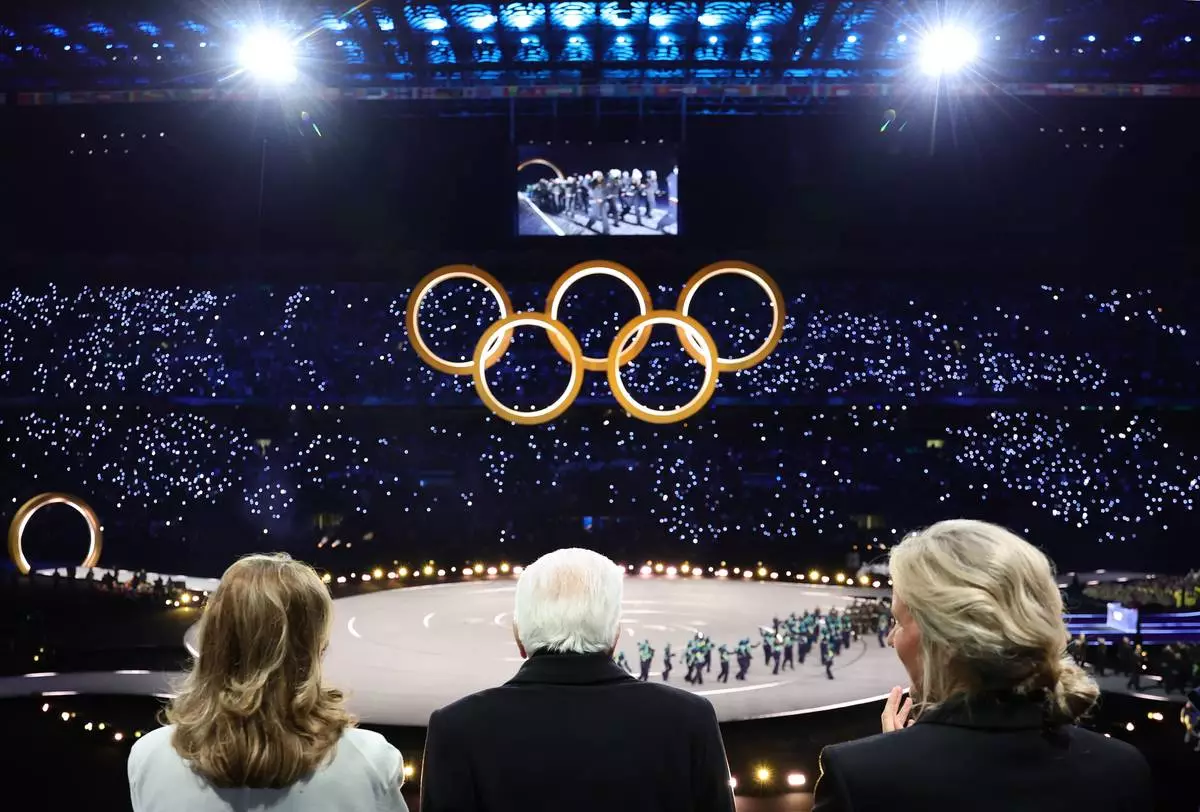
Sergio Mattarella President of Italy, center, his wife Laura Mattarella, left, and Kirsty Coventry President of the IOC attend the Olympic opening ceremony at the 2026 Winter Olympics, in Milan, Italy, Friday, Feb. 6, 2026. (Andreas Rentz/Pool Photo via AP)

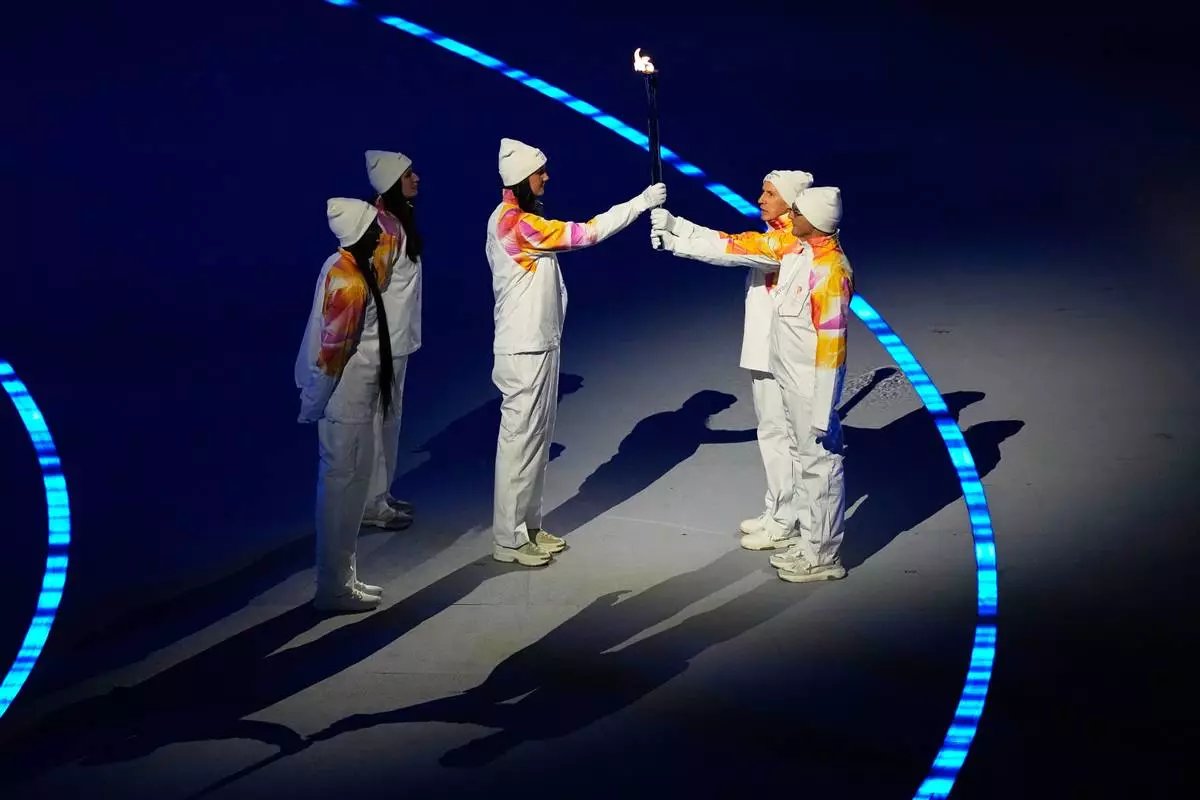
The Olympic torch is passed during the Olympic opening ceremony at the 2026 Winter Olympics, in Milan, Italy, Friday, Feb. 6, 2026. (AP Photo/Petr David Josek)

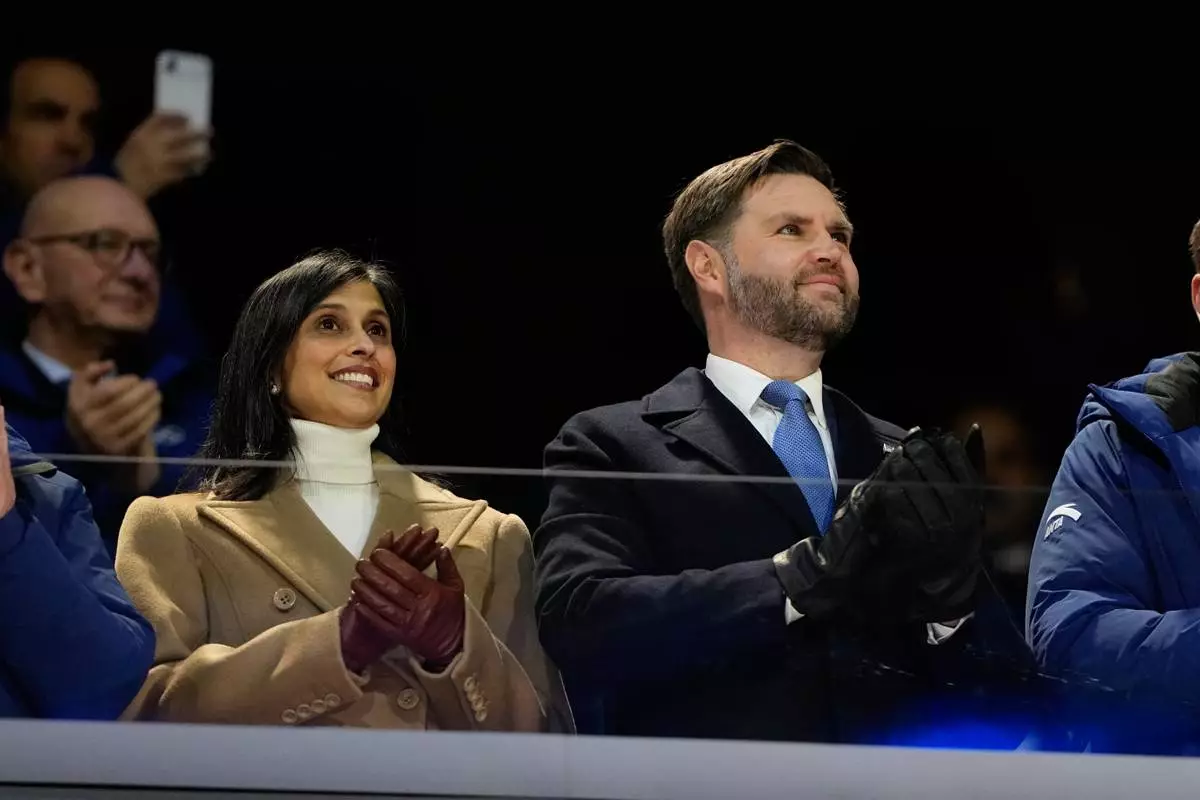
JD Vance and his wife Usha applaud at the start of the Olympic opening ceremony at the 2026 Winter Olympics, in Milan, Italy, Friday, Feb. 6, 2026. (AP Photo/Natacha Pisarenko)

Athletes from France attend the Olympic opening ceremony at the 2026 Winter Olympics, in Milan, Italy, Friday, Feb. 6, 2026. (AP Photo/Petr David Josek)

Mariah Carey performs at the Olympic opening ceremony at the 2026 Winter Olympics, in Milan, Italy, Friday, Feb. 6, 2026. (Andreas Rentz/Pool Photo via AP)

Team South Korea enters the stadium during the Olympic opening ceremony at the 2026 Winter Olympics, in Milan, Italy, Friday, Feb. 6, 2026. (AP Photo/David J. Phillip)

Austria's flag bearers, Anna Gasser and Benjamin Karl enter with the team, during the Olympic opening ceremony, at the 2026 Winter Olympics, in Livigno, Italy, Friday, Feb. 6, 2026. (Cameron Spencer, Pool Photo via AP)

Performers at the Olympic opening ceremony at the 2026 Winter Olympics, in Milan, Italy, Friday, Feb. 6, 2026. (Susana Vera/Pool Photo via AP)
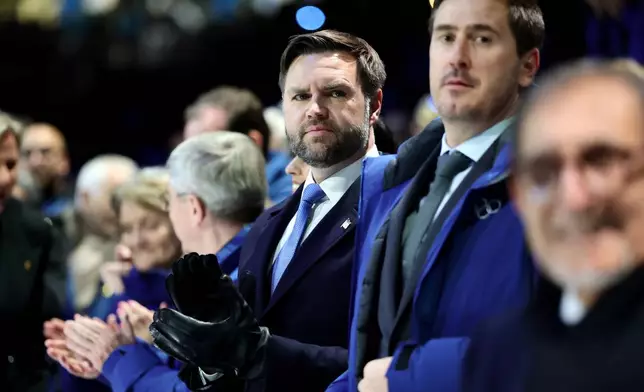
US Vice President JD Vance, center, attends the Olympic opening ceremony at the 2026 Winter Olympics, in Milan, Italy, Friday, Feb. 6, 2026. (Andreas Rentz/Pool Photo via AP)

Models perform during the Olympic opening ceremony at the 2026 Winter Olympics, in Milan, Italy, Friday, Feb. 6, 2026. (AP Photo/Lee Jin-man)

The Italian flag was raised during the Olympic opening ceremony at the 2026 Winter Olympics, in Milan, Italy, Friday, Feb. 6, 2026. (AP Photo/Petr David Josek)

Italian actor Matilda De Angelis, left, performs during the Olympic opening ceremony at the 2026 Winter Olympics, in Milan, Italy, Friday, Feb. 6, 2026. (AP Photo/Hassan Ammar)

Performers at the Olympic opening ceremony at the 2026 Winter Olympics, in Milan, Italy, Friday, Feb. 6, 2026. (Susana Vera/Pool Photo via AP)

Spectators arrive for the Olympic opening ceremony at the 2026 Winter Olympics, in Milan, Italy, Friday, Feb. 6, 2026. (AP Photo/Ben Curtis)

Tina and Milo, Olympics and Paralympics mascots, dance before the Olympic opening ceremony at the 2026 Winter Olympics, in Milan, Italy, Friday, Feb. 6, 2026. (AP Photo/Ben Curtis)
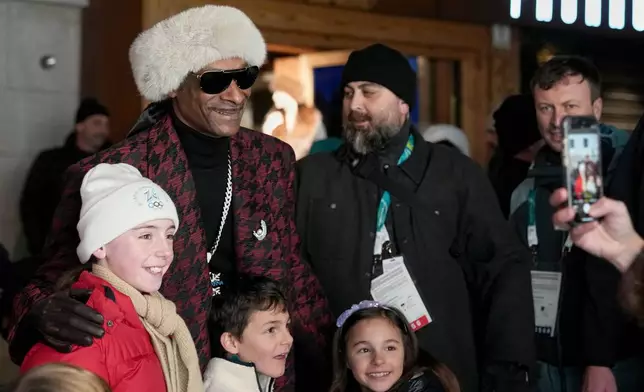
Rapper Snoop Dogg poses for a photo prior to the Olympic opening ceremony at the 2026 Winter Olympics, in Cortina d'Ampezzo, Italy, Friday, Feb. 6, 2026. (AP Photo/Misper Apawu)

Vice President JD Vance greets people as he arrives for the Olympic opening ceremony at the 2026 Winter Olympics, in Milan, Italy, Friday, Feb. 6, 2026. (AP Photo/Ashley Landis)

Spectators watch a pre-show ahead of the Olympic opening ceremony at the 2026 Winter Olympics, in Milan, Italy, Friday, Feb. 6, 2026. (AP Photo/Carolyn Kaster)
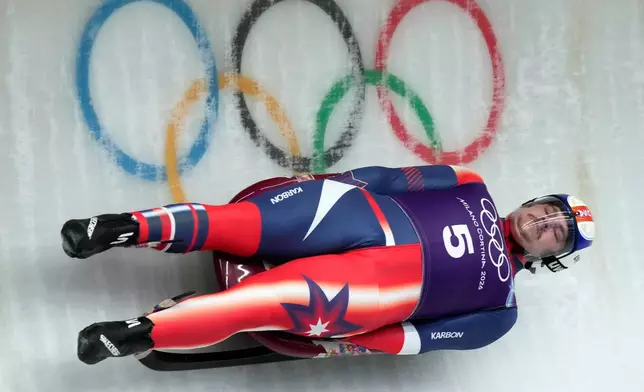
USA's Matthew Greiner slides down the track during a men's Luge training session at the 2026 Winter Olympics, in Cortina d'Ampezzo, Italy, Thursday, Feb. 5, 2026. (AP Photo/Aijaz Rahi)

Workers drive a golf buggy outside a compound next to the San Siro Stadium during rehearsals for the opening ceremony of the Milan Cortina 2026 Winter Olympic Games, at , in Milan, Italy, Saturday, Jan. 24, 2026. (AP Photo/Luca Bruno)
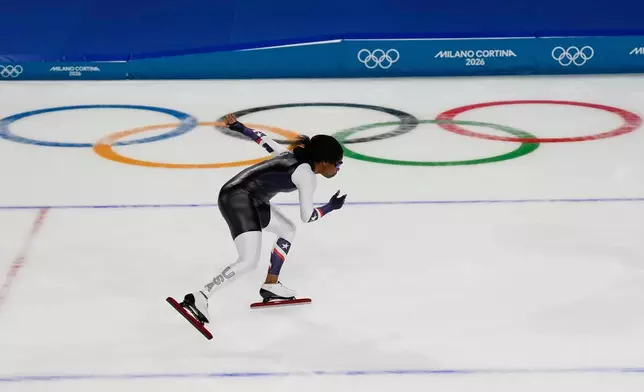
United States' Erin Jackson warms up during a speedskating training session at the 2026 Winter Olympics, in Milan, Italy, Thursday, Feb. 5, 2026. (AP Photo/Lee Jin-man)
While signs bearing the names of Greece — which always leads the procession as the birthplace of the Olympics — Albania, Andorra, Saudi Arabia and Argentina were carried into the home of Serie A soccer titans AC Milan and Inter Milan, there were no athletes from those places around. Instead, they were participating at simultaneous festivities held at Cortina d’Ampezzo in the heart of the Dolomites, Livigno in the Alps, and Predazzo in the autonomous province of Trento.
The first country with athletes at San Siro was Armenia — and their entrance drew raucous cheers from a crowd filled with 61,000 ticket-holders plus others.
Later, a smattering of boos met Israel’s four representatives at the Milan ceremony. There have been some calls for Israel to be banned from the Olympics over the war in Gaza, which began with Hamas’ deadly attack in October 2023.
And while athletes from the U.S. were cheered when they appeared, Vice President JD Vance was jeered when he was shown briefly on the arena's video boards from his spot in the tribune. Support for the United States among its allies has been eroding as the Trump administration has taken an aggressive posture on foreign policy, including punishing tariffs, military action in Venezuela and threats to invade Greenland.
The contingent from Venezuela got a big backing when entering. So did that from Ukraine, where a war continues four years after Russia invaded.
The ceremony’s organizers have said they sought to convey themes of harmony and peace, seeking to represent the city-mountain dichotomy of the particularly unusual setup for these Olympics while also trying to appeal to a sense of unity at a time of global tensions. South African actor Charlize Theron and Italian rapper Ghali delivered messages of peace toward the end of the night.
“I hope the opening ceremony is seen by everyone as an opportunity to be respectful,” new International Olympic Committee President Kirsty Coventry said when asked this week about possible crowd reactions.
The loudest greeting was reserved, naturally, for host Italy, which walked in last, to an electronic version of “The Barber of Seville."
The ceremony was already nearly three hours old — and not yet done — by the time Italian President Sergio Mattarella officially declared the Milan Cortina Games open following a speech by Coventry, the first woman to lead the IOC.
“Thank you for believing in the magic of the Olympic Games,” she said, then several minutes later made sure to make mention of the “media rights holders” who pay to broadcast the event.
Soon, tenor Andrea Bocelli's voice was belting out Puccini’s “Nessun Dorma" and its closing refrain of “Vincerò,” Italian for “I will win!" As he concluded, torch bearers headed out of the arena toward a cauldron at the Arch of Peace, 2½ miles (4 kilometers) from San Siro.
One symbol of how far-flung things are at these Olympics: Instead of the usual one cauldron that is lit and burns throughout the Games, there were two, both intended as an homage to Leonardo da Vinci’s geometric studies. The other is 250 miles (400 kilometers) away in Cortina.
All three flame-lighters — Alberto Tomba and Deborah Compagnoni in Milan, and Sofia Goggia in Cortina -- are Olympic champion Alpine ski racers from Italy. Tomba and Compagnoni are retired; Goggia is entered in the 2026 Games.
The full collection of competition venues for the next two-plus weeks dot an area of about 8,500 square miles (more than 22,000 square kilometers), roughly the size of the entire state of New Jersey. The multi-city ceremony format Friday allowed up-in-the-mountains sports such as Alpine skiing, bobsled, curling and snowboarding to be represented without requiring folks to make the several-hours-long trek to Milan.
It didn’t exactly feel like a Winter Games in the country's financial capital, where the temperature was a tad below 50 degrees Fahrenheit (10 degrees Celsius), and the sky was a crisp, clear azure all afternoon Friday. Not a trace of clouds, let alone snow.
As Italy welcomed the world by displaying symbols of its heritage, the show produced by Olympic ceremony veteran Marco Balich began with dancers from the academy of the famed Milan opera house Teatro alla Scala reimagining 18th-century sculptor Antonio Canova’s marble works.
People wearing oversized, mascot-style heads representing opera composers Giacomo Puccini, Gioachino Rossini and Giuseppe Verdi appeared on the central stage, before giant paint tubes floated above and dropped silk of red, blue and yellow — the primary colors — before an early parade of various-color-wearing characters arrived in the stadium. They represented music and art, literature and architecture, appreciations for beauty and history and, above all, “La Dolce Vita” (loosely, Italian for “The Good Life” and the name of a 1960 film by Federico Fellini).
There were references to ancient Rome, the Renaissance, the Venice Carnival and the country’s noted traditions in various areas such as cuisine and literature, such as “Pinocchio” and Dante’s “Inferno.”
A runway walk showcased outfits — created by the late fashion designer Giorgio Armani, who died last year at 91 — in the colors of Italy’s flag: red, green and white. And balladeer Laura Pausini sang Italy’s national anthem.
Carey got loud cheers in Milan as she sang in Italian. In Cortina, hundreds of fans sang along with her, and a roar emerged when they realized she was performing the song with the “Volare” refrain.
Another local touch: Italian actress Sabrina Impacciatore, of “White Lotus” fame, led a segment that took viewers through a century of past Olympics, with examples of evolving equipment, sportswear and music. And actress and comedian Brenda Lodigiani demonstrated the popular Italian hand gestures often used to communicate in place of words.
Associated Press writer Colleen Barry contributed to this report.
AP Olympics: https://apnews.com/hub/milan-cortina-2026-winter-olympics
Italian former skier Deborah Compagnoni and Italian former skier Alberto Tomba light the cauldron at the Arco della Pace during the Olympic opening ceremony at the 2026 Winter Olympics, in Milan, Italy, Friday, Feb. 6, 2026. (AP Photo/Loaner12)
Sergio Mattarella President of Italy, center, his wife Laura Mattarella, left, and Kirsty Coventry President of the IOC attend the Olympic opening ceremony at the 2026 Winter Olympics, in Milan, Italy, Friday, Feb. 6, 2026. (Andreas Rentz/Pool Photo via AP)
The Olympic torch is passed during the Olympic opening ceremony at the 2026 Winter Olympics, in Milan, Italy, Friday, Feb. 6, 2026. (AP Photo/Petr David Josek)
JD Vance and his wife Usha applaud at the start of the Olympic opening ceremony at the 2026 Winter Olympics, in Milan, Italy, Friday, Feb. 6, 2026. (AP Photo/Natacha Pisarenko)
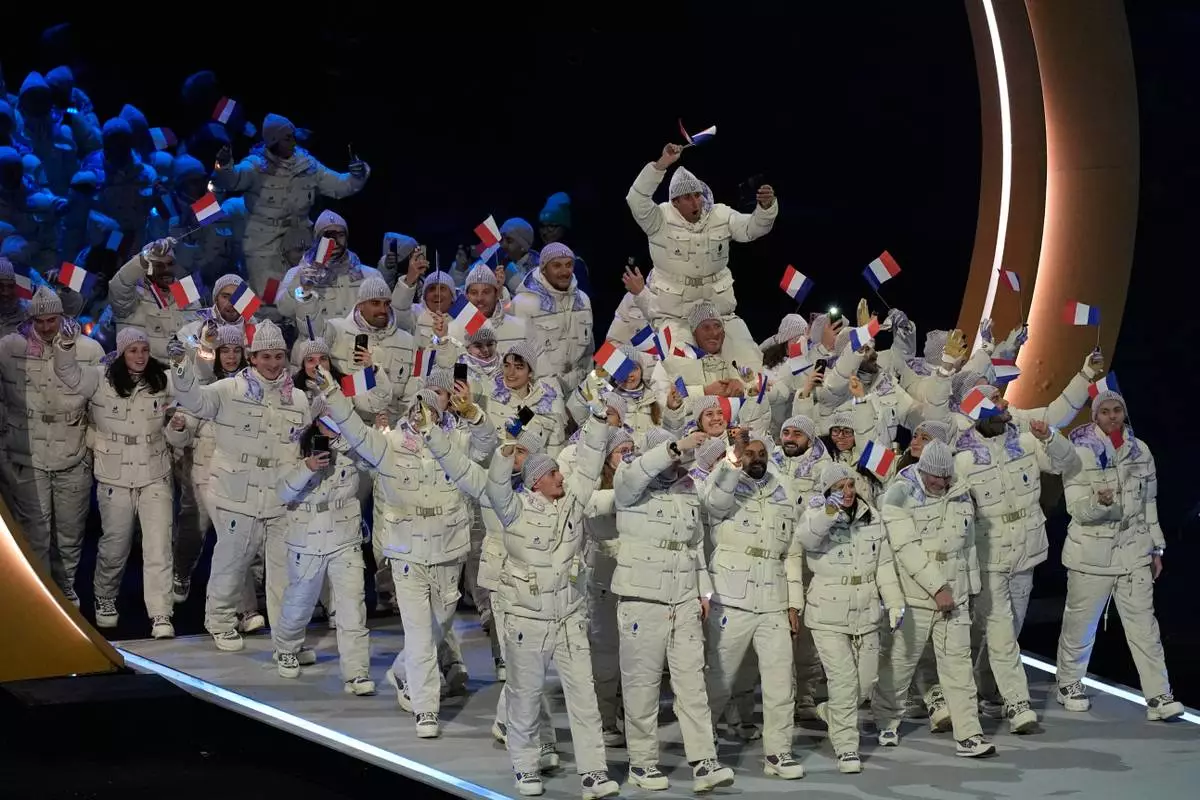
Athletes from France attend the Olympic opening ceremony at the 2026 Winter Olympics, in Milan, Italy, Friday, Feb. 6, 2026. (AP Photo/Petr David Josek)
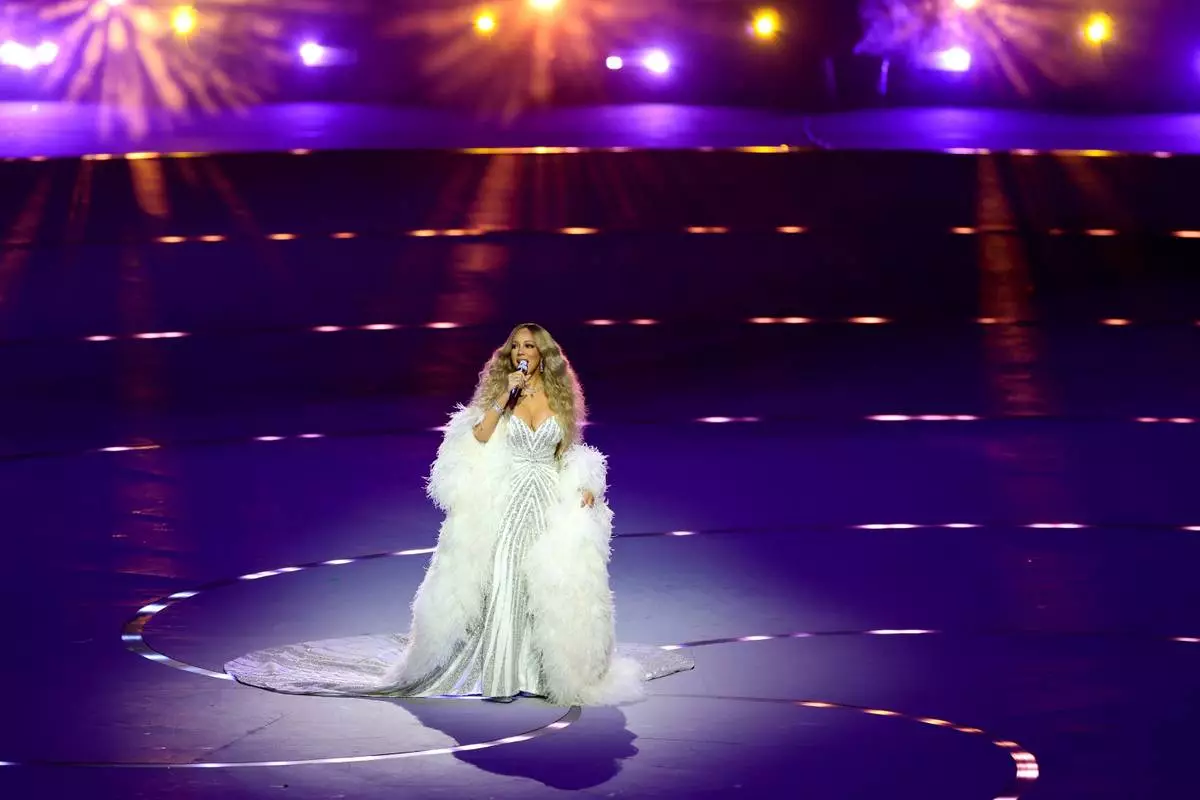
Mariah Carey performs at the Olympic opening ceremony at the 2026 Winter Olympics, in Milan, Italy, Friday, Feb. 6, 2026. (Andreas Rentz/Pool Photo via AP)
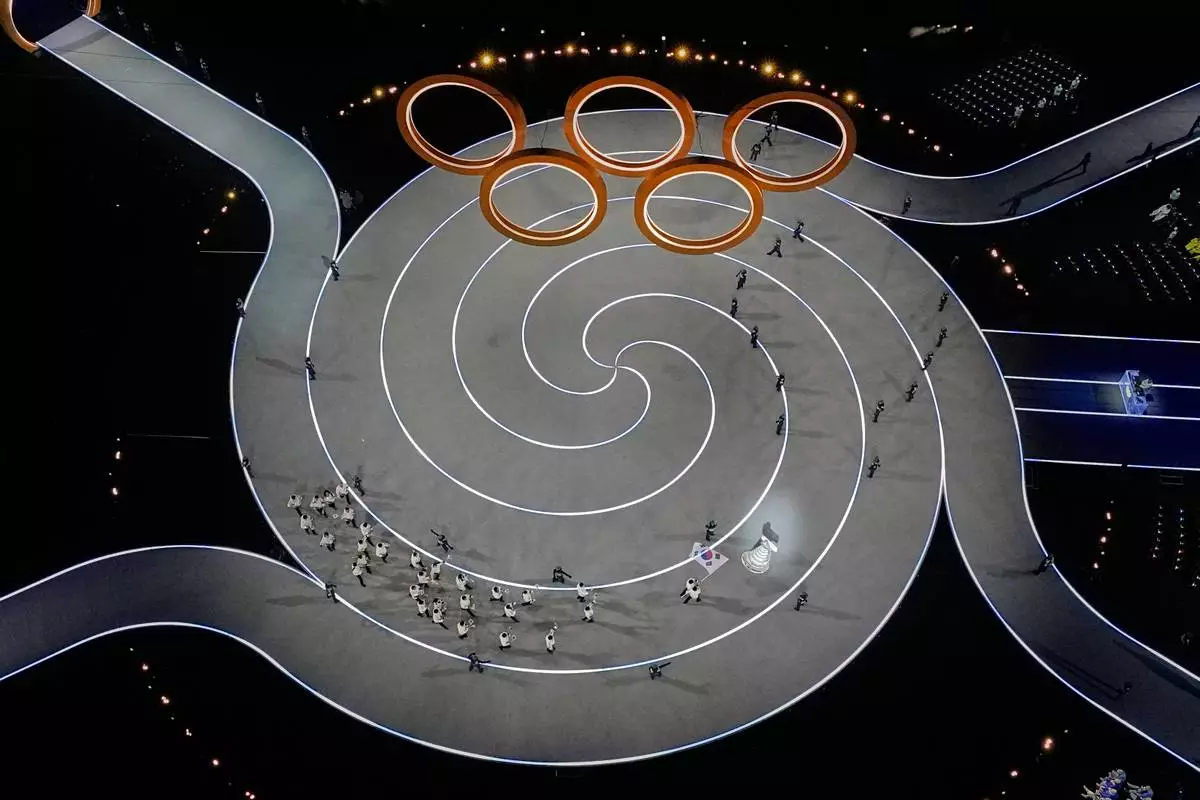
Team South Korea enters the stadium during the Olympic opening ceremony at the 2026 Winter Olympics, in Milan, Italy, Friday, Feb. 6, 2026. (AP Photo/David J. Phillip)
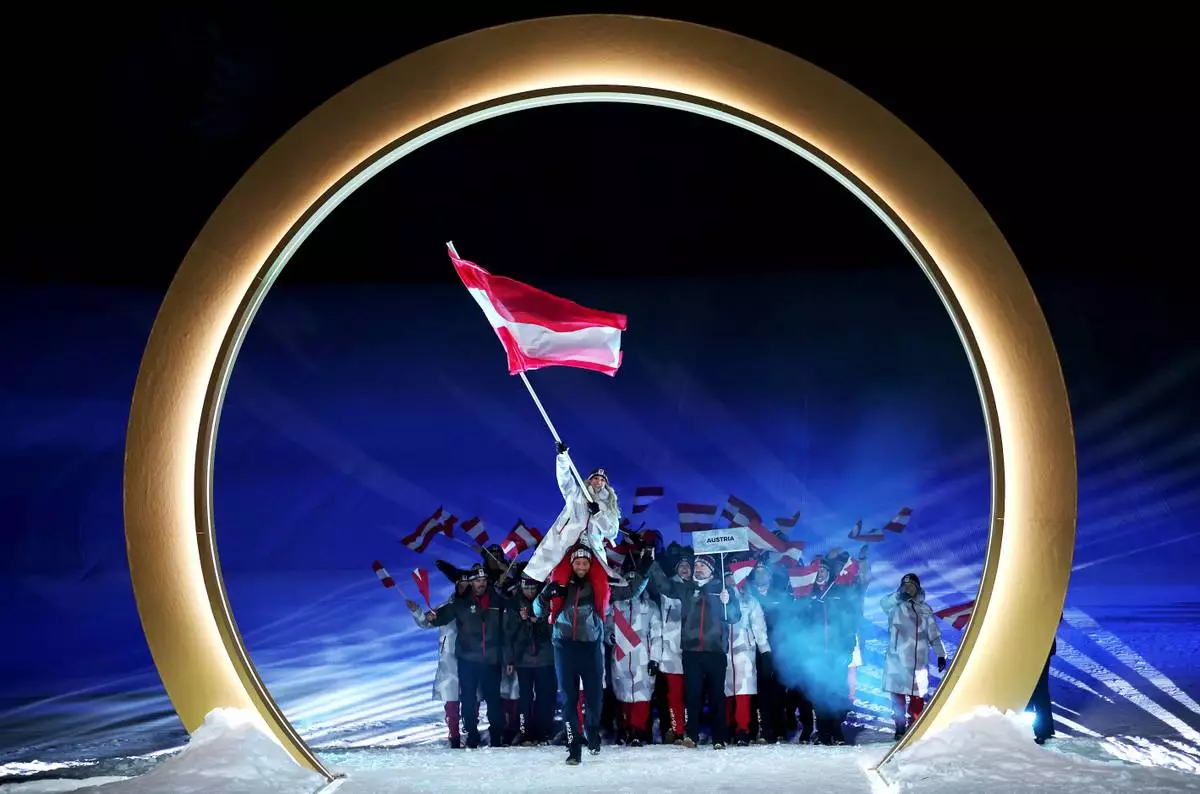
Austria's flag bearers, Anna Gasser and Benjamin Karl enter with the team, during the Olympic opening ceremony, at the 2026 Winter Olympics, in Livigno, Italy, Friday, Feb. 6, 2026. (Cameron Spencer, Pool Photo via AP)
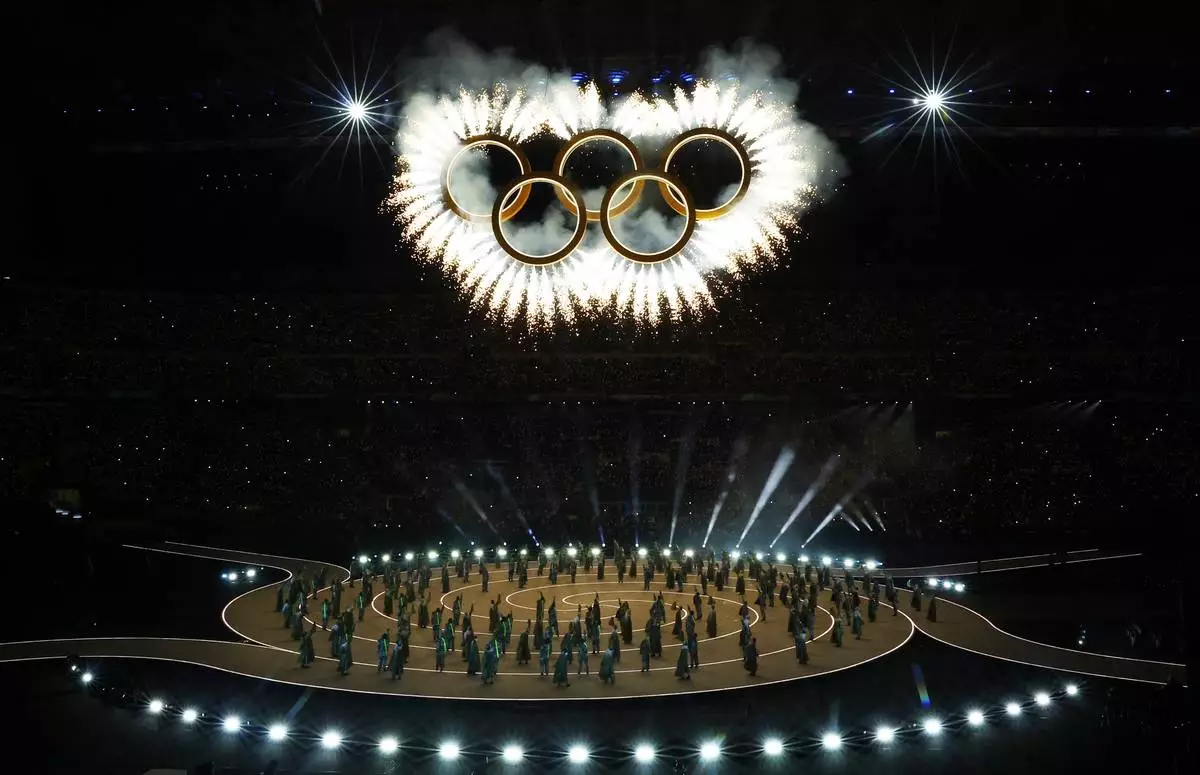
Performers at the Olympic opening ceremony at the 2026 Winter Olympics, in Milan, Italy, Friday, Feb. 6, 2026. (Susana Vera/Pool Photo via AP)
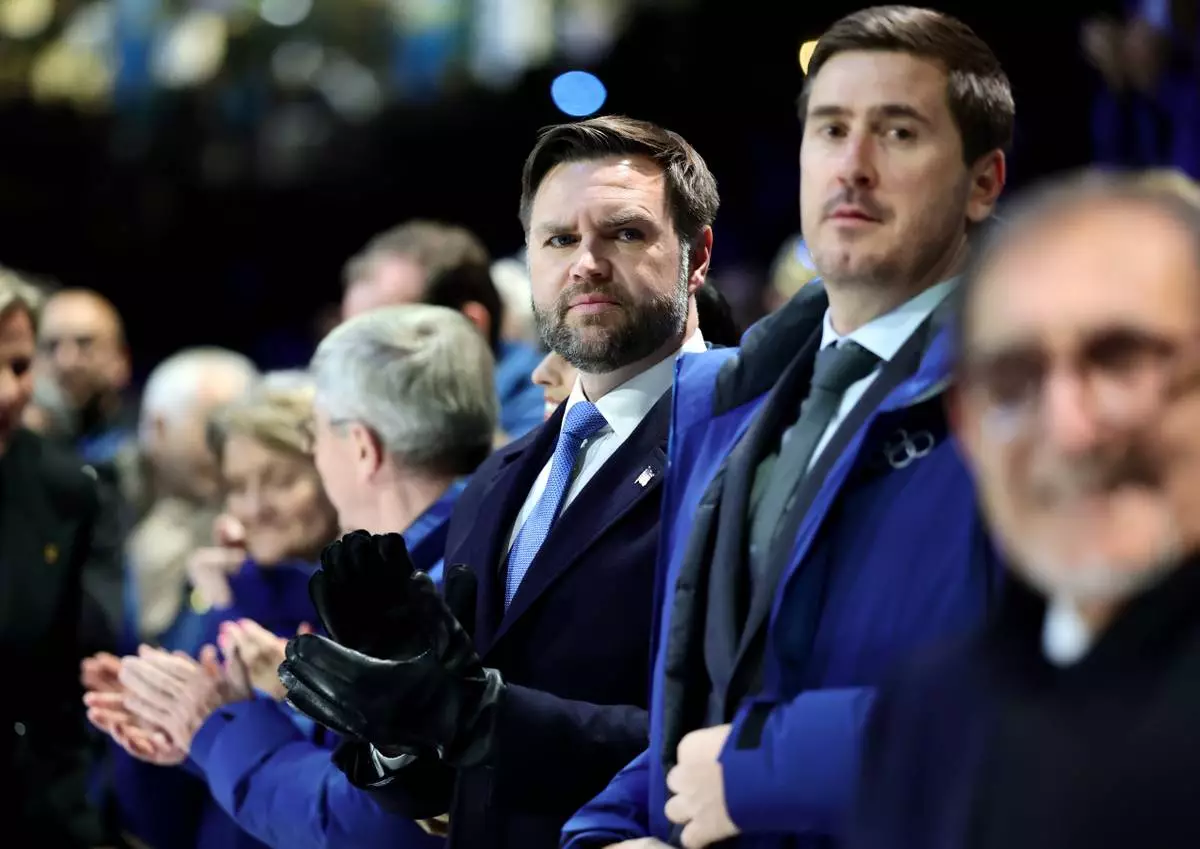
US Vice President JD Vance, center, attends the Olympic opening ceremony at the 2026 Winter Olympics, in Milan, Italy, Friday, Feb. 6, 2026. (Andreas Rentz/Pool Photo via AP)
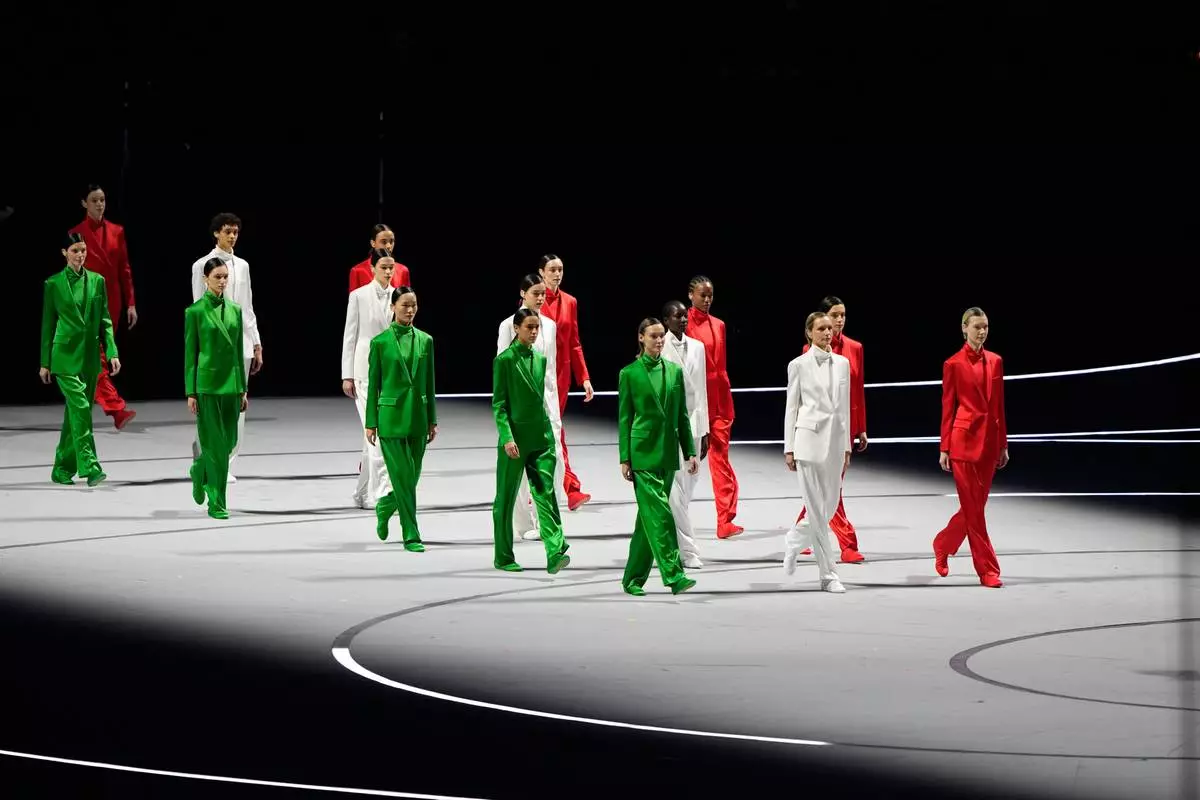
Models perform during the Olympic opening ceremony at the 2026 Winter Olympics, in Milan, Italy, Friday, Feb. 6, 2026. (AP Photo/Lee Jin-man)
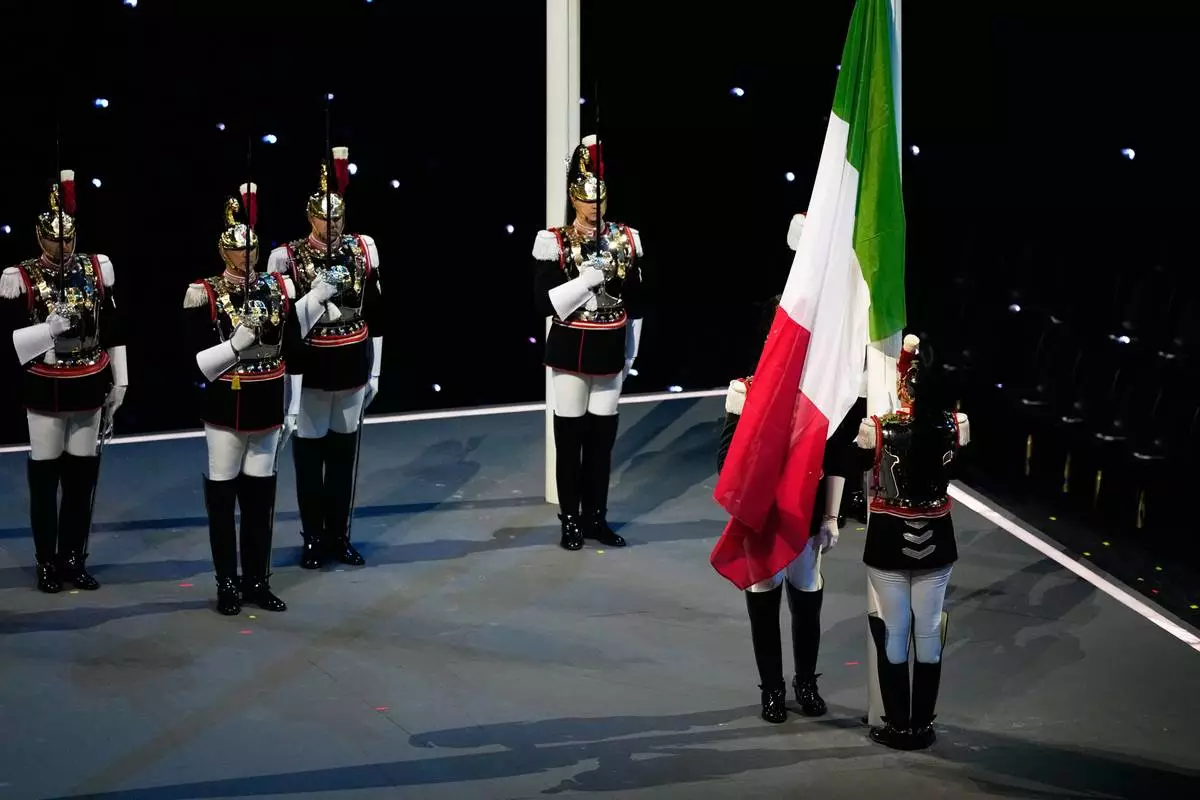
The Italian flag was raised during the Olympic opening ceremony at the 2026 Winter Olympics, in Milan, Italy, Friday, Feb. 6, 2026. (AP Photo/Petr David Josek)
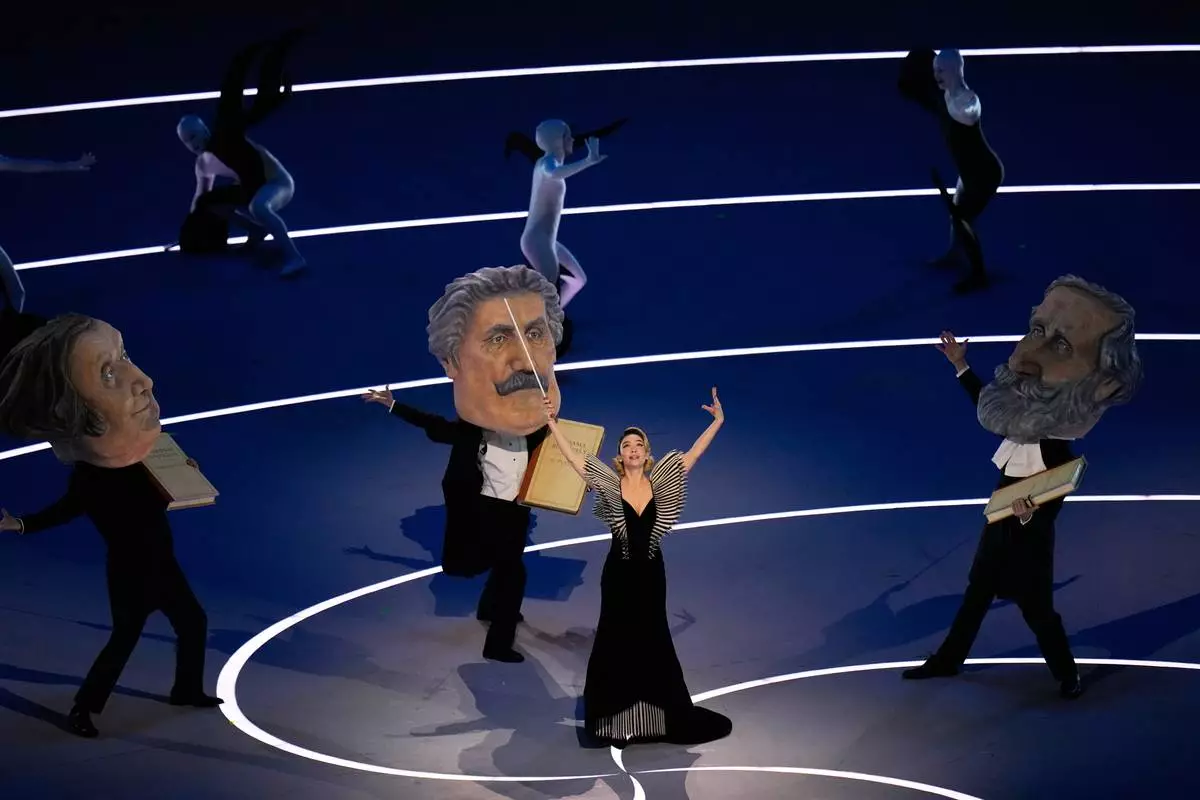
Italian actor Matilda De Angelis, left, performs during the Olympic opening ceremony at the 2026 Winter Olympics, in Milan, Italy, Friday, Feb. 6, 2026. (AP Photo/Hassan Ammar)
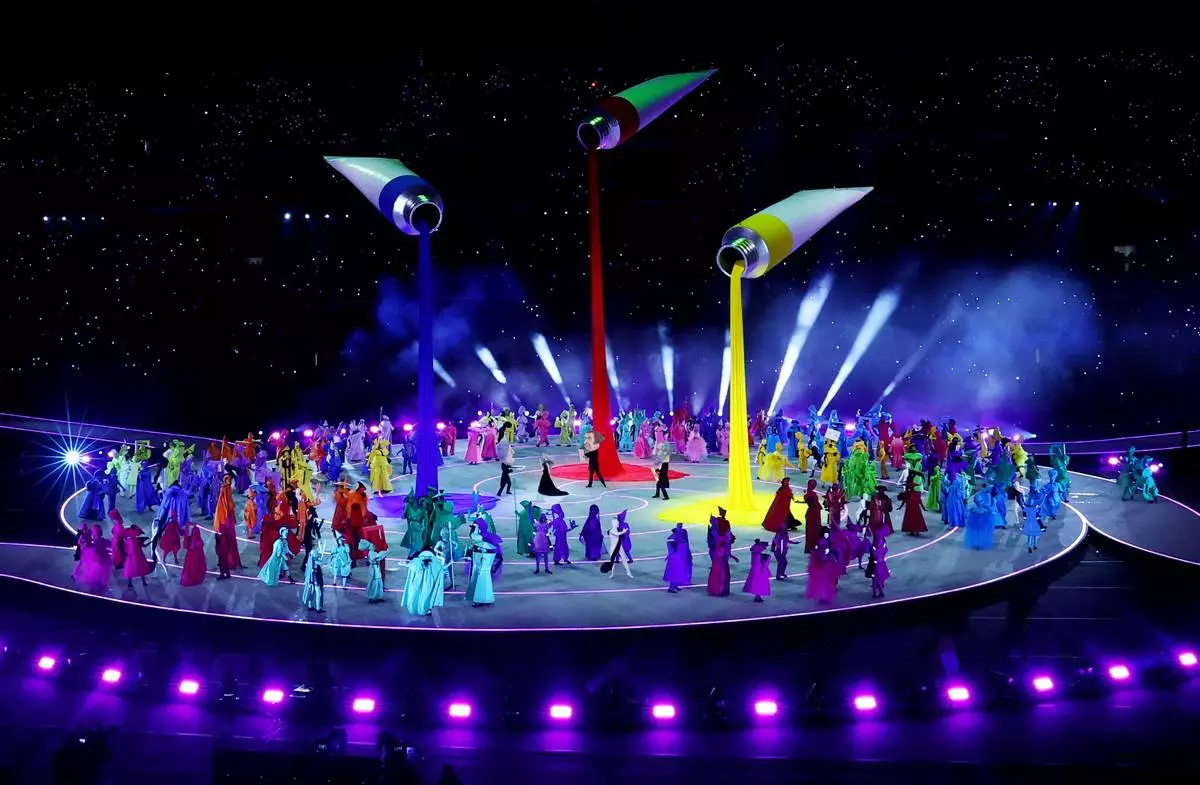
Performers at the Olympic opening ceremony at the 2026 Winter Olympics, in Milan, Italy, Friday, Feb. 6, 2026. (Susana Vera/Pool Photo via AP)
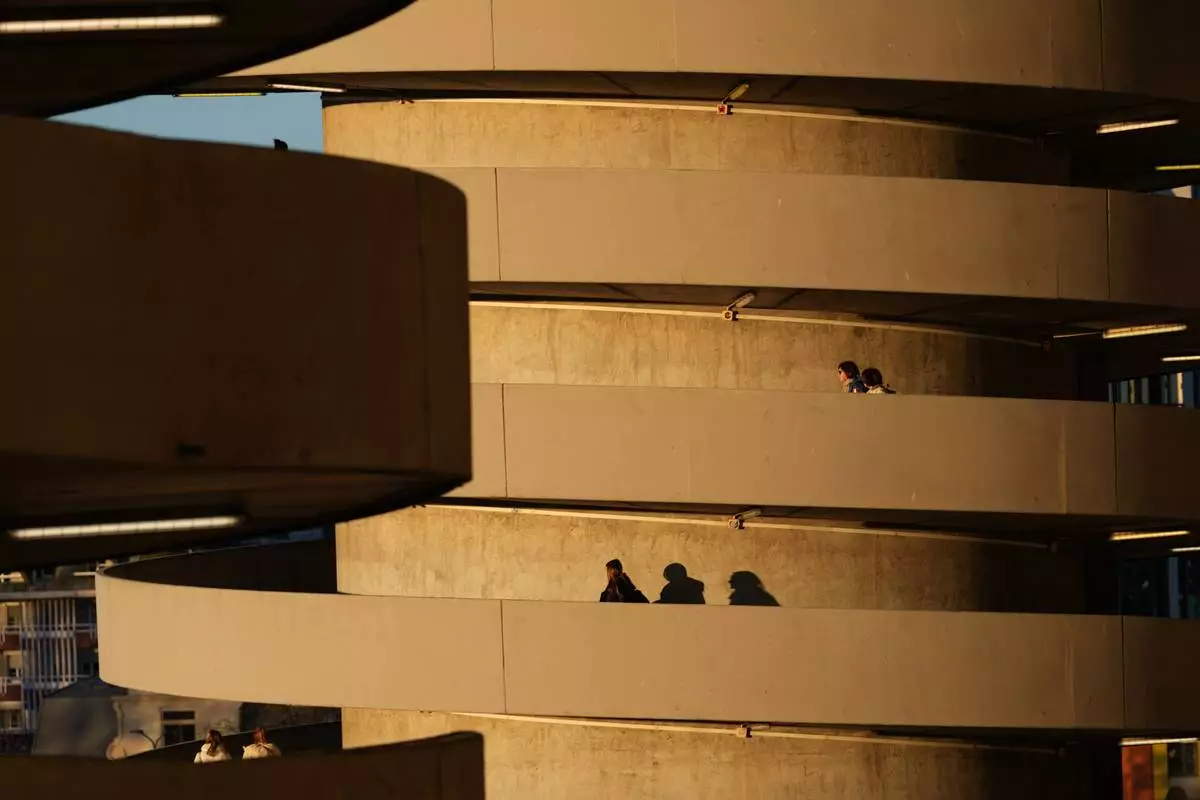
Spectators arrive for the Olympic opening ceremony at the 2026 Winter Olympics, in Milan, Italy, Friday, Feb. 6, 2026. (AP Photo/Ben Curtis)
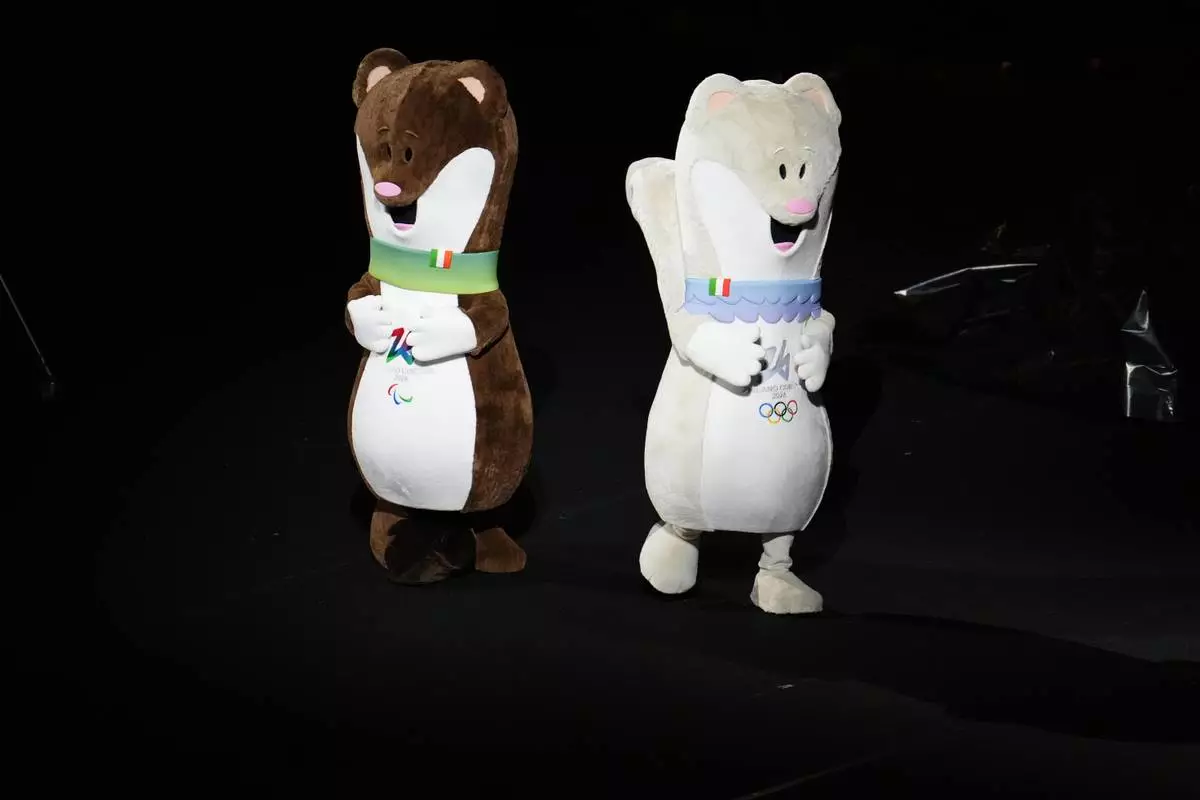
Tina and Milo, Olympics and Paralympics mascots, dance before the Olympic opening ceremony at the 2026 Winter Olympics, in Milan, Italy, Friday, Feb. 6, 2026. (AP Photo/Ben Curtis)
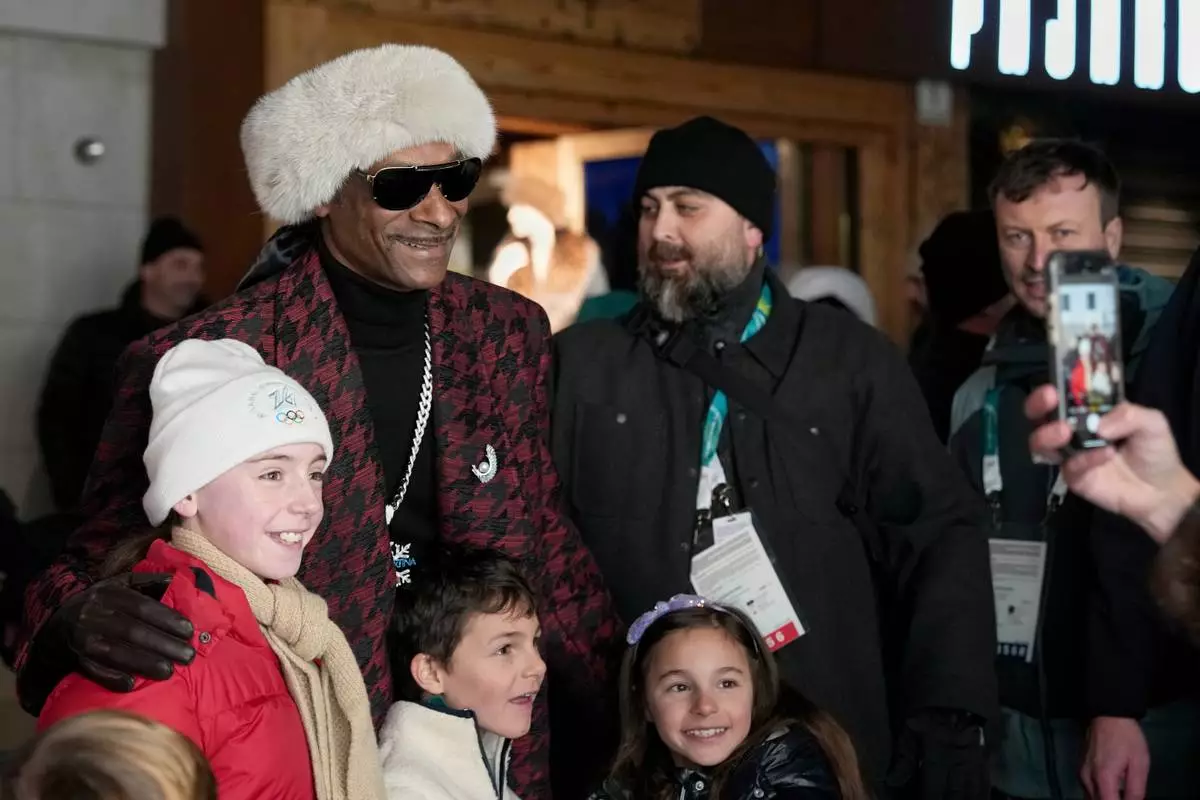
Rapper Snoop Dogg poses for a photo prior to the Olympic opening ceremony at the 2026 Winter Olympics, in Cortina d'Ampezzo, Italy, Friday, Feb. 6, 2026. (AP Photo/Misper Apawu)
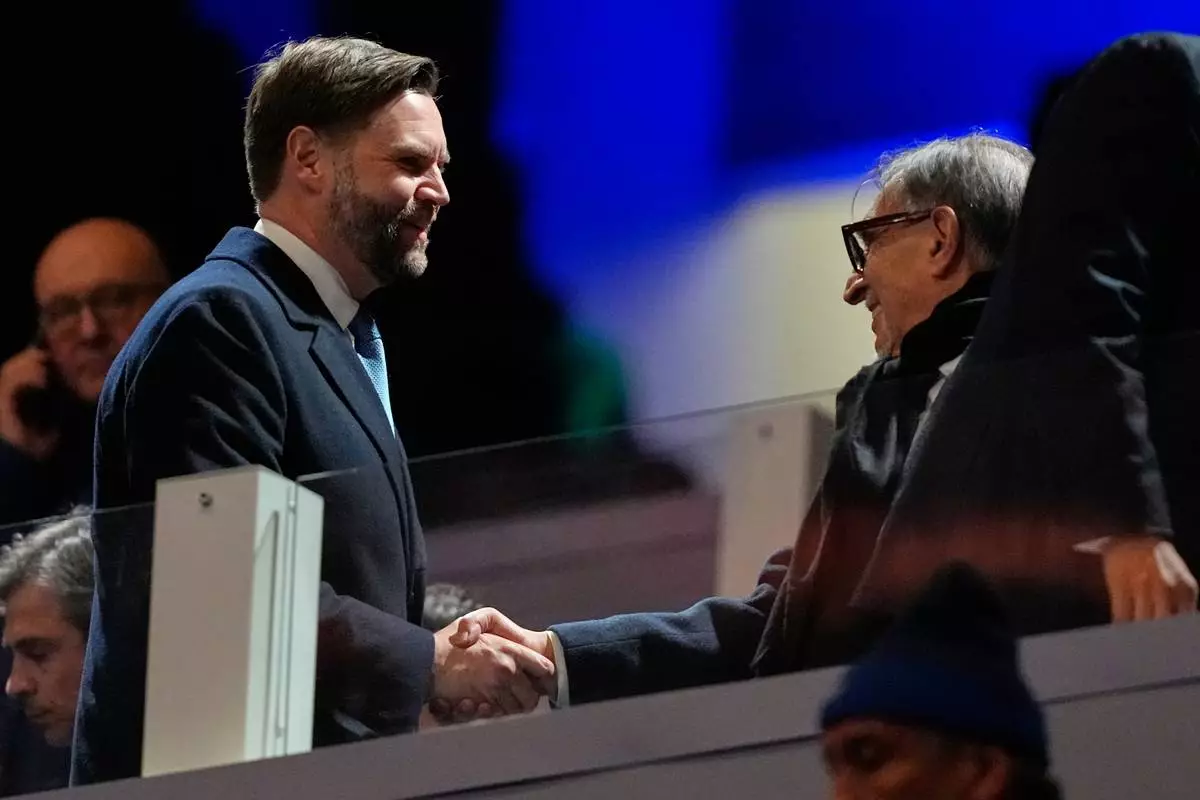
Vice President JD Vance greets people as he arrives for the Olympic opening ceremony at the 2026 Winter Olympics, in Milan, Italy, Friday, Feb. 6, 2026. (AP Photo/Ashley Landis)
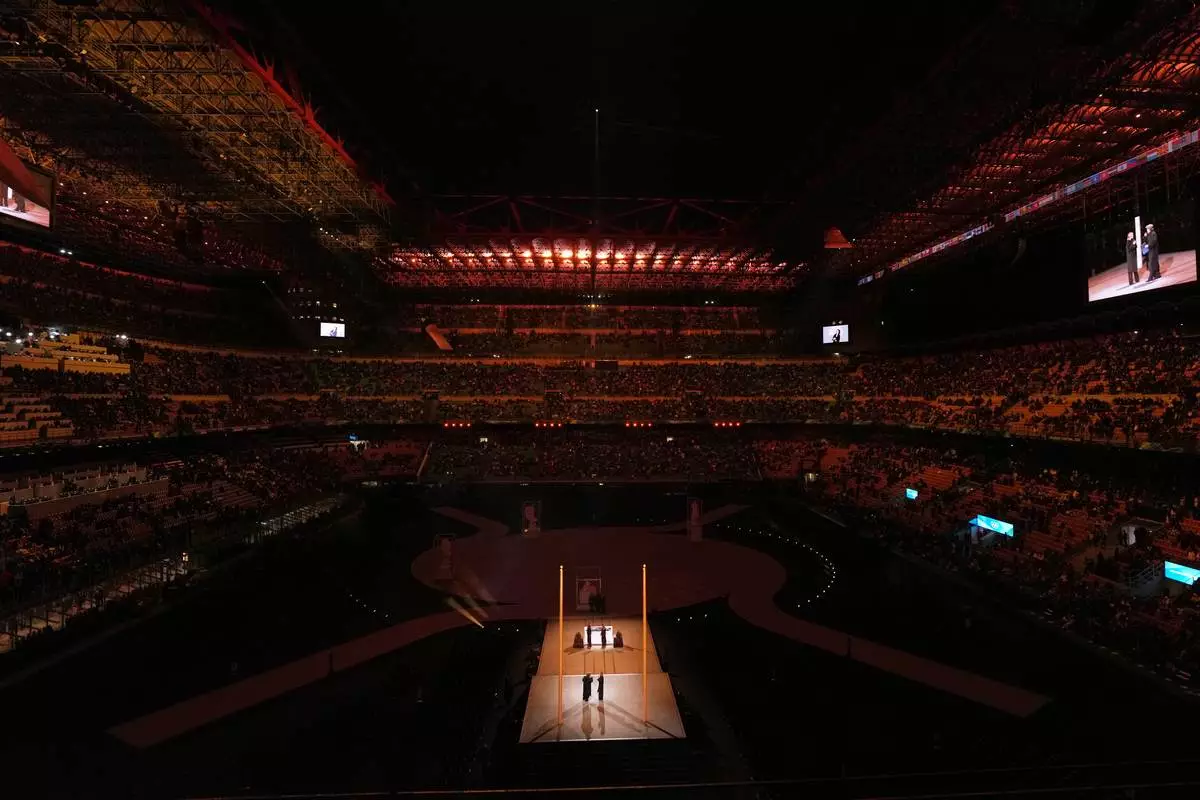
Spectators watch a pre-show ahead of the Olympic opening ceremony at the 2026 Winter Olympics, in Milan, Italy, Friday, Feb. 6, 2026. (AP Photo/Carolyn Kaster)
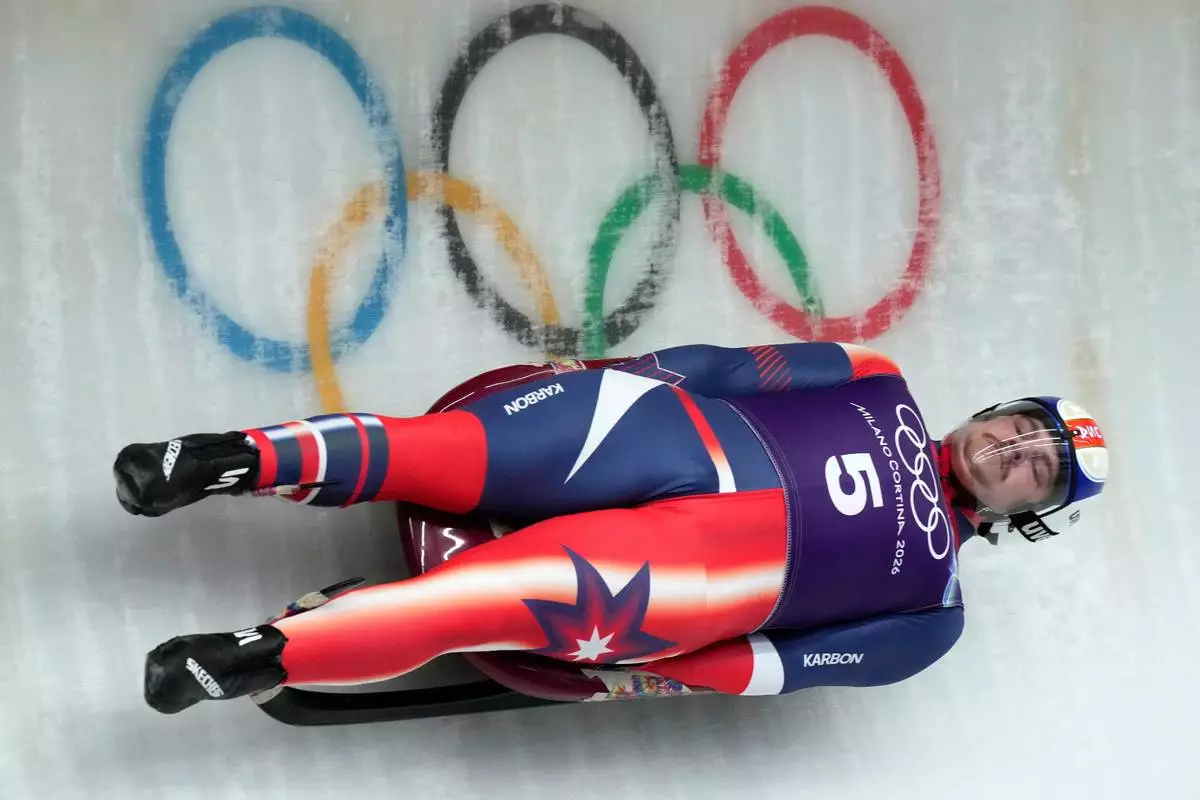
USA's Matthew Greiner slides down the track during a men's Luge training session at the 2026 Winter Olympics, in Cortina d'Ampezzo, Italy, Thursday, Feb. 5, 2026. (AP Photo/Aijaz Rahi)
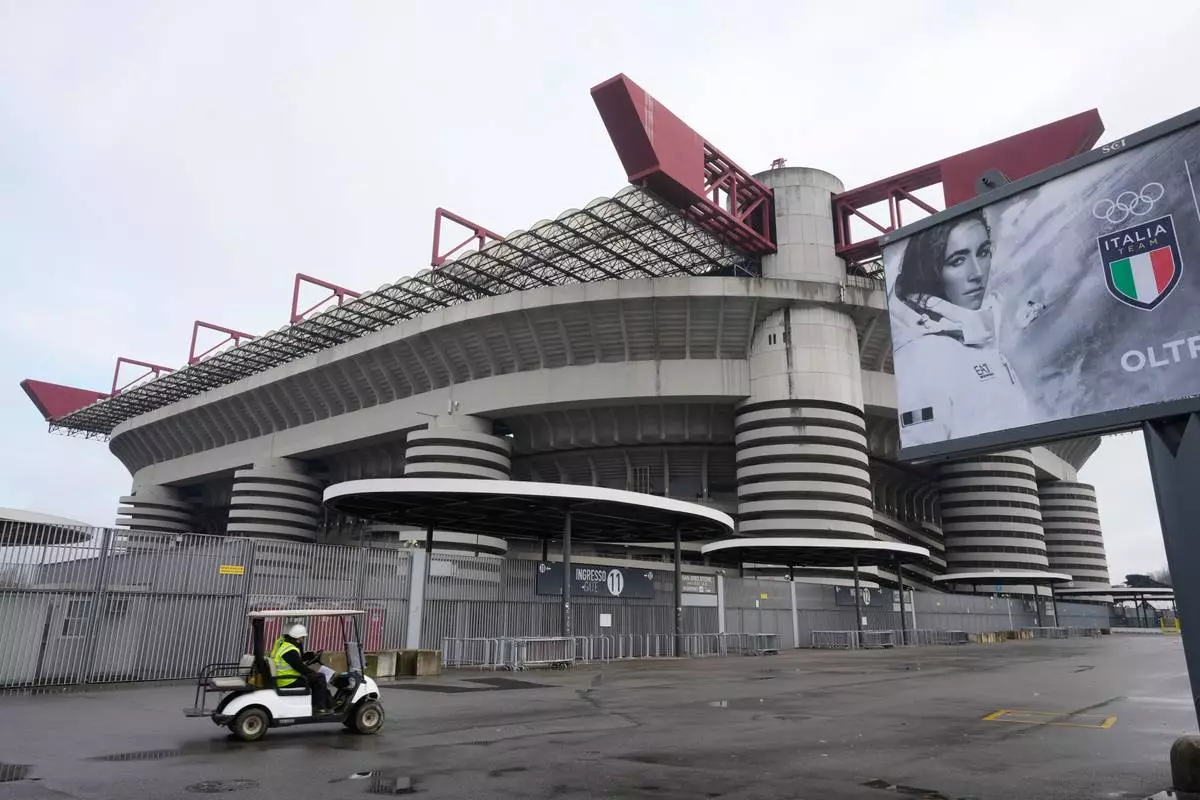
Workers drive a golf buggy outside a compound next to the San Siro Stadium during rehearsals for the opening ceremony of the Milan Cortina 2026 Winter Olympic Games, at , in Milan, Italy, Saturday, Jan. 24, 2026. (AP Photo/Luca Bruno)
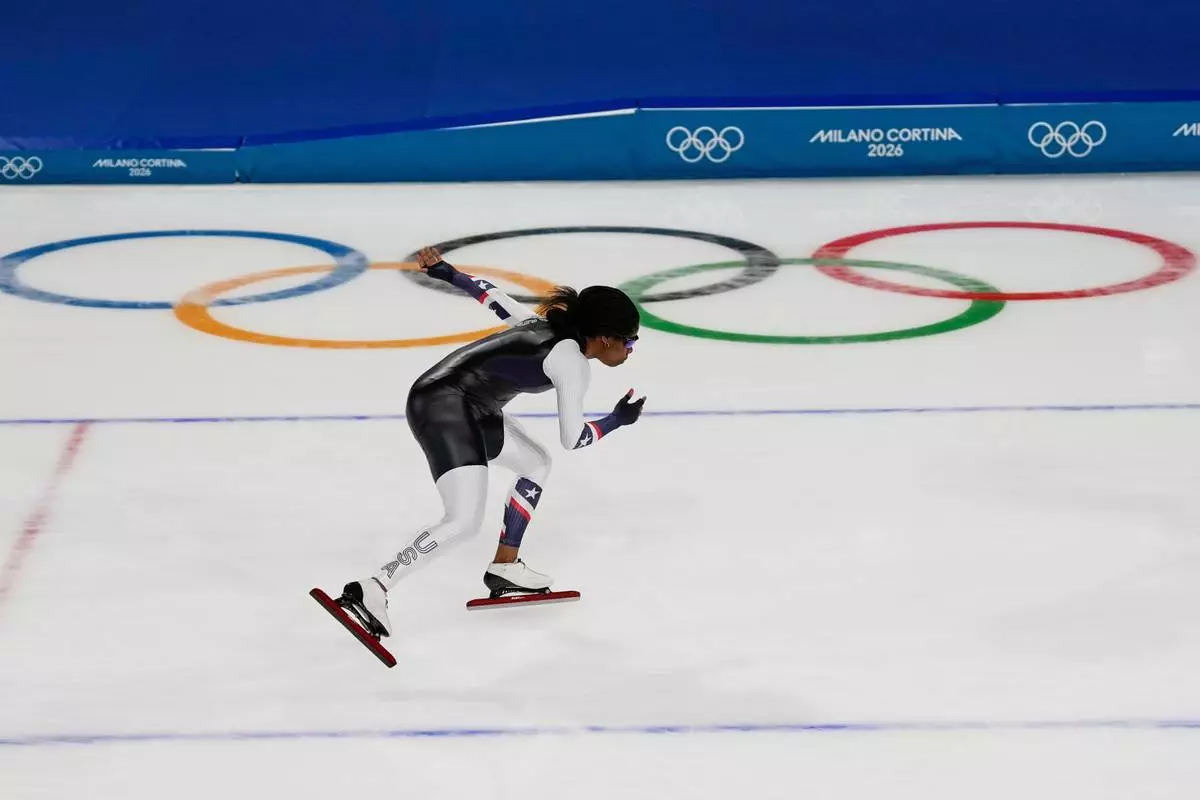
United States' Erin Jackson warms up during a speedskating training session at the 2026 Winter Olympics, in Milan, Italy, Thursday, Feb. 5, 2026. (AP Photo/Lee Jin-man)