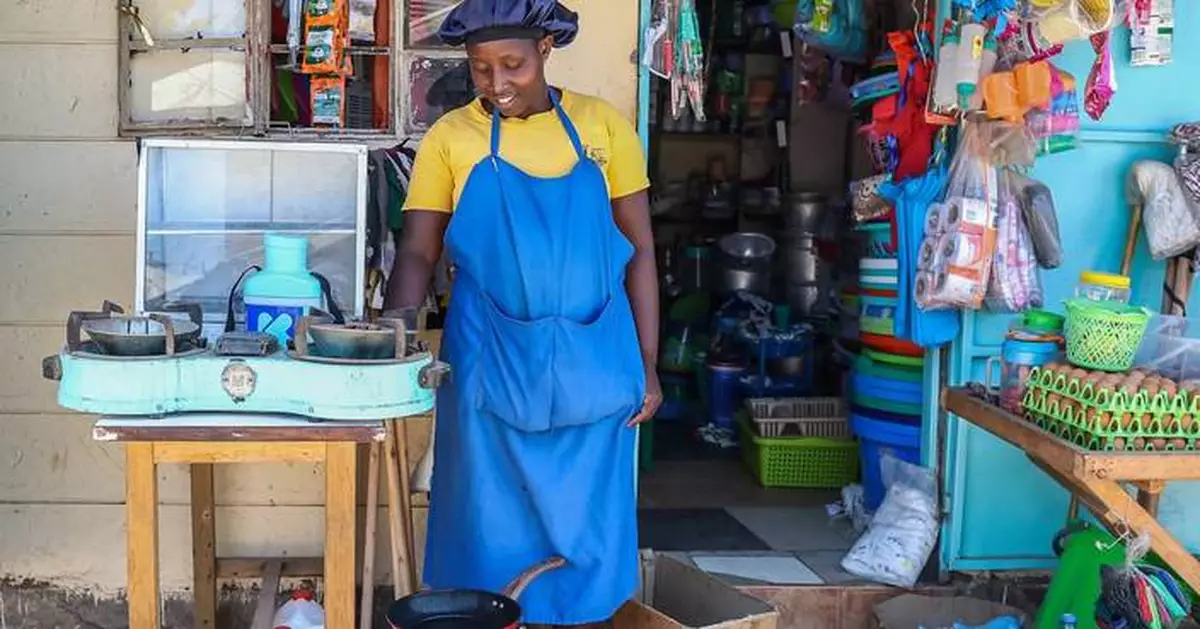
NAIROBI, Kenya (AP) — It was designed to be as simple as buying airtime: a quick tap on the dispenser, a few shillings and a cooking canister refilled. Now, more than 3,000 Koko fuel supply points across Kenya sit idle, with no fuel and no clear answers for the households that relied on them.
For more than a decade, Koko Networks helped shift over 1.5 million Kenyan homes without access to public gas systems away from smoky charcoal stoves to bioethanol, marketed as a cleaner, modern way to cook. The steady blue flame became a symbol of Kenya’s push toward cleaner household energy.
Click to Gallery
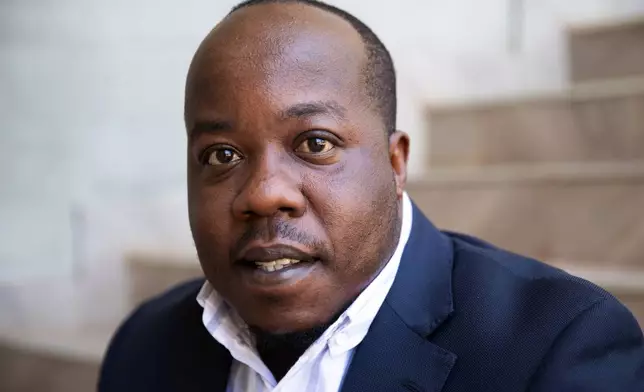
Amos Wemanya, senior climate advisor at Power Shift Africa, poses for a photo during an interview with The Associated Press in Nairobi, Kenya, Wednesday, Feb. 4, 2026. (AP Photo/ÅSA WALLIN)
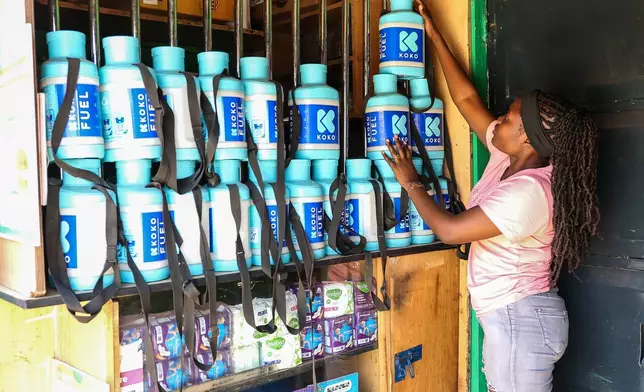
Laurine Akhutu, a KOKO Cooker bioethanol fuel vendor, arranges fuel bottles at her shop in the Kibera informal settlement on the outskirts of Nairobi, Kenya, Wednesday, Feb. 4, 2026. (AP Photo/Atieno Muyuyi)
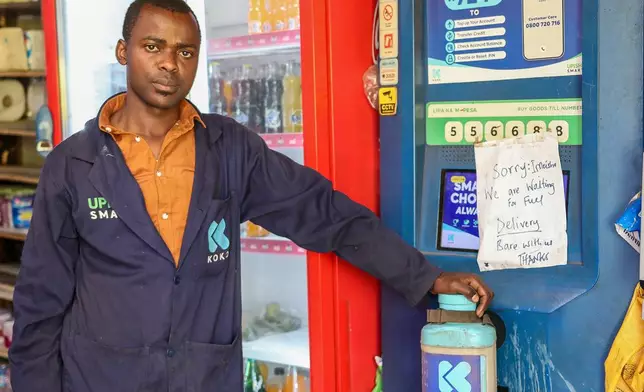
George Onsere, a KOKO Cooker bioethanol fuel vendor, poses for a photo outside his shop in the Kibera informal settlement on the outskirts of Nairobi, Kenya, Wednesday, Feb. 4, 2026. (AP Photo/Atieno Muyuyi)
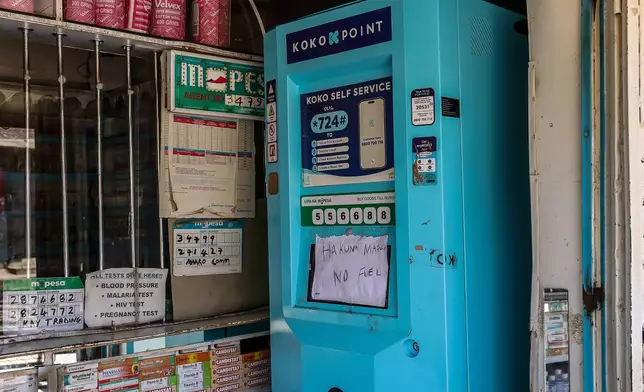
A KOKO Cooker bioethanol fuel distribution booth with out of stock fuel is seen in the Kibera informal settlement on the outskirts of Nairobi, Kenya, Wednesday, Feb. 4, 2026. (AP Photo/Atieno Muyuyi)
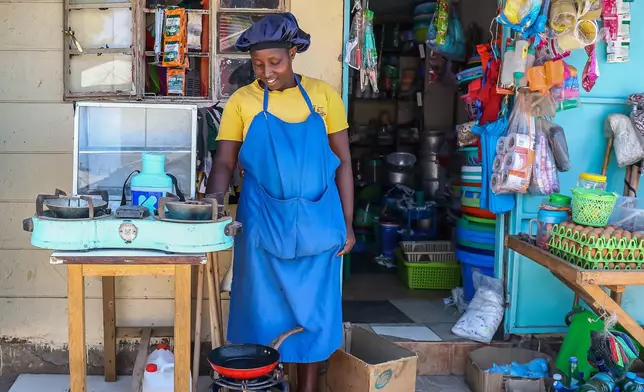
Grace Kathambi uses a KOKO Cooker bioethanol fuel stove to fry and sell French fries at her shop in the Kibera informal settlement on the outskirts of Nairobi, Kenya, Wednesday, Feb. 4, 2026. (AP Photo/Atieno Muyuyi)
That promise has dimmed.
After failing to win government letter of authorization that would allow them to sell carbon credits — permits that allow holders to emit certain amount of greenhouse gases — Koko abruptly shut down its fuel distribution network, bringing to a halt a model once hailed as a poster child of Africa's green transition.
In Kibera, Nairobi’s largest informal settlement, most Koko Networks outlets have closed, and some have removed the bioethanol dispensers altogether. Since 2014, Koko had imported bioethanol products. That ended abruptly in 2023 when the government withheld its import permit, forcing Koko to use local sources that were erratic and more expensive.
That reality is setting in for Fredrick Onchenge. He used to serve up to 50 Koko customers a day. Now his machines are silent.
“Initially, I was confused,” Onchenge said. “Then it dawned on me what had just happened. My livelihood was gone. I tried calling the salesperson, but their phone was switched off.”
For many customers, their access ended with a text message announcing the shutdown. Kitchens that once cooked meals without smoke now have idle double-burner stoves — reminders of a system that stopped overnight.
Grace Kathambi is weighing her options.
“This was a life changer for me,” Kathambi said. “I could not afford the $8 needed to refill a gas cylinder, and Koko was my best alternative. With about 30 U.S. cents, I could buy enough Koko fuel to cook.”
With the bioethanol supply cut off, households like hers must now choose between returning to charcoal or finding money for more expensive liquefied petroleum gas.
“I cannot afford to use gas,” said Margaret Auma. “Koko made life very easy for those of us who earn little from casual jobs. We feel abandoned, yet it’s not our fault.”
For weeks, Koko and the Kenyan government haggled over a crucial letter authorizing carbon credits and import permits for bioethanol made from molasses, a sugarcane by-product. The company needed those approvals to unlock millions of dollars in international financing that helped keep fuel prices low. Kenyan authorities held back, citing broader concerns about the credibility of carbon credits.
Koko — which counted the Microsoft Climate Innovation Fund, and South Africa’s Rand Merchant Bank as its investors, announced on Jan. 30 that without the approvals its business model was financially unsustainable and it was shutting down.
“Koko’s case is uniquely multidimensional,” said David Ndii, Kenya’s presidential advisor on economic affairs. Ndii cited issues including the Paris Agreement framework, questions around the credibility of cookstove carbon credits, Kenya’s climate policies, carbon market regulations, the transparency of Koko’s business model and diplomatic considerations.
He dismissed the prospect of state intervention, saying, “Even good doctors lose patients.”
Kenya's energy and treasury officials have declined to comment on the closure, which energy analysts say exposes weaknesses in how clean cooking is financed across Africa.
“The clean cooking situation in Kenya, and across Africa is a serious crisis,” said Amos Wemanya, a senior analyst on renewable energy at Power Shift Africa. “This is not just about emissions or climate targets. It is about development, health, dignity and household survival.”
Wemanya said models heavily reliant on carbon credits risk prioritizing markets over people.
“We are not going to solve the clean cooking challenge through carbon math or carbon credit spreadsheets,” he said. “Carbon markets allow polluters to continue emitting while households, who are supposed to be the beneficiaries, still pay for the stoves and bear the risks when projects fail.”
When such systems collapse, he added, it is households that suffer most.
“They are the ones forced to revert to harmful alternatives like charcoal and paraffin,” Wemanya said.
He said the Koko episode shows the priority should shift toward affordable electricity, especially in rural areas.
“Clean cooking will not be solved through carbon credits,” he said. “The reality is that gas-based solutions were never a long-term climate solution. They simply shift households from firewood to imported fossil fuels. So, the bigger lesson here is that we need to move toward systems that truly work, primarily electricity powered by renewable energy.”
For now, households like Auma’s must now choose between returning to charcoal or finding money for more expensive LPG.
“What are we supposed to do? Go back to using charcoal in our one-room houses?” Auma asked. “That is the smoke and sickness we were trying to escape.”
The Associated Press’ climate and environmental coverage receives financial support from multiple private foundations. AP is solely responsible for all content. Find AP’s standards for working with philanthropies, a list of supporters and funded coverage areas at AP.org.

Amos Wemanya, senior climate advisor at Power Shift Africa, poses for a photo during an interview with The Associated Press in Nairobi, Kenya, Wednesday, Feb. 4, 2026. (AP Photo/ÅSA WALLIN)
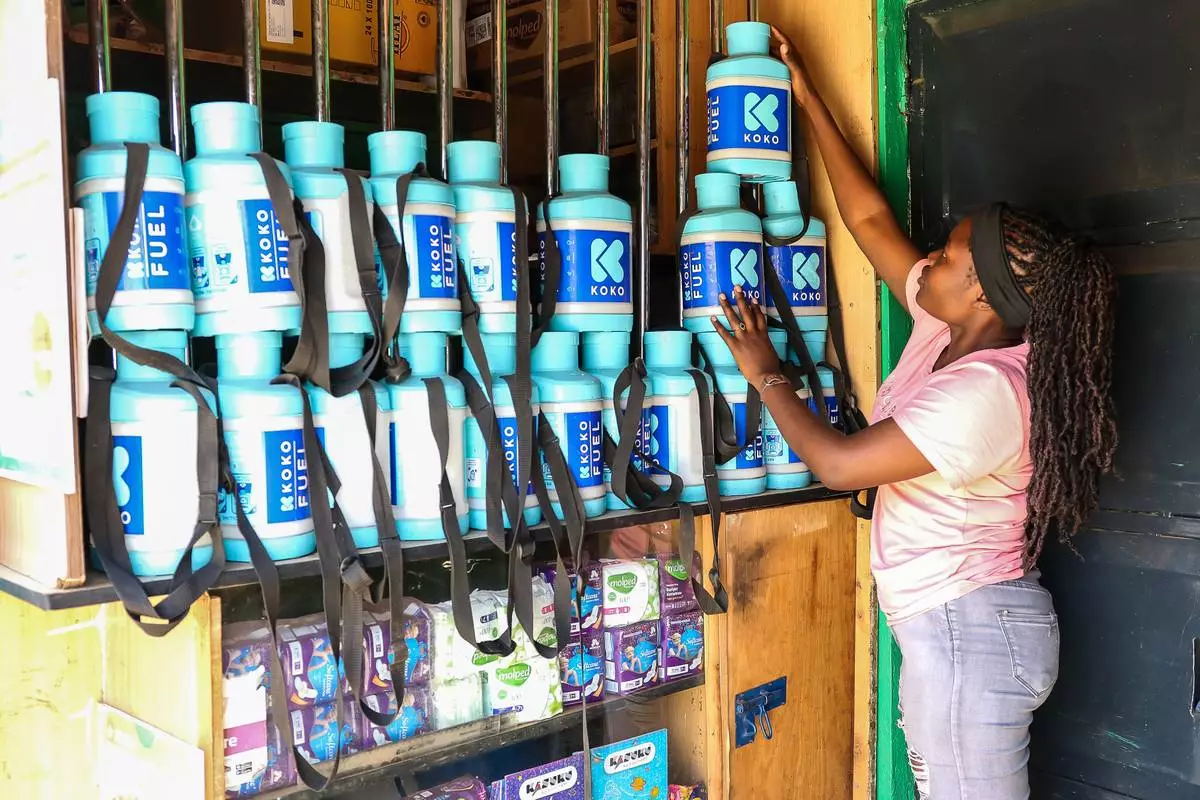
Laurine Akhutu, a KOKO Cooker bioethanol fuel vendor, arranges fuel bottles at her shop in the Kibera informal settlement on the outskirts of Nairobi, Kenya, Wednesday, Feb. 4, 2026. (AP Photo/Atieno Muyuyi)
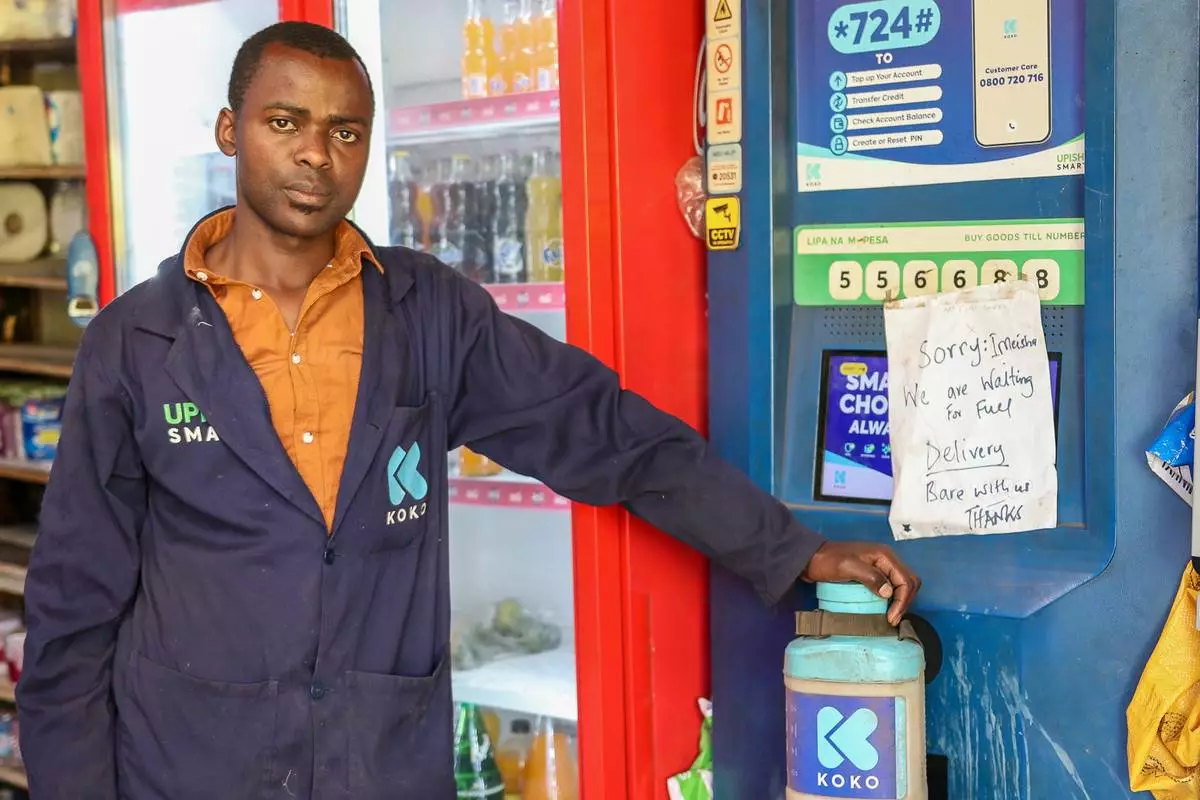
George Onsere, a KOKO Cooker bioethanol fuel vendor, poses for a photo outside his shop in the Kibera informal settlement on the outskirts of Nairobi, Kenya, Wednesday, Feb. 4, 2026. (AP Photo/Atieno Muyuyi)
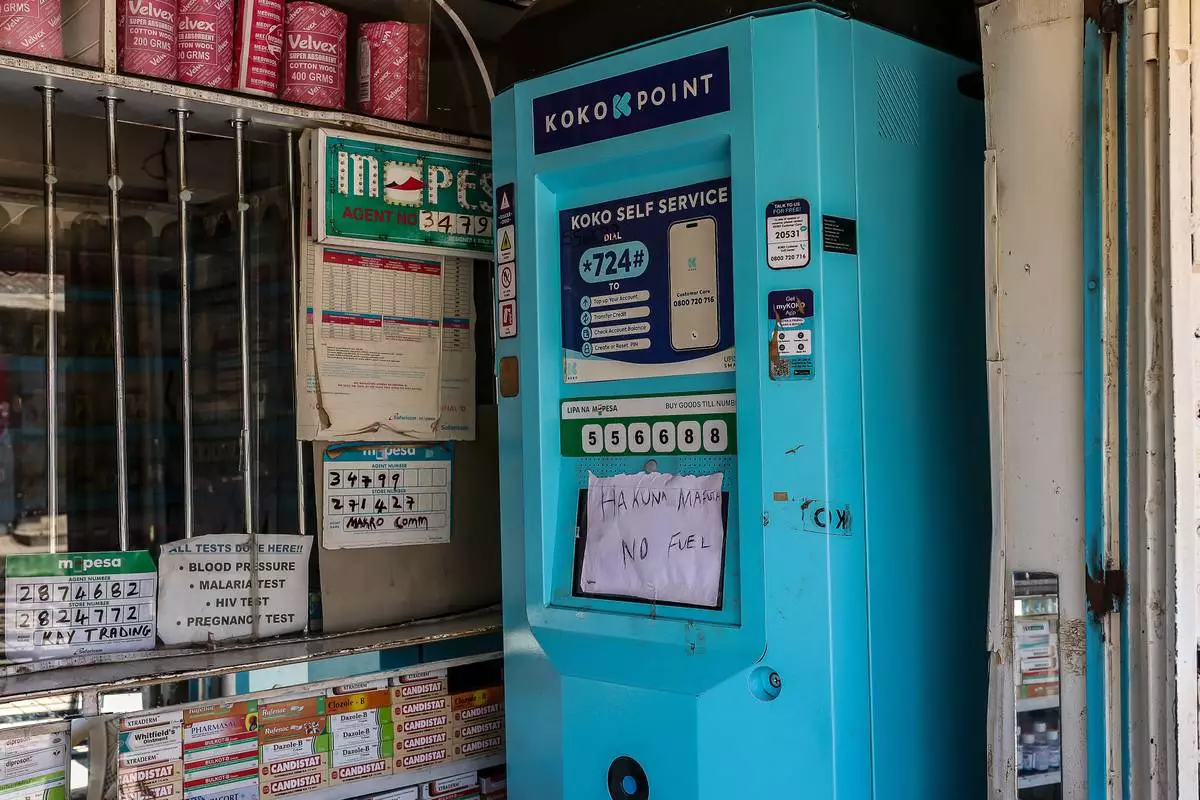
A KOKO Cooker bioethanol fuel distribution booth with out of stock fuel is seen in the Kibera informal settlement on the outskirts of Nairobi, Kenya, Wednesday, Feb. 4, 2026. (AP Photo/Atieno Muyuyi)
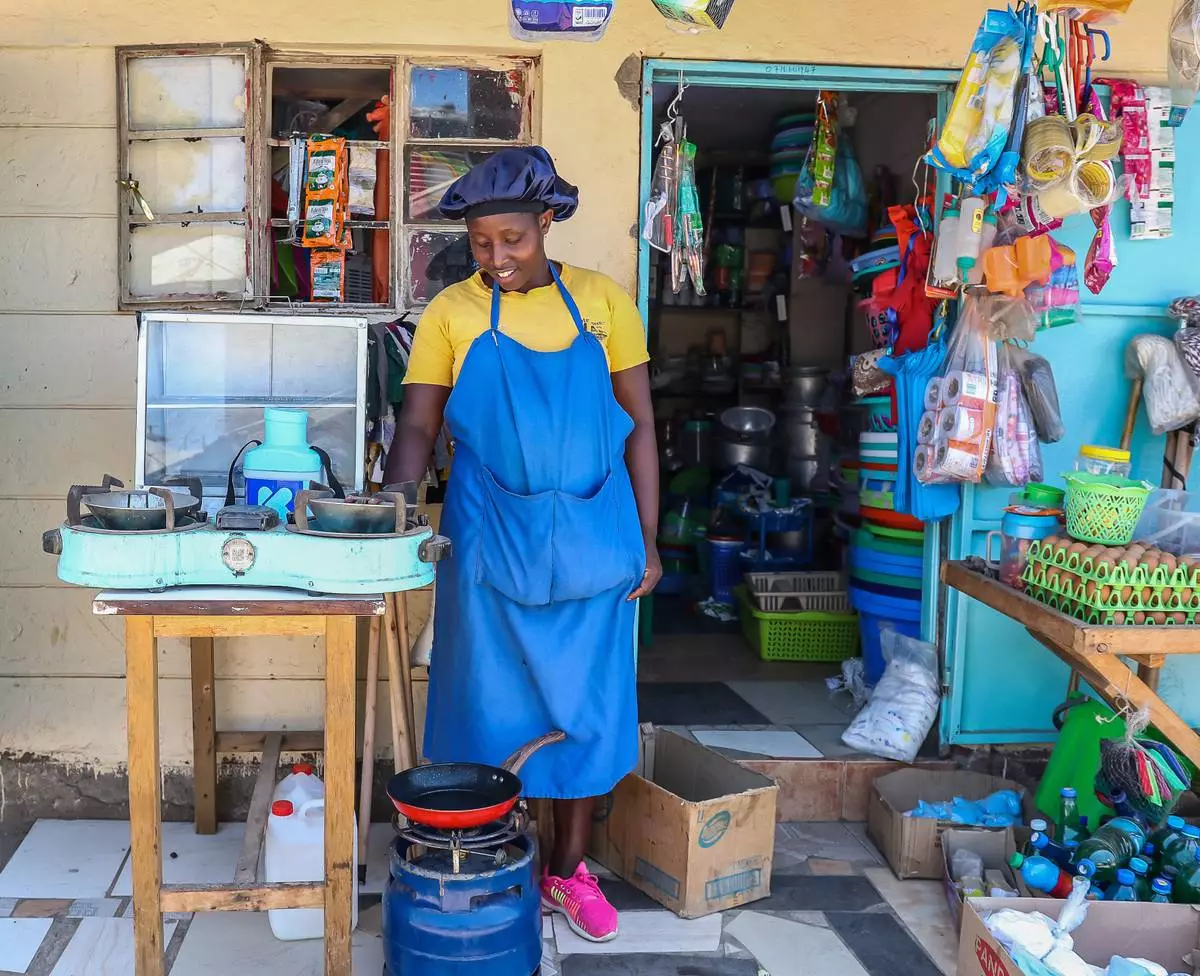
Grace Kathambi uses a KOKO Cooker bioethanol fuel stove to fry and sell French fries at her shop in the Kibera informal settlement on the outskirts of Nairobi, Kenya, Wednesday, Feb. 4, 2026. (AP Photo/Atieno Muyuyi)