Skip to Content Facebook Feature Image

In a Nigerian village, extremists issued a call to prayer and then slaughtered those who turned up

News

In a Nigerian village, extremists issued a call to prayer and then slaughtered those who turned up
News

News

In a Nigerian village, extremists issued a call to prayer and then slaughtered those who turned up

2026-02-06 23:12 Last Updated At:23:20

WORO, Nigeria (AP) — Weeks after residents of two Nigerian villages ignored a letter from militants announcing they would come to spread their extreme form of Islam, gunmen arrived on motorbikes and embarked on a 10-hour frenzy of killing.

The attackers went from door to door, shooting and setting homes and shops ablaze in the mostly Muslim villages of Woro and Nuku. Later, residents told The Associated Press, they went into a mosque, announced the call to prayer and shot everyone who turned up.

More Images
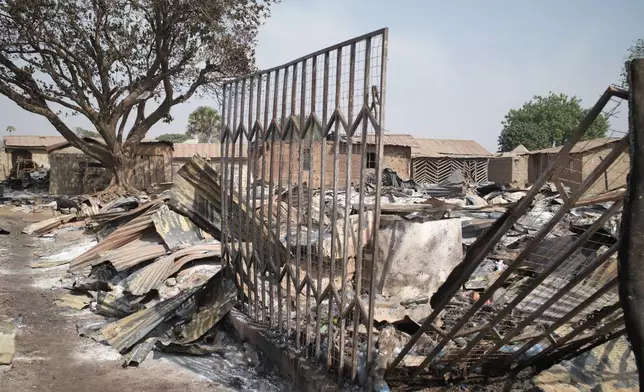
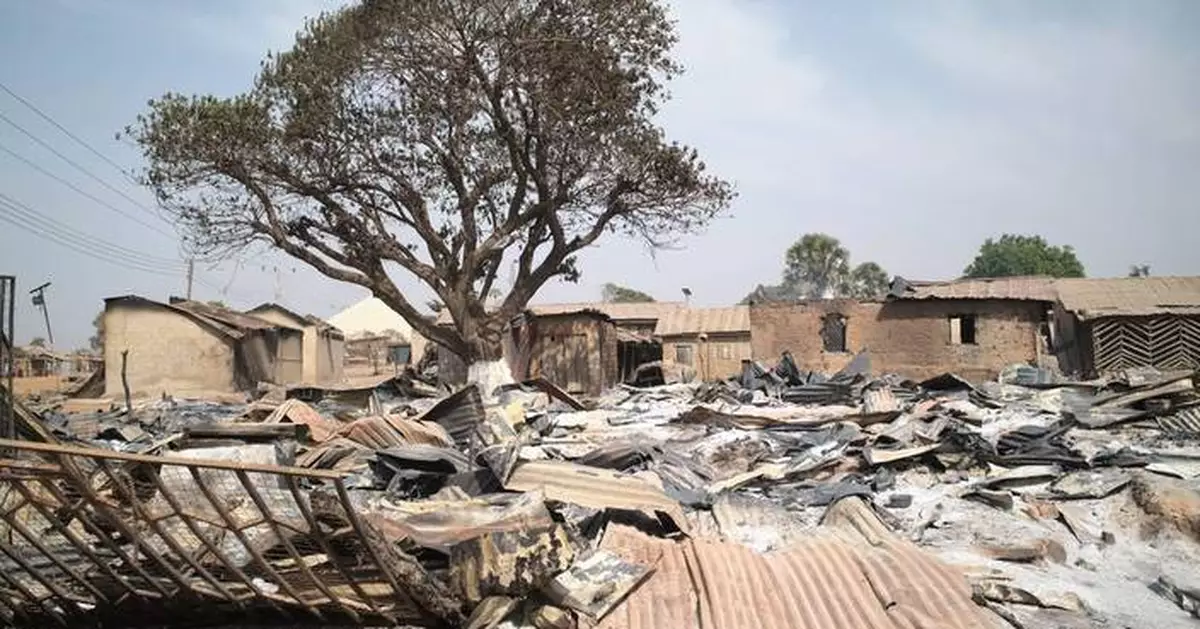
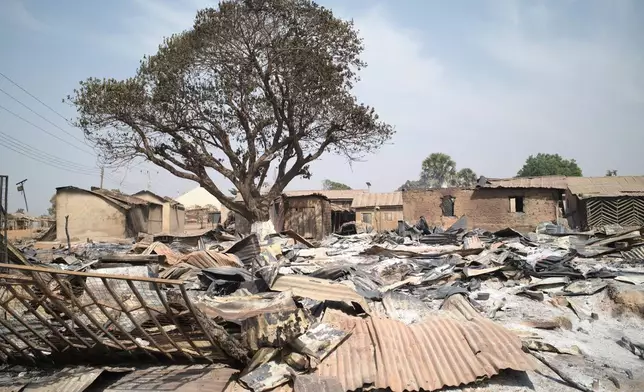
Homes sit in ruins days after an attack in the village of Woro, Nigeria, Thursday, Feb. 5, 2026. (AP Photo/Pelumi Salako)
Homes sit in ruins days after an attack in the village of Woro, Nigeria, Thursday, Feb. 5, 2026. (AP Photo/Pelumi Salako)

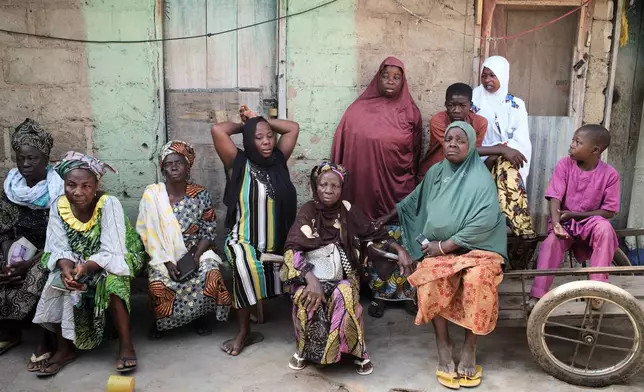
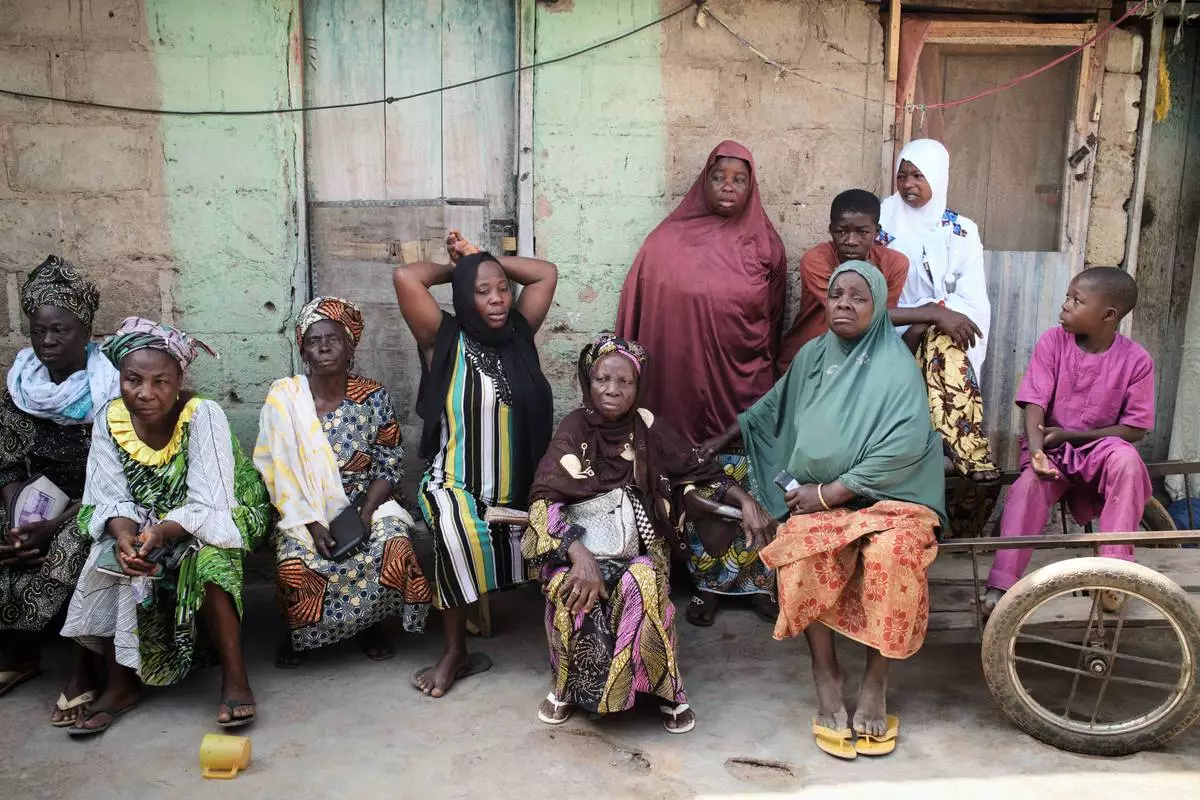
Survivors gather on the third day of Islamic prayers for one of the victims of an extremist attack, in Kaiama, Nigeria, Friday, Feb. 6, 2026. (AP Photo/Pelumi Salako)
Survivors gather on the third day of Islamic prayers for one of the victims of an extremist attack, in Kaiama, Nigeria, Friday, Feb. 6, 2026. (AP Photo/Pelumi Salako)

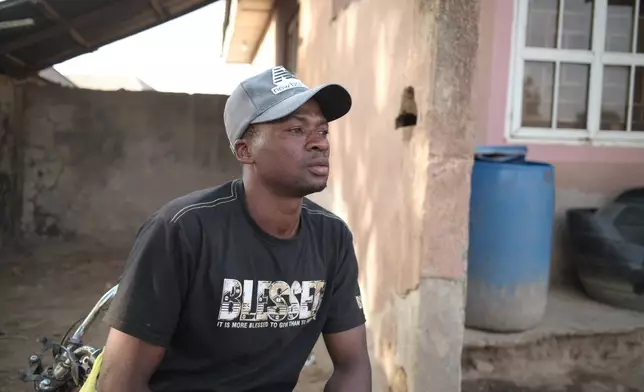
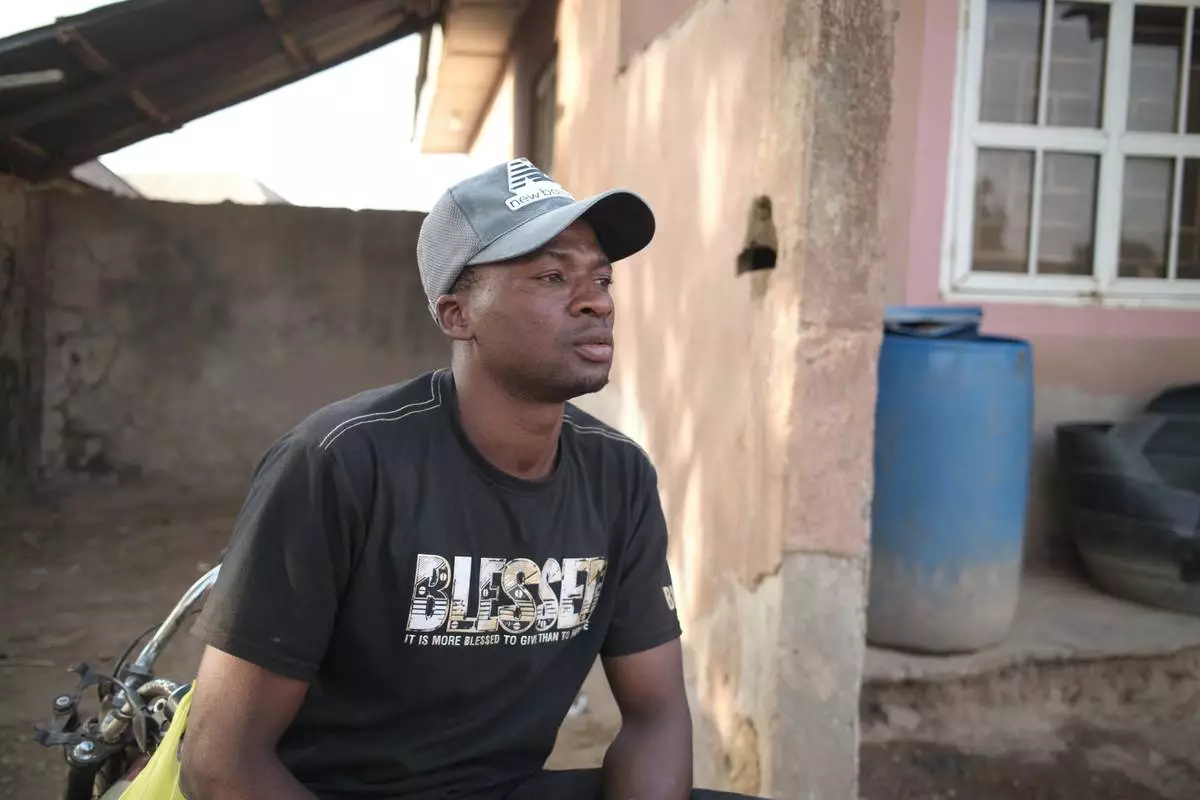
Umar Bio Kabir, a 26-year-old schoolteacher who survived by running when the attackers arrived in the village of Woro, looks on in Woro, Nigeria, Thursday, Feb. 5, 2026. (AP Photo/Pelumi Salako)
Umar Bio Kabir, a 26-year-old schoolteacher who survived by running when the attackers arrived in the village of Woro, looks on in Woro, Nigeria, Thursday, Feb. 5, 2026. (AP Photo/Pelumi Salako)

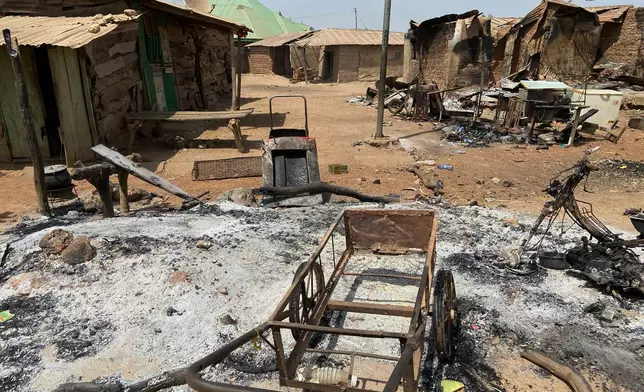
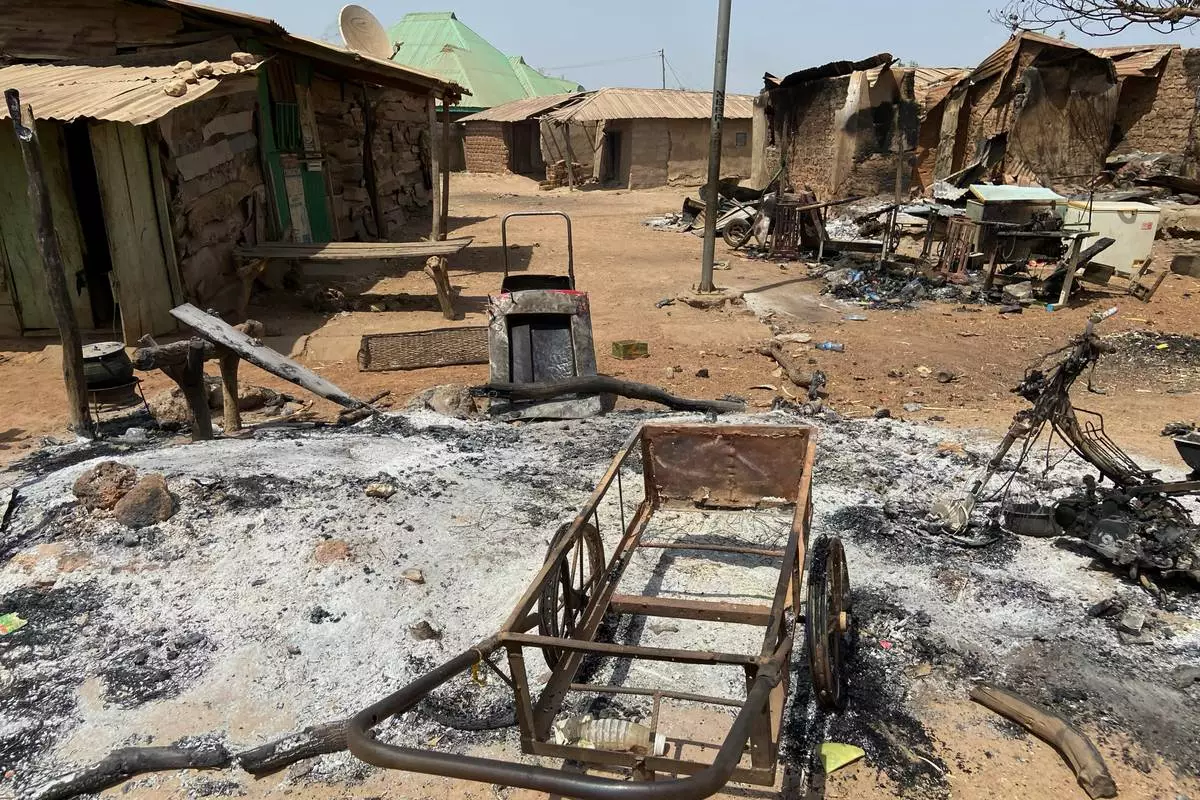
Burned homes and tools stand on an ash covered ground, days after an attack in the village of Woro, Nigeria, Thursday, Feb. 5, 2026. (AP Photo/Musa Salim)
Burned homes and tools stand on an ash covered ground, days after an attack in the village of Woro, Nigeria, Thursday, Feb. 5, 2026. (AP Photo/Musa Salim)

Razed homes are seen days after an attack that left dozens dead in the Muslim-majority village of Woro, Nigeria, Thursday, Feb. 5, 2026, that officials said was targeted for refusing extremist ideology. (AP Photo/Pelumi Salako)

Razed homes are seen days after an attack that left dozens dead in the Muslim-majority village of Woro, Nigeria, Thursday, Feb. 5, 2026, that officials said was targeted for refusing extremist ideology. (AP Photo/Pelumi Salako)

In the deadliest attack in Nigeria in several months, the extremists rounded up villagers, tied their arms behind their backs, lined them up and shot them in the head. Authorities say they slaughtered at least 162 people, while villagers say the toll is higher and that the men kidnapped many others.

The attack is the latest in a surge in violence in the state of Kwara, as well as other conflict hot spots, as armed groups in Nigeria challenge the state's authority and compete with one another.

Immediately before the attack, life had been quite normal in the quiet neighboring villages, where most residents are farmers, roughly 500 kilometers (300 miles) from the state capital.

Umar Bio Kabir, a 26-year-old schoolteacher, was playing football with his friends when they saw the attackers. They ran for their lives, but not everyone who was playing made it.

“God said I would survive or else I would have been among the dead,” he said.

According to several residents interviewed by the AP, the killing went on for the next 10 hours.

Residents said they had no help throughout the operation, and no security operatives showed up.

“We did not see anybody from when it started in the evening till the morning when it ended,” said Iliyaus Ibrahim, a farmer in the village whose brother died and whose pregnant sister-in-law was kidnapped along with her two children.

Reached by phone, Kwara state police spokesperson Adetoun Ejire-Adeyemi said: “That is not possible. Security operatives were on ground.” She would not say anything further.

Only about 20 men remained in the villages by Thursday, left with the arduous task of burying scores of dead people. Though the official toll is 162, residents told the AP they have buried nearly 200 people and have more to bury, including completely charred remains.

Kabir joined in burying several of his close friends in Woro. “Even as I am speaking to you, we have not finished packing the bodies. There are not enough people left in the village. Yesterday, we loaded bodies into two Hilux (pickup) trucks. Today, we are doing it again,” he said.

Two days after the killings, a body still lay in blood on Thursday. The remaining men said they were too tired to return to the site.

Residents struggled to breathe as the harmattan wind blew the ashes of burned houses and shops, with a lingering stench of blood. Zinc roofs clattered lightly against each other in the wind, the only sound in the dead-quiet village.

Survivors were gathering their essentials onto bikes, taxis and trucks and heading away from the village to restart life elsewhere.

Zakari Munir had come into Woro to help his brother pack to move to Kaiama, where the local government office is located. He pointed to a section of burning buildings and told the AP: “Everyone who lived here has been killed.”

The attack in Kwara, which borders Benin, has sparked concerns about the spread of Nigeria’s security crisis. The armed groups were previously confined to regions farther north, but analysts say they have moved their operations south as military pressure and territorial competition among groups ramp up.

Nigeria now plays host to multiple armed groups, both homegrown and cross-border. The West African nation has been fighting an insurgency for more than a decade, with Boko Haram and its splinter group, the Islamic State of West Africa Province, in addition to several amorphous groups commonly referred to as bandits.

In 2024, the Nigerian military announced the presence of the Lakurawa group, which had come from Niger, and in 2025 Jama’at Nusrat al-Islam wal-Muslimin claimed its first attack on Nigeria, in Kwara. The wider area of West Africa and the Sahel is also facing multiple threats from various Islamic extremist groups.

Several thousand people have been killed in Nigeria's protracted conflict, according to data from the United Nations. Analysts say not enough is being done by the government to protect its citizens.

On Wednesday, the Nigerian government announced a new military operation in Kwara to stem the spread of the crisis there. Last year, Nigerian President Bola Tinubu announced a state of emergency, aiming to add thousands more police officers.

Nigeria has been a focus of the U.S. government recently after President Donald Trump accused the West African nation of not protecting Christians from an alleged genocide. The Nigerian government rejected the claim, and analysts say the claim simplifies a very complicated crisis that targets people regardless of their faiths.

In Woro and Nuku, for instance, the Muslim victims appear to have been killed for resisting the preachings of the extremists.

Nigeria has entered a partnership with the U.S. on military cooperation. The U.S. launched airstrikes against militants affiliated with the Islamic State group on Dec. 25 and has provided Nigeria with weapons.

On Friday in Kaiama, Maryam Muhammed and other survivors gathered for Islamic prayers for her husband, one of the victims. The 57-year-old also lost her house.

Muhammed was taken by the attackers before being let go in the pandemonium. In the morning, she looked for her husband, who had been responsible for performing the call to prayer at the local mosque. She searched through still-smoldering bodies until she found him.

“When I did not hear his voice (at the mosque) when the day broke,” she said, “I knew there was trouble.”

——

Adetayo reported from Lagos, Nigeria
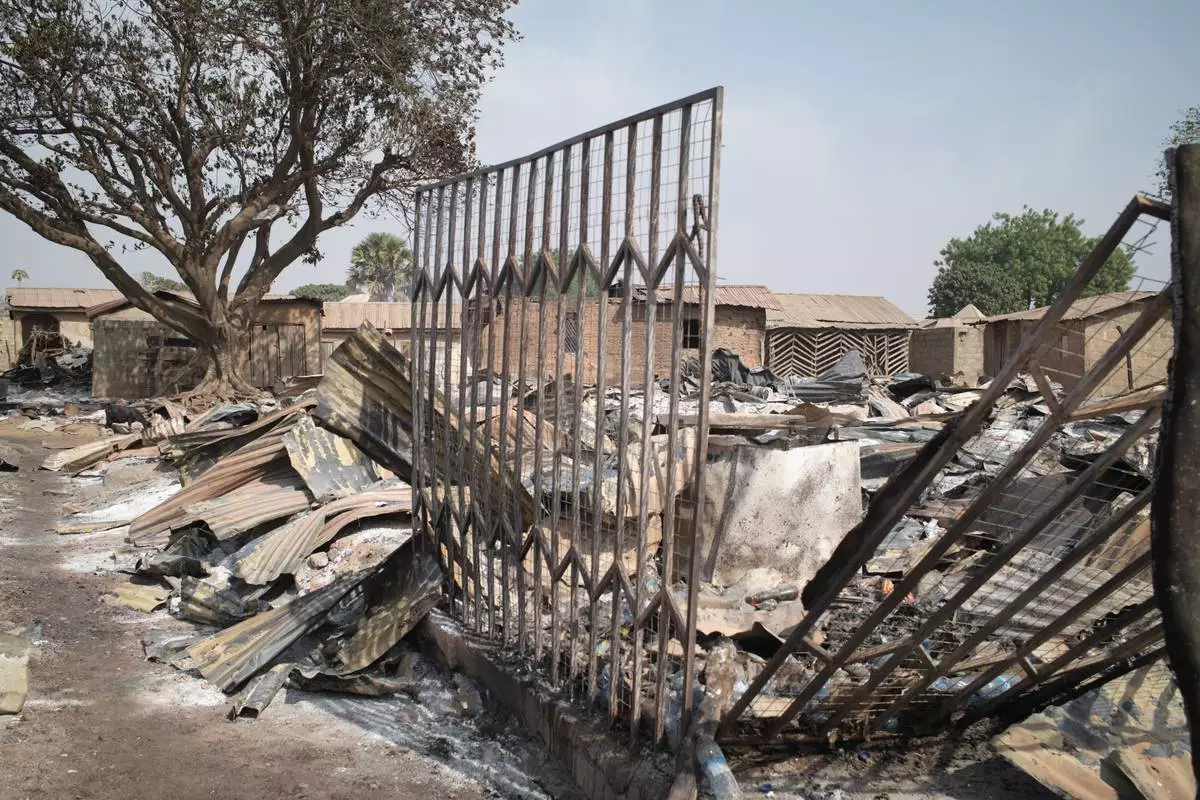
Homes sit in ruins days after an attack in the village of Woro, Nigeria, Thursday, Feb. 5, 2026. (AP Photo/Pelumi Salako)
Homes sit in ruins days after an attack in the village of Woro, Nigeria, Thursday, Feb. 5, 2026. (AP Photo/Pelumi Salako)

Survivors gather on the third day of Islamic prayers for one of the victims of an extremist attack, in Kaiama, Nigeria, Friday, Feb. 6, 2026. (AP Photo/Pelumi Salako)
Survivors gather on the third day of Islamic prayers for one of the victims of an extremist attack, in Kaiama, Nigeria, Friday, Feb. 6, 2026. (AP Photo/Pelumi Salako)

Umar Bio Kabir, a 26-year-old schoolteacher who survived by running when the attackers arrived in the village of Woro, looks on in Woro, Nigeria, Thursday, Feb. 5, 2026. (AP Photo/Pelumi Salako)
Umar Bio Kabir, a 26-year-old schoolteacher who survived by running when the attackers arrived in the village of Woro, looks on in Woro, Nigeria, Thursday, Feb. 5, 2026. (AP Photo/Pelumi Salako)

Burned homes and tools stand on an ash covered ground, days after an attack in the village of Woro, Nigeria, Thursday, Feb. 5, 2026. (AP Photo/Musa Salim)
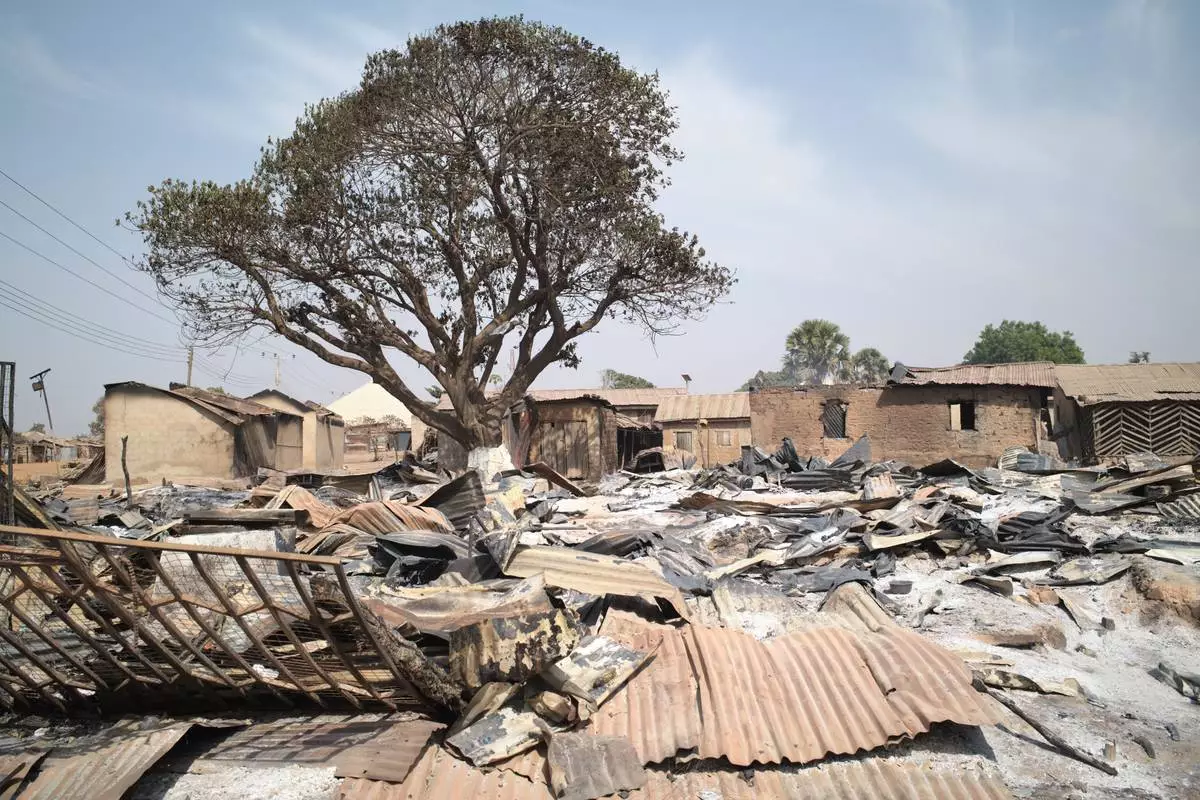
Burned homes and tools stand on an ash covered ground, days after an attack in the village of Woro, Nigeria, Thursday, Feb. 5, 2026. (AP Photo/Musa Salim)

Razed homes are seen days after an attack that left dozens dead in the Muslim-majority village of Woro, Nigeria, Thursday, Feb. 5, 2026, that officials said was targeted for refusing extremist ideology. (AP Photo/Pelumi Salako)
Razed homes are seen days after an attack that left dozens dead in the Muslim-majority village of Woro, Nigeria, Thursday, Feb. 5, 2026, that officials said was targeted for refusing extremist ideology. (AP Photo/Pelumi Salako)
Some Democratic mayors and governors say they are experiencing an increasingly hostile relationship with President Donald Trump, driven by his immigration policies.

Trump deployed National Guard troops to some U.S. cities last year over the objection of local leaders. Federal officers remain in Minneapolis despite local opposition, highlighting the growing divide.

The tensions have upended longtime Republican arguments that the federal government should leave local governance to the states under the 10th Amendment to the U.S. Constitution.

“There’s no question that the Trump administration has repeatedly violated the Constitution and how it deals with states,” Kentucky Gov. Andy Beshear, a Democrat, said in an interview.

For his part, Trump has expressed frustration at reflexive resistance from Democratic mayors and governors, insisting this week that he doesn’t want to force federal law enforcement on communities.

Tensions worsened after federal agents killed two U.S. citizens in Minneapolis last month.

The latest:

Attorney General Pam Bondi says federal authorities are assisting Arizona officials investigating the disappearance of Savannah Guthrie's mother.

Bondi was referring to 84-year-old Nancy Guthrie, the mother of the “Today” show host.

Bondi called for prayers for the family and said she’s known Savannah Guthrie for more than 30 years.

She declined to say more about what federal officials are doing to assist.

A “key participant” in the 2012 attack on a U.S. compound in Benghazi, Libya, that killed four Americans is in custody, Attorney General Pam Bondi said Friday..

The 2012 attacks on the U.S. compound killed Americans including Ambassador Chris Stevens and immediately emerged as a divisive political issue.

Republicans challenged President Barack Obama and Secretary of State Hillary Clinton on security at the facility, the military response to the violence and the Democratic administration’s changing narrative about who was responsible and why.

A final report by a Republican-led congressional panel faulted the Obama administration for security deficiencies and a slow response to the attacks.

The report, however, found no wrongdoing by Clinton.

U.S. Navy Adm. Brad Cooper, the head of the American military’s Central Command, attended the meeting — something that did not happen in previous rounds and likely served as a signal to Tehran that Washington may still strike Iran if negotiations fail.

With the aircraft carrier USS Abraham Lincoln and other warships in the region, along with more fighter jets, the U.S. now likely has the military firepower to launch an attack if it wanted.

But whether attacks could be enough to force Iran to change its ways — or potentially topple its government — remains far from a sure thing.

Meanwhile, Gulf Arab nations fear an attack could spark a regional war dragging them in as well. That threat is real — already, U.S. forces shot down an Iranian drone near the Lincoln and Iran attempted to stop a U.S.-flagged ship in the Strait of Hormuz.

Trump used his social media account to share a video about election conspiracy theories that includes a racist depiction of former President Barack Obama and his wife, Michelle Obama.

The Republican president’s Thursday night post immediately drew backlash for its treatment of the nation’s first Black president and first lady.

It was part of a flurry of social media activity that amplified Trump’s false claims that the 2020 election was stolen from him, despite courts around the country finding no evidence of fraud that could have affected the outcome.

White House press secretary Karoline Leavitt rejected criticism of the post that depicted the Obamas, who are Democrats.

An Obama spokesperson did not immediately respond to a request for comment Friday.

At the video's 60-second mark is a quick scene of two primates, with the Obamas’ smiling faces imposed on them.

Iran and the United States held indirect talks in Oman over Tehran’s nuclear program on Friday, months after America bombed Iran’s uranium enrichment sites and just weeks following nationwide protests that convulsed the Islamic Republic.

Iran’s Foreign Minister Abbas Araghchi described the talks as “a very good start” even as the parties met Oman’s top diplomat at different times at a palace on the outskirts of the country’s capital, Muscat.

Both Araghchi and the Omanis described the talks themselves as focused on merely trying to find a way to hold future negotiations — seemingly returning to the start of discussions about the Iranian nuclear program that unfolded over months a year ago, before Israel launched its 12-day war on Iran in June.

The U.S. side, represented by U.S. envoy Steve Witkoff and Jared Kushner, President Donald Trump’s son-in-law, had no immediate comment on the talks.

Trump claims his tariffs have revived the U.S. economy, calling it an “American economic miracle.”

He argues that tariffs have boosted growth and reduced inflation. However, the facts tell a different story.

The U.S. economy was already growing before his second term. During the first three quarters of the year, Trump’s tariffs — or the threat of them — delivered mixed results for the American economy. Inflation figures are skewed by data disruptions, and tariffs have actually increased core goods prices.

Trump also claims foreign producers bear most tariff costs, but studies show U.S. consumers and firms are affected.

Oman has mediated indirect talks between Iran and the United States over the Islamic Republic’s nuclear program, seeking to de-escalate tensions between the nations after Washington bombed Iranian nuclear sites and Tehran launched a bloody crackdown on nationwide protests.

Oman issued a public statement acknowledging the talks after Associated Press journalists watched Iranian and American officials separately visit a palace on the outskirts of Muscat to speak to the sultanate’s foreign minister, Badr al-Busaidi.

It wasn’t immediately clear Friday if that was the end of the talks for the day.

The U.S. bombed Iranian nuclear sites during that war, likely destroying many of the centrifuges that spun uranium to near weapons-grade purity. Israel’s attacks devastated Iran’s air defenses and targeted its ballistic missile arsenal as well.

U.S. officials like Secretary of State Marco Rubio believe Iran’s theocracy is now at its weakest point since its 1979 Islamic Revolution after nationwide protests last month represented the greatest challenge to 86-year-old Supreme Leader Ayatollah Ali Khamenei’s rule. Khamenei’s forces responded with a crackdown that killed thousands and reportedly saw tens of thousands arrested — and spurred new military threats by Trump to target the country.

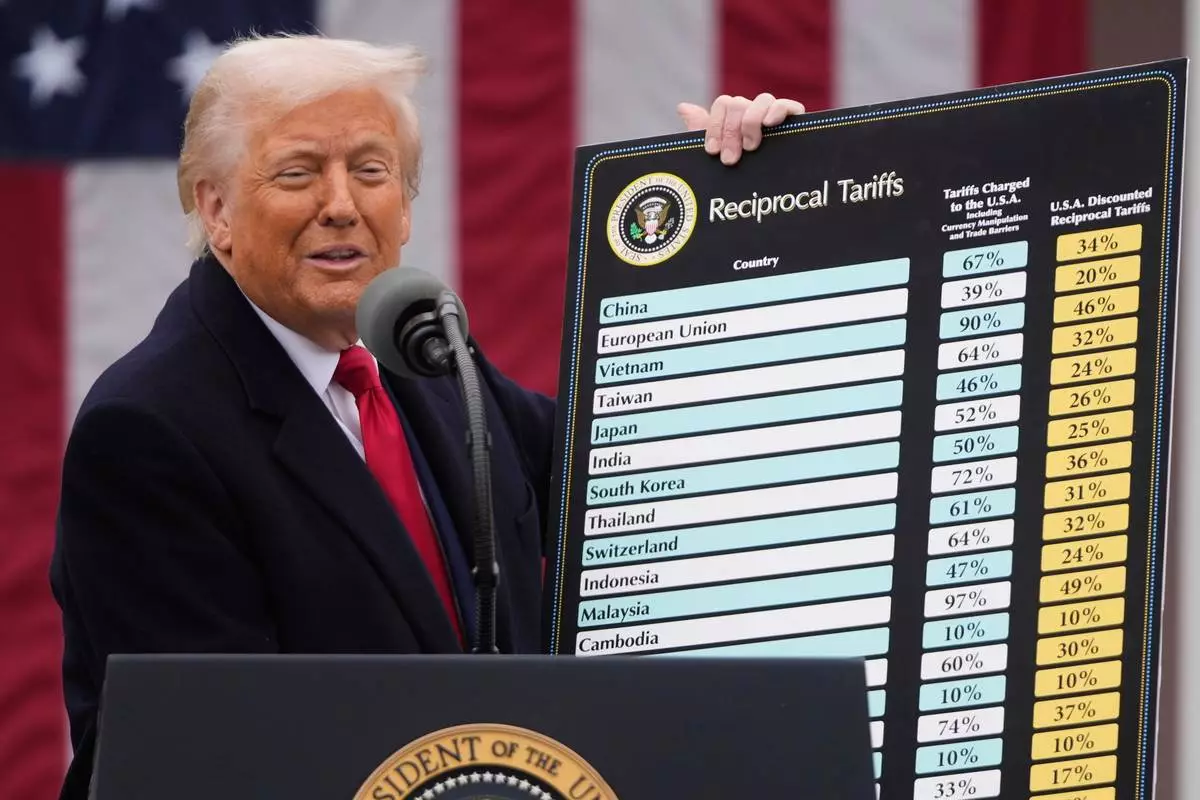
FILE - President Donald Trump speaks during an event to announce new tariffs in the Rose Garden at the White House, April 2, 2025, in Washington. (AP Photo/Mark Schiefelbein, File)

FILE - President Donald Trump speaks during an event to announce new tariffs in the Rose Garden at the White House, April 2, 2025, in Washington. (AP Photo/Mark Schiefelbein, File)

Recommended Articles