Skip to Content Facebook Feature Image

No New Chikungunya Fever Cases Reported in Hong Kong, Surveillance Continues Amid Ongoing Global Outbreaks

HK

No New Chikungunya Fever Cases Reported in Hong Kong, Surveillance Continues Amid Ongoing Global Outbreaks
HK

HK

No New Chikungunya Fever Cases Reported in Hong Kong, Surveillance Continues Amid Ongoing Global Outbreaks

2026-02-08 17:30 Last Updated At:17:38

Update on chikungunya fever

The Centre for Health Protection (CHP) of the Department of Health announced that, as of 5pm today (February 8), no new cases of chikungunya fever (CF) had been recorded.

Latest surveillance data

---------------------------

Hong Kong has recorded two confirmed CF cases so far this year, all of which were imported cases. Last year, Hong Kong recorded a total of 82 confirmed CF cases. Among them, 11 were local cases, and the rest were imported cases.

Since the beginning of 2025, and as of December 10, 2025, a total of 502 264 CF cases and 186 CF-related deaths have been reported in over 40 countries/territories. Cases have been reported in the Americas, Africa, Asia, and Europe. Although the northern hemisphere has entered the winter season, temperatures in subtropical and some temperate regions remain elevated due to climate change, creating favourable conditions for mosquito breeding. In addition, CF outbreaks continue to occur in many countries worldwide. The risk of imported cases persists. Members of the public should check the situation of the destinations before travelling abroad, especially when travelling to Southeast Asian countries.

Continuously strengthening prevention and control

---------------------------------------------------------

Given that some local cases of CF have visited the Tsing Yi Nature Trails or the surrounding area in November last year, the trails are currently closed until further notice. Relevant government departments (including the Food and Environmental Hygiene Department (FEHD), Kwai Tsing District Office, Lands Department, Drainage Services Department, and Civil Engineering and Development Department) have been continuously conducting comprehensive mosquito control and environmental remediation work along the trails. Since the confirmation on December 10, 2025, of a case involving a person who had visited the Tsing Yi Nature Trails on November 30, 2025, no further local cases have been recorded to date.

The FEHD and relevant departments have comprehensively enhanced the mosquito control operations in Hong Kong since July last year, and this has continued. Among these, the FEHD has conducted vector investigations and targeted mosquito control operations against the imported and local cases. In light of the local cases, the FEHD has immediately conducted follow-up actions, including:

  • carrying out intensive fogging in scrubby areas within a 250-metre radius of the relevant locations to kill adult mosquitoes;
  • carrying out inspections of the locations, removing stagnant water, applying insecticides and disposing of abandoned water containers every week with a view to preventing mosquito breeding; and
  • enhancing public education efforts through organising health talks, setting up mobile education stations, and distributing publicity leaflets.
  • The abovementioned measures will be continued. Furthermore, the Government will further enhance the mosquito control efforts in addition to the existing measures.

    Preventive measures to be taken by the public

    ----------------------------------------------------

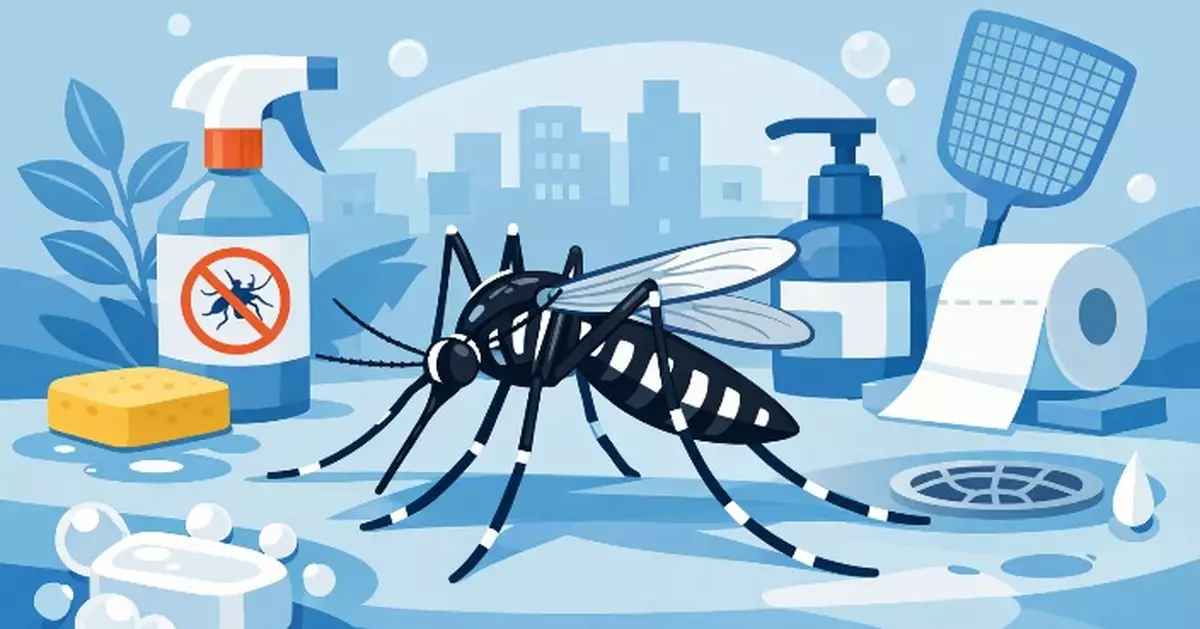
    Members of the public should use DEET-containing insect repellents or other effective active ingredients properly to prevent mosquito bites, but the following precautions should be taken when using them:

  • read the label instructions carefully first;
  • apply right before entering an area with a risk of mosquito bites;
  • apply on exposed skin and clothing;
  • use DEET of up to 30 per cent for pregnant women and up to 10 per cent for children (for children who travel to countries or areas where mosquito-borne diseases are endemic or epidemic and where exposure is likely, those aged 2 months or above can use DEET-containing insect repellents with a DEET concentration of up to 30 per cent);
  • apply sunscreen first, then insect repellent;
  • reapply only when needed and follow the instructions; and
  • in addition to DEET, there are other insect repellents available on the market containing different active ingredients, such as IR3535 and picaridin. When using any insect repellent, the public should follow the usage instructions and precautions on the product label.
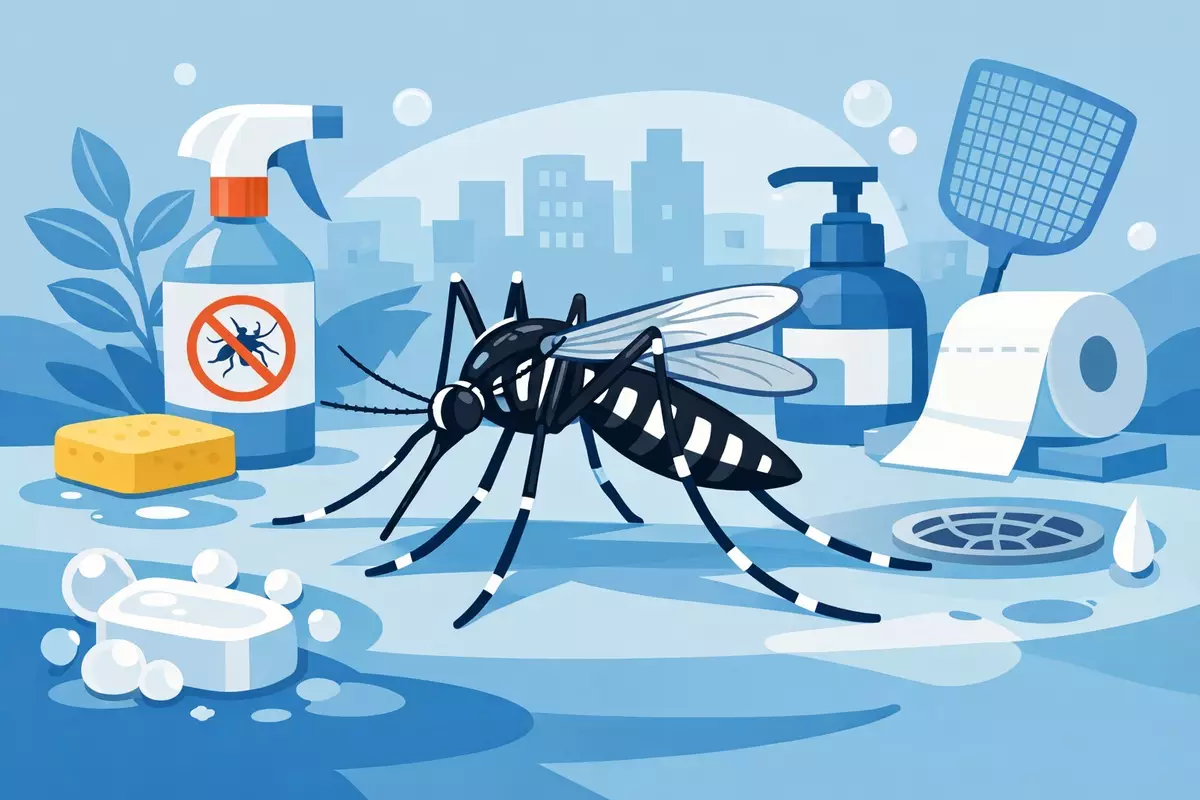
  • The FEHD also appeals to members of the public to continue to stay alert and work together to carry out mosquito prevention and control measures early, including inspecting their homes and surroundings to remove potential breeding grounds, changing water in vases and scrubbing their inner surfaces, removing water in saucers under potted plants at least once a week, and properly disposing of containers such as empty cans and lunch boxes. The FEHD also advises members of the public and property management agencies to keep drains free of blockage and level all defective ground surfaces to prevent the accumulation of water. They should also scrub all drains and surface sewers with an alkaline detergent at least once a week to remove any mosquito eggs.

    The public should call 1823 in case of mosquito problems, and may visit the following pages for more information: the CF page of theCHPand theTravel Health Service, the latestTravel Health News,tips for using insect repellents, and the CHPFacebook Page,Instagram AccountandYouTube Channel, and also theMosquito Prevention and Control dedicated pageof the FEHD.

    Source: AI-found images

    Source: AI-found images

    CHP reminds public not to consume raw oysters and observe food safety as two more food poisoning clusters involving raw oyster consumption reported

    The Centre for Health Protection (CHP) of the Department of Health is today (February 8) investigating two epidemiologically linked food poisoning clusters affecting a total of five persons. The CHP reminded the public to maintain personal, food and environmental hygiene to prevent foodborne diseases.

    New food poisoning clusters

    ------------------------------------

    The clusters involve two males and three females aged between 30 and 38. They developed diarrhoea, abdominal pain, vomiting and fever about 14 to 49 hours after having dinner at Chef's Cuts located at Unit 229 and 230, 2/F, THE SOUTHSIDE, 11 Heung Yip Road, Wong Chuk Hang, on January 30.

    Three of the affected persons sought medical advice but did not require hospitalisation.All of the affected individuals are currently in stable condition.

    A preliminary investigation revealed that raw oyster was the food item that the affected individuals had in common at the aforementioned restaurant. Officers of the Food and Environmental Hygiene Department (including personnel of the Centre for Food Safety (CFS) and the Environmental Hygiene Branch) conducted an investigation at the restaurant and the raw oyster suppliers Jeton International Food and 88 Investment Holdings Limited. The CFS immediately instructed Jeton International Food and 88 Investment Holdings Limited to suspend the sale and supply of raw oysters, and issued press release on the follow-up actions on February 6, instructing the trade should stop selling raw oysters supplied by the company concerned immediately if they possess them. All of the newly reported cases consumed raw oysters concerned before preventive and control measures instituted by the CFS.

    The investigation of the CHP and the CFS is ongoing.

    Recent surge in norovirus-related food poisoning cases

    ------------------------------------------------------------------

    "Food poisoning cases have continuously increased over the past few weeks, rising from one case a week on average in late December last year to four cases a week on average in January. A total of 27 cases have been recorded in the first week of February. Over the past three weeks (between January 18 and February 7), the CHP has recorded 34 food poisoning cases, affecting 108 persons. Among which, 30 cases (88 per cent) were related to norovirus, affecting 94 persons. Epidemiological investigation showed that all the affected persons of the food poisoning cases related to norovirus had consumed raw oysters during the incubation period. Among the affected persons, five persons were hospitalised for treatment. All are in stable condition. The CHP has notified the CFS on all the food poisoning cases for follow up," the Controller of the CHP, Dr Edwin Tsui, said.

    "As oysters feed by filtering a large volume of seawater, pathogens can accumulate in them if they are grown in or harvested from contaminated water. Raw and partially cooked oysters are considered a high-risk food. Persons who consume undercooked or contaminated oysters may contract food-borne diseases such as norovirus, hepatitis A virus or other bacteria. In view of the drastic increase in food poisoning cases related to consumption of raw oysters recently, members of the public, especially pregnant women, young children, the elderly and people with weakened immune systems or liver diseases, shall stay vigilant and avoid consumption of raw oysters or partially cooked bivalve shellfish to prevent infection," Dr Tsui explained.

    "In addition to food poisoning, norovirus can also cause acute gastroenteritis (AGE). According to the CHP's surveillance data, the AGE activity level has continued to increase since early January, including AGE outbreaksin institutions and schools. Laboratory testing indicated that over 60 per cent of the outbreaks were caused by norovirus.In addition, there have been increases in the norovirus activity in other popular travel destinations for Hong Kong citizens, including Japan and Korea. Members of the public should remain vigilant and maintain personal, environmental and food hygiene at all times to minimise the risk of being infected while travelling," Dr Tsui added.

    Preventive measures to be taken by the public

    ----------------------------------------------------------

    Norovirus infection typically causes food poisoning and AGE with symptoms including nausea, vomiting, diarrhoea, abdominal pain, low-grade fever and malaise. The symptoms are usually self-limiting and most people will get better within one to three days.

    In general, norovirus is more active in winter (around December to March). As norovirus is highly contagious, individuals may become infected after being exposed to even a small amount of norovirus. The virus can be transmitted through various means, such as eating contaminated food, contacting with the vomit or excreta of infected persons, and contacting with contaminated objects. In settings where people are staying close together such as schools, elderly homes etc., there is a possibility of a large-scale outbreak.

    "As the Lunar New Year holiday is approaching, members of the public have more opportunities to have parties with food delivery services or hotpot. To prevent food poisoning, apart from maintaining personal hygiene, they should also consume thoroughly washed and cooked food. For shellfish, the shells should be well scrubbed and the internal organs be removed before consumption. To prevent AGE and norovirus infection, members of public should perform hand hygiene frequently, especially before handling food or eating, and after using the toilet. Wash hands with liquid soap and water, and rub for at least 20 seconds, then rinse with water and dry with a disposable paper towel or hand dryer. Since alcohol is not effective in killing norovirus, alcohol-based handrubs are not a substitute for handwashing with soap and water," said Dr Tsui.

    Source: AI-found images

    Source: AI-found images

    Recommended Articles