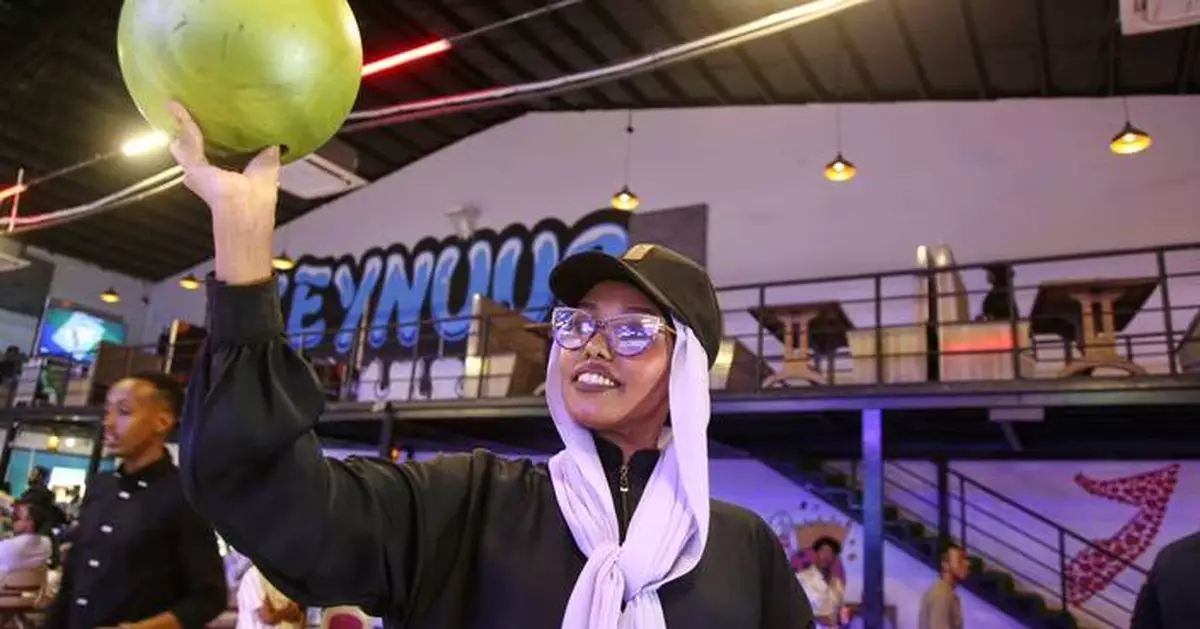
MOGADISHU, Somalia (AP) — In a city long defined by conflict, Somalia ’s capital of Mogadishu now echoes with the crash of pins at the country's first modern bowling alley.
It's the latest sign of revival in the once-thriving Indian Ocean port shaped by 35 years of civil war and militant bombings. Millions of people were forced to flee what became one of the world’s most dangerous cities. Those who remained avoided public spaces as the al-Qaida-linked group al-Shabab waged an insurgency against the Somali state.
Click to Gallery
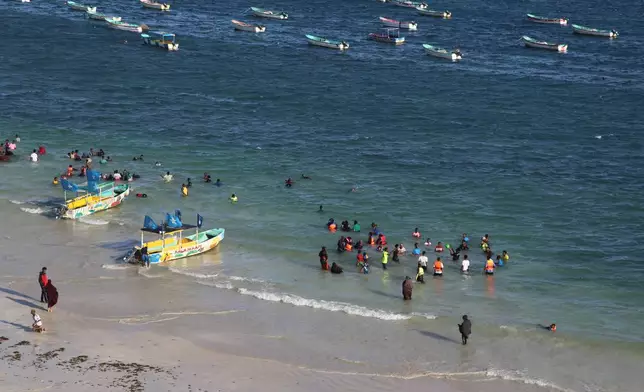
People swim at Lido Beach in Mogadishu, Somalia, on Jan. 27, 2026. (AP Photo/Farah Abdi Warsameh)
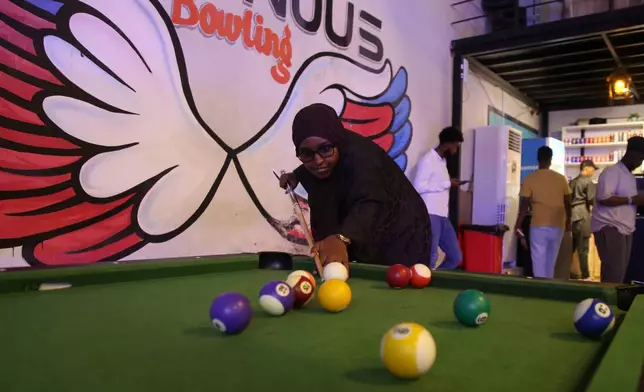
A Somali woman plays pool in Mogadishu, Somalia, on Jan. 15, 2026. (AP Photo/Farah Abdi Warsameh)
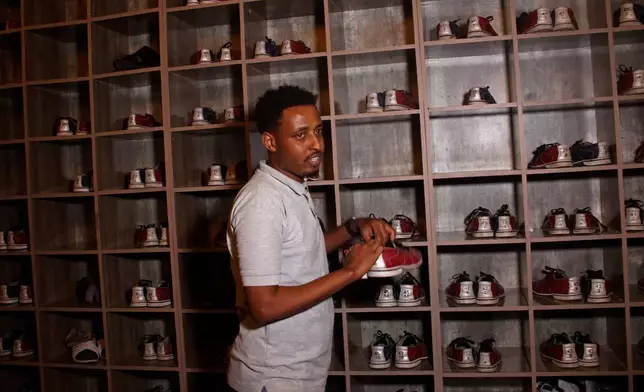
A Somali man selects a bowling shoe at the Feynuus Bowling Center in Mogadishu, Somalia, on Jan. 15, 2026. (AP Photo/Farah Abdi Warsameh)
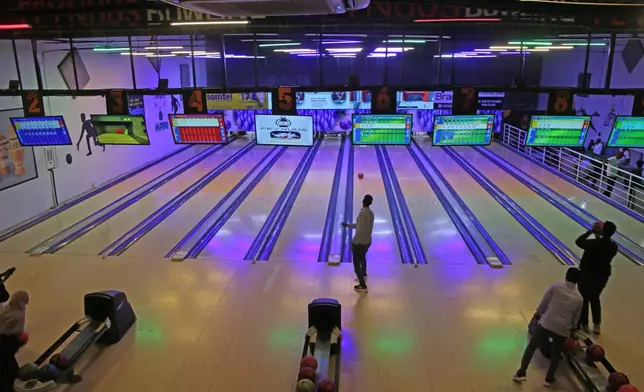
People bowl at the Feynuus Bowling Center in Mogadishu, Somalia, on Jan. 15, 2026. (AP Photo/Farah Abdi Warsameh)
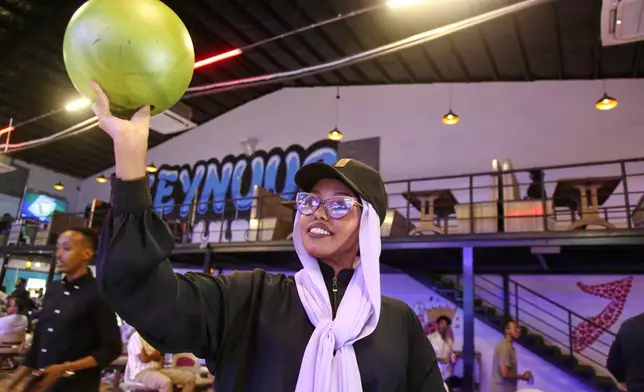
A Somali woman bowls at the Feynuus Bowling Center in Mogadishu, Somalia, on Jan. 15, 2026. (AP Photo/Farah Abdi Warsameh)
In recent years, improved security measures against al-Shabab, an expanded government presence and growing private investment have allowed daily life to re-emerge. Cafes line newly reopened streets, beaches draw evening crowds and traffic congestion, once unimaginable, now clogs key intersections.
The Feynuus Bowling Center opened last year and draws many locals and Somalis returning from the diaspora, who bring investment and business ideas after years of sending billions of dollars in remittances from abroad.
On a recent evening, young Somalis gathered in groups, laughing and filming each other on their phones while music played. Many from the diaspora are visiting Mogadishu for the first time in years, or the first time ever.
“I couldn’t believe Mogadishu has this place,” said Hudoon Abdi, a Somali-Canadian on holiday, as she prepared to take her turn to bowl.
“I’m enjoying it. Mogadishu is actually safe,” she said, urging others to visit.
Mogadishu remains vulnerable to militant attacks, however, with security measures like checkpoints and heavily guarded zones part of daily life. Non-Somalis remain largely confined to a compound at the international airport.
But residents say the ability to gather for recreation signals an important psychological shift. Such venues provide a welcoming environment for a younger generation eager for safe spaces to socialize.
Abukar Hajji returned from the United Kingdom on holiday after many years away and found the difference between what he imagined and what he experienced eye-opening.
“When I was flying from the U.K., I believed it was a scary place, like a war-torn country,” he said. “Everyone told me, ‘Good luck,’ but when I came and saw it with my own eyes, I didn’t want to leave.”
Sadaq Abdurahman, the manager of the bowling center, said the idea for the business emerged from a growing demand among young people for recreational facilities.
“It has created employment opportunities for at least 40 youths," he said.
According to the Somali National Bureau of Statistics, Somalia’s unemployment rate stands at 21.4%.
The bowling alley has private security guards, bag checks and surveillance cameras, reflecting the precautions common at public venues in Mogadishu.
Urban planners and economists say businesses like the bowling alley signal a broader shift in Mogadishu’s recovery, as private sector growth increasingly complements international aid and government-led rebuilding efforts.
Ahmed Khadar Abdi Jama, a lecturer in economics at the University of Somalia, said innovative businesses are responding to the needs of diaspora returnees and the growing middle class, "which in turn adds to the expected increase in Somalia’s GDP.”
Outside the bowling alley, traffic hummed and neon signs flickered, other reminders of Mogadishu’s fragile transformation.
For more on Africa and development: https://apnews.com/hub/africa-pulse
The Associated Press receives financial support for global health and development coverage in Africa from the Gates Foundation. The AP is solely responsible for all content. Find AP’s standards for working with philanthropies, a list of supporters and funded coverage areas at AP.org.
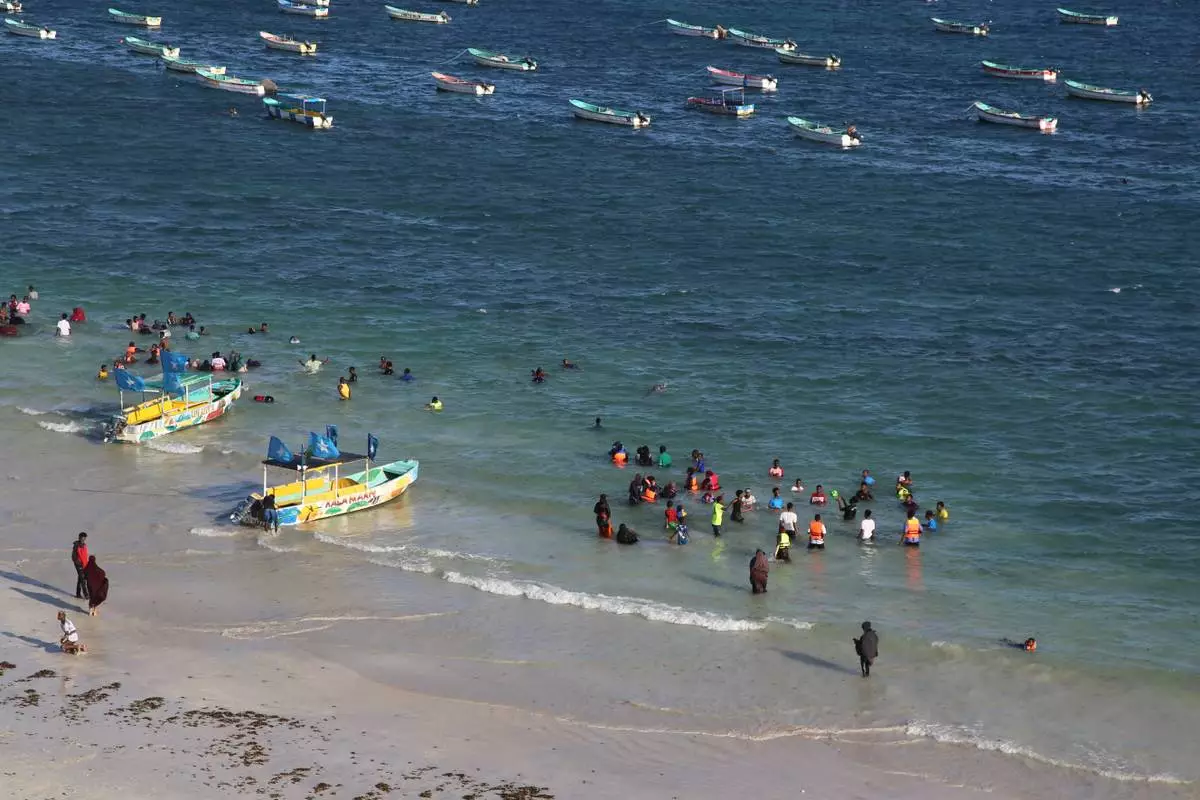
People swim at Lido Beach in Mogadishu, Somalia, on Jan. 27, 2026. (AP Photo/Farah Abdi Warsameh)
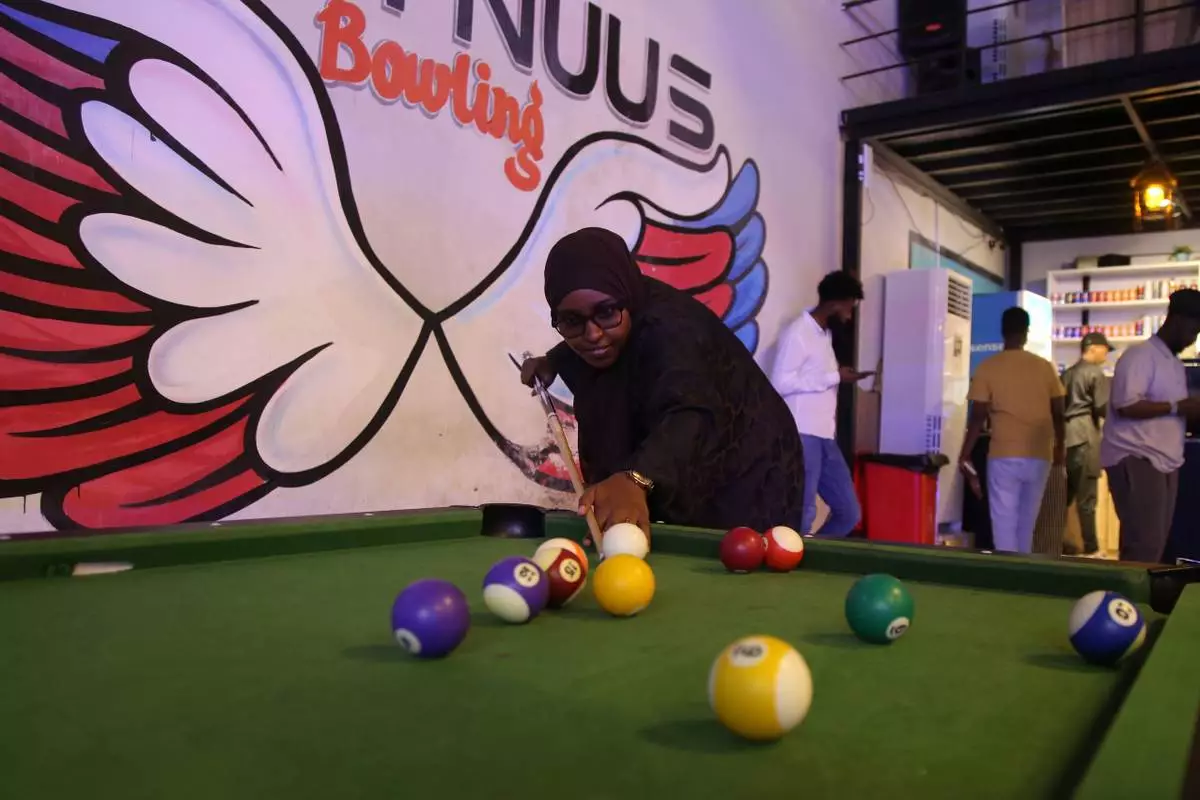
A Somali woman plays pool in Mogadishu, Somalia, on Jan. 15, 2026. (AP Photo/Farah Abdi Warsameh)
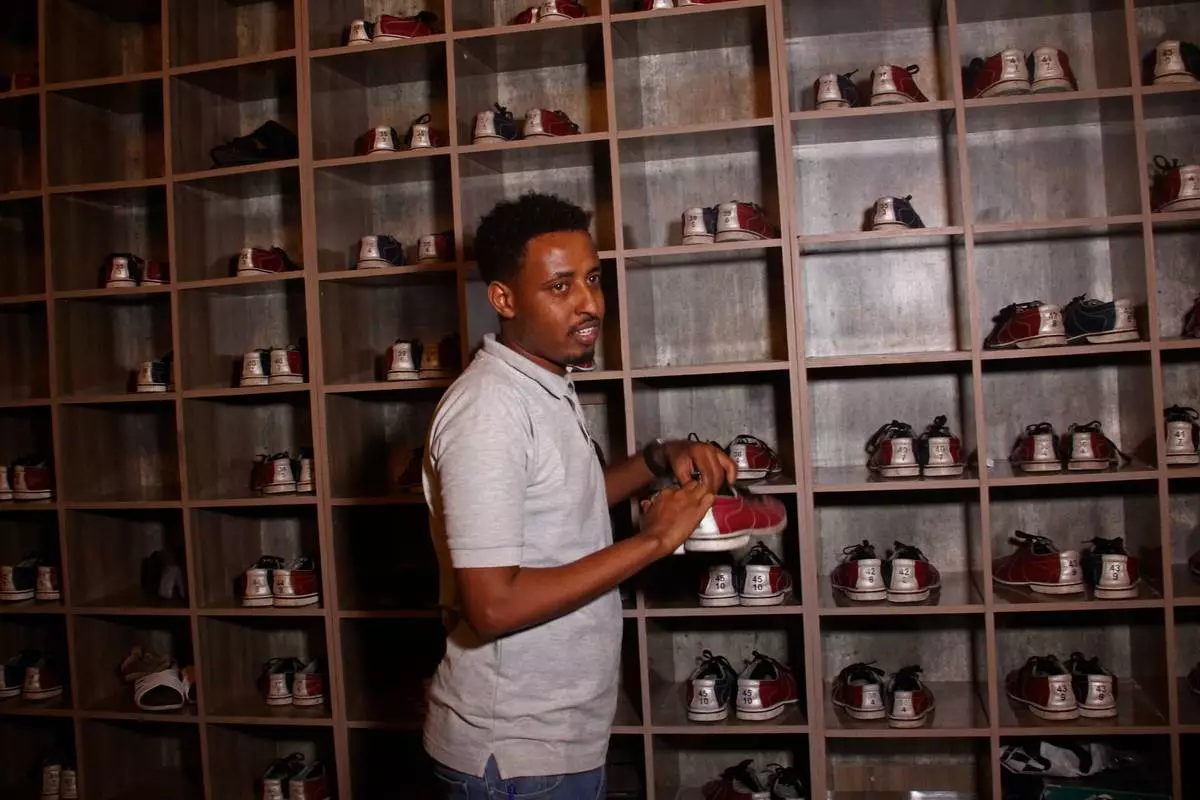
A Somali man selects a bowling shoe at the Feynuus Bowling Center in Mogadishu, Somalia, on Jan. 15, 2026. (AP Photo/Farah Abdi Warsameh)
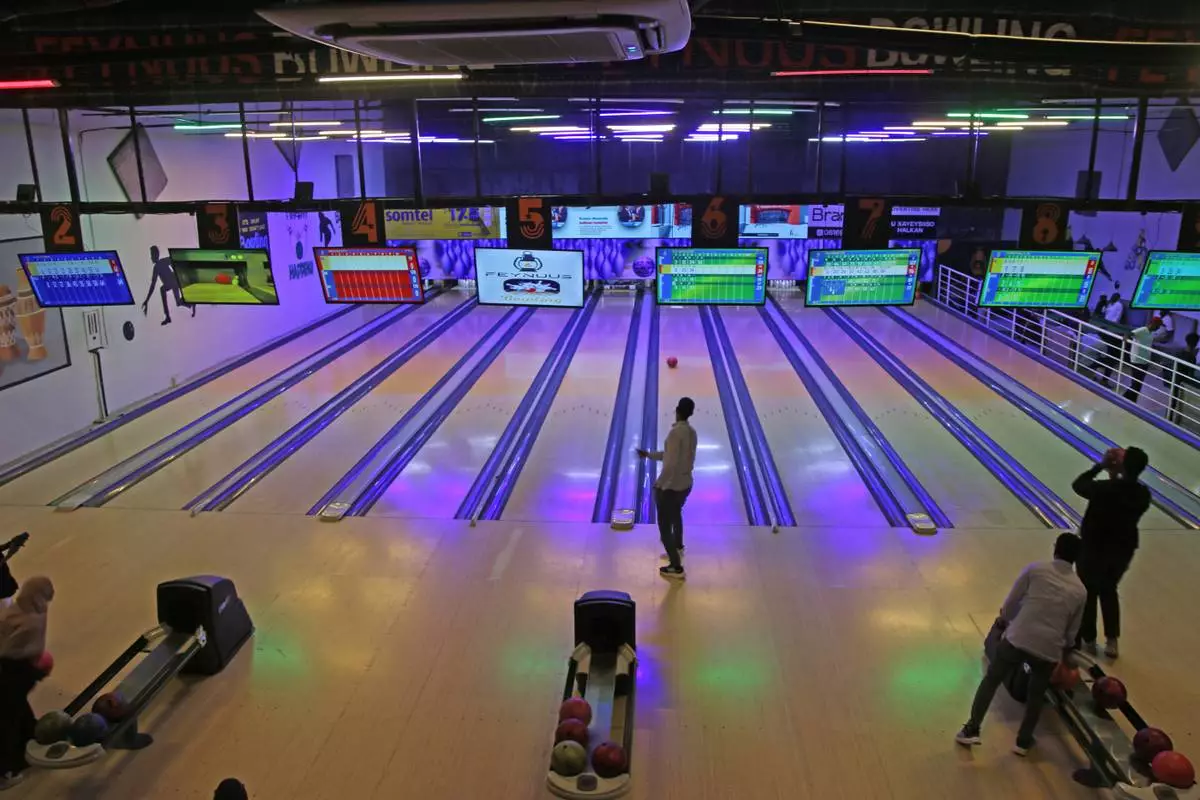
People bowl at the Feynuus Bowling Center in Mogadishu, Somalia, on Jan. 15, 2026. (AP Photo/Farah Abdi Warsameh)
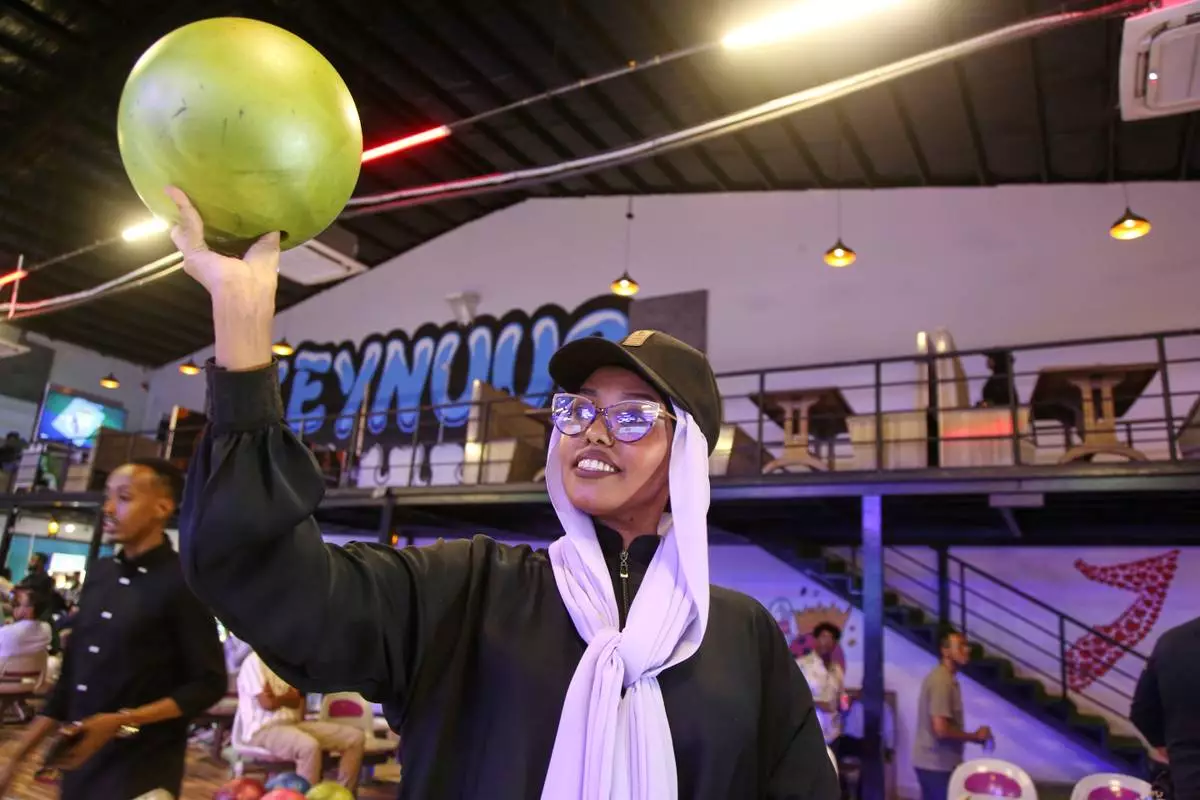
A Somali woman bowls at the Feynuus Bowling Center in Mogadishu, Somalia, on Jan. 15, 2026. (AP Photo/Farah Abdi Warsameh)
SAN JUAN, Puerto Rico (AP) — The Super Bowl lasted all of 13 minutes for many Puerto Ricans in San Juan and beyond.
People turned their backs to TV screens as food, music and chatter filled the first half of the game until a hush fell across the island. The halftime show was starting.
This was Puerto Rico’s moment, a spotlight on a collective son who quit bagging groceries a decade ago and became the world’s most streamed artist on Spotify last year. Since then, Bad Bunny has used his platform to applaud immigrants, sing about Puerto Rico’s identity and turmoil and denounce U.S. immigration policies.
“He appeared at the right moment in the history of Latin America,” said Marielys Rojas, 39, who is originally from Venezuela but has lived the last 22 years in Puerto Rico.
She was among the hundreds who gathered by a grassy knoll near a beach in Puerto Rico’s capital to watch the halftime show on a huge screen as waves crashed behind them and the sounds of coquís, an endemic frog, filled the salty air.
Amarilys Reyes, 55, arrived at the seaside watch party with her 22-year-old daughter.
She had never watched a Super Bowl and didn’t know who was playing, but it didn’t matter. Like many others, she was only there for Bad Bunny.
“It’s the biggest show of his life,” Reyes said.
Energy, nerves and excitement had been building across Puerto Rico ever since the NFL, Apple Music and Roc Nation announced that Benito Antonio Martínez Ocasio would headline the Super Bowl XL Halftime Show.
Watch parties were quickly organized across the U.S. mainland and the island. Some dubbed it “Super Bori Sunday,” a shortened nod to “Boricua,” which refers to someone with Puerto Rican ancestry, while others referred to it “The Benito Bowl: Morcilla, Sancocho, Mofongo, Reggaetón and a little bit of Football.”
One woman wrote on social media that she would watch the halftime show with her 87-year-old mother in Puerto Rico so they could dance together, while another person posted that they had prepared a PowerPoint presentation for their American friends dubbed “Bad Bunny 101.”
Creativity flowed as Feb. 8 approached: One bar in Puerto Rico posted a promo featuring the quarterbacks from the Seattle Seahawks and New England Patriots sitting on the iconic white plastic lawn chairs that grace the cover of Bad Bunny’s newest album.
Even the Teletubbies got in on the excitement, shaking their colorful rumps to Bad Bunny ’s “Baile Inolvidable” a day before the show.
Wonder Woman also lent her support, with Lynda Carter noting on social media that she was a “huge fan” of Bad Bunny, whom she noted was an American citizen: “Make no mistake.”
But criticism of the first all-Spanish NFL halftime show spiked as the first half ended.
Jake Paul, a YouTuber-turned-boxer who has property in Puerto Rico and has posted about life on the island, wrote on X: “Turn off this halftime. A fake American citizen performing who publicly hates America. I cannot support that.”
Puerto Ricans quickly responded.
“Don’t you live where he’s from?” wrote one person while many others noted that Puerto Ricans are U.S. citizens.
Luke Lavanway, a 35-year-old who lives in New York but was vacationing in Puerto Rico to escape the ongoing cold snap, said he had no problem with a halftime show in Spanish.
“That’s part of us,” he said. “That’s what makes us great, and we should just enjoy it.”
The crowd that had gathered for the halftime show began streaming out of the watch party as soon as the second half started, smiling as they reflected on what they had just witnessed.
“I thought it was phenomenal that Bad Bunny brought all Latinos together in one place and represented them all equally,” said Carlos Ayala, 36, of San Juan. “It’s an important moment for Latino culture.”
He also thought it fantastic that Ricky Martin sang Bad Bunny’s, “Lo que le pasó a Hawaii,” which laments gentrification in Puerto Rico, a worsening issue for many on an island with a more than 40% poverty rate.
“Transmitting that message is extremely important in these times,” he said, adding that he also appreciated the light posts and exploding transformers featured during the show, a nod to Puerto Rico’s chronic outages “so the world can see what we live through.”
Among those beaming after the show was Juliana Santiago, 35, who said her heart swelled with pride on Sunday night.
She said Bad Bunny proved that “you can accomplish things, that the American dream truly is real.”
Bad Bunny performs during halftime of the NFL Super Bowl 60 football game between the New England Patriots and the Seattle Seahawks, Sunday, Feb. 8, 2026, in Santa Clara, Calif. (AP Photo/Julio Cortez)
Fans in San Juan, Puerto Rico, watch Bad Bunny's performance on television during the halftime show of the NFL Super Bowl 60 football game Sunday, Feb. 8, 2026. (AP Photo/Alejandro Granadillo)