SAN FRANCISCO--(BUSINESS WIRE)--Feb 9, 2026--
Ouster, Inc. (Nasdaq: OUST) (“Ouster” or the “Company”), a leader in sensing and perception for Physical AI, announced today that on February 4, 2026 it closed the acquisition of StereoLabs SAS (“StereoLabs”), a pioneer in AI vision and perception solutions. With this acquisition, Ouster now offers Physical AI's first unified sensing and perception platform, combining high-performance digital lidar, cameras, AI compute, sensor fusion and perception software, and cutting-edge AI models.
Click to Gallery
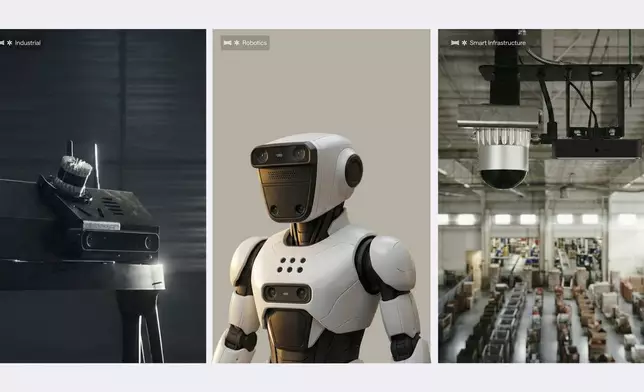
A unified sensing & perception platform for industrial, robotics, and smart infrastructure
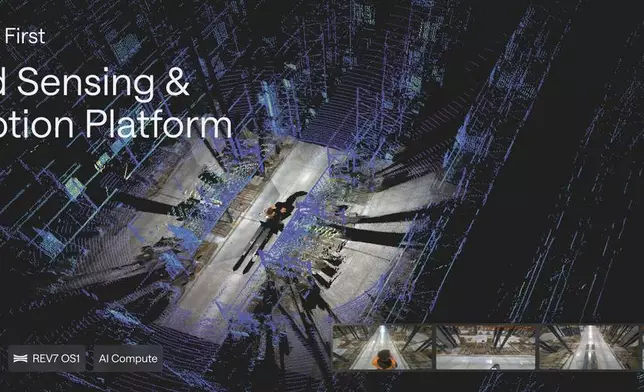
Physical AI's first unified sensing & perception platform
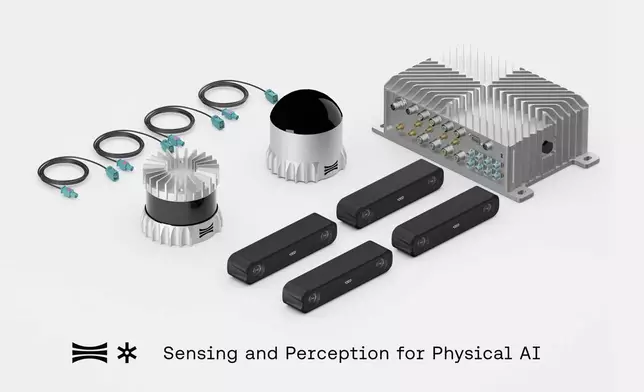
Sensing & Perception for Physical AI
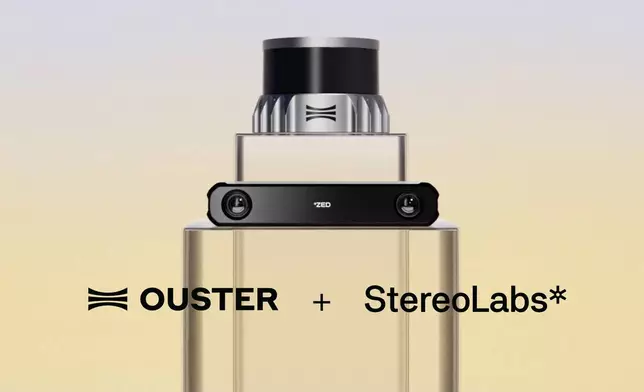
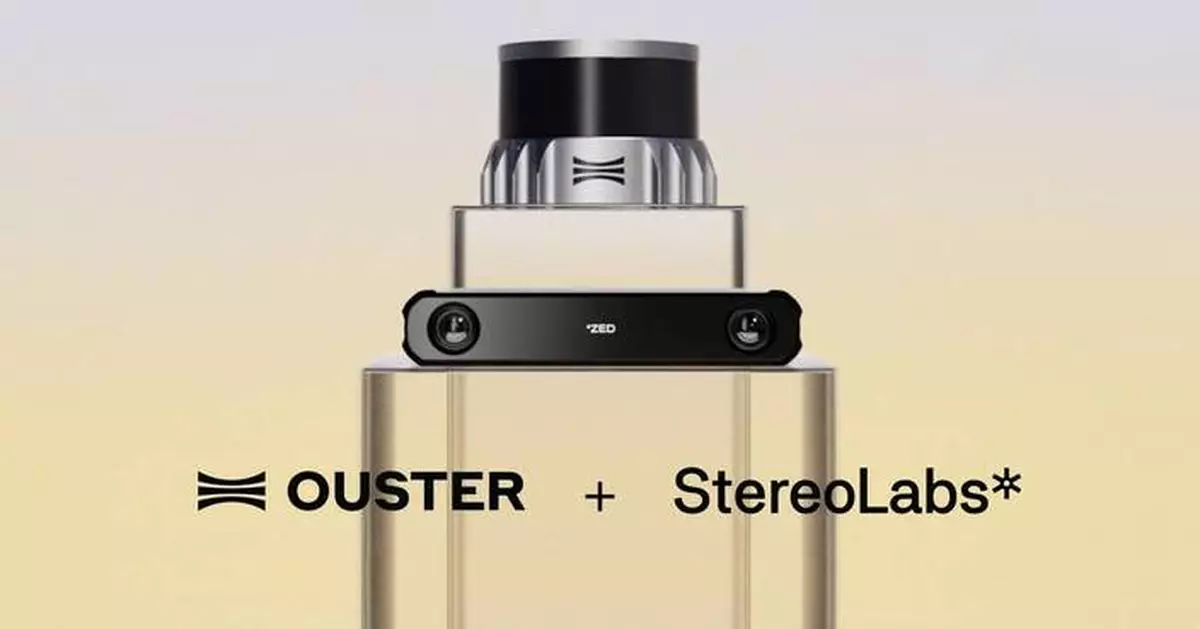
Ouster acquires StereoLabs
This press release features multimedia. View the full release here: https://www.businesswire.com/news/home/20260209715094/en/
Founded in 2010, StereoLabs provides high-quality 3D vision for advanced perception systems. StereoLabs has shipped over 90,000 ZED cameras to over 10,000 customers, and its perception software is trusted by an active community of many thousands of developers to power industrial-grade solutions across robotics, industrials, and smart infrastructure. Co-founders Cecile Schmollgruber, Edwin Azzam, and Olivier Braun will continue to lead the StereoLabs team. Ouster is committed to maintaining continuity for StereoLabs’ products, global customer base, and developer community.
“The future of autonomy isn't about choosing between vision or lidar, it's about unifying them,” said StereoLabs CEO Cecile Schmollgruber. “By combining StereoLabs' AI vision with Ouster’s digital lidar, we are creating the world's most capable perception platform to directly address customers’ primary sensor fusion requirements and enable machines to sense, think, act, and learn in the physical world."
“This acquisition builds on Ouster’s momentum and positions us as the foundational end-to-end sensing and perception platform for Physical AI,” said Ouster CEO Angus Pacala. “StereoLabs is a world-class perception company recognized for its market-leading stereo cameras and AI vision software, making it a natural fit for Ouster’s next stage of growth. With seamless sensor fusion, we are addressing the unprecedented pull for both lidar and vision as industries transition from simple automation towards Physical AI. Together, we offer a unified platform that simplifies and accelerates customer development, harnesses combined investments in AI training and models, brings thousands of new customers into the Ouster ecosystem, and cements our leadership as we enable real-world autonomy across industries."
Strategic Rationale
Transaction Summary
Ouster completed the acquisition of StereoLabs on February 4, 2026. StereoLabs will operate as a wholly owned subsidiary. The acquisition was completed using a mix of approximately $35 million in cash and 1.8 million shares, of which 0.7 million will be released over a four-year period. The acquisition will be accounted for as a business combination, and the Company will begin consolidating StereoLabs’ financial results in its consolidated financial statements in the first quarter of fiscal 2026.
Conference Call
Ouster will hold a call today, February 9, 2026, at 8:00 a.m. ET to discuss the announcement. Interested parties may listen to a live webcast of the conference call. Registration for the webcast can be completed by visiting the following website: https://edge.media-server.com/mmc/p/jdea4uq8. The webcast will be available for replay for at least 7 days after the call on Ouster’s investor website at https://investors.ouster.com.
About Ouster
Ouster (Nasdaq: OUST) is a leader in sensing and perception for Physical AI across industrial, robotics, automotive, and smart infrastructure industries. With a unified platform of high-performance digital lidar, cameras, AI compute, sensor fusion and perception software, and AI models, Ouster delivers solutions that improve quality of life in the physical world. Headquartered in San Francisco, CA, Ouster has a global presence serving thousands of customers with offices in the Americas, Europe, and Asia-Pacific. For more information about our products, visit www.ouster.com, contact our sales team, or connect with us on X or LinkedIn.
Forward-Looking Statements
This press release contains forward-looking statements within the meaning of the Private Securities Litigation Reform Act of 1995, including with respect to the expected benefits of and offerings following the acquisition of StereoLabs, the estimated addressable market for the Company’s products following the acquisition, and the Company’s targeted path to profitability. The Company intends such forward-looking statements to be covered by the safe harbor provisions for forward-looking statements contained in Section 27A of the Securities Act of 1933, as amended and Section 21E of the Securities Exchange Act of 1934, as amended. Such statements are based upon current plans, estimates and expectations of management that are subject to various risks and uncertainties that could cause actual results to differ materially from such statements. The inclusion of forward-looking statements should not be regarded as a representation that such plans, estimates and expectations will be achieved. Words such as “anticipate,” “expect,” “project,” “intend,” “believe,” “may,” “will,” “should,” “plan,” “could,” “continue,” “target,” “contemplate,” “estimate,” “forecast,” “guidance,” “predict,” “possible,” “potential,” “pursue,” “likely,” and the negative of these terms and similar expressions are intended to identify forward-looking statements, though not all forward-looking statements use these words or expressions. All statements, other than statements of historical fact, including statements regarding the development of an end-to-end sensing and perception platform; enhanced software capabilities; anticipated customer base and customer demand; anticipated profitability, and anticipated strengths and benefits resulting from the StereoLabs acquisition, all constitute forward-looking statements. All forward-looking statements are subject to risks and uncertainties that may cause actual results to differ materially from those that we expected, including, but not limited to, risks related to Ouster’s limited operating history and history of losses; the substantial research and development costs needed to develop and commercialize new products; Ouster’s ability to integrate StereoLabs into Ouster’s corporate structure and its solutions and platform into Ouster’s product offering; the challenges in developing an integrated platform solution; the ability of the integrated digital lidar and stereo vision camera technologies and new software solutions to catalyze growth; Ouster’s forecasts for market growth; the competitive environment in which Ouster operates; and other important factors discussed in the Company’s Annual Report on Form 10-K for the year ended December 31, 2024, as updated by the Company’s Quarterly Report on Form 10-Q for the quarterly period ended September 30, 2025 and as may be further updated from time to time in the Company’s other filings with the SEC. Readers are urged to consider these factors carefully and in the totality of the circumstances when evaluating these forward-looking statements, and not to place undue reliance on any of them. Any such forward-looking statements represent management’s reasonable estimates and beliefs as of the date of this press release. While Ouster may elect to update such forward-looking statements at some point in the future, it disclaims any obligation to do so, other than as may be required by law, even if subsequent events cause its views to change.
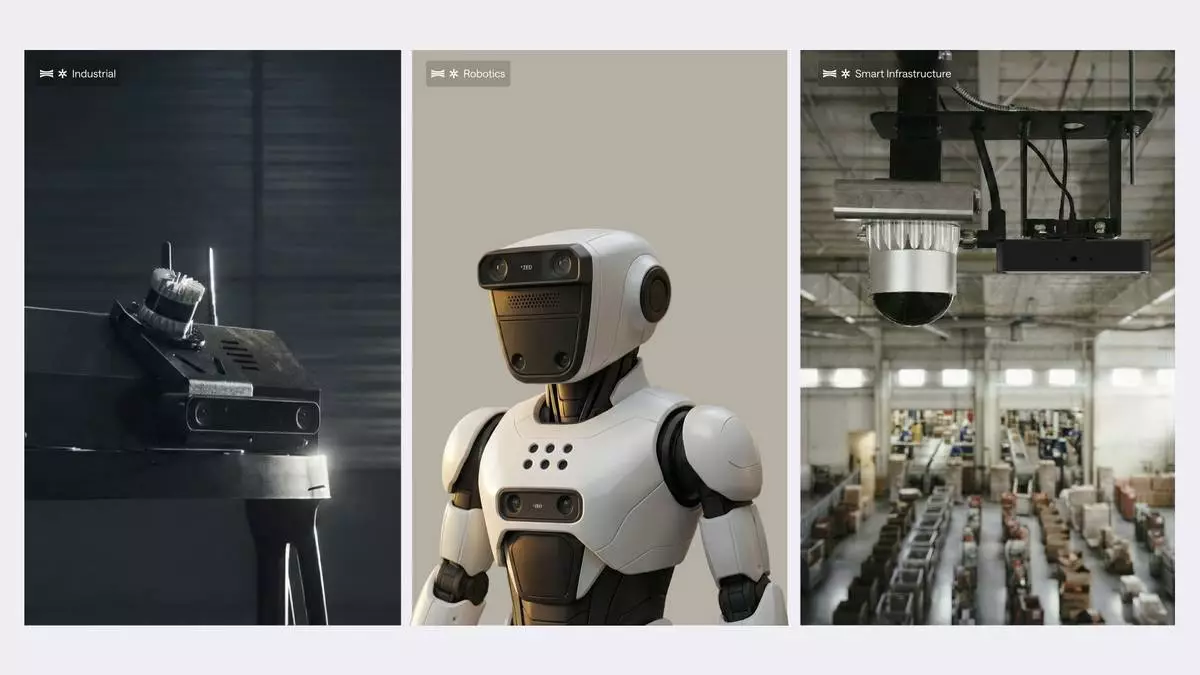
A unified sensing & perception platform for industrial, robotics, and smart infrastructure
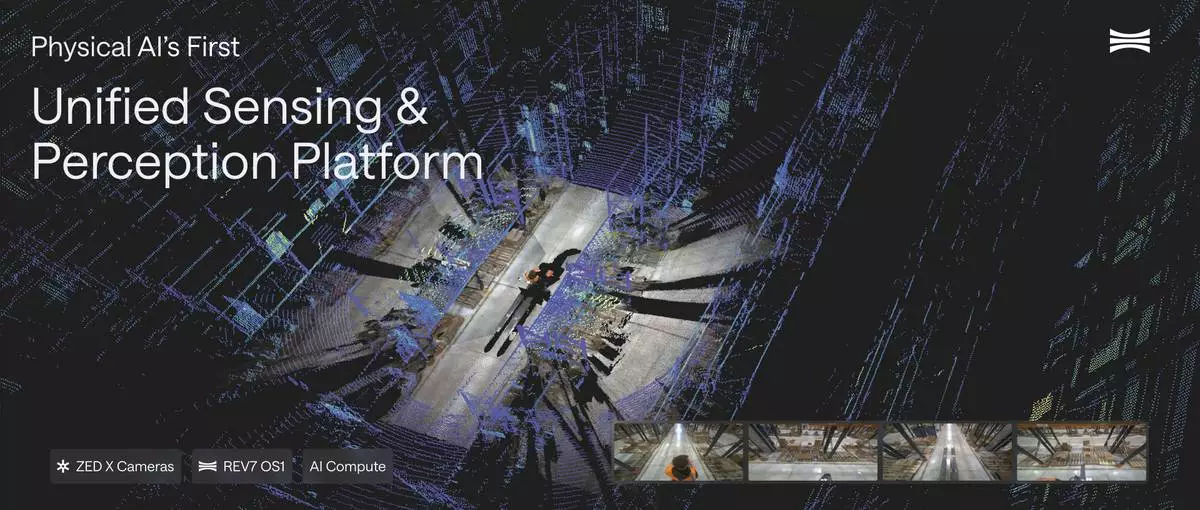
Physical AI's first unified sensing & perception platform
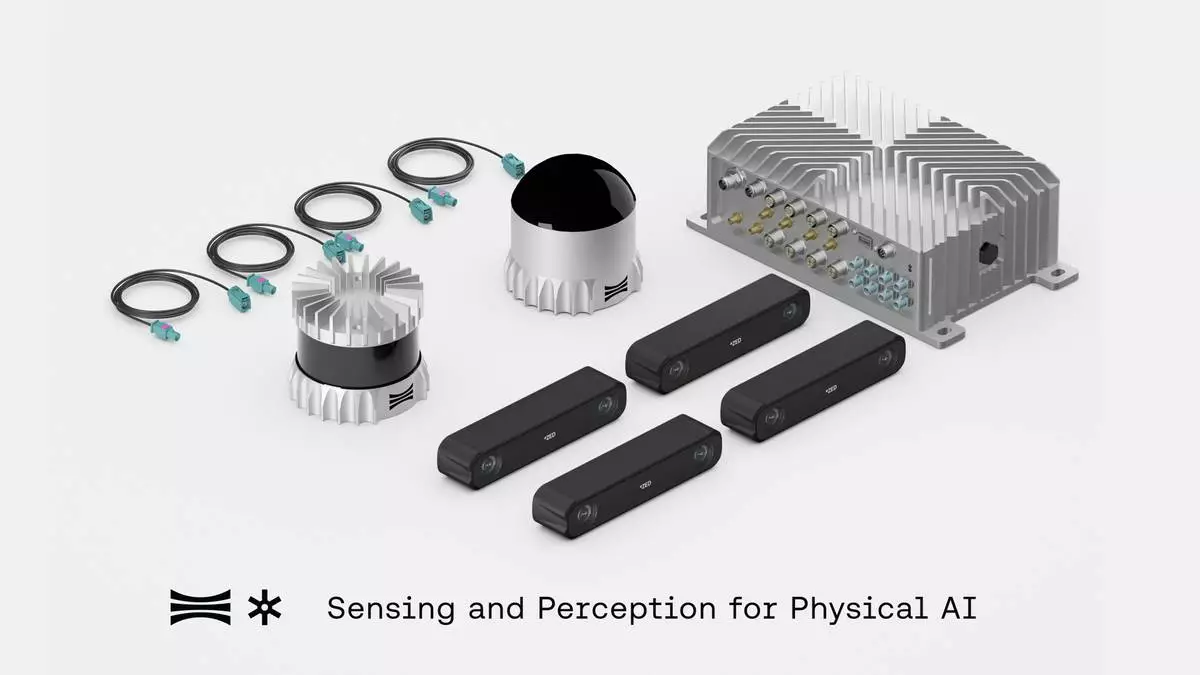
Sensing & Perception for Physical AI
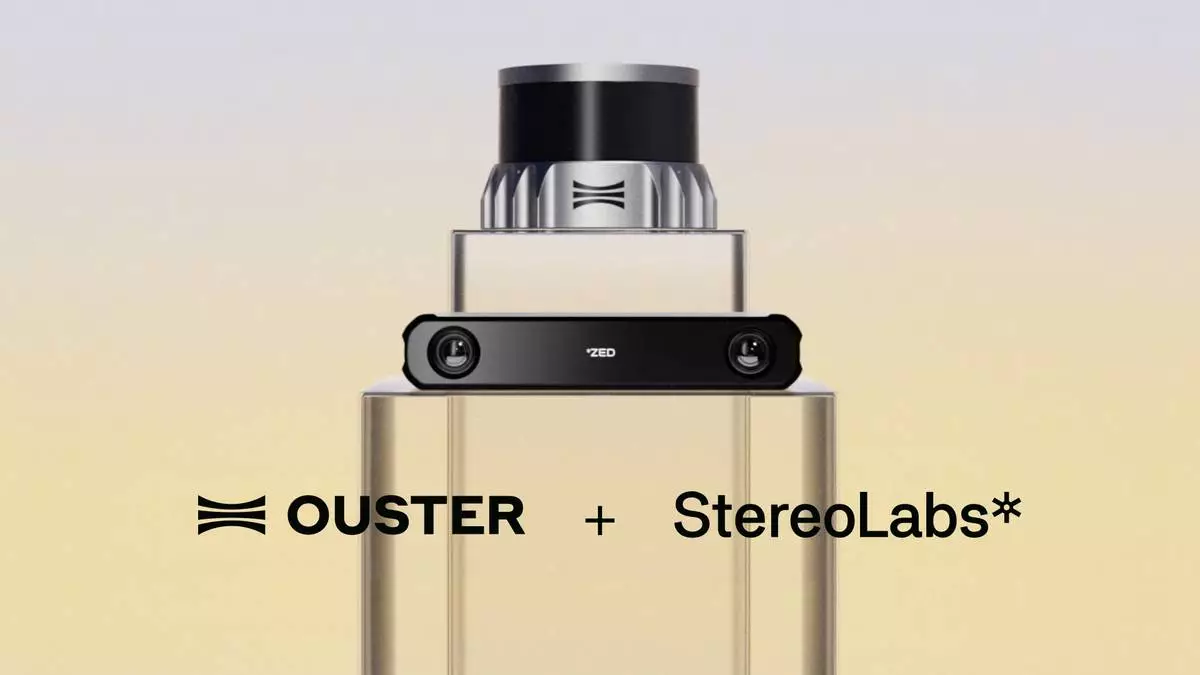
Ouster acquires StereoLabs