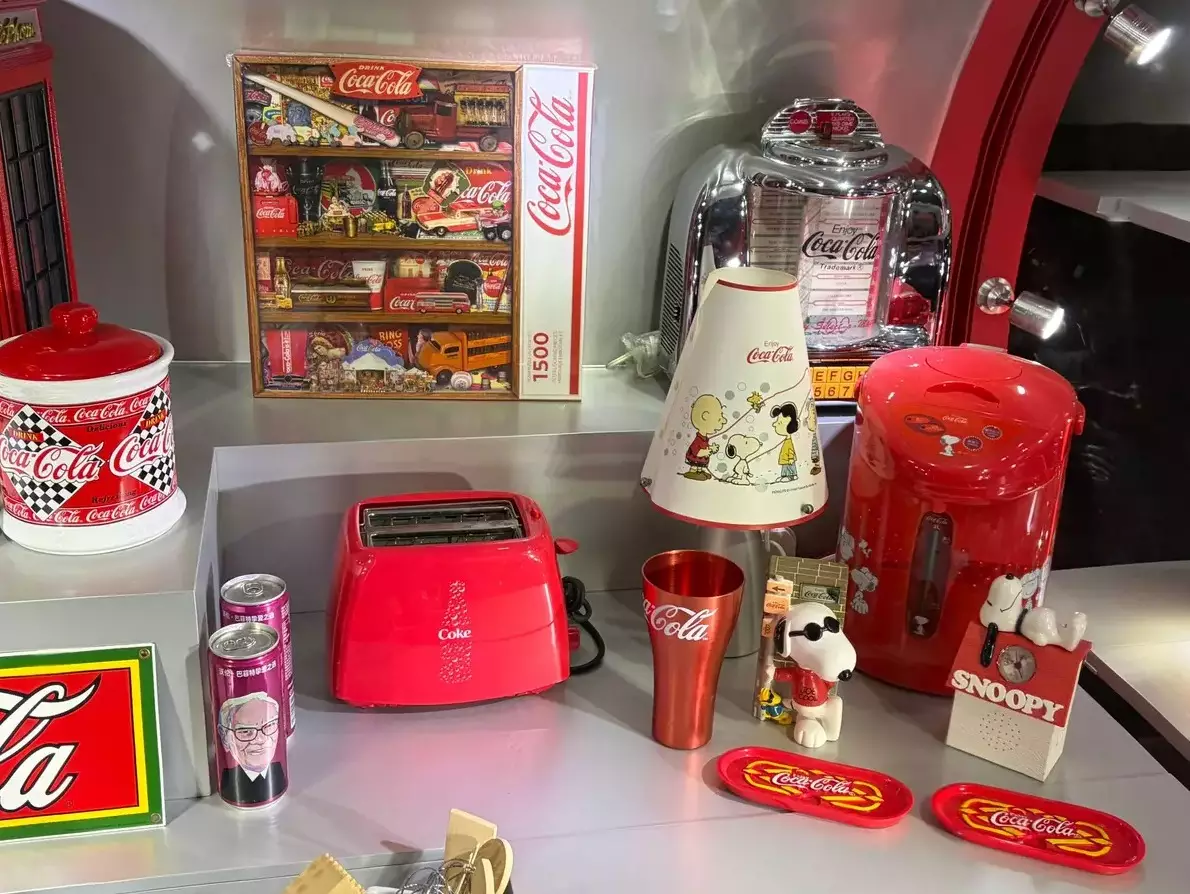
The grand opening ceremony of the Swire Coca-Cola HK 60th Anniversary Finale: "The Bottling Hunt" Celebration was held on February 9th. The newly upgraded Coca-Cola Museum in Hong Kong will open to the public for the first time, with three guided tours scheduled for March 7th (Saturday). Registration for the public can be applied online from 2 pm on February 12th (Thursday).
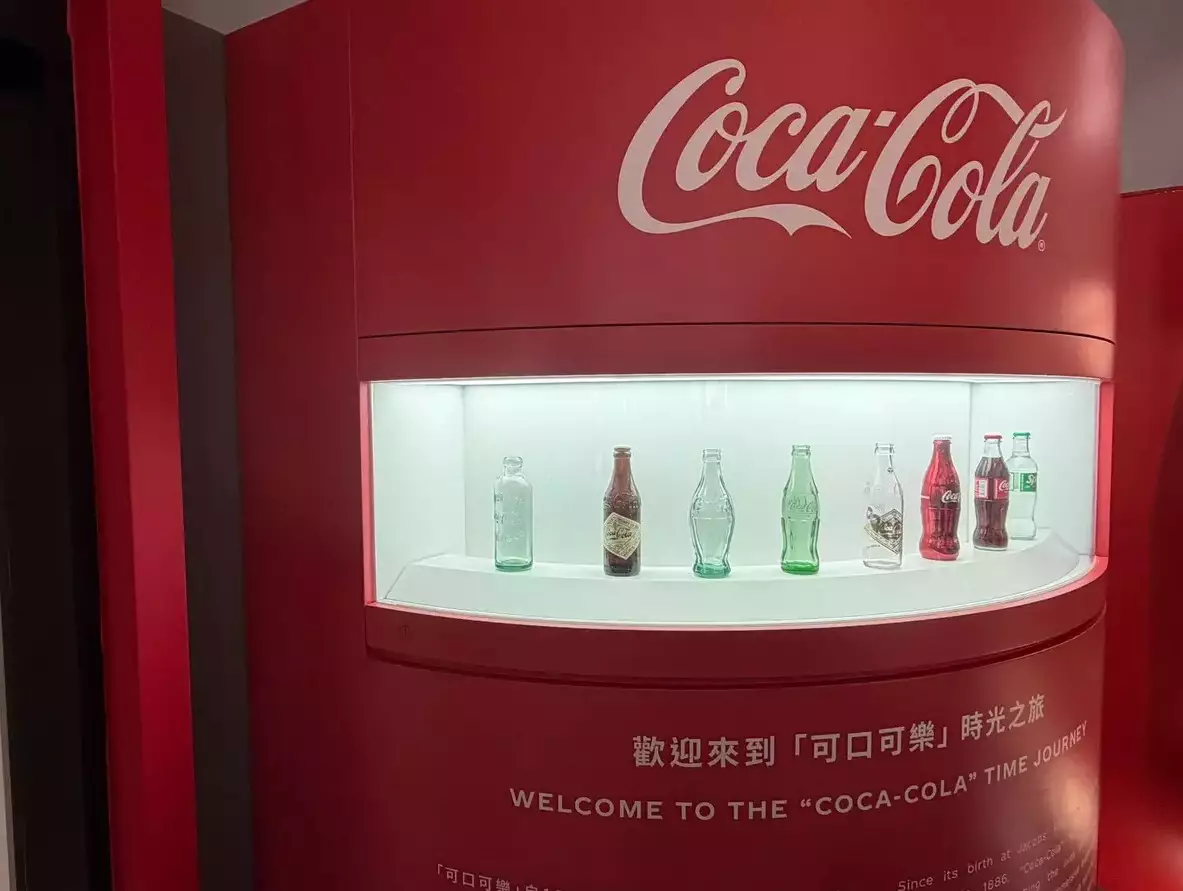
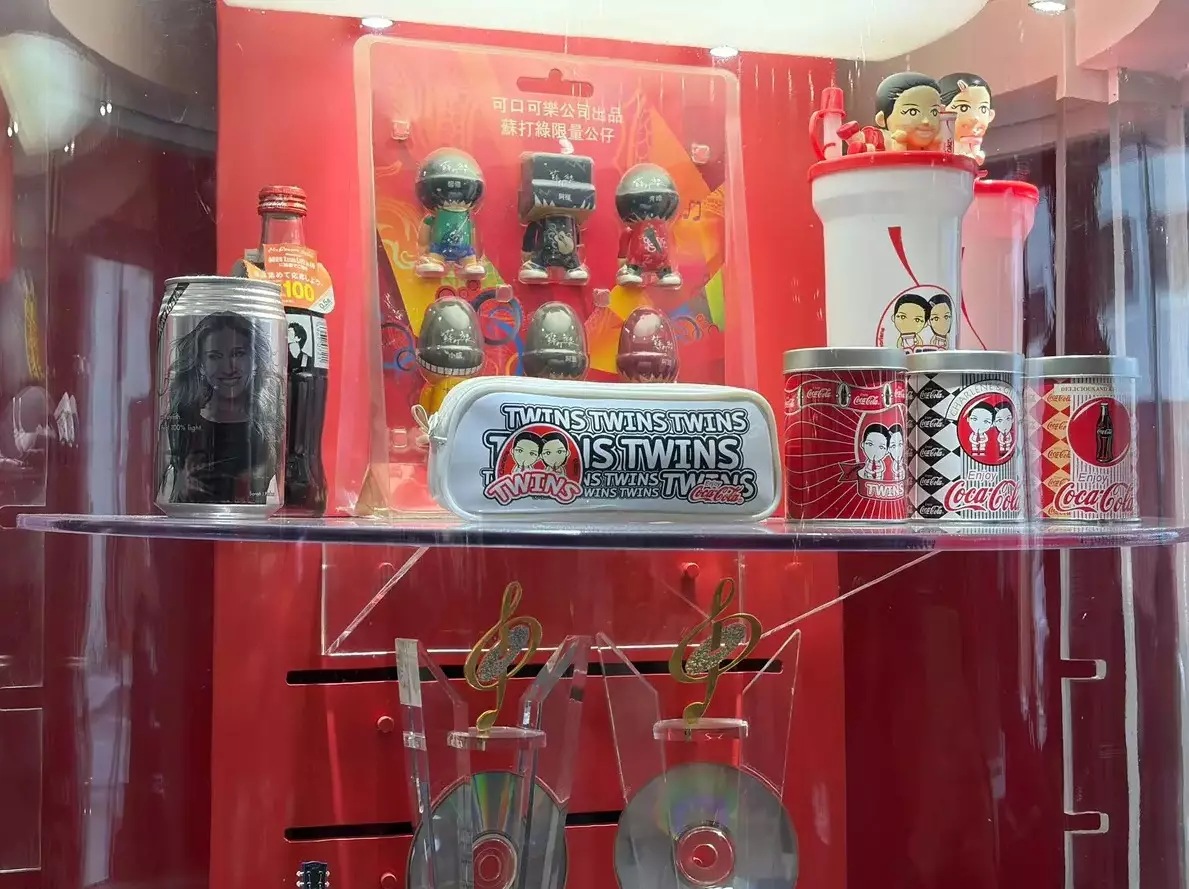
The Coca-Cola Museum in Hong Kong, Photo by Bastille Post
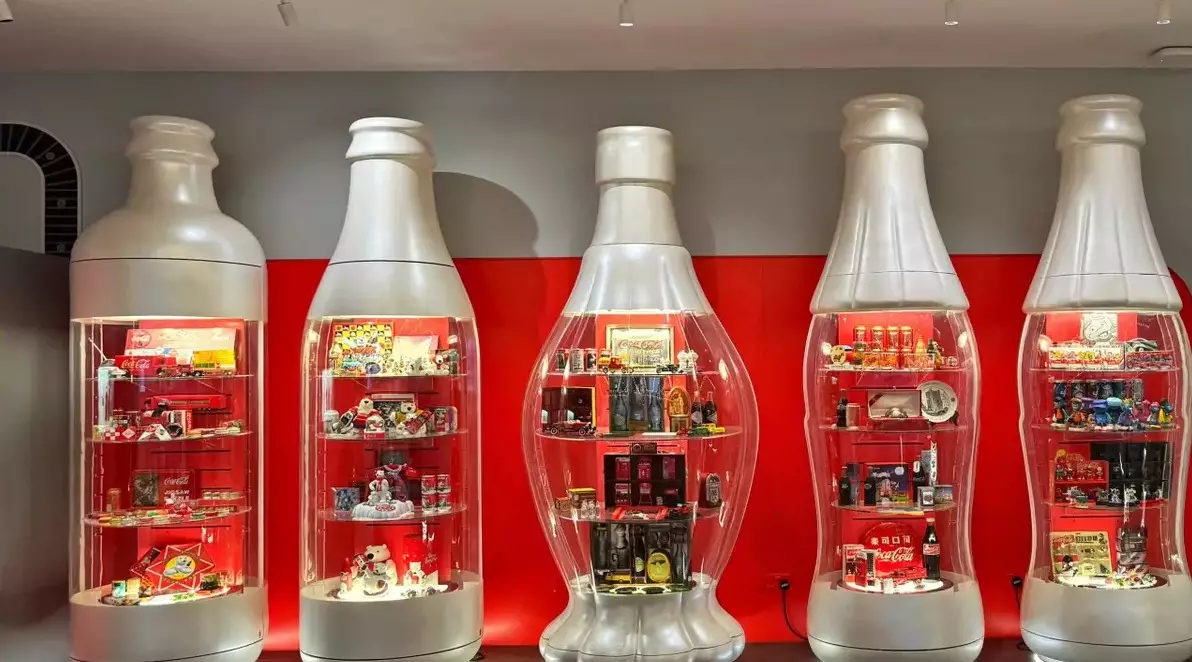
Photo by Bastille Post
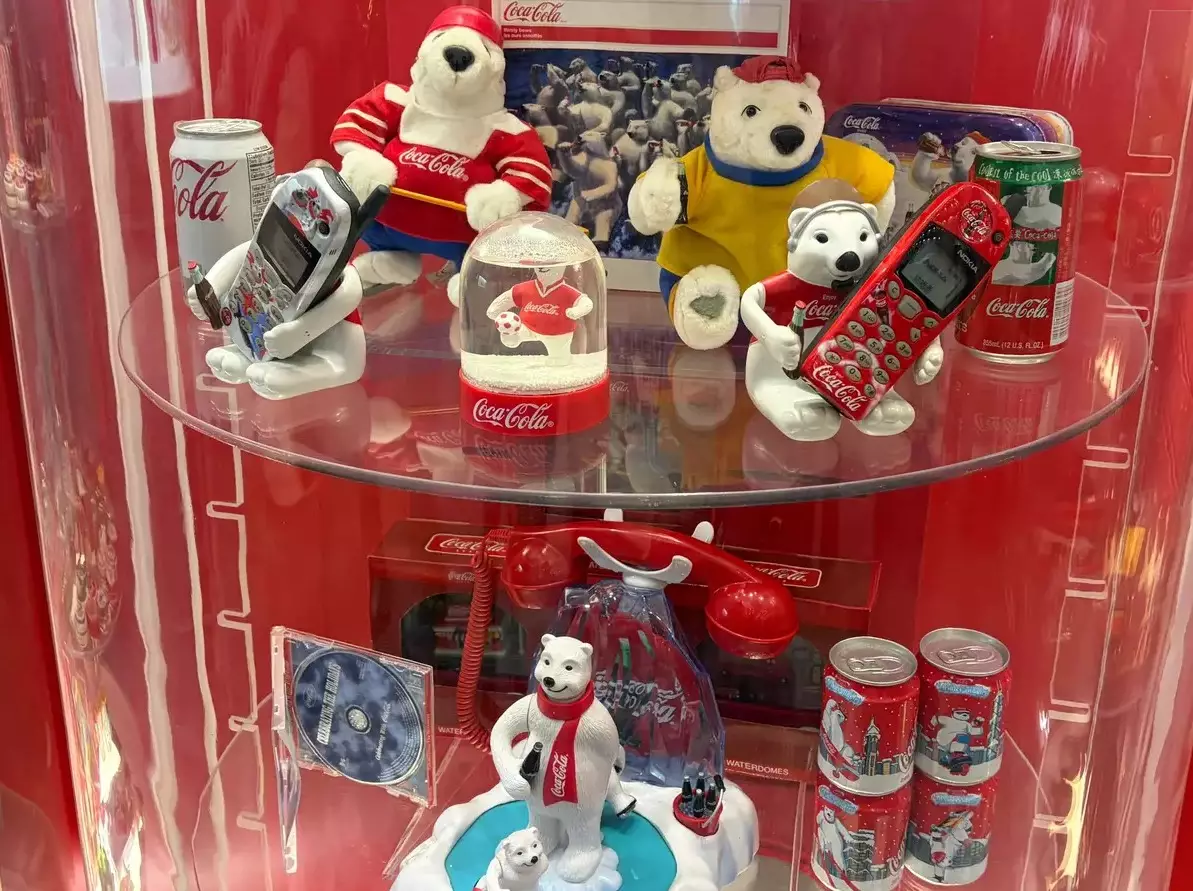
The guided tours will combine a novel time-travel experience with innovative interactive elements, focusing on the theme "Made in Hong Kong," reviewing the growth of Swire Coca-Cola Hong Kong alongside Hong Kong, and looking towards a sustainable future for the brand.
Click to Gallery
The Coca-Cola Museum in Hong Kong, Photo by Bastille Post
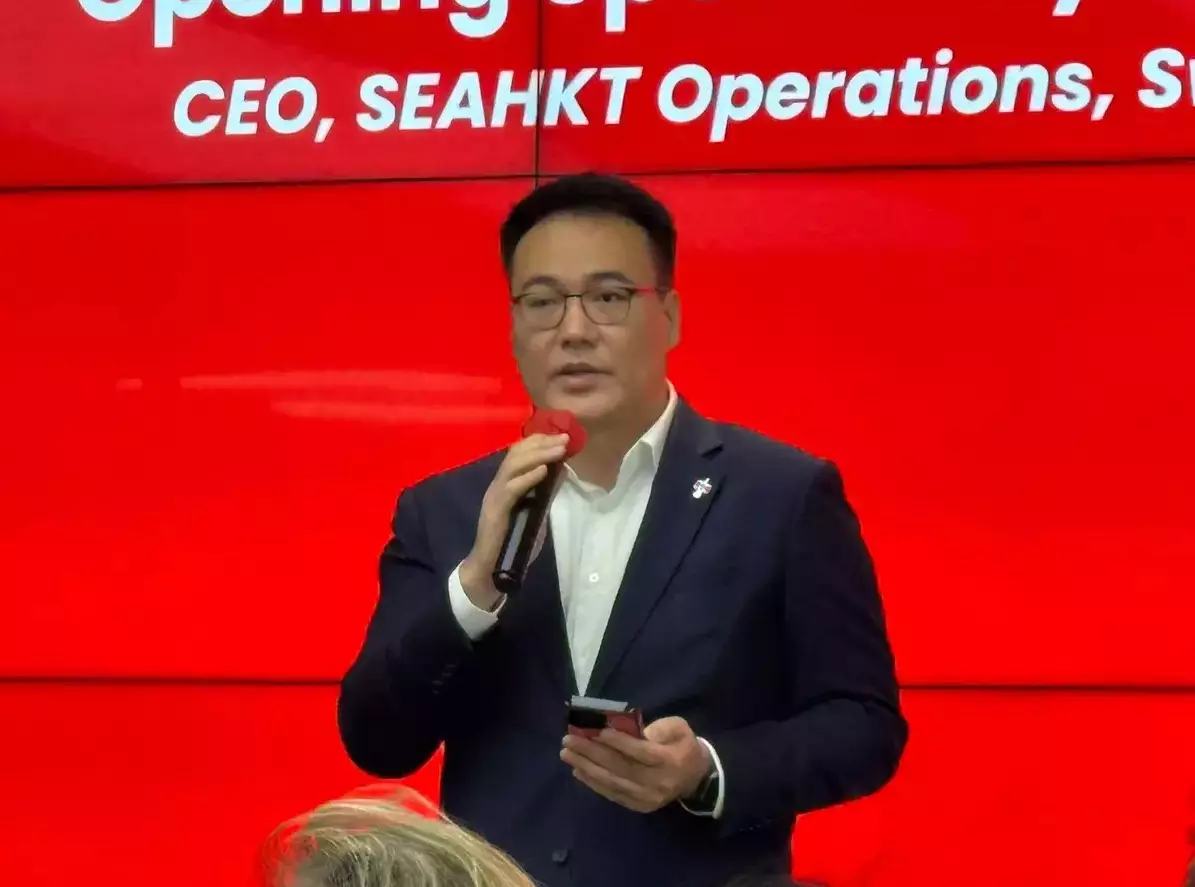
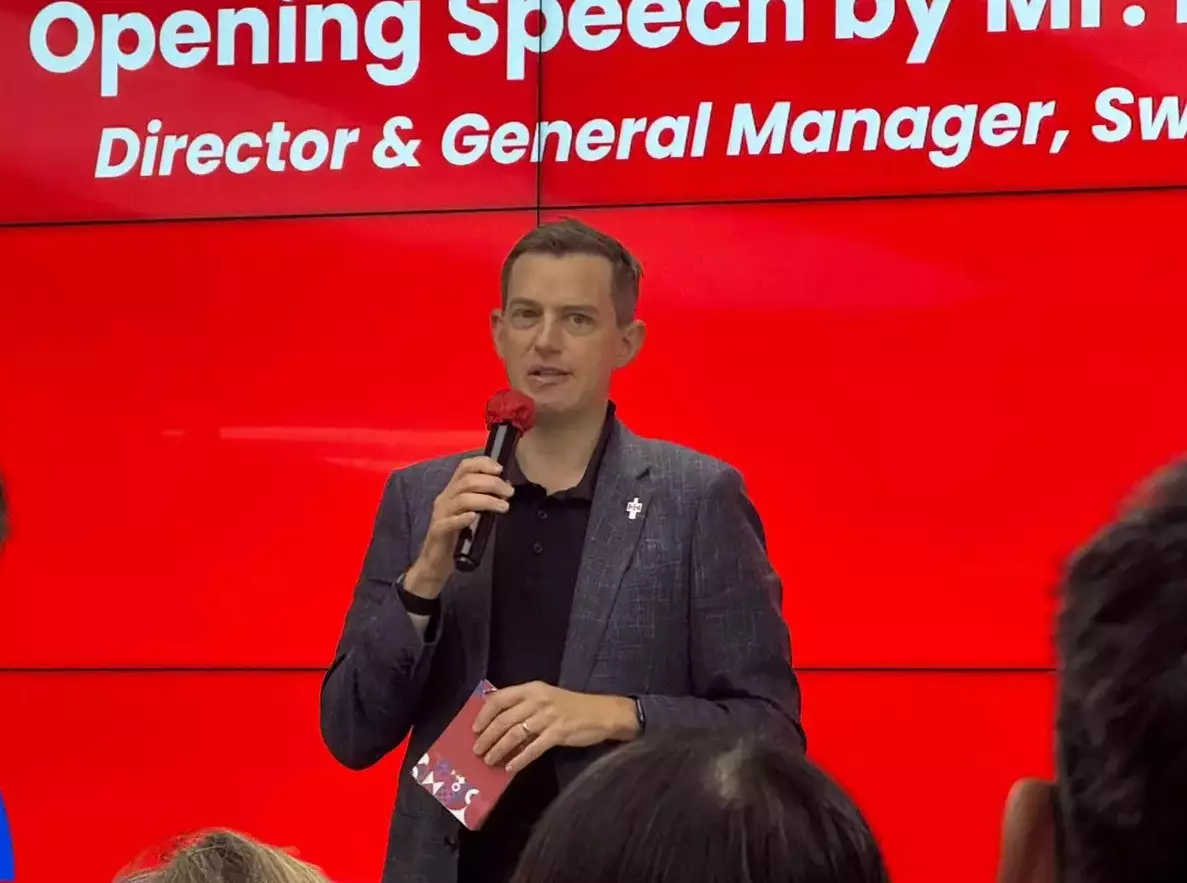
The opening ceremony was officiated by Mr. Gam Jik, the CEO of Swire Coca-Cola Hong Kong for Southeast Asia, Hong Kong, and Taiwan (third from the left); Mr.Richard Gould, the Director and General Manager of Swire Coca-Cola Hong Kong (second from the left); and Ms. Wai Gaa-lam, the Vice President of Marketing for Coca-Cola in Hong Kong, Taiwan, Macau, and Mongolia (third from the right), etc. Photo by Bastille Post
Mr. Gam Jik, Photo by Bastille Post
Mr. Richard Gould, Photo by Bastille Post
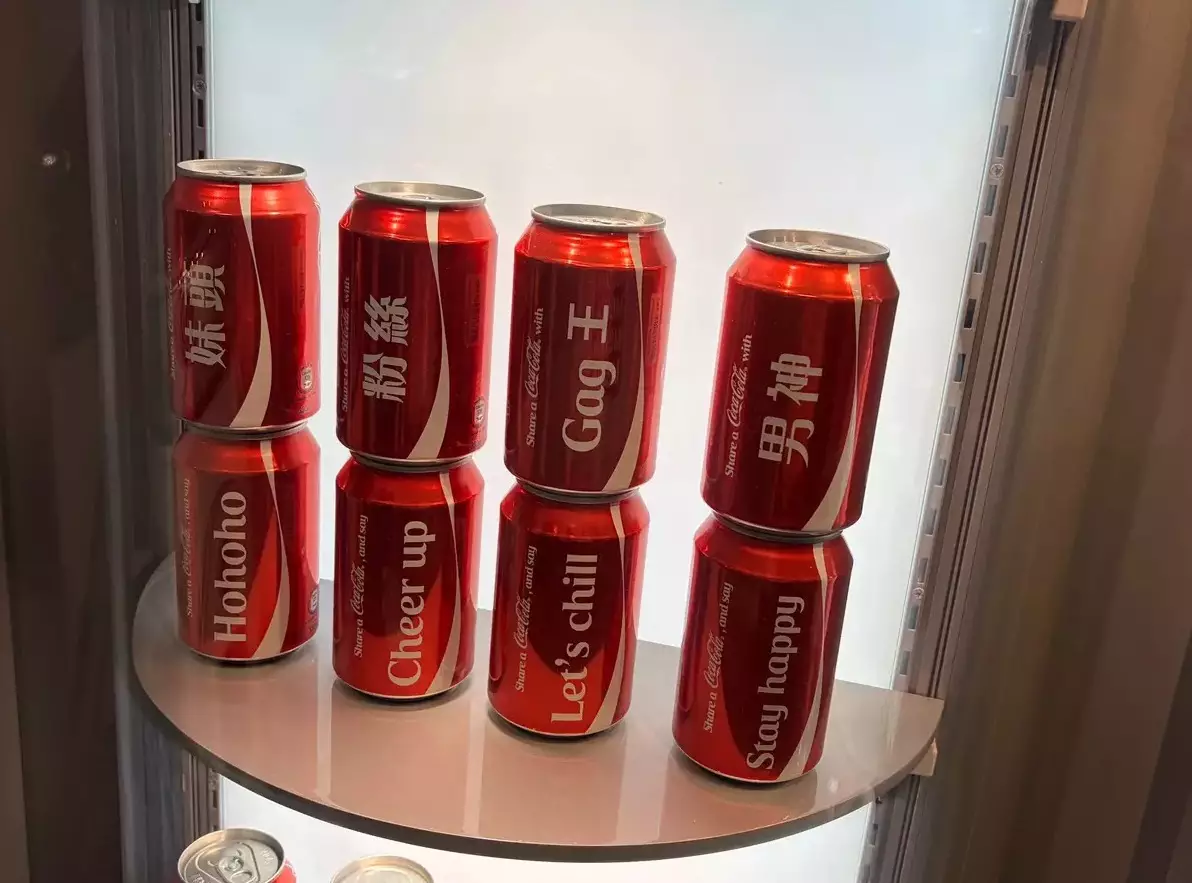
The Coca-Cola Museum in Hong Kong, Photo by Bastille Post
Photo by Bastille Post
The opening ceremony was officiated by Mr. Gam Jik, the CEO of Swire Coca-Cola Hong Kong for Southeast Asia, Hong Kong, and Taiwan (third from the left); Mr.Richard Gould, the Director and General Manager of Swire Coca-Cola Hong Kong (second from the left); and Ms. Wai Gaa-lam, the Vice President of Marketing for Coca-Cola in Hong Kong, Taiwan, Macau, and Mongolia (third from the right), etc. Photo by Bastille Post
Swire Coca-Cola Hong Kong, in conjunction with Coca-Cola's brand membership program COKE+®️, will launch a redemption program, offering more residents the opportunity to participate in the guided tours and receive exclusive souvenirs, which can allow them to learn firsthand about the local beverage production process and how the brand has developed alongside the city. The brand hopes that the Coca-Cola Museum will transform the previous childhood memories into a platform for community, education, and business exchange, further deepening its close ties with Hong Kong.
Mr. Gam Jik, Photo by Bastille Post
Mr. Gam Jik, the CEO of Swire Coca-Cola Hong Kong for Southeast Asia, Hong Kong, and Taiwan, said, "Since commencing bottling operations in Hong Kong in 1965, Swire Coca-Cola has grown from a local company to Coca-Cola's fifth largest bottling partner globally, serving more than one-tenth of the world's population. Hong Kong is not only a starting point for our brand's development, but also the core of our innovation and heritage." Looking ahead, Mr. Gam indicated that Swire Coca-Cola Hong Kong will continue to optimize its facilities to produce high-quality beverages, reaching into communities and building a world-class bottling business by 2026.
Mr. Richard Gould, Photo by Bastille Post
Mr. Richard Gould, the Director and General Manager of Swire Coca-Cola Hong Kong, stated that the brand will continue to grow alongside Hong Kong residents towards a more sustainable future: "From October 2025, the plastic bottles used for Swire Coca-Cola's locally produced 500ml Coca-Cola beverages and Bonaqua mineral water (1.5 liters or less) have primarily been made from locally recycled plastic, achieving a 'recycled locally, remanufactured locally' circular model. We also plan to continue leading Hong Kong by 2026, ensuring that over 50% of the packaging in the market uses recycled plastic (rPET), further consolidating our leadership in environmental protection and the circular economy." He added that education is also key to promoting sustainable development. In addition to promoting related concepts through museums, the brand will also collaborate with Coca-Cola to launch the learning resources of "Coca-Cola Recycling Academy", bringing recycling and sustainable development concepts into classrooms and communities to encourage environmental practices.
The Coca-Cola Museum in Hong Kong, Photo by Bastille Post
Photo by Bastille Post
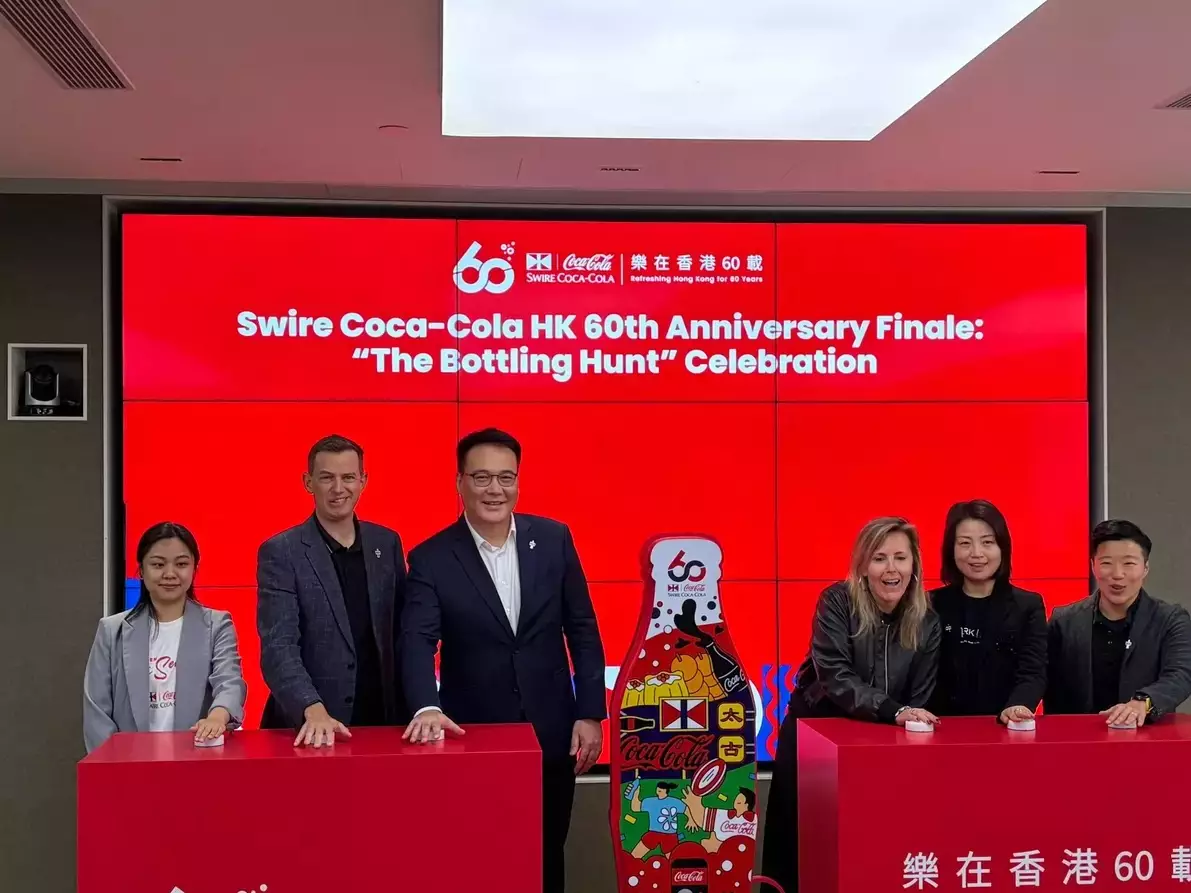
The opening ceremony was officiated by Mr. Gam Jik, the CEO of Swire Coca-Cola Hong Kong for Southeast Asia, Hong Kong, and Taiwan; Mr.Richard Gould, the Director and General Manager of Swire Coca-Cola Hong Kong; and Ms. Wai Gaa-lam, the Vice President of Marketing for Coca-Cola in Hong Kong, Taiwan, Macau, and Mongolia. They invited residents to step into the "Made in Hong Kong" factory and experience the refreshing taste firsthand.
The Coca-Cola Museum in Hong Kong, Photo by Bastille Post
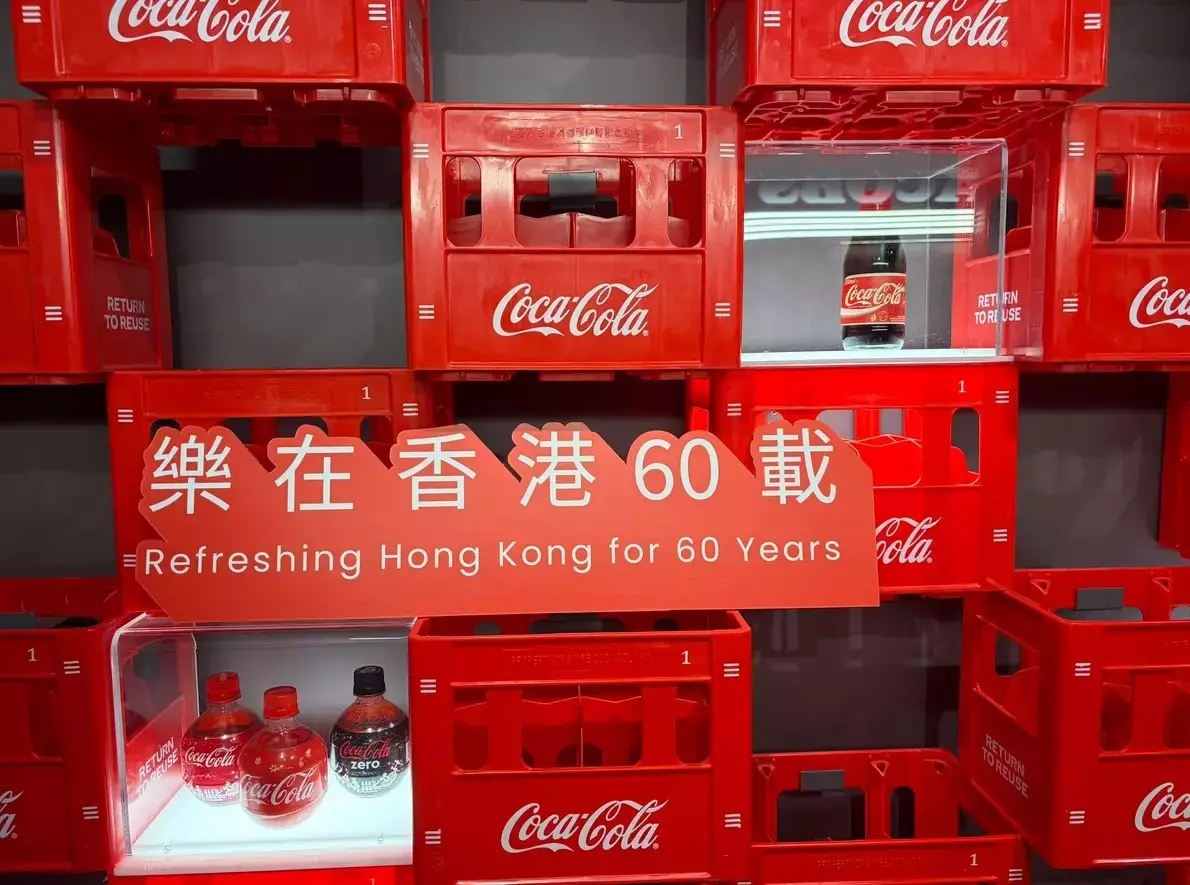
Photo by Bastille Post
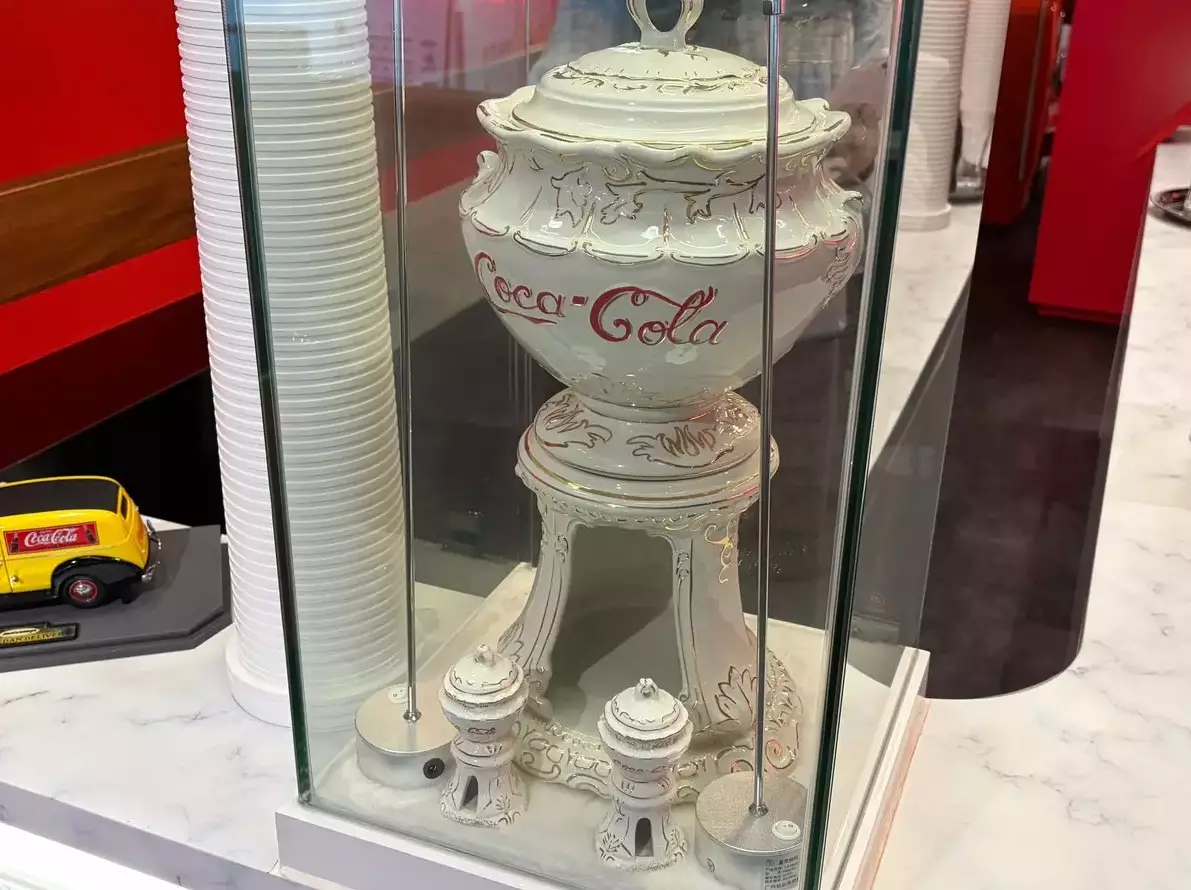
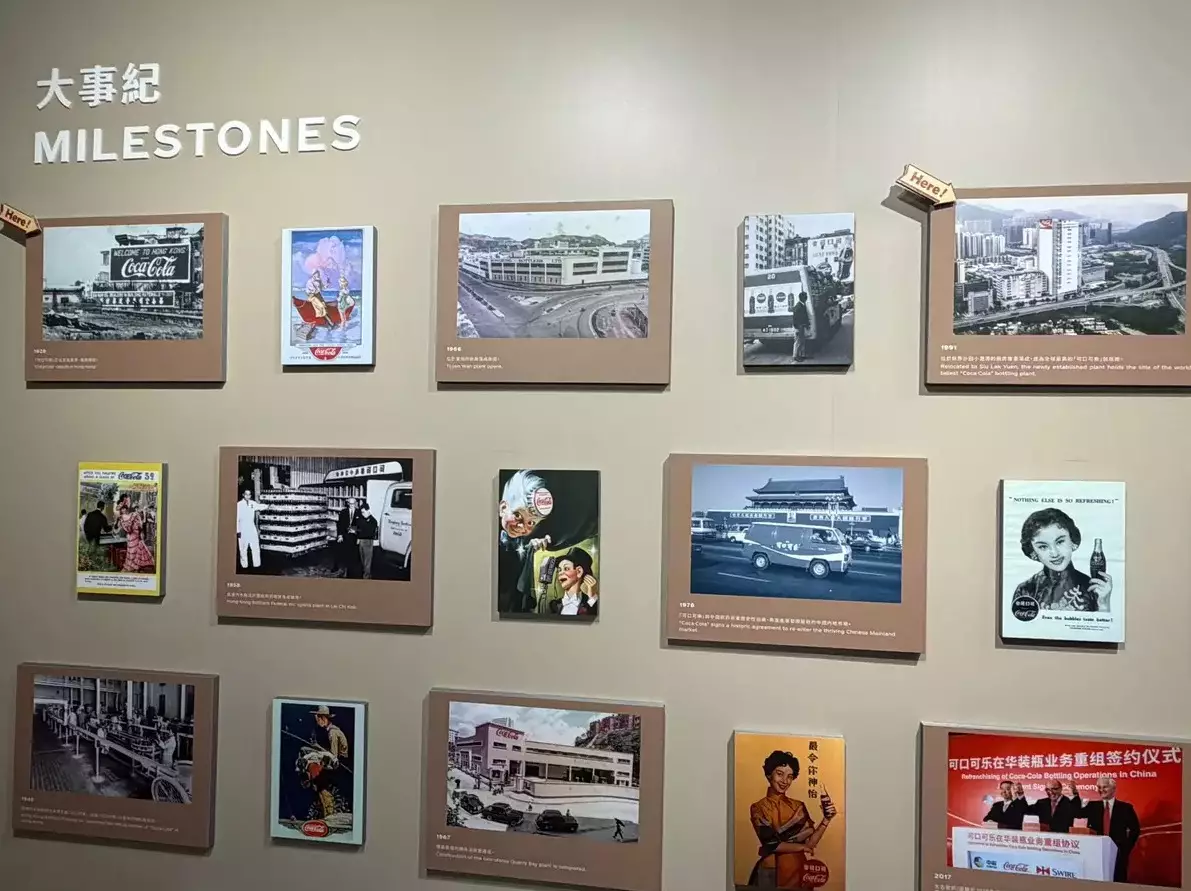
Details of the Guided Tour of the Swire Coca-Cola HK 60th Anniversary Finale: "The Bottling Hunt" Celebration
Date: March 7, 2026 (Saturday)
Location: Swire Coca-Cola HK (Ltd.), 17-19 Yuen Shun Circuit, Sha Tin, New Territories
Time:
Session 1: 1:30 PM – 2:30 PM
Session 2: 3:00 PM – 4:00 PM
Session 3: 4:30 PM – 5:30 PM
How to Participate: Online registration opens at 2:00 PM on February 12, 2026 (https://thebottlinghuntbyswirecocacola.ievent.hk)
*Limited to 30 people per session, first-come, first-served.
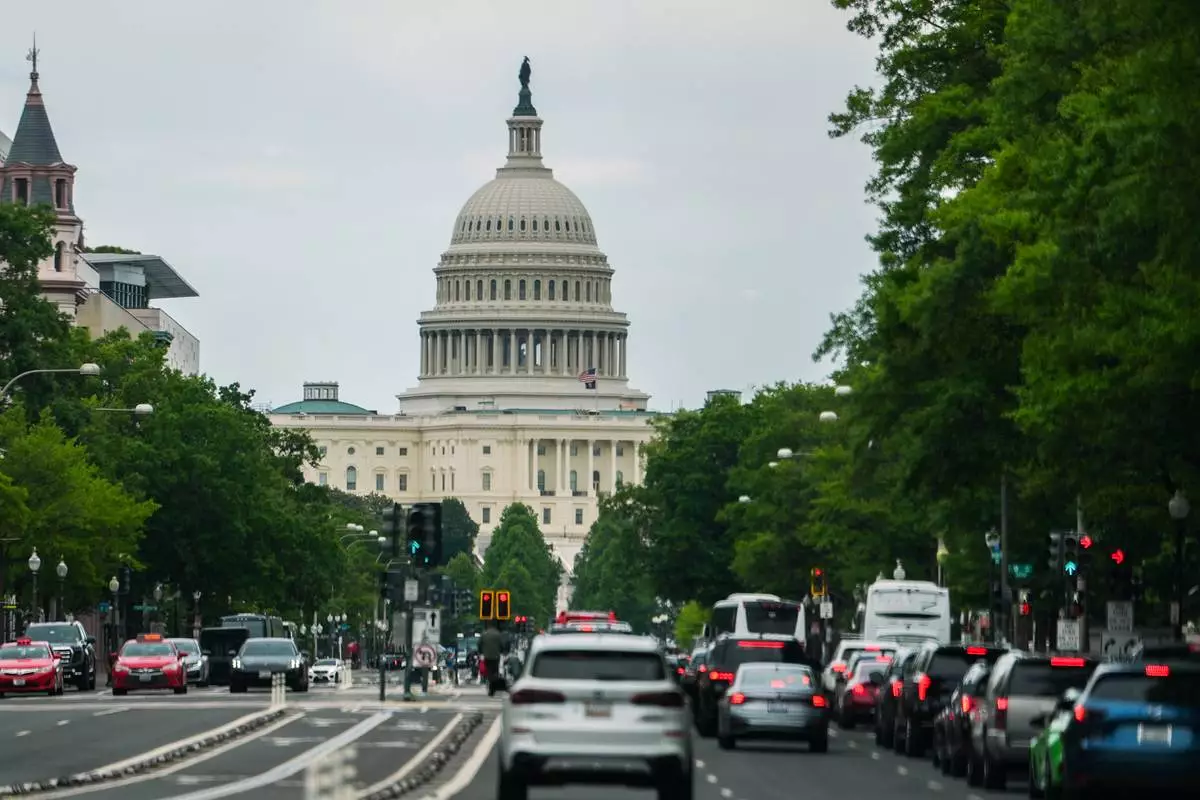
It has a catchy name — Build America, Buy America — and the lauded goal of bringing manufacturing jobs back to the United States.
But the law has spurred a bottleneck for affordable housing.
Nearly everything from HVACs and lighting to sink hooks and ceiling fans in affordable housing projects that get federal dollars must carry the Made in the USA label. But, developers say, numerous products do not, as they have long been imported from overseas markets with cheaper labor costs.
Although builders can apply for waivers, the process has been at a near standstill as the Department of Housing and Urban Development, which has had its staff slashed by the Trump administration, has only greenlit a handful of projects.
The waiver process has caused construction delays and hundreds of thousands of dollars in extra costs as the country faces an affordable housing crisis.
“They need to be treating this like the fire that it is,” said Tyler Norod, president of Westbrook Development Corporation, which builds affordable housing in Maine.
“We’ve sort of resigned ourselves that we’re just gonna build less units across the entire country during a housing crisis.”
Diana Lene has been on affordable housing waitlists for the past five years. The 75-year-old loves living close to her daughter and grandchildren in Fargo, North Dakota, but her apartment is too expensive on her Social Security income.
“It's just maxing my budget down to pennies,” she said. To save money, she avoids driving often and buys food on sale.
“I’m just trying to keep a roof over my head, but it’s getting more and more difficult,” Lene said. “I don’t like to live in fear, and yet sometimes it jumps in there.”
Lene is on a waitlist for one of nonprofit developer Beyond Shelter’s apartments. CEO Dan Madler is building a 36-unit building for people like Lene, but he had to postpone lumber orders to verify they comply with the law and can’t find ceiling fans made in America. He doesn’t know when HUD will approve a waiver.
U.S. President Joe Biden signed the Build America, Buy America Act as part of the Infrastructure Investment and Jobs Act in 2021, building on longstanding efforts to boost American manufacturing at a time when the U.S. economy was emerging from a pandemic-era recession. Known as BABA, it applies to infrastructure projects funded by federal agencies, not just affordable housing.
Denver developer Julie Hoebel says she has spent over $60,000 just on a consultant to comb through websites and call suppliers to try to find American-made materials, not to mention the additional labor costs involved.
But the waivers she submitted to HUD in November for around 125 materials in an 85-unit building haven't been approved.
“If they take much longer then we’ll come to a standstill,” she said.
HUD is taking at least six months to approve many waivers.
Even BABA advocates agree HUD must grant waivers more quickly and give the industry clearer instructions on how to prepare them, which they note other federal agencies are doing.
HUD did not address questions from The Associated Press about waiver approval delays developers say increase costs, as well as concerns about making the process more transparent. In a statement it said it's committed to “ensuring that federal spending supports America’s industrial base” while “closely monitoring how compliance with these policies impact costs for builders.”
Asked in January about whether the delays and cost increases mean affordable housing should be exempt from BABA rules, HUD Secretary Scott Turner said the agency was looking into the issue, but did not provide details. “We are looking at this ... with BABA as it pertains to HUD to provide flexibility to certain projects in certain places around our country,” Turner said, adding that HUD is committed to assuring developers get “the flexibility they need as it pertains to building.”
The law itself isn’t the problem, supporters say.
Unions representing the steel and manufacturing industries say taxpayer dollars should fund American-made materials and suppliers will adjust to meet demand for products that aren’t available.
“You’ve got a system in place that leans heavily on using imported materials to make a better profit,” said Scott Paul, president of the Alliance for American Manufacturing. “I don’t know if that serves the public good.”
Jennifer Schwartz, director of tax and housing advocacy at the National Council of State Housing Agencies, said there's no national data on how much BABA is increasing costs. But the waiver process is “failing,” she said, because requirements were put in place before assessment of domestic manufacturing capacity.
It won't be as challenging for suppliers to produce more raw materials in the U.S., but it will take time for manufactured products — such as appliances and elevators — to become available, said Kaitlyn Snyder, managing director of the National Housing and Rehabilitation Association, an affordable housing industry group.
“I don’t know that it economically, financially makes sense for people to be producing door hinges,” Snyder said. “We are an advanced country and we’ve outsourced a lot of that stuff.”
The housing bill that passed the Senate in March did not require HUD to address problems with implementing BABA.
“The process isn’t working for affordable housing,” said Jessie Handforth Kome, who spent nearly 40 years working at HUD until 2024. “People want to comply, but it’s unclear how to.”
Vermont-based Developer Jessica Neubelt estimates she spent an additional $150,000 just to verify iron and steel she used in a project was American-made. She’s just as frustrated over the hundreds of hours that takes, which, she said, could be spent on another project.
“I would like every member of Congress to sit in on a construction meeting,” Neubelt said. “The amount of detail that goes into figuring out if a specific thing is compliant or not is enormous.”
U.S. Rep. Mike Flood, a Nebraska Republican, has advocated to exempt some HUD funding from BABA.
“Owning a home is the American dream, but it’s out of reach in a very big way and anything that adds cost to that isn’t allowing hardworking Americans to achieve the dream,” Flood told the AP.
Roy Houseman, legislative director at United Steelworkers, said complaints about cost increases are overblown.
“A lot of developers seem to have tried to throw things in and make statutory changes to policies that have been in place for basically five years now instead of making a good-faith effort to really push HUD,” Houseman said.
Union leaders note the law offers some leeway.
Developers can get exemptions for an American-made product if it increases the project’s overall cost by more than 25%. A very small percentage of a project's total material cost is also exempt. But most developers say that percentage isn’t enough to cover all items not made in the U.S.
Some developers are looking for ways to avoid federal funds altogether. But that is challenging. Even though federal dollars often make up a small portion of funding for affordable housing projects, that sliver can make or break whether there's enough money to build them.
Kentucky developer Scott McReynolds says that instead of applying for a federal grant to build 20 to 30 affordable homes, he plans to build two four-unit projects, small enough so that they aren't subject to BABA.
American-made materials are especially hard to find near the rural areas McReynolds serves.
“It’s a nightmare,” he said.
Kramon is a corps member for The Associated Press/Report for America Statehouse News Initiative. Report for America is a nonprofit national service program that places journalists in local newsrooms to report on undercovered issues.
Julie Hoebel, director of development and real estate assets for Grovewood Community Development, poses for a portrait in the courtyard of the Sapling Grove Apartments, an affordable housing complex, in Aurora, Colo., on Friday, March 20, 2026. (AP Photo/Thomas Peipert)
Vehicles pass by the Sapling Grove Apartments, an affordable housing complex, in Aurora, Colo., Friday, March 20, 2026. (AP Photo/Thomas Peipert)
Tyler Norod, from the Westbrook Development Corporation, stands for a photo at a development site Tuesday, March 17, 2026, in Biddeford, Maine. (AP Photo/Patrick Whittle)
Schematics for an affordable housing project are posted Tuesday, March 17, 2026, in Biddeford, Maine. (AP Photo/Patrick Whittle)
FILE - A sign for the Department of Housing and Urban Development stands outside the agency's headquarters, Jan. 16, 2026, in Washington. (AP Photo/Mark Schiefelbein, File)