WARREN, N.J.--(BUSINESS WIRE)--Feb 10, 2026--
The No. 1 dentist-recommended brand for sensitive teeth has launched Sensodyne Clinical Repair, its newest option for sensitive teeth, a toothpaste designed to address the root cause of tooth sensitivity. Based on data showing that 85% of people with sensitive teeth want solutions that repair sensitivity by addressing the root cause of their pain, Sensodyne developed Clinical Repair to go beyond temporary relief and actively repair sensitive areas of teeth with continued use.
This press release features multimedia. View the full release here: https://www.businesswire.com/news/home/20260210680667/en/
Tooth sensitivity affects millions of adults and can make everyday moments – from enjoying hot drinks to savoring cold treats – uncomfortable or painful. Powered by a scientifically backed formula, Sensodyne Clinical Repair starts to repair sensitive areas of teeth after 60 seconds*, forming a protective layer that restrengthens with every use to deliver clinically proven, long-lasting relief from sensitivity.
“Oral care is a daily essential in any personal care routine, yet for those with vulnerable, sensitive teeth, even simple moments can feel uncomfortable, from sipping a hot coffee in the morning to smiling with confidence,” said Rishi Mulgund, Senior Director of Sensodyne in the US. “People with sensitive teeth aren’t looking for short-term fixes. They want care they can trust to help protect sensitive teeth at the source, which is why we created Sensodyne Clinical Repair.”
Innovative Repair Technology, Backed by Science
Sensodyne Clinical Repair features a formula that stays stable until brushing begins, when it’s activated by saliva. Once activated, it forms a protective layer over sensitive areas of teeth. With twice-daily brushing, this layer restrengthens with every use, protecting against sensitivity returning, all without changing your everyday brushing routine.
In clinical studies, Sensodyne Clinical Repair created a protective layer that was harder and offered more complete coverage than two leading competitors, raising the bar in sensitivity repair.
Two Options Designed for Everyday Oral Care Needs
Sensodyne Clinical Repair is designed to fit seamlessly into daily routines, helping people protect sensitive teeth while delivering cleaning and whitening benefits. The toothpaste is available in two refreshing options, now in a new blue color:
Built for Modern Routines
As personal care routines become more intentional and performance-driven, Sensodyne Clinical Repair is designed to fit seamlessly into everyday brushing, delivering fast, reliable protection without compromise. Its clinically proven repair technology provides substantial sensitivity relief in as little as three days**, while continuing to strengthen protection with ongoing use.
Pricing & Availability
Sensodyne Clinical Repair is now available at leading retailers, such as Amazon, Walmart, and Target, and nationwide soon, with an MSRP of $8.99.
For more information about Sensodyne Clinical Repair, visit www.sensodyne.com.
* for substantial sensitivity relief in three days
** with twice-daily brushing
** with continued twice daily brushing
About Sensodyne
Sensodyne is the No. 1 dentist-recommended brand for sensitive teeth and has been trusted by consumers worldwide for decades. With a commitment to science-backed innovation, Sensodyne continues to advance oral health solutions designed to help people live more comfortably, every day.
About Haleon US
Haleon (NYSE: HLN) is a leading global consumer health company with a purpose to deliver better everyday health with humanity. Haleon’s product portfolio spans six major categories: Oral Health, Vitamins, Minerals and Supplements (VMS), Pain Relief, Respiratory Health, Digestive Health and Therapeutic Skin Health. Built on trusted science, innovation, and deep human understanding, Haleon’s U.S. brands include Abreva, Advil, Benefiber, Centrum, Emergen-C, Excedrin, Flonase, Gas-X, Nexium, Nicorette, Parodontax, Polident, Preparation H, Pronamel, Sensodyne, Robitussin, Theraflu, TUMS, Voltaren, and more. For more information on Haleon and its brands, please visit www.haleon.com or contact USMediaRelations@haleon.com.
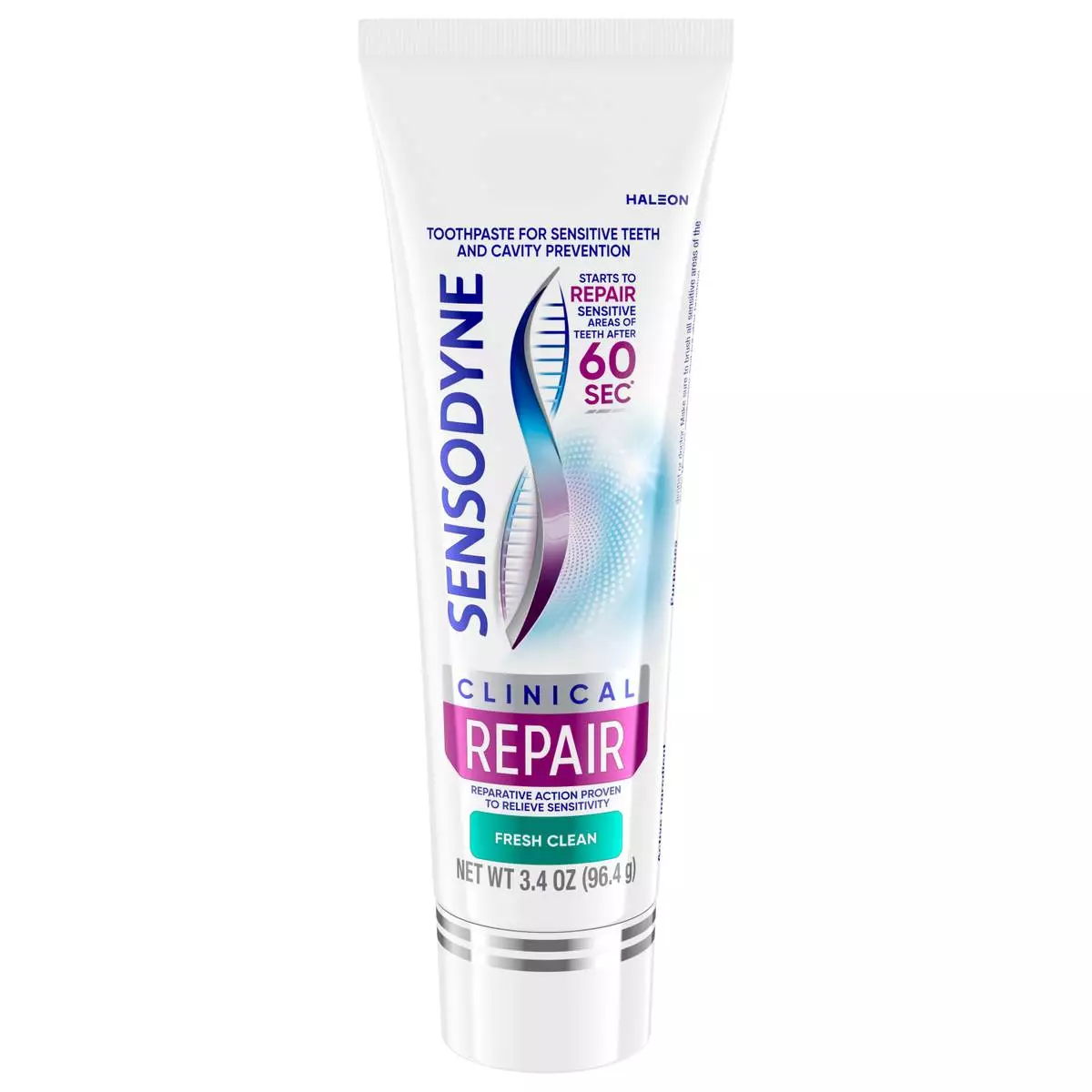
New Sensodyne Clinical Repair Toothpaste Launches with Breakthrough Formula for Rapid, Clinically Proven Sensitivity Relief
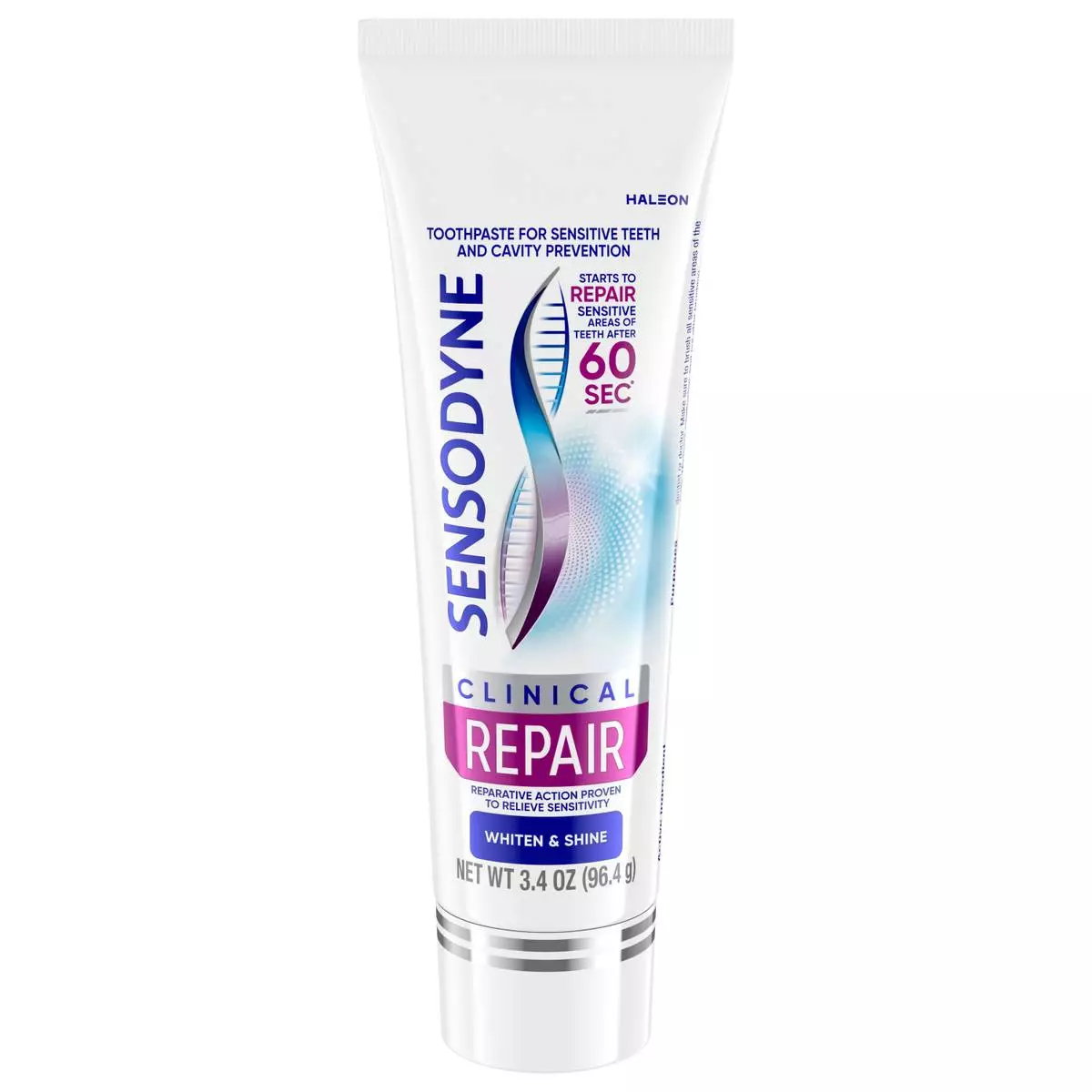
New Sensodyne Clinical Repair Toothpaste Launches with Breakthrough Formula for Rapid, Clinically Proven Sensitivity Relief

New Sensodyne Clinical Repair Toothpaste Launches with Breakthrough Formula for Rapid, Clinically Proven Sensitivity Relief
DUBAI, United Arab Emirates (AP) — The U.S. military announced Wednesday that it was conducting a 12th night of strikes against Iran as both sides increasingly targeted civilian infrastructure.
U.S. Central Command said the attacks were designed to “further degrade Iran’s ability to threaten civilian mariners and commercial vessels transiting regional waters,” as the Americans push to regain control over the Strait of Hormuz and restore the flow of international shipping.
President Donald Trump warned earlier Wednesday that the U.S. would destroy one bridge or power plant each time Iran shoots at a ship in the strait.
“From this point forward, any time the Islamic Republic of Iran shoots at a ship in the Strait of Hormuz, whether it be by Missile, Rocket, Drone, or any other device or weapon, the United States will bomb and destroy ONE BRIDGE OR POWER PLANT,” Trump wrote on social media.
The continued American airstrikes are occurring even as diplomatic efforts show little public sign of progress and officials on both sides have dug in on the dispute over the crucial waterway for global energy that remains largely closed. The unpopular war threatens further worldwide economic disruption and is sending fuel prices up ahead of midterm U.S. elections this fall.
Seyed Abbas Araghchi, Iran’s foreign minister, said his country would adopt an “eye for an eye” defense doctrine.
“Any aggression against Iran, including our infrastructure, will compel a powerful and decisive response,” he posted Wednesday on X.
Iranian state media reported that U.S. missiles struck locations late Wednesday near the cities of Ahvaz, Ramshir and Andimeshk in western Iran.
Meanwhile, military officials in Kuwait said on social media that their air defenses were “confronting attacks by hostile drones, following the sinful Iranian aggression.”
Iran has responded to U.S. attacks by targeting energy infrastructure and desalination plants that provide drinking water in parched neighboring Gulf countries.
International law generally prohibits such attacks unless the infrastructure is being used for military purposes.
The closure of the strait, through which a fifth of the world’s traded oil and gas passed during peacetime, has jolted the world economy with effects far beyond the Middle East. A new threat by Iran-backed Houthi rebels in Yemen to target Saudi shipping in the Red Sea puts another trade chokepoint at risk.
Trump traveled to Dover Air Force Base on Wednesday for the arrival of the remains of four U.S. service members. A day earlier Defense Secretary Pete Hegseth estimated in a fiery Senate hearing that the U.S. had spent $37.5 billion on the war so far.
Benchmark Brent crude oil rose to more than $93 a barrel in trading. That's up from less than $72 early this month, which is roughly where it was before the war. Gasoline prices are also climbing.
Iran says it has the right to manage traffic and potentially charge fees in the strait, which was open to all and toll-free before the war. It has attacked ships using a route through the strait that is overseen by U.S. forces and intended to be outside Tehran's control.
Iran's parliament speaker, Mohammad Bagher Qalibaf, who has led negotiations with the U.S., appeared to brush off Trump's threats.
“We have repeatedly said that the situation of the strait will not return to prewar conditions," he wrote on social media..
Before the latest strikes, Iranian Interior Minister Eskandar Momeni visited Pakistan, a key mediator in the conflict, seeking to revive diplomacy. But it was unclear what new arrangement might be reached to end the war, which lately has become a battle for control over the Strait of Hormuz.
Iran's Interior Ministry spokesman Ali Zeinivand said “diplomacy isn’t called off” and that messages were still being exchanged, without elaborating, according to IRNA.
An Arab diplomat said Gulf states are increasingly pessimistic about finding an off-ramp for escalating hostilities and are particularly concerned about the latest round of threats.
The diplomat said countries in the region, in addition to Pakistan and Turkey, are continuing to push for de-escalation. But, he said the chances for any improvement currently appear bleak. The diplomat spoke on condition of anonymity due to the sensitivity of the situation.
At a regional summit in the Philippines, U.S. Secretary of State Marco Rubio denounced Iran’s actions in the strait.
“If we create a precedent in the Middle East where a nation state can decide that they are going to control an international waterway, charge a toll and if you don’t pay them, blow up your ships, we have created a very dangerous precedent which will repeat itself in other parts of the world, including in this region,” he said.
Rubio said the U.S. remains open to negotiations with Iran, “but right now they don’t seem to be serious about that” so instead the focus is on protecting shipping.
In response to Iran’s attacks, the U.S. re-imposed a blockade on Iranian ports.
Speaking from the Oval Office on Tuesday, Trump gave a dim view on possible talks, saying the U.S. had “no interest in meeting.”
He signaled that U.S. forces could soon target an under-construction Iranian nuclear site buried deep under a mountain.
The site, known as Pickaxe Mountain, lies on the south side of Iran’s Natanz nuclear enrichment site, which was bombed by the U.S. during the 12-day war between Iran and Israel in 2025. But Pickaxe Mountain has remained untouched as Iran continues to dig at the site.
Iran has always insisted its nuclear program is peaceful, while resuming the enrichment of uranium to near weapons-grade levels since Trump scrapped a 2015 nuclear deal during his first term.
Binkley and Toropin reported from Washington. Contributing were Associated Press writers Bassem Mroue in Beirut; Michelle L. Price and Jim Gomez in Manila, Philippines; and Christopher Weber in Los Angeles.
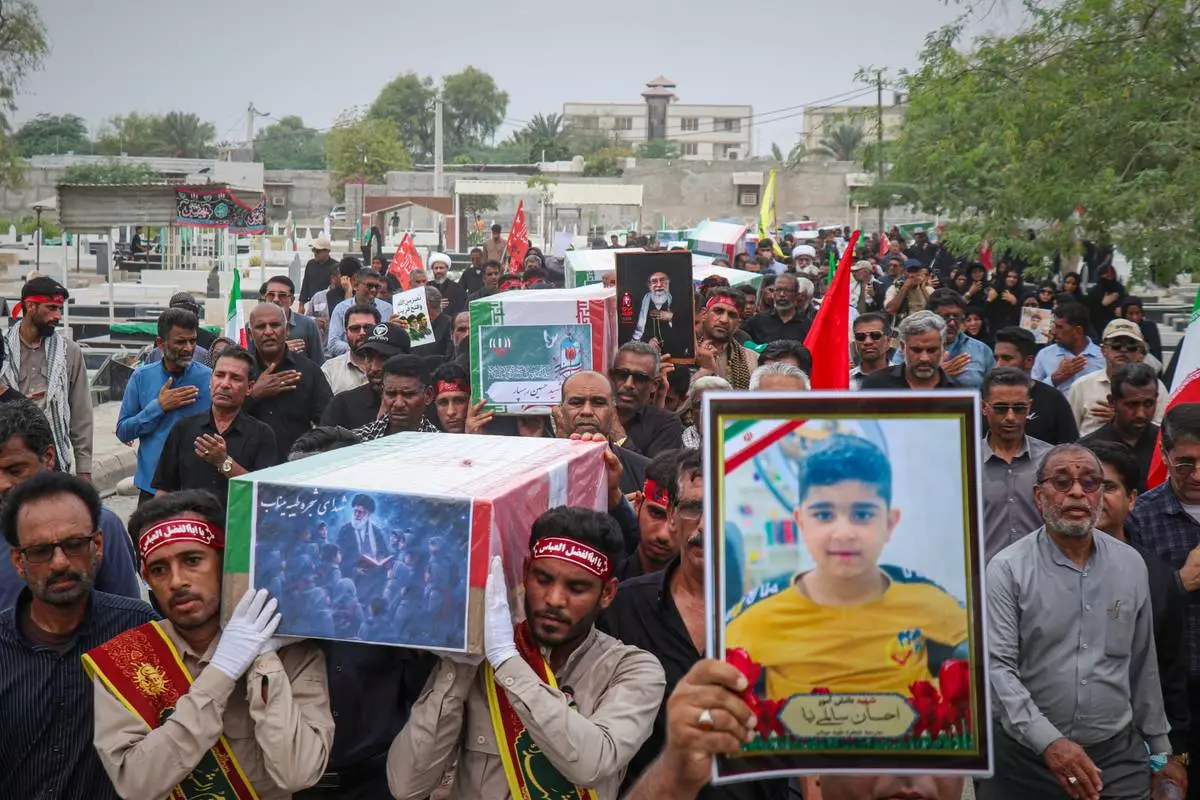
Mourners carry the coffins containing additional remains of victims identified through DNA testing during funeral ceremonies in Minab, Iran, Tuesday, July 22, 2026, nearly five months after they were killed in the Feb. 28 strike on the Shajareh Tayyebeh School.(Razieh Poudat/ISNA via AP)
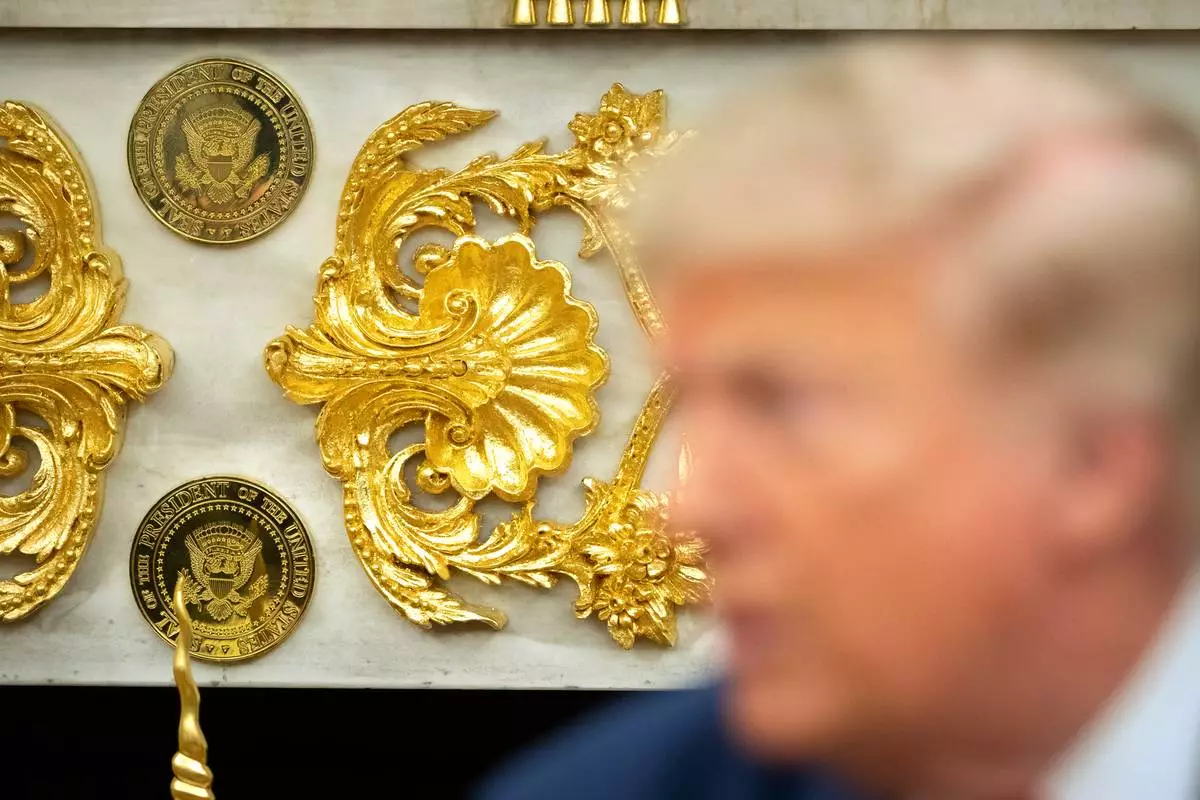
Gold-colored Presidential seals are seen on a fireplace in the Oval Office as President Donald Trump meets with Lebanese President Joseph Aoun at the White House, Tuesday, July 21, 2026, in Washington. (AP Photo/Mark Schiefelbein)
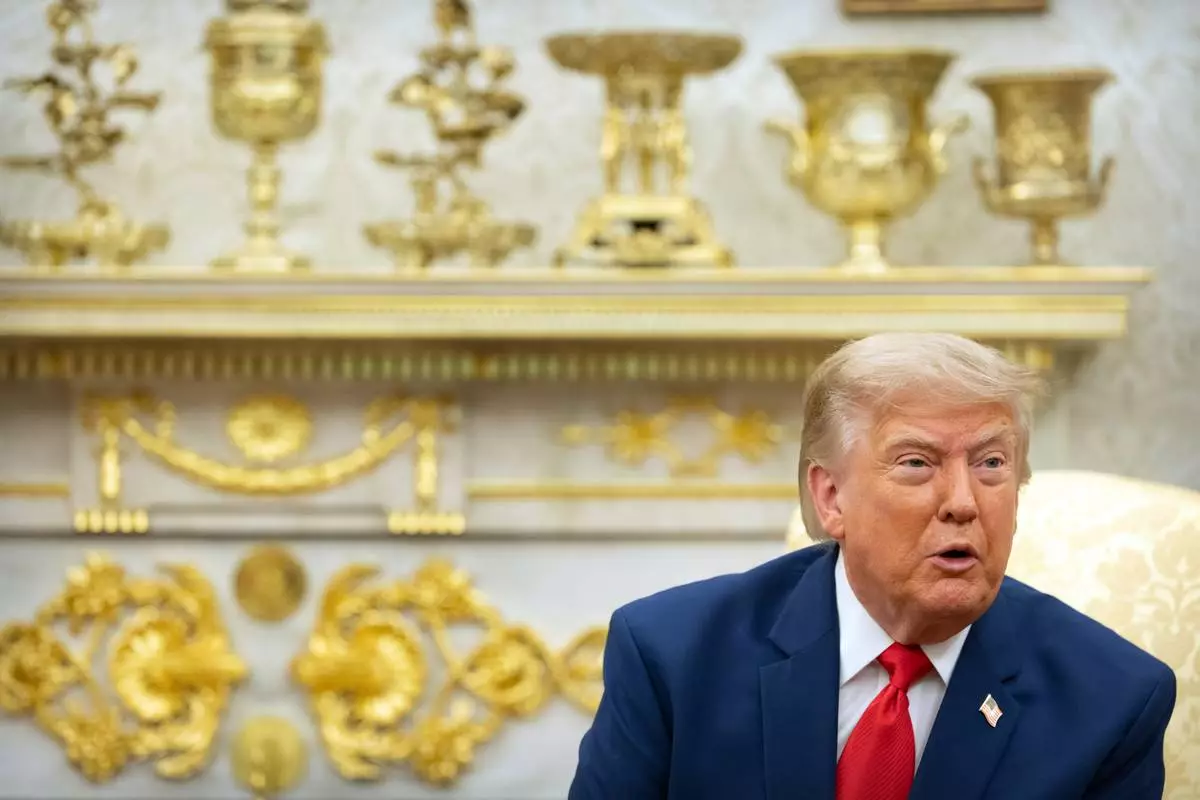
President Donald Trump speaks while meeting with Lebanese President Joseph Aoun in the Oval Office at the White House, Tuesday, July 21, 2026, in Washington. (AP Photo/Mark Schiefelbein)
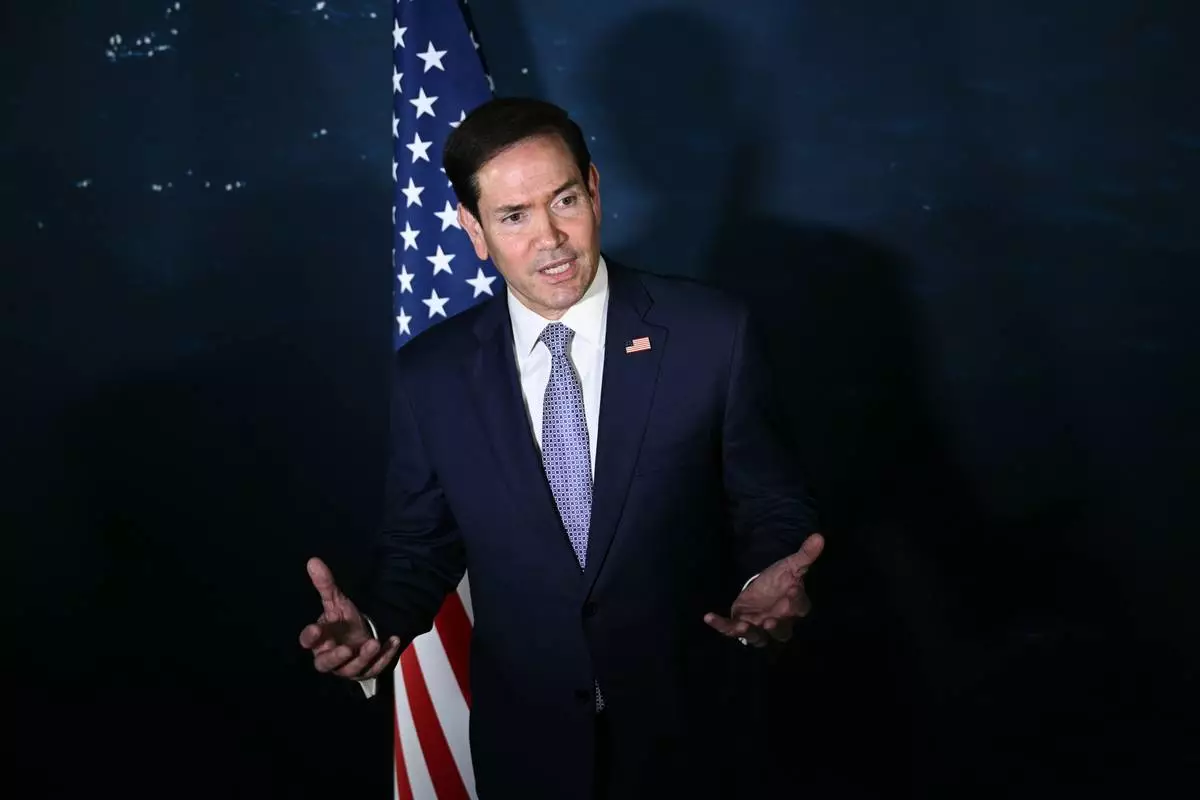
Secretary of State Marco Rubio speaks during a press conference on the sidelines of the Association of Southeast Asian Nations (ASEAN) Foreign Ministers' Meeting in Pasay, Metro Manila, Philippines Wednesday, July 22, 2026. (Brendan Smialowski/Pool Photo via AP)