PHILADELPHIA & FRANKFURT, Germany--(BUSINESS WIRE)--Feb 11, 2026--
Renovus Capital Partners (“Renovus”), a Philadelphia-area based investment firm, today announced that Niklas Kuhlmann has joined the firm as Director of Investor Relations and Capital Formation, EMEA.
This press release features multimedia. View the full release here: https://www.businesswire.com/news/home/20260211251995/en/
In this role, Mr. Kuhlmann will lead Renovus’ investor relations and capital formation efforts across Europe and Asia supporting the firm’s deepening relationships with institutional investors in the international markets.
Mr. Kuhlmann brings more than a decade of experience in private markets fundraising and institutional sales. Prior to joining Renovus, he held senior fundraising and business development roles at Selinus Capital, Hamilton Lane, and DWS Group, where he worked extensively with pension funds, family offices, insurance companies, banks, endowments, and consultants across the DACH region and broader Europe.
“Niklas’ appointment reflects the continued momentum of our platform and the growing interest we see from global institutions,” said Atif Gilani, Founding Partner at Renovus Capital Partners. “His experience and relationships will be instrumental as we broaden Renovus’ presence across Europe and Asia and continue to scale our capital base.”
“Renovus is at an exciting inflection point,” said Mr. Kuhlmann. “The firm’s focus on U.S. small-cap buyouts, combined with its operationally driven value creation approach and strong investor outcomes, resonates deeply with international investors seeking long-term, multi-fund partnerships with best-in-class general partners.”
Mr. Kuhlmann holds an MSc in Corporate Finance & Banking from EDHEC Business School and a BSc in International Business from Maastricht University. He is a CAIA charterholder and is based in Frankfurt, Germany.
About Renovus Capital Partners
Founded in 2010, Renovus Capital Partners is a lower middle-market private equity firm specializing in the Knowledge and Talent industries. From its base in the Philadelphia area, Renovus manages over $2 billion of assets across its several sector-focused funds. The firm's current portfolio includes over 30 U.S.-based businesses specializing in education and workforce development and services companies in the technology, healthcare, and professional services markets. Renovus typically makes control buyout investments in founder-owned businesses, leveraging its industry expertise and operator network to make operational improvements, recruit top talent and pursue add-on acquisitions. Visit us at www.renovuscapital.com and follow us on LinkedIn.
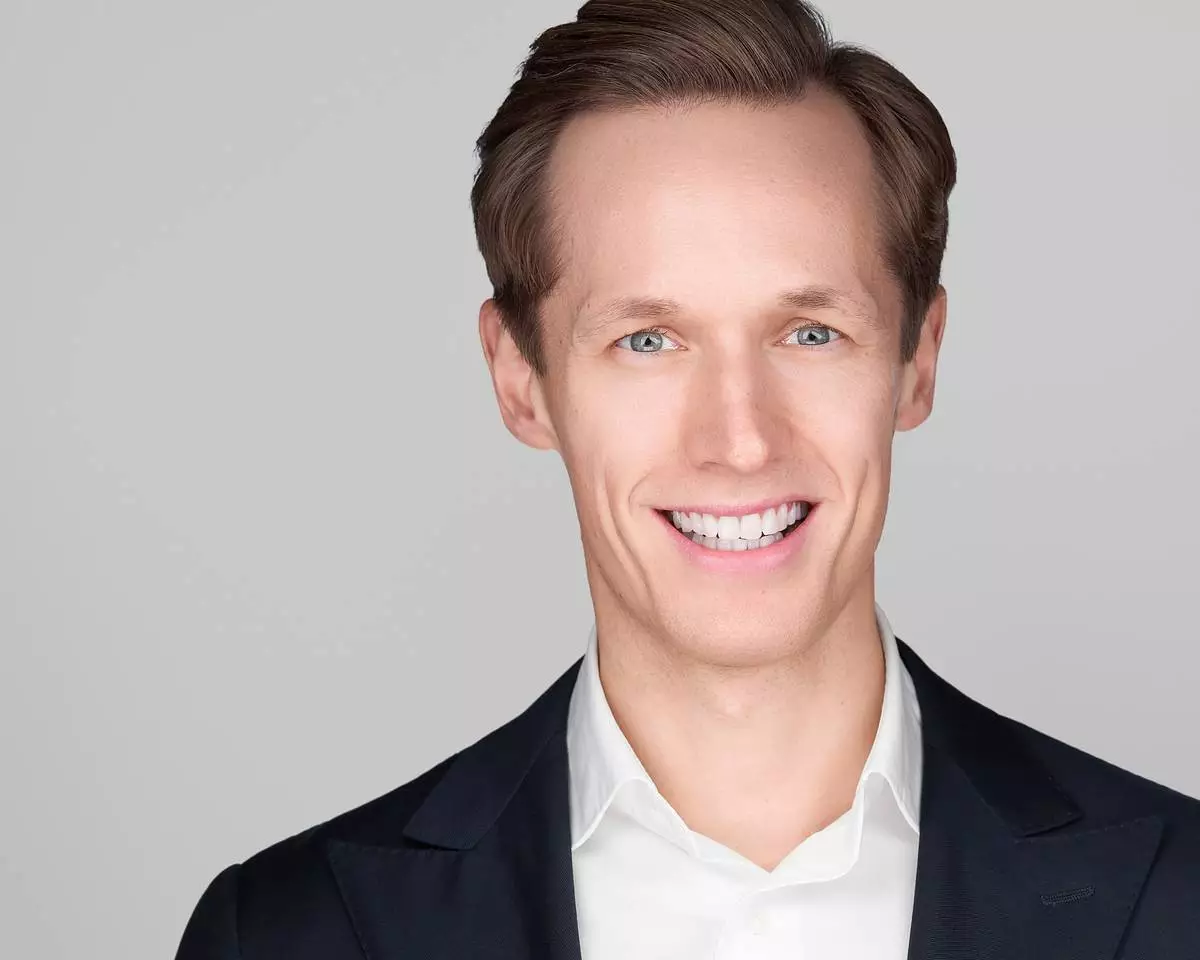
Niklas Kuhlmann, Renovus Capital Partners
NEW YORK (AP) — About 70,000 Americans died of drug overdoses last year — about 14% fewer than the previous year, according to preliminary government data.
It was the third straight annual drop, making it the longest decline in decades, according to federal data released Wednesday. The 2025 total is about the same as the tally in 2019, before the COVID-19 pandemic.
Declines were seen across a number of drug types, including fentanyl, cocaine and methamphetamine. Overdose deaths fell in the vast majority of states, although seven saw at least slight increases, including jumps of 10% or more in Arizona, Colorado and New Mexico, the preliminary data from the Centers for Disease Control and Prevention showed.
“I’m cautiously optimistic that this represents really a fundamental change in the arc of the overdose crisis,” said Brandon Marshall, a Brown University researcher who studies overdose trends.
But the number of Americans dying from overdoses is still high, and deaths declined at a slower pace last year. A number of things could cause deaths to rise again — including government policy changes or a shift in the drug supply, Marshall and other researchers say.
“If deaths are going down rapidly, that means they can increase just as rapidly if we take our foot off the gas,” Marshall said.
U.S. overdose deaths were generally rising for decades, but they shot up dramatically during the pandemic, peaking at nearly 110,000 in 2022. The pandemic spike was associated with social isolation and difficulties accessing addiction treatment.
Deaths declined as the pandemic waned. Researchers have pointed to numerous possible factors: an increase in the availability of the overdose-reversing drug naloxone, expanded addiction treatment, shifts in how people use drugs, and the growing impact of billions of dollars in opioid lawsuit settlement money.
Some research also suggests the number of people likely to overdose has been shrinking, as fewer teens take up drugs and many illicit drug users have died. Another theory suggests regulatory changes in China a few years ago appear to have diminished the availability of precursor chemicals used to make fentanyl.
The nation's decades-long overdose epidemic has played out at different paces in different parts of the country, due at least in part to differences in the illicit drug supply and what people are using. The death increases last year in Arizona, Colorado and New Mexico could stem from more combined use of fentanyl and methamphetamine recently in those places, Marshall guessed.
Health and law enforcement officials in recent months have been sounding alarms about newer drugs that were increasingly detected in 2025.
Alex Krotulski is director of the Center for Forensic Science Research and Education, a federally funded toxicology lab in Horsham, Pennsylvania, that is an important part of a national illicit drug early warning system.
In all of last year, the lab identified 27 new drugs. Less than five months into 2026, the lab already has identified 23, he said.
Among the drugs on the lab’s radar is cychlorphine, a potent synthetic opioid described as up to 10 times stronger than fentanyl. Experts say it is being used as a cutting agent, added to other illicit drugs, without the buyer’s knowledge.
“The drug supply continues to change and evolve,” Krotulski said.
Meanwhile, the Trump administration has been cutting programs designed to reduce overdose deaths and infections tied to drug use. In a letter last month, the federal Substance Abuse and Mental Health Services Administration notified federal grant recipients that the government would no longer pay for test strips and kits that help drug users see if their drugs contain highly-lethal additives.
Officials say they are shifting away from services that facilitate illicit drug use, including clean syringes and hotlines that people can dial into while they use drugs.
Last week, a group of women who lost children to overdoses spoke with reporters to protest government policies that emphasize punishment and incarceration.
Kimberly Douglas founded one group, Black Moms Against Overdose, after her 17-year-old son died.
“We are starting to see overdoses go down in some places and that’s because of harm reduction” services like those being targeted by the Trump administration, she said.
The Associated Press Health and Science Department receives support from the Howard Hughes Medical Institute’s Department of Science Education and the Robert Wood Johnson Foundation. The AP is solely responsible for all content.
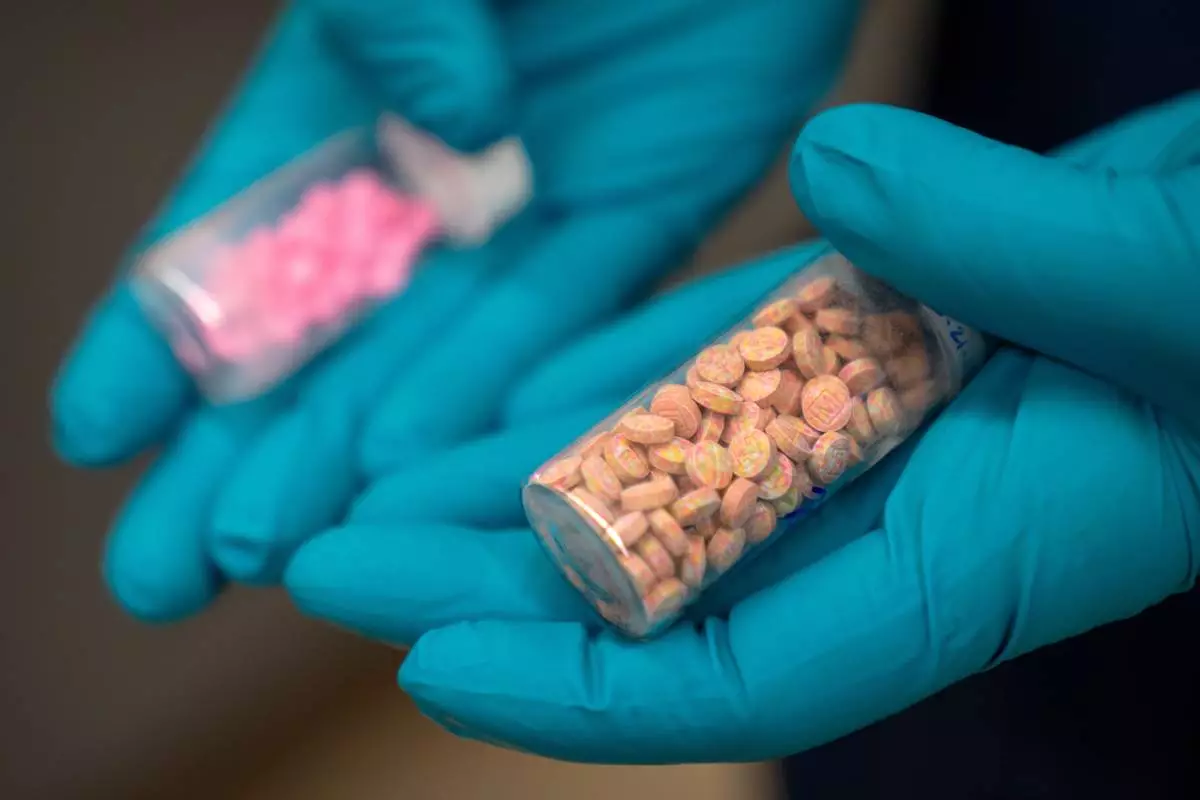
FILE - Jonathan Dumke, a senior forensic chemist with the Drug Enforcement Administration, holds vials of fentanyl pills at a DEA research laboratory on April 29, 2025, in Northern Virginia. (AP Photo/Mark Schiefelbein, File)
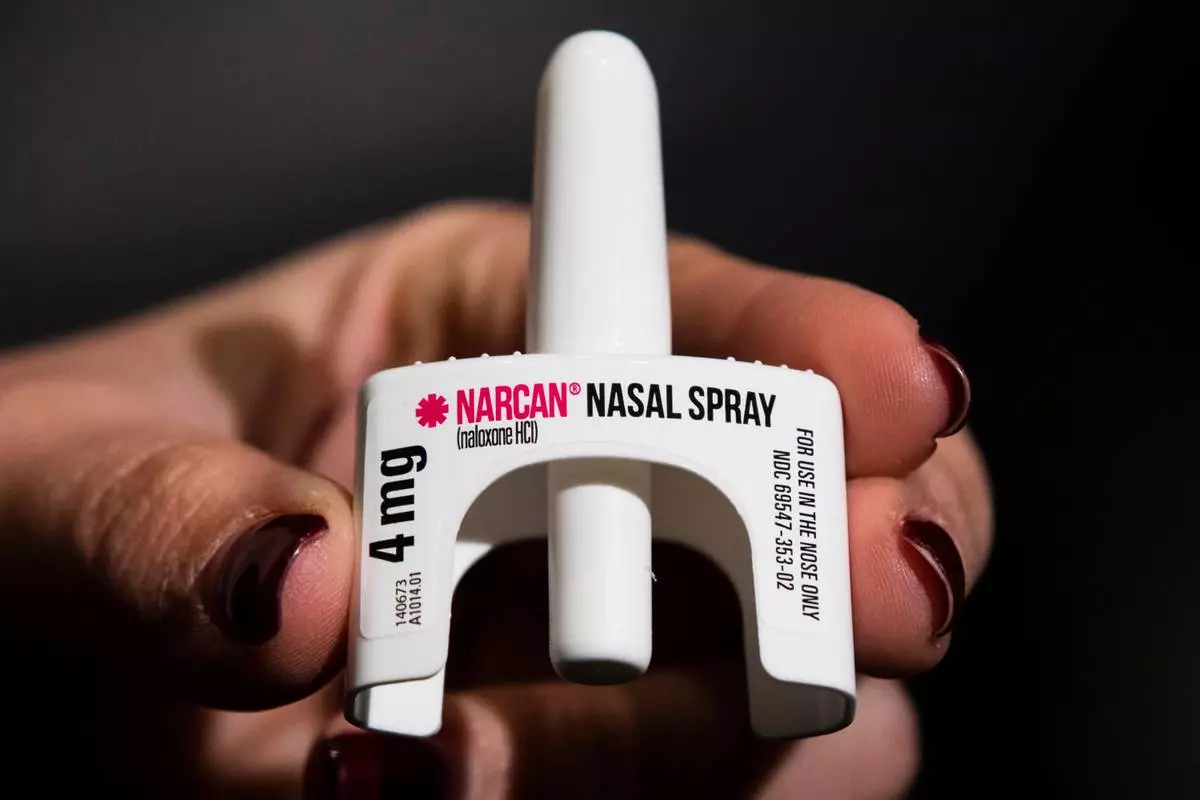
FILE - The overdose-reversal drug Narcan is displayed during training for employees of the Public Health Management Corporation (PHMC), Dec. 4, 2018, in Philadelphia. (AP Photo/Matt Rourke, File)