PARIS (AP) — As a French teetotaler, Justine Bobin knows how challenging it can be to not drink in a country where wine, beer and other boozy beverages still lubricate many social interactions, even if France is less hooked on alcohol than it used to be.
“People are convinced that you can’t have fun if you don’t drink alcohol in France,” she says.
Click to Gallery
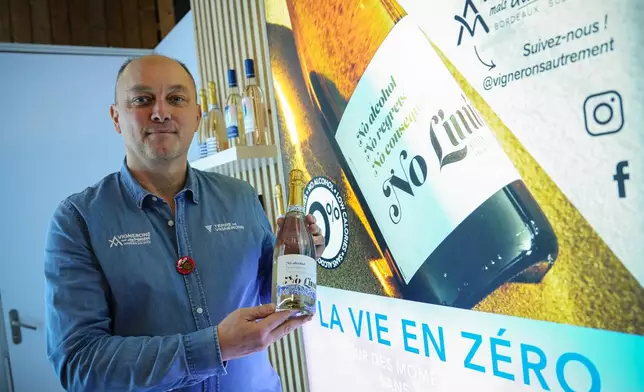
Ludovic Fuhrmann, Director of Sales at Terre de Vignerons, poses for a photo at the Wine Paris 2026 fair, at the Porte de Versailles exhibition center in Paris, France, Tuesday, Feb. 10, 2026. (AP Photo/Aurelien Morissard)
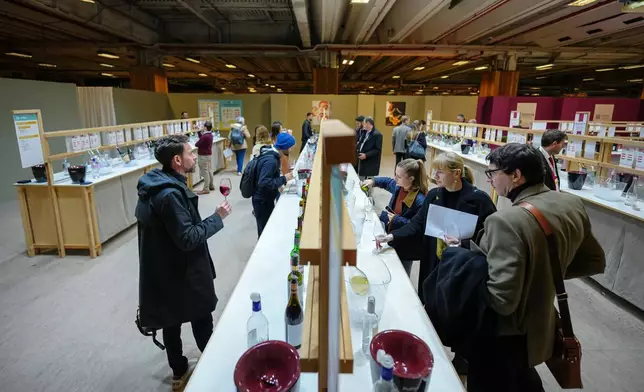
Visitors taste non-alcoholic wine at the Wine Paris 2026 fair, at the Porte de Versailles exhibition center in Paris, France, Tuesday, Feb. 10, 2026. (AP Photo/Aurelien Morissard)
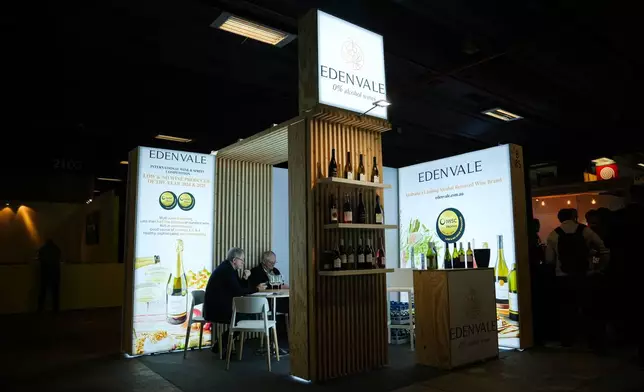
Producers of non-alcoholic wines present their products at the Wine Paris 2026 fair, at the Porte de Versailles exhibition center in Paris, France, Tuesday, Feb. 10, 2026. (AP Photo/Aurelien Morissard)
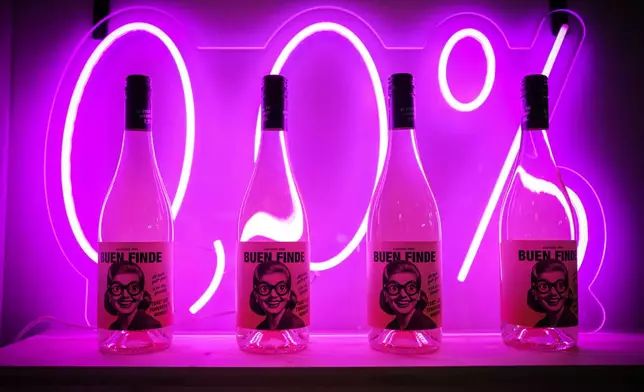
Non-alcoholic wines are presented at the Wine Paris 2026 fair, at the Porte de Versailles exhibition center in Paris, France, Tuesday, Feb. 10, 2026. (AP Photo/Aurelien Morissard)
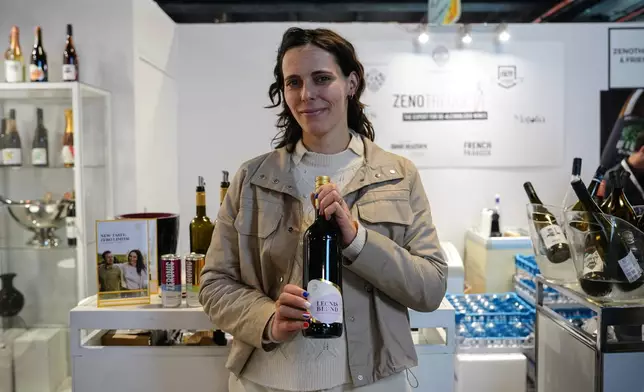
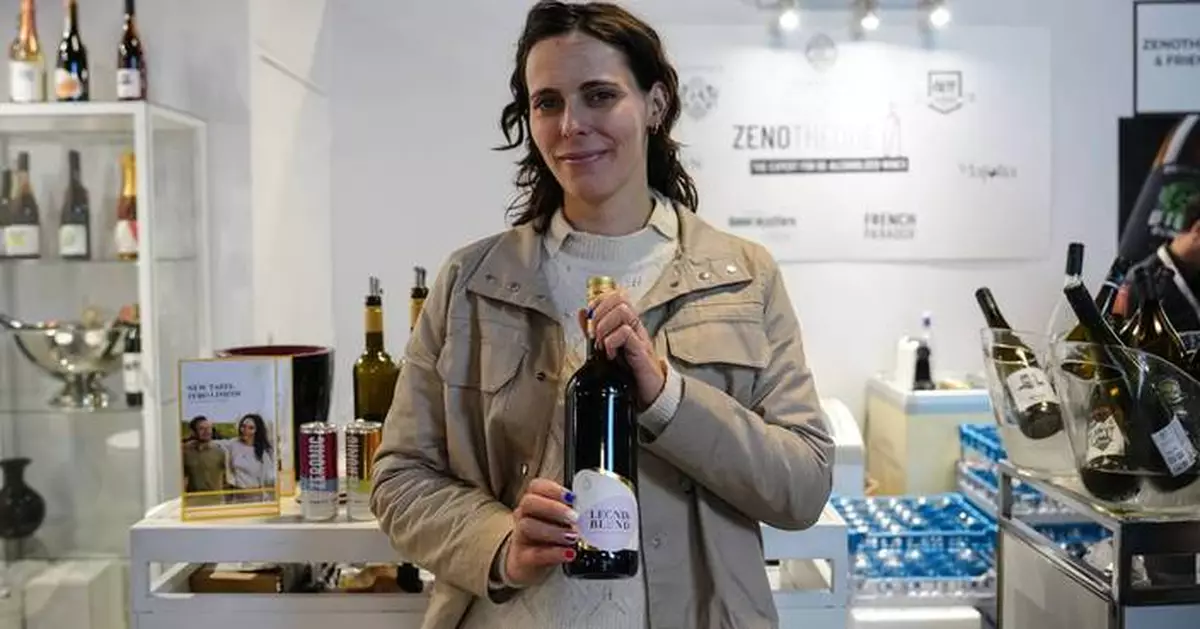
Katja Bernegger, Founder of Zeronimo, poses for a photo at the Wine Paris 2026 fair, at the Porte de Versailles exhibition center in Paris, France, Tuesday, Feb. 10, 2026. (AP Photo/Aurelien Morissard)
Which is one of the reasons that Bobin trekked up to Paris this week, to check out the growing array of zero- and low-alcohol drinks — predominantly red, white, rosé and sparkling wines from around Europe, South Africa, Australia and New Zealand. Those products rubbed shoulders with established producers and distillers of all things alcoholic at a major international trade show for the wine and spirits industries.
With slogans championing “no alcohol, no regrets, no consequences" and encouraging consumers to "drink different,” producers of so-called no/low beverages are aiming to profit from changing tastes and habits, in particular those of young adults more mindful of alcohol's harms.
In the United States, fewer Americans are reporting that they drink alcohol. In other major international markets, a growing no/low industry is chipping away at booze's hegemony.
France's government is offering to pay wine-makers who agree to rip up their vineyards, to reduce the output of vintages no longer in demand. Dutch drinks giant Heineken this week said it will cut up to 6,000 jobs from its global workforce by 2028, after its beer sales fell last year. But the firm's portfolio of no/low drinks saw double-digit growth in 18 of its markets.
Bobin, who is Muslim, said zero-alcohol drinks can help teetotalers and drinkers of alcohol spend time together. She tasted a variety of non-alcoholic adult beverages at the Wine Paris show, looking for some to sell at her delicatessen shop in France’s wine-making Burgundy region.
“It allows us to share a moment with people even without drinking alcohol. So they can drink if they want, but we can still share a drink, toast with them," she said. "It offers an alternative for everyone and brings people together. It’s more of a product for inclusion, I think, for people who don’t drink alcohol, and that’s great.”
Alcohol consumption in France has plummeted in the last half-century, with many adults dropping the habit of wine with most meals and young people, in particular, generally drinking less and differently than their parents.
Katja Bernegger, who produces alcohol-free wines in Austria, said no/low drinking isn't a passing fad.
“People are more mindful of their body,” she said. “If you drink today, you probably have a headache tomorrow, and they don’t want it because you need to function, you have kids, you have a job.”
Bernegger and her partner, a winemaker, started venturing into no-alcohol wines when she was pregnant. She stopped drinking but missed the flavors of wine.
“You are standing there with your orange juice or Coke. You are out of it. You have to explain why you don’t drink,” she said.
“So you are simply having just half of the fun in life. And that’s the reason why we need some sophisticated non-alcoholic options.”
AP journalist Catherine Gaschka in Paris contributed to this report.
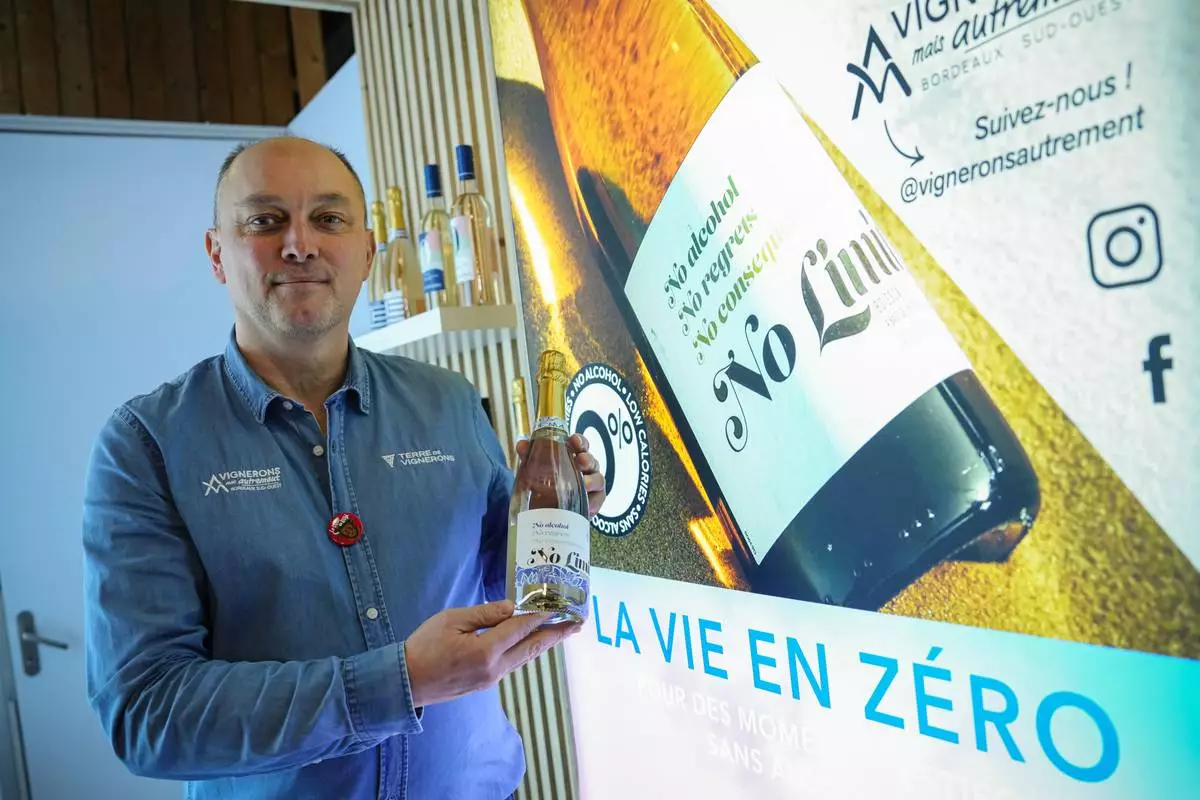
Ludovic Fuhrmann, Director of Sales at Terre de Vignerons, poses for a photo at the Wine Paris 2026 fair, at the Porte de Versailles exhibition center in Paris, France, Tuesday, Feb. 10, 2026. (AP Photo/Aurelien Morissard)
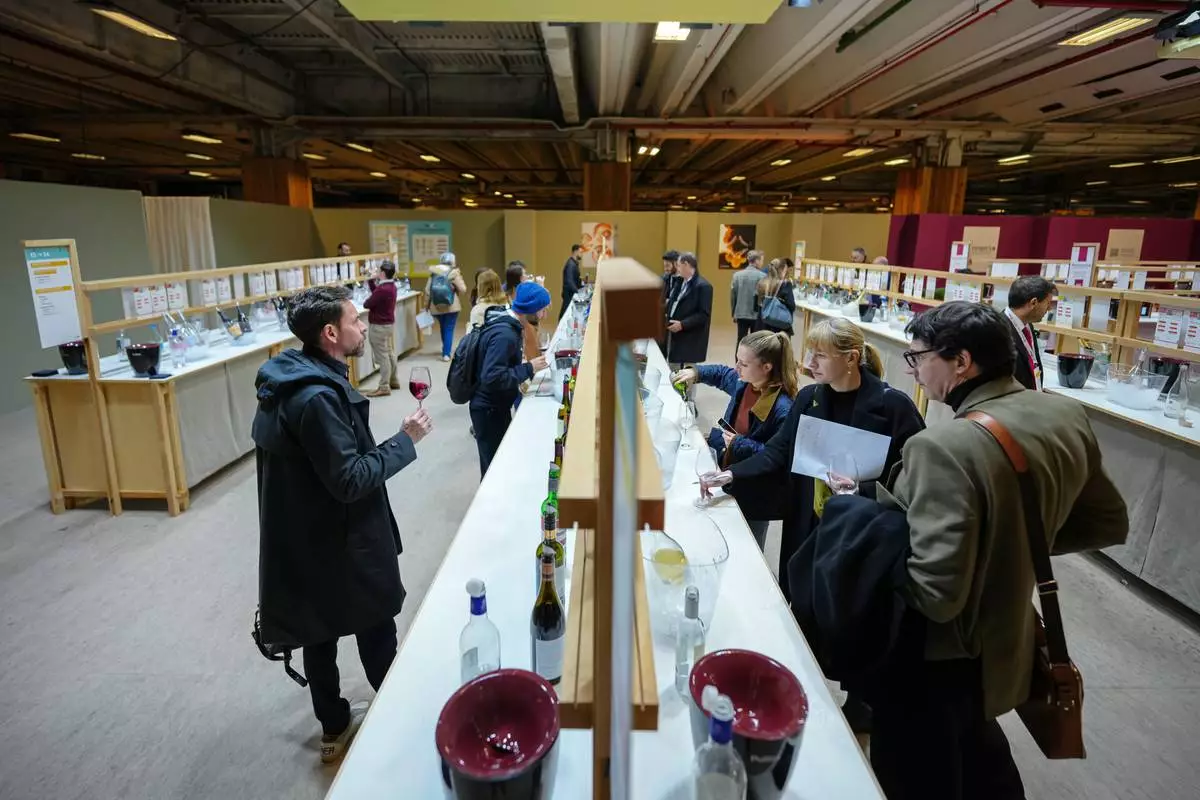
Visitors taste non-alcoholic wine at the Wine Paris 2026 fair, at the Porte de Versailles exhibition center in Paris, France, Tuesday, Feb. 10, 2026. (AP Photo/Aurelien Morissard)
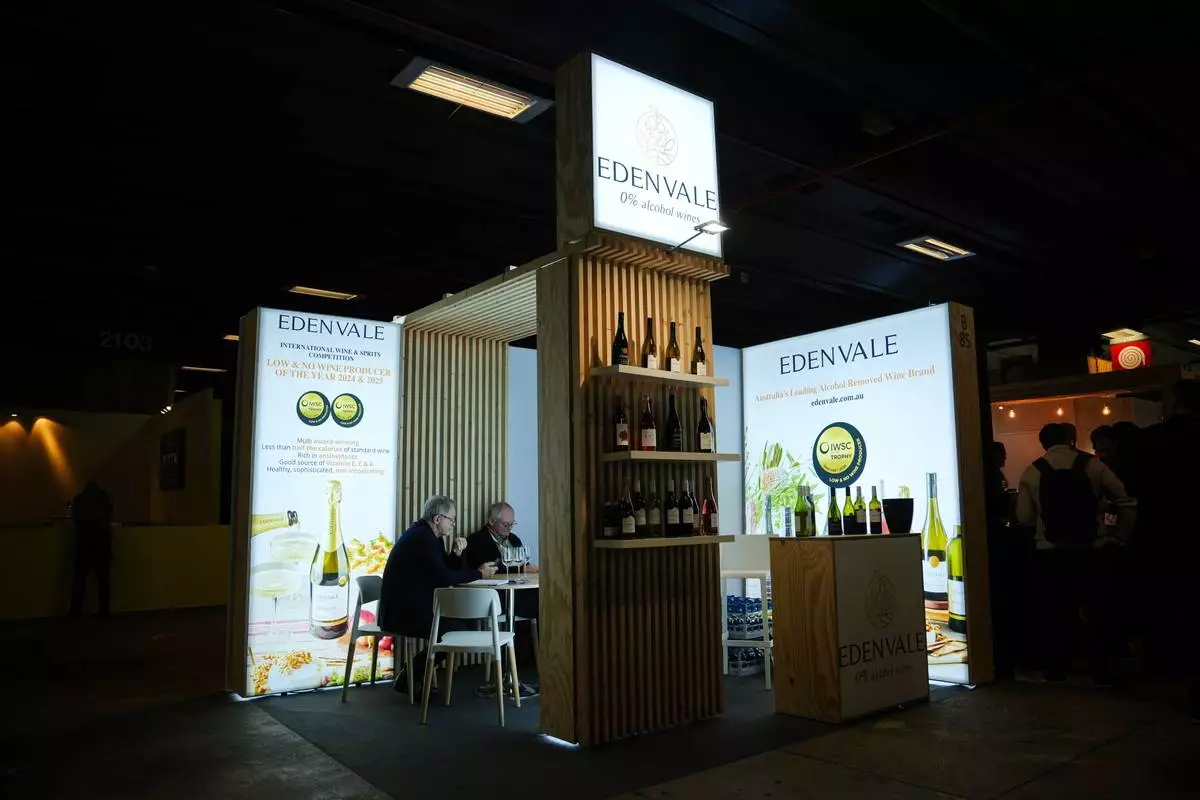
Producers of non-alcoholic wines present their products at the Wine Paris 2026 fair, at the Porte de Versailles exhibition center in Paris, France, Tuesday, Feb. 10, 2026. (AP Photo/Aurelien Morissard)
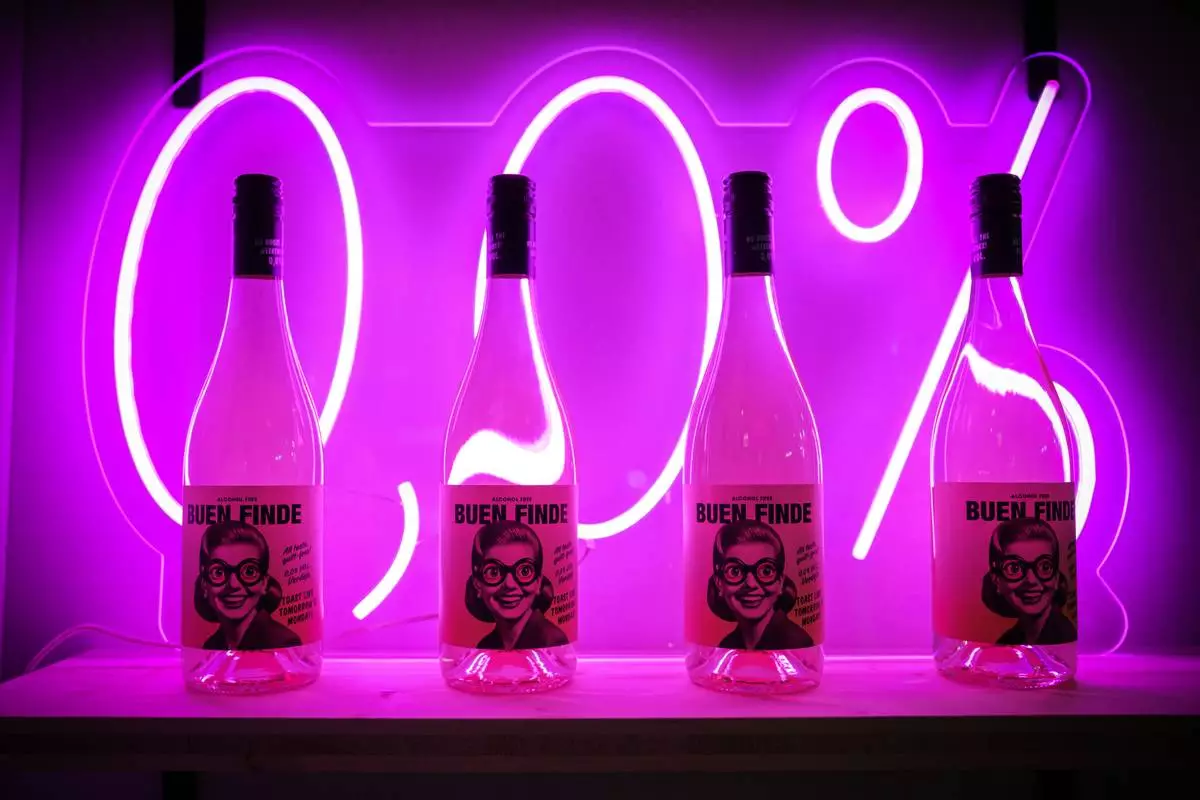
Non-alcoholic wines are presented at the Wine Paris 2026 fair, at the Porte de Versailles exhibition center in Paris, France, Tuesday, Feb. 10, 2026. (AP Photo/Aurelien Morissard)
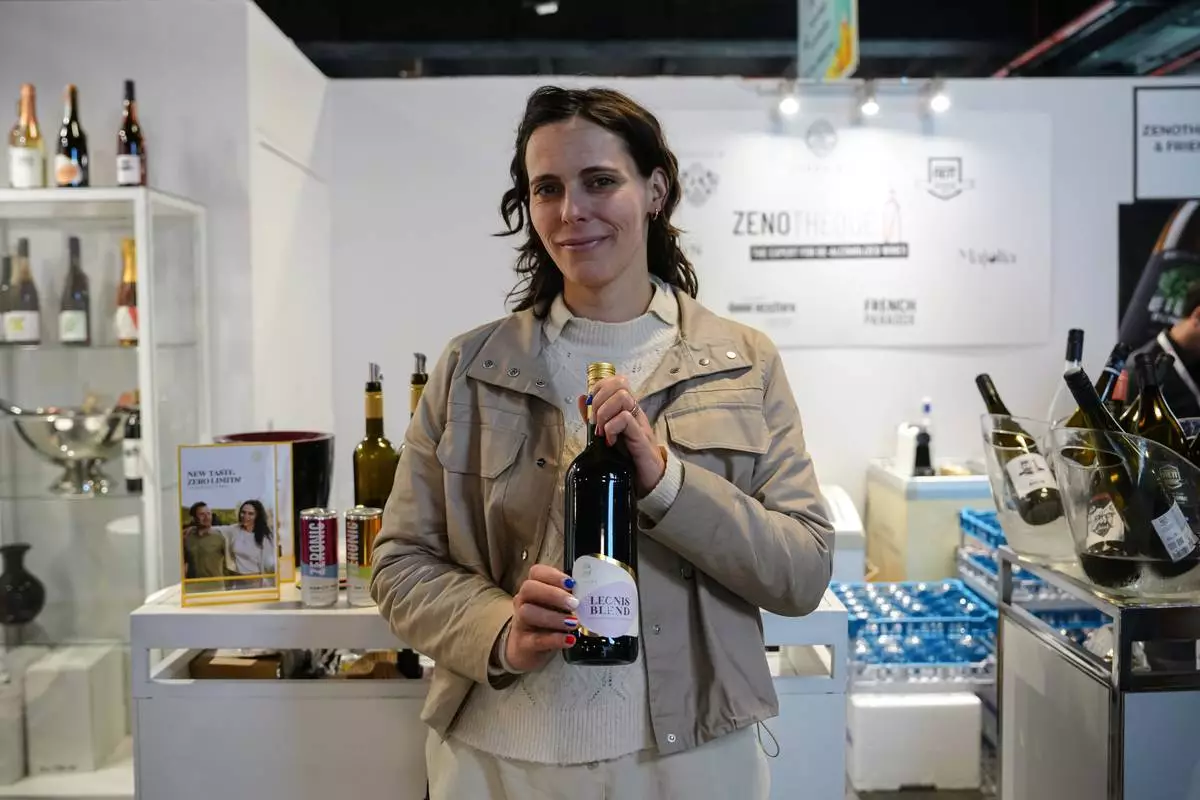
Katja Bernegger, Founder of Zeronimo, poses for a photo at the Wine Paris 2026 fair, at the Porte de Versailles exhibition center in Paris, France, Tuesday, Feb. 10, 2026. (AP Photo/Aurelien Morissard)