Chang Jung-kung, vice chairman of the Chinese Kuomintang (KMT) party, has vowed greater efforts to promote exchanges and cooperation in various fields across the Taiwan Strait, which he says serves the interests of people on both the mainland and the region.
Chang was speaking with the China Media Group in Beijing after attending a think tank forum co-hosted earlier this month by research institutes affiliated with the Communist Party of China (CPC) and the KMT. The interparty forum yielded a series of common opinions on promoting cross-Strait exchanges and cooperation.
The forum called for deepening cross-Strait exchanges and tourism cooperation. Its proposals include fully restoring regular direct passenger air and sea services across the Strait and gradually expanding tourism by mainland residents to Taiwan's Kinmen and Matsu islands.
Chang said normal cross-Strait travel serves the public wellbeing on both sides of the Strait.
"It is essential to maintain normal communication platforms between the KMT and the CPC amid the tensions across the Taiwan Strait. In fact, cross-Strait exchanges have always been the mainstream public opinion in Taiwan, since a peaceful environment across the Taiwan Strait benefits both sides. We've learned that in 2025, Taiwan people made nearly 5 million trips to the mainland, which indicates that the people support greater exchanges across the Strait. We also understand that the mainland has continuously introduced a raft of supportive policies. Therefore, I can sense the good intentions and sincerity from both sides, since everyone hopes for stronger cross-Strait cooperation," said Chang.
At the forum, the participants, including think tank members, industry representatives and scholars from across the Taiwan Strait, said the Democratic Progressive Party (DPP) authorities' restrictions on personnel exchanges must be lifted.
On the DPP's obstruction of cross-Strait exchanges and recent efforts to smear the forum, Chang said the DPP's moves are consistent with its "de-Sinicization" campaign in an attempt to reduce Chinese cultural and historical ties between the mainland and the region to promote a so-called "Taiwan identity".
Chang stressed the importance of respecting the fact that people from both sides of the Strait belong to one China and share a common Chinese identity, and expressed the confidence that a majority of people in Taiwan will always support normal cross-Strait exchanges and cooperation.
"The Chinese Kuomintang had changed its name several times, but each time it ended up containing the word 'China' or 'Chinese' in it. It is truly unrealistic to sever our bonds with the mainland. Don't people in Taiwan, like the mainland residents, all have Chinese surnames, speak the Chinese language, and celebrate Chinese festivals? Objectively speaking, these ties can never be severed completely. To do that despite the impossibility -- that is what will put Taiwan in danger. Therefore, we must let the people understand that Taiwan secession will never happen and make sure all sectors in Taiwan can feel that only cross-Strait exchanges and cooperation can help safeguard their wellbeing. The KMT will work to promote cross-Strait exchanges in all fields. And if the DPP is bent on obstructing them, the people of Taiwan will make the right choice," he said.
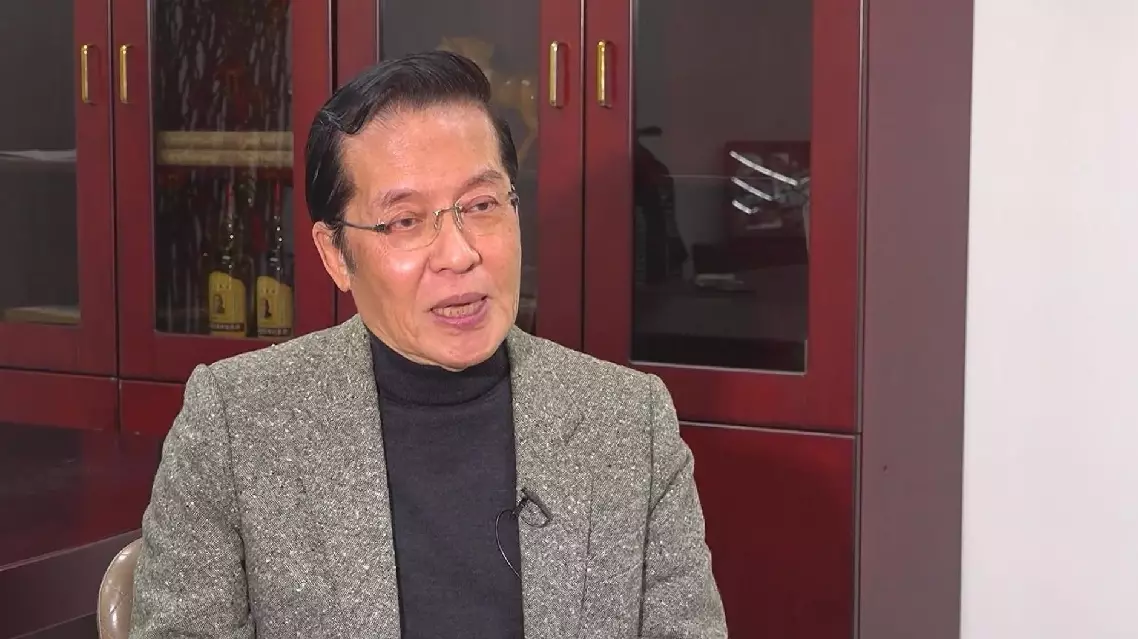
Deputy KMT chair vows efforts to promote exchanges across Taiwan Strait