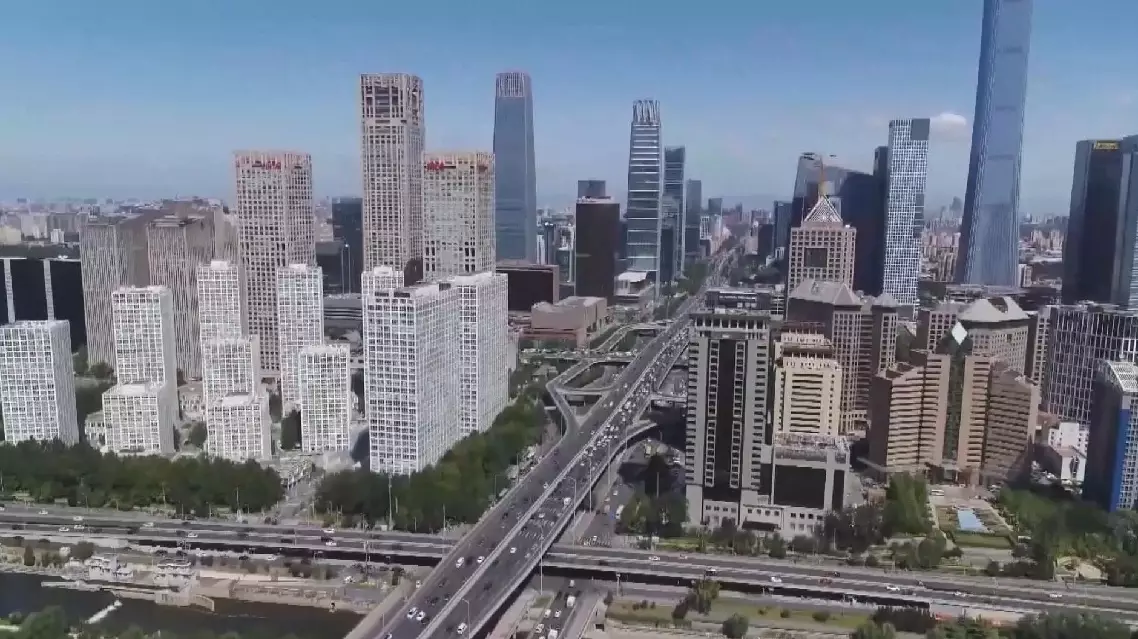
China will further promote the modernized construction and coordinated development of the capital metropolitan area through various measures and multi-departmental collaboration.
The Communist Party of China Central Committee and the State Council in January issued approval for the spatial coordination plan for the modern capital metropolitan area (2023-2035), marking a major new step in deepening the coordinated development of the Beijing-Tianjin-Hebei region.
The capital metropolitan area has been designated as a critical zone for optimizing and safeguarding the capital's core functions, serving as the primary engine for building a world-class city cluster, according to the document made public on Feb 2.
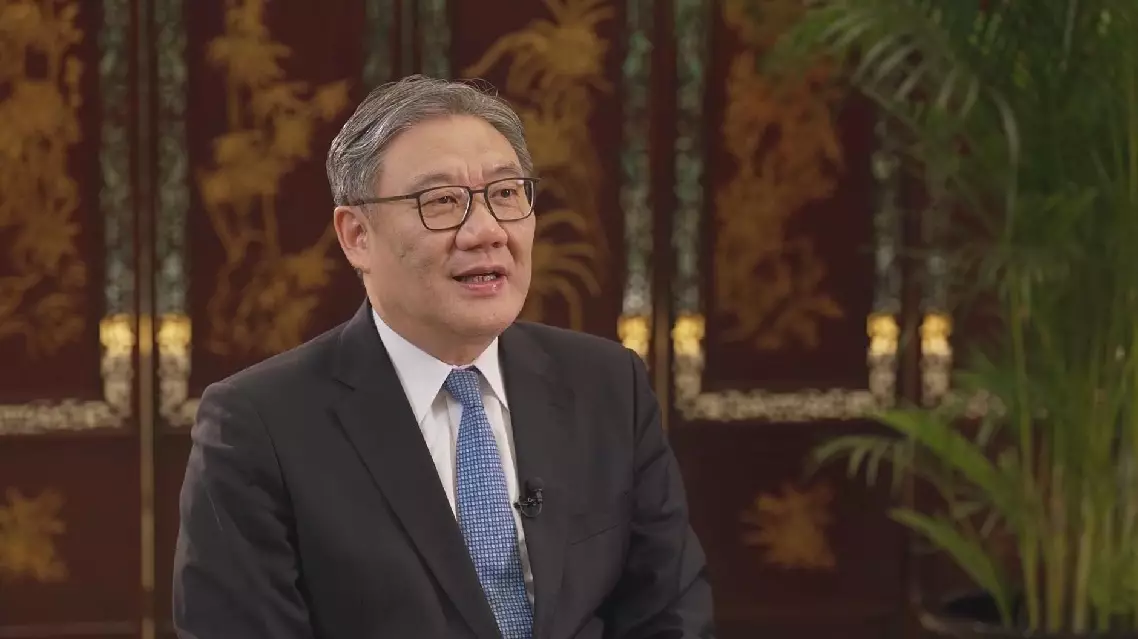
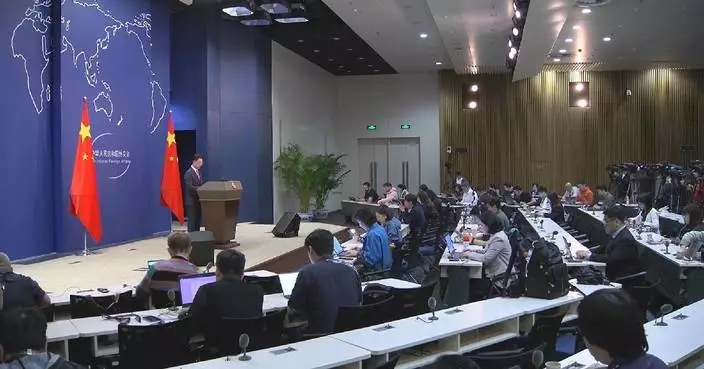
"The plan emphasizes Beijing as its core, coordinating the relocation and upgrading of functions, vitality and order, and development and security. It clarifies the strategic positioning of the capital metropolitan area as four zones and one engine: a crucial area for optimizing, upgrading, and serving the functions of the capital, a main engine for building a world-class city cluster, an important area for the inheritance and development of Chinese civilization, a leading area for regional collaborative governance, and a pioneering area for building a beautiful China. Simultaneously, it proposes a spatial pattern of capital, Beijing Municipal Administrative Center and Xiong'an New Area; multiple points in Beijing and Tianjin; two corridors of Beijing-Tianjin and Beijing-Xiong'an and multiple circles including commuter, functional, and industrial collaboration circles," said Xia Linmao, executive vice mayor of Beijing, at a press conference introducing measures to support the plan on Thursday.
"The implementation of the plan adheres to the principles of central-local government coordination and collaboration among the three regions, forming a powerful synergy for the joint construction of the capital metropolitan area. The plan is both a regional-level special plan within the capital's planning system and a sub-plan under the strategic framework of the coordinated development of the Beijing-Tianjin-Hebei region. We will continue to leverage the advantages of both systems, proactively planning a series of key reforms and major projects in conjunction with the implementation of the plan, further enhancing the new driving force for the development of the capital metropolitan area," said Xia.
The National Development and Reform Commission will strengthen its support for the implementation of plan in the process of advancing the coordinated development strategy of the Beijing-Tianjin-Hebei region.
The Ministry of Natural Resources will promptly address the current spatial mismatch issues in some areas and support the three regions in exploring the establishment of a cross-regional construction land coordination mechanism.
Beijing will seize the opportunity of the expansion of the Beijing (Beijing-Tianjin-Hebei) International Science and Technology Innovation Center to strengthen collaborative innovation and industrial cooperation with Tianjin and Hebei.
Tianjin Municipality will accelerate the construction of the core area of international shipping in northern China, creating a convenient sea outlet for the capital and Xiong'an New Area.
Hebei Province will build Xiong'an New Area with high standards and high quality, jointly build a world-class airport cluster and port cluster with Beijing and Tianjin, and create economic corridors connecting Beijing and Tianjin from different directions.
China to further promote construction of modernized capital metropolitan area