Chinese Foreign Minister Wang Yi said Saturday that history advances through twists and turns, and that China-U.S. relations enjoy bright prospects.
Wang, also a member of the Political Bureau of the Communist Party of China Central Committee, made the remarks in response to questions on China-U.S. relations after delivering a speech at the "China in the World" session of the Munich Security Conference.
Click to Gallery
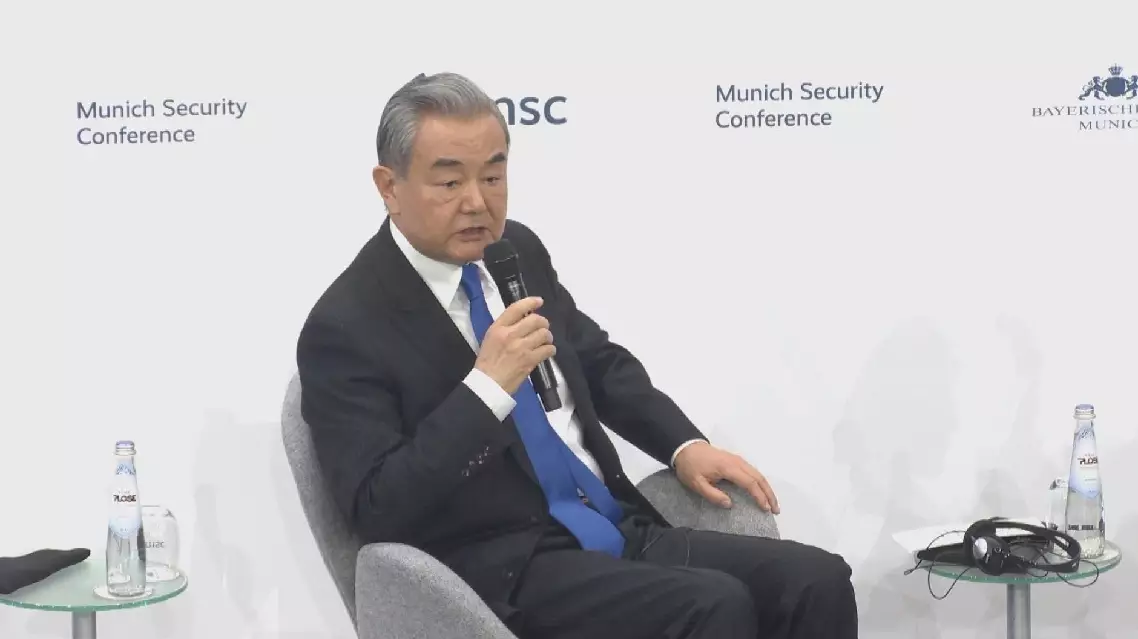
China-U.S. relations enjoy bright prospects: Chinese FM
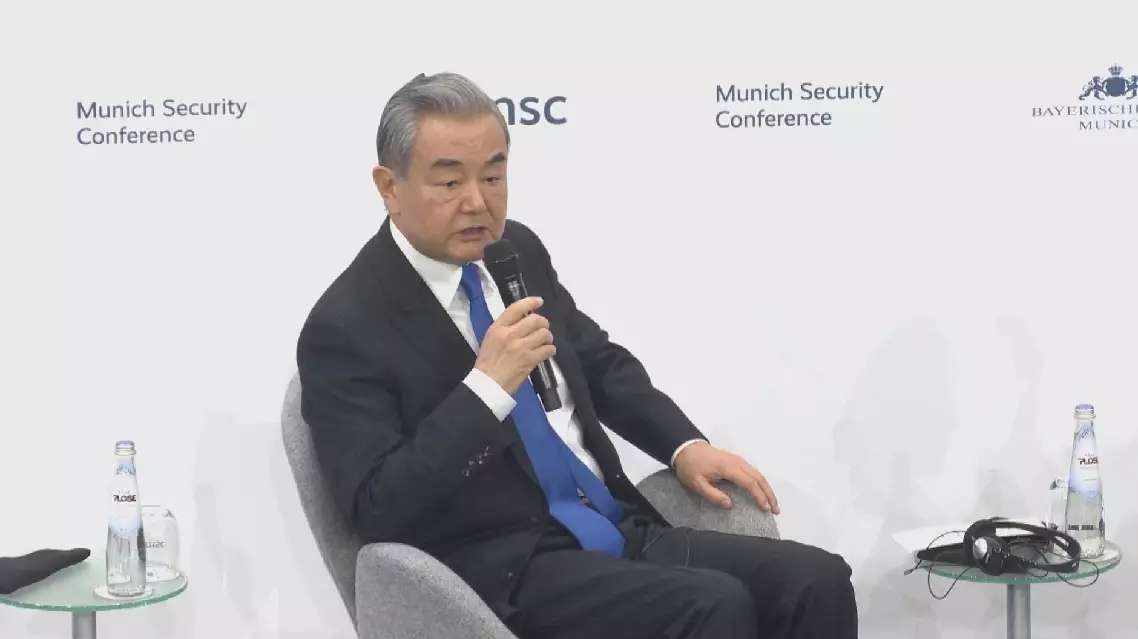
China-U.S. relations enjoy bright prospects: Chinese FM
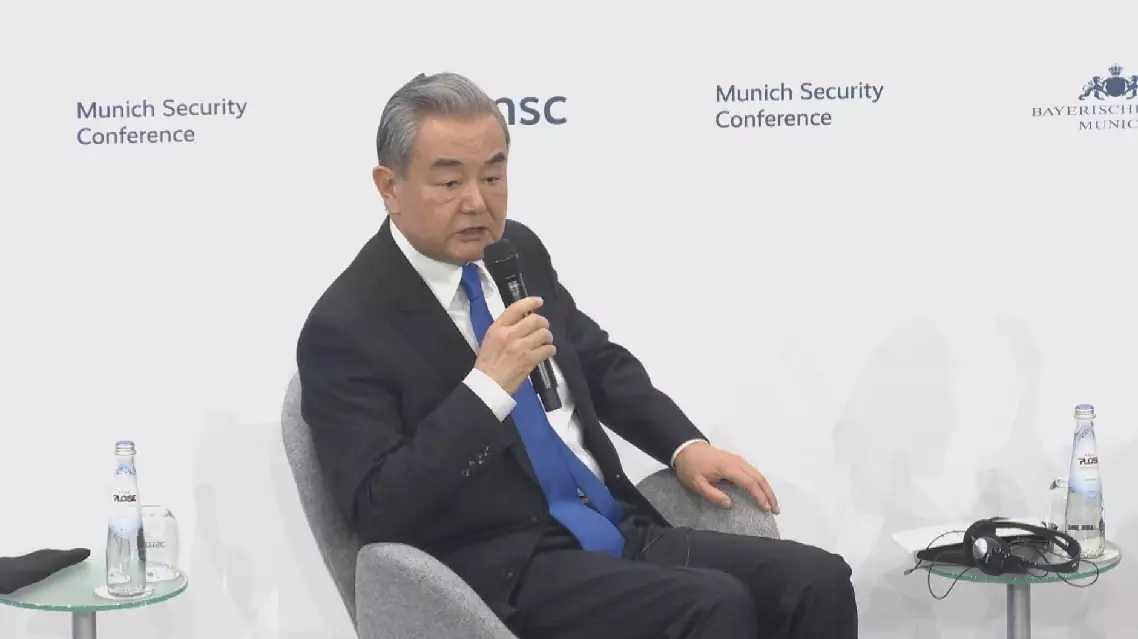
China-U.S. relations enjoy bright prospects: Chinese FM
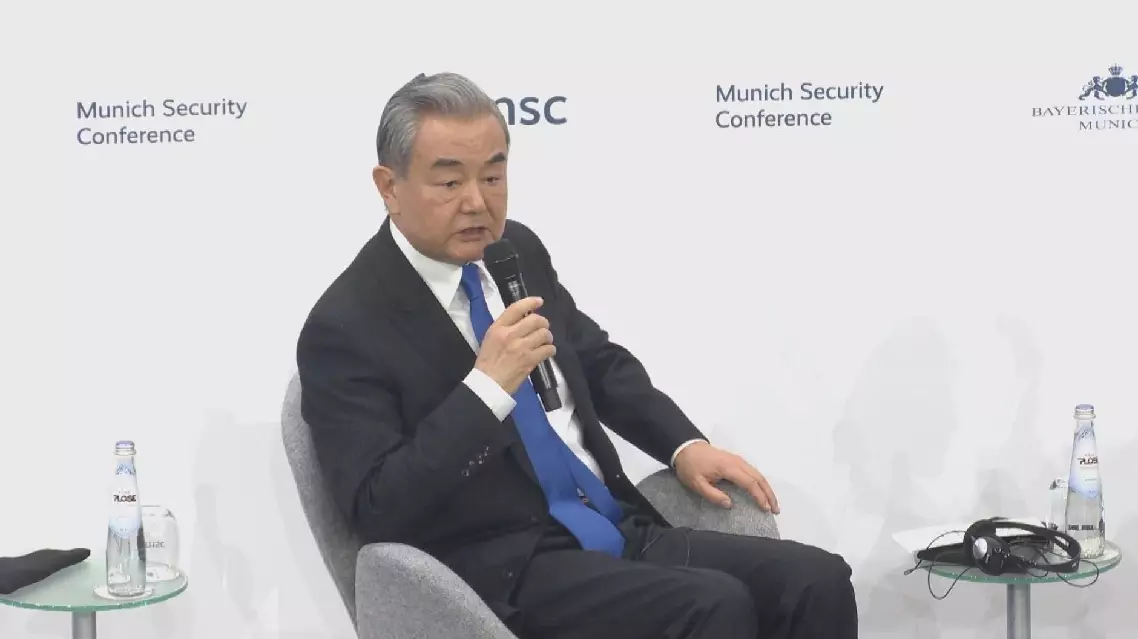
China-U.S. relations enjoy bright prospects: Chinese FM
Wang said that how China and the United States, as the world's two major powers, get along with each other bears on the fundamental direction of the international situation.
China has always viewed and handled its relations with the United States from the vantage point of history, and with a high sense of responsibility to the people and to the world, he said.
President Xi Jinping has summarized the experience and lessons of decades of China-U.S. interactions and solemnly proposed that China and the United States should respect each other, coexist peacefully, and pursue win-win cooperation, and through dialogue and consultation, jointly find the right way for two major powers to get along on this planet, Wang said.
China will continue to follow this general direction, Wang said, as it serves the interests of the peoples of both countries and the common interests of the international community. He, however, also stressed that whether it can be realized depends on the attitude of the United States.
Wang noted it is heartening that U.S. President Donald Trump holds great respect for President Xi and for the Chinese people. Trump has clearly stated that China and the United States can work together to address major global challenges, and that the two leaders can advance the development of China-U.S. relations.
However, Wang said, there are still some in the United States who do not share this perspective and who continue to make every effort to contain and suppress China, and to attack and slander the country by any means.
"China-U.S. relations faced two possible scenarios. One is that the United States develops an objective and rational understanding of China, pursues a proactive and pragmatic China policy, works with China in the same direction, and continues to expand common interests, with the two countries moving toward cooperation, which is undoubtedly a great benefit to both countries and the world at large. The other is to decouple and sever supply chains from China, counter and contain China, form various 'small circles' and 'exclusive blocs' targeting China, and even attempt to plot Taiwan secession, split China and cross China's red lines. Such moves would lead the two countries into confrontation. China, of course, hopes for the first prospect, and I believe everyone shares this expectation. However, we are also prepared to deal with various risks. We believe history always advances through twists and turns. We remain confident in the prospects for China-U.S. relations," said Wang.
Wang said that the vision and principles of mutual respect, peaceful coexistence and win-win cooperation will ultimately prevail, as they are the only right choice.
China-U.S. relations enjoy bright prospects: Chinese FM
China-U.S. relations enjoy bright prospects: Chinese FM
China-U.S. relations enjoy bright prospects: Chinese FM
China-U.S. relations enjoy bright prospects: Chinese FM