Hong Kong Customs steps up enforcement operations to combat smuggling activities of controlled injections and medicines
In view of the increasing demand for injections and medicines from society and an upward trend of related smuggling cases, Hong Kong Customs has conducted special operations since late January to strengthen enforcement against the smuggling of controlled injections and medicines.
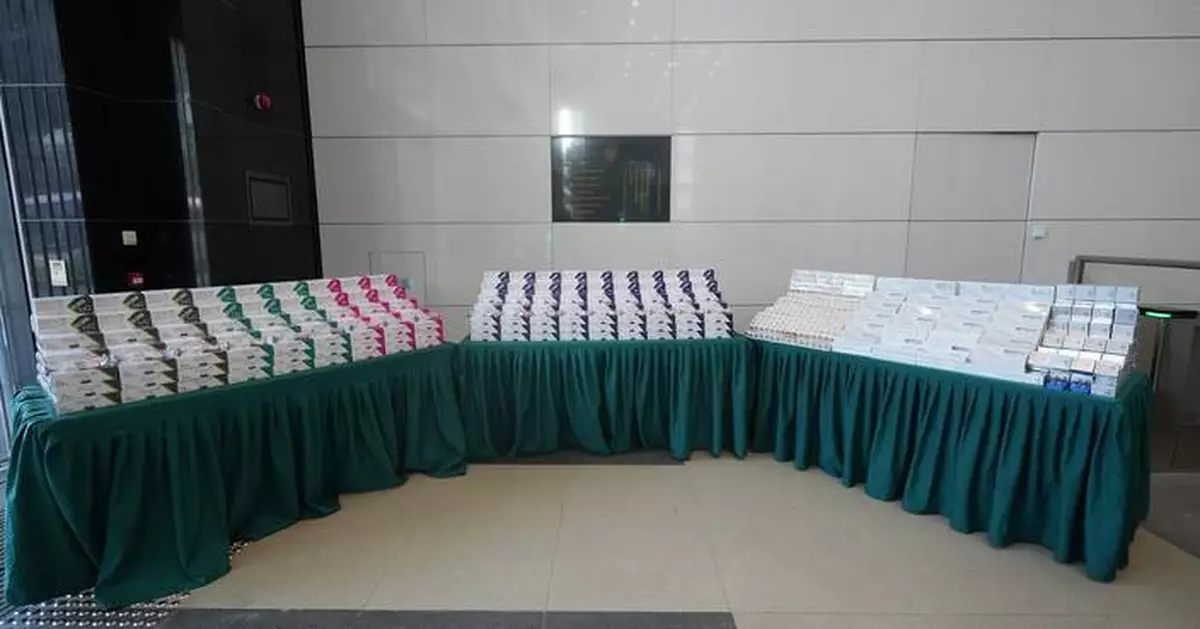
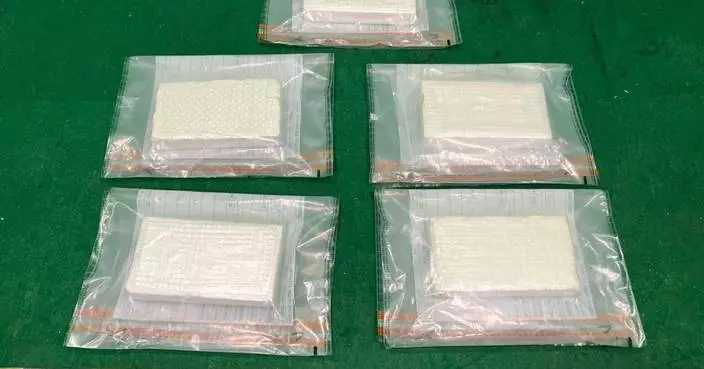
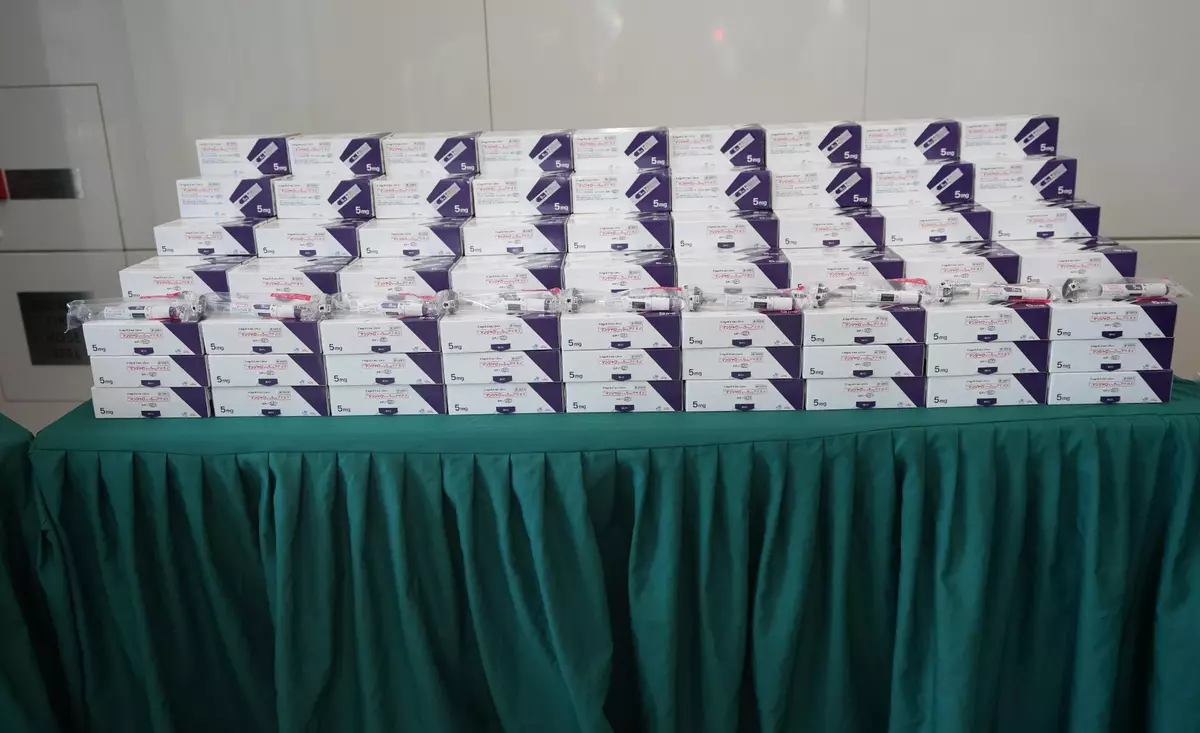
Since the operations, Customs has detected nine suspected smuggling cases of controlled injections and medicines. Approximately 100 000 vials of injections, as well as 340 000 tablets and 60 kilograms of suspected controlled medicines, with an estimated market value of over $140 million, have been seized. Among them, six cases involved inbound smuggling of injections through parcel and cargo channels, while the remaining three cases involved outbound smuggling of injections and medicines by sea.
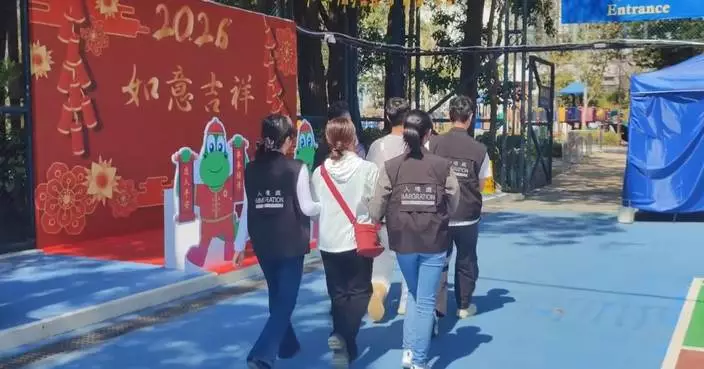
During the operations, four persons aged between 26 and 61 were arrested. Among them, three were suspected recipients of the parcels, while the remaining one was a suspected online shop operator.
Investigations of the above-mentioned cases are ongoing, and the likelihood of further arrests is not ruled out.
Customs will continue to combat cross-boundary smuggling activities with firm enforcement action based on risk assessment and intelligence analysis.
Smuggling is a serious offence. Under the Import and Export Ordinance, any person found guilty of importing or exporting unmanifested cargo is liable to a maximum fine of $2 million and imprisonment for seven years. Any person who imports pharmaceutical products and medicines without a valid import licence commits an offence. The maximum penalty upon conviction is a fine of $500,000 and imprisonment for two years.
Under the Pharmacy and Poisons Ordinance, any person who possesses any poison included in Part 1 of the Poisons List other than in accordance with provisions commits an offence. The maximum penalty upon conviction is a fine of $100,000 and imprisonment for two years.
Members of the public may report any suspected smuggling activities to Customs' 24-hour hotline 182 8080 or its dedicated crime-reporting email account (crimereport@customs.gov.hk) or online form (eform.cefs.gov.hk/form/ced002).
Hong Kong Customs steps up enforcement operations to combat smuggling activities of controlled injections and medicines Source: HKSAR Government Press Releases
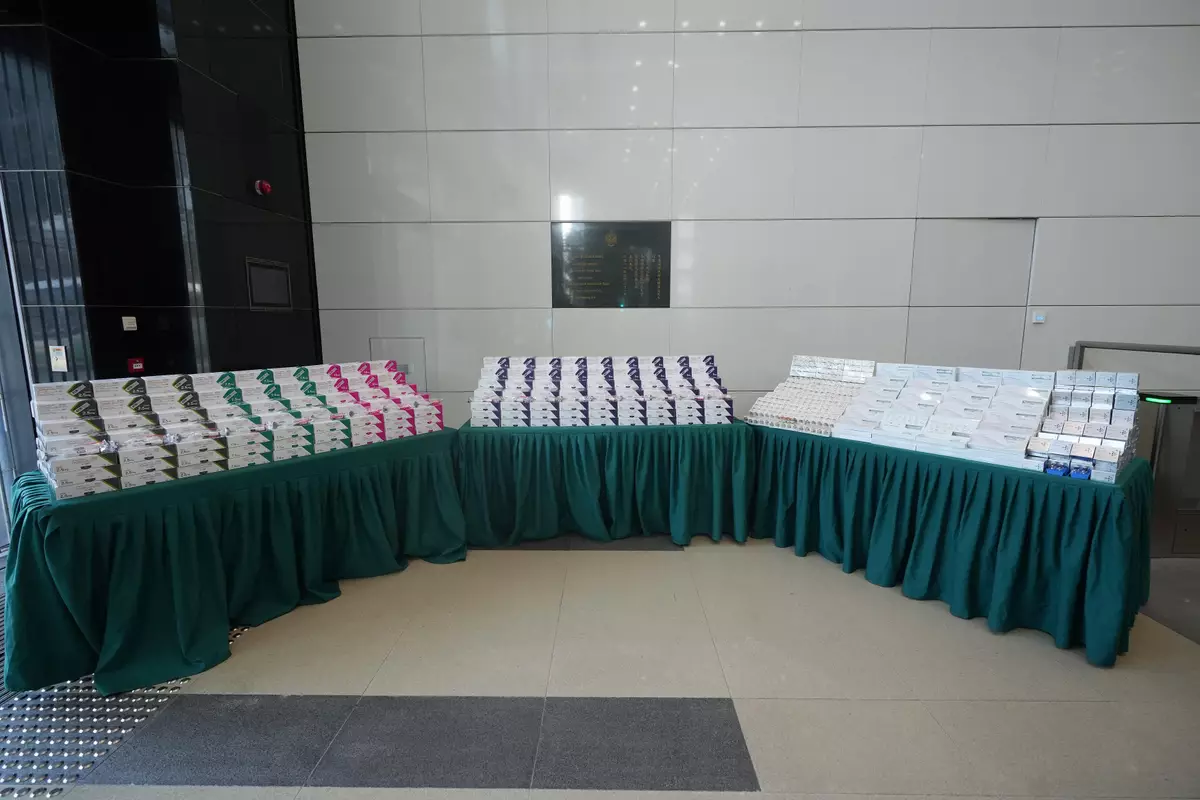
Hong Kong Customs steps up enforcement operations to combat smuggling activities of controlled injections and medicines Source: HKSAR Government Press Releases
DH steps up inspections to premises offering RGA hair growth or platelet-rich plasma services to safeguard public health
In light of the recent investigation by the Department of Health (DH) that some shops are suspected of performing Regenera Activa hair growth (an autologous cell transplant medical procedure, referred as RGA) or platelet-rich plasma injections, contravening the Private Healthcare Facilities Ordinance (Cap. 633) (the Ordinance) which prohibits operating a day procedure centre (DPC) without a licence, the DH today (February 16) visited over 30 shops in Hong Kong which claimed to offer similar services in their websites and conducted investigations if the shops involved illegal acts of operating a DPC without a licence to safeguard public health.
During the operation, no RGA or platelet-rich plasma medical procedures were found to be conducted at the shops. Some of the shops would arrange customers to undergo the relevant medical procedures at licensed DPCs. Nevertheless, the DH has reminded the responsible persons of the shops that, according to the Ordinance, transplantation of any cells, tissues or organs, including autograft, allograft, xenograft, processed tissue or blood products (such as platelet-rich plasma) and skin flap, are scheduled medical procedures stipulated in the Ordinance. Such procedures, when performed in an ambulatory setting, must take place in a licensed DPC. The DH has also issued a letter to remind all registered doctors and dentists of the abovementioned legal requirements. Any person operating a DPC without a licence commits an offence and is liable on conviction to a fine of $100,000 and imprisonment for three years.
The DH announced last week that a shop in Mongkok offering RGA hair growth services and platelet-rich plasma injections was suspected of operating a DPC without a licence, the relevant investigation and evidence collection are still ongoing. The DH will seriously follow up on the case, and take appropriate actions against the shop and its responsible persons in accordance with the relevant ordinances.
The DH reminded doctors that before performing RGA, platelet-rich plasma injection or other scheduled medical procedures stipulated in the Ordinance, they must verify that the premises holds a suitable licence, so as to ensure the best interests of patients and adhere to the Code of Professional Conduct.
Meanwhile, the DH urged the public that before receiving RGA or platelet-rich plasma injection or other scheduled medical procedures stipulated in the Ordinance, they should find out if the premises providing the services had obtained a DPC licence in accordance with the Ordinance. To assist the public in identifying licensed or exempted facilities, the DH has established thePrivate Healthcare Facilities Register, which lists all private healthcare facilities with valid licences and exemptions. DPCs must display their licence in a conspicuous place. Each licence bears a QR code that can be scanned using the eHealth app to verify its validity. For more information, please visit the DH's Office for Regulation of Private Healthcare Facilitieswebpage.
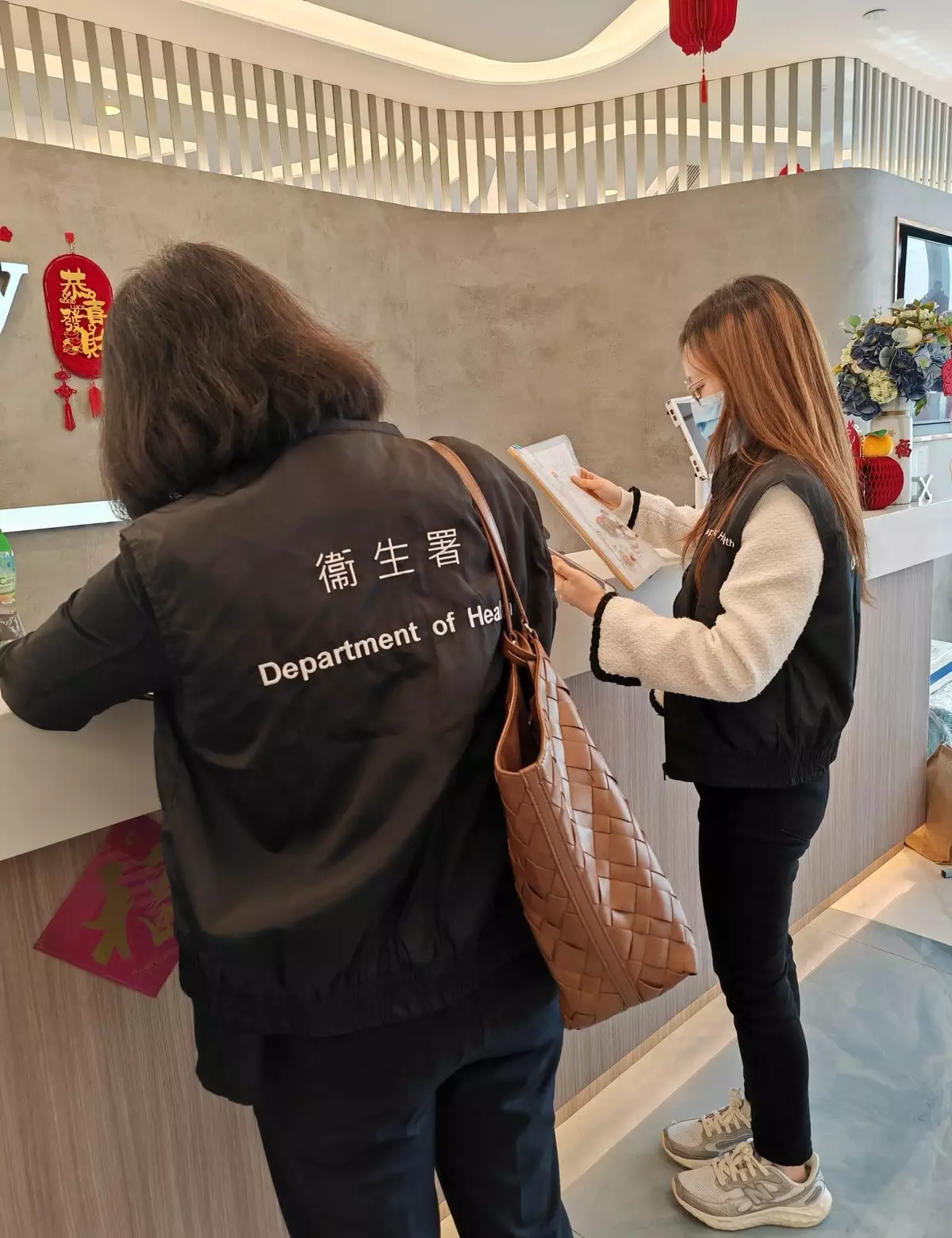
DH steps up inspections to premises offering RGA hair growth or platelet-rich plasma services to safeguard public health Source: HKSAR Government Press Releases