China Development Bank (CDB) issued 1.64 trillion yuan (about 237 billion U.S. dollars) in infrastructure loans in 2025, the bank announced on Wednesday.
As a leading bank serving infrastructure construction, the CDB granted the loans to infrastructure in five key areas: network-type infrastructure, industrial upgrading, urban development, agriculture and rural areas, and national security.
The loans supported the construction of a number of major projects, including the Shanghai–Chongqing–Chengdu High-speed Railway, as well as information, science and technology infrastructure projects such as the "East Data, West Computing," a megaproject that aims to coordinate the computing capabilities of China's eastern regions with inland western regions, and high-standard farmland construction.
These efforts helped various regions develop new quality productive forces and effectively served to expand effective investment.
Moving forward, the CDB will focus on strategic and landmark major projects, innovate market-based investment and financing models for infrastructure, assist in the renovation and digital-intelligent transformation of traditional infrastructure, and support the moderately forward-looking construction of new infrastructure, the bank said.
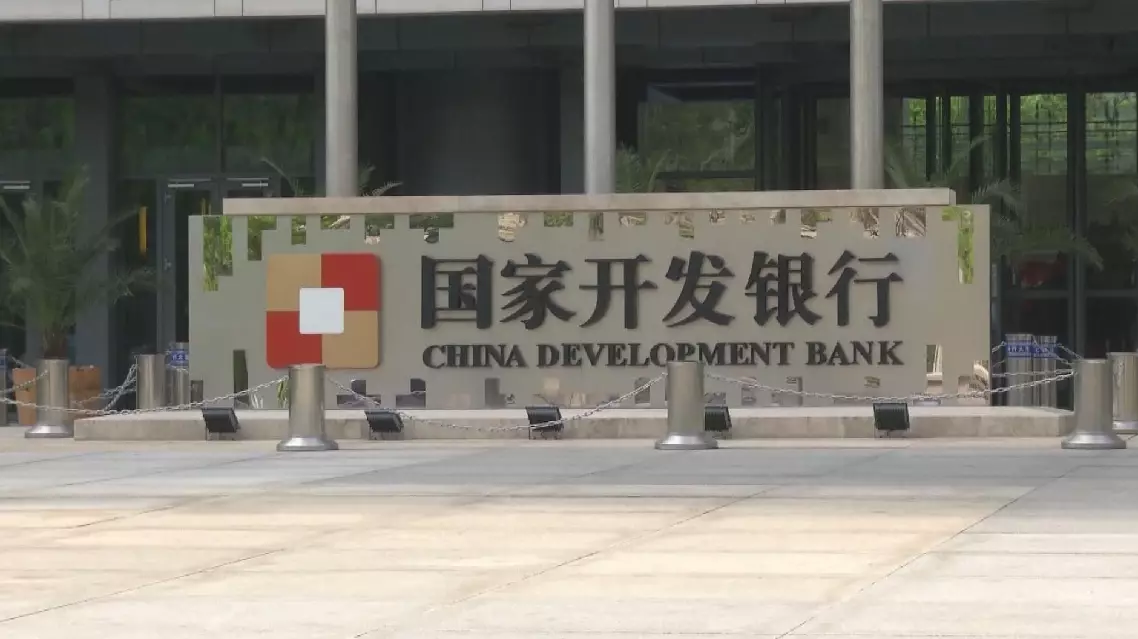
China Development Bank issues 1.64 trln yuan loans for infrastructure
A 7.5-tonne unmanned cargo aircraft powered by AEP100, China's independently developed megawatt-class hydrogen-fueled turboprop engine, successfully completed its maiden flight on Saturday at an airport in Zhuzhou, central China's Hunan Province.
This marks the world's first test flight of a megawatt-class hydrogen-fueled turboprop engine.
Experts from the Aero Engine Corporation of China (AECC) noted that the successful maiden flight highlights that China has now established a complete technological chain in hydrogen-fueled aviation engines, covering everything from core components to full engine integration. They added that this achievement lays the foundation for the industrial application of hydrogen energy in aviation.
As green hydrogen production costs fall, hydrogen aviation engines will show growing economic and energy security advantages, experts said. Hydrogen-fueled aero engine technology is expected to debut in low-altitude economy fields such as unmanned air freight and island logistics before gradually expanding to regional and mainline aircraft.
This technology will drive coordinated upgrades across industrial clusters, including upstream green hydrogen production, midstream storage, transportation and refueling infrastructure, and downstream high-end equipment and new materials. Ultimately, it will propel the green, low-carbon, and high-quality development of China's aviation industry, experts added.
Megawatt hydrogen turboprop engine completes maiden flight in central China