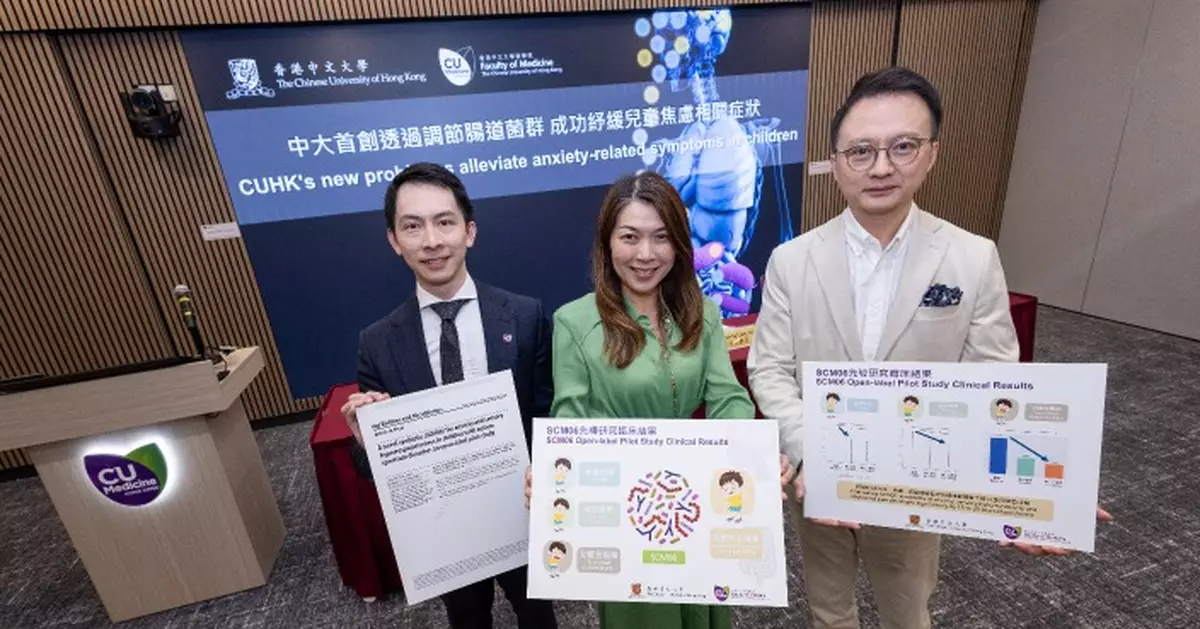
The Chinese University of Hong Kong (CUHK)’s Faculty of Medicine (CU Medicine) has developed a novel microbiome modulation preparation, SCM06, to be able to significantly improve anxiety and sensory hypersensitivity symptoms in children. This is the world’s first clinical study to investigate the use of synbiotics on these conditions. The findings were recently published in the top international journal npj Biofilms and Microbiomes, a sub journal under the Nature Publishing Group.
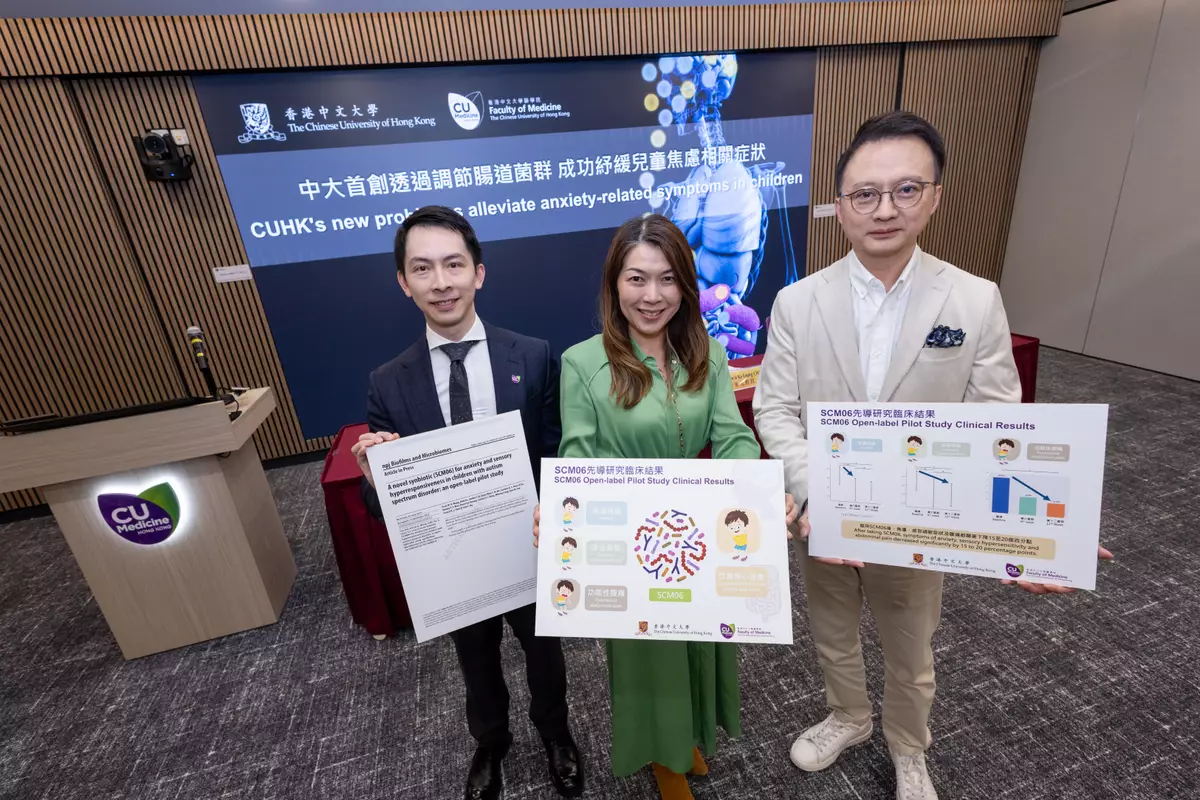
An interdisciplinary team from CU Medicine developed new synbiotics SCM06 to address anxiety-related symptoms in children. The synbiotics was proven in a clinical study which can alleviate anxiety and sensory sensitivity symptoms in children with ASD. The team is planning for larger-scale studies to advance broader applications, targeting ADHD in children and dementia. (From left) Dr Oscar Wong, Assistant Professor (Clinical) of Department of Psychiatry at CU Medicine; Professor Siew Ng, Croucher Professor in Medical Sciences at CU Medicine, Director of the Microbiota I-Center (MagIC) and New Cornerstone Investigator; Professor Francis Chan, Choh-Ming Li Professor of Medicine and Therapeutics at CUHK, Director of the Centre for Gut Microbiota Research at CU Medicine and Co-Director of MagIC. Photo source: med.cuhk.edu.hk
Children’s mental health and the “microbiota-gut-brain axis”
Click to Gallery
An interdisciplinary team from CU Medicine developed new synbiotics SCM06 to address anxiety-related symptoms in children. The synbiotics was proven in a clinical study which can alleviate anxiety and sensory sensitivity symptoms in children with ASD. The team is planning for larger-scale studies to advance broader applications, targeting ADHD in children and dementia. (From left) Dr Oscar Wong, Assistant Professor (Clinical) of Department of Psychiatry at CU Medicine; Professor Siew Ng, Croucher Professor in Medical Sciences at CU Medicine, Director of the Microbiota I-Center (MagIC) and New Cornerstone Investigator; Professor Francis Chan, Choh-Ming Li Professor of Medicine and Therapeutics at CUHK, Director of the Centre for Gut Microbiota Research at CU Medicine and Co-Director of MagIC. Photo source: med.cuhk.edu.hk
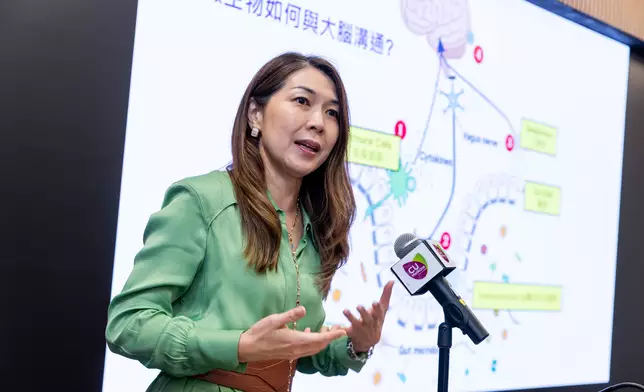
Professor Siew Ng says neurotransmitters, such as serotonin and dopamine, affect emotional regulation and sensory processing in the brain, with gut microbiota being a primary source for producing and regulating these neurotransmitters. Microbiome interventions may therefore offer promising potential for addressing various emotional issues and related conditions. Photo source: med.cuhk.edu.hk

Dr Oscar Wong says children with ASD frequently exhibit sensory hypersensitivities, leading to anxiety or emotional distress. This not only severely impacts daily functioning but also greatly increases the risk of developing depression or other mental health issues later in life. The findings from this study show that taking SCM06 alleviates these symptoms and holds promise for enhancing the effectiveness of current treatments. Photo source: med.cuhk.edu.hk
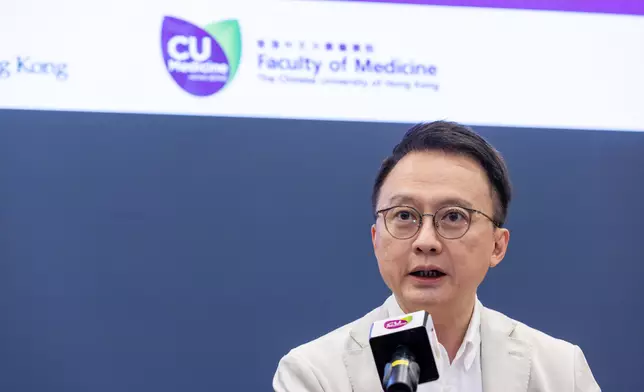
Professor Francis Chan says that research on “microbiota-gut-brain axis” demonstrates the potential of microbiome science, from stool testing to utilising probiotics for improving emotional issues, such as ADHD in children, adult depression and dementia. Photo source: med.cuhk.edu.hk
Anxiety in children has become a prominent concern in recent years. Studies have shown that anxiety disorders represent one of the most prevalent mental health challenges among children and adolescents.
Recent research suggests a strong bidirectional connection between the gut microbiota and the brain, known as the “microbiome-gut-brain axis”. Gut microbiota can influence the metabolism of neurotransmitters (such as serotonin and dopamine), regulate immune responses, and subsequently affect emotional regulation and sensory processing in the brain, with gut microbiota being a primary source for producing and regulating these neurotransmitters.
An increasing number of studies have shown that the gut microbiome is closely related to various emotional issues like anxiety, depression and neurodevelopmental disorders in children. The notion of addressing these conditions through microbiome interventions has considerable potential.
Developing a novel microbiome preparation to alleviate anxiety and sensory sensitivity symptoms
An interdisciplinary team from CU Medicine developed SCM06 to address children’s anxiety and sensory sensitivity issues. These strains have demonstrated the ability to promote production of neurostabilising substances in laboratory studies, offering the promise that they can alleviate related symptoms through the gut-brain axis.
From 2023 to 2024, the research team conducted a study involving 30 children aged 4 to 11 with significant anxiety and sensory hyperresponsiveness symptoms related to autism. Participants received oral SCM06 daily for 12 weeks, with routine clinical assessments and stool sample analyses to investigate changes in clinical symptoms, gut microbiota and metabolites.
The study results showed that after taking SCM06 for six weeks, anxiety symptoms began to significantly improve and this improvement continued throughout the entire 12-week period (with notable reduction of approximately 20%). Moreover, both sensory hypersensitivity and abdominal pain showed significant improvements after the 12-week treatment (overall reduction of 15-20%), with no serious adverse reactions recorded during the period.
Further analysis of the stool samples revealed an increase in certain beneficial bacteria, along with elevated levels of short-chain fatty acids (SCFAs) and other neuroprotective metabolites. These changes may reduce brain inflammation and help in regulating neural signalling, alleviating anxiety and sensory hypersensitivity. The team plans to conduct further studies that apply gut microbiota modulation to other children’s neurodevelopmental conditions such as attention deficit and hyperactivity disorder (ADHD).
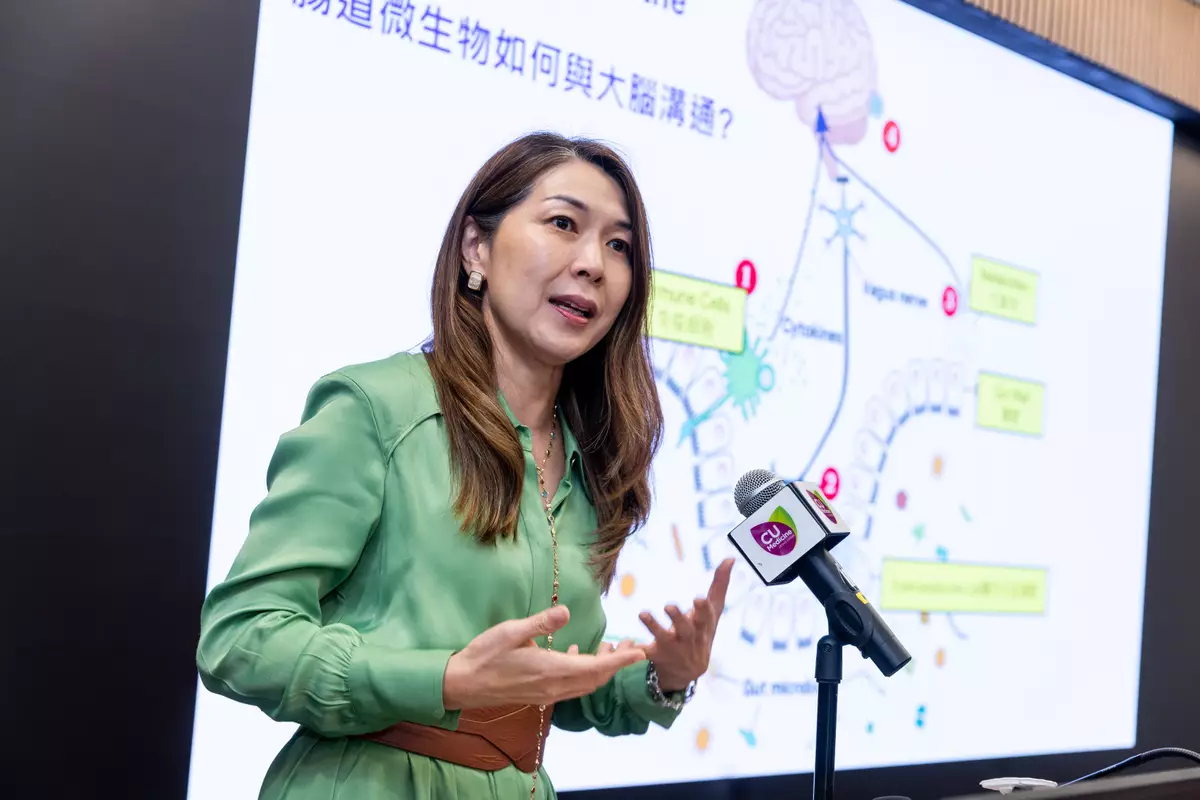
Professor Siew Ng says neurotransmitters, such as serotonin and dopamine, affect emotional regulation and sensory processing in the brain, with gut microbiota being a primary source for producing and regulating these neurotransmitters. Microbiome interventions may therefore offer promising potential for addressing various emotional issues and related conditions. Photo source: med.cuhk.edu.hk
Professor Siew Ng, Croucher Professor in Medical Sciences at CU Medicine, Director of the Microbiota I-Center (MagIC) and New Cornerstone Investigator, commented: “This study further supports the mechanism of the microbiota-gut-brain axis. We shall conduct a large-scale, randomised, controlled study to explore how to combine microbiota features for stratified analysis, promoting more precise therapeutic intervention.”
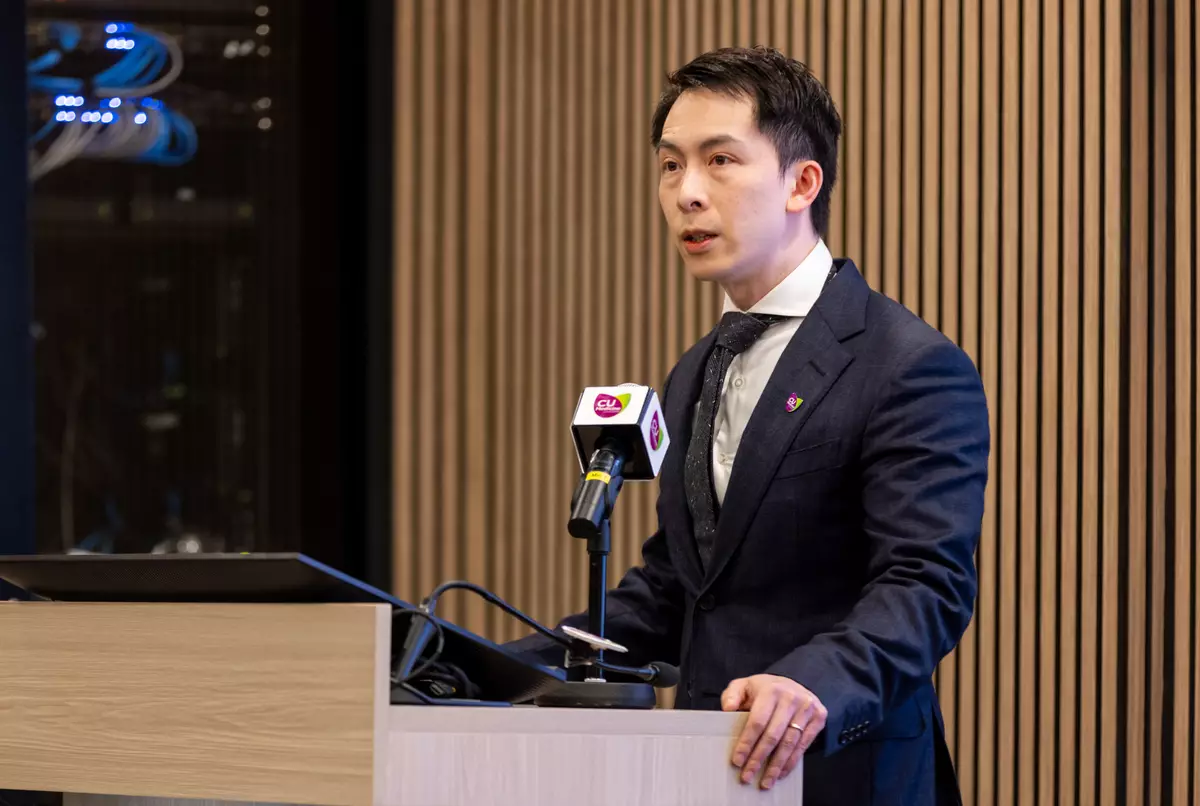
Dr Oscar Wong says children with ASD frequently exhibit sensory hypersensitivities, leading to anxiety or emotional distress. This not only severely impacts daily functioning but also greatly increases the risk of developing depression or other mental health issues later in life. The findings from this study show that taking SCM06 alleviates these symptoms and holds promise for enhancing the effectiveness of current treatments. Photo source: med.cuhk.edu.hk
Dr Oscar Wong, Assistant Professor (Clinical), Department of Psychiatry at CU Medicine, added: “Among various mental health issues, children with autism spectrum disorder frequently exhibit sensory hypersensitivities, such as heightened sensitivity to sounds, light or tactile sensations, leading to anxiety or emotional distress. Previous studies indicated that about 35% of autistic children are significantly affected by anxiety, symptoms of which can appear in early childhood. This not only severely impacts daily functioning but also greatly increases the risk of developing depression or other mental health issues later on. The findings from this study hold promise that they can be used to enhance the effectiveness of current treatments.”
The research team previously developed a non-invasive stool test that uses a microbiome biomarker panel as an objective tool to identify gut microbiome signatures associated with autism. Based on these findings, the current study indicates that using synbiotics to regulate gut microbiota could be an effective way to improve anxiety and sensory sensitivity responses.
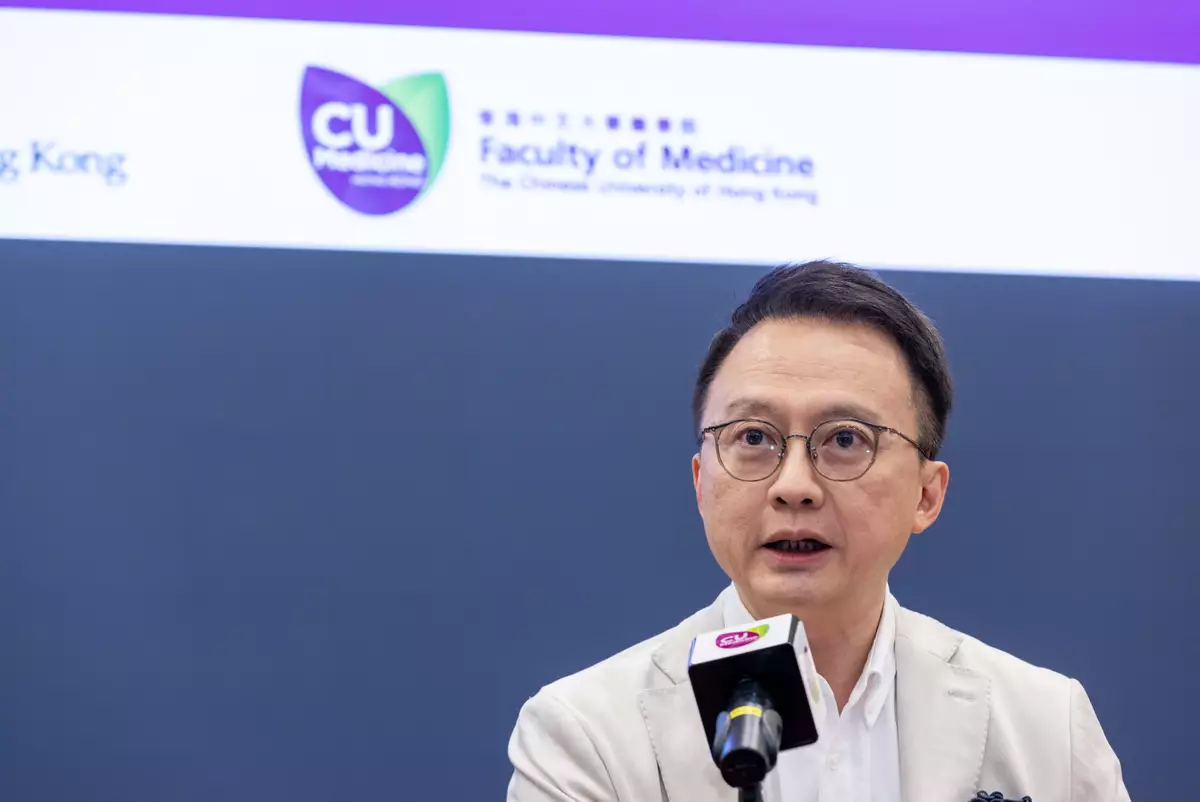
Professor Francis Chan says that research on “microbiota-gut-brain axis” demonstrates the potential of microbiome science, from stool testing to utilising probiotics for improving emotional issues, such as ADHD in children, adult depression and dementia. Photo source: med.cuhk.edu.hk
Professor Francis Chan, Choh-Ming Li Professor of Medicine and Therapeutics at CUHK, Director of the Centre for Gut Microbiota Research at CU Medicine and Co-Director of MagIC, concluded: “Our research demonstrates the potential of microbiome science, from stool testing to utilising probiotics to improve emotional issues. We are currently planning for larger-scale studies that will advance broader applications, targeting ADHD in children and dementia.”