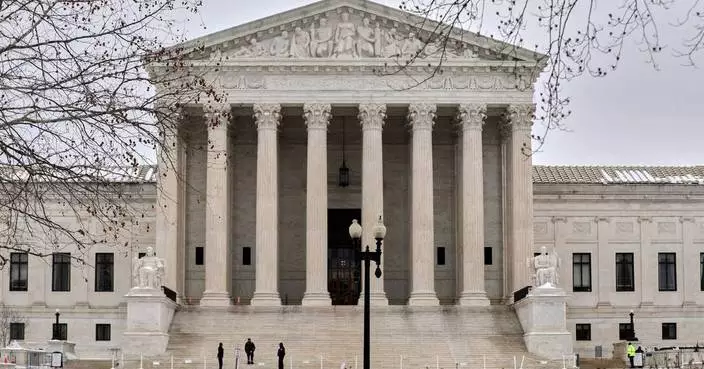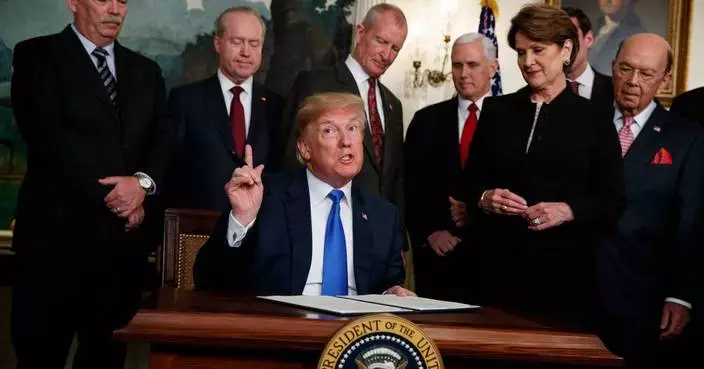
NEW YORK (AP) — U.S. stocks are ticking higher Friday after the Supreme Court struck down President Donald Trump’s sweeping tariffs, which had triggered panic in financial markets when announced last year.
The S&P 500 rose 0.6%. It had been flipping between small gains and losses earlier in the morning following discouraging reports showing slowing growth for the U.S. economy and faster inflation.
Click to Gallery
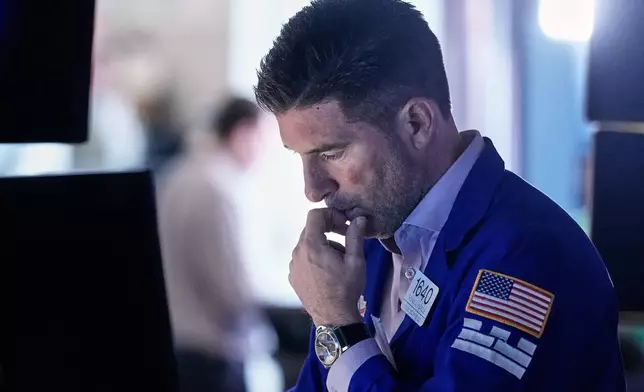
Specialist Thomas McArdle works at his post on the floor of the New York Stock Exchange, Friday, Feb. 20, 2026. (AP Photo/Richard Drew)
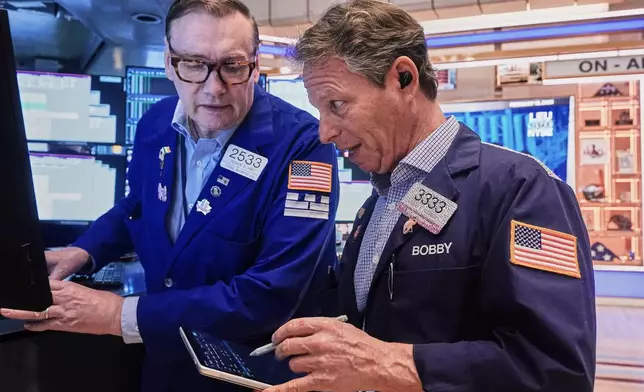
Specialist Patrick King, left, and trader Robert Charmak work on the floor of the New York Stock Exchange, Thursday, Feb. 19, 2026. (AP Photo/Richard Drew)
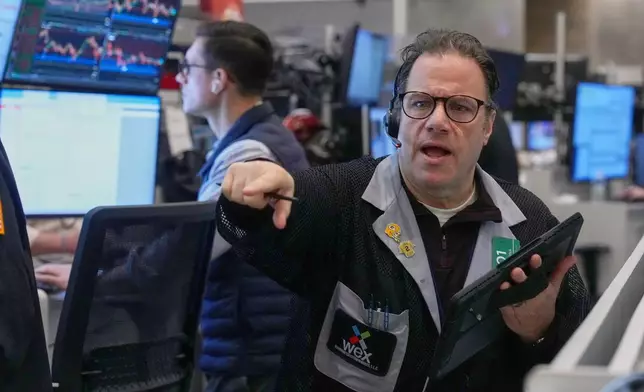
Options trader Anthony Spina works on the floor of the New York Stock Exchange, Friday, Feb. 13, 2026, in New York. (AP Photo/Richard Drew)
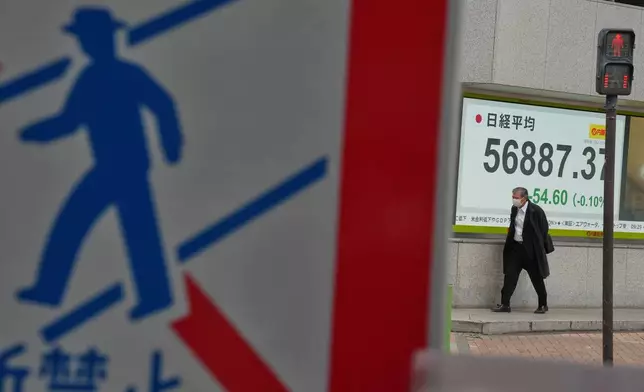
A person walks in front of an electronic stock board showing Japan's Nikkei index at a securities firm Monday, Feb. 16, 2026, in Tokyo. (AP Photo/Eugene Hoshiko)
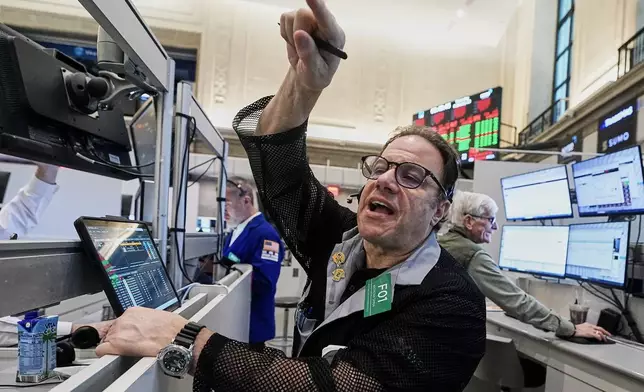
Options trader Anthony Spina works on the floor of the New York Stock Exchange, Thursday, Feb. 19, 2026. (AP Photo/Richard Drew)
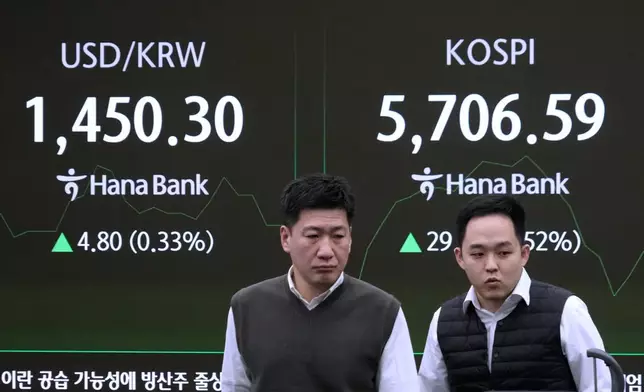
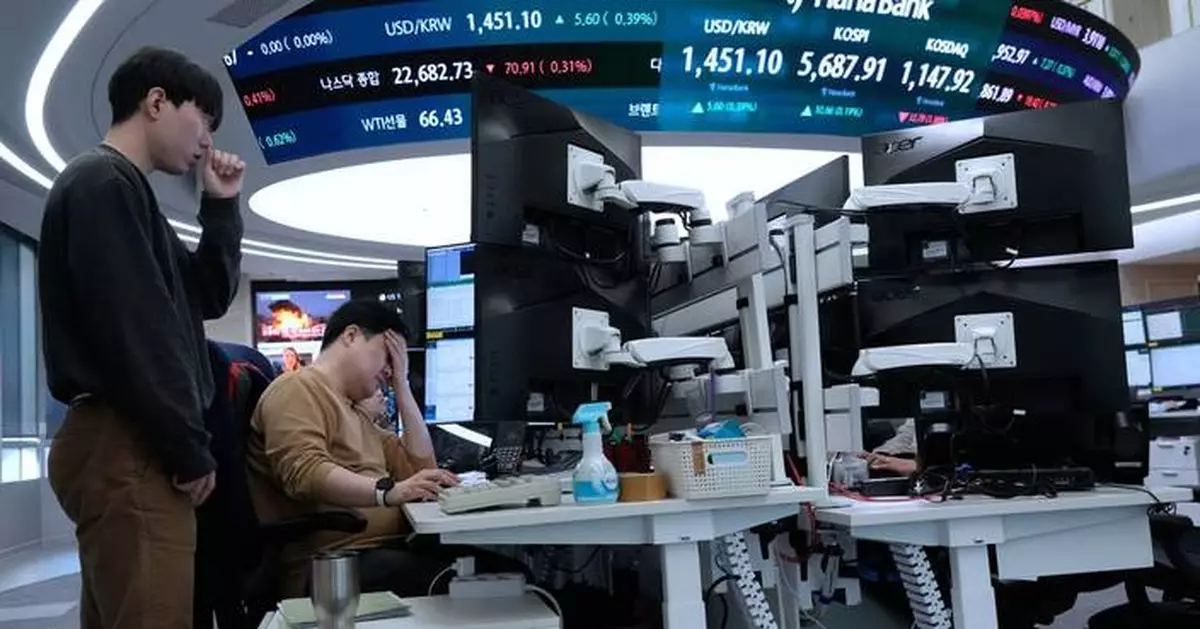
Currency traders pass by a screen showing the Korea Composite Stock Price Index (KOSPI), right, and the foreign exchange rate between U.S. dollar and South Korean won at the foreign exchange dealing room of the Hana Bank headquarters in Seoul, South Korea, Friday, Feb. 20, 2026. (AP Photo/Ahn Young-joon)
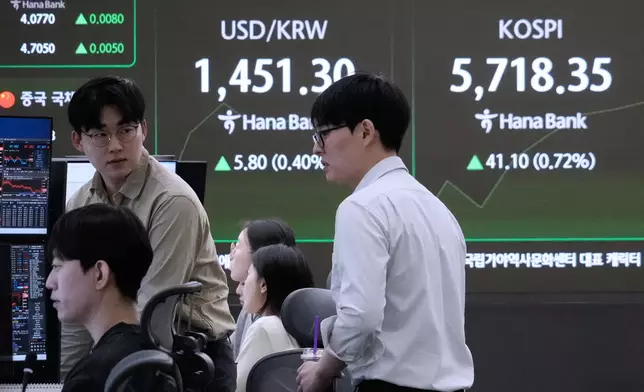
Currency traders work near a screen showing the Korea Composite Stock Price Index (KOSPI), right, and the foreign exchange rate between U.S. dollar and South Korean won at the foreign exchange dealing room of the Hana Bank headquarters in Seoul, South Korea, Friday, Feb. 20, 2026. (AP Photo/Ahn Young-joon)
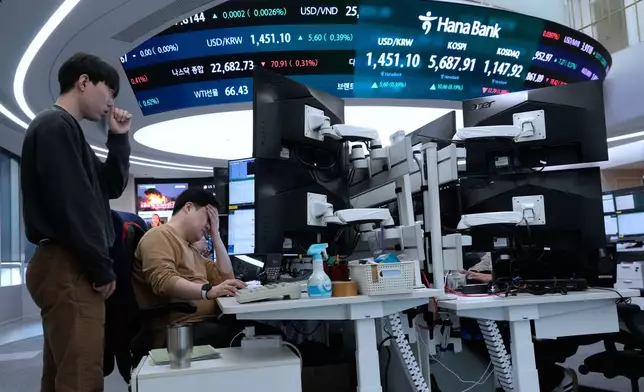
Currency traders work near a screen showing the Korea Composite Stock Price Index (KOSPI), top center, and the foreign exchange rate between U.S. dollar and South Korean won, top center left, at the foreign exchange dealing room of the Hana Bank headquarters in Seoul, South Korea, Friday, Feb. 20, 2026. (AP Photo/Ahn Young-joon)
The Dow Jones Industrial Average was up 124 points, or 0.3%, as of 11 a.m. Eastern time, and the Nasdaq composite was 1.1% higher.
Many on Wall Street were likely expecting such a ruling from the Supreme Court, according to Brian Jacobsen, chief economic strategist at Annex Wealth Management. That likely led to the relatively muted reactions across financial markets.
Treasury yields edged only a bit higher in the bond market. Stock indexes in Europe added some to their gains from earlier in the day, while the U.S. dollar's value edged down against the euro and other currencies.
Gold’s price slipped from nearly $5,075 per ounce just before the ruling toward $5,000 before climbing back. It had surged to records earlier this year in part on worries about the uncertainty Trump’s tariffs created for businesses and households worldwide.
Despite the Supreme Court's blocking Trump from levying sweeping “reciprocal” tariffs on nearly every country in the world, tariffs may not be going away. Jacobsen said he expects Trump's White House to shift strategy and use tariffs that target specific countries or industries.
“This will give some short-lived relief as it just delays the inevitable of tariffs from a different authority,” he said.
Heading into the day, the main event for markets had seemed to be the discouraging reports showing slowing U.S. economic growth and accelerating inflation. But they also found a relatively muted response from investors. While the data underscored the tricky situation the Federal Reserve faces as it sets interest rates, they did not change traders’ expectations much for what the Fed will ultimately do.
Following the reports, traders are still mostly betting that the Fed will lower rates at least twice by the end of this year, according to data from CME Group. Some shifted bets for the timing of when the cuts could begin to slightly later in the summer.
Lower interest rates would give the economy a boost, but they also risk worsening inflation. Fed officials said at their last meeting that they want to see inflation fall further before they would support cutting rates further.
The yield on the 10-year Treasury rose to 4.09% from 4.08% late Thursday. The two-year yield, which more closely tracks expectations for Fed action, inched up to 3.48% from 3.47%.
On Wall Street, Akamai Technologies dropped 9.3% for one of the market's sharpest losses. The cybersecurity and cloud computing company reported stronger results for the end of 2025 than analysts expected, but it gave a profit forecast for the upcoming year that fell short of estimates.
Akamai plans to spend a bigger percentage of its revenue this upcoming year on equipment and other investments. It’s the latest potential indicator of how higher prices for computer memory amid shortages created by the AI boom is affecting customers throughout the economy.
On the winning side of the market was Comfort Systems, which rose 4.3% after the provider of heating, ventilation air conditioning and electrical services reported a stronger profit for the latest quarter than analysts expected. CEO Brian Lane said his company is seeing “unprecedented demand.”
In stock markets abroad, indexes rose in Europe following a more mixed finish in Asia.
The Hang Seng fell 1.1% after Hong Kong’s market reopened following Lunar New Year holidays, but South Korea’s Kospi jumped 2.3% to a record, led by major defense contractors like Hanwha Aerospace. The company is one of many benefiting from a ramp up in military spending in many countries.
AP Business Writers Matt Ott and Elaine Kurtenbach contributed.
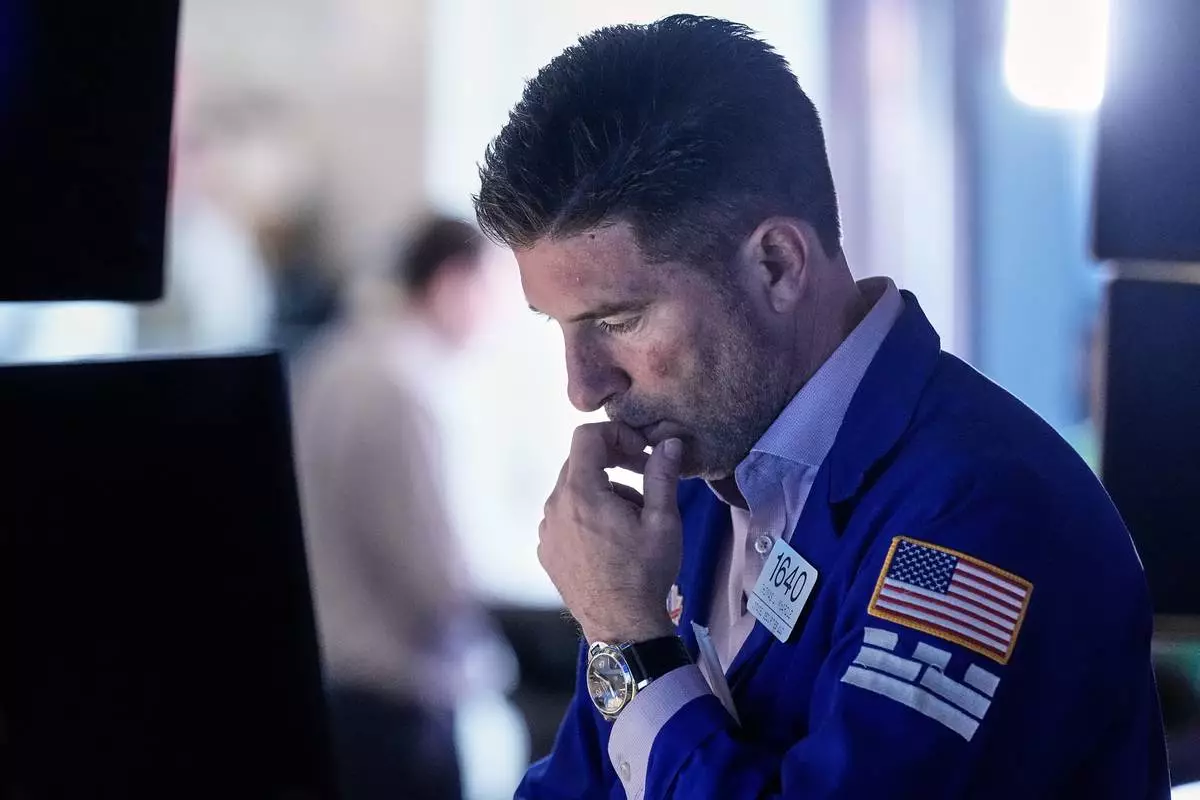
Specialist Thomas McArdle works at his post on the floor of the New York Stock Exchange, Friday, Feb. 20, 2026. (AP Photo/Richard Drew)
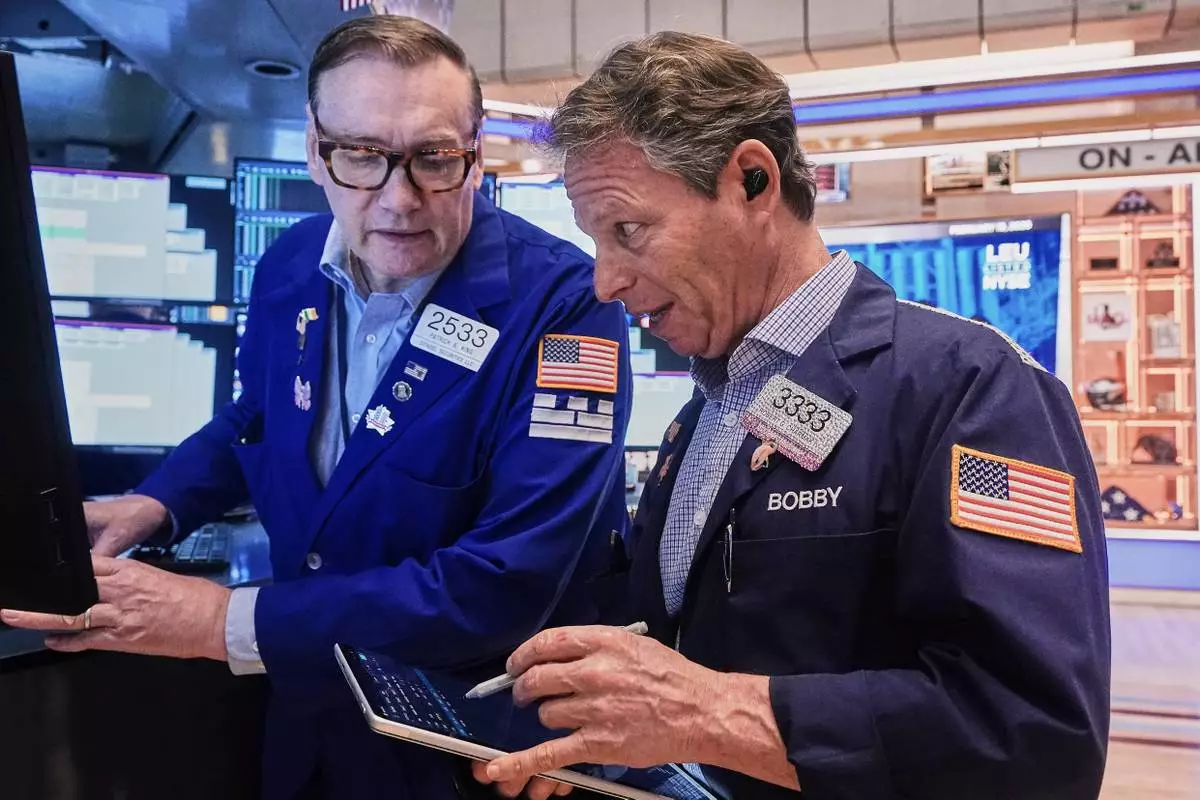
Specialist Patrick King, left, and trader Robert Charmak work on the floor of the New York Stock Exchange, Thursday, Feb. 19, 2026. (AP Photo/Richard Drew)
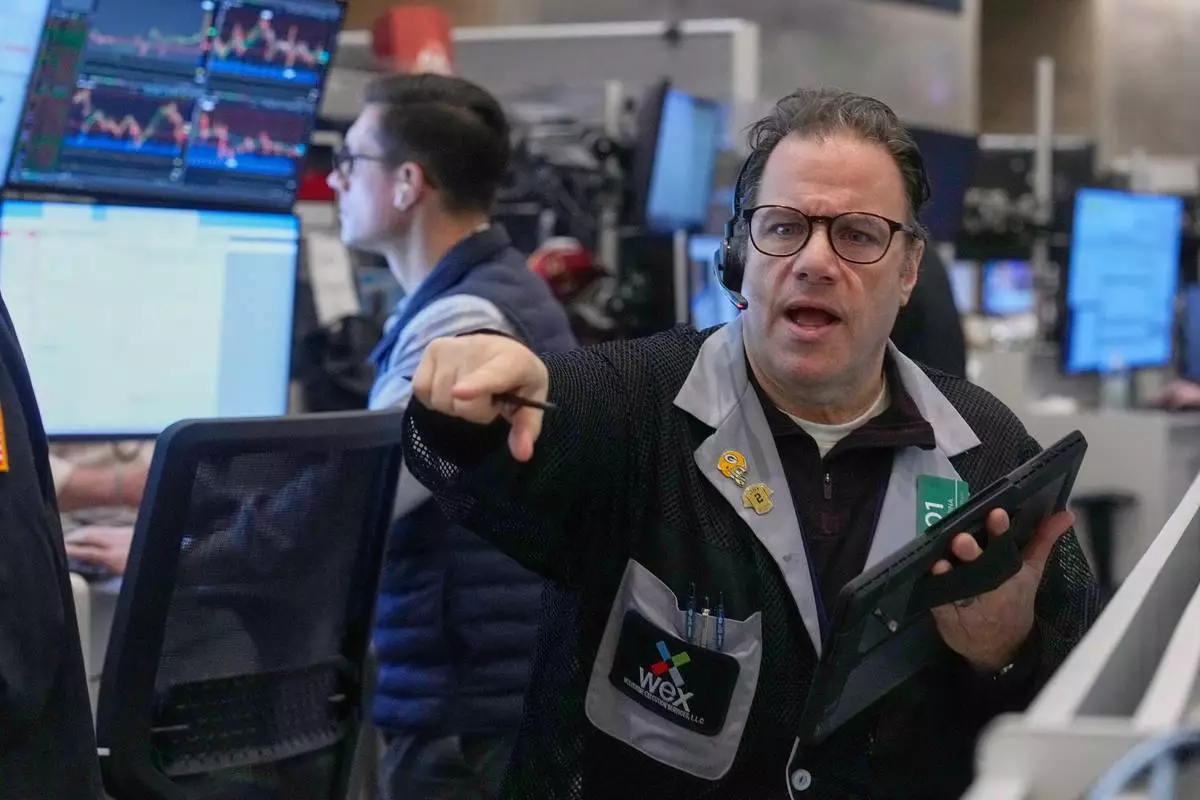
Options trader Anthony Spina works on the floor of the New York Stock Exchange, Friday, Feb. 13, 2026, in New York. (AP Photo/Richard Drew)
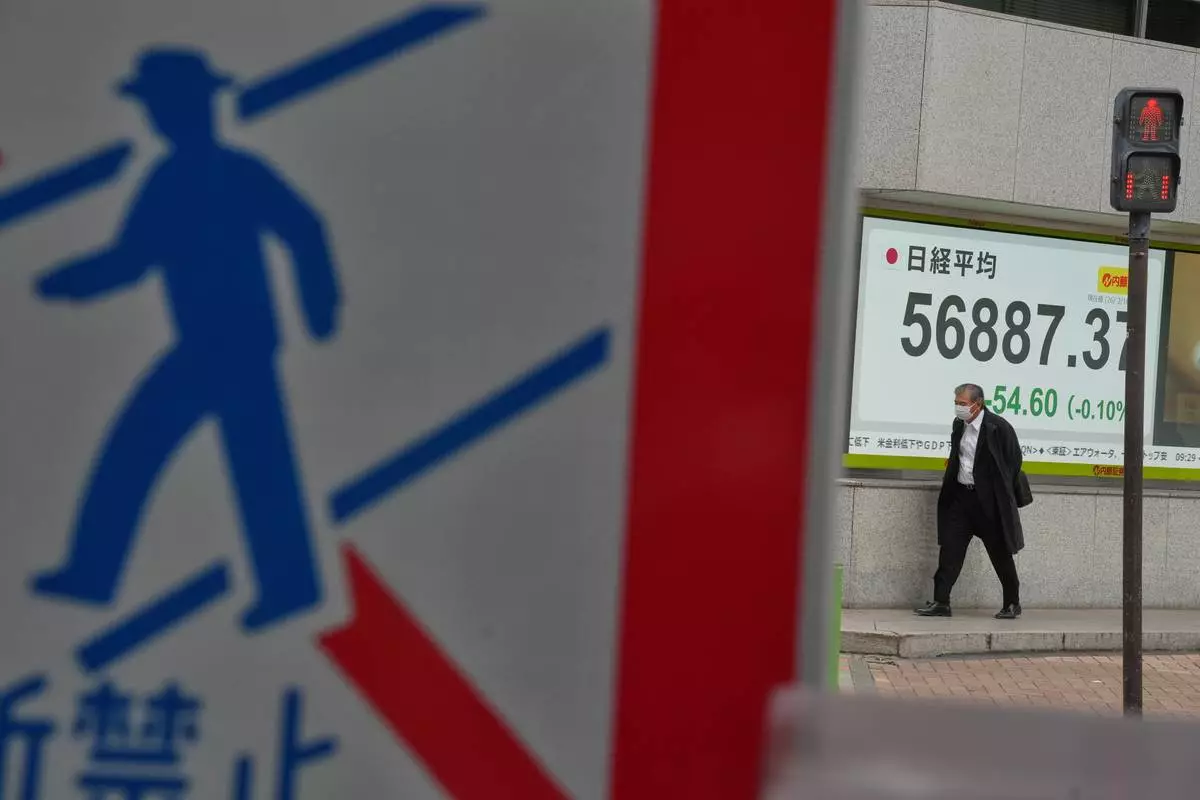
A person walks in front of an electronic stock board showing Japan's Nikkei index at a securities firm Monday, Feb. 16, 2026, in Tokyo. (AP Photo/Eugene Hoshiko)
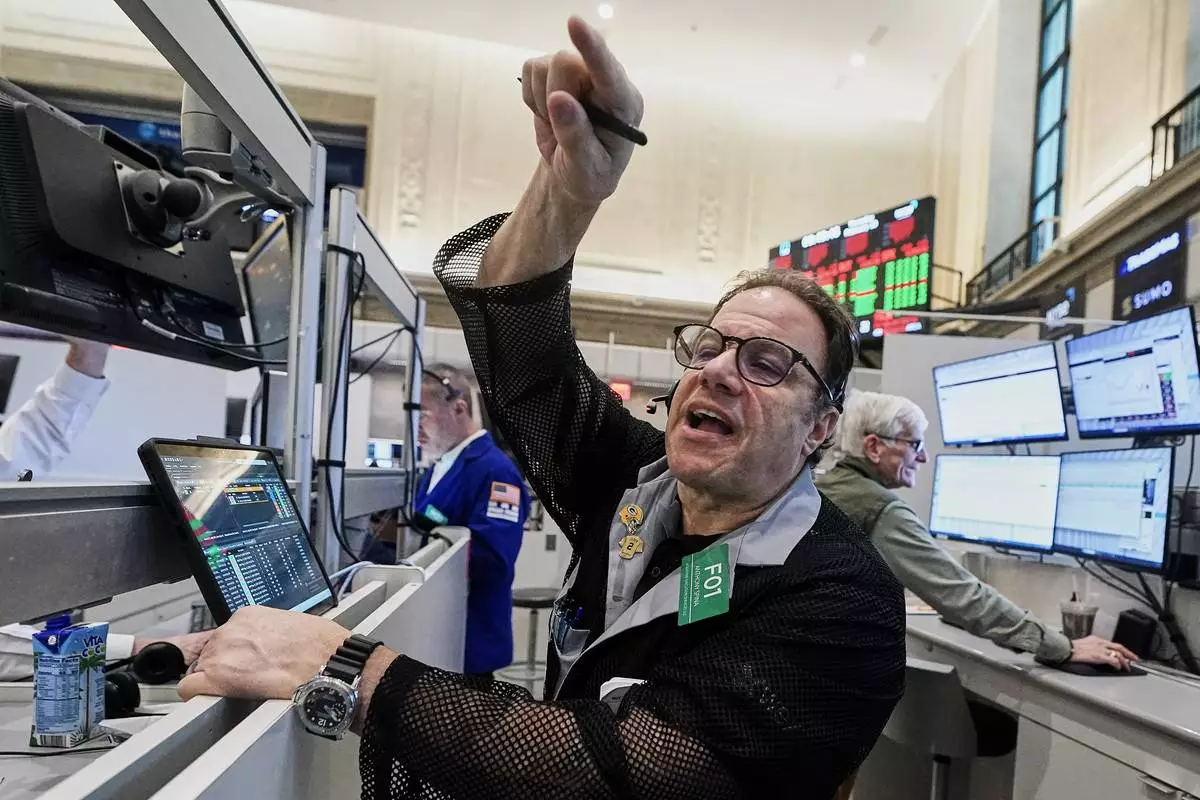
Options trader Anthony Spina works on the floor of the New York Stock Exchange, Thursday, Feb. 19, 2026. (AP Photo/Richard Drew)
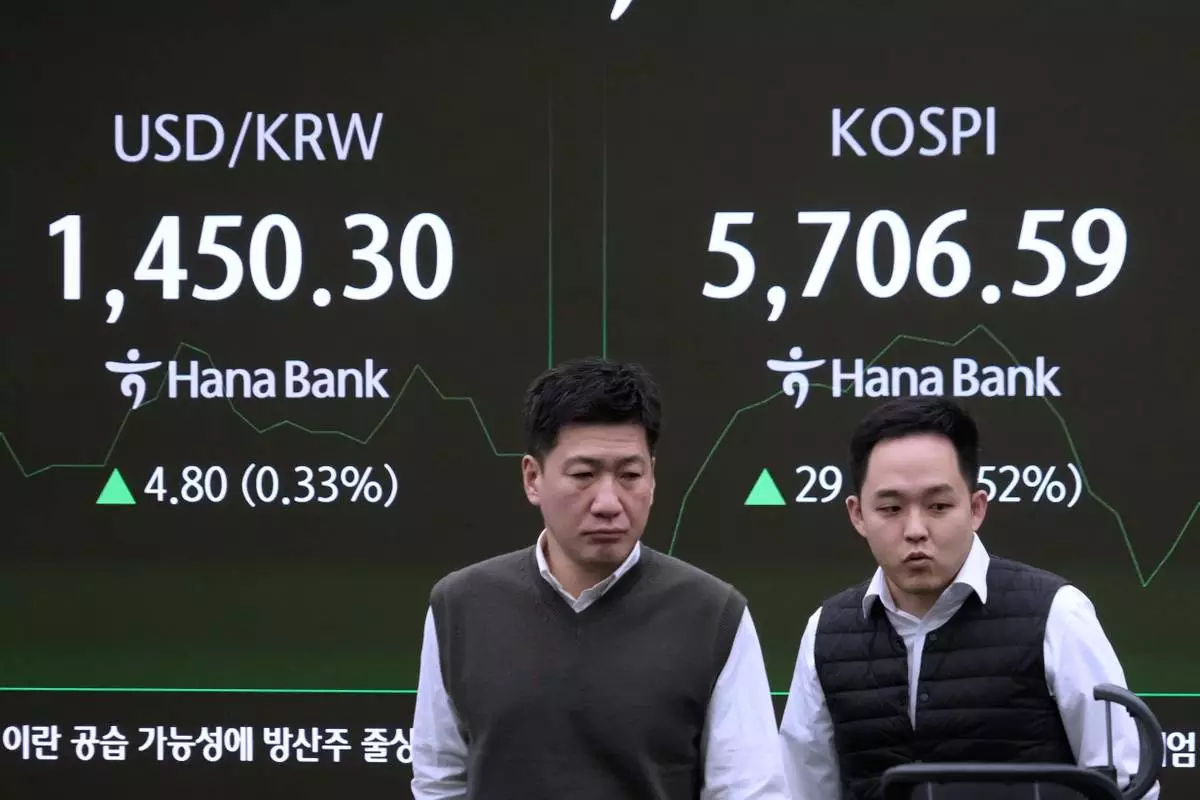
Currency traders pass by a screen showing the Korea Composite Stock Price Index (KOSPI), right, and the foreign exchange rate between U.S. dollar and South Korean won at the foreign exchange dealing room of the Hana Bank headquarters in Seoul, South Korea, Friday, Feb. 20, 2026. (AP Photo/Ahn Young-joon)
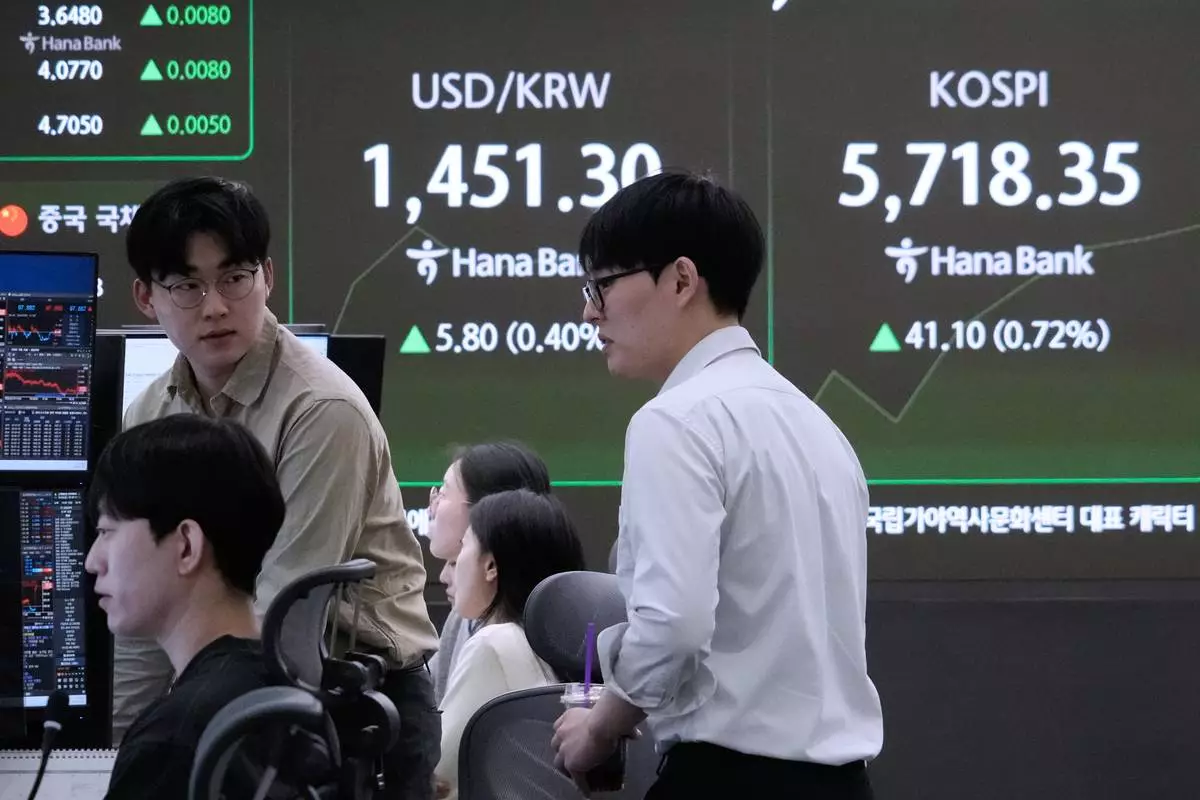
Currency traders work near a screen showing the Korea Composite Stock Price Index (KOSPI), right, and the foreign exchange rate between U.S. dollar and South Korean won at the foreign exchange dealing room of the Hana Bank headquarters in Seoul, South Korea, Friday, Feb. 20, 2026. (AP Photo/Ahn Young-joon)
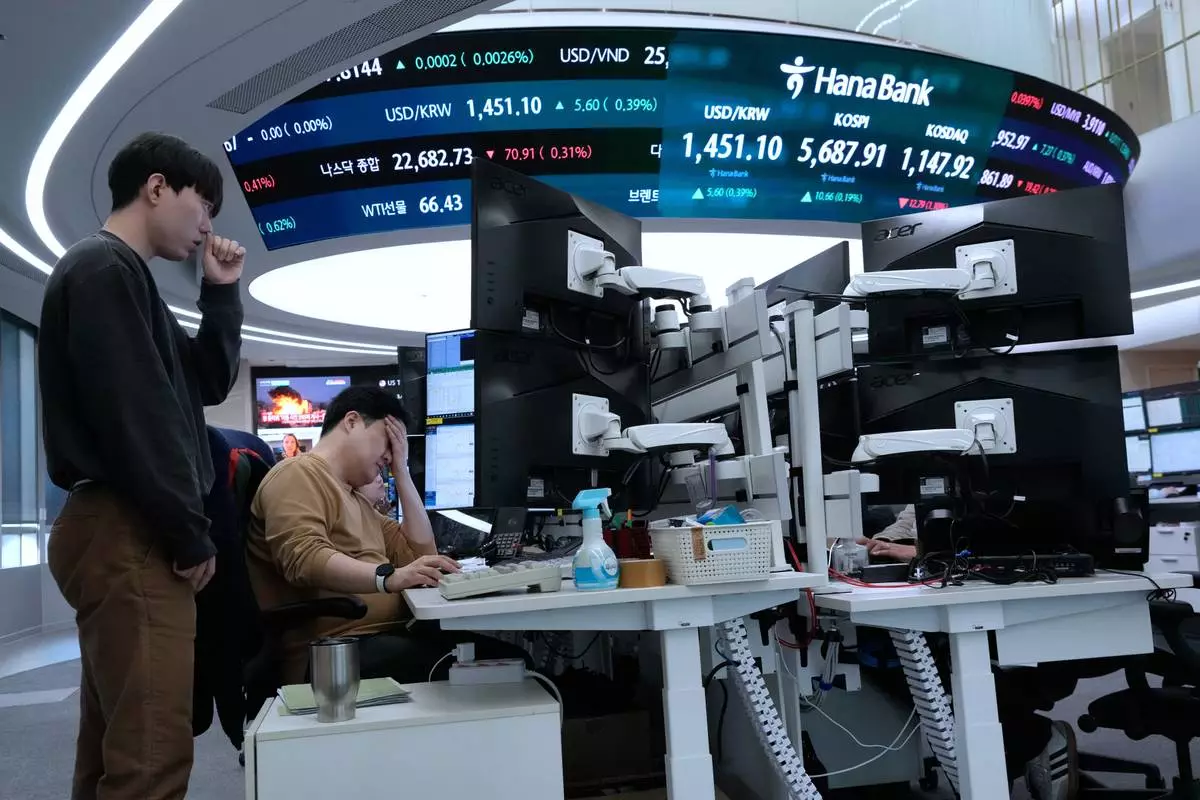
Currency traders work near a screen showing the Korea Composite Stock Price Index (KOSPI), top center, and the foreign exchange rate between U.S. dollar and South Korean won, top center left, at the foreign exchange dealing room of the Hana Bank headquarters in Seoul, South Korea, Friday, Feb. 20, 2026. (AP Photo/Ahn Young-joon)