Accident and Emergency Departments of public hospitals operate smoothly during Chinese New Year holidays
The following is issued on behalf of the Hospital Authority:
The spokesperson for the Hospital Authority (HA) announced today (February 20) that over the past three days of the Chinese New Year holidays, the number of patients attending the 18 Accident and Emergency Departments (A&Es) under the HA decreased by over 10 per cent compared to the same period last year. This indicates that the public healthcare fees and charges reform has achieved its desired effect, alleviating service pressure on A&Es and enabling them to concentrate resources on patients with urgent medical needs.
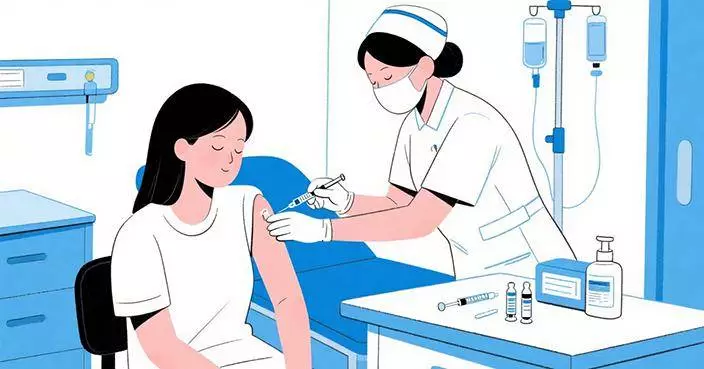
The Hospital Authority (HA), Photo source: reference image
The Chairman of the HA Coordinating Committee in A&E, Dr Axel Siu, said, "During the past three-day public holiday, the number of patients attending A&Es decreased by approximately 11 per cent to 15 per cent compared to the same period last year (see Table). A&Es operations across all hospitals remained normal, allowing patients with urgent medical needs to receive prompt treatment. Less urgent patients also experienced shorter waiting times. This demonstrates that the various measures introduced under the public healthcare fees and charges reform are proving effective, enabling A&Es to perform their emergency care function."
Dr Siu further explained that in the small hours of today, some A&Es needed to deploy healthcare staff to resuscitate patient cases, coupled with the usual increase in A&E attendances following the extended holidays, which led to longer waiting times for some less urgent patients this morning. Dr Siu emphasised that, despite the increased workload in A&Es, services for critical, emergency and urgent patients were not affected. Additional staff have been deployed to enhance service, ensuring all patients received appropriate treatment. By the afternoon, waiting times for less urgent patients had progressively decreased, with most receiving suitable care within a few hours.
The HA anticipates that public hospital A&E services will remain busy in the coming days after the Chinese New Year holidays. Non-urgent patients are advised to avoid using A&E services and to seek consultation at Family Medicine Clinics, private doctors, or 24-hour outpatient services at private hospitals to reduce pressure on public hospital A&Es.
From January 1 to February 10 this year, a total of 199 406 patients attended the 18 A&Es under the HA, reflecting a significant decrease of nearly 10.9 per cent compared to the same period last year. Among these, 98 988 patients were classified as semi-urgent and non-urgent, a reduction of about 18.6 per cent from the previous year.
During this period, waiting times for all critical and emergency patients fully met the pledge targets, with critical patients receiving immediate treatment and emergency patients being treated within 15 minutes. For patients triaged as urgent cases, the percentage of those being treated within 30 minutes - meeting the service pledge target - increased from 80.1 per cent last year to 86.9 per cent, with the average waiting time reduced from 24 minutes to 20 minutes. The average waiting times for semi-urgent and non-urgent patients also decreased from 136 minutes to 124 minutes.
Table: Attendance of A&Es under the HA
2025
2026
Rate of change
The first day of Chinese New Year
3 900
3 288
-15.7%
The second day of Chinese New Year
5 025
4 467
-11.1%
The third day of Chinese New Year
5 433
4 620
-15.0%
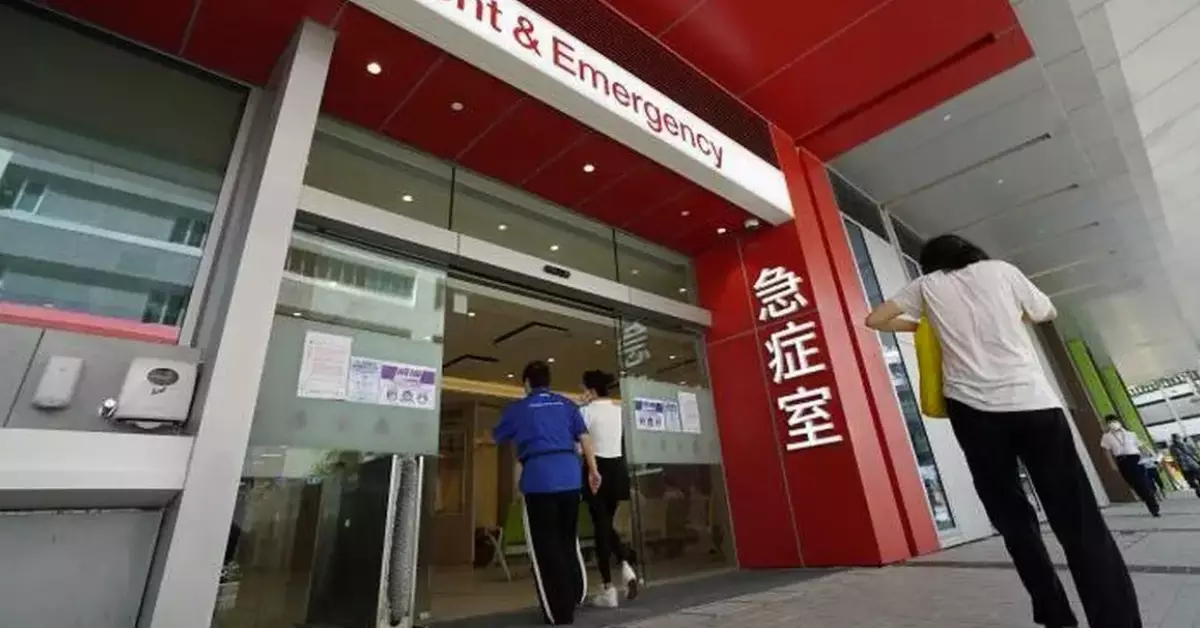
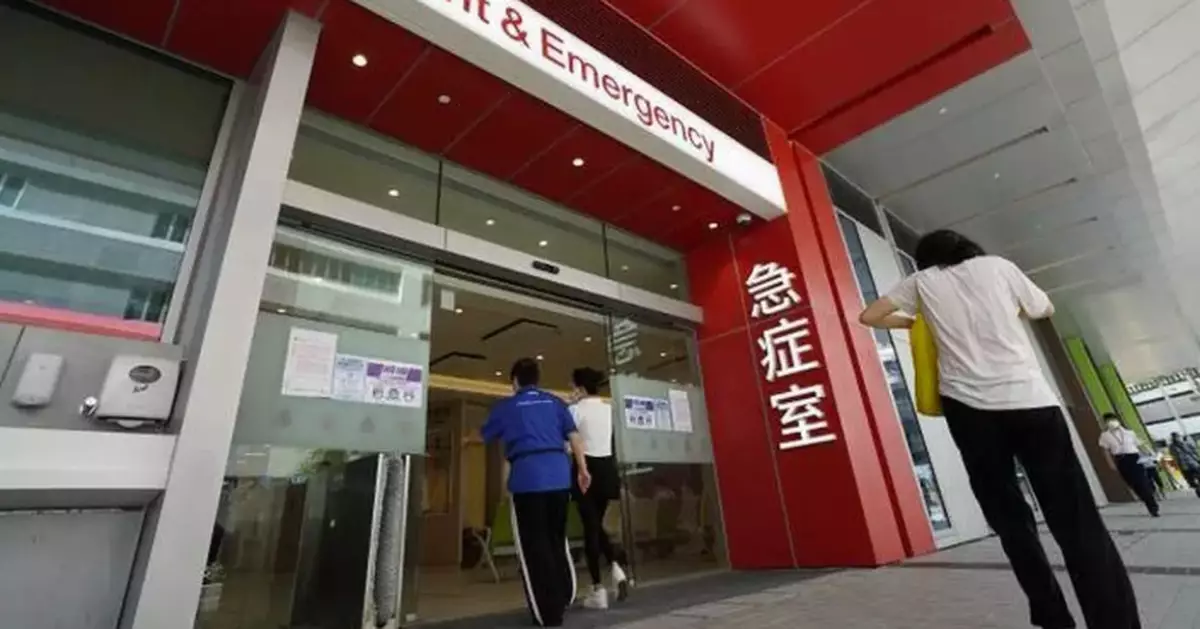
The Accident and Emergency Department, Photo source: reference image