A dazzling light show has illuminated the skyline of south China's tech hub Shenzhen, as part of the city's celebrations of the Chinese New Year, or the Spring Festival
The Spring Festival, China's most important holiday marked by family reunions, festive foods and New Year wishes, fell on Tuesday this year. The nine-day holiday period starting from Sunday is now in full swing.
The light show will run nightly in downtown Shenzhen at 19:00, 20:00 and 21:00 from Feb 14 to 23.
One of the highlights of the event is a galloping horse projected on landmark buildings, as 2026 is the Year of the Horse in the Chinese zodiac.
The light show drew praise from both local residents and overseas visitors.
"It was spectacular. It was amazing to see the show. The lights look very futuristic," said an Australian tourist.
"I can feel that Shenzhen is a young city, full of vitality and energy," said Zhou Lifen, a tourist.
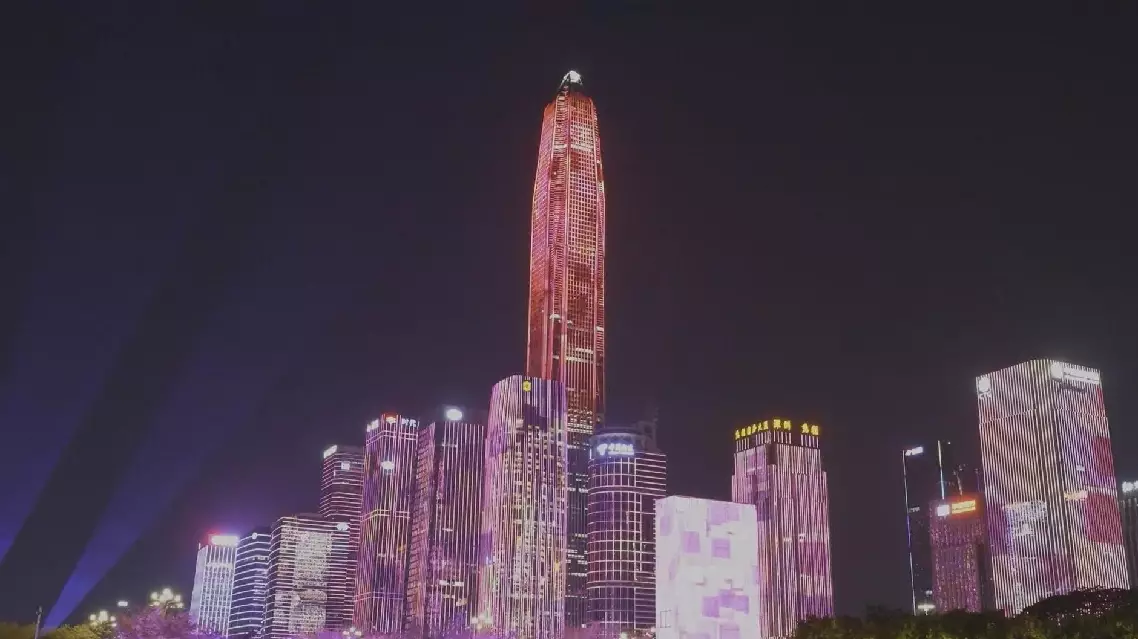
Shenzhen holds dazzling light show to celebrate Spring Festival
China's commissioning of "five essentials for aircraft carriers" marks a a significant achievement of the People's Liberation Army (PLA) Navy’s accelerated transformation and development, said Jiang Bin, spokesman for the Ministry of National Defense, at a press conference in Beijing on Saturday.
The "five essentials" refer to stealth carrier-based fighters, multirole catapult-assisted carrier-based fighters, fixed-wing carrier-based early warning aircraft, fixed-wing electronic warfare aircraft, and anti-submarine helicopters.
"The package, or what media have dubbed the 'five essentials for aircraft carriers,' is a vital link in forming the systematic combat capability of aircraft carrier formations and a significant achievement in the PLA Navy’s accelerated transformation and development. Building a strong PLA Navy embodies the Chinese nation's long-cherished aspiration of striving to be a strong naval power and serves as an important guarantee for realizing national rejuvenation. In the new era, under the firm leadership of the CPC Central Committee, the Central Military Commission and President Xi, the modernization of the PLA Navy has become increasingly solid and powerful. From the air to the sea, from coastal waters to the open ocean, the types and functions of various weapons platforms have been continuously improved, achieving leapfrog development and innovative breakthroughs, providing stronger guarantees for safeguarding national sovereignty, security and development interests," he said.
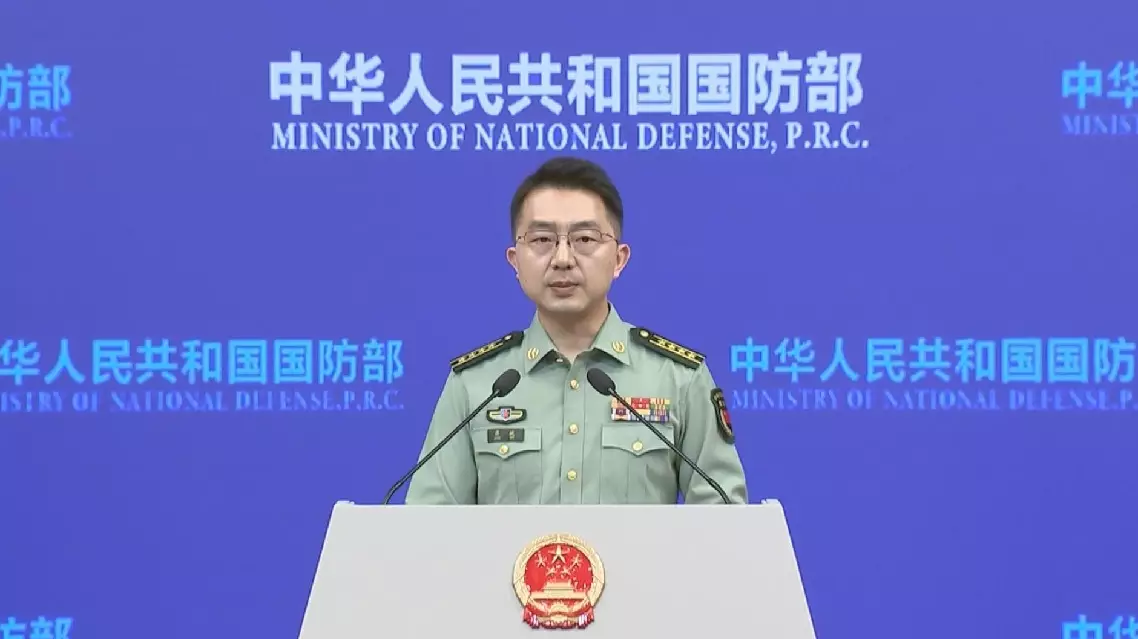
Spokesman confirms commissioning of 'five essentials' for carriers