Willie Colón, the Grammy-nominated architect of urban salsa music and social activist, died Saturday. He was 75.
Over his decades-long career, the trombonist, composer, arranger and singer produced more than 40 albums that sold more than 30 million copies worldwide. He collaborated with a wide range of artists, including the Fania All Stars, David Byrne and Celia Cruz.
Click to Gallery
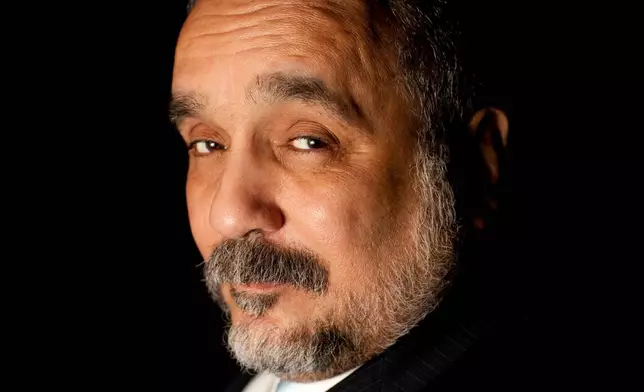
FILE - Salsa musician Willie Colon poses for a portrait in Mexico City, March 5, 2009. Colón, considered by many to be the "architect of urban salsa," died Saturday, Feb. 21, 2026. He was 75. (AP Photo/Gregory Bull, File)
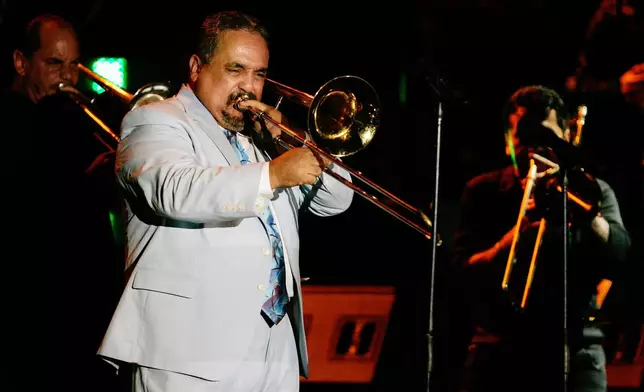
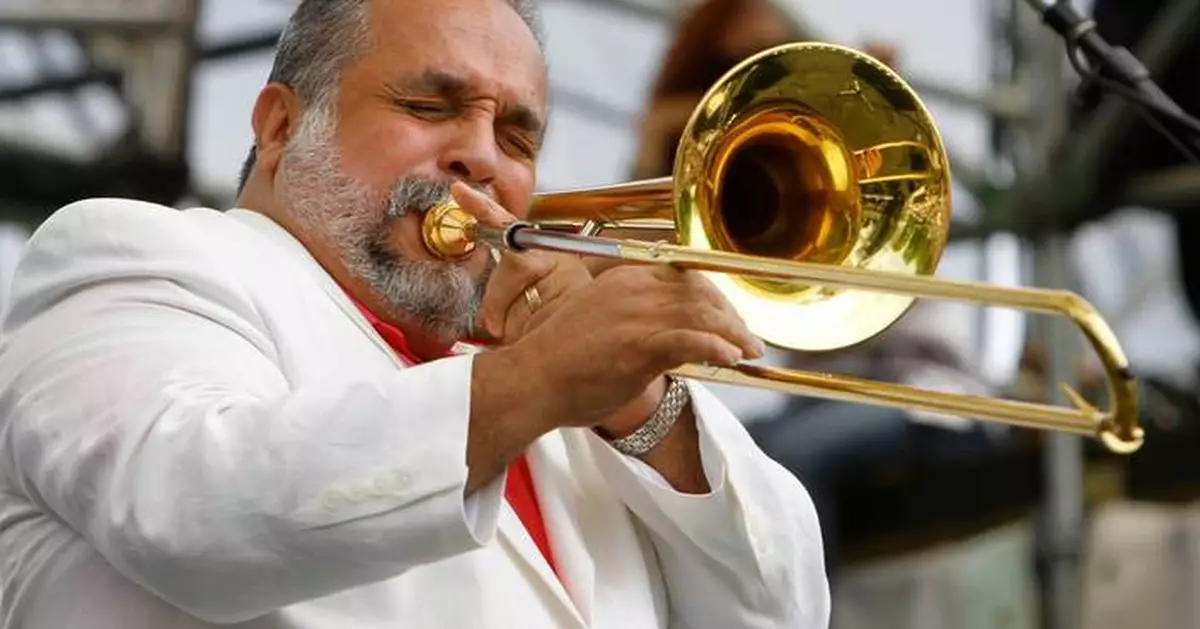
FILE - Willie Colon plays the trombone while performing the song "La Murga" during a tribute concert in honor of the late salsa music pioneer Hector Lavoe in San Juan, Puerto Rico, Sept. 7, 2007. Colón, considered by many to be the "architect of urban salsa," died Saturday, Feb. 21, 2026. He was 75. (AP Photo/Andres Leighton, File)
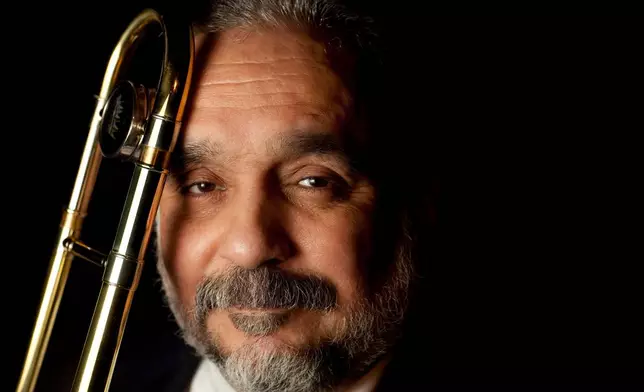
FILE - Legendary salsa musician Willie Colon poses for a portrait in Mexico City, March 5, 2009. Colón, considered by many to be the "architect of urban salsa," died Saturday, Feb. 21, 2026. He was 75. (AP Photo/Gregory Bull, File)
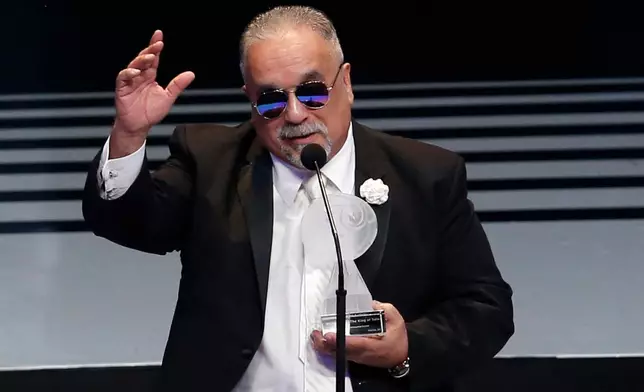
FILE - Willie Colon accepts the award for best musica afroamericana at the Lunas del Auditorio Nacional awards ceremony in Mexico City, Oct. 31, 2018. Colón, considered by many to be the "architect of urban salsa," died Saturday, Feb. 21, 2026. He was 75. (AP Photo/Claudio Cruz, File)
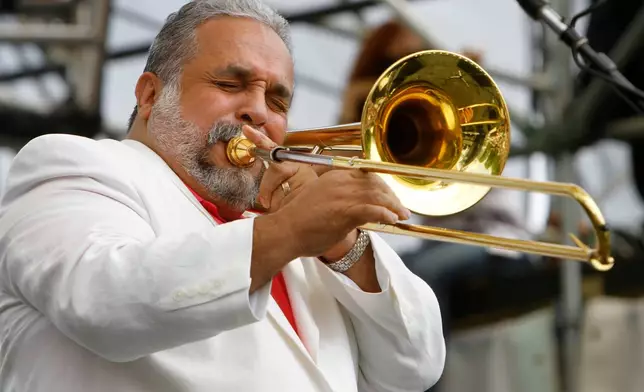
FILE - Singer and musician Willie Colon performs at The Climate Rally, an Earth Day concert, on the National Mall in Washington, April 25, 2010. Colón, considered by many to be the "architect of urban salsa," died Saturday, Feb. 21, 2026. He was 75. (AP Photo/Jacquelyn Martin, File)
His celebrated collaboration with Rubén Blades, “Siembra,” became one of the bestselling salsa albums of all time, and the pair were known for addressing social issues through the genre.
Colón's family and manager confirmed his death through social media posts.
“Willie didn't just change salsa; he expanded it, politicized it, clothed it in urban chronicles, and took it to stages where it hadn't been heard before,” manager Pietro Carlos wrote. “His trombone was the voice of the people, an echo of the Caribbean in New York, a bridge between two cultures.”
Colón, who was nominated for 10 Grammys and one Latin Grammy, made famous songs such as “El gran varón,” “Sin poderte hablar,” “Casanova,” “Amor verdad” and “Oh, qué será.”
Blades said on the social platform X that he confirmed “what I was reluctant to believe” and offered his condolences to Colón's family.
Born in New York’s Bronx borough, Colón was raised by his grandmother and aunt, who from a young age nurtured him with traditional Puerto Rican music and the typical rhythms of the Latin American repertoire, including Cuban son and tango.
At age 11 he ventured into the world of music, first with flute, then bugle, trumpet and finally trombone, with which he stood out in the then-nascent genre of salsa.
His interest in trombone arose after hearing Barry Rogers playing it on “Dolores,” Mon Rivera’s song with Joe Cotto.
“It sounded like an elephant, a lion ... an animal. Something so different that, as soon as I heard it, I said to myself: ‘I want to play that instrument,’” he recalled in an interview published in the Colombian newspaper El Tiempo in 2011.
At 17 he joined the group of artists that formed the famous record label Fania Records, led and created by Jerry Masucci and Johnny Pacheco. Fania was largely responsible for the new sound that was produced in the Latin world of New York and would later be called “salsa.”
Colón's main characteristic as a musician was the fusion of rhythms, as he harmonized jazz, rock, funk, soul and R&B with the old Latin school of Cuban son, cha-cha-cha, mambo and guaracha, adding the nostalgia of the traditional Puerto Rican sound that encompasses jíbara, bomba and plena music.
In 2004 the Latin Recording Academy awarded Colón a special Grammy for his career and contributions to music.
As a community leader, Colón fought for civil rights, mostly in the United States. He was part of the Hispanic Arts Association, the Latino Commission on AIDS, the Arthur Schomburg Coalition for a Better New York and the Congressional Hispanic Caucus Institute, among others.
In 1991 he was honored with the Chubb fellowship from Yale University, a public service recognition also awarded to the likes of John F. Kennedy, Moshe Dayan, the Rev. Jesse Jackson and Ronald Reagan, among others.
In the political arena, he served as special assistant to David Dinkins, New York’s first Black mayor, and was later appointed special assistant and adviser to Mayor Michael Bloomberg.
Colón had little luck running for public office himself, however. He failed in a challenge to then-U.S. Rep. Eliot Engel in the 1994 Democratic primary, and in 2001 came in third in the Democratic primary for New York’s public advocate.
He backed Hillary Clinton’s presidential campaign in 2008, but he told the Observer that he voted for Donald Trump in 2016.
Colón had public clashes with artists and politicians. His friendship with Blades ruptured after Colón sued for breach of contract over the 2003 concert “Siembra ... 25 years later,” held in Puerto Rico. He also sparked a controversy when he called the then-president of Venezuela, Hugo Chávez, “rotten” on a social network.
Colón acted in films such as “Vigilante,” “The Last Fight” and “It Could Happen to You,” and on TV in “Miami Vice” and “Demasiado Corazón.” More recently he appeared in Bad Bunny’s music video for “NuevaYol.”
He is survived by his wife and four sons.
Former Associated Press writer Sigal Ratner-Arias contributed biographical material for this obituary. AP journalist Berenice Bautista contributed.
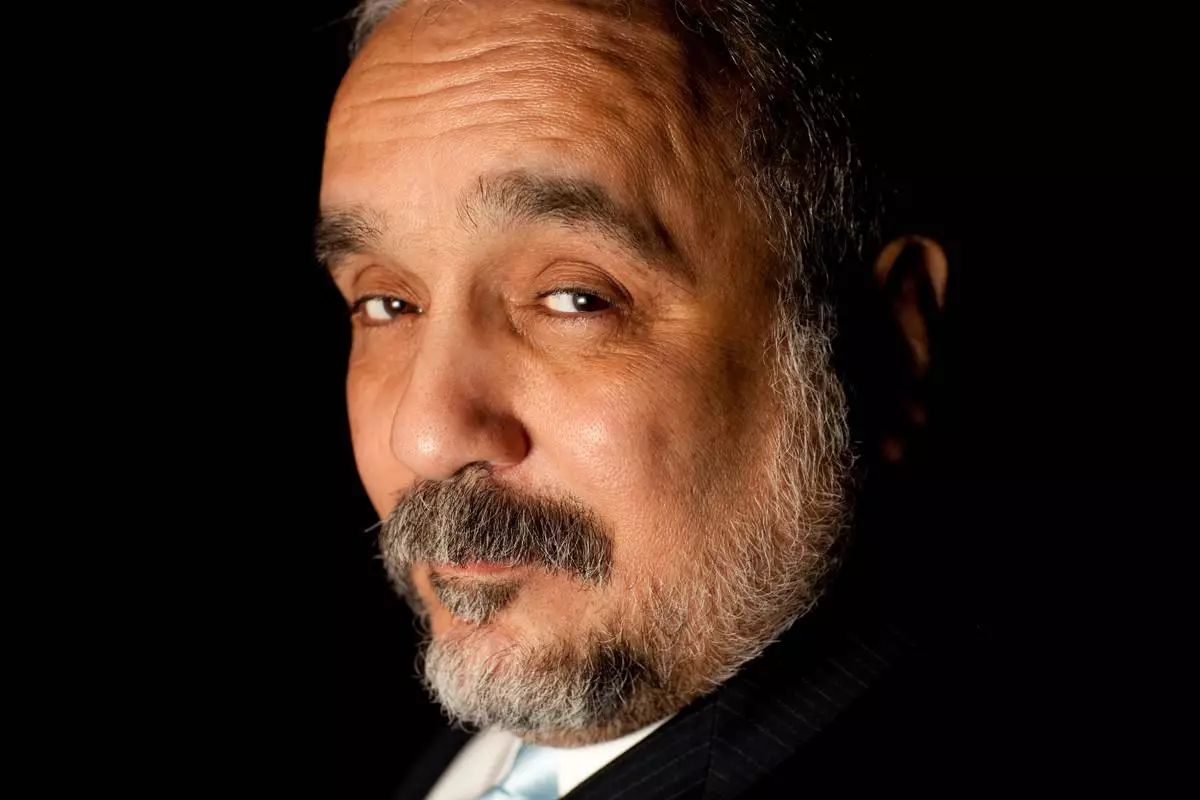
FILE - Salsa musician Willie Colon poses for a portrait in Mexico City, March 5, 2009. Colón, considered by many to be the "architect of urban salsa," died Saturday, Feb. 21, 2026. He was 75. (AP Photo/Gregory Bull, File)
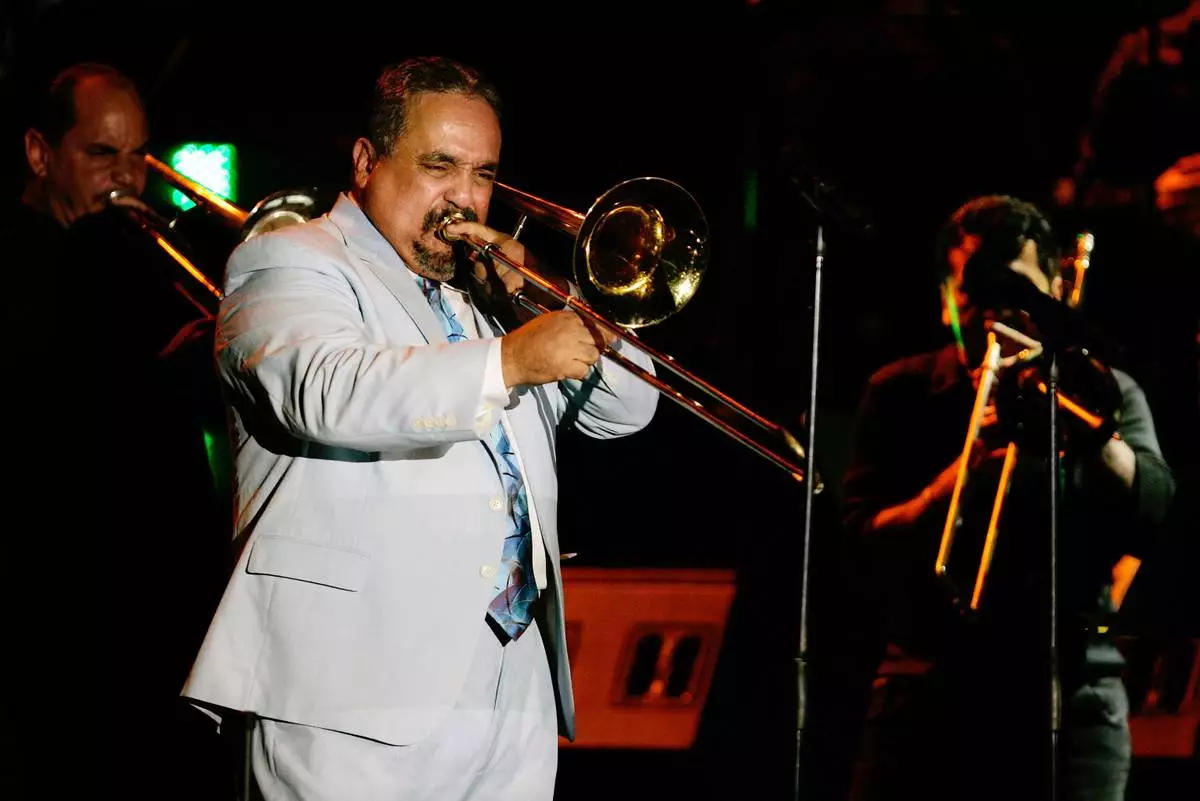
FILE - Willie Colon plays the trombone while performing the song "La Murga" during a tribute concert in honor of the late salsa music pioneer Hector Lavoe in San Juan, Puerto Rico, Sept. 7, 2007. Colón, considered by many to be the "architect of urban salsa," died Saturday, Feb. 21, 2026. He was 75. (AP Photo/Andres Leighton, File)
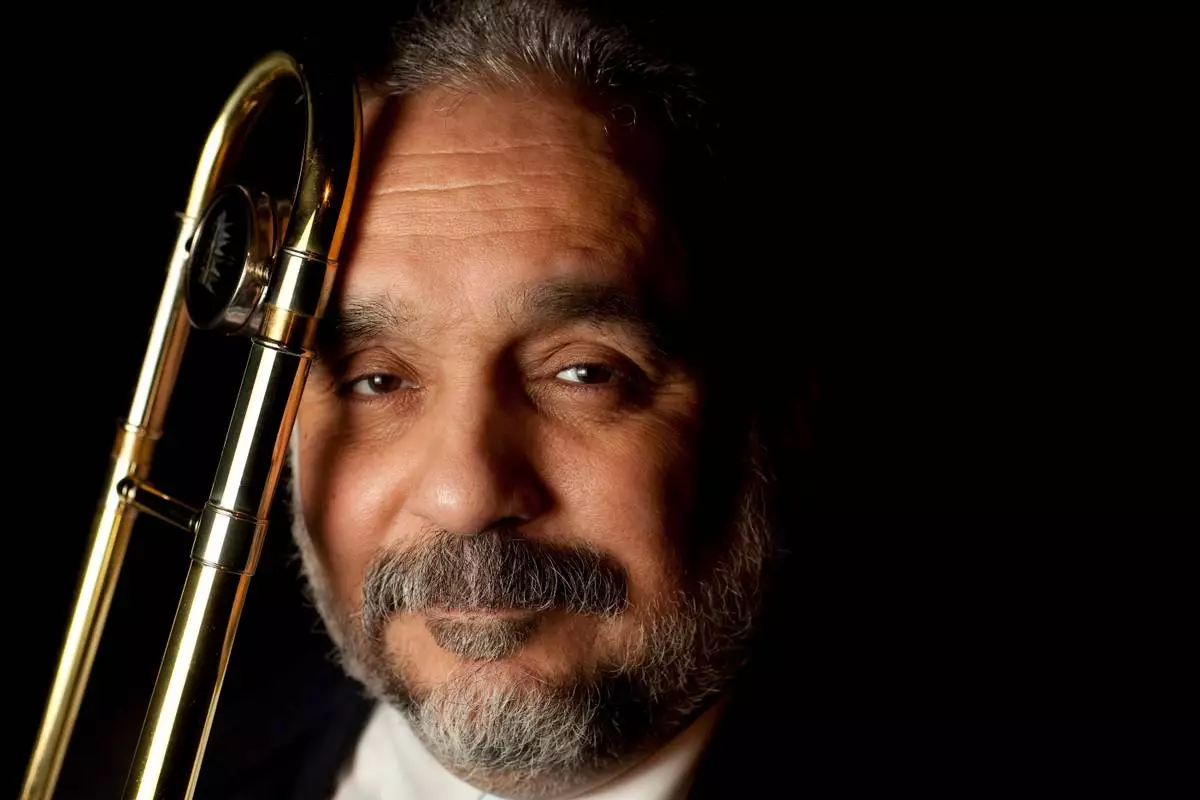
FILE - Legendary salsa musician Willie Colon poses for a portrait in Mexico City, March 5, 2009. Colón, considered by many to be the "architect of urban salsa," died Saturday, Feb. 21, 2026. He was 75. (AP Photo/Gregory Bull, File)
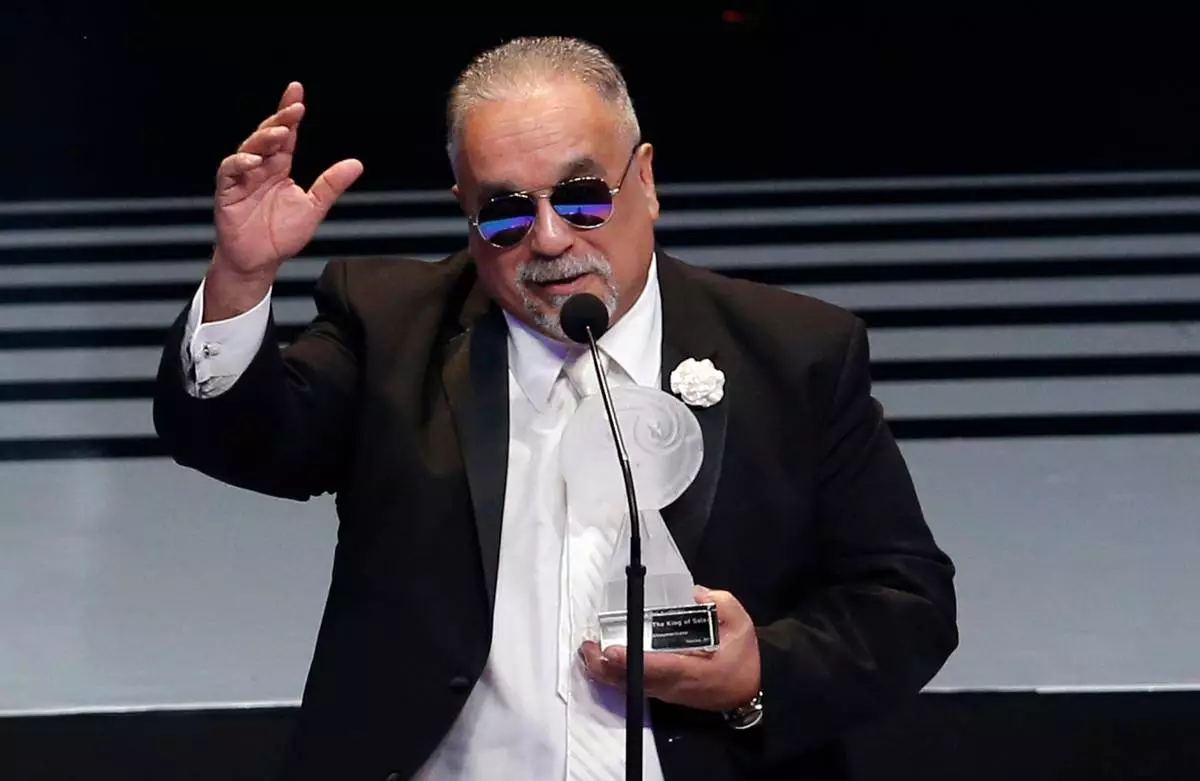
FILE - Willie Colon accepts the award for best musica afroamericana at the Lunas del Auditorio Nacional awards ceremony in Mexico City, Oct. 31, 2018. Colón, considered by many to be the "architect of urban salsa," died Saturday, Feb. 21, 2026. He was 75. (AP Photo/Claudio Cruz, File)
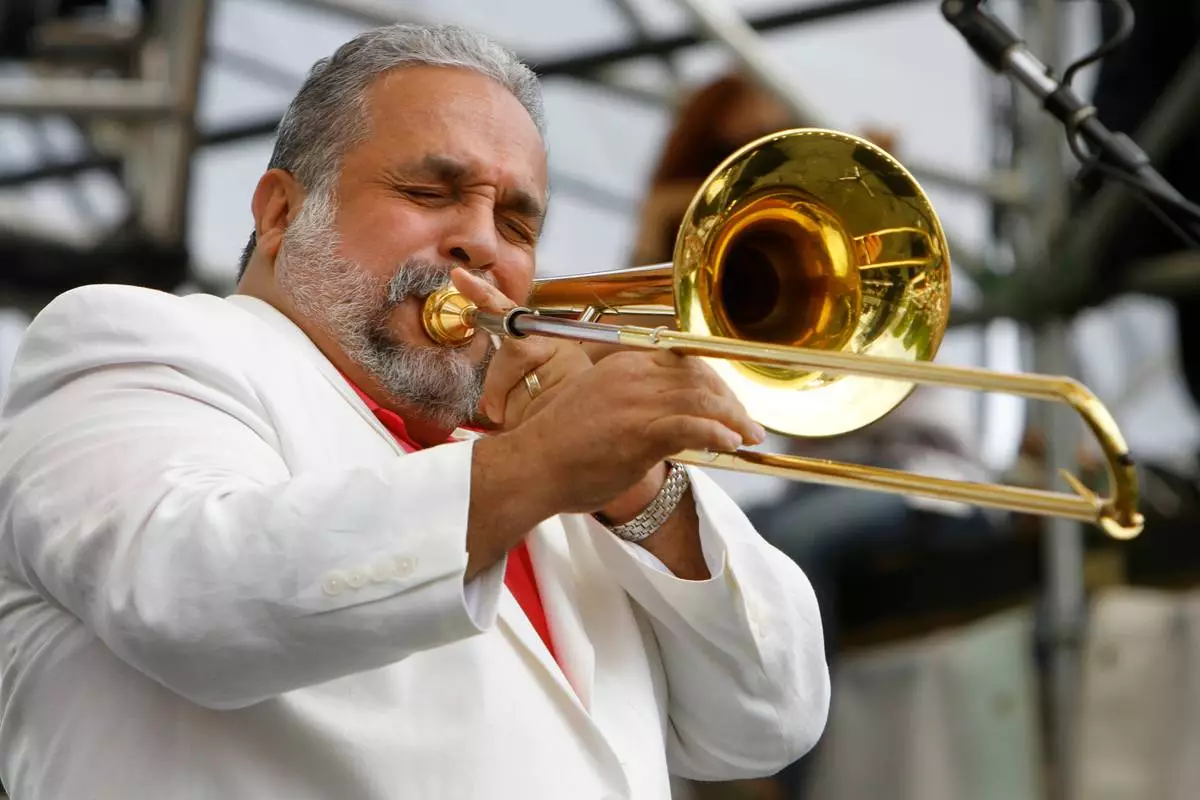
FILE - Singer and musician Willie Colon performs at The Climate Rally, an Earth Day concert, on the National Mall in Washington, April 25, 2010. Colón, considered by many to be the "architect of urban salsa," died Saturday, Feb. 21, 2026. He was 75. (AP Photo/Jacquelyn Martin, File)