TULSA, Okla.--(BUSINESS WIRE)--Feb 23, 2026--
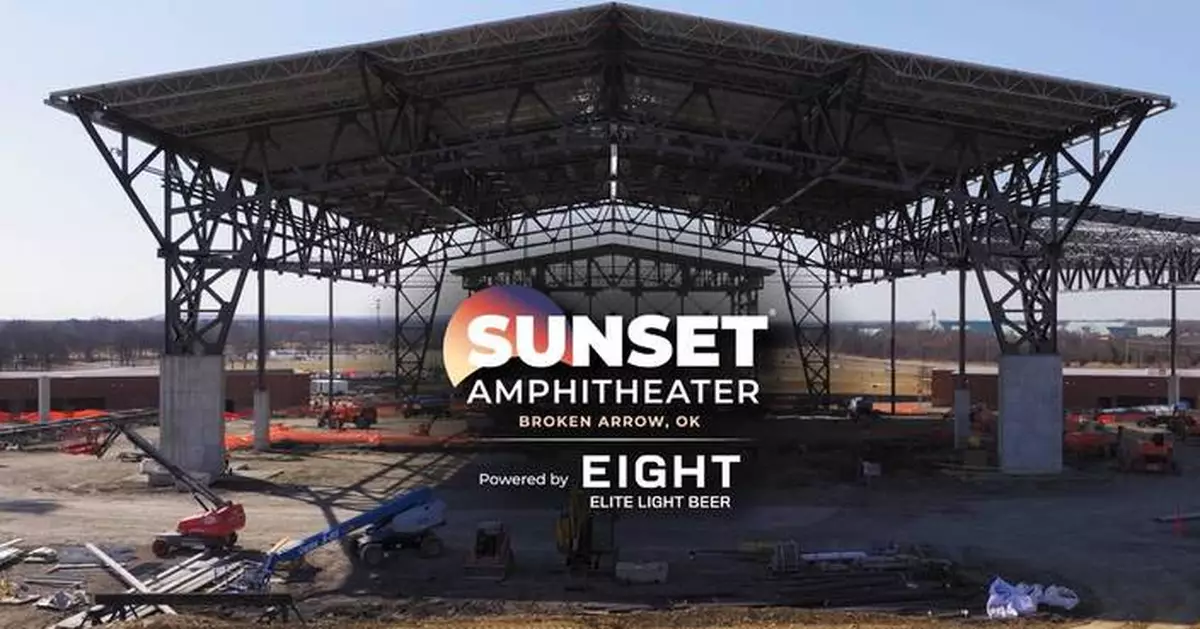
Venu Holding Corporation ("VENU" or the "Company") (NYSE American: VENU), owner, operator, and developer of premium entertainment and hospitality destinations, announced today that the structural framework of the stunning 134,000 sqft canopy roof has been installed on the Sunset Amphitheater at Broken Arrow, powered by EIGHT Elite Light Beer. With the primary structure now in place, the 12,500-capacity venue is one step closer to opening its doors for its inaugural concert season targeted for Fall 2026.
This press release features multimedia. View the full release here: https://www.businesswire.com/news/home/20260223571810/en/
“I’m incredibly grateful for the collaboration and support from the City of Broken Arrow and our construction partners at Crossland, BCA Studios, and ME Engineers,” said JW Roth, Founder, Chairman and CEO of VENU. “This milestone reflects the steady progress being made across all aspects of development as we work toward our targeted Fall 2026 opening. Interest from national promoters remains strong, and we’re building meaningful momentum across both our booking pipeline and premium offerings.”
To commemorate the milestone, VENU hosted a media day offering attendees a behind-the-scenes look at construction progress [ view recent footage ], including tours of the grounds, artist quarters, and the opportunity to step onto the stage that will soon welcome award-winning touring performers. The event brought together VENU leadership, Broken Arrow civic and municipal officials, business leaders, and community members. Remarks were delivered by VENU Chief Operating Officer Vic Sutter, President Will Hodgson, President of Growth and Strategy Terri Liebler, Broken Arrow Mayor Debra Wimpee, and City Manager Michael Spurgeon.
Sunset Amphitheater at Broken Arrow, powered by EIGHT Elite Light Beer, is Oklahoma’s first premium multi-season live entertainment venue. Operating under an open-room model, the venue is designed to provide flexibility to collaborate with multiple national promoters, including Live Nation and other leading industry groups, supporting the development of a diversified, high-caliber event calendar.
The development represents a long-term investment in the Tulsa market and VENU’s disciplined approach to expanding its national portfolio of premium entertainment destinations. The project is projected to generate approximately $4.3 billion in economic impact over its first 20 years of operation through increased tourism, hospitality revenue, and job creation. Featuring multi-season configurations, premium Luxe FireSuites, the members-only Aikman Club, wind mitigation design elements, and a strategic food and beverage partnership with Aramark Sports + Entertainment, the venue is designed to support a premium operating model upon completion.
Photo/video available upon request below.
About Venu Holding Corporation
Venu Holding Corporation ("VENU") (NYSE American: VENU) is a premier owner, developer, and operator of luxury, experience-driven entertainment destinations. Founded by Colorado Springs entrepreneur J.W. Roth, VENU has a portfolio of premium brands that includes Ford Amphitheater, Sunset Amphitheaters, Phil Long Music Hall, The Hall at Bourbon Brothers, Bourbon Brothers Smokehouse and Tavern, Aikman Owners Clubs, Roth’s Sea & Steak, and Brohan’s. With venues operating and in development across Colorado, Georgia, Oklahoma, and Texas and a nationwide expansion underway, VENU is setting a new standard for live entertainment.
VENU has been recognized nationally by The Wall Street Journal, The New York Times, Billboard, VenuesNow, and Variety for its innovative and disruptive approach to live entertainment. Through strategic partnerships with industry leaders such as AEG Presents, NFL Hall of Famer and Founder of EIGHT Elite Light Beer Troy Aikman, Billboard, Aramark Sports + Entertainment, Tixr, Boston Common Golf, Niall Horan, and Dierks Bentley, VENU continues to shape the future of the entertainment landscape. For more information, visit VENU’s website, Instagram, LinkedIn, or X.
Forward Looking Statements
Certain statements in this press release constitute "forward-looking statements" within the meaning of the federal securities laws. Words such as "may," "might," "will," "should," "believe," "expect," "anticipate," "estimate," "continue," "predict," "forecast," "project," "plan," "intend" or similar expressions, or statements regarding intent, belief, or current expectations, are forward-looking statements. While Venu believes these forward-looking statements are reasonable, undue reliance should not be placed on any such forward-looking statements, which are based on information available to us on the date of this release. These forward-looking statements are based upon current estimates and assumptions and are subject to various risks and uncertainties, including without limitation those set forth in the company’s filings with the SEC, not limited to Risk Factors relating to its business contained therein. Thus, actual results could be materially different. Venu expressly disclaims any obligation to update or alter statements whether as a result of new information, future events or otherwise, except as required by law.
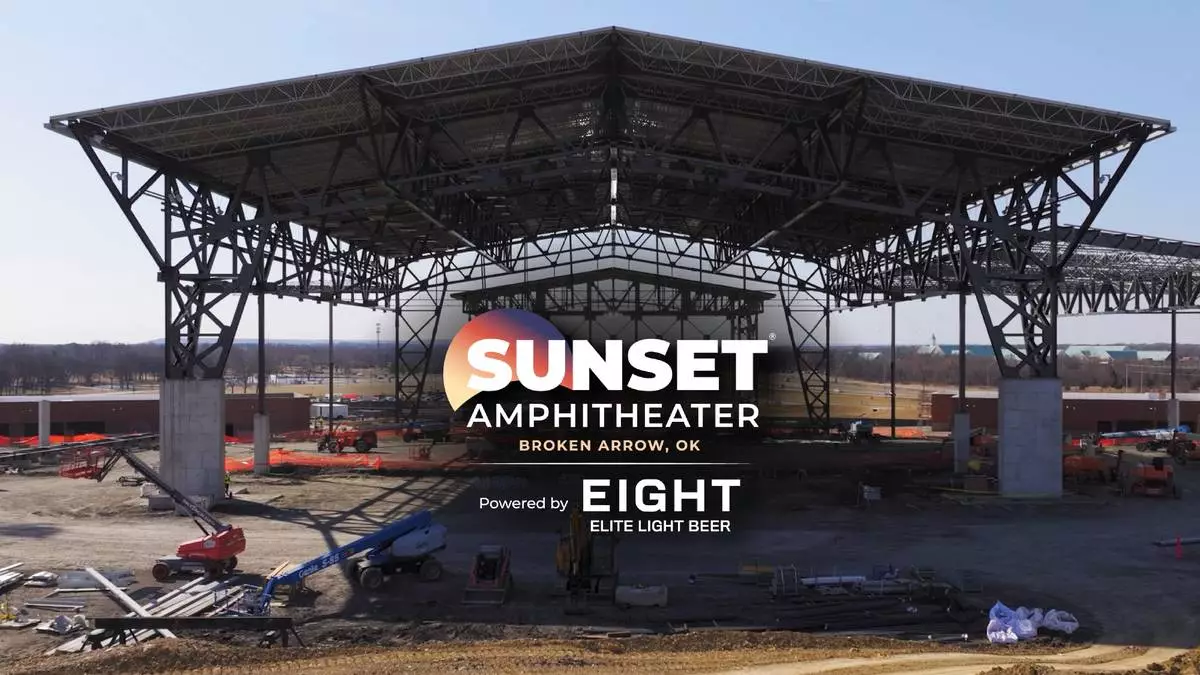
Sunset Amphitheater at Broken Arrow | Located in Broken Arrow, Oklahoma. Construction Photo.
WELLINGTON, New Zealand (AP) — The world’s only flightless parrot species was once thought to be doomed by design. The kakapo is too heavy, too slow and, frankly, too delicious to survive around predators, and takes a shamelessly relaxed approach to reproduction.
But the nocturnal and reclusive New Zealand native bird ’s fate is teetering toward survival after an unlikely conservation effort that has coaxed the population from 50 to more than 200 over three decades. This year, with a bumper crop of the strange parrot’s favorite berries prompting a rare enthusiasm for mating, those working to save the birds hope for a record number of chicks in February, which would move the kakapo closer to defying what was not long ago believed to be certain extinction.
Kakapo live on three tiny, remote islands off New Zealand’s southern coast and chances to see them in the wild are scarce. This breeding season has launched one of the birds to internet fame through a livestreamed video of her underground nest, where a chick was expected to hatch this week.
The kakapo is a majestic creature that can live for 60 to 80 years. But they’re undoubtedly weird to look at.
Birds can weigh over 3 kilograms (6.6 pounds). They have owllike faces, whiskers, and mottled green, yellow and black plumage that mimics dappled light on the forest floor.
That’s where the flightless parrot lives, which has made its survival complicated.
“Kakapo also have a really strong scent,” said Deidre Vercoe, the operations manager for the Department of Conservation’s kakapo program. “They smell really musky and fruity — gorgeous smell.”
The pungent aroma was bad news for the parrots when humans arrived in New Zealand hundreds of years ago. The introduction of rats, dogs, cats and stoats, as well as hunting by people and destruction of native forest habitats, drove species of the country’s flourishing flightless birds — the kakapo among them — to near or complete extinction.
By 1974, no kakapo were known to exist. Conservationists kept looking, however, and in the late 1970s, a new population of the birds was discovered.
Reversing their fortunes hasn’t been simple.
One reason the kakapo population has grown slowly is that its breeding is, like everything about the birds, peculiar. Years or even decades can pass between successful clutches of eggs.
A breeding season only happens every two to four years, in response to bumper crops of fruit from the native rimu trees the parrots favor, which last happened in 2022. A huge food source is needed for chicks to survive but it’s not known exactly how adult birds become aware of an abundant harvest.
“They’re probably up there in the canopy assessing the fruiting,” said Vercoe. “When there’s a large crop developing, they somehow tune into that.”
That’s when things get really strange. Male kakapo position themselves in dug-out bowls in the ground and emit sonorous booming sounds followed by noises known as “chings,” which sound like the movement of rusty bedsprings.
The deep booms, which on clear nights can be heard across the forest, attract female kakapo to the bowls. Females can lay up to four eggs before raising their chicks alone.
Since January, admirers of the birds have had a rare glimpse into the process through a livestream showing the underground nest of 23-year-old kakapo Rakiura on the island of Whenua Hou, where she has laid three eggs, two of them fertile. So precarious is the species’ survival that the eggs were exchanged for fake replacements while the real ones were incubated indoors.
A technician on Tuesday replaced the fake eggs with the first near-hatching egg. The kakapo kept her distance while the switch was made but quickly returned to the nest, seemingly unperturbed. The second real egg is expected to be added within days.
Perhaps the only thing stranger than the kakapo is the lengths to which New Zealanders have gone to save it. Quadrupling the population over the past three decades has required their relocation to three remote, predator-free offshore islands and the micromanaging of the parrots’ every romantic entanglement.
“We do what we can to make sure we don’t lose any further genetic diversity,” Vercoe said. “We manage that carefully through having the best matches possible on each island.”
Each bird has a name and is monitored by a small backpack tracker; if a bird vanishes, they’re nearly impossible to find. With the kakapo still critically endangered, there’s little prospect of conservation efforts ending anytime soon, although those working with the birds are easing their hands-on management each breeding season.
The painstaking work to preserve the species might seem odd to outsiders, but the parrot is just one of many spirited and strange avians in a country where birds reign supreme. The only native land mammals are two types of bat, so New Zealand’s birds, which evolved eccentrically before human and predator arrival, have become beloved national symbols.
“We don’t have the Eiffel Tower or the pyramids, but we do have kakapo and kiwi,” Vercoe said. “It’s a real New Zealand duty to save these birds.”
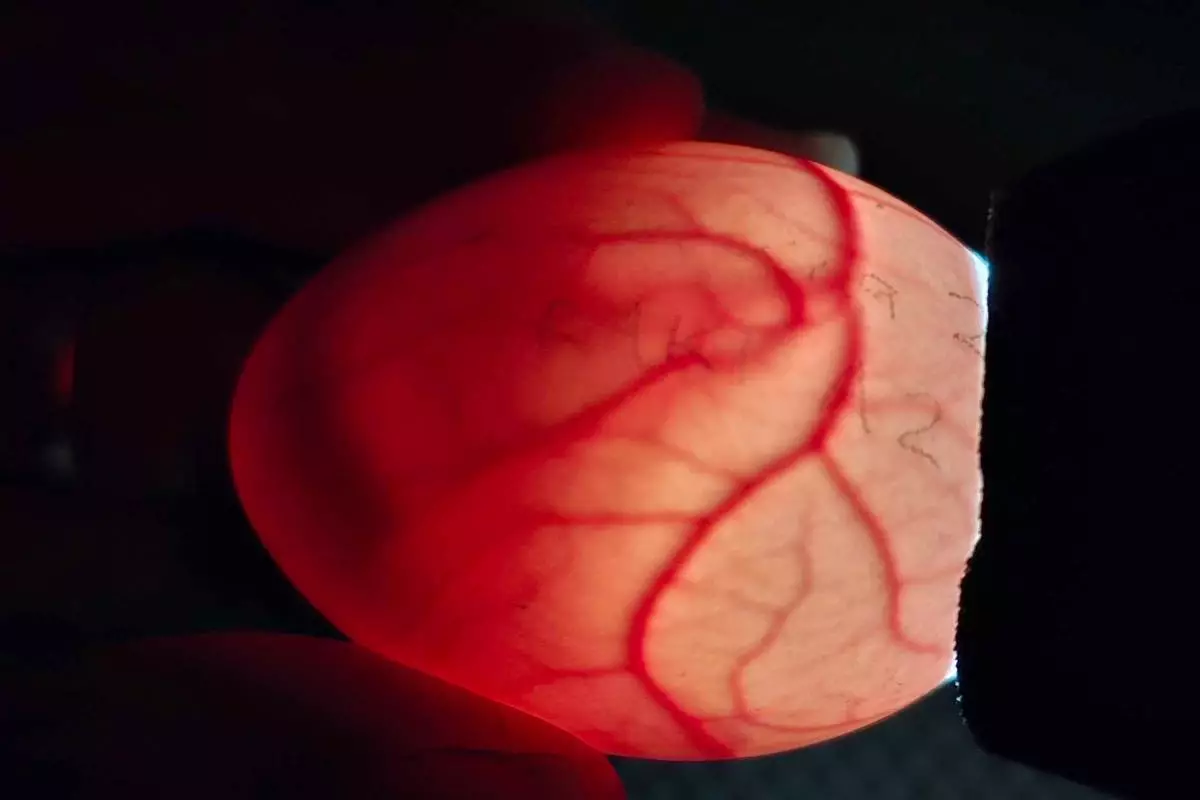
In this photo provided by the Dept. of Conservation, New Zealand, a Dept. of Conservation staff member holds an egg for candling of a Kakapo egg on Whenua Hou Island, New Zealand, Feb. 2026. (Dept. of Conservation, New Zealand via AP)
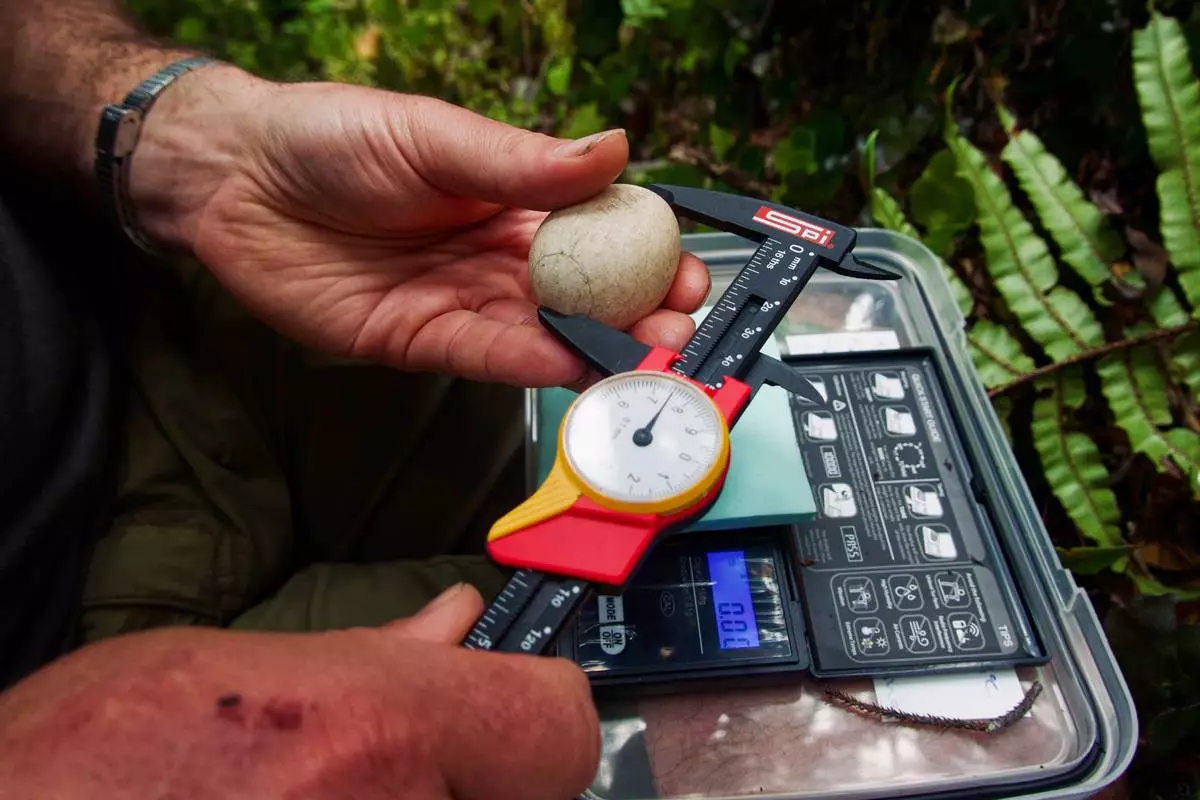
In this photo provided by the Dept. of Conservation, New Zealand, a Dept. of Conservation staff member checks the size of a Kakapo egg on Whenua Hou Island, New Zealand, Feb. 2026. (Dept. of Conservation, New Zealand via AP)
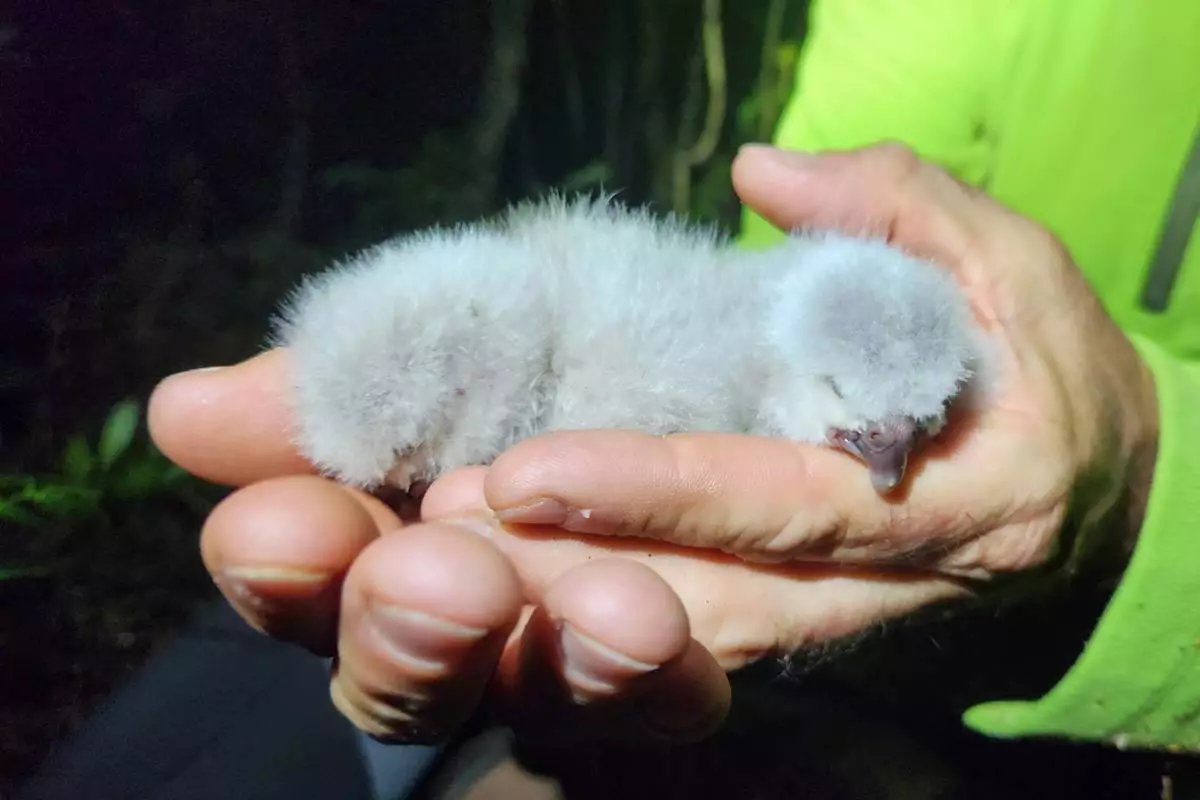
In this photo provided by the Dept. of Conservation, New Zealand, a Dept. of Conservation staff member holds Kakapa chicks Tiwhiri A1 and Tiwhiri A2 on Anchor Island Pukenui, New Zealand, Feb. 2026. (Dept. of Conservation, New Zealand via AP)
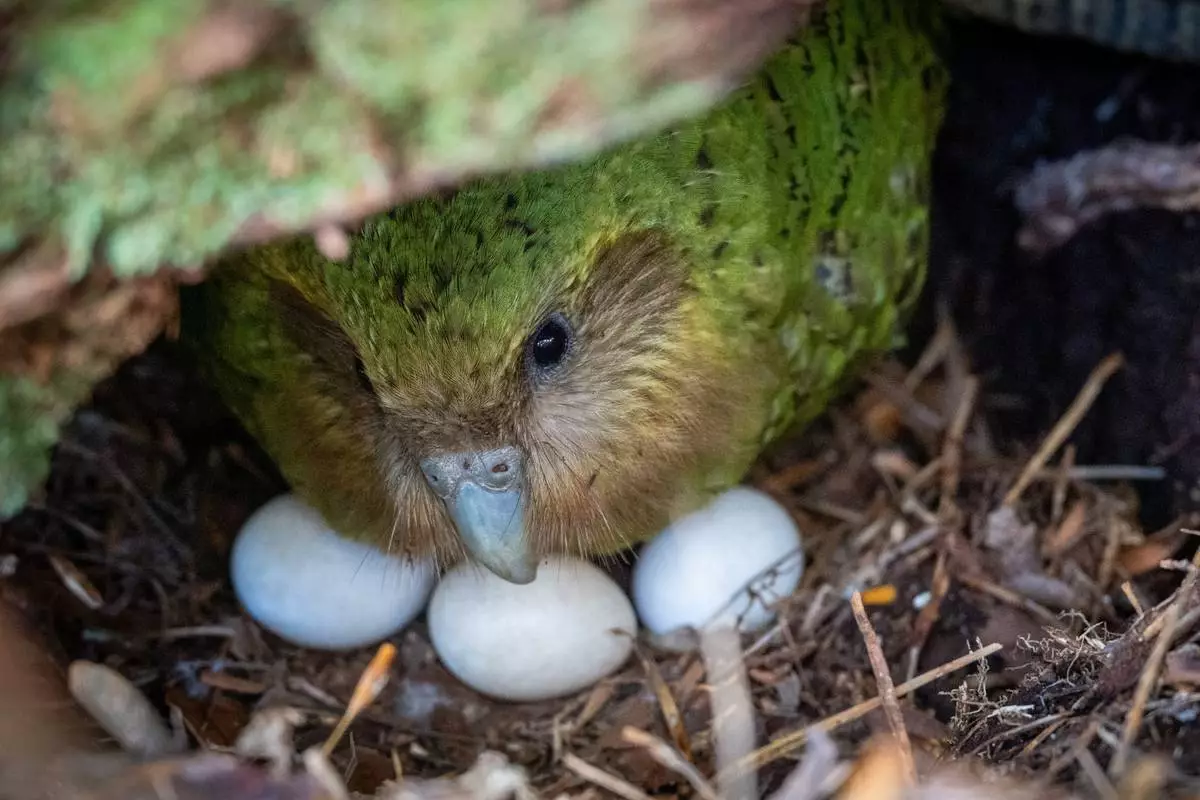
In this photo provided by the Dept. of Conservation, New Zealand, Kakapo, Kohengi sits with her three eggs, on Anchor Island, Pukenui, New Zealand, Feb. 3, 2026. (Andrew Digby/Dept. of Conservation, New Zealand via AP)