I’m currently dusting off my seed-starting supplies and sorting through seed packets from years past. Seed starting is an annual ritual for many gardeners, but if you’re new to the party, it would be helpful to know that not all seeds should be treated the same way.
Many seeds only require soil and water to sprout. Others, however, have a harder coating that makes germination a bit difficult. That’s because in the wild, they rely on birds and other wildlife that eat them to carry them far distances before dropping them.
It’s a good plan: The journey ensures biodiversity by introducing the species to another location. And the seed’s tough outer coating ensures its survival through an animal’s digestive tract, which erodes only enough of the protective layer to allow water to enter. The remaining coating prevents the seed from waking up too early, which would otherwise spell death for tender sprouts in cold temperatures.
But nature’s survival plan creates a bit of a challenge for home gardeners because the hard coating prevents those seeds from sprouting easily. So it’s up to us to mimic the effects of stomach acid to expose the seed’s inner layer so that moisture can penetrate.
This is called scarification, and there are a few ways to do it, all of which are simple.
Rub each seed lightly against medium-grit sandpaper, an emery board or a nail file until you see a hint of its paler inner layer. This method works best with larger seeds, but you can also tuck several small ones between two sheets of sandpaper and gently rub the sheets together. Just a little friction should do the trick.
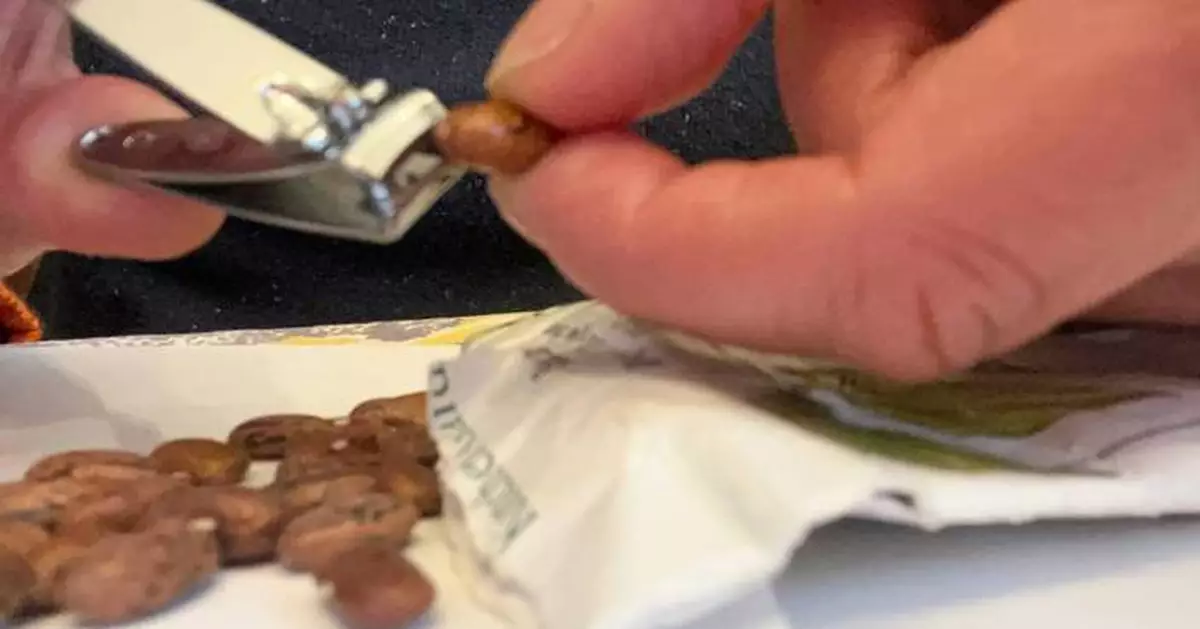
Sometimes I use small nail clippers intended for babies to snip a tiny sliver off the edge of the seed’s coat.
If you have more time than wherewithal, this is the easiest method: place the seeds in a bowl, cover them with warm water, and let them sit for a few hours or overnight. They’ll swell slightly as they take in moisture, which is exactly what you want.
Never use hot water; cooked seeds won’t grow. Keep the temperature below 150 degrees Fahrenheit (66 degrees Celsius). And whatever method you choose, do it right before planting. Once the seed's inner tissue is exposed, it will begin to dry out.
Is scarification absolutely required? No. Seeds will often sprout without it, but it could take much longer, and you’ll likely end up with far fewer seedlings. Scarified seeds don’t have to wait around for their coats to break down under soil, which is a real advantage if your growing season is short, your elevation is high or you’re a procrastinator.
Some common annuals and perennials that benefit from the practice include Indian mallow (Abutilon), columbine (Aquilegia), hollyhock (Alcea), sweet alyssum (Alyssum), milkweed (Asclepias), wild indigo (Baptisia), beautyberry (Callicarpa), bellflower (Campanula), Joe Pye weed (Eutrochium), sweet pea (Lathyrus odoratus), bluebonnet (Lupine), mallow (Malva), poppy (Papaver), beardtongue (Penstemon) and nasturtium (Tropaeolum).
Edibles to scarify include all bean types, luffa, spinach, strawberry and winter squash.
Some of the really stubborn seeds — chickpeas, lima beans, nasturtiums — respond well to a one-two approach: a little nick or sanding, followed by a soak.
Jessica Damiano writes weekly gardening columns for the AP and publishes the award-winning Weekly Dirt Newsletter. You can sign up here for weekly gardening tips and advice.
For more AP gardening stories, go to https://apnews.com/hub/gardening.
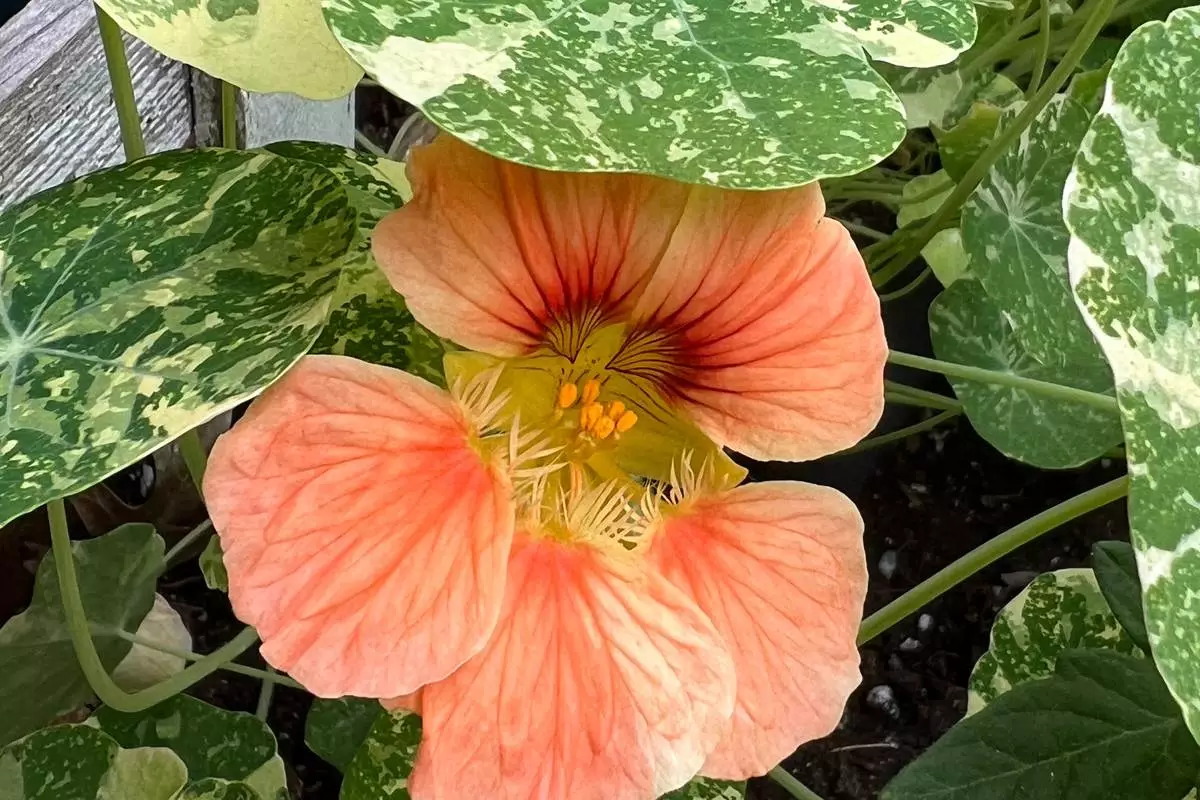
A blooming nasturtium plant appears on Long Island, N.Y., on June 2, 2024. (Jessica Damiano via AP)
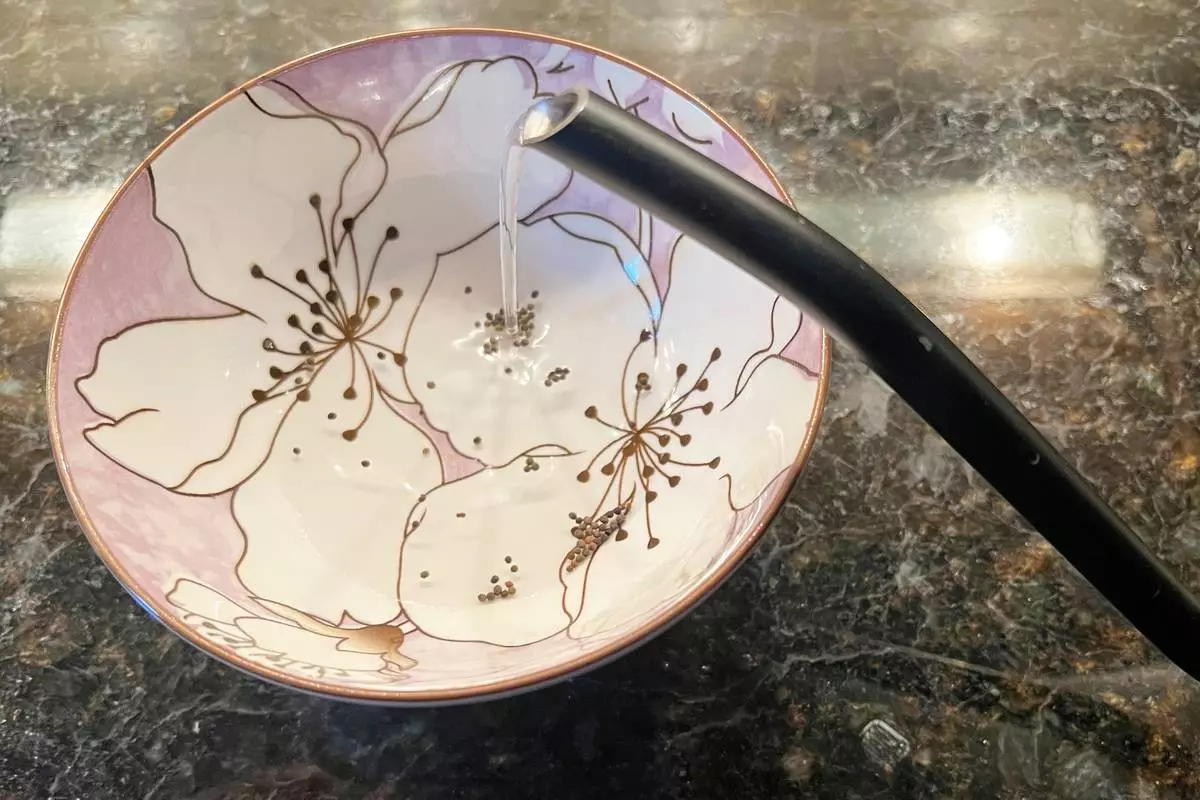
Poppy seeds undergo scarification in a bowl of warm water on Feb. 15, 2025. (Jessica Damiano via AP)
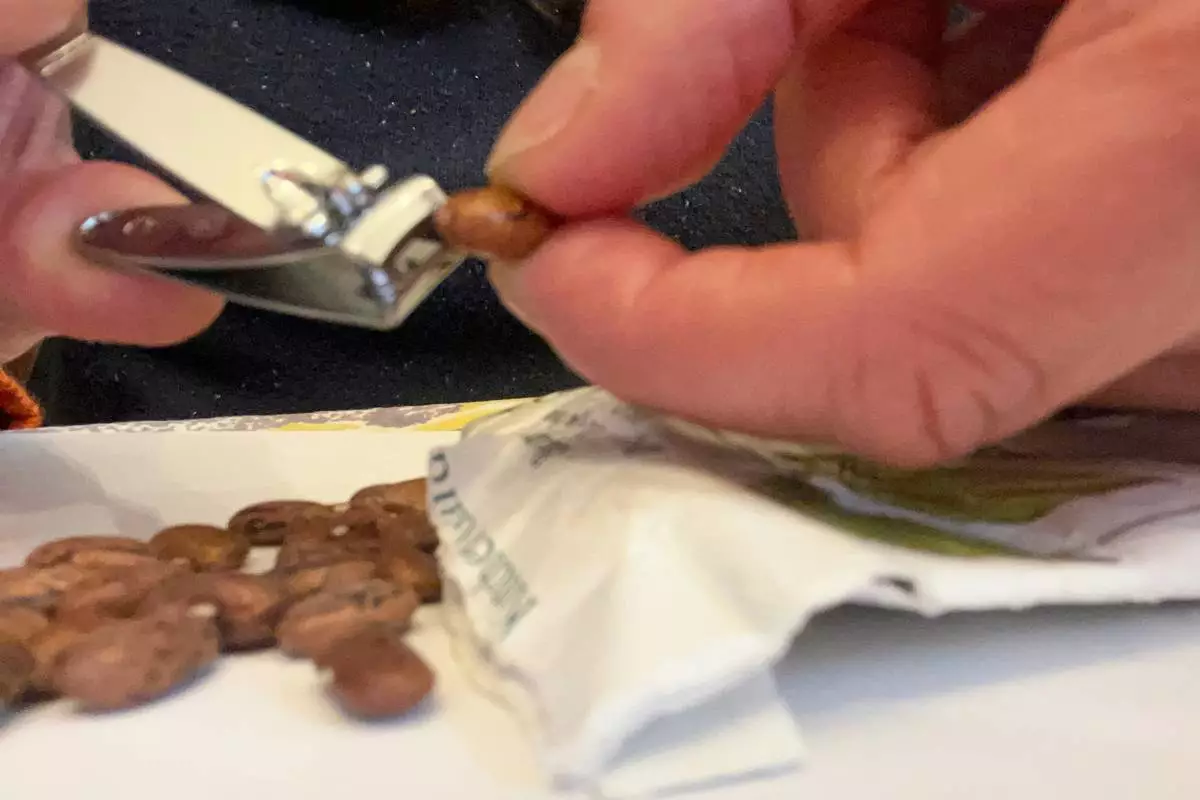
A bean seed undergoes scarification with a set of nail clippers on Feb. 17, 2026. (Jessica Damiano via AP)