A man with a long criminal history fatally shot a Missouri sheriff's deputy during a traffic stop and then killed a second deputy in a gunbattle hours later as the deputy tried to save two wounded officers, authorities said Tuesday.
“We will be honoring them for a lifetime,” Christian County Sheriff Brad Cole said at a news conference in praise of the slain men.
Cole said the suspect, 45-year-old Richard Dean Bird, also was killed. Bird’s death came just after hours after he was charged in a burglary case — the latest in a string of criminal misconduct cases that included a conviction for shooting at Kansas law enforcement more than a decade ago.
Cole said it all started just before 4 p.m. Monday with a traffic stop south of Highlandville in southwest Missouri. He said Deputy Gabriel Ramirez was found dead in the roadway afterward.
More than 100 deputies, state troopers, U.S. Marshals and agents from the FBI and the Bureau of Alcohol, Tobacco, Firearms and Explosives searched for hours after Bird's pickup truck was found about 15 miles (24 kilometers) away, near the Stone County town of Reeds Spring.
Around 11:30 p.m., deputies approached a heat signature detected in the woods and Bird began shooting. Cole said Christian County Deputy Josh Wahl was struck in the leg, and Webster County Deputy Austin McCall sustained four gunshot wounds.
While attempting to reach the wounded men, Christian County Deputy Michael Hislope was killed.
“It’s important to understand that when situations like this occur, it is very difficult for us to stand back and not try to go rescue our people,” Cole said.
Cole estimated that the gunfire lasted for more than 30 minutes. He said law enforcement ultimately used an armored vehicle to approach Bird as he continued to fire upon them and killed him.
Wahl and McCall were rushed to a hospital and are recovering in stable condition after undergoing surgery, Cole said.
Bird had a long criminal history dating back more than a decade.
In 2014, he was charged with attempted first-degree murder and theft in the Kansas City suburb of Johnson County, Kansas, after firing a gun during a law enforcement chase. He was sentenced to eight years in prison after agreeing to a deal in which he pleaded no contest to charges that included battery against a law enforcement officer and fleeing or attempting to allude police.
The prosecutor’s office didn’t comment about the case other than to stress that no one was killed during that incident.
Missouri court records show that issues continued after he was released. He wracked up convictions for driving with a revoked license, misdemeanor stealing and tampering with a motor vehicle.
Then, last week, deputies in nearby Stone County tracked a stolen four-wheel off-road vehicle, often called a side-by-side, to a single-wide trailer where Bird was living. A search of the property unearthed drugs and other stolen property, including a manhole cover.
After being charged with receiving stolen property and possession of a controlled substance, Bird posted bond Friday. A Stone County deputy described him in an affidavit as a “danger to the public,” noting his extensive criminal history.
Then coins found during the search were traced back to an earlier theft of an antique safe, court records show.
Bird was charged Monday with a fresh round of charges, including burglary, stealing and tampering with physical evidence. A warrant was issued.
Cole said he wasn’t certain of the reason for the initial traffic stop and didn’t know whether Bird knew about the warrant.
“If he had known about that, it could have played a role in the factors of what happened, but I don’t want to speculate on that,” Cole said.
Cole said funeral plans are underway and that he has ordered mourning badges to honor Ramirez, who was 30, and Hislope, who was 40. He described both as Army veterans who saw combat overseas.
“Our community," said Gov. Mike Kehoe, who joined Cole at the news conference, "should be thankful that we have people that run in when everybody else is running away.”
This story has been updated to correct that the latest charges against Bird were issued Monday, not Tuesday.
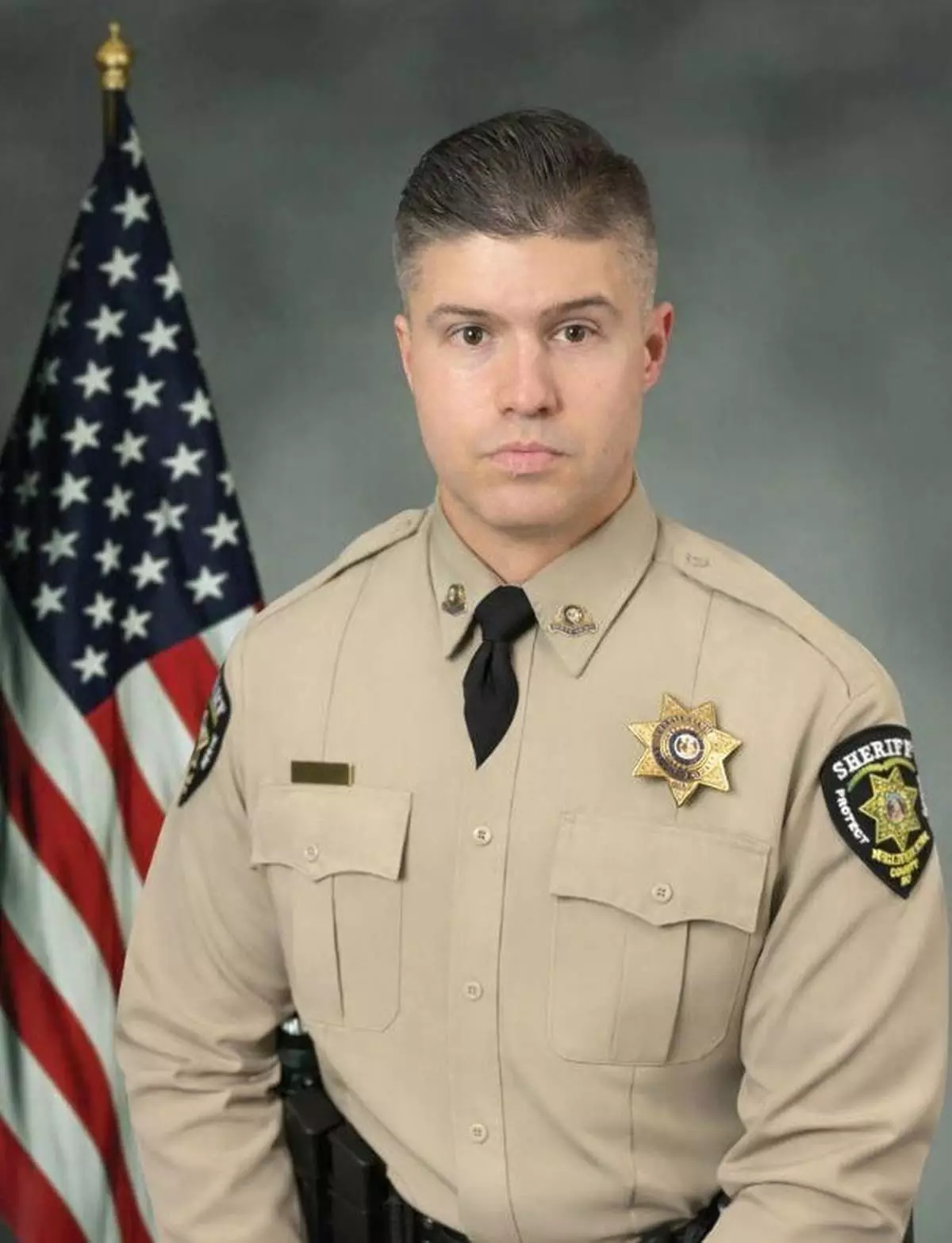
This undated photo released on Christian County Sheriff's Office's social media shows Deputy Michael Hislope. (Christian County Sheriff's Office via AP)
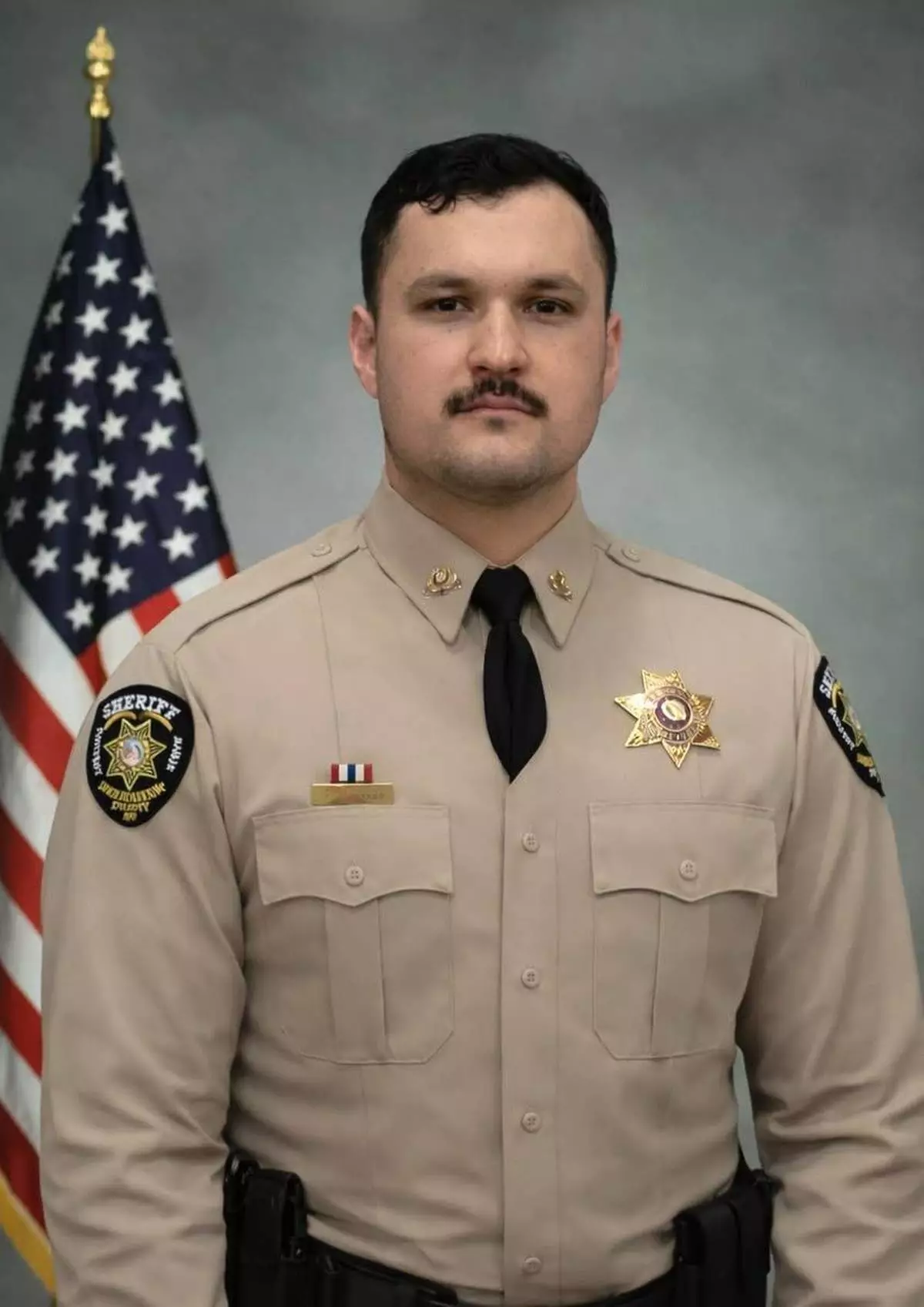
This undated photo released on Christian County Sheriff's Office's social media shows Deputy Gabriel Ramirez. (Christian County Sheriff's Office via AP)
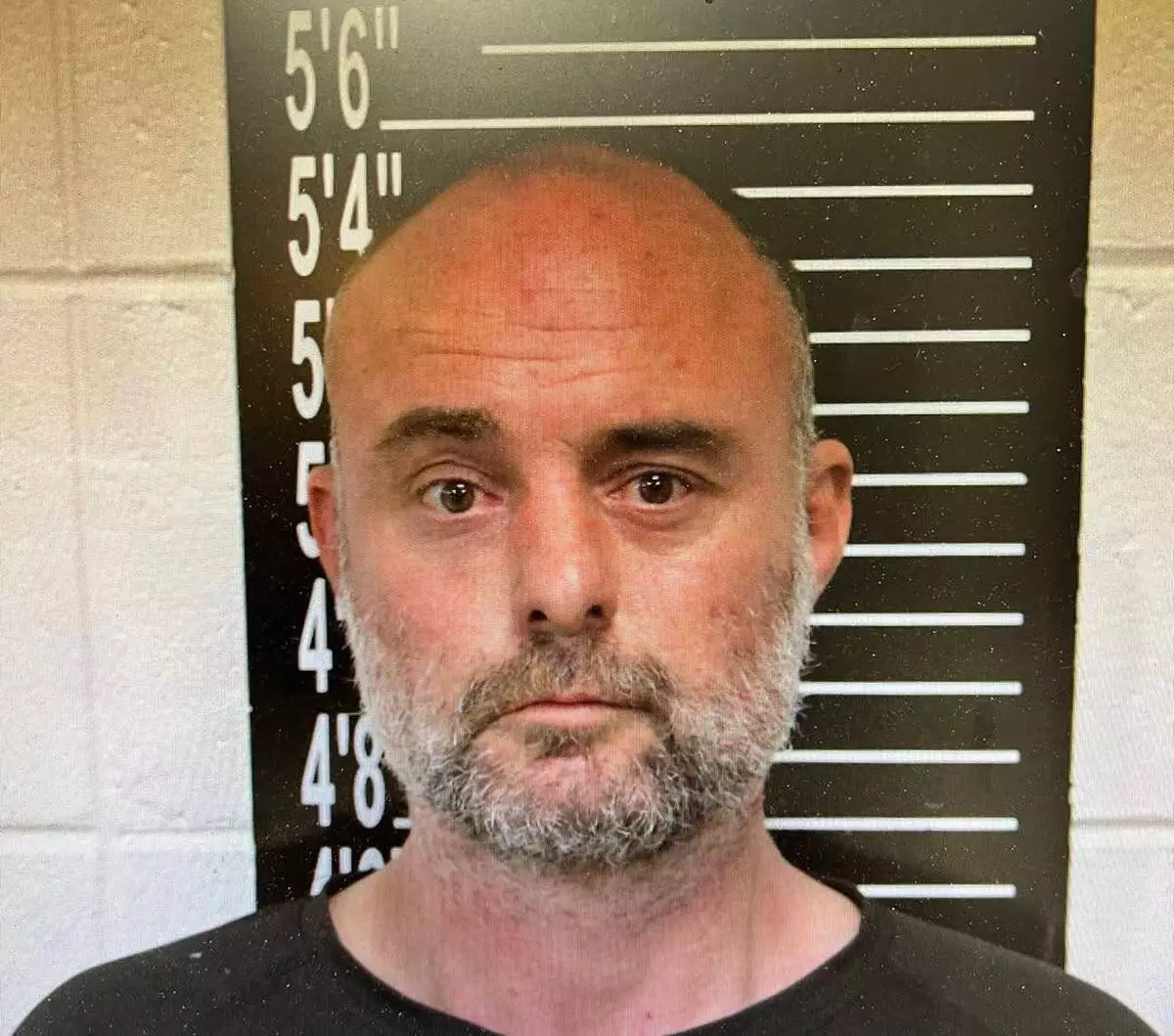
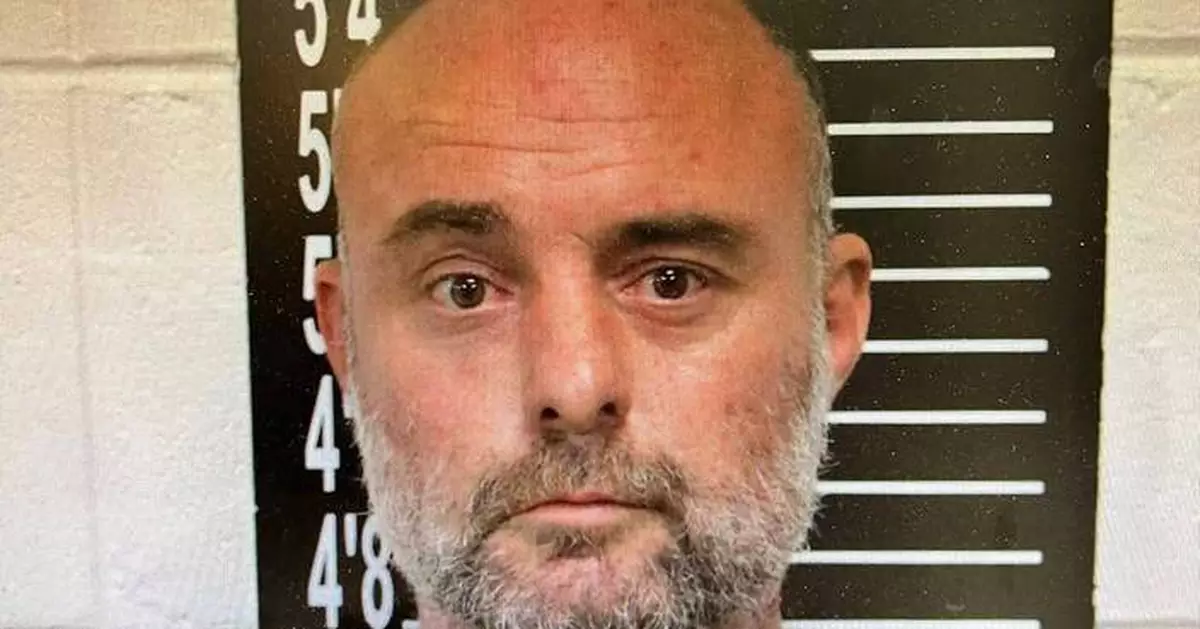
This undated photo released on the social media site of Stone County Sheriff's Office shows Richard Bird. (Stone County Sheriff's Office via AP)
GUADALAJARA, Mexico (AP) — Hugo Alejandro Pérez was in his house a few miles from the Mexican stadium that is slated to host FIFA World Cup games when gunfire and explosions erupted just outside his door.
The 53-year-old restaurant owner was already skeptical about his city, Guadalajara, hosting the international sporting event.
He saw a government that failed to fix basic things, like water service to his home, along with cartel violence in the surrounding state of Jalisco and shook his head. The surge of bloodshed this week following the Mexican military's killing of the country’s most powerful cartel boss offered more confirmation of his doubts.
“I don’t think they should host the World Cup here,” Peréz said. “We have so many problems, and they want to invest in the World Cup? With all the violence, it’s not a good idea.”
Peréz joined other people Tuesday in questioning Guadalajara's capacity to be a host city for the summer soccer competition, even as the Mexican government vowed that the international event — hosted jointly by Mexico, the United States and Canada — will not be affected.
President Claudia Sheinbaum was asked at her daily news briefing what guarantees there are that World Cup matches will be held in Jalisco. “Every guarantee,” she said, adding that there was “no risk” for fans coming to the tournament.
Jalisco Gov. Jesús Pablo Lemus said he had spoken with local FIFA officials, who have "absolutely no intention of removing any venues from Mexico. The three venues remain completely unchanged.”
The same day, the Portuguese soccer federation said it was “closely monitoring the delicate situation” in Mexico.” Its national team was scheduled to play Mexico’s team in a friendly on March 28 at the newly renovated Azteca Stadium in Mexico City, which is scheduled to host the opening World Cup match on June 11.
Jalisco, in western Mexico, was already facing scrutiny. The state has been plagued by some of the starkest examples of cartel violence in recent years, including the discovery of a cartel killing site at a ranch last March and a crisis of disappearances.
The state, with Guadalajara as its capital, is the central hub for the Jalisco New Generation Cartel, whose leader Nemesio Oseguera Cervantes, or “El Mencho,” was killed Sunday in a capture attempt by the military.
The operation and waves of violence killed 70 people. Cartel gunmen set fire to cars to block streets in states across the country, namely Jalisco, and fought with Mexican forces into Monday as the government said the conflict was under control.
The death of Oseguera Cervantes came as Mexico’s government has stepped up its offensive against cartels in an effort to meet demands by U.S. President Donald Trump to crack down on criminal groups. The cartel, also known as CJNG, is one of the fastest-growing criminal networks in Mexico.
The White House confirmed that the U.S. provided intelligence support to capture the cartel leader and applauded Mexico’s army for taking down a man who was one of the most wanted criminals in both countries.
Peréz, the restaurant owner, also commended Sheinbaum's efforts to go after cartels, saying the government has taken cartel violence more seriously than her predecessors. At the same time, he said, local authorities in Jalisco have fallen short in protecting civilians.
The root concern for many is that the death of “El Mencho” could pave the way for more violence. Killing capos, in what's become known as the “kingpin strategy,” has been criticized by Sheinbaum herself because it can often spark internal conflict between cartel factions and push rival cartels to make territorial grabs.
Vanda Felbab-Brown, an academic at the Brookings Institution, said she doesn't see more acts of “revenge” by the cartel as likely, but the future remains uncertain, especially after leading figures in both CJNG and the Sinaloa Cartel have been knocked out in recent years.
“If there is no clear line of succession (in CJNG), we might see a lot of fighting within the cartel, its breakup, and there are a lot of scenarios," she said.
On Sunday, when firefights broke out between the cartel and soldiers, and gunmen began to burn a car just feet in front of Peréz's house, he let people on the street scramble inside his home to seek cover. The fighting raged for an hour.
Now he says he doesn't see the point of holding the games, adding that he doubts any of the money from the games will trickle down to businesses in working-class neighborhoods like his, even if they are just a 10-minute drive from the stadium. Similar tensions have simmered in Mexico City.
The World Cup is expected to be a $3 billion economic engine in Mexico, according to the Mexican Soccer Federation.
“It doesn't help us residents at all, honestly. They should move it to Monterrey or Mexico City. But right now here, we're not convinced,” he said. "Things aren't in good enough shape for foreigners to be coming to Jalisco for an event like this.”
On Monday, some foreign tourists trapped in the violence in the city of Puerto Vallarta took to social media to warn of the violence, with a few remarking that they didn't plan to return.
Despite that, Guadalajara was snapping back to its normal rhythm Tuesday. Many businesses opened their doors for the first time in two days, and streets were packed with traffic.
Workers were busy fixing up the exterior of the soccer stadium that will host World Cup matches. Cyclists zipped around outside the stadium, and parents played with children in parks.
Heavily armed police officers and National Guard members roamed the city, a sign for some that the government had the situation under control.
Juan Carlos Pila, a 55-year-old taxi driver, rolled his eyes at the reports of violence after spending two days waiting with his family for things to calm down. He said social media and local news outlets were overplaying the extent of the violence.
“People should come, man. Everyone is welcome,” he said.
Others, like Maria Dolores Aguirre, simply hoped for the best. Aguirre runs a small corner story in the cobblestoned tourist town of Tapalpa tucked away in Jalisco's mountains, where Mexico's military killed “El Mencho."
Aguirre’s family business of over 50 years depends on the flow of tourists to the normally sleepy town. Now she worries bloodshed will deal a blow to her livelihood and change towns like hers.
“It’s going to affect us. It’s collateral damage,” Aguirre said. “The government is going to have to have a lot of security. … The entire world just saw what happened and, of course, people are going to think twice about coming.”
Associated Press writer María Verza in Mexico City contributed to this report.
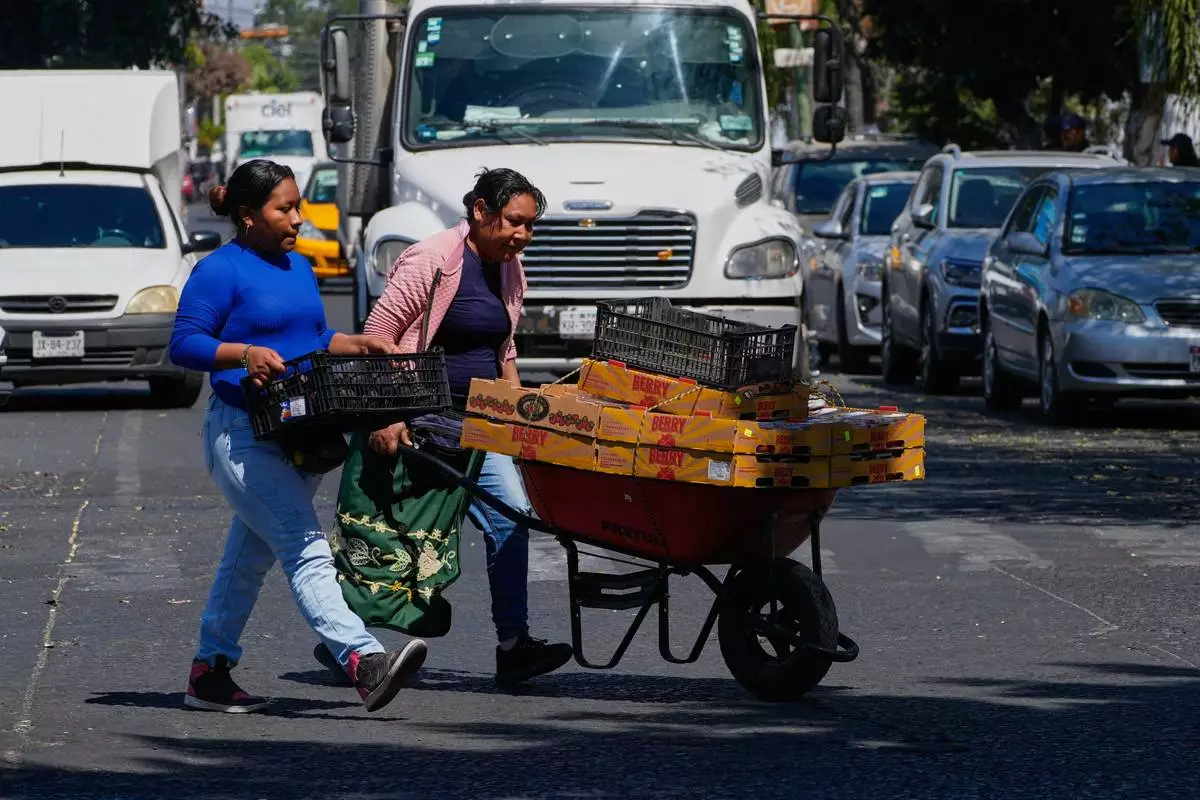
Fruit vendors walk along a street in Guadalajara, Mexico, on Tuesday, Feb. 24, 2026. (AP Photo/Marco Ugarte)
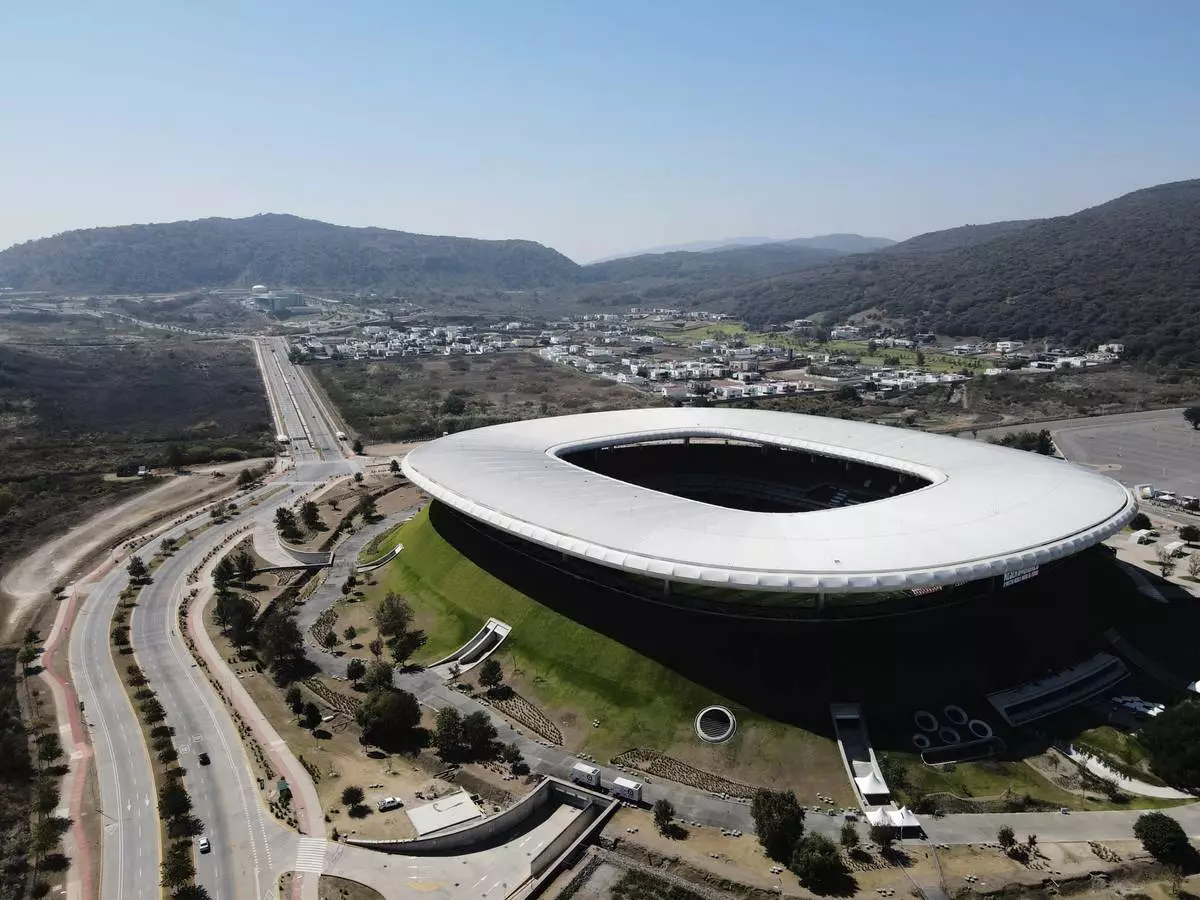
Akron Stadium, a venue for the 2026 FIFA World Cup, stands in Guadalajara, Mexico, Tuesday, Jan. 24, 2026. (AP Photo/Marco Ugarte)
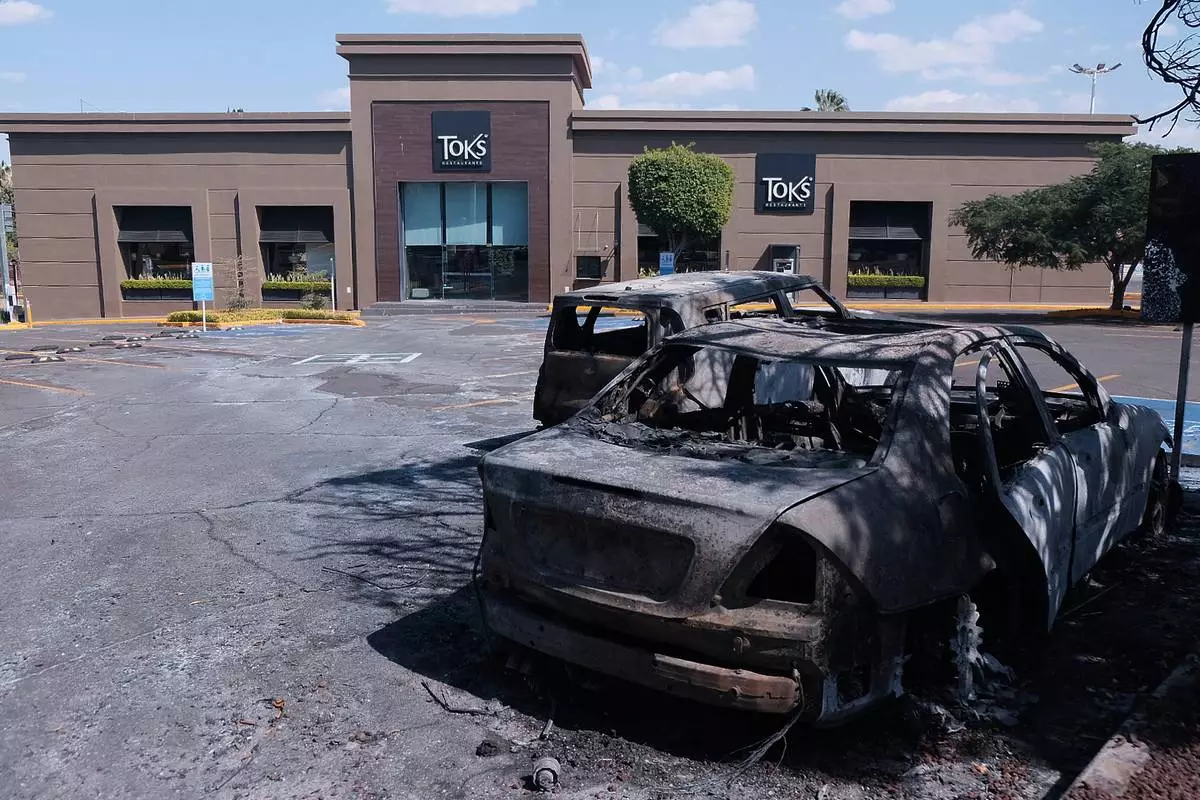
Charred vehicles sit in a parking lot outside a shopping mall in Guadalajara, Jalisco state, Mexico, Sunday, Feb. 22, 2026, as authorities reported that the Mexican Army killed Jalisco New Generation Cartel leader Nemesio Oseguera Cervantes, known as "El Mencho." (AP Photo/Alejandra Leyva)
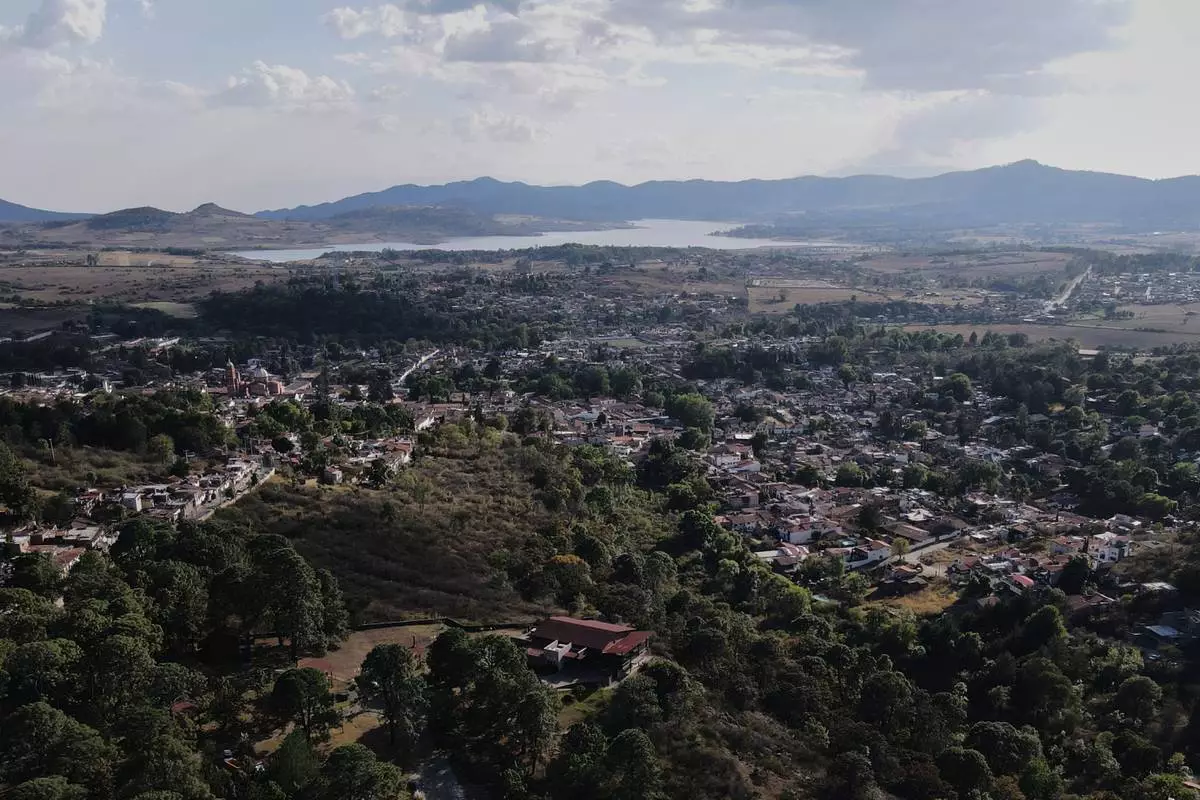
Trees and buildings dot Tapalpa, Mexico, Monday, Feb. 23, 2026, a day after the Mexican army killed Jalisco New Generation Cartel leader Nemesio Oseguera Cervantes, known as "El Mencho." (AP Photo/Marco Ugarte)
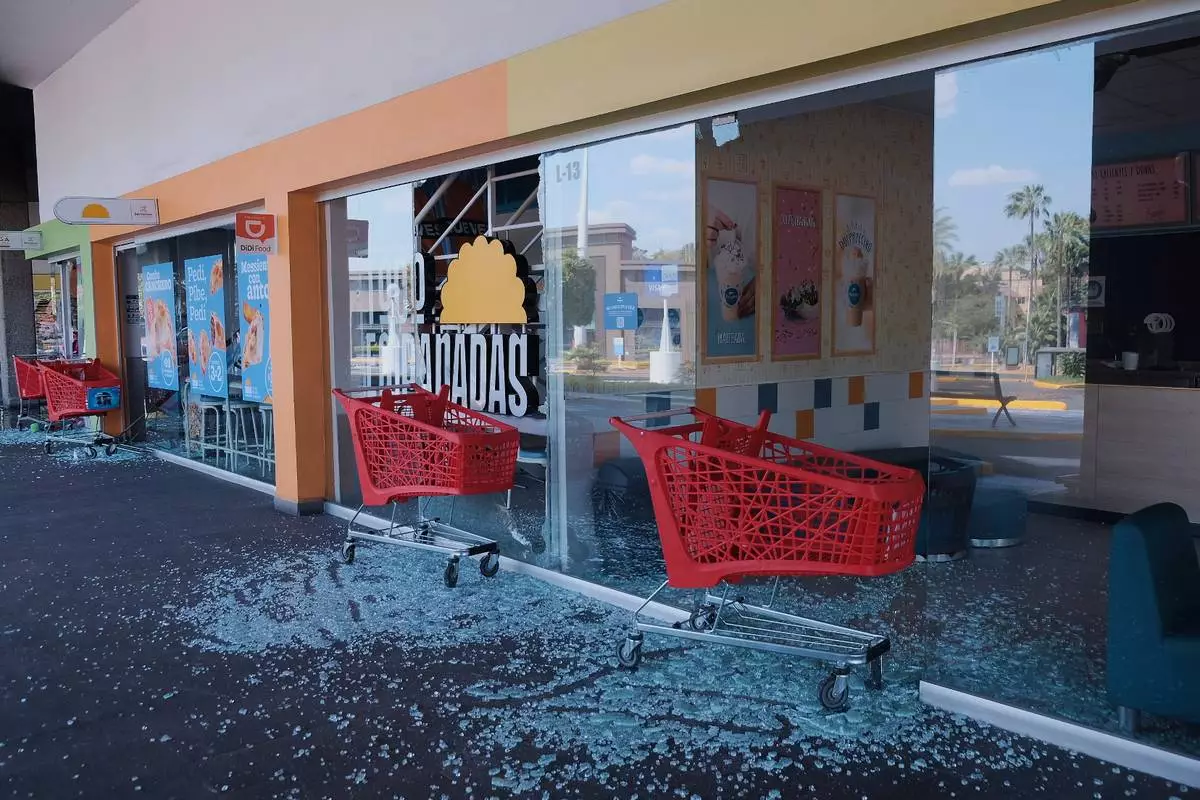
Carts stand outside of a vandalized supermarket in Guadalajara, Jalisco state, Mexico, Sunday, Feb. 22, 2026, after the death of the leader of the Jalisco New Generation Cartel, Nemesio Rubén Oseguera Cervantes, known as "El Mencho." (AP Photo/Alejandra Leyva)
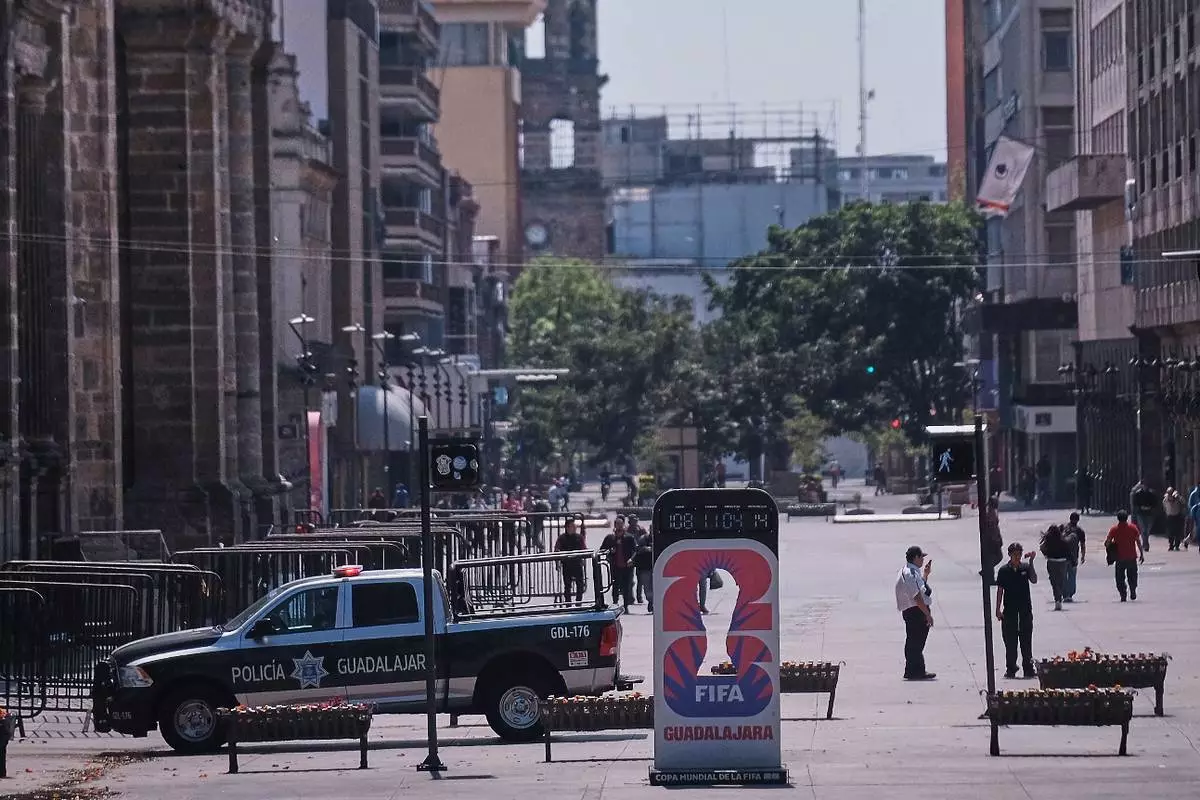
Police officers stand guard in downtown Guadalajara, Jalisco state, Mexico, Sunday, Feb. 22, 2026, after the death of the leader of the Jalisco New Generation Cartel, Nemesio Oseguera Cervantes, known as "El Mencho." (AP Photo/Alejandra Leyva)
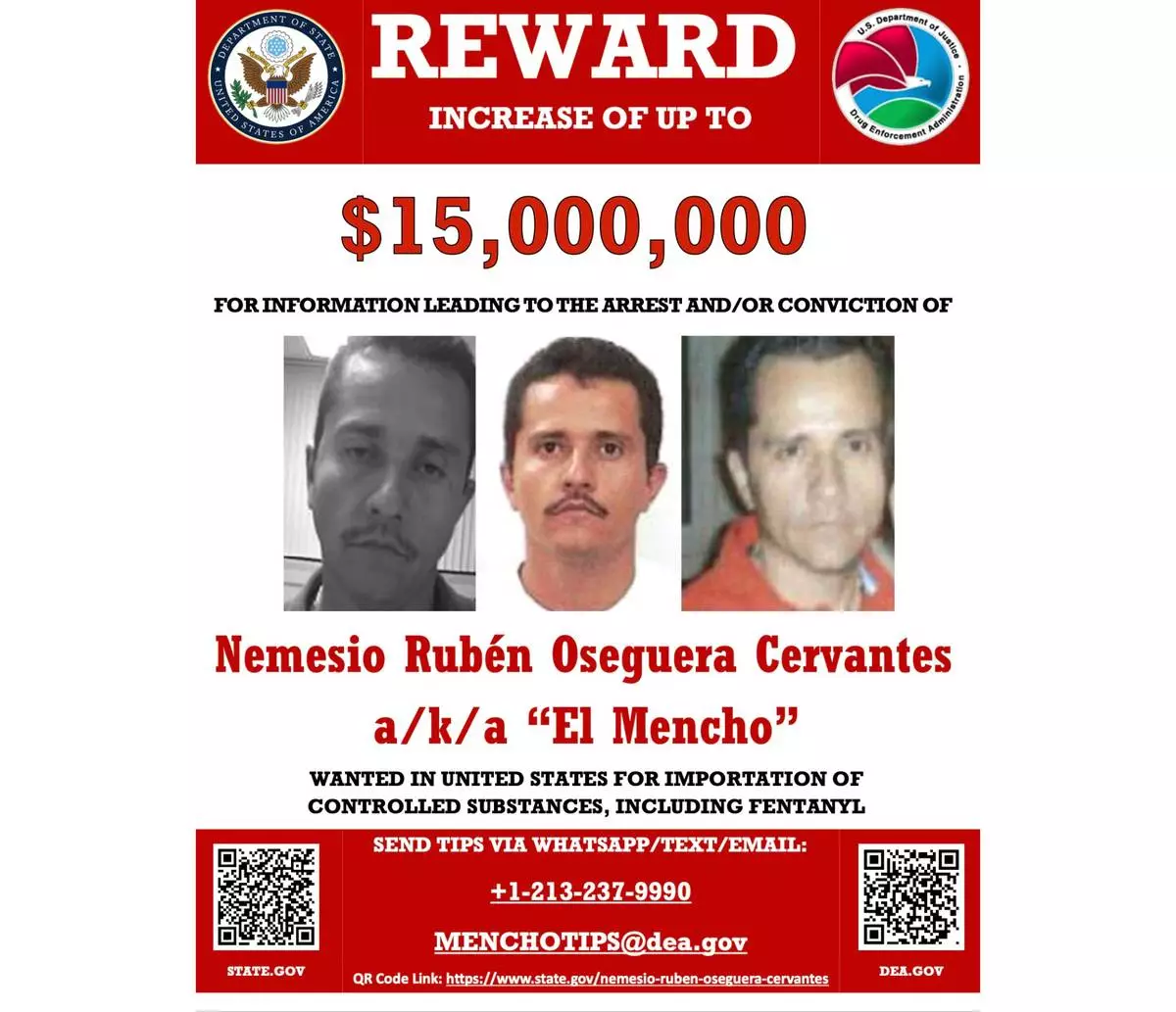
This wanted poster released on Dec. 4, 2024 on the U.S. State Department website shows leader of the Jalisco New Generation Cartel, Nemesio Rubén Oseguera Cervantes, known as “El Mencho.” (U.S. State Department via AP)
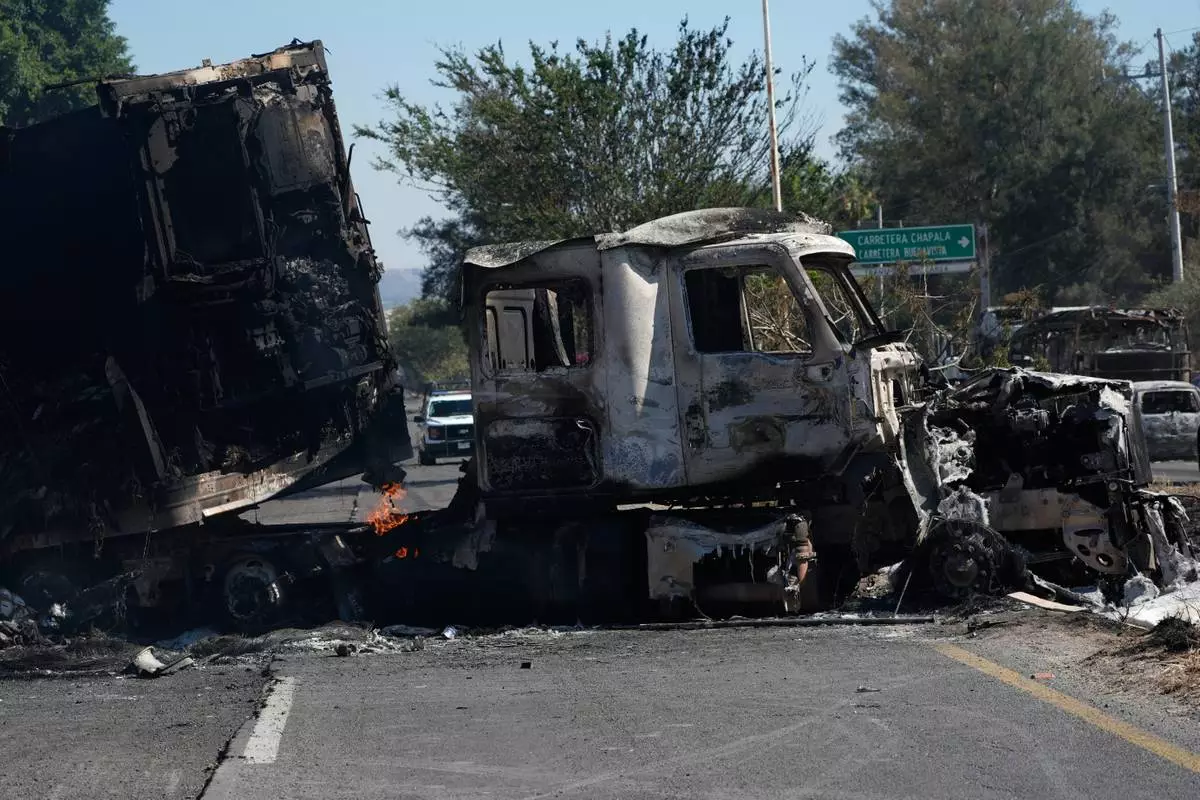
A charred truck blocks a road the day after the Mexican army killed Jalisco New Generation Cartel leader Nemesio Oseguera Cervantes, known as "El Mencho," in Guadalajara, Mexico, Monday, Feb. 23, 2026. (AP Photo/Marco Ugarte)
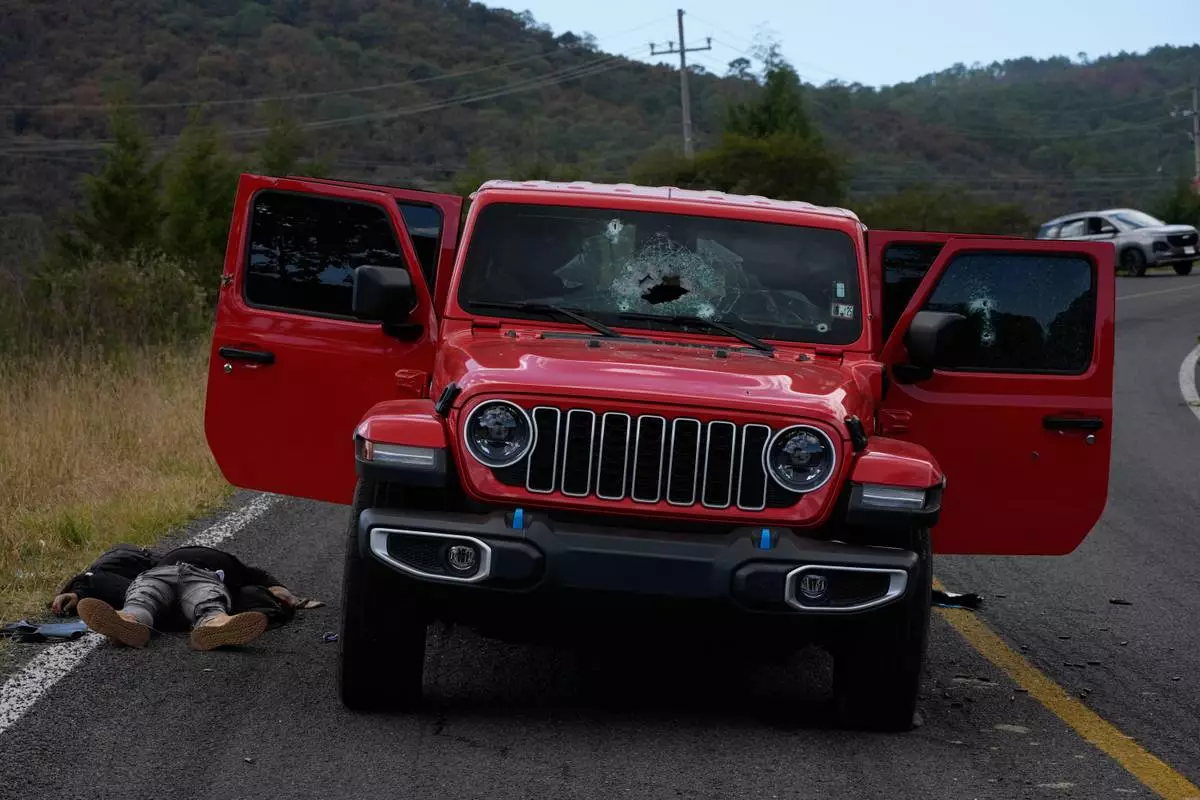
A body lies beside a bullet-riddled vehicle in Tapalpa, Mexico, Monday, Feb. 23, 2026, a day after the Mexican army killed Jalisco New Generation Cartel leader Nemesio Oseguera Cervantes, known as "El Mencho." (AP Photo/Marco Ugarte)
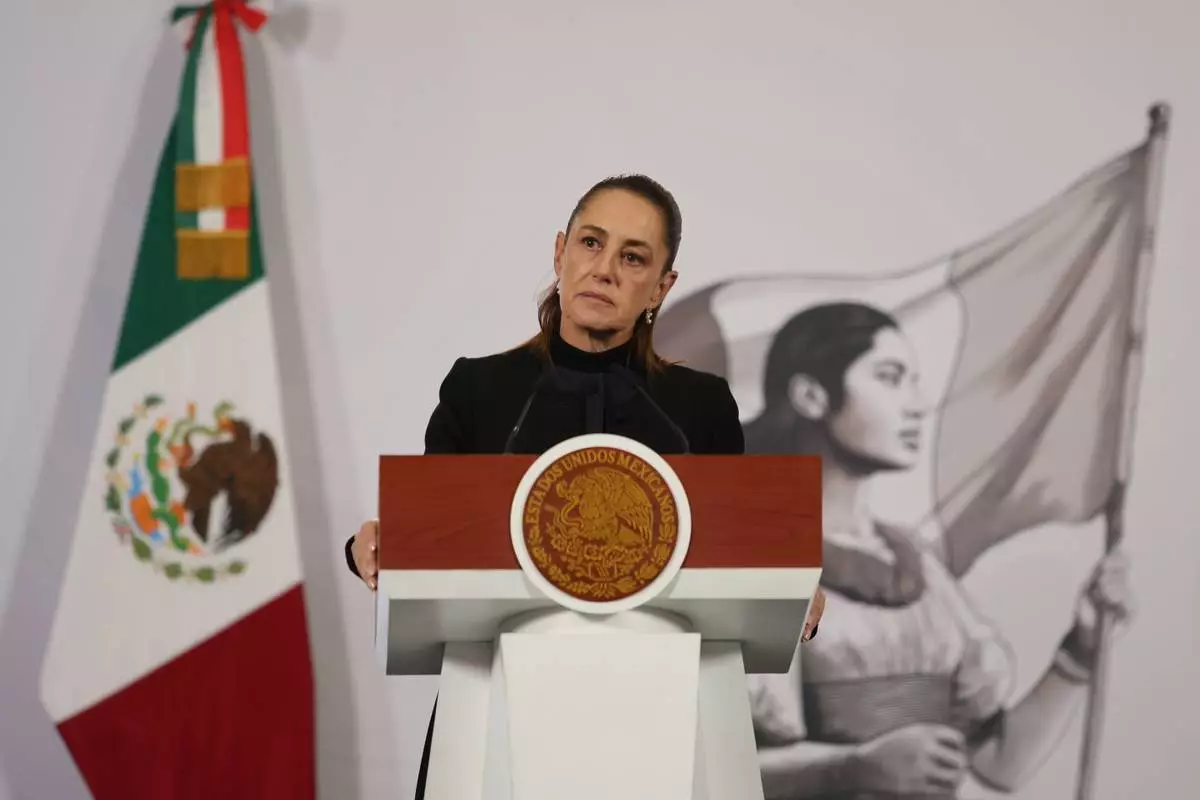
Mexican President Claudia Sheinbaum gives her the daily, morning news conference at the National Palace in Mexico City, Monday, Feb. 23, 2026, the day after the Mexican army killed Jalisco New Generation Cartel leader Nemesio Oseguera Cervantes, known as "El Mencho." (AP Photo/Ginnette Riquelme)
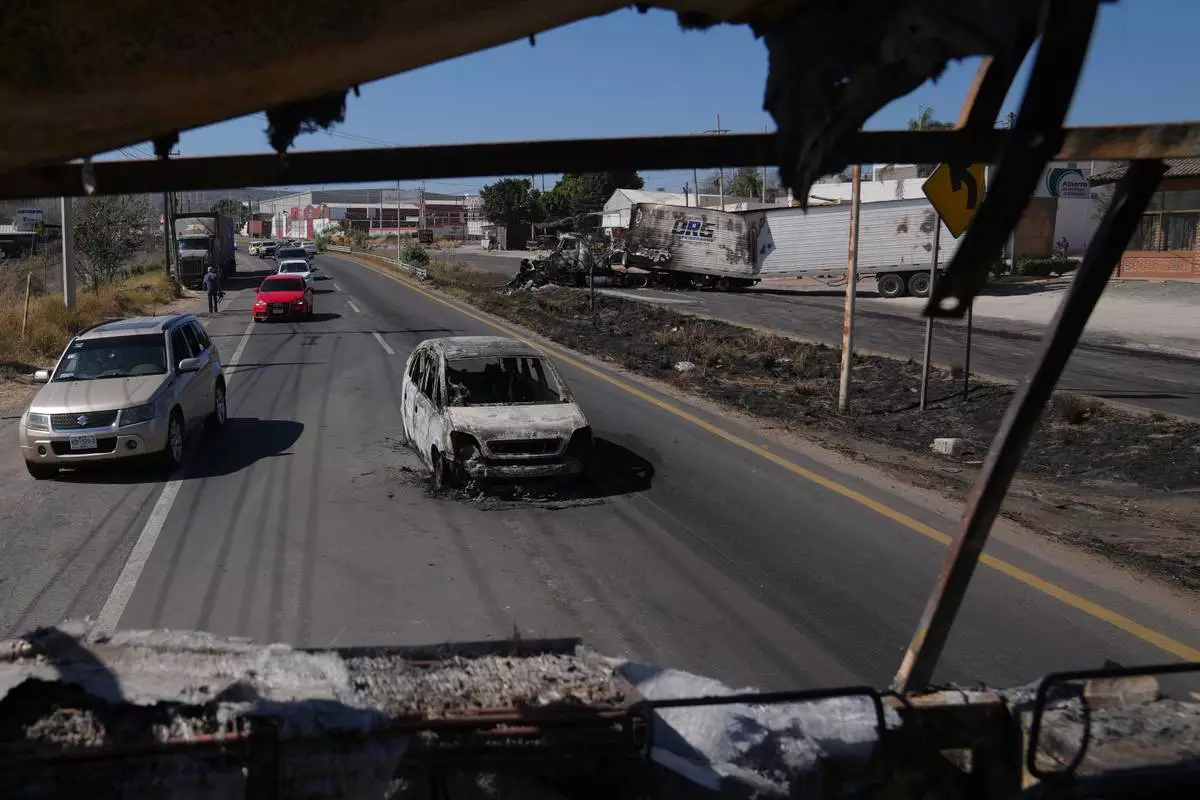
Vehicles pass a burned car a day after the Mexican army killed the leader of the Jalisco New Generation Cartel, Nemesio Oseguera Cervantes, known as "El Mencho," in Guadalajara, Mexico, Monday, Feb. 23, 2026. (AP Photo/Marco Ugarte)